How Many Days In Amsterdam Is Enough?
A straight answer to how many days you need in Amsterdam, with what fits into one, two, three, four and five days, ticket realities and cost anchors.
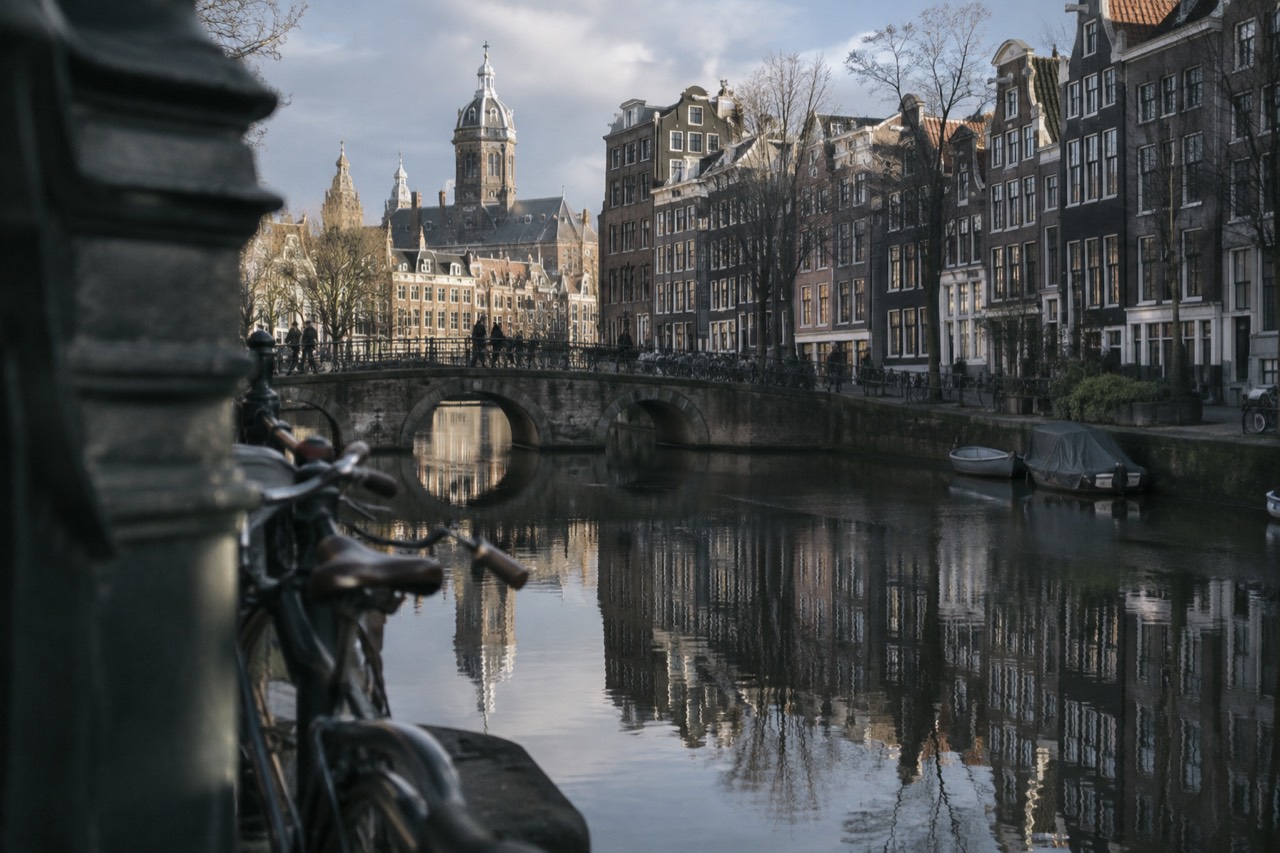
Amsterdam is small on the map and slow underfoot. The centre is compact, but the canal ring rewards wandering, the major museums each swallow half a day, and the ticket systems for the most visited sights now demand planning weeks in advance rather than on the doorstep. The city recorded 23.7 million tourist overnight stays in 2025, and the crowds that number produces are the real reason the "how many days" question matters: a short visit spent queueing is a visit wasted. This guide works through what one, two, three, four and five days each realistically hold, what tickets force you to decide early, and where the money goes.
How Many Days In Amsterdam Is Enough?
Three days is enough for the Amsterdam most visitors come to see: the canal ring, the Rijksmuseum or the Van Gogh Museum, one walking tour, one canal cruise and an evening in a brown café, at a pace that leaves room to enjoy any of it. Two days covers the essentials if you start early and accept hard cuts. Four days adds a neighbourhood and a second museum without strain. Five days or more only makes sense when you fold in a day trip, because the city itself starts running out of must-sees before its hotels do.
The honest framing is not "how much is there" but "how fast can you move between things". Amsterdam's centre is walkable, but it is also cobbled, bridge-heavy and crowded, and its two most famous museums sit on the same square with timed-entry systems that stagger arrivals across the whole day. Add a canal cruise, which nearly every first-time visitor takes, and a single day already has more fixed appointments than a day in a less organised city.
Money follows length in an unusually linear way here. The big museums cluster around the same price point, the Rijksmuseum and the Van Gogh Museum both at €25 for adults, so each additional museum day adds a predictable chunk. Transport is the opposite: a GVB 24-hour day ticket costs €10.00, and longer versions get cheaper per day, so a longer stay spreads that cost thinner. The planning question is really which of those curves you land on.
For most readers the three products above map onto the three fixed bookings that shape a first visit: a timed museum slot, a brewery-style attraction that eats ninety minutes, and a canal cruise that anchors an evening. Decide those three and your day count mostly decides itself.
What Can You Realistically Fit Into Two Days?
Two days fits the canal ring on foot, one major museum, a canal cruise, the Jordaan or De Pijp but not both, and an evening walk through the centre, provided you book museum tickets and a cruise before you arrive. It does not fit the Anne Frank House unless you won the ticket release, and it does not fit a day trip. Two days is a real visit, not a teaser, but it forces one big cut on day one and one on day two.
Day one should be the centre: Dam Square, the canal belt from the water, and the Rijksmuseum or the Van Gogh Museum in a pre-booked afternoon slot. The Van Gogh Museum states plainly that all visitors must pre-book a timed entry ticket, and the Rijksmuseum requires a start time for everyone, including pass holders, so the museum decision has to be made before the trip, not during it. A one-hour canal cruise slots into the early evening; Rederij Kooij, one of the established operators, prices its original one-hour cruise at €15.50 for adults.
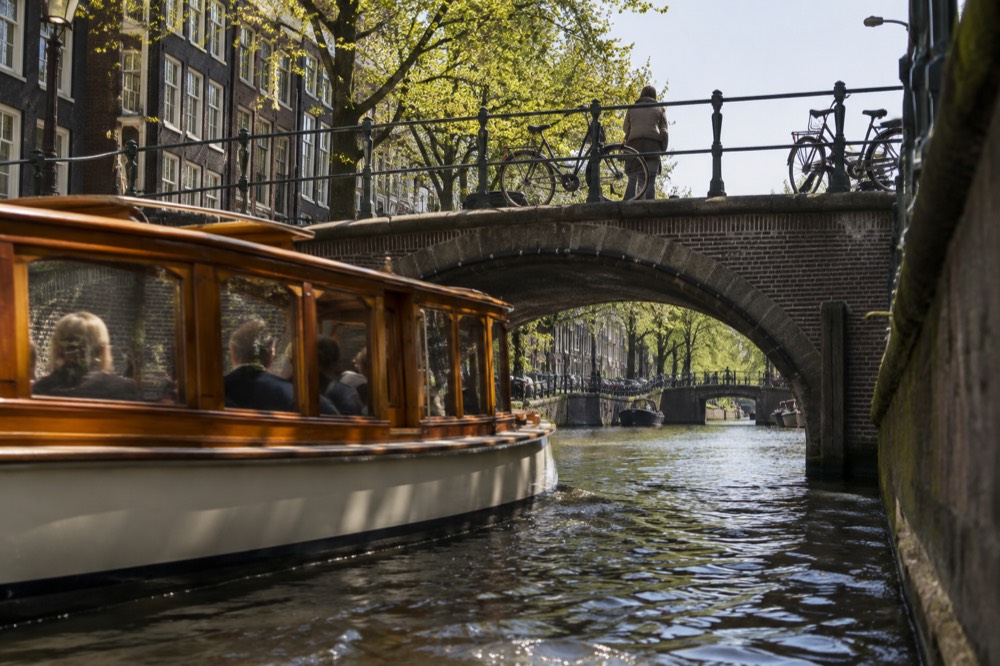
Day two is the neighbourhood day: the Jordaan's lanes and hofjes, or De Pijp with the Albert Cuyp Market, plus whatever your first day could not hold. This is also the day to walk rather than ride, because the two neighbourhoods are where Amsterdam stops being a postcard and starts being a city. If the weather turns, swap in a second museum; the Stedelijk and the Rembrandt House are both central and both quicker to see than the two giants.
The two-day budget question is mostly a museum question. Two museum entries plus a cruise plus transport lands you near €80 per person on activities alone before food, which is why some two-day visitors buy the I amsterdam City Card; at €67 for 24 hours and €94 for 48 hours, it only pays if you stack several covered attractions, and its two most famous exclusions, the Van Gogh Museum and the Anne Frank House, are exactly the ones two-day visitors want most.
| Stay length | What fits comfortably | What you give up |
|---|---|---|
| 1 day | Canal cruise, one museum, centre walk | Every neighbourhood, Anne Frank House, day trips |
| 2 days | Two museums, one neighbourhood, evening cruise | Second neighbourhood, relaxed mornings |
| 3 days | Both major museums, two neighbourhoods, a walking tour | Day trips, smaller museums |
| 4 days | All of the above plus NEMO or ARTIS and a market morning | Day trips still tight |
| 5 days | Everything above plus one or two day trips | Very little |
Is Three Days the Sweet Spot for Amsterdam?
Three days is the length most itineraries converge on, because it lets you see both the Rijksmuseum and the Van Gogh Museum on separate days, add a guided walk, take a cruise at a relaxed hour, and still keep one afternoon unplanned. It is also the point where the city stops feeling like a checklist. The third day is typically the one visitors remember, because it is the first one without a must-see hanging over it.
The structure writes itself. Day one, the centre and a cruise. Day two, Museumplein with one heavyweight museum in a booked slot and the Museumplein lawn, Vondelpark or the shopping streets around it filling the rest. Day three, a neighbourhood in the morning, and the afternoon either a second museum or something lighter such as the Heineken Experience, which runs about ninety minutes and sits conveniently between the centre and De Pijp.
The Heineken Experience is a good example of the third-day category: an attraction rather than a museum, priced from $23 on the live listing and rated 4.6 across 39,581 reviews, short enough to combine with something else. That is what the third day is for, the things that would crowd out a Rembrandt if you tried to squeeze them into day one.
A walking tour also belongs on the three-day plan. A guided small-group walk costs from $5.81 for the introductory tour on the live listing, and the free, tip-based walks that run on GuruWalk cost nothing upfront, you pay the guide what the walk turned out to be worth. Either way, a walk is the fastest way to turn the canal ring from scenery into a story, and three days is the shortest stay where it earns its two and a half hours.
When Do You Need Four or Five Days?
Four days is the right length if museums are the point of your trip, because the Rijksmuseum, the Van Gogh Museum, NEMO, the Rembrandt House and the Stedelijk each want half a day, and four days is the first length that fits them without triage. Five days is the first length where a day trip belongs. Below four, adding a day trip means cutting the city; above five, you are really planning a Netherlands trip with an Amsterdam base.
The fourth day is also when the city's quirkier layer becomes reachable. NEMO Science Museum charges a flat €21.50 for everyone aged four and over, and its roof terrace is free to reach without a ticket, which makes it a rare Amsterdam attraction you can sample before committing. ARTIS, the zoo, prices its tickets dynamically and always cheaper online than at the counter, with the aquarium and planetarium included in zoo entry. A'DAM Lookout, across the IJ behind Centraal Station, sells adult entry at €16.50 online against €18.50 at the counter, a €2 saving that rewards the small amount of planning.
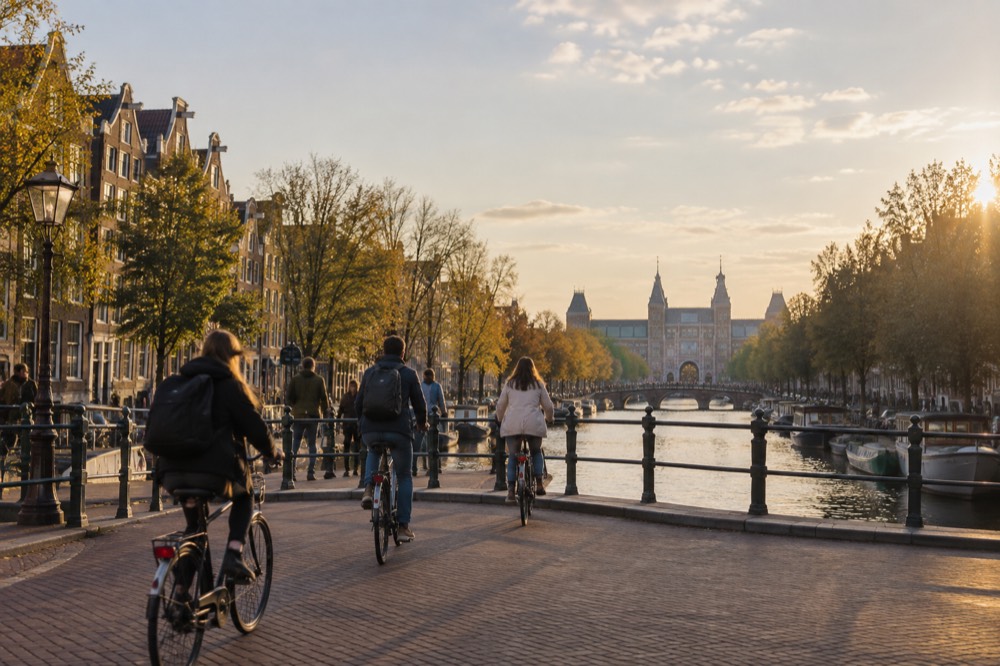
The fifth day is day-trip territory. Zaanse Schans, Volendam and Marken fill five and a half hours on a guided tour from $34 on the live listing, and Keukenhof, which only opens from 19 March to 10 May, turns a spring trip into something that genuinely needs the extra day. The classic saloon-boat cruise, from $19.56 and rated 4.8 across 33,435 reviews, is a strong evening anchor for whichever day you keep in the city.
Four and five days also change the transport maths. A GVB 72-hour ticket costs €21.50 against €10.00 for 24 hours, so the per-day price falls by half, and the I amsterdam City Card's longer tiers start competing with single tickets once you stack enough covered museums. The card's exclusions do not change, though: Van Gogh and Anne Frank stay outside it no matter how many days you buy.
How Do Museum Tickets Shape Your Itinerary Length?
Ticket logistics, not distance, decide how many days you need, because the Anne Frank House sells only through its own site in weekly releases, the Van Gogh Museum requires a pre-booked timed slot for every visitor, and the Rijksmuseum requires a start time even for pass holders. A trip planned around ticket availability naturally runs longer than one planned around walking distance, and that is the single most useful thing to understand before booking anything.
The Anne Frank House is the extreme case. Adult tickets cost €16.50 including the booking fee, and the museum states you always have to book online for a specified date and time, with no door sales. No reseller, pass or tour sells entry, and nothing on this site should imply otherwise. If your dates miss the release, the honest alternatives are the walking tours that tell the story in the streets of the Jewish Quarter, from $22 on the live listing, or the free footsteps walk on GuruWalk.
| Ticket | Adult price | Booking rule |
|---|---|---|
| Rijksmuseum | €25 | Timed start required, free under 18 |
| Van Gogh Museum | €25 | Pre-booked timed entry for all visitors, free under 18 |
| Anne Frank House | €16.50 | Online only via the official site, no door sales |
| NEMO Science Museum | €21.50 | Timed ticket, free aged 0 to 3 |
| A'DAM Lookout | €16.50 online | €18.50 at the counter |
The Van Gogh Museum's own ticket page sets the pattern most visitors feel: everyone pre-books, tickets can sell out, and under-18s go free. A museum with that level of demand and mandatory time slots does not reward spontaneous arrivals, and the difference between a timed ticket and a walk-up attempt is often the difference between seeing the collection and reading about it. Booking the timed ticket first and building the day around it is the standard advice, and it is correct.
This is also why three days keeps winning the argument. When two of your must-sees demand pre-booked slots and a third cannot be bought anywhere except its own website on a Tuesday morning, each day of a short trip carries scheduling risk. A third day absorbs the slot you could not get, the rain afternoon, the museum that sold out. It is insurance, not indulgence. The official ticketing details sit on the museum's own visit page, and the Anne Frank House explains its release system on its official tickets page.
What If You Only Have One Day?
One day is enough for a canal cruise, one booked museum slot, a walk through the canal ring and the centre, and an evening meal, which is a genuinely good day, but it is a sample rather than a visit. The failure mode is trying to hold two museums and a neighbourhood in it. Choose one heavyweight sight, book it before you fly, and let the rest of the day stay loose.
The single-day order that works: morning in the Jordaan or along the Prinsengracht, a midday cruise from one of the central docks, the booked museum slot in the early afternoon when queues peak elsewhere, and the evening in the centre. Transport is trivial at this length, a single one-hour GVB ticket costs €3.40 and most of the day is on foot anyway. The one-day visitor's real constraint is not money or distance, it is that every fixed booking compresses everything around it.
If this is you, our one day in Amsterdam plan breaks the hour-by-hour version down, and the Schiphol layover itinerary covers the even shorter case. For everyone else, the answer to how many days is enough starts with what this whole page keeps circling back to: three days for the city, four if museums lead the trip, five if the Netherlands beyond Amsterdam is calling. The rest, as the site's own Things to Do in Amsterdam coverage shows, is a matter of which days you give to water, which to paint, and which to neither.
Common Questions About How Many Days in Amsterdam
How Many Days In Amsterdam Is Enough?
Three days is enough for most visitors: the canal ring, both major museums on separate days, a walking tour and a canal cruise, with breathing room left over. Two days works with hard cuts, and four or five days only pay off if museums or day trips are central to the plan.
Is two days in Amsterdam too short?
Two days is short but workable. It fits one major museum, a cruise, one neighbourhood and the centre, provided museum tickets are booked in advance. It does not fit the Anne Frank House without winning the ticket release, and it leaves no room for a day trip.
Can you do Amsterdam in one day?
You can sample it well in one day: a cruise, one booked museum slot and a walk through the canal ring make a strong single day. It is not enough for two museums, a neighbourhood and a guided tour, so pick one anchor and keep the rest loose.
When does a longer stay pay for itself?
From four days onward, transport gets cheaper per day, the I amsterdam City Card's longer tiers start competing with single tickets, and day trips become possible without gutting the city itinerary. Below four days, extra time mostly buys queue-avoidance rather than new sights.
Does the Anne Frank House change how many days I need?
It changes how early you plan rather than how long you stay. Tickets are sold only on the museum's own site for specific time slots, with no door sales and no reseller, so your dates either align with a release or they do not. Walking tours of the Jewish Quarter cover the story if tickets miss.
Should day trips count as Amsterdam days?
Count them separately. Zaanse Schans, Keukenhof and Giethoorn each consume most of a day and none of them is in the city. If you want two day trips plus the full city itinerary, book five days in Amsterdam and treat the trips as additions, not substitutes.