Is Amsterdam A Safe Place To Visit?
A straight answer on Amsterdam safety: which areas need care after dark, the rules tourists get wrong, pickpockets, emergencies and how to plan a low-stress visit.
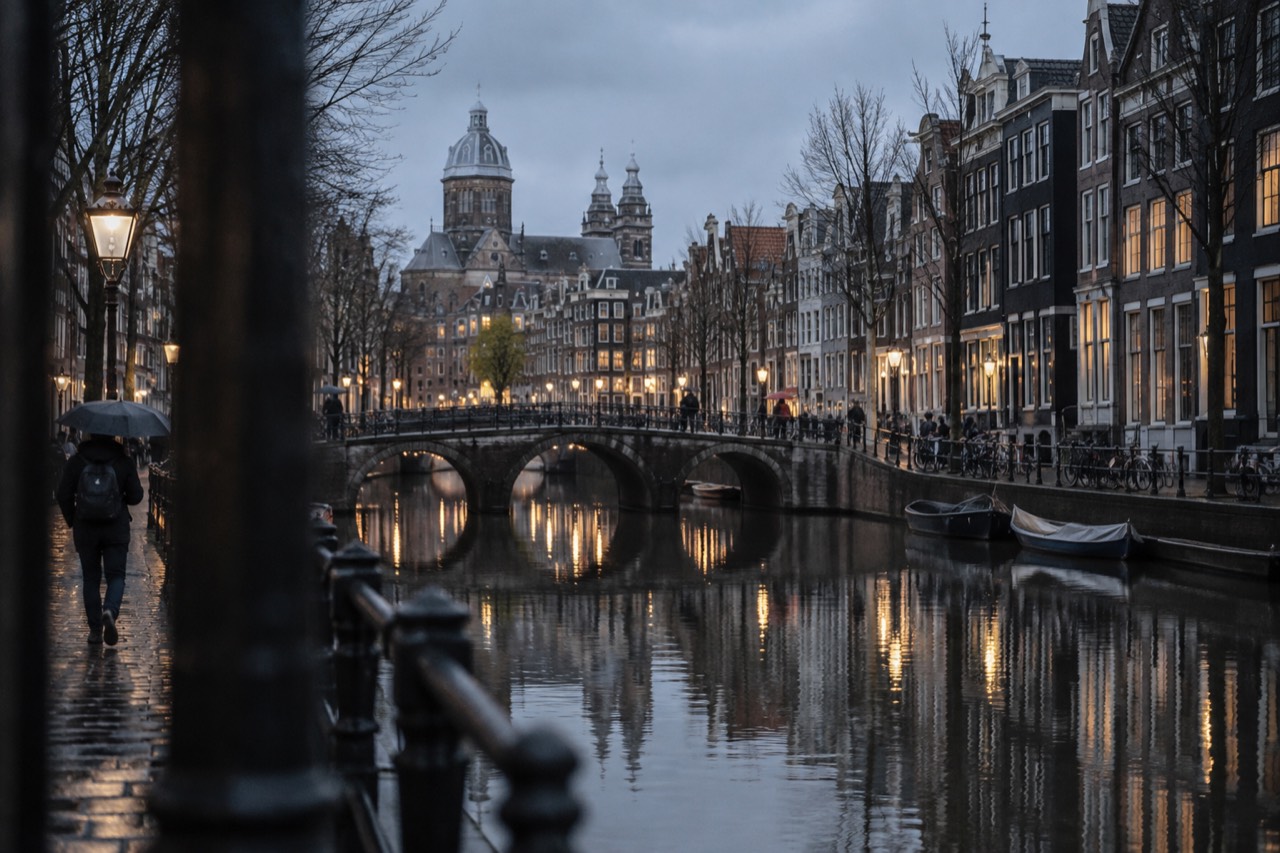
Amsterdam recorded 23.7 million tourist overnight stays in 2025, plus 21.9 million day visits, according to the city's own statistics office. That is a mid-sized Dutch city absorbing a visitor flow larger than most countries see in a decade, and yet the question people type most often is not about crowds or prices. It is the one in the title: is this place safe?
The short version is yes, with the same caveats that apply to any busy European capital. The city's official visitor guidance focuses on respect and nuisance rather than violent crime, and the problems travellers actually report are overwhelmingly petty: pickpocketing on busy trams, bike-lane collisions, overpriced everything in the centre. The risks that do exist are concentrated, predictable and avoidable with a little planning. This article walks through the areas, the rules and the habits that matter.
Is Amsterdam A Safe Place To Visit?
Yes, Amsterdam is a safe place to visit by the standards of any major European capital. The risks travellers most commonly face are petty theft, bike-lane accidents and their own poor decisions around rules they did not know existed, not violent crime. The city publishes official conduct guidance for visitors, which tells you what the real friction points are: nuisance, disrespect and crowding rather than danger.
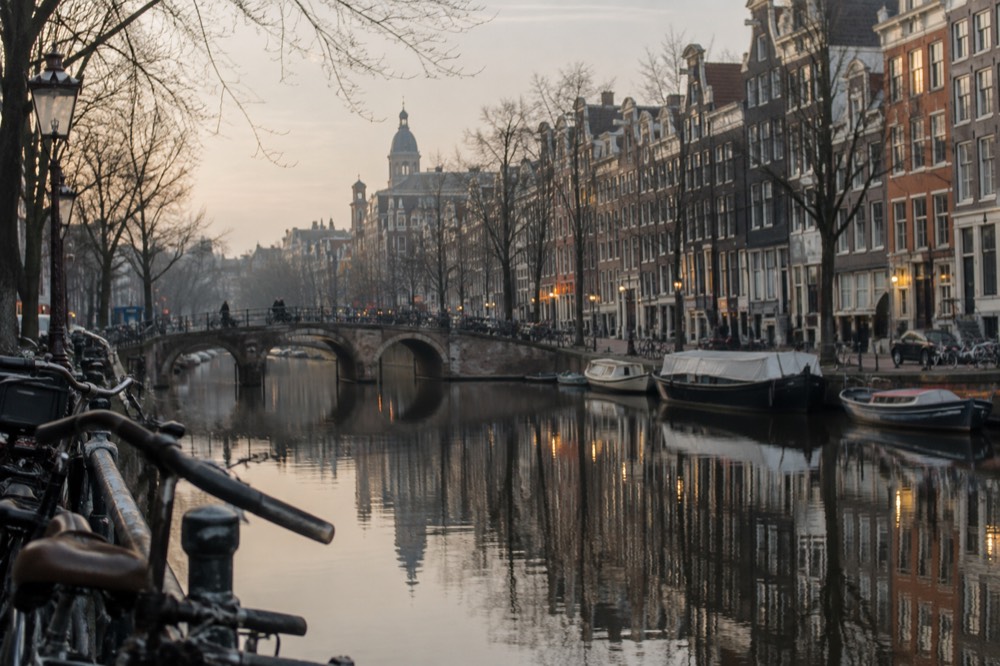
The honest framing matters here. Amsterdam's municipal government does not publish a tourist-safety warning in the sense that some destinations do. What it publishes instead is a page called How to Amsterdam, official guidance that asks visitors not to photograph sex workers, not to drink on the street in the centre, not to smoke cannabis outdoors in the centre, and to keep cycle paths clear. Read between the lines and the message is clear: the city's safety problem, to the extent it has one, is nuisance and disrespect in a small, dense, heavily visited core.
Scale is the context. The national statistics office counted 9.5 million accommodation guests in Amsterdam in 2025, and overnight stays rose 2 percent, the largest increase of any Dutch city. A destination carrying that volume and still functioning, with public transport running until late and families cycling home at midnight, is doing something right. Visitors who use normal city instincts, keep valuables zipped and treat the bike lane like a road, very rarely have a story to tell.
Where the desk would add caution is around two specific behaviours rather than two specific places. First, the bike lane: stepping into one without looking is the most common way tourists get hurt in Amsterdam, and the fault is almost always the pedestrian's. Second, the combination of alcohol and water: the canals are unsupervised at 2am and the edges are unprotected in long stretches. Neither is a reason to avoid the city. Both are reasons to walk on the right side of the kerb.
If your version of a safe trip includes skipping queues and having your day organised, the three most-booked products below cover the city's biggest stress points: the museum that sells out, the brewery experience with a timed slot, and the canal cruise that anchors most first visits.
Which Areas Need More Care After Dark?
The city centre, De Wallen and the main nightlife strips around Rembrandtplein and Leidseplein need the most care after dark, and for reasons of crowds, alcohol and pickpocketing rather than violent crime. Residential neighbourhoods such as Oud-West, De Pijp and Amsterdam Zuid are quiet and low-stress at any hour. The Red Light District deserves particular respect late at night, when it is at its most crowded and its most easily misread.
De Wallen is the neighbourhood every safety question is really asking about, so it deserves a direct answer. The red-light district is not dangerous in the way the phrase "red-light district" suggests to people who have never been. It is a small, historic canal quarter where legal sex work takes place behind ground-floor windows, surrounded by ordinary pubs, churches and homes. The problems are nuisance problems: extreme crowding on weekend nights, drunk visitors, and a steady police presence dealing with both. What makes it genuinely uncomfortable is behaviour, and the city has tightened the rules accordingly.
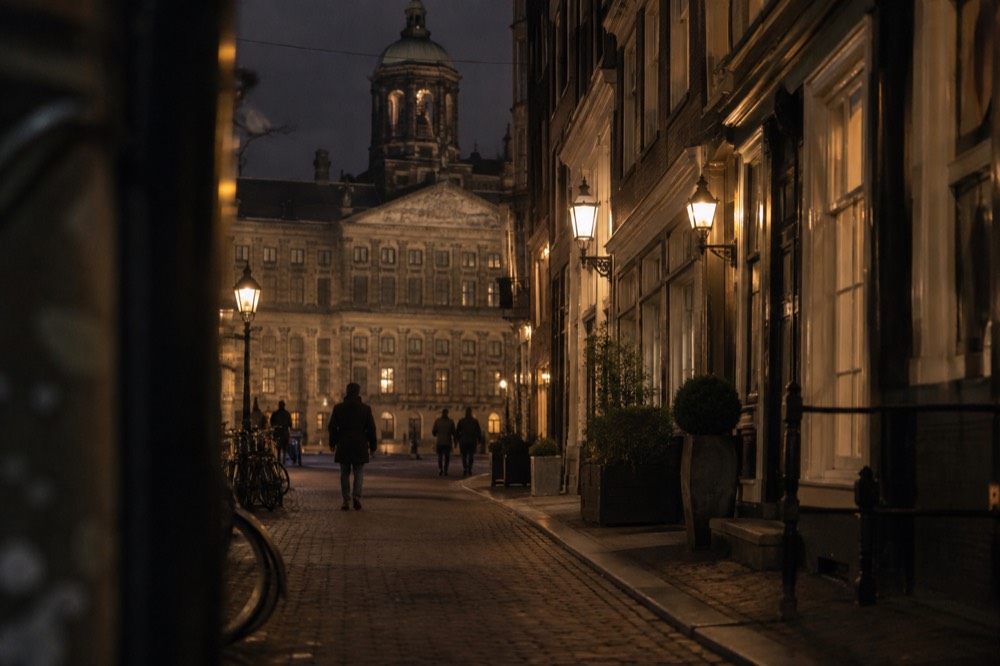
The rules matter because they are enforced with fines, not just signage. Under the municipal rules for guided tours in De Wallen, tour groups may not pass the sex workers' windows at all, groups are capped at 15 people, and tours are only permitted between 08:00 and 22:00. Guides who break the rules face fines of €190, and companies €950, with an operator's permit at risk after three violations. A visitor walking alone is not subject to tour rules, but the spirit of them is the neighbourhood's real etiquette: do not photograph the windows, do not tap on glass, do not treat the district like a theme park. Our red light district rules and etiquette guide covers the full picture.
Away from the centre, the risk profile drops sharply. The canal belt is residential and calm after the last cruise boats dock. Amsterdam Noord across the IJ has a relaxed, village-like feel. The Plantage and Oost are family-heavy and quiet. The areas that keep the emergency services busy at 3am are the late-night entertainment strips, and the danger there is a spiked drink or an unlocked phone pocket, not a dark alley. For a fuller breakdown of neighbourhood character, see our Amsterdam neighbourhood guide.
| Area | Daytime feel | After dark | What to watch |
|---|---|---|---|
| De Wallen (Red Light District) | Historic, busy, guided tours until 22:00 | Very crowded, alcohol-heavy on weekends | Pickpockets, photo etiquette, closing-time crowds |
| Dam Square / Centrum | Busy, tourist-oriented | Lively until late | Street scams, overpriced bars, bike lanes |
| Rembrandtplein / Leidseplein | Cafes and shops | Nightlife core, loud until late | Drinks, unattended bags, night buses |
| Jordaan / Nine Streets | Charming, residential | Quiet and well-lit | Little beyond normal city care |
| De Pijp / Oud-West / Zuid | Local, market-driven | Very quiet | Nothing notable |
One practical note for evening plans: the classic way to end a safe, low-stress day in Amsterdam is from the water, and the saloon boat cruises that run in the evening are calm, seated and family-friendly rather than rowdy. The classic saloon boat cruise with drinks and cheese, rated 4.8 across 33,435 reviews, is a good example of the format: one hour, a live guide, and a route through the lit canal ring that keeps you off the late-night pavements entirely.
What Are the Rules Tourists Get Wrong?
The rules that catch visitors out are the cannabis rules, the street-drinking ban, the photo etiquette in De Wallen and the ticketing rules at major museums. Cannabis sales are tolerated under national policy but Amsterdam does not apply the residents-only criterion, so tourists can buy, yet smoking outdoors in the centre is prohibited. Street drinking is banned in the centre, and photographing sex workers is the fastest way to make a local angry.
Start with cannabis, because it is the rule most often misstated in both directions. Under the national tolerance policy, a coffeeshop may sell no more than 5 grams of soft drugs per person per day, and the policy text formally includes a residents-only criterion. But Amsterdam has never applied that criterion: the wietpas scheme was never enforced here and no tourist ban has been implemented. So the accurate statement is neither "it is legal for tourists" nor "tourists are banned". It is: sales are tolerated rather than legal, tourists are served in practice, and the situation is a municipal tolerance that has been debated repeatedly. Our coffeeshop rules guide unpacks this properly.
The part that does carry enforcement is where you smoke it. The city's official guidance prohibits smoking cannabis outdoors in the centre, including the Wallen area. The purchase may be tolerated; the street consumption is not. Add the centre-wide street-drinking ban and the public-urination prohibition, and the pattern is consistent: Amsterdam tolerates a great deal inside licensed premises and very little on its streets.
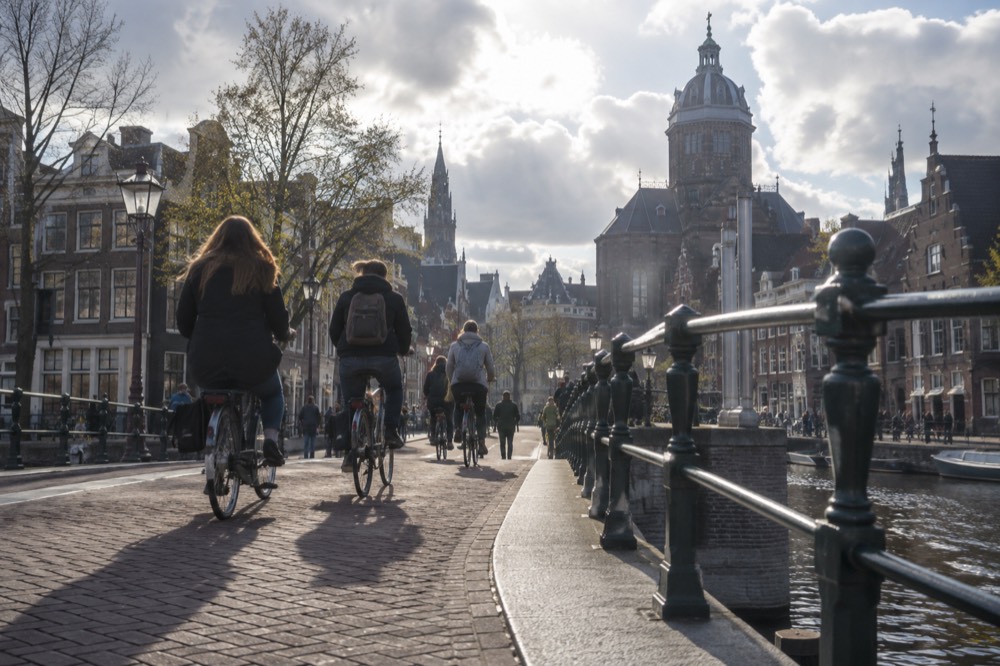
The museum ticketing rules are the other quiet trap, because "sold out" feels like a safety failure when it happens to your one day in the city. Every visitor to the Van Gogh Museum needs a pre-booked timed entry ticket, and the same timed-entry system applies at the Rijksmuseum and NEMO. The Anne Frank House is stricter still: tickets are sold only through the museum's own site for a specific date and time slot, at €16.50 for adults, with no door sales and no reseller of any kind. If a product anywhere claims to include Anne Frank House entry, that claim is false, and it is worth being suspicious of everything else that product says. Our Anne Frank House guide explains the release schedule.
| Rule | What people assume | What is actually true |
|---|---|---|
| Cannabis purchase | Either fully legal or banned for tourists | Tolerated under national policy; Amsterdam does not apply the residents-only criterion; 5g per person per day limit |
| Cannabis outdoors | Fine anywhere | Prohibited in the city centre, including De Wallen |
| Street drinking | Allowed like at a festival | Prohibited in the city centre |
| Photographing windows | A grey area | Official respect campaign: no pictures; strongly enforced socially and by venue staff |
| Anne Frank House tickets | Buyable anywhere | Official site only, timed slots, no door sales, no resellers |
None of these rules is about danger in the conventional sense. All of them are about the same thing: Amsterdam is a dense, residential city that tolerates more than almost anywhere in Europe inside its licensed venues, and asks for restraint everywhere else. Visitors who understand that bargain have a smoother, safer trip than visitors who think the tolerance extends to the pavement.
Is Amsterdam Safe for Solo Travellers and Families?
Yes, and for solo travellers it is one of the easier European capitals, with excellent public transport, walkable scale and a strong cafe culture that makes solo time comfortable. Families get a city that is genuinely child-friendly, from the zoo to the science museum, with the main caveat being the bike lanes and the steep, unguarded canal edges for small children. Both groups should still book timed museum tickets ahead.
Solo travellers should read Amsterdam's safety picture as logistics rather than threat. The GVB network runs trams, buses, metro and ferries across the whole city, with a 24-hour day ticket at €10.00 and contactless OVpay accepted with a base fare of €1.16 plus €0.217 per kilometre. The ferries across the IJ are part of the regular network, and the city's scale means a missed last tram is a walkable problem, not a stranded one. The nightlife areas described earlier are the only places a solo visitor needs the usual guard-up instincts, and those instincts are the same ones you would use in any city. Our Amsterdam for solo travellers guide goes deeper on the practical side.
Families have it easier than the city's party reputation suggests. ARTIS, one of the oldest zoos in the world, NEMO with its free roof terrace, and the canal cruise fleet are all daytime, well-run and busy with local families. The two genuine hazards for children are the cycle paths, where a small pedestrian is invisible to a fast cyclist, and the canal edges, which have no railings in long stretches. Hold hands near water, treat the red asphalt as a road, and the rest of the visit is low-drama. More of these guides are collected on Things to Do in Amsterdam.
The museum queue is the one family stressor worth money to remove. The Van Gogh Museum in particular combines timed entry with heavy demand, and a pre-booked ticket is the difference between a planned morning and an hour on Museumplein negotiating with disappointed children. The Van Gogh Museum ticket, rated 4.7 across 57,096 reviews, is the single most useful pre-booking a visiting family can make.
How Do Pickpockets and Scams Work Here?
Pickpocketing in Amsterdam is opportunistic and concentrated on crowded trams, the Damrak and Centraal Station approaches, and busy nightlife streets, and it targets phones and back pockets rather than bags held in front. The common scams are fake ticket resellers, "closed hotel" taxi tricks and street card games on Dam Square. None is sophisticated, and all are defeated by the same habits you would use anywhere.
The mechanics are worth knowing because they are so ordinary. The classic Amsterdam pickpocket works the crush: the number 2 tram at peak time, the crowd around the flower market, the funnel of people leaving Centraal Station. Phones vanish from back pockets and open bags; wallets go from jackets hung on chair backs in busy cafes. The defence is unglamorous: front pockets, zipped bags worn in front, nothing on the back of a chair in a crowded room. Hotel-room break-ins and violent robbery are rare enough that the desk does not field questions about them.
The scams are equally ordinary. The reseller scam is the one with real bite in Amsterdam: someone near a major attraction offering skip-the-line tickets at a discount, which either do not scan or are timed for a different day. This is why the Anne Frank House's official-site-only rule matters as a safety fact and not just a ticketing fact: it makes every street reseller in that museum's vicinity a fraud by definition. The taxi "your hotel is closed" routine appears occasionally outside Schiphol; the answer is the same as everywhere, decline and use the official rank or the train. Street card games and petition clipboard teams work Dam Square in summer and are ignored by walking on.
A note on the airport run, since arriving tired is when judgement is worst. The NS train from Schiphol to Amsterdam Centraal takes just over 17 minutes, with e-tickets from €5.50, and the Amsterdam Airport Express bus 397 runs from €6.50. Both drop you into well-lit, staffed transport hubs. There is no fixed Schiphol taxi fare; you pay the meter, which is exactly why the meter is the thing to check before the car moves.
What Should You Do If Something Goes Wrong?
For emergencies anywhere in the Netherlands, use the standard European emergency number for police, fire or ambulance, and the national non-urgent police line for matters that can wait. Report theft even when nothing can be recovered, because your insurer needs the report number and the police station near Centraal handles English routinely. Lost passports go to your consulate, and the standard travel insurance you should already hold covers the rest.
The practical sequence after a theft is simple. Cancel cards first, from a phone or a borrowed one, because a card costs more than a phone in the wrong hands. Then file a police report: the desk near the main station processes tourist thefts in English all day, every day, and the report number is what your insurer requires. Then handle documents: a lost passport means your consulate, and Amsterdam hosts most of them. Do all this before the shock wears off, not after.
Prevention is cheaper, and the city's own measures are on your side. The tourist tax system, 12.5 percent of the overnight price at hotels and holiday rentals, and a €15 per-passenger day tax for cruise visitors, funds a municipal apparatus that manages visitor flows rather than resenting them. The city has capped new hotels, banned new tourist shops in the centre and halved cruise calls under its tourism-in-balance policy, all of which reduces the crowding that petty crime feeds on.
The last word on the safety question is the one the desk gives most often: Amsterdam rewards preparation and punishes improvisation. Book the timed tickets, keep the phone in a front pocket, respect the bike lane, and the city is as safe as travel gets at this scale. For everything the first-timer should sort before arrival, our Amsterdam for first-time visitors guide is the companion piece to this one.
If one pre-booking removes the single biggest point of friction in a short visit, it is the museum that sells out daily; the trio below covers that plus the two easiest ways to spend a safe, relaxed evening.
Whichever of those you choose, the pattern holds: a booked ticket is a plan, and a plan is what keeps a city visit calm. The questions below cover the specifics people ask most often before they book anything.
Common Questions About Safety in Amsterdam
Is Amsterdam A Safe Place To Visit?
Yes, by the standards of any major European capital. The risks are petty theft, bike-lane collisions and rule-breaking tourists did not know about, not violent crime. The city's official visitor guidance targets nuisance and respect, which tells you the real friction points are crowds and behaviour rather than danger.
Is the Red Light District dangerous at night?
Not dangerous in the violent sense, but it is the most crowded and alcohol-heavy part of the city on weekend nights. Guided tours there are capped at 15 people and must end by 22:00, and they may not pass the windows. Follow the same etiquette solo: no photographs, no tapping on windows, normal city awareness.
Can tourists still buy cannabis in Amsterdam?
Yes in practice. The residents-only criterion exists in national policy but Amsterdam has never applied it, and coffeeshops may sell up to 5 grams per person per day. Smoking outdoors in the city centre is prohibited, so consumption belongs inside the coffeeshop.
Where do pickpockets work in Amsterdam?
Crowded trams at peak times, the Centraal Station approaches, Damrak, the flower market and busy nightlife streets. They take phones from back pockets and bags worn behind the body. Front pockets, zipped bags worn in front and nothing on chair backs defeat almost all of it.
Is Amsterdam safe for solo female travellers?
Yes, and it ranks among the easier European capitals for solo travel: compact, well-lit, with public transport running late and a cafe culture where sitting alone is unremarkable. The standard instincts around the late-night entertainment strips apply as they would in any city.
What is the emergency number in the Netherlands?
The standard European emergency number reaches police, fire and ambulance anywhere in the country. For non-urgent police matters, use the national non-urgent police line. Always file a theft report, since insurers require the report number, and the police desks around Centraal handle English routinely.