Is It Safe For US Citizens To Travel To Amsterdam Right Now?
A straight answer for American travellers wondering whether Amsterdam is safe right now, with the city's own rules, real costs and the risks that actually matter.
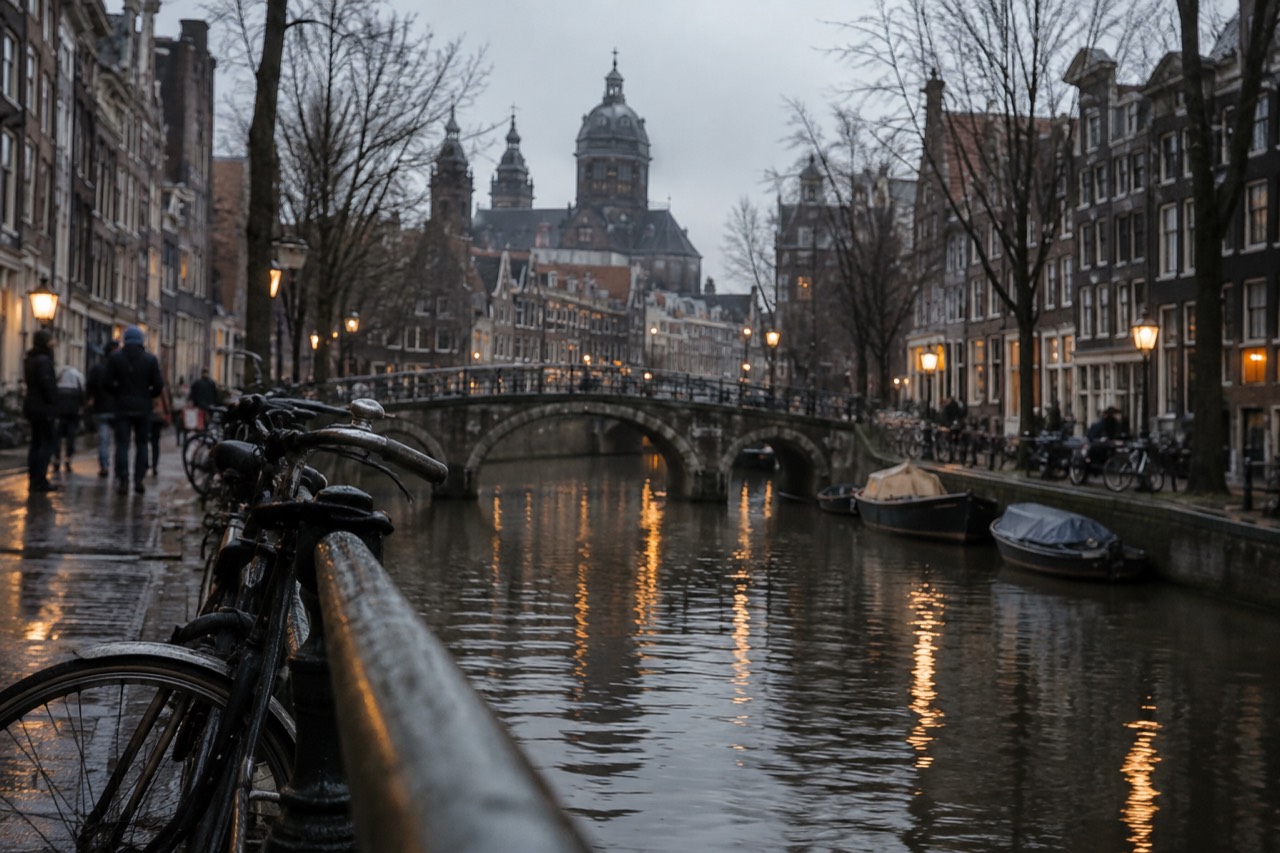
Amsterdam recorded 23.7 million tourist overnight stays in 2025, and a large share of those visitors came from North America. Americans keep coming in record numbers, and the city keeps publishing rules aimed squarely at tourist behaviour rather than tourist safety. That distinction is the whole story: Amsterdam is not dangerous, but it is heavily regulated, and the regulations are where an unprepared visitor gets caught out.
This page answers the question the way an editorial desk should, by reading the city's own published rules and the live listings, and reporting what they say.
Is It Safe For US Citizens To Travel To Amsterdam Right Now?
Yes. Amsterdam is safe for US citizens to travel to right now, and there is no advisory-level event, ban or restriction in the fact base that changes that. The risks worth planning for are petty theft in crowded areas, bike traffic and breaking local rules you did not know existed, none of which should stop a trip.
Violent crime against tourists is rare enough that the city's own visitor guidance does not lead with it. The gemeente's "How to Amsterdam" page, the official rulebook for visitors, concerns itself with respect and nuisance: where you may smoke, where you may drink, how to behave in the red-light district. When a city's main tourist-safety publication is about etiquette, the underlying crime picture is calm.
That does not mean nothing happens. Pickpocketing is the classic risk, concentrated where crowds and distraction meet: trams, the area around Dam Square, busy canal bridges and the red-light district at night. The standard defences work: front pockets, zipped bags, no phone left on a café table. Common sense travels well.
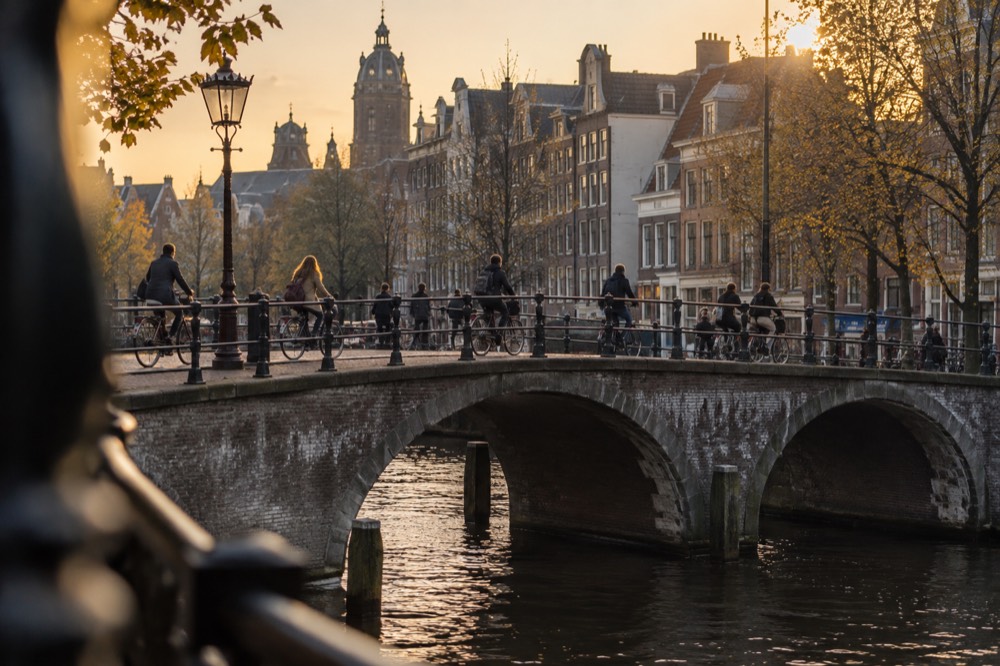
For most Americans the bigger adjustment is traffic. Amsterdam has bike lanes the way New York has sidewalks, and they are not decorative. A tourist stepping backward off a kerb to frame a photo is the local version of jaywalking in front of a bus. Look both ways twice, and treat the red bike lane as a live road, because it is one.
The other honest answer is that "safe" also means "not fined". Amsterdam enforces a set of visitor rules with real penalties, and an American who breaks one will experience the city as expensive rather than unsafe. The sections below cover each of those rules with the city's own wording.
If your trip is mostly museums, a canal cruise and dinner, the planning question is not safety at all, it is logistics: which tickets need pre-booking and when. The three products below are the ones Americans book most often for exactly that kind of trip.
What Are the Rules That Actually Catch Tourists Out?
Three rules catch Americans off guard: cannabis may be bought in coffeeshops but not smoked outdoors in the centre, guided tours in the red-light district are capped at 15 people and banned from the windows, and street drinking is prohibited in the city centre. Each carries consequences, and none is obvious from a first page of search results.
Start with cannabis, because it is the question Americans ask first. The national tolerance policy permits coffeeshops to sell soft drugs, with a hard limit of 5 grams per person per day, per the government's own gedoogbeleid page. The national criteria technically include a residents-only rule, but Amsterdam has never applied it: tourists can and do buy legally in the city's coffeeshops. Neither "it is legal" nor "tourists are banned" is the accurate sentence, and any page that says either is wrong.
The part that does get enforced is where you smoke. The city's official visitor guidance prohibits smoking cannabis outdoors in the centre, including the red-light district area, and the coffeeshop itself is where consumption belongs. An American lighting up on a canal bridge is not committing a federal offence, but they are breaking a municipal rule and can expect attention from the street.
| Rule | What the city says | What it means for you |
|---|---|---|
| Cannabis purchase | Tolerated in licensed coffeeshops, max 5 grams per person per day | Legal to buy as a tourist, inside a coffeeshop |
| Outdoor smoking | Prohibited in the city centre | Consume inside the coffeeshop, not on the street |
| Street drinking | Prohibited in the city centre | Drink on a terrace or indoors, not while walking |
| Red-light photography | "No pictures please", part of the official respect campaign | Never photograph the windows or the sex workers |
| Public urination | Prohibited | Use a café or a public toilet, fines are real |
The red-light district, De Wallen, has its own layer. Since 2020, guided tours may not pass the sex workers' windows, and the current municipal rules set a maximum group size of 15, allow tours only between 08:00 and 22:00, and fine individual guides €190 and companies €950 for breaches. For a visitor this cuts two ways: any tour you book is legally required to keep its distance from the windows, and wandering on your own after 22:00 means the neighbourhood is running on its own rhythm, not a guided one.
Photography deserves its own line because it is the fastest way for an American to end up in a confrontation. "No pictures please" is the city's official phrasing, a respect norm enforced by staff and locals rather than a statute with a printed fine. Treat it as absolute. Our page on red-light district rules and etiquette covers the full set.
One more rule with teeth: holiday rentals. If you are booking an apartment rather than a hotel, the listing must carry a registration number, the maximum is 4 guests at a time, and in eight central neighbourhoods the annual rental allowance dropped from 30 nights to 15 in April 2026. A listing without a registration number is an illegal one, and illegal rentals are where cancellation risk, not personal danger, bites.
Do US Citizens Need a Visa or Special Documents?
US citizens do not need a visa for a short tourist stay in the Netherlands, but entry requirements are a national and European matter that shifts on its own schedule, so the honest answer is to check the official guidance before booking flights rather than relying on a travel article of any vintage.
The Netherlands sits in the Schengen area, and the practical mechanics for Americans, passport validity, permitted length of stay and any future electronic travel authorisation, are covered in detail in our piece do US citizens need a visa for the Netherlands. Read that one before you book, because the rules there are set by governments, not by Amsterdam, and they change on their own timetable.
What Amsterdam itself adds is small but worth knowing. Your passport is the only document that matters at the border, but inside the city the documents that matter are tickets: the Van Gogh Museum requires a pre-booked timed entry ticket from every visitor, the Rijksmuseum requires a booked start time even from card holders, and the Anne Frank House sells online only, through its own site, with tickets released six weeks ahead. Americans routinely arrive assuming they can walk up to the big museums. In 2026, in high season, they cannot.
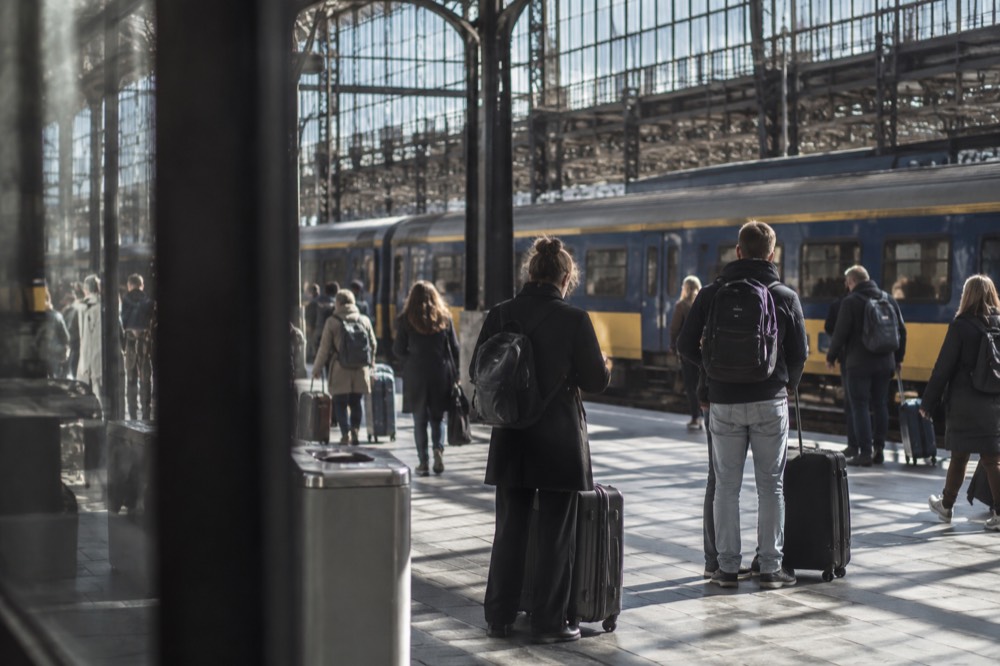
The Van Gogh Museum is the classic case. Adult admission is €25, under-18s are free, and the museum states plainly that all visitors must pre-book a timed ticket, which can sell out. A skip-the-line ticket through the live listing, from $31, solves the one genuinely stressful part of the visit: the crowd at the door. The museum rates 4.7 across 57,096 reviews, and the consistent theme in guest feedback is that the timed entry works exactly as promised.
The Anne Frank House deserves a warning of its own, because Americans ask about it constantly. Tickets are €16.50 for adults, sold only via the museum's official site for a specific slot, with no door sales and no reseller. If a third party promises you Anne Frank House access, that is a scam, full stop. The museum's own ticket page is the only legitimate source.
How Do You Get Around Safely?
Amsterdam's public transport is safe, simple and cheaper than most Americans expect: a GVB single is €3.40, a 24-hour day pass is €10.00, and you can tap a contactless bank card directly on trams, buses and the metro. The safety risks are pickpockets on crowded trams and bike lanes underfoot, not the transport itself.
The GVB network of trams, buses, metros and ferries covers the whole city, and the fare structure is published on the operator's own price page. Contactless payment, branded OVpay, works with any bank card or phone: tap in, tap out, and a base fare of €1.16 plus €0.217 per kilometre is deducted, with daily caps applying. For most visitors the flat day passes are simpler and better value. More of these guides are collected on Things to Do in Amsterdam.
| Ticket | Price | Best for |
|---|---|---|
| GVB single (1 hour) | €3.40 | One-off journeys |
| GVB 24-hour day pass | €10.00 | A full day of sightseeing |
| GVB 48 hours | €16.00 | A weekend stay |
| GVB 72 hours | €21.50 | Three-day trips |
| Amsterdam Travel Ticket, 1 day | €20.00 | Includes the airport train |
From Schiphol, the NS train is the answer Americans should default to: the operator quotes e-tickets from €5.50 and a journey of just over 17 minutes to Amsterdam Centraal. The Amsterdam Airport Express bus 397 runs from €6.50 as an alternative. Taxis are metered with no fixed fare published by the airport, so there is no honest euro figure to print, and no reason to need one.
On safety, two specifics. Keep your bag in front of you on tram 2, tram 12 and the 397 airport bus, which are the routes where crowding is routine. And before you step anywhere, look down: the red asphalt is a bike lane, cyclists travel fast, and they have priority in a way that surprises visitors from countries where bike lanes are decorative.
Walking is the other half of the answer, and the better one. Central Amsterdam is compact, the canal ring is a UNESCO-listed maze you want to be inside of on foot anyway, and everything in this article's scope, the museums, De Wallen, the Jordaan, sits within a half-hour walk of everything else. Our three days in Amsterdam itinerary assumes no car and no taxis, and it works.
Is Amsterdam Safe at Night?
Yes, with the same caveat as daylight: the risks are petty theft and your own judgement, not violence. The centre stays busy and lit late, the night-life districts are policed, and the city's closing-time rules in the core Wallen area, terraces at 01:00 and indoor hospitality at 02:00 on weekends, mean the streets thin out on a schedule rather than all at once.
Americans sometimes arrive expecting a 24-hour city and find a Dutch one. Bars close, the terraces empty, and the last trams run before the last revellers are ready to leave. Plan the way locals do: know your route home before the third drink, and keep a charged phone for the night bus or a licensed taxi.
The Heineken Experience, a 90-minute attraction in the original brewery, rates 4.6 across 39,581 reviews with tickets from $23, and it is the most-booked beer-related stop for American visitors. It is an afternoon attraction, not a night out, which is worth knowing before you build an evening around it. For the evening itself, our Amsterdam nightlife guide covers the neighbourhoods that stay lively late.
De Wallen at night deserves a specific paragraph. It is busy, it is policed, and it is safe to walk through, but the rules of behaviour tighten after dark: no photography of the windows ever, no drinking in the street, and no assumption that the women working there are a tourist attraction to interact with. The overwhelming majority of incidents involving tourists in the district involve someone who ignored one of those three rules. Our is Amsterdam a safe place to visit page takes the broader question.
What Should You Do If Something Goes Wrong?
Keep it simple: the European emergency number is 112 for police, fire and ambulance, non-urgent police matters go through the local force, and your hotel front desk is the fastest practical help for a lost passport or a stolen card. Report theft to the police even without hope of recovery, because your insurer will want the report number.
The sequence for a lost or stolen passport is the same as anywhere abroad: report it, contact your embassy or consulate for a replacement, and lean on your travel insurance for the costs. A stolen wallet is more common and easier handled: cancel cards from the banking app before you do anything else, then file the police report, then get on with your trip, because Amsterdam's pickpockets take phones and cash, not holidays.
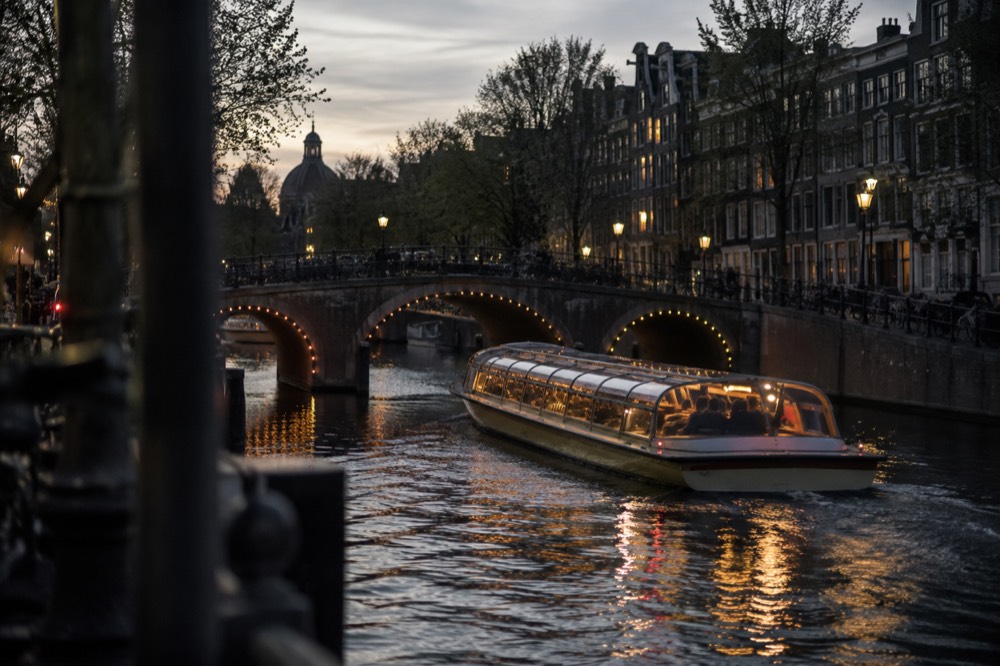
One reassurance worth stating plainly: the classic Amsterdam evening, a canal cruise with a drink, is about the lowest-risk activity in the city. The classic saloon boat cruise, an hour on a restored wooden boat with drinks and Dutch cheese, rates 4.8 across 33,435 reviews from $19.56, and the biggest safety decision on board is whether to stand up while the boat is moving. It is also the activity Americans most reliably describe as the highlight of the trip, which is why it belongs on this page's shortlist alongside the museums.
For the practicalities that surround a trip, the guides Americans ask for most are getting from Schiphol airport to central Amsterdam and first-timer mistakes to avoid in Amsterdam. Both cover the same territory this page does, from the planning side rather than the safety side.
Common Questions About Amsterdam Safety for US Citizens
Is It Safe For US Citizens To Travel To Amsterdam Right Now?
Yes. Amsterdam is safe for American travellers, with petty theft, bike traffic and local rules being the real risks rather than violent crime. Follow the city's published visitor rules, keep valuables secure in crowds, and book the big museum tickets in advance, and the trip will be uneventful in exactly the way you want.
Is Amsterdam safe at night for tourists?
The centre is busy, lit and policed late into the evening. The same rules apply as by day plus stricter ones in De Wallen: no photography of the windows, no street drinking, and no cannabis smoking outdoors in the centre. Know your route home before the last trams stop running.
Can tourists still buy cannabis in Amsterdam coffeeshops?
Yes. The residents-only criterion exists in national policy but Amsterdam does not apply it, so tourists may buy in licensed coffeeshops, capped at 5 grams per person per day. What is prohibited is smoking outdoors in the city centre, and that rule is enforced.
What is the biggest safety mistake Americans make in Amsterdam?
Stepping into a bike lane without looking. Cyclists travel fast, the lanes run beside every kerb in the centre, and a tourist stepping backward for a photo is the most common accident in the fact base's scope. Treat the red asphalt as a live road, because it is one.
Are Amsterdam's tourist rules enforced with fines?
Yes. Guides in the red-light district face fines of €190 individually and €950 per company for breaking the tour rules, and street drinking and public urination are prohibited in the centre. The exact fine amounts for visitor-level offences are not published in the sources used here, so the safe assumption is that enforcement exists.