What Are Some Hidden Gems In Amsterdam?
A local-minded guide to Amsterdam's quieter corners: the Begijnhof, Our Lord in the Attic, NDSM wharf, the Hortus Botanicus and the calm side of Vondelpark, with prices, transport and crowd-avoidance tips.
What Are Some Hidden Gems In Amsterdam?
Amsterdam's genuine hidden gems are the Begijnhof courtyard, the attic church of Our Lord in the Attic, the NDSM wharf across the IJ, the Hortus Botanicus botanical garden and the quiet northern stretch of Vondelpark. All five sit within the city limits, all five are reachable on a GVB day ticket at €10.00, and none of them requires a tour bus or a booking window measured in weeks.
The trick with Amsterdam is that the famous version of the city, the canal ring, the museum quarter and Dam Square, occupies maybe a fifth of the map. The rest is a lived-in city of courtyard gardens, converted warehouses and neighbourhood parks that the crowd flow simply never reaches. The five places above share a quality: they are either behind an unmarked door, across a body of water, or at the far end of a park, and each of those three barriers filters out most of the 23.7 million overnight stays Amsterdam recorded in 2025.
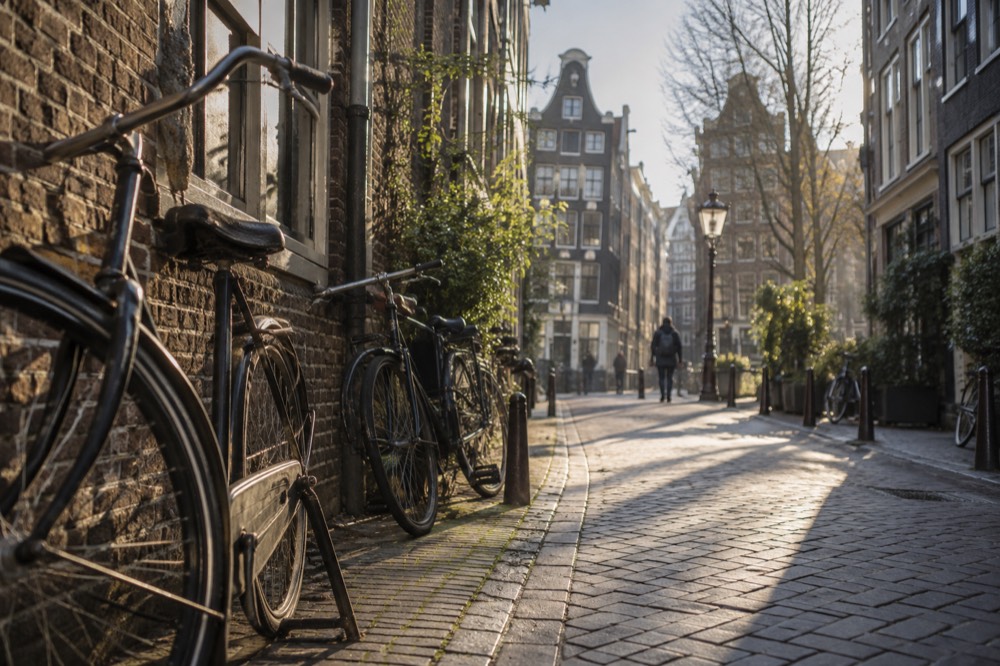
This page stays inside the city. If you want the windmills, fishing villages and tulip fields beyond the ring road, that is a different question with a different list, and our guide to the best day trips from Amsterdam covers it properly. Here, everything is a tram, a ferry or a fifteen-minute walk from the centre.
Before the quiet stuff, one practical note: the headline sights still eat a morning each, and two of them sell out. If the Van Gogh Museum is on your list, book the timed ticket first and build the hidden gems around it, not the other way round. The museum's own visit page is blunt about this: all visitors are required to pre-book a timed entry ticket, and peak days do run dry. Getting that booking locked in early is the single planning move that frees the rest of your schedule for the unbookable corners this page is about.
Which Quiet Courtyards and Hidden Museums Are Worth Seeking Out?
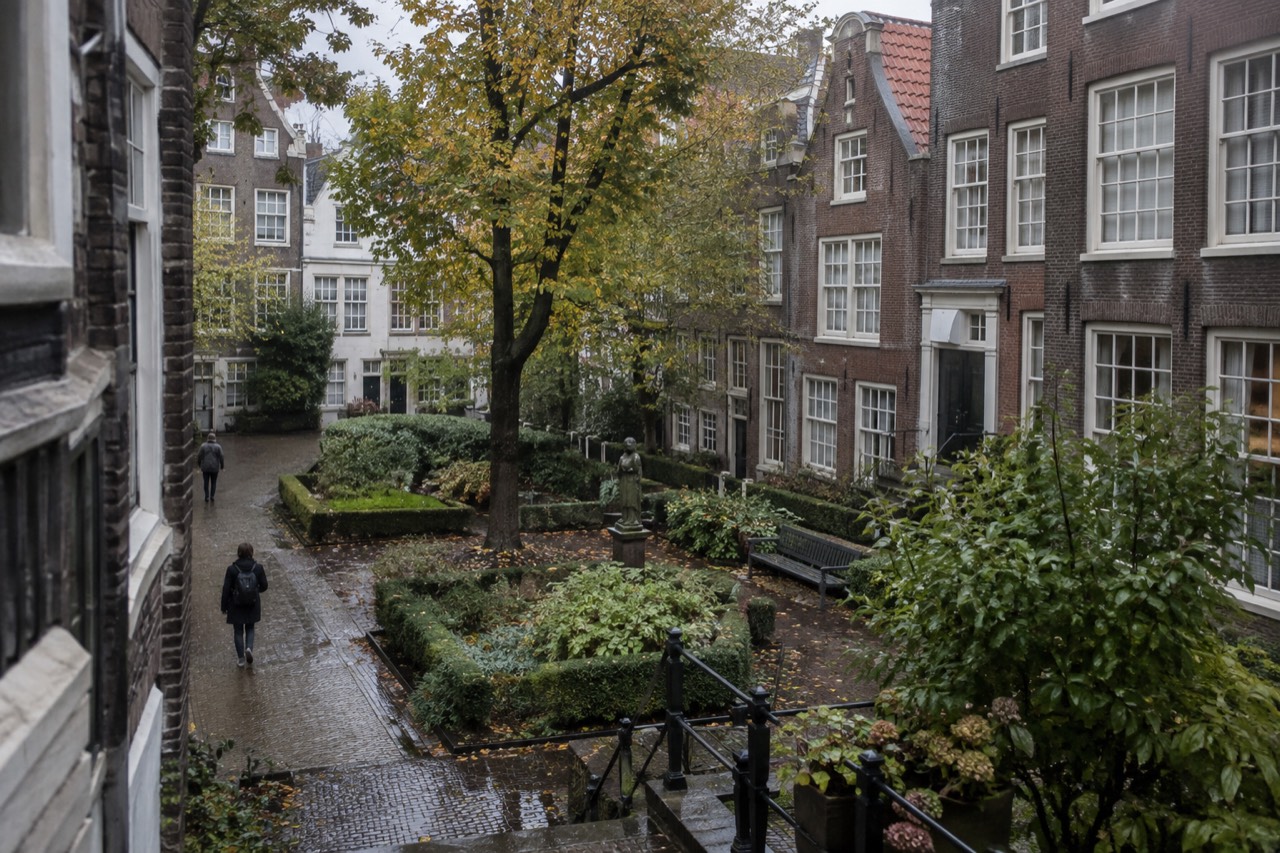
The Begijnhof is a medieval courtyard of wooden houses hidden behind an unmarked door at Spui, and Our Lord in the Attic is a full-scale 17th-century church built into the top floors of a canal house on the Oudezijds Voorburgwal. Together they are the two most startling interior spaces in the centre, both a five-minute walk from Dam Square, and both completely invisible from the street.
The Begijnhof is the older and the stranger of the two. It began as a beguinage, a walled community where lay religious women lived without taking monastic vows, and the courtyard still holds the oldest wooden house in the city alongside the English Reformed Church, which has held services on the site since the early 17th century. The entrance is a plain doorway on the Spui square that most people walk past because it looks like nothing at all. Step through and the noise of the centre drops away immediately. Visitors are welcome, but it remains a working residential courtyard, so the quiet is the point: no groups, no noise, no lingering photos of people's front doors.
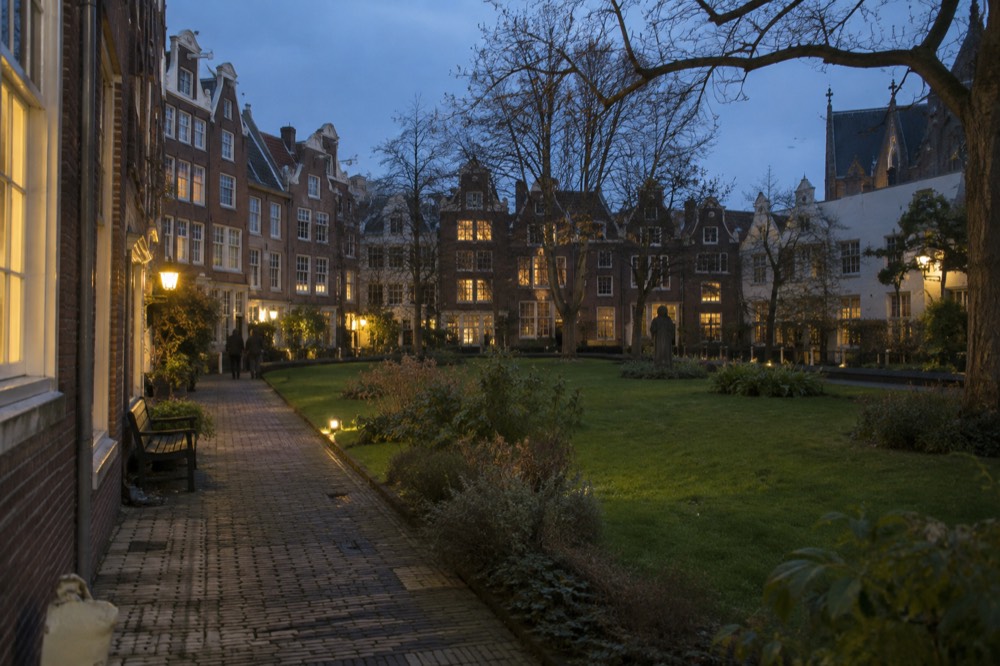
Our Lord in the Attic, known locally as Ons' Lieve Heer op Solder, is the other kind of hidden. When public Catholic worship was banned in the 17th-century Republic, this parish built a complete church, galleries, altar and all, inside the loft of three adjoining canal houses. It is now a museum, and the walk up the steep Dutch staircase to the church space is one of the most memorable interior reveals in the Netherlands. Our guide to Our Lord in the Attic covers the history and the practical visit in detail.
Both of these sit in the oldest part of the centre, which is also where the city's behaviour rules bite hardest. The official How to Amsterdam guidance from the city asks visitors to keep noise down and respect residents in exactly these streets, and street drinking is prohibited in the city centre outright. The courtyard and the attic church reward the visitor who arrives at opening time with that mindset already loaded. It costs nothing to be quiet, and in these two buildings it buys you the whole experience.
What Can You Find Across the Water in Amsterdam Noord and NDSM?
The NDSM wharf is a former shipyard turned street-art district on the north bank of the IJ, reachable by a free GVB ferry behind Centraal Station in about fifteen minutes. It holds the STRAAT street art museum, a sprawling open-air canvas of murals, decommissioned cranes and warehouse buildings, and it feels like a different city from the canal ring.
The ferry is the experience. GVB runs the IJ ferries as part of the normal network, they depart from the piers directly behind the station, and the crossing gives you the best free skyline view in Amsterdam: the centre stacked up behind the water, the A'DAM tower on the far bank. You do not need a ticket beyond what you are already using, and the boats run late into the evening.
On the far side, NDSM is a mix of legal-walls street art, artist studios, festival grounds and industrial leftovers. The STRAAT museum sits in a massive former shipbuilding warehouse and describes itself as the world's largest street art museum, with more than 180 works by over 170 artists; our STRAAT museum guide has the full picture. Around it, the wharf's painted walls, container cafés and rusting cranes make it the single best free wander in the city for anyone with a camera.
Two paid add-ons sit in the same corner. The A'DAM Lookout observation deck sits at the top of the tower on the Noord waterfront, and the official ticket page lists adult entry at €16.50 online against €18.50 at the counter, with the "Over the Edge" rooftop swing at €7.50 online. And the NEMO Science Museum's green roof terrace, on the south bank but in the same spirit, is free to reach without a museum ticket: the museum's own announcement confirms you can get to the roof via the steps from the street or the lift in the entrance hall.
| Place | Where | Why it stays quiet | Best time |
|---|---|---|---|
| Begijnhof | Spui, centre | Unmarked door, residential courtyard | Weekday mornings |
| Our Lord in the Attic | Oudezijds Voorburgwal | Hidden inside a canal house | Opening hour |
| NDSM wharf | Amsterdam Noord | Requires a ferry crossing | Any daylight hour |
| Hortus Botanicus | Plantage | Tucked off the main walking routes | Midweek afternoons |
| Vondelpark north edge | Oud-Zuid | Crowds cluster near the entrances | Early morning |
Where Are the Green Hidden Corners: Hortus Botanicus and Vondelpark?
The Hortus Botanicus is one of the oldest botanical gardens in the world, a walled oasis in the Plantage district, and Vondelpark's quieter corners are the far northern and western edges of the park, away from the entrance gates where the crowds thin out within five minutes' walk. Both are free of the queue culture that defines the museum quarter.
The Hortus began as a medicinal herb garden for the city's physicians, and centuries later it still feels like a working scientific collection rather than a landscaped park. The glasshouses hold a subtropical and palm collection, and the garden's size, about a city block, means you can see it properly in an hour. It sits in the Plantage, the same leafy district as the Hortus Botanicus guide area's other calm sights, including the Jewish Cultural Quarter and ARTIS. Speaking of ARTIS: the zoo's ticket pricing is dynamic, with online tickets always cheaper than the counter price and the rate varying by day, so check the official page for the date you plan to visit. The Aquarium and Planetarium are included with zoo entry, and the two small museums on the site, the Groote Museum and Micropia, are separate and cheaper.
Vondelpark is not hidden, but most of it is. The streams of walkers and cyclists pour in through the main entrances near Leidseplein and the Museumplein end, then dissolve within a few hundred metres. The park's northern boundary, the long stretch furthest from any gate, is where you find the open lawns with actual space on a sunny day. Our Vondelpark guide maps the entrances and the quietest routes through.
The pairing is worth planning deliberately: the Hortus for a midweek morning, Vondelpark for the early evening, when the locals reclaim it and the light comes low across the water. Both cost nothing to walk through, which matters in a city where the tourist tax alone runs at 12.5% of your hotel night. Other pages covering the same trip are gathered on Things to Do in Amsterdam.
Which Lesser-Known Museums Deserve a Spare Hour?
The houseboat museum on the Prinsengracht, the Museum of the Canals in a Herengracht mansion, the Fabrique des Lumières immersive art centre in the Westergas park and the STRAAT museum at NDSM are the four small museums that reward a spare hour most. Each is compact, none needs a timed entry booked weeks ahead, and together they cover houseboat life, canal history, digital art and street art.
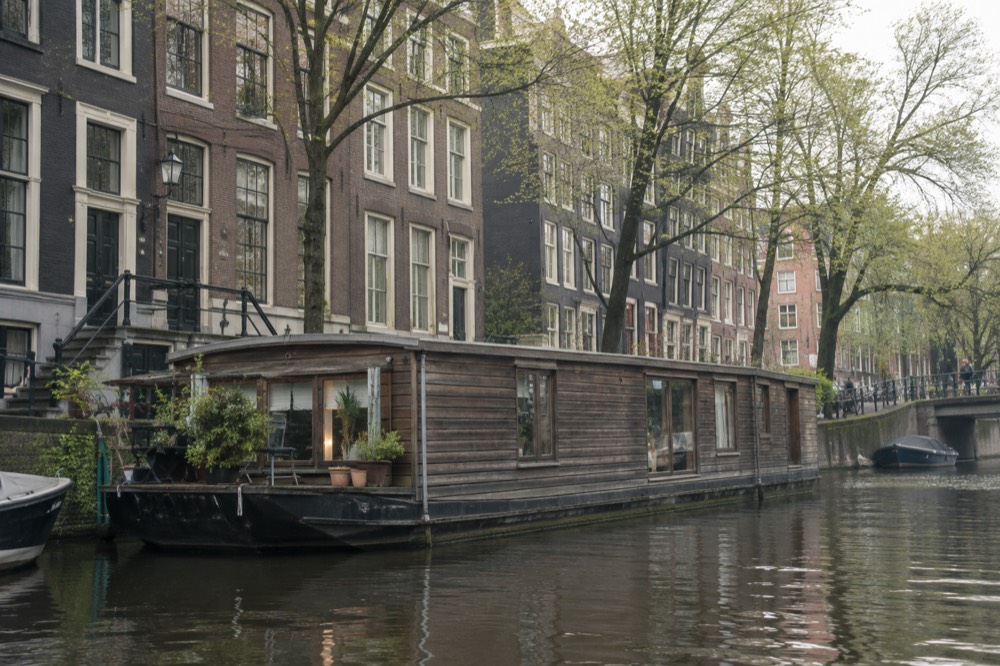
The Houseboat Museum is exactly what it says: a converted historic sailing barge, moored on the Prinsengracht, that shows how people actually live on the water, from the compact kitchen to the engine room below deck. The Museum of the Canals, Het Grachtenhuis, tells the story of the 17th-century canal ring's construction with models and projections, and it is the single best primer before you walk the UNESCO canal belt. The Fabrique des Lumières projects large-scale immersive shows across the industrial walls of a former gasworks in the Westergas park.
The contrast with the headline museums is the point. The Rijksmuseum charges €25 for adults, is open every day of the year from 9am to 5pm, and requires a booked start time even for card holders. The Van Gogh Museum charges €25, requires every visitor to pre-book a timed ticket, and sells out on peak days. The small museums above take walk-ups. That is not an argument for skipping the big two, the Rijksmuseum's Night Watch alone justifies its price of admission, but it is an argument for not filling every slot of a trip with timed entries.
The Van Gogh skip-the-line ticket from $31, rated 4.7 across 57,096 reviews on the live listing, is the practical answer for the one headline museum that cannot be improvised. Book it for the first or last entry slot of the day, and spend the freed-up middle hours on the small museums and courtyards above.
For a completely different register, the Heineken Experience in the original brewery is the polished, theatrical opposite of a hidden gem, but it earns its place in a trip as the rainy-day option, and the ticket from $23 covers the self-guided route through the historic building.
How Do You Visit These Spots Without the Crowds?
Buy a GVB day ticket at €10.00 for unlimited tram, bus, metro and ferry travel, start at the Begijnhof at opening time, cross to NDSM by ferry mid-morning when the tour groups are still in the museum quarter, and save Vondelpark for early evening. This route uses the city's own crowd rhythm against itself, since the day-tripper wave peaks in the centre between 11am and 4pm.
The transport is genuinely simple. A GVB 24-hour ticket costs €10.00 for adults and €5.00 for children, and the same card covers the ferries to Noord. Contactless OVpay works too, with a base fare of €1.16 plus €0.217 per kilometre. If you are doing more than three or four rides a day, the day ticket wins.
| Time slot | Where to be | Why it works |
|---|---|---|
| 09:00 | Begijnhof, then Our Lord in the Attic | Courtyards are emptiest before the tour groups arrive |
| 11:00 | Ferry to NDSM wharf | Day-trippers are still in the centre |
| 14:00 | Hortus Botanicus, Plantage | Greenhouses are calm midweek afternoons |
| 17:00 | Vondelpark north edge | Locals' hour, long evening light |
Two planning notes that most first-timers miss. First, the I amsterdam City Card includes entry to more than 70 museums and locations, unlimited GVB transport and a canal cruise, with the 24-hour card at €67 and the 48-hour at €94, but it explicitly excludes both the Van Gogh Museum and the Anne Frank House, so it suits the hidden-gems itinerary better than the headline-museum one. Second, the Anne Frank House sells tickets only through its own official site, released for visits six weeks ahead, and no reseller or pass can sell you one, so plan that separately if it is on your list.
And a closing thought on what "hidden" means here. None of these places is secret, and the staff at each of them would laugh at the word. What they are is filtered: behind doors, across water, or at the far end of a park, which in a city receiving 21.9 million day visits a year is enough to keep them breathing. If you are after the same feeling at the country's scale, our piece on hidden gems in the Netherlands takes the idea beyond the city limits.
Common Questions About Hidden Gems in Amsterdam
What Are Some Hidden Gems In Amsterdam?
The Begijnhof courtyard, Our Lord in the Attic, the NDSM wharf in Amsterdam Noord, the Hortus Botanicus and the quiet northern edge of Vondelpark. All are inside the city, all are reachable with a €10.00 GVB day ticket, and none requires an advance booking window.
Is the Begijnhof free to visit?
Yes, the courtyard is open to visitors at no charge, but it is a working residential community with houses, a church and people living there. Visit in the morning, keep your voice down, and treat it as a guest in someone's garden rather than an attraction.
How do I get to the NDSM wharf?
Take the GVB ferry from the piers behind Centraal Station. The ferries are part of the regular network, they run frequently through the day and into the evening, and the crossing takes about fifteen minutes with the best free view of the centre's skyline on the way.
Do I need to book tickets for the smaller museums?
Generally no. The Houseboat Museum, the Museum of the Canals and STRAAT take walk-up visitors, which is precisely their advantage over the Rijksmuseum and the Van Gogh Museum, both of which require a pre-booked timed entry at €25 for adults.
Does the I amsterdam City Card cover the hidden gems?
It covers more than 70 museums and locations plus unlimited GVB transport and a canal cruise, at €67 for 24 hours and €94 for 48 hours, and many of the quieter museums are included. It excludes the Van Gogh Museum and the Anne Frank House, so it fits the offbeat itinerary better than the headline one.
When is the best time of day to avoid crowds?
Start at opening time, around 9am, at the central courtyards, cross to NDSM mid-morning while the day-tripper wave is still in the centre, and finish in Vondelpark in the early evening. The centre is at its most crowded between 11am and 4pm.