What Is The Situation At Schiphol Airport?
A plain-language briefing on Schiphol Airport in 2026: how it is running, what the transfer from the airport to central Amsterdam costs, and how to plan around crowds and queues.
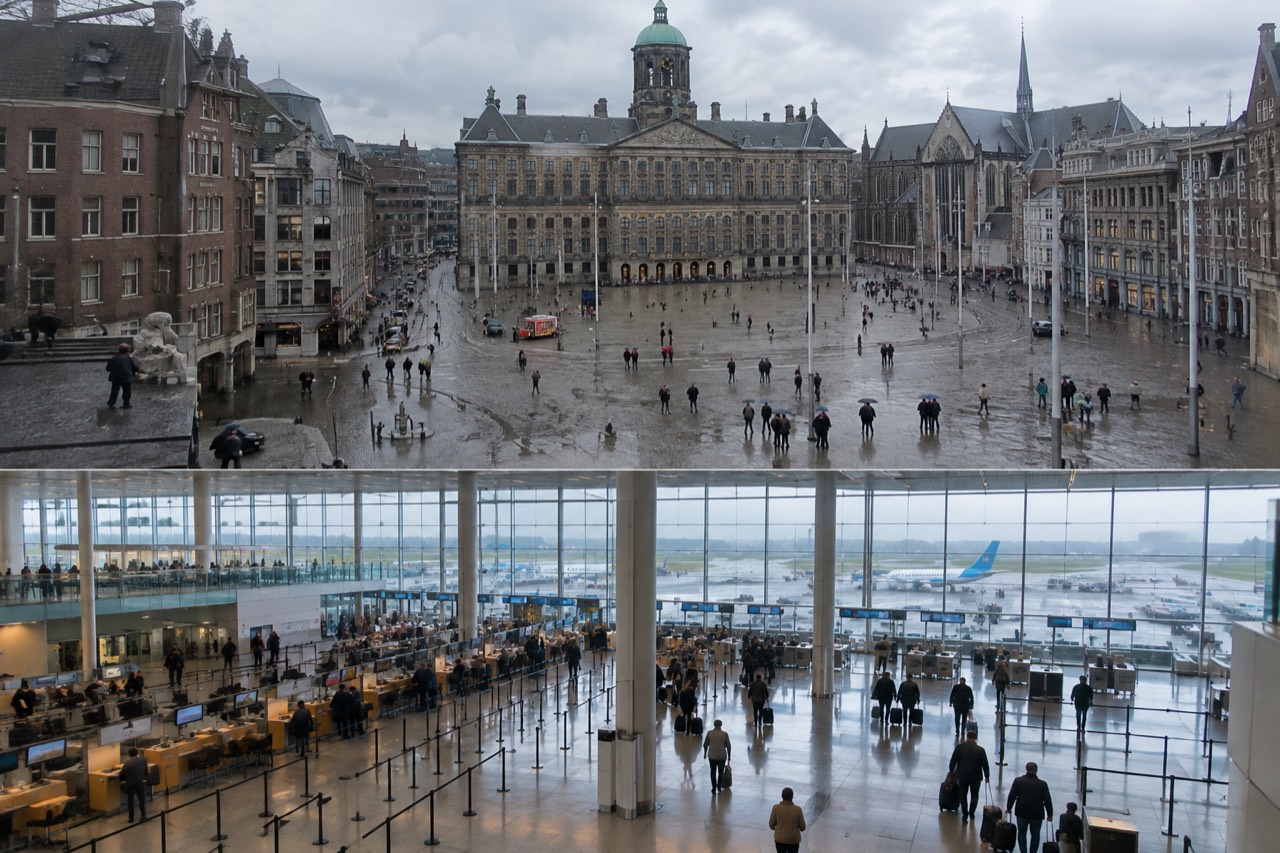
Schiphol Airport sits around 17 minutes by train from Amsterdam Centraal, which makes it one of the closest major airports to a European capital you will find anywhere. It is also enormous, chronically busy, and the source of more planning questions than any other single place in the city. Travellers want to know whether the chaos of a few years back has settled, how long the transfer into town takes, what it costs, and how much buffer to leave for a connection.
The short version is that Schiphol is functioning normally again, but it runs best for people who book ahead. The train into the centre is cheap and fast, the airport has enough shops, lounges and quiet corners to fill a long layover, and the main risks are the ordinary ones of a busy hub: peak-hour queues and tight connections scheduled too optimistically. This briefing walks through the current situation, the transfer options with real prices, and the practical decisions that save the most stress.
What Is The Situation At Schiphol Airport?
Schiphol is operating as a normal, high-volume European hub again after the staffing shortages that disrupted it in the years following the pandemic, but it remains a busy airport where queues at security and passport control move slowly at peak times. The reliable way through is a pre-booked train ticket, a realistic connection buffer of at least two hours, and no reliance on buying anything at the airport on the day if you can avoid it.
The situation people remember was the period when Schiphol's security queues stretched so long that the airport asked airlines to cancel flights and capped daily passenger numbers. That crisis came from a nationwide shortage of security staff after pandemic-era layoffs, and it was a Dutch labour problem rather than an Amsterdam problem. Staffing was rebuilt over the following years, and the airport has since run without emergency measures. The airport's own information pages now describe normal operations, with the usual advice to arrive two hours before a European flight and three hours before an intercontinental one.
What has not changed is the sheer volume. Schiphol handles flights to destinations across the world and acts as the main transfer point between KLM's intercontinental and European networks, which means the terminals refill with connecting passengers every hour of the day. Amsterdam itself recorded 23.7 million tourist overnight stays in 2025, per the city's own statistics office, and a large share of those visitors arrive through this one airport. Crowds are structural, not seasonal.
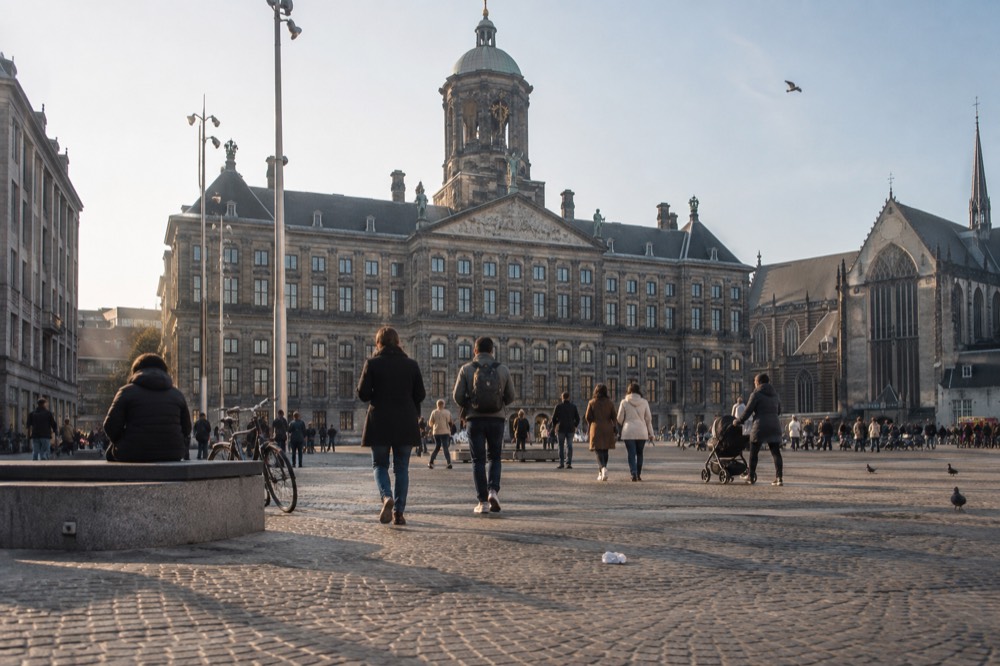
For a visitor, the practical situation breaks into three questions. Is my connection realistic? How do I get into the city? And what happens if something goes wrong? The rest of this article answers each one with figures from the operators themselves, not from travel blogs. The one thing worth saying up front: the transfer from Schiphol to central Amsterdam is genuinely easy, and it is the part of the trip least worth worrying about.
If your time in the city is short, the airport transfer eats less of it than you might fear, so it pays to have the first activity locked in before you land.
How Do You Get from Schiphol to Central Amsterdam?
The NS train is the standard answer: it runs from directly under the airport to Amsterdam Centraal in just over 17 minutes, with an online e-ticket from €5.50. The Amsterdam Airport Express bus 397 costs from €6.50 single and reaches the city centre via the west side, while a taxi is metered with no fixed fare, so the operator publishes no guaranteed price at all.
The train station is inside the airport complex. You follow the signs to the platforms, take the escalators down, and you are at Schiphol Plaza, the shopping and ticket hall that sits between the terminal and the tracks. Trains to Amsterdam Centraal run several times an hour through the day, and the journey is direct. The national rail operator sells e-tickets online from €5.50 for this route, and its own page notes the journey takes "just over 17 minutes". Buying the e-ticket in advance means you walk straight to the platform instead of queueing at a machine next to forty other people doing the same thing.
The bus is the alternative for the western neighbourhoods. The Amsterdam Airport Express, line 397, runs to the city centre via Elandsgracht, with a single fare from €6.50 and a return from €11.75, and the same ticket is valid on the Niteliner N97 for night journeys. If your hotel is in the Jordaan, Oud-West or near the Kinkerstraat, the bus can genuinely beat the train door to door, because it drops you on the western edge of the centre rather than at Centraal.
| Option | Route | Cost | Journey time | Best for |
|---|---|---|---|---|
| NS train | Schiphol Plaza to Amsterdam Centraal | from €5.50 online | just over 17 minutes | Almost everyone staying in the centre or near Centraal |
| Airport Express bus 397 | Schiphol to Elandsgracht, city centre west side | from €6.50 single, from €11.75 return | around 30 minutes, traffic dependent | Hotels in the Jordaan, Oud-West and Kinkerbuurt |
| Niteliner N97 | Schiphol to city centre at night | same ticket as line 397 | around 30 minutes | Late arrivals and early departures |
| Taxi or rideshare | Schiphol rank to your address | metered, no fixed fare published | 20 to 40 minutes, traffic dependent | Groups, heavy luggage or awkward addresses |
The taxi deserves a plain warning. Schiphol publishes no fixed fare for the ride into Amsterdam, and the airport's own guidance says you pay the price shown on the meter. Any website quoting a specific euro figure for a Schiphol taxi is guessing. In practice a taxi makes sense for a group of three or four with luggage, where the meter split four ways competes with four train tickets, or for an address nowhere near a station. For one or two people heading to the centre, it is the most expensive option by far.
For everything else about the transfer, the site's full guide to getting from Schiphol to central Amsterdam covers tickets, luggage and step-by-step directions, and the Schiphol Airport guide goes deeper on the terminals themselves.
How Much Should a Transfer Cost, and When Should You Book?
Budget roughly €5.50 per person each way for the train, or €6.50 for the bus, and expect to pay a 12.5% tourist tax on your hotel room on top of every accommodation bill. Nothing in the transfer itself needs to be booked weeks ahead except the e-ticket, which saves queue time for a few euros and can be bought the day before.
The transfer costs are fixed and small. What surprises visitors more is the tax layer on the accommodation side. Amsterdam charges a tourist tax of 12.5% of the overnight price, excluding VAT, on hotels and holiday rentals alike, and this applies across the city, so the rate you see quoted for a room is not the rate you pay. Cruise passengers arriving for the day pay a separate day tax of €15 per passenger. None of this is avoidable, but it belongs in the budget from the start rather than as a surprise on the final hotel invoice.
| Item | Typical cost | Notes |
|---|---|---|
| Train, Schiphol to Centraal | from €5.50 per person each way | E-ticket bought online; journey just over 17 minutes |
| Airport Express bus 397 | from €6.50 single | Return from €11.75; ticket also valid on the N97 night bus |
| Taxi from the rank | metered, no fixed fare | The airport publishes no guaranteed price; the meter decides |
| Hotel tourist tax | 12.5% of the room price | Charged on top of the nightly rate, excluding VAT |
| GVB day ticket, once in the city | €10.00 for 24 hours | Covers trams, buses, metro and ferries; a single hour costs €3.40 |
Booking philosophy for the whole trip follows the same logic. The transfer is cheap and flexible. The things that genuinely sell out or require advance planning are the timed-entry attractions: the Van Gogh Museum requires every visitor to pre-book a time slot, with adult admission at €25 and under-18s free per the museum's own ticket page, and the Anne Frank House sells exclusively through its official website on a release schedule weeks ahead. Those are the items to sort out before the flight, not the train ticket.
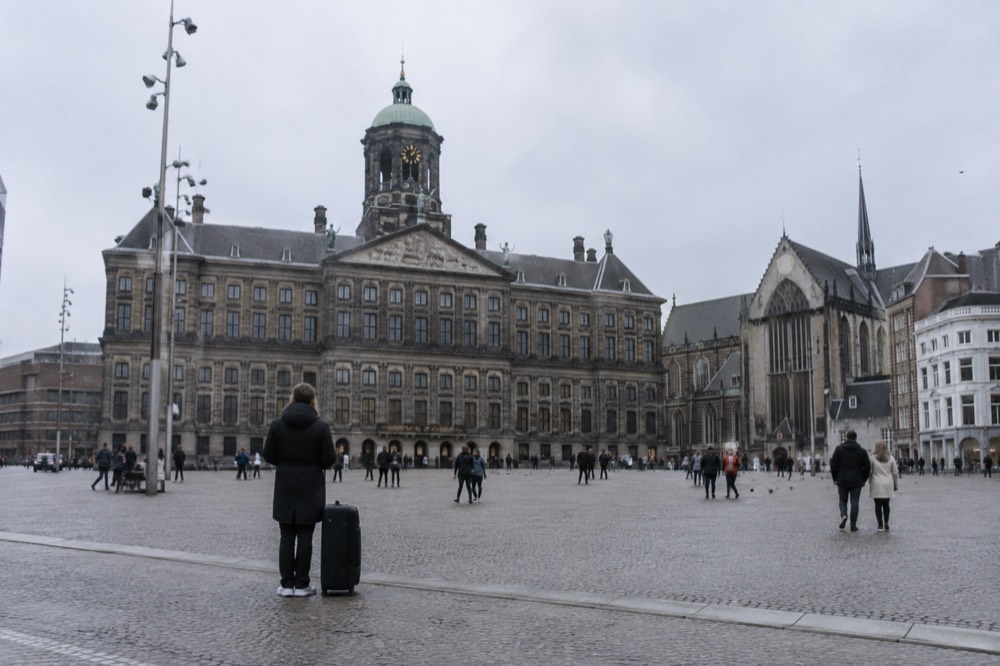
Is Your Connection Realistic, and What About a Layover?
Schiphol is a single integrated terminal, so you can walk between all gates and piers without buses or transfers, but a 45-minute connection is still a gamble because passport control and security lines can each eat half an hour at peak times. Anything at or above two hours between flights is comfortable, and a layover of four hours or more is long enough to leave the airport entirely.
Because Schiphol is one connected building, the mechanics of a transfer are simple: you follow the transfer signs, clear any passport control that applies to your route, and walk. The variable is time. Queues for security and border control build and drain with the arrival banks, and an airport handling this many connecting passengers per hour will always have moments where the line is long. The site's answer to the 45-minute connection question goes through the arithmetic in detail, but the summary is that 45 minutes works only when the first flight lands early, the gates are close, and nothing queues. Plan for none of those being true.
For layovers of four hours and more, the train makes central Amsterdam genuinely reachable. The round trip to Centraal takes under an hour of travel time, which leaves two to three usable hours in the city for a meal, a walk along the canals or one quick sight. The four hours at Schiphol guide covers the stay-inside option, and it is worth reading before you commit either way, because the calculation depends mostly on whether your luggage is checked through and whether you need a visa to leave the transit area.
If you do break out of the airport for a few hours, pick one thing near the centre and book it with a timed entry. The Heineken Experience, in the original historic brewery a short walk from the centre, sells timed tickets from $23 with a 4.6 rating across 39,581 reviews on the live listing, and a visit fits neatly inside a long layover. A canal cruise is the other classic layover activity, since the departure docks sit within walking distance of Centraal: the classic saloon boat cruise runs one hour on a restored wooden boat from $19.56, rated 4.8 across 33,435 reviews, with drinks and cheese as an optional upgrade.
What Should You Sort Out Before You Land?
Book three things in advance and let everything else wait: your museum time slots, your first night's accommodation, and your train e-ticket. The Van Gogh Museum requires a pre-booked timed entry ticket for every visitor and slots sell out, the Anne Frank House sells only through its own website on a six-week release schedule, and the cheapest airport transfer is an e-ticket bought online rather than at a machine.
The pattern behind all three is the same. Amsterdam's most visited attractions moved to timed entry to manage crowds, and timed entry means scarcity by design. The Van Gogh Museum's own ticket page sets adult admission at €25 with under-18s free, and states plainly that all visitors must pre-book a time slot. The Rijksmuseum, at €25 for adults with free entry for ages 18 and under, likewise requires a booked start time for everyone, including pass holders. Arriving in the city without any of this booked means choosing from whatever time slots other people left behind.
This is also where the airport itself earns some credit. Schiphol's arrivals hall is well set up for the last-minute traveller: the train platforms are a five-minute walk from baggage reclaim, ticket machines and the plaza's shops are on the way, and the whole sequence from plane door to train seat can be done in half an hour when the airport is calm. The situation at the airport rewards preparation, but it does not punish a reasonable amount of improvisation.
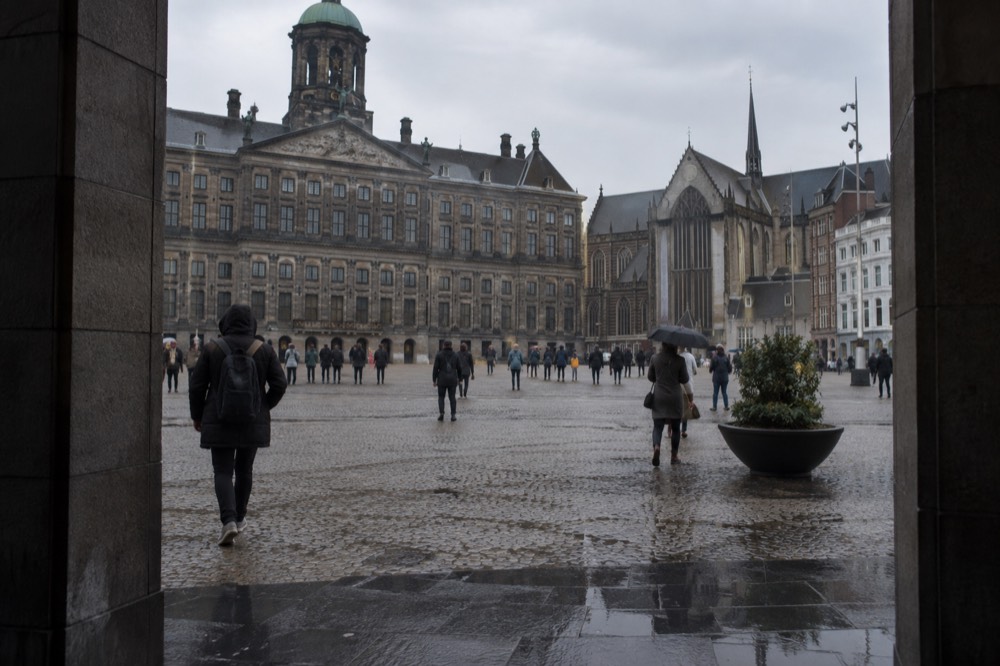
One practical note on money: the Netherlands is close to cashless, and contactless bank cards work on trains, trams and buses through the OVpay system, with a base fare of €1.16 plus €0.217 per kilometre on the city network and a daily cap. You do not need a special transit card to get around Amsterdam. A contactless card and a phone are the whole toolkit.
Common Questions About Schiphol Airport
What Is The Situation At Schiphol Airport?
Schiphol is running normally after the staffing crisis that followed the pandemic, but it remains one of Europe's busiest hubs. Expect working operations, ordinary peak-hour queues at security and passport control, and an airport that is best handled with pre-booked tickets and a realistic connection buffer of two hours or more.
How much is the train from Schiphol to Amsterdam Centraal?
The NS e-ticket starts from €5.50 when bought online, and the journey takes just over 17 minutes. Trains run several times an hour, and the station sits directly under the airport at Schiphol Plaza, a short walk from baggage reclaim.
Is a taxi from Schiphol expensive?
Schiphol publishes no fixed fare for taxis into Amsterdam; the airport's own guidance says you pay whatever the meter shows. A taxi suits groups with heavy luggage, but for one or two people heading to the centre, the train at from €5.50 is far cheaper and usually faster at peak times.
Can you leave Schiphol during a layover?
Yes, with a layover of roughly four hours or more. The train reaches Amsterdam Centraal in just over 17 minutes, so a four-hour window leaves around two usable hours in the city. Your luggage must be checked through and you must be entitled to enter the Schengen area, so check both before you commit.
Do you need to book Amsterdam attractions before you fly?
For the biggest ones, yes. The Van Gogh Museum requires every visitor to hold a pre-booked timed entry ticket, and the Anne Frank House sells only through its own official website on a release schedule weeks ahead, with no door sales and no resellers. Booking before you land is the only way to guarantee a slot.
Is there a tourist tax in Amsterdam?
Yes. Hotels and holiday rentals carry a tourist tax of 12.5% of the overnight price, excluding VAT, and cruise passengers arriving for the day pay a day tax of €15 per passenger. Budget for it on top of your quoted room rate rather than being surprised by the final bill.
The airport is the least interesting part of Amsterdam and the easiest to get right. Book the train e-ticket, keep the connection buffer honest, and spend your planning energy on the city itself: the museums that need time slots, the cruises that leave from the centre, and the Things to Do in Amsterdam once you are through the arrivals door.