Where Is The Best Place To Stay In Amsterdam For First Timers?
A straight answer on where first-time visitors should sleep in Amsterdam, with a neighbourhood-by-neighbourhood comparison, real transport costs and the booking mistakes to avoid.
Where Is The Best Place To Stay In Amsterdam For First Timers?
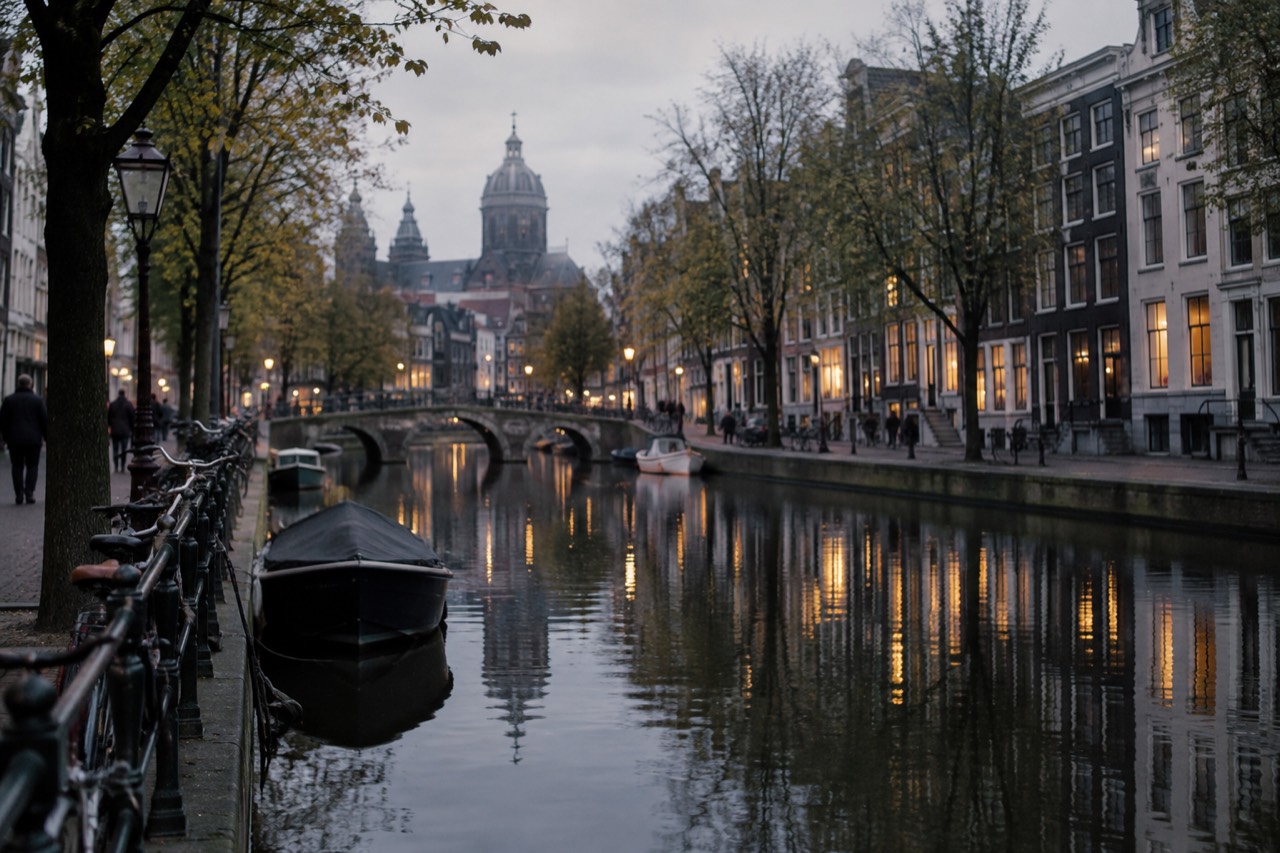
For a first visit, the best place to stay is the canal belt between Centraal Station and Museumplein, or the streets immediately south of the station in the Oude Centrum. From there, the Dam, the Jordaan and the museum quarter all sit within a 20 minute walk, and every tram line in the city funnels through the area. First-timers trade space and price for walkability, and in Amsterdam that trade pays off more than in almost any other European capital.
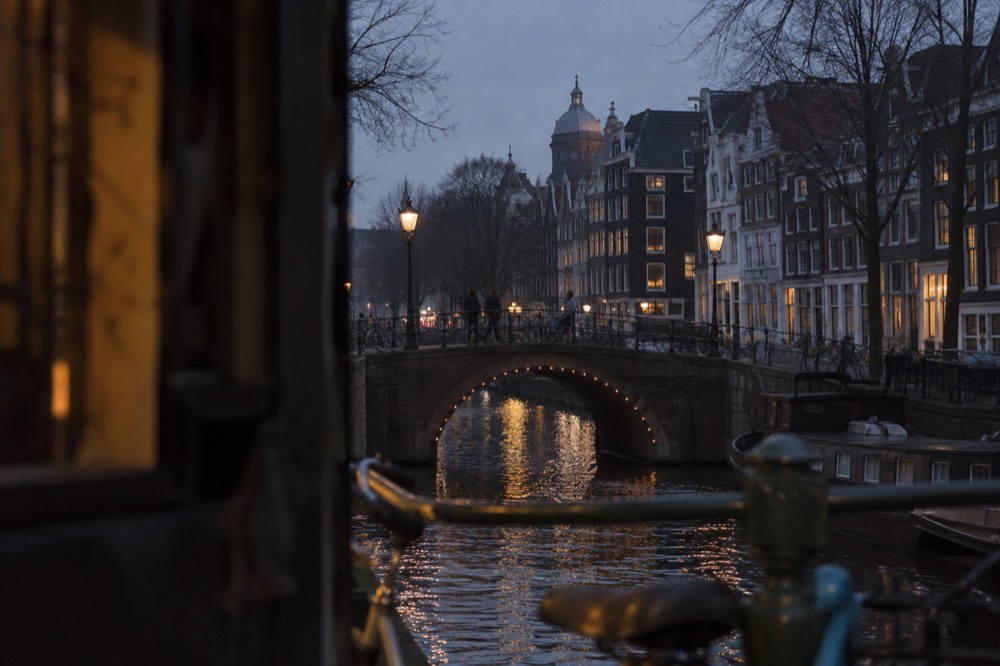
Amsterdam is small in the way that matters for a visitor. The whole historic centre fits inside a crescent of 17th-century canals, and the two big museum clusters sit at either end of it. That geography makes the "where to stay" question less about reaching sights and more about which daily rhythm you want: canal-side calm in the Jordaan, museum mornings in the Museum Quarter, or the dense, loud, everything-open-late energy of the centre.
The mistake most first-timers make is treating Amsterdam like Paris or Rome, where the wrong arrondissement can add an hour a day. Here, the "wrong" neighbourhood usually adds ten minutes on a tram. The city recorded 23.7 million tourist overnight stays in 2025 across roughly 544 hotels and about 41,000 to 42,000 rooms, so supply is spread across the centre, and the differences between areas are about character and cost, not access.
There is one real constraint, and it is not distance. The two most in-demand tickets in the city, the Anne Frank House and the Van Gogh Museum, are both timed-entry and both sell out. Where you sleep matters far less than whether you booked those slots before you flew. If you are still choosing a base and building your first-day plan, our one day in Amsterdam itinerary shows how the walking distances actually stack up.
A sensible first move, whichever neighbourhood you pick, is to lock the two or three things that need pre-booking. The trio below covers the museum that sells out fastest, the city's most popular paid attraction, and the canal cruise that ties the whole centre together.
Which Amsterdam Neighbourhood Suits a First Visit?
First-time visitors should head to the Oude Centrum and Grachtengordel canal belt for the quintessential Amsterdam experience, with the Museum Quarter ideal for art enthusiasts and De Pijp for a local, food-centric vibe. The Jordaan offers a quieter, romantic escape, while Amsterdam Noord is the budget pick, connected by a quick ferry.
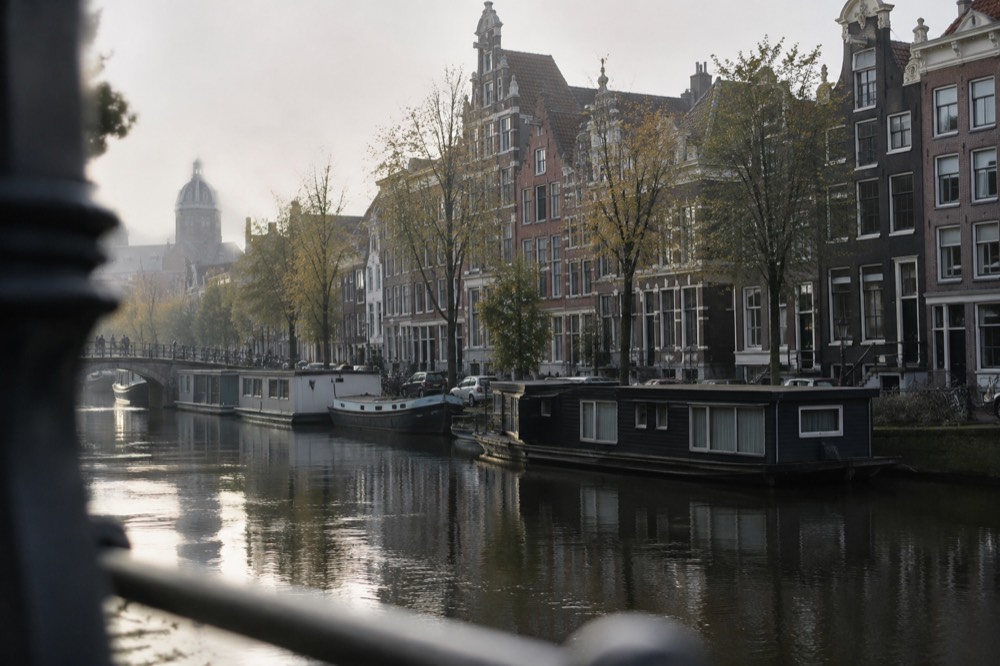
The centre, the streets within a few blocks of Dam Square and Centraal Station, is where most first-timers actually end up, and for good reason. You step out of the hotel and you are already inside the postcard. The trade is real, though: rooms are smaller, streets are louder late at night, and the immediate station area mixes tourists with the bars and shops that cater to them. Pick a hotel two or three canals deeper, in the Grachtengordel itself, and the noise drops sharply while the walkability stays.
The canal belt is the answer this desk gives most often. Herengracht, Keizersgracht and Prinsengracht form the spine of the UNESCO-listed ring, and a room anywhere between them puts the Anne Frank House, the Nine Streets and the flower market on foot. It is also the neighbourhood where the classic Amsterdam photographs actually happen, so you spend less time commuting to the sights and more time inside them.
The Museum Quarter, around Museumplein, works if your trip is built around the Rijksmuseum and the Van Gogh Museum. Both need pre-booked timed entry, and both open at 9am, so staying ten minutes away turns a 9am slot into an easy morning rather than a tram race. The district is calmer, more residential and noticeably more polished than the centre, with the Vondelpark as a free backyard. De Pijp, just east of it, offers the same access at lower prices, plus the Albert Cuyp Market and a dense strip of restaurants, which is why our De Pijp neighbourhood guide keeps recommending it for second-time visitors who want to feel the city rather than tour it.
| Neighbourhood | Best for | Trade-off | Walk to Dam Square |
|---|---|---|---|
| Oude Centrum | Zero-commute sightseeing, nightlife on the doorstep | Smallest rooms, most noise, highest prices | 2 to 10 minutes |
| Grachtengordel | Postcard Amsterdam, houseboats, the Nine Streets | Costs more than everywhere except the centre | 10 to 20 minutes |
| Jordaan | Quiet canals, brown cafes, romantic stays | Fewer big hotels, mostly small properties | 10 to 15 minutes |
| Museum Quarter | Rijksmuseum and Van Gogh mornings, Vondelpark | Calmer at night, fewer cheap eats nearby | 20 to 25 minutes |
| De Pijp | Local pace, Albert Cuyp Market, value | Canal views are thinner on the ground | 25 to 30 minutes |
| Amsterdam Noord | The cheapest beds, the NDSM wharf, skyline views | A free ferry ride from the centre | Ferry plus 10 minutes |
The Jordaan deserves a special word for couples. It is the one central neighbourhood that feels like a village inside the city: tiny streets, independent galleries, and cafe terraces that fill with locals rather than visitors. The Jordaan guide covers it street by street, but the short version is that you give up hotel choice and gain the most atmospheric evenings in Amsterdam.
Amsterdam Noord is the budget wildcard. The free GVB ferries run 24 hours a day from behind Centraal Station, so a Noord bed is never more than a short crossing from the centre, and the NDSM wharf gives first-timers the skyline view they would otherwise pay for at a rooftop bar. The trade is simple: you plan your evenings around the ferry rather than walking home.
Whichever area you choose, the Van Gogh Museum is the one booking that should happen before the hotel is even paid for. The museum states plainly that all visitors need a pre-booked timed entry ticket, and slots for the day you want, at the hour you want, routinely go first.
How Much Does a Central Amsterdam Hotel Actually Cost?
Expect the base rate to be only part of the bill: Amsterdam charges tourist tax of 12.5 per cent of the overnight price excluding VAT, and that sits on top of the room rate and the 21 per cent VAT already inside it. A mid-range central room costs noticeably more per night by checkout. Budget travellers should also know the city has frozen new hotel construction, so cheap central supply is not coming back.
The tax detail matters because it is charged on the overnight price and it is not always obvious in the rate you first see. The city's own municipal tax page states the rate plainly for hotels and holiday rentals alike, and it is worth reading before you compare listings: the gemeente's tourist tax page sets out exactly what is charged and on what.
The second cost reality is the hotelstop, the city's freeze on new hotel openings, which remains an active policy alongside a ban on new tourist shops in the centre. The practical consequence for a first-timer is that the central hotel stock is what it is: about 544 hotels and roughly 92,000 beds, with no new budget supply arriving to push prices down. Booking earlier genuinely saves money here in a way it does not in cities with expanding supply.
That holiday-rental change is the least-known fact on this page and it directly affects where a first-timer can book. The 15-night cap in the Jordaan, Grachtengordel-West and Zuid, Haarlemmerbuurt, Nieuwmarkt and Oude Pijp, effective 1 April 2026, means fewer legal apartments in the most requested postcodes. The municipal permit page explains the registration and permit rules: the gemeente's holiday rental permit page is the primary source.
The practical advice that follows from all of this is short. Book the central room you can afford early rather than the perfect room late, check whether the quoted price includes the 12.5 per cent tourist tax, and treat an apartment listing in the canal belt with a little more scepticism than in 2024, because the legal supply there has halved. Our where to stay in Amsterdam guide breaks the areas down for every budget if you want the full comparison.
How Many Days Should a First-Timer Book?
Three nights is the sweet spot for a first visit: it covers the Rijksmuseum or Van Gogh, a canal cruise, the Jordaan and De Pijp, and one half-day trip to Zaanse Schans or the tulip fields in season. Two nights works for a city break centred on the canal belt, and four or five lets you add Giethoorn, Haarlem or Rotterdam without rushing. Anything under two nights forces you into the centre.
The reason the answer leans central is that Amsterdam's sights are not evenly spread. The museums cluster at Museumplein, the Anne Frank House and the Jordaan sit at the western canal end, and the nightlife concentrates around the centre and De Pijp. A three-night first-timer staying in the Grachtengordel can walk to all three clusters and still take a tram when it rains, which it will. The rest of the planning pages sit on Things to Do in Amsterdam.
Transport costs are low enough that they should not drive the decision. A 24-hour GVB day ticket costs €10.00 for an adult and €5.00 for a child, a single one-hour ticket is €3.40, and contactless OVpay taps work on every tram, bus, metro and ferry with a base fare of €1.16 plus €0.217 per kilometre. The ferries across the IJ to Noord are free. The full fare table is published by the operator: GVB's own prices page is the source for every figure above.
| Ticket | Price | Best for a first-timer who |
|---|---|---|
| GVB single, 1 hour | €3.40 | Only rides once or twice a day |
| GVB 24-hour day ticket | €10.00 adult, €5.00 child | Plans a tram-heavy museum day |
| GVB 72-hour ticket | €21.50 | Stays three nights and rides daily |
| OVpay contactless | €1.16 base plus €0.217 per km | Wants no ticket machines at all |
| Ferries to Amsterdam Noord | Free | Booked a hotel across the IJ |
One planning note that saves real money: the I amsterdam City Card bundles free entry to more than 70 museums and locations, unlimited GVB transport for the card's duration, one canal cruise and a 24-hour bike rental, and the verified prices are €67 for 24 hours and €94 for 48 hours. It does not include the Van Gogh Museum or the Anne Frank House, both of which need separate timed tickets, so it rewards a museum-heavy itinerary rather than replacing bookings. The city card worth-it guide runs the maths for two-day and three-day trips.
If your three nights include a museum-heavy first day, the Van Gogh ticket is the one to secure before anything else. The entry ticket, from $31 with a 4.7 rating across 57,096 reviews on the live listing, is timed, and the morning slots near your Museum Quarter or canal-belt hotel are the ones that disappear first.
What Booking Mistakes Should First Timers Avoid?
The three that cost the most: booking a hotel before checking which tickets need pre-booking, choosing a room by price alone without adding the 12.5 per cent tourist tax, and assuming the Anne Frank House can be bought anywhere other than its own official site. Add a fourth: trusting a canal-belt apartment listing that does not show a registration number, because since April 2026 many of those listings are legal for fewer nights than before.
The Anne Frank House point cannot be overstated, because it is the single most common first-timer disappointment in Amsterdam. Tickets are sold only through the museum's own website for a specific date and time, there are no door sales, and no reseller, pass or tour product legitimately includes entry. Walking tours of the Jewish Quarter tell the story well, but they are walks in the streets, not entry to the house. If the house matters to your trip, plan the whole itinerary around the slot you can actually get.
The second mistake is geographic. First-timers sometimes book a cheap room far out, discover it is a 40-minute commute, and then pay the difference in tram tickets and lost mornings. The fix is not to overspend on the centre, it is to use the ferry-and-Noord trick or De Pijp, both of which keep you inside the 30-minute radius while cutting the room rate. The getting around Amsterdam guide covers the tram and metro system in detail, including how contactless payment works.
The third mistake is timing. Amsterdam's peak demand is not evenly spread across the year, and hotel rates in the centre spike around King's Day in late April, the tulip weeks from mid-March to mid-May, and the Amsterdam Dance Event in October. Travellers flexible enough to visit in the quieter shoulder months get the same canal belt for noticeably less, though this desk does not publish month-by-month price averages because no official source for them exists.
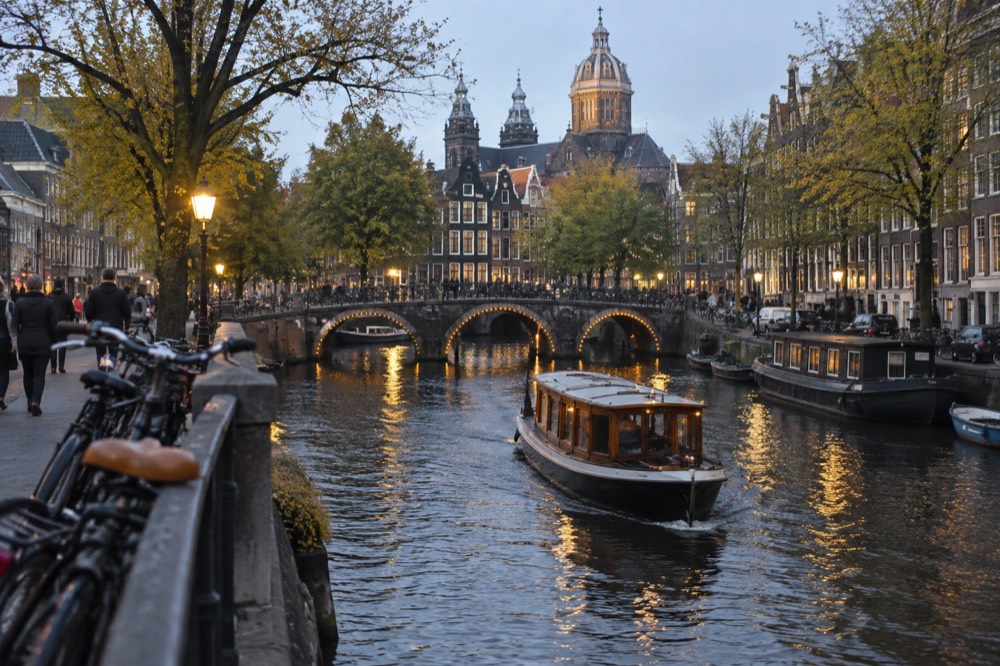
A fourth, smaller mistake is skipping the evening canal cruise. The centre changes character completely after dark, when the bridges light up and the saloon boats take over the water, and a one-hour cruise from $19.56 with a 4.8 rating across 33,435 reviews on the live listing is one of the cheapest ways to see it. Booking it for your first evening, rather than the last, also orients you: after an hour on the water you understand how the canal ring fits together, and every walk afterwards makes more sense.
What Should You Do Near Each Area Once You Are Booked?
Centre-based visitors should spend their evenings in the Jordaan and their mornings at Museumplein; Museum Quarter guests should reverse that and give their evenings to De Pijp; Noord guests get the NDSM wharf and the best skyline views in the city. The point is that a first visit is short, and matching your booked activities to your base saves an hour a day, which in a three-night trip is a whole evening.
The classic first-day shape, whatever your address, is a museum morning, a canal afternoon and a neighbourhood evening. The Heineken Experience sits conveniently between the centre and De Pijp, which makes it an easy anchor for the afternoon slot: the ticket, from $23 with a 4.6 rating across 39,581 reviews on the live listing, covers about 90 minutes inside the original brewery, and the location on the Stadhouderskade puts you a short walk from the Albert Cuyp Market afterwards.
From there the evenings sort themselves by neighbourhood. The Jordaan's brown cafes pour beer the way they have for a century, the centre's Dam Square side stays loud until late, and De Pijp's restaurant strip does the best value eating within walking distance of the Museum Quarter. First-timers with a free final morning should take the free ferry to Noord, walk the NDSM wharf, and look back at the skyline they have just spent three days inside.
If any of this has convinced you that the canal belt or the Museum Quarter is your base, the next step is simple: pick the neighbourhood, book the room early, and secure the timed tickets before the flight. The trio below is the set this desk recommends to first-timers most often, and every one of them sits within a short tram ride of the areas covered above.
Common Questions About Where to Stay in Amsterdam
Where Is The Best Place To Stay In Amsterdam For First Timers?
The canal belt between Centraal Station and Museumplein, or the Oude Centrum just south of the station. Both put the Dam, the Jordaan, the Nine Streets and the museum quarter within a 20 to 25 minute walk, and every major tram line runs through the area. The Museum Quarter and De Pijp are strong alternatives for museum-heavy and food-led trips respectively.
Is Amsterdam city centre too loud for a first visit?
The streets within a block or two of Dam Square and the Red Light District edge stay loud late, and rooms there are the smallest in the city. Moving two or three canals deeper into the Grachtengordel, or choosing the Jordaan, drops the noise sharply while keeping every major sight walkable.
Is Amsterdam Noord too far from the centre for first-timers?
No. The GVB ferries from behind Centraal Station to Amsterdam Noord are free and run around the clock, with a crossing of a few minutes. A Noord hotel trades a short ferry ride for the lowest room prices in the city plus the NDSM wharf and the best skyline views.
How much is tourist tax on an Amsterdam hotel?
Amsterdam charges tourist tax of 12.5 per cent of the overnight price, excluding VAT, on hotels and holiday rentals alike. Check whether the rate you are comparing includes it before assuming one listing is cheaper than another.
Can I book an apartment in the canal belt instead of a hotel?
Yes, but the rules tightened. Since 1 April 2026, holiday rentals in parts of Centrum and De Pijp, including the Jordaan and the Grachtengordel, are capped at 15 nights per year instead of 30, and every legal listing must display a registration number. A listing without one should be treated with caution.
How many nights should a first-timer stay in Amsterdam?
Three nights is the sweet spot: enough for the Rijksmuseum or Van Gogh Museum, a canal cruise, the Jordaan, De Pijp and one half-day trip. Two nights works for a canal-belt city break, and four or five lets you add Zaanse Schans, Haarlem or Giethoorn without rushing.