Amsterdam City Centre: What to See and Do in Centrum
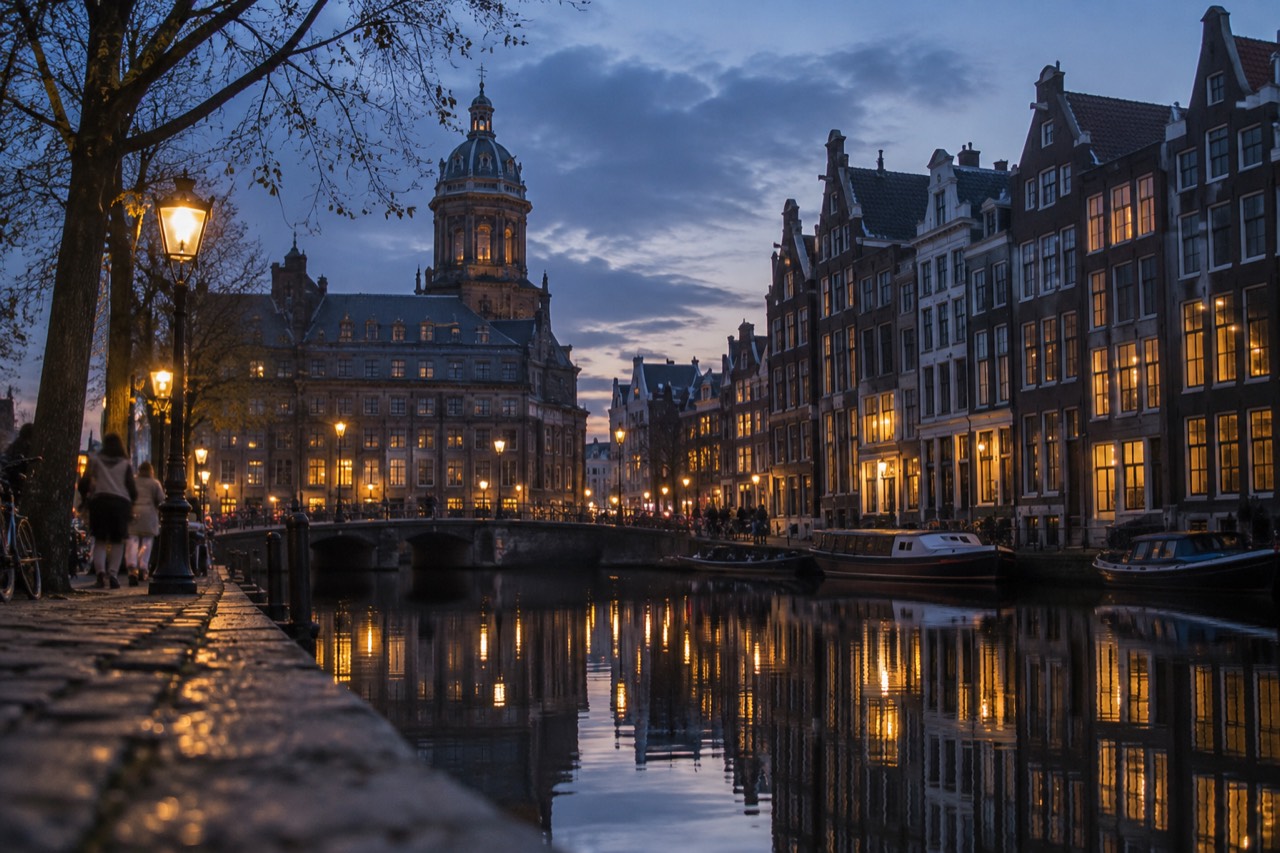
Everything visitors picture when they think of Amsterdam sits inside Centrum: the Dam, the canal belt, De Wallen and the museum quarter's edge, all within a walkable ring of water.
Short answer
Amsterdam Centrum is the compact, canal-ringed core of the city, walkable end to end in about 30 minutes. Key sights are the Dam, Royal Palace, the canal belt, De Wallen and Museumplein's edge. Big-ticket entry runs €16.50 to €25 per adult, and a GVB day pass for trams costs €10.00.
Amsterdam recorded 23.7 million tourist overnight stays in 2025, and almost every one of those visitors spent the majority of their time inside a single district: Centrum. That is the administrative area that holds the Dam, the medieval street plan, the UNESCO-listed canal belt, De Wallen and the eastern edge of Museumplein, all packed into a footprint you can cross on foot in roughly half an hour. The number matters because it explains the one thing every first-time visitor notices: the centre is busy, and the difference between a good day and a frustrating one is almost entirely about timing and booking ahead.
This guide walks through what Centrum actually contains, how its sub-neighbourhoods differ, what the headline sights cost, and where the practical traps are. Prices quoted are current adult rates from the attractions' own pages or from this site's verified research; where a figure lives on a live listing rather than a fixed page, that is stated plainly.
What Exactly Is Amsterdam Centrum?
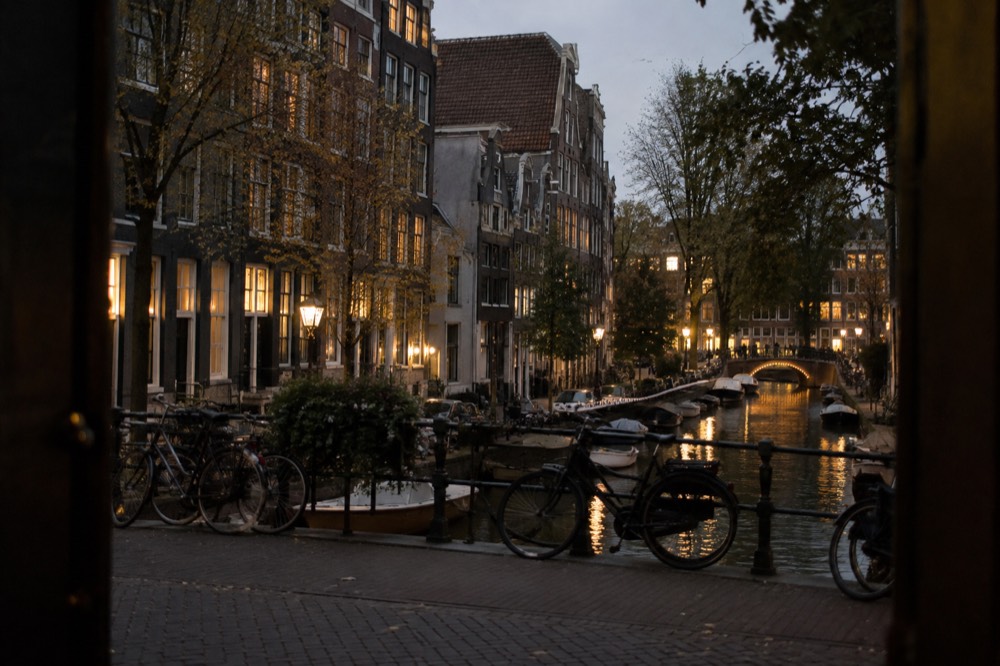
Centrum is the central borough of Amsterdam, roughly the area inside the Singelgracht canal ring, covering about 8 square kilometres and holding the Dam, the canal belt, De Wallen, the Jordaan's eastern edge, the Nieuwmarkt and the Museumplein boundary, all of it walkable. It is the smallest of the city's boroughs by area and the largest by visitor footfall, and nearly everything a first-time visitor wants sits inside it or on its rim. The district's shape is the key to planning: a horseshoe of 17th-century canals, the Grachtengordel, wraps around a dense medieval core, and the whole thing is threaded by water rather than crossed by it.
The medieval core is where the city began, a compact web of streets around the Dam and the Oude Kerk that predates the canal expansion by centuries. The Grachtengordel, the canal belt, was laid out in the 1600s as a planned extension and is the part that carries the UNESCO World Heritage inscription. De Wallen, the red-light district, occupies the oldest strip of all, east of the Damrak. Around the edges sit the Jordaan to the west, the Plantage and the Jewish Quarter to the east, and Museumplein just south of the formal boundary, close enough that most itineraries treat it as part of the centre.
Understanding this layout saves real time. Visitors who assume the sights are scattered tend to buy transport passes they never fully use, when in practice a pair of comfortable shoes covers 80 percent of a Centrum itinerary. The remaining 20 percent, the trips out to Noord, the Plantage or Museumplein, is where the tram network earns its keep.
Which Sights Should You Not Miss in the City Centre?
The five essentials inside or on the rim of Centrum are the Dam and the Royal Palace, a canal cruise, the Rijksmuseum or the Van Gogh Museum, the Anne Frank House location and its surrounding Jewish Quarter story, and an evening walk through the canal belt. That list is deliberately short. The centre is dense enough that a five-day trip still leaves things undone, and the visitors who enjoy Amsterdam most are the ones who pick a handful of anchor sights and leave slack between them for the brown cafés, the markets and the aimless canal-side wandering that is the real attraction.
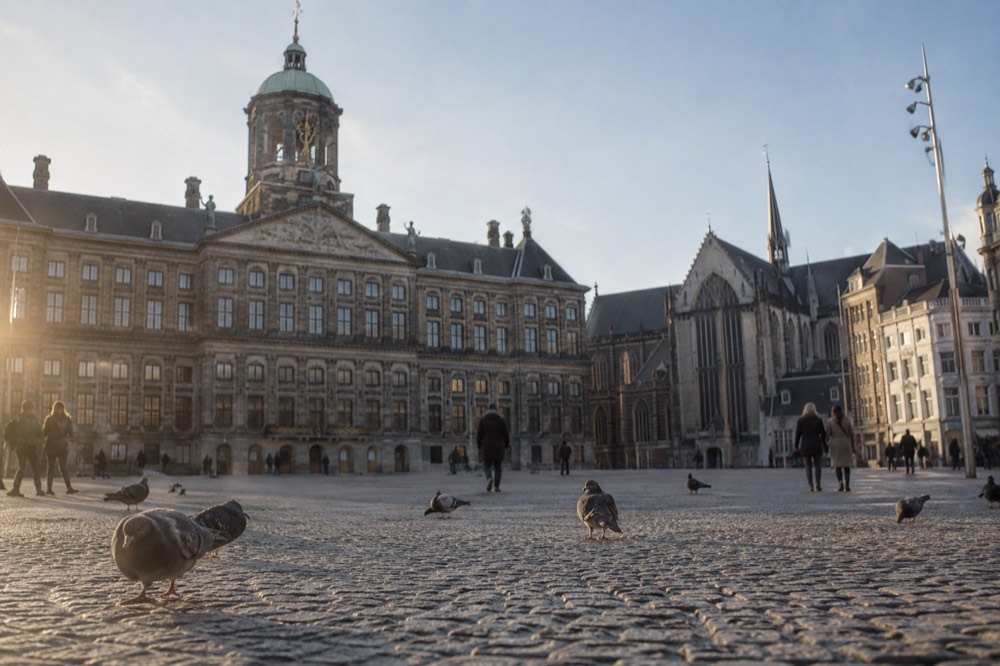
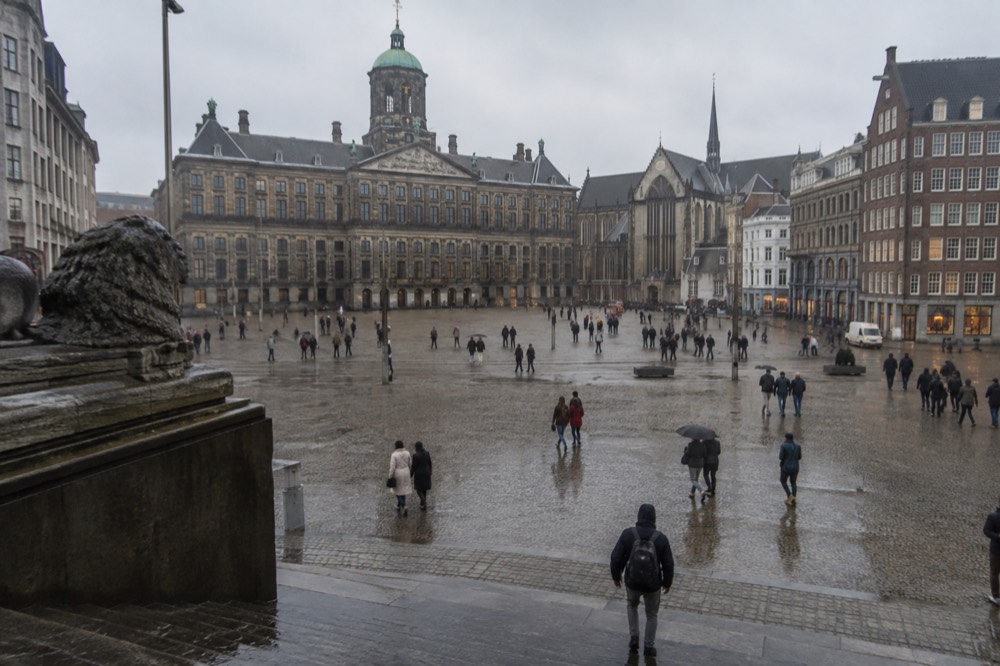
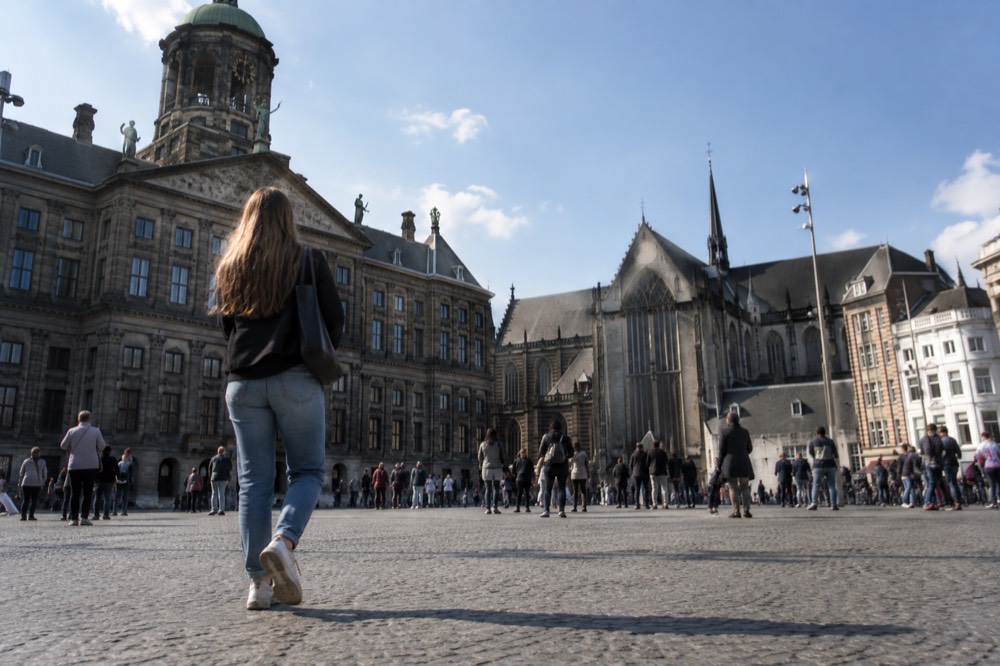
The Dam is the nominal heart, a large paved square where the Royal Palace stands with its 17th-century facade. The palace is open to visitors when not in use for state functions, and an entry ticket with audio guide is bookable through the live listing; the roster price starts at $15. The palace's own state role means it closes without much notice, so check the listing before committing a morning. Two minutes' walk west, the Dam Square guide covers the square's other landmarks and the best angles for photographs.
The canal belt is the sight you experience constantly rather than visit once. The Grachtengordel guide maps the three great canals, Herengracht, Keizersgracht and Prinsengracht, and the side streets that connect them. A cruise is the efficient way to read the architecture from the water: a classic one-hour saloon boat cruise with drinks and cheese starts at $19.56 on the live listing, and the independently verified walk-up price for a basic one-hour cruise with an operator such as Rederij Kooij is €15.50 per adult.
The museums sit at the southern rim. The Rijksmuseum charges €25 for adults, free for ages 18 and under, and requires a pre-booked start time even for card holders, per its own ticketing page. The Van Gogh Museum also charges €25 with free entry for under-18s and mandatory timed tickets. The Anne Frank House is the one sight with no booking shortcut at all, covered in its own section below.
How Do the Neighbourhoods Inside Centrum Differ?
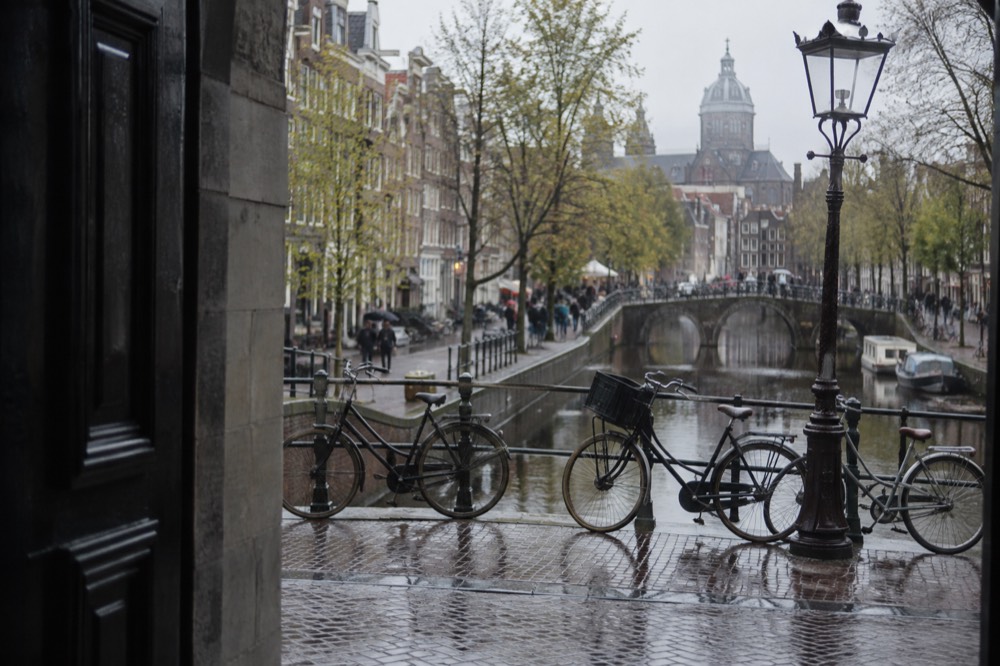
Centrum divides into five distinct pockets: the medieval core around the Dam and Oude Kerk, the Grachtengordel canal belt, De Wallen, the Nine Streets shopping quarter, and the Jordaan's eastern edge, each with a different pace and a different best time of day. Treating them as one undifferentiated "city centre" is the single most common planning mistake, because the pockets that are pleasant at 9am are overwhelming at 3pm and vice versa.
The medieval core is at its best early. The Oude Kerk, the city's oldest building, opens onto a square that is quiet before the tour groups arrive, and the Zeedijk and Geldersekade streets nearby retain a lived-in feel despite the footfall. The Red Light District, De Wallen, wraps around this area; its rules and etiquette deserve their own reading, and the De Wallen guide covers what is and is not permitted, including the guided-tour restrictions that bind every operator. Walk it in the morning, when it reads as a historic neighbourhood rather than a nightlife district.
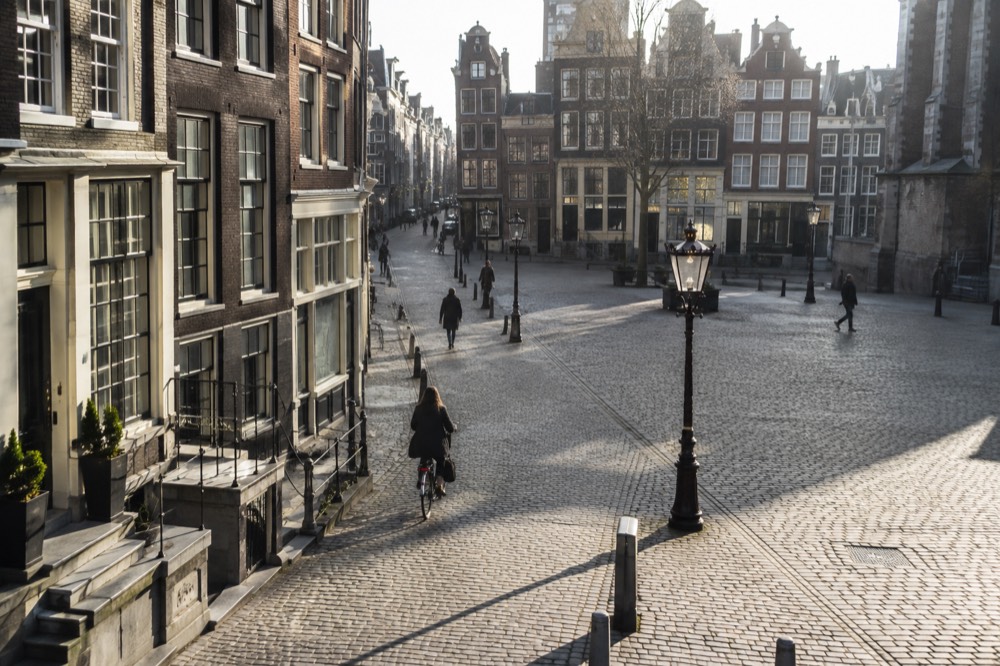
The Nine Streets, the nine small cross-streets between the Prinsengracht and the Singel, are the centre's boutique quarter, best in the late morning when the shops open and the canal-side cafés fill. The Jordaan, technically its own area but continuous with the centre's west side, is where the centre exhales: fewer chains, more brown cafés, and the Anne Frank House on its edge. A comparison of the two quarters, and where each suits a stay, is in the Jordaan guide.
What Do the Main Sights Cost, and What Can You Skip?
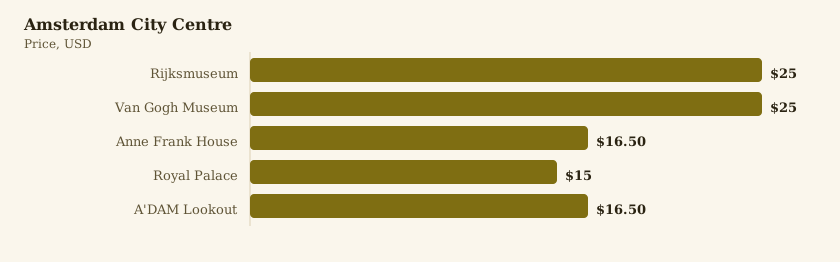
Headline adult entry prices in and around Centrum currently run €16.50 for the Anne Frank House, €25 for the Rijksmuseum, €25 for the Van Gogh Museum and €16.50 online for the A'DAM Lookout, so a full sightseeing day can reach €100 per person before food. Those are the official figures from each attraction's own ticketing pages. The table below pulls them together with the booking conditions that actually determine whether you get in.
| Sight | Adult Price | Under-18s | Booking Condition |
|---|---|---|---|
| Rijksmuseum | €25 | Free | Timed entry slot required, even for pass holders |
| Van Gogh Museum | €25 | Free | Pre-booked timed ticket required for all visitors |
| Anne Frank House | €16.50 | €7 ages 10 to 17, €1 ages 0 to 9 | Online only, timed slot, no door sales |
| Royal Palace | From $15 via the live listing | Reduced rates on the listing | Closes for state functions; check before booking |
| A'DAM Lookout | €16.50 online, €18.50 at the counter | Reduced online | Swing add-on €7.50 online, minimum height 1.20 m |
| ARTIS Zoo | Dynamic pricing; online is always cheaper | Reduced online | Buy online; the Aquarium and Planetarium are included |
What you can skip depends on your appetite. The wax museums and the smaller novelty museums in the centre are expensive per hour and skippable for most travellers; the Torture Museum and the Sex Museum have their audiences, but neither justifies displacing a canal hour. The genuinely underrated inclusions are the Begijnhof, a quiet enclosed courtyard a minute from the busy Kalverstraat, and the Oude Kerk, whose tower climb gives one of the few elevated views of the canal belt from inside the core. Both are covered in the site's dedicated pages.
For museum-heavy itineraries, the pass question matters. The I amsterdam City Card costs €67 for 24 hours and €94 for 48 hours at NEMO's own visitor page, includes the Rijksmuseum, unlimited GVB transport and a canal cruise, but excludes both the Van Gogh Museum and the Anne Frank House, a limitation the card's own FAQ confirms. The Museumkaart costs €75 for adults, €39 for under-19s, plus a €4.95 registration fee, and a temporary version bought at a participating museum is valid 31 days for a maximum of 5 visits. The full pass maths, including the 72-hour card tiers that must be read from the live booking widget, is worked through in the city card guide.
How Do You Handle the Anne Frank House From the City Centre?
The Anne Frank House sells tickets only through its own official website for a timed slot, at €16.50 for adults, with no door sales and no legitimate reseller, and slots are released on a fixed schedule roughly six weeks ahead, so booking the moment your dates open is the only reliable strategy. This is the one sight in Centrum where no tour product, pass or platform can substitute for the museum's own site. Any listing that implies otherwise should be treated with suspicion.
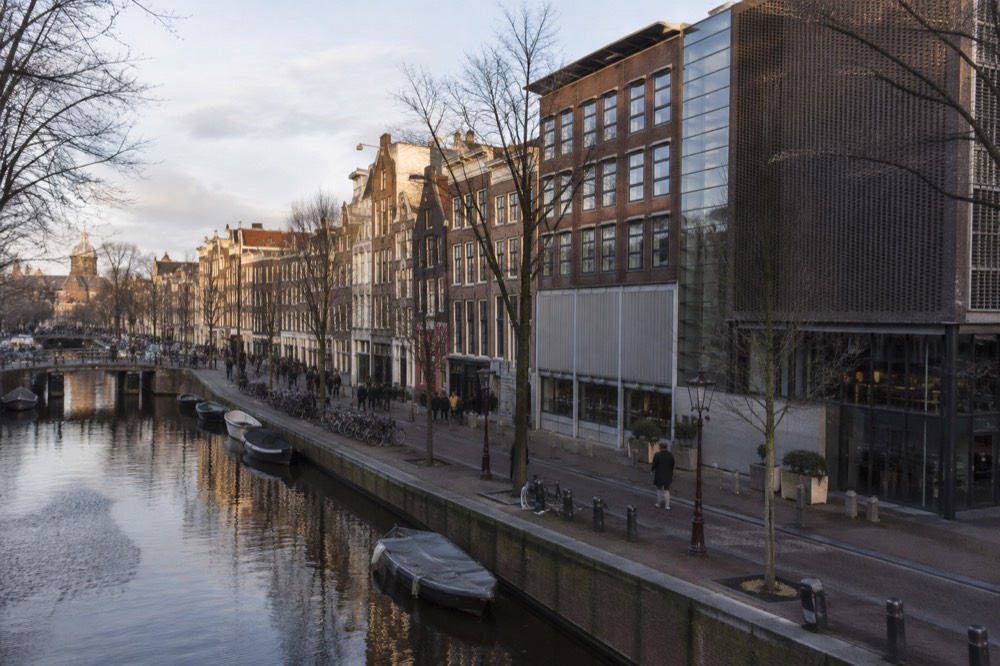
What tours can legitimately offer is the surrounding story. The Jewish Quarter and the streets Anne Frank knew are walkable from the Prinsengracht facade, and a guided walk such as the small-group Anne Frank walking tour, from $33 on the live listing, covers the Jewish Quarter, the wartime history and the Frank family's Amsterdam years in about two hours. It does not include entry to the house, and honest listings say so. A shorter one-hour version of the walk, from $22, covers the same ground compressed, and a free pay-what-you-want alternative, In the Footsteps of Anne Frank, runs two and a half hours on the GuruWalk platform, where you book for free and tip the guide what the walk was worth. Everything else covered here is indexed on Things to Do in Amsterdam.
If the house itself is a priority, plan the rest of the day around the slot you get, not the other way round. Morning slots pair well with the Jordaan, which surrounds the museum; afternoon slots free the morning for the Rijksmuseum or the Van Gogh Museum, both a short tram ride or a 20-minute walk away. The museum's own hours run daily 9:00 to 22:00, with an exceptions list on its site, so evening slots exist and are often the easier ones to catch on a release day.
How Do You Get Around the City Centre?
You mostly walk: Centrum is compact, and the tram network, a 24-hour GVB day pass at €10.00, exists for the longer hops to Museumplein, the Plantage and Amsterdam Noord, while the GVB ferries to Noord are free to board. The single one-hour GVB ticket costs €3.40, so two tram rides a day already justify the day pass. Full fare details, including the multi-day tiers and the contactless OVpay option, are in the getting around guide, and the current fares are published on the GVB's own prices page.
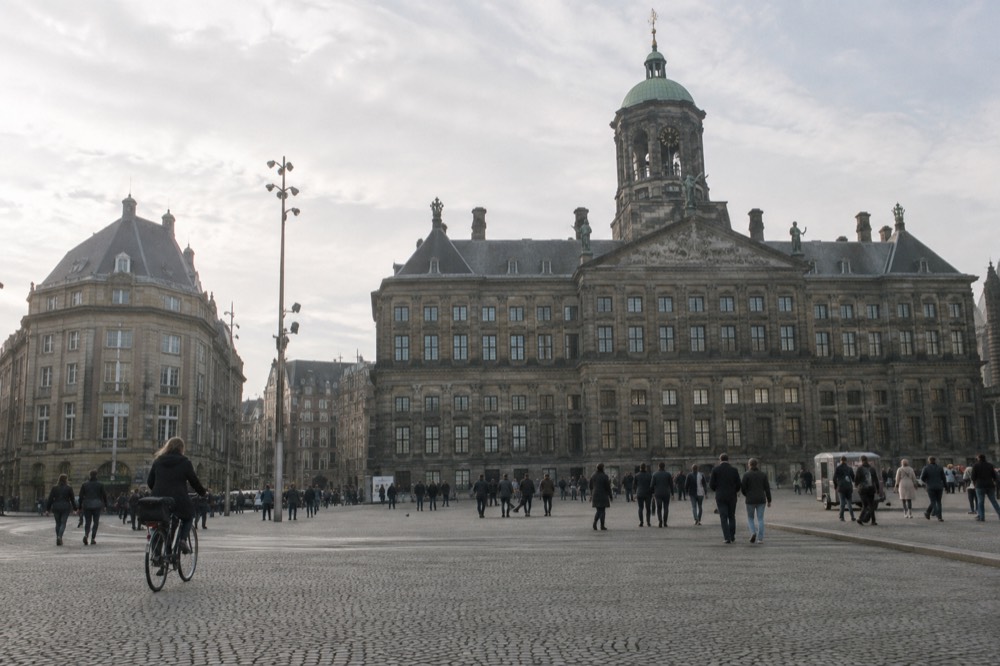
Cycling is the local mode but a loaded question for visitors. The centre's bike traffic is dense, trams have priority, and the rules are unspoken until you break one. The cycling guide gives an honest assessment of who should rent and who should walk. For most first-time visitors on a two- or three-day trip, walking plus the occasional tram is the better trade.
| Option | Cost | Best For |
|---|---|---|
| Walking | Free | Everything inside the canal ring |
| GVB 24-hour day pass | €10.00 | Tram hops to Museumplein and the Plantage |
| Single GVB ticket, 1 hour | €3.40 | One-off rides |
| Canal cruise, one hour | From about €15.50 walk-up; from $15 via the live listing | Seeing the canal belt without walking it |
| GVB ferry to Noord | Free | A'DAM Lookout and the NDSM wharf |
The cruise line in that table deserves its own note. The three-dock one-hour cruise, departing from beside the Anne Frank House, the Rijksmuseum or Central Station with an audio guide in 19 languages, starts at $15 on the live listing and is the most flexible sightseeing ride in the centre precisely because you can board it wherever your day happens to have taken you.
Where Should You Eat and Drink in Centrum?
The centre's food strength is its brown cafés, its markets and its canal-side terraces rather than fine dining: eat herring and stroopwafel from market stalls, drink in a brown café with candle stubs and sand floors, and treat the restaurant rows around the Damrak and Rembrandtplein as places to walk past rather than sit down. The tourist-core restaurant strips are the closest thing the centre has to a trap, with photographic menus and covers working the street. Two streets back in any direction, the food improves and the prices drop.
The Dutch food guide covers the dishes worth ordering, and the brown café guide explains the institution itself: traditional Dutch pubs, often centuries old, where the drinking pace is slow and the tables are shared. For a structured introduction, a food and culture walking tour with ten tastings, rated 5.0 across 1,157 reviews on the live listing, runs three and a half hours from $92 and doubles as a neighbourhood tour of the centre's food streets. The Amsterdam markets guide points to the Albert Cuyp Market, a short tram ride out of the core, for the stall-food version of the same education.
Beer has its own centre landmark. The Heineken Experience, in the original brewery building, is a 90-minute interactive visit from $23 on the live listing, rated 4.6 across 39,581 reviews, with an optional rooftop add-on. It sits on the edge of De Pijp, close enough to pair with an ARTIS or NEMO morning and a canal afternoon. The site's Heineken Experience guide covers what the ticket includes and whether it suits your group.
What Are the Rules You Should Know Before Walking the Centre?
Three rules matter in Centrum: outdoor cannabis smoking is prohibited in the city centre and must happen inside a coffeeshop, street drinking is prohibited in the centre, and in De Wallen you do not photograph the windows, join an unlicensed tour or walk in a guided group larger than 15. None of these are obscure; all are enforced, and the municipal "How to Amsterdam" campaign states them plainly on the city's own visitor-rules page.
The coffeeshop question gets its own careful answer because most guides get it wrong. The residents-only criterion exists in national tolerance policy, but Amsterdam has never applied it: tourists can legally buy cannabis in the city's coffeeshops, within the national limit of 5 grams per person per day, and no tourist ban has been implemented. What is enforced locally is where you consume it: outdoors in the centre, it is prohibited, and the coffeeshop's own premises are the legal venue. The full picture, including what "tolerated" actually means in Dutch law, is in the coffeeshop rules guide.
De Wallen's tour rules bind every product this site lists. Guided tours are capped at 15 participants, an exemption is required for groups larger than 4, tours run only between 08:00 and 22:00, and no tour may pass the sex workers' windows. Fines run €190 for an individual guide and €950 for a company. The De Wallen rules guide translates all of this into practical behaviour, including the photography norm: not a statutory fine on paper, but a rule enforced socially and by venue staff, and the right answer is simply to keep the camera away from the windows.
| Rule | What Applies in Centrum | Where It Is Stated |
|---|---|---|
| Cannabis purchase | Tourists may buy; 5 g per person per day national limit | National tolerance policy |
| Cannabis consumption | Outdoors prohibited in the city centre; consume inside coffeeshops | City visitor-rules page |
| Street drinking | Prohibited in the city centre | City visitor-rules page |
| De Wallen tours | Max 15 people, 08:00 to 22:00, no route past the windows | Municipal tour rules |
| Window photography | Strong social and staff-enforced norm; do not photograph | City respect campaign |
How Many Days Do You Need for the City Centre?
Three full days covers Centrum's essentials comfortably: day one for the Dam, De Wallen and the canal belt, day two for the museums and the Jordaan, day three for the Nine Streets, a cruise and the quarters you missed, with the Anne Frank House slot slotted into whichever morning you manage to book. Compress it to two days by dropping one museum; stretch it to five by adding day trips to Zaanse Schans, Volendam and Marken or the Keukenhof in spring. The site's itinerary pages break this down day by day: one day, two days and three days, plus a first-timers guide that sequences the whole thing.
The sequencing advice that saves the most grief: book the timed-entry museums first, then the Anne Frank House slot the moment your dates open, then build the walking days around those fixed points. Everything else in the centre is flexible. The canal cruise needs no booking at all for walk-up operators, though the drinks-inclusive saloon boats sell out on summer evenings.
For visitors who want the structure of a guide without paying for a private one, the free walking tours are a genuine option. The most-reviewed free city walk, Absolutely Amsterdam, runs two and a half hours, is rated 4.88 across 9,527 reviews, and works on the pay-what-you-want model: the walk is free to book on GuruWalk and you tip the guide what it turned out to be worth. The paid-versus-free comparison, including when a paid specialist tour earns its price, is in the walking tours guide.
Which Bookings Are Worth Making Before You Arrive?
Book four things in advance: the Anne Frank House on its own site the day slots open, timed tickets for the Rijksmuseum and the Van Gogh Museum, and either a drinks-inclusive cruise or a Heineken Experience slot if either is a priority, because those are the four that sell out and everything else in Centrum can be arranged on the day. The Van Gogh Museum in particular runs at capacity through most of the year; its ticket page states plainly that all visitors require a pre-booked timed entry ticket and that tickets can sell out. The museum's current terms and hours are on its own visiting page.
The trio below is the shortlist this site would put in front of any visitor landing in Centrum with three days and no bookings: the museum that needs the earliest reservation, the brewery experience that anchors a De Pijp afternoon, and the classic saloon boat that turns an evening in the centre into the view from the water.
Everything else can wait. The palace, the A'DAM Lookout, ARTIS and the smaller museums rarely sell out outside peak summer weekends, and the free walking tours take same-week bookings. The one booking habit worth building is checking the free-cancellation terms on whatever you reserve: most listings on this site's roster allow cancellation up to 24 hours before, which means reserving early costs nothing and protects the slot.
Common Questions About Amsterdam City Centre
What is considered the city centre of Amsterdam?
Centrum is the formal central borough, roughly everything inside the Singelgracht canal ring: the Dam, the canal belt, De Wallen, the Nine Streets and the eastern edge of the Jordaan, with Museumplein just on its southern rim.
Is Amsterdam city centre walkable?
Yes, end to end. The area inside the canal ring takes about 30 minutes to cross on foot, and most itineraries need a tram only for hops to Museumplein, the Plantage or Amsterdam Noord. A GVB 24-hour pass costs €10.00 for those longer rides.
How much do the main sights in the city centre cost?
Adult entry runs €16.50 at the Anne Frank House, €25 at the Rijksmuseum and €25 at the Van Gogh Museum, with under-18s free at both museums. The Royal Palace starts at $15 via the live listing, and a one-hour canal cruise costs from about €15.50 walk-up.
Where should you stay in Amsterdam city centre?
The Jordaan and the Nine Streets offer the best centre balance of atmosphere and access, De Wallen is the loudest and least restful, and the canal belt south of the centre is quieter. The site's neighbourhood guide compares the options area by area.
Can you visit the Anne Frank House on a whim?
No. Tickets are sold only through the museum's own website for a timed slot, with no door sales and no legitimate reseller, at €16.50 for adults. Slots are released on a fixed schedule roughly six weeks ahead and sell out quickly, so book the day your dates open.
Is the red-light district inside the city centre?
Yes, De Wallen sits in the oldest part of Centrum, east of the Damrak. It is a normal residential and historic neighbourhood by day, with strict rules: guided tours are capped at 15 people, run only 08:00 to 22:00, and never pass the windows, and you do not photograph them.