Coster Diamonds and the Diamond Museum: What to Expect on Museumplein
Coster Diamonds and its Diamond Museum sit on Museumplein, in the middle of Amsterdam's museum district. This guide covers what the attraction actually offers, how to plan a visit, and how to pair it with the Rijksmuseum, Van Gogh Museum and the rest of the neighbourhood.
Short answer
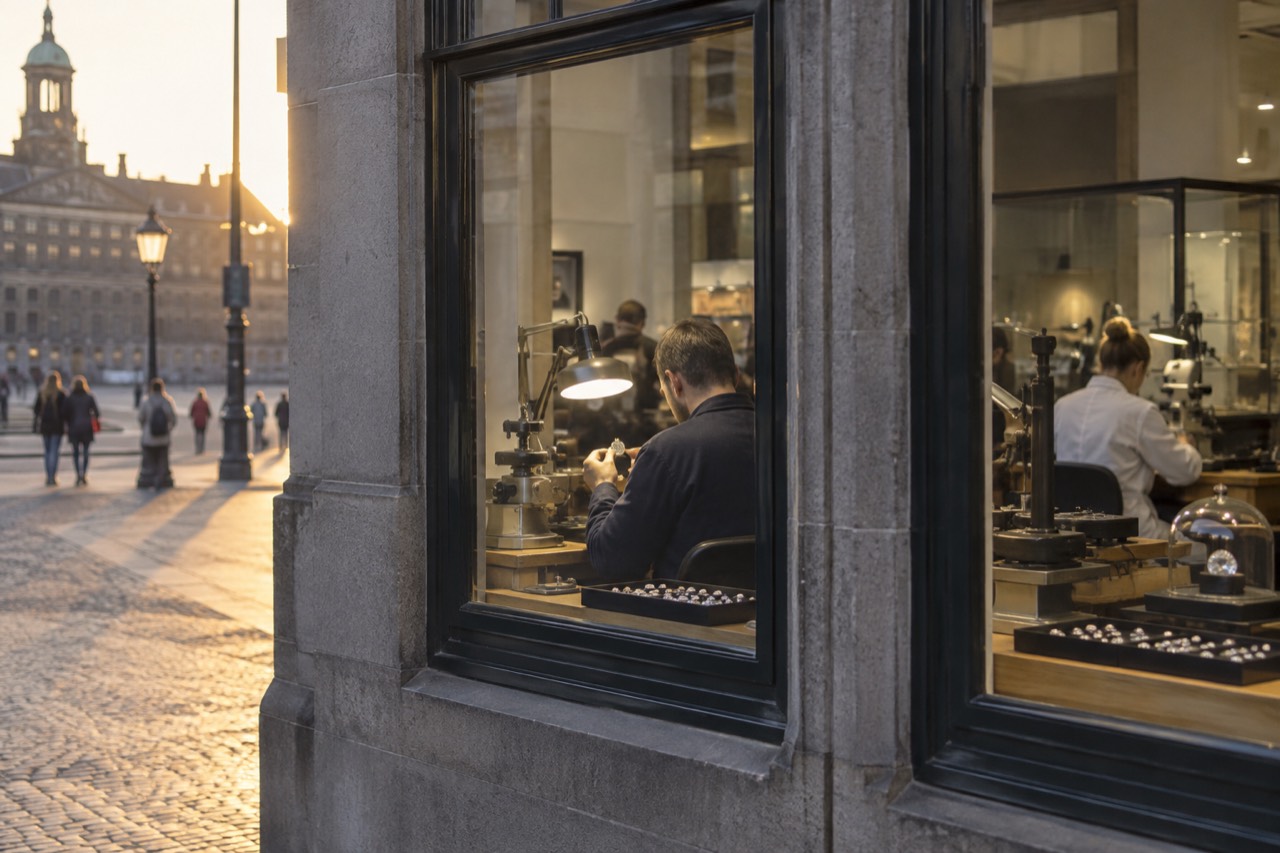
Coster Diamonds is a working diamond polishing house on Museumplein with a small Diamond Museum on site, showing the craft of cutting and polishing rather than a large collection of finished jewels. Entry details and tour times change, so check Coster's own site before visiting. Most visitors spend under two hours there and pair it with a bigger museum nearby.
Coster Diamonds shares Amsterdam's Museumplein with three of the most visited museums in the country, which is both its greatest advantage and the source of most confusion about it. Visitors walking from the Rijksmuseum to the Van Gogh Museum pass right by it, and many wonder whether the diamond workshops and the small Diamond Museum inside are worth a stop or a tourist trap with a gift shop. This guide sets out what the attraction offers, what it does not, and how to fold it into a day in the museum district without losing time you should be spending elsewhere.
The honest framing first: this is a commercial diamond house that welcomes visitors, not a state museum. That changes what a fair visit looks like. You are there to watch a craft, understand a piece of Amsterdam's economic history, and see how a rough stone becomes a polished gem, not to walk gallery after gallery. People who arrive expecting the Rijksmuseum leave disappointed. People who arrive for a 90-minute interlude between big museum slots tend to enjoy it.
What Are Coster Diamonds and the Diamond Museum?
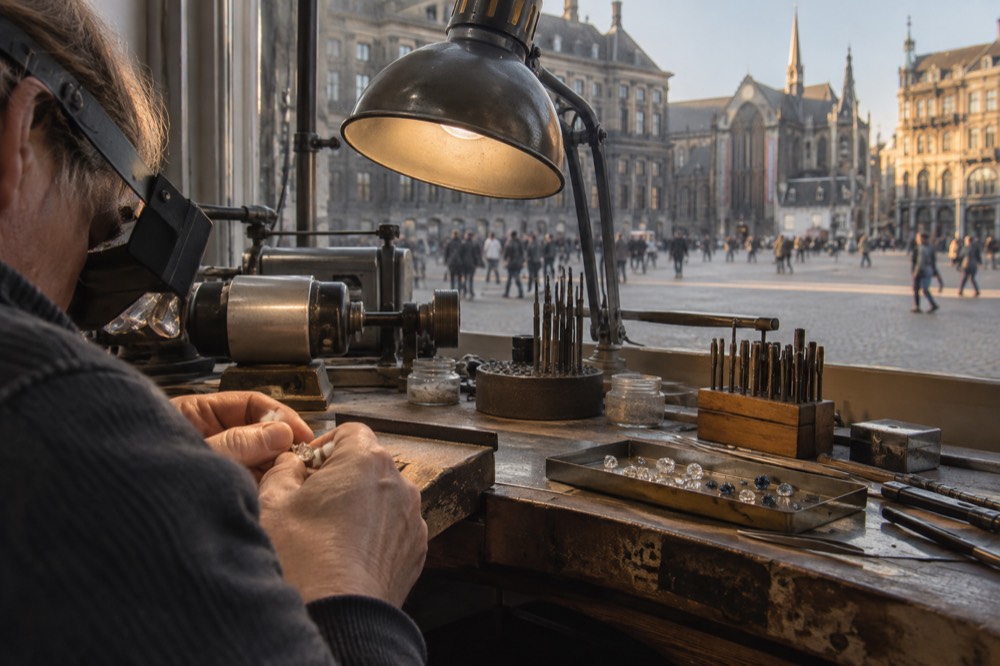
Coster Diamonds is a long-established diamond polishing company on Museumplein whose premises include workshops visitors can watch and a small Diamond Museum tracing how rough stones become cut gems. It is a commercial attraction attached to a working trade, so the experience centres on demonstrations rather than a permanent collection. Opening hours and entry conditions are published on the company's own site and should be checked there before you go.
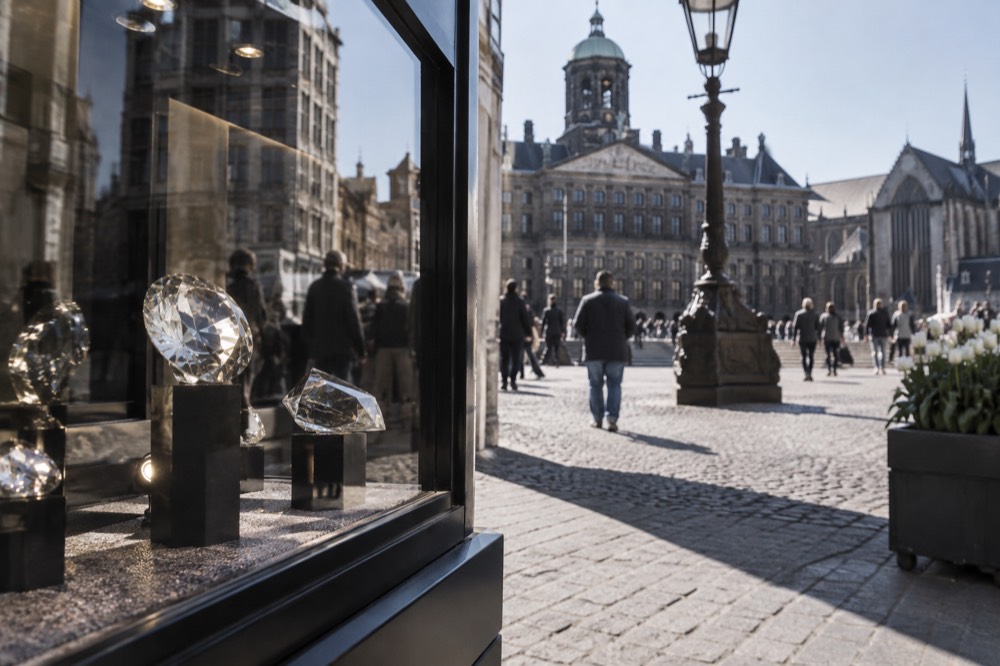
The diamond trade has deep roots in Amsterdam. For centuries the city was one of the world's important centres for cutting and polishing, and the craft was carried in workshops across the old centre and later the south. Coster is one of the names that survived that history and stayed in the city, moving its visitor operation to Museumplein where the tourist footfall is. The museum portion exists to explain the trade: where diamonds come from, how they are sorted, how a cutter decides what a stone should become, and why Amsterdam became a centre for the work at all.
What that means in practice is a compact, self-guided experience. You typically see displays on the history of the trade and the geography of diamond mining, then the workshops where polishers work stones on wheels, and finally the retail floor where finished jewellery is sold. The workshops are the part people remember. Watching a polisher coax facets out of a dull rough stone is genuinely absorbing, and it is the one thing here you cannot get at the museums across the square.
Keep expectations about size calibrated. This is an attraction you walk through, not one you get lost in. Budget it as an interlude between larger commitments and it earns its place in the day.
Is the Diamond Museum Worth Visiting?
For most visitors, the Diamond Museum is worth visiting only as part of a broader Museumplein day, not as a standalone destination. The workshops and the story of Amsterdam's diamond trade are genuinely interesting, but the museum is small and the experience is short. Travellers with just two or three days should prioritize the Rijksmuseum, the Van Gogh Museum and a canal cruise first, treating this as a flexible add-on when a spare hour or two opens up.

The comparison that matters is with everything else on the same square. The Rijksmuseum charges adults €25 and is open every day of the year from 9am to 5pm, with free entry for ages 18 and under, per its own ticketing page. The Van Gogh Museum charges the same €25 for adults, admits under-18s free, and requires every visitor to pre-book a timed entry ticket, as its visit page states. Both of those will absorb the better part of half a day each. Coster will not.
That said, the diamond attraction fills a real gap in the schedule. Timed museum tickets leave awkward holes: a 2pm Van Gogh slot with a 10am Rijksmuseum visit, or a rainy hour with nowhere dry to be. A workshop visit slots into those holes without booking stress, and it appeals to parts of a travelling group the art museums do not. Teenagers and travellers with no interest in Golden Age painting often like the mechanical, tangible nature of diamond cutting, which makes it a useful pressure valve for a family day in the district.
If your itinerary is short, skip it and spend the time at Museumplein's major museums. If you have a half-day on the square with gaps, it is a reasonable way to fill one.
What Can You Actually See and Do Inside?
Inside you can watch diamond polishers at work on cutting wheels, walk displays on the history and science of diamonds, and see examples of cut stones at various stages from rough to finished. The visit is structured around the craft rather than around exhibits, so the workshops are the centrepiece and the museum displays support them. The retail floor at the end sells finished jewellery, and browsing it carries no obligation to buy.
The workshops come first in most people's memory of the place. Polishers work at wheels in view of visitors, and the demonstrations show how a stone is examined, planned, cleaved or sawn, bruted, and then faceted over successive stages. It is slow, precise work, and seeing it done live explains why the trade organised itself the way it did in this city for so long. Staff are generally used to questions, and the demonstrations are pitched at visitors with no prior knowledge.
The museum displays cover the background: where diamonds form, how they are mined and sorted, the characteristics that determine value, and Amsterdam's role in the cutting trade. These are compact, explanatory displays rather than treasure vaults. The point is understanding, and they do that job adequately for a general visitor.
Finally there is the retail space. This is a commercial house and the sales floor is part of the model; a visit naturally ends near the jewellery counters. You are not obliged to buy anything, and the standard advice applies: if a purchase tempts you, know what you are looking at, compare prices calmly, and treat any purchase as the retail decision it is, not a souvenir impulse. If nothing tempts you, the exit is not hidden.
How Does It Compare to the Other Museumplein Attractions?
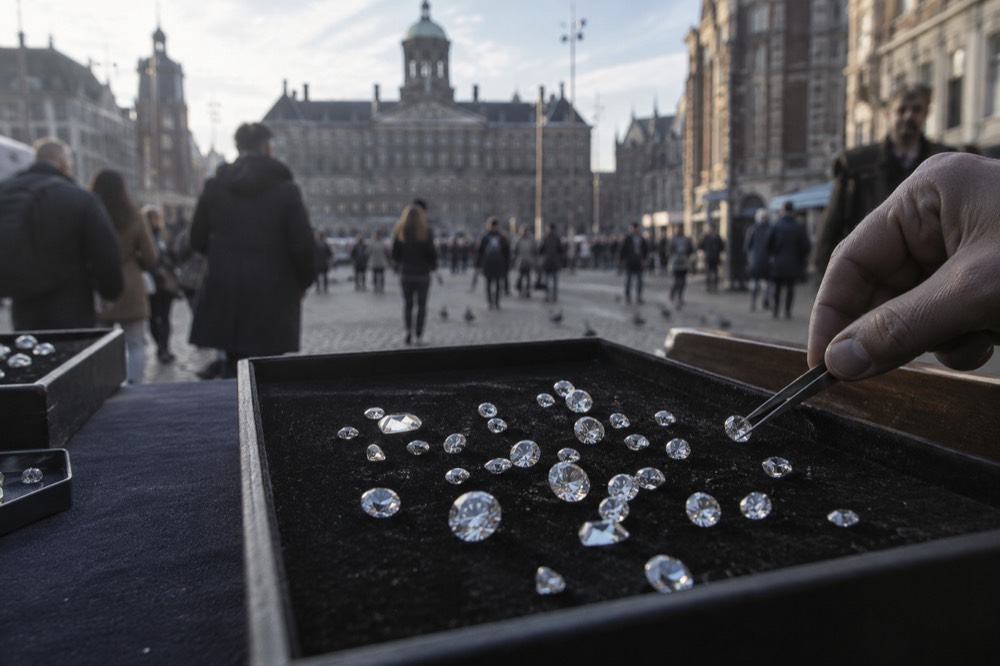
Coster is the smallest and most commercial of Museumplein's attractions, and the only one built around a live craft rather than collections. The Rijksmuseum and Van Gogh Museum are the anchors, Moco and the Stedelijk serve modern-art appetites, and the diamond house works as a short, low-commitment interlude between them. If you only have time for two things on the square, choose the two big museums and save Coster for a longer trip.
The table below shows how the district's bookable options stack up, using the ratings and entry prices recorded on each operator's live listing. Prices and ratings move, so treat the figures as a snapshot of the listings rather than a promise.
| Attraction | What It Offers | Rating | From (USD) |
|---|---|---|---|
| Rijksmuseum entry ticket | Dutch Golden Age masters, The Night Watch | 4.7 across 33,205 reviews | $31 |
| Van Gogh Museum ticket | The world's largest Van Gogh collection | 4.7 across 57,096 reviews | $31 |
| Stedelijk modern art museum | Modern and contemporary art and design | 4.4 across 1,850 reviews | $26 |
| Moco Museum | Banksy, Warhol and contemporary stars | 4.3 across 11,775 reviews | $20 |
| Coster Diamonds and the Diamond Museum | Live polishing workshops and diamond displays | On the operator's own listing | Check the operator's site |
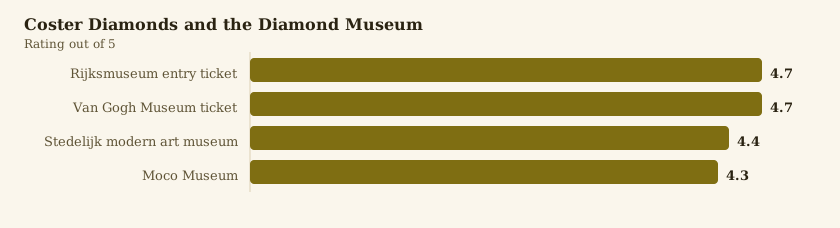
Two practical notes follow from that comparison. First, the two big museums both use timed entry and both sell out on peak days, so they are the bookings to lock in first; the diamond house is the flexible piece you slot around them. Second, the museum quarter has more than the square itself, and travellers who exhaust Museumplein can walk into the surrounding streets for cafés and quieter sights.
For travellers deciding between the modern art options, the Stedelijk is the serious collection with the longer visit, while Moco is the faster, more Instagram-forward stop. The diamond house belongs to neither camp: it is the district's one working-craft attraction, and that difference is exactly why it survives next door to two world-class museums.
How Much Time Should You Budget, and What Does a Visit Cost?
Plan on 60 to 90 minutes for the workshops and displays, longer only if you linger at the counters. Coster's own site is the source for current hours, tour times and any entry conditions, and this desk does not publish a figure the operator has not confirmed. The surrounding costs are easier to state: Museumplein is central, a GVB 24-hour transit ticket runs €10.00, and the big museums next door charge €25 per adult.
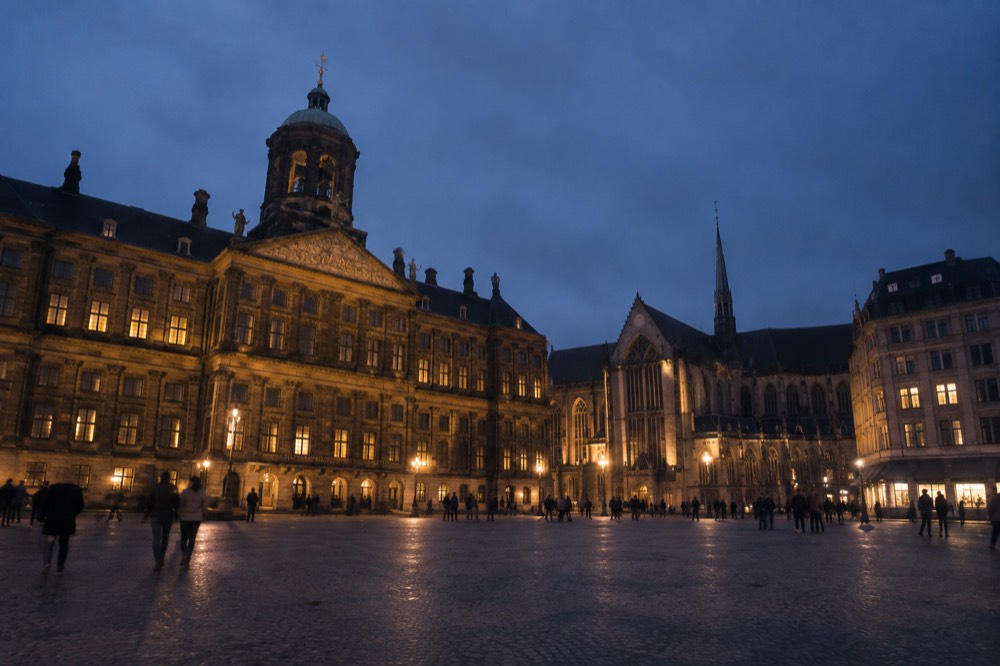
The honest position on the entry price is simple: it has not been verified on the operator's own domain by this site's research, so it is not printed here. Attractions like this sometimes run free admission with guided tour charges, sometimes charge entry with the tour included, and sometimes change model between seasons. Check the operator's own site for the current arrangement before you plan around it. What can be stated with confidence is the time budget: this is not a half-day attraction under any model, and the workshops plus displays fit comfortably inside two hours even at a slow pace.
The transport maths is solid because it comes from the transit operator's own fare table. A single GVB one-hour ticket is €3.40, a 24-hour day card is €10.00 for adults and €5.00 for children, and multi-day cards step up from there: €16.00 for 48 hours, €21.50 for 72 hours, €27.50 for 96 hours and €34.00 for 120 hours. Contactless OVpay works too, with a base fare of €1.16 plus €0.217 per kilometre and a daily cap on the GVB network. Most visitors staying in the centre will simply walk to Museumplein, which costs nothing.
Food and drink nearby vary widely, from the cafés around the square's edges to the pricier museum restaurants. There is no need to bundle a meal into the visit; the big museums next door are better anchors for a lunch stop.
Can You Buy Diamonds There, and Should You?
Yes, the visit ends at a retail floor selling finished diamond jewellery, and buying is entirely optional. A diamond purchase abroad deserves the same caution as any significant purchase: know the specifications of the stone, compare against prices at home, keep all paperwork, and never buy under time pressure or sales-room momentum. For the overwhelming majority of visitors, watching the workshops and leaving without buying is the right outcome.

The sales environment is professional rather than pushy by most accounts, but it is still a sales environment. The combination of a live craft demonstration and a jewellery counter is a classic retail pattern, and it works on people. Decide before you enter whether you are a buyer or a spectator, and hold that line. If you are genuinely in the market for a diamond, Amsterdam's polishing houses are a legitimate place to look, but legitimacy does not substitute for comparison shopping.
For a purchase of any size, the basics matter: get the stone's specifications in writing, understand what the certification documents say, check the duty and import rules for your home country, and pay in a manner with buyer protection. A receipt in a language you read is worth insisting on. If any of that feels like effort, that is the correct signal that the purchase is not a souvenir and should wait.
Travellers who want a diamond-themed memory without a four-figure outlay have an easier path: the museum shop sells small items, and the story of the trade is the part you take home for free.
How Do You Get to Coster Diamonds?
Coster sits on Museumplein, reachable in under 15 minutes by tram from Amsterdam Centraal and walkable from the centre in about 30 minutes. Trams stop at or near the square, the museum district is flat and signposted, and cyclists will find racks around the square's perimeter. From Centraal, any of the trams serving the Museumplein or Rijksmuseum stops drops you within a two-minute walk.
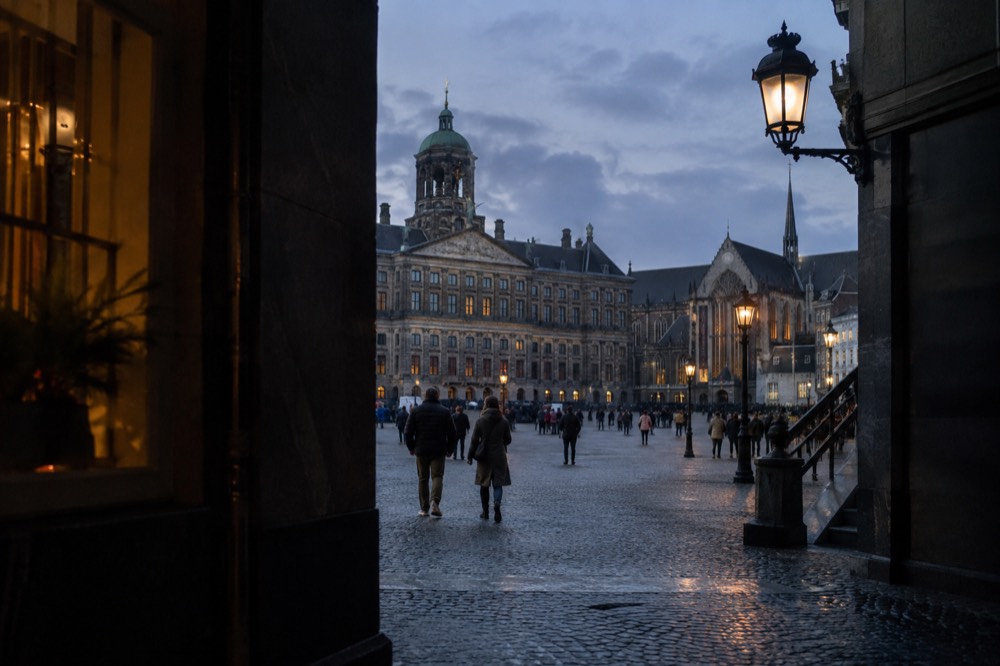
The transit specifics come from the operator's published fares. The one-hour GVB ticket at €3.40 covers a single journey including transfers within the hour, which is more than enough for the run from Centraal to Museumplein. Visitors making three or more transit trips in a day come out ahead on the €10.00 24-hour card. Contactless tapping with OVpay is the simplest option for occasional riders: tap in and tap out with the same bank card, and the €1.16 base plus per-kilometre fare sorts itself with a daily cap.
Walking is underrated. From Dam Square the route follows the canal belt south through the western edge of the old centre, and 30 to 40 minutes of flat walking delivers you to the square with the best of the city en route. Cyclists have the shortest trip of all, and the district is well served by racks, though the square itself is pedestrian-dominated on busy days.
From Schiphol, the NS train runs to Amsterdam Centraal in just over 17 minutes with online e-tickets from €5.50, per the rail operator's own route page, and from Centraal the tram finishes the journey. There is no need for a taxi on this route under normal circumstances.
| Ticket | Price | Best For |
|---|---|---|
| GVB one-hour ticket | €3.40 | A single tram run with transfers |
| GVB 24-hour card (adult) | €10.00 | Three or more rides in a day |
| GVB 24-hour card (child) | €5.00 | Children under 12 travelling with adults |
| GVB 72-hour card | €21.50 | A three-day stay with daily transit use |
| OVpay contactless | €1.16 base plus €0.217 per km | Occasional riders who do not want a ticket |
| NS train, Schiphol to Centraal | From €5.50 | Airport arrival, roughly 17 minutes |
When Is the Best Time to Visit?
Weekday mornings are the calmest time to visit the diamond house and the district generally, because the big museums release their timed slots from opening and the square fills through late morning. Avoid Saturday afternoons and any day when the museums are at their busiest, and in tulip season expect the whole district to be crowded as day-trippers pour through. Late afternoon works well as a counterweight to a morning museum slot.
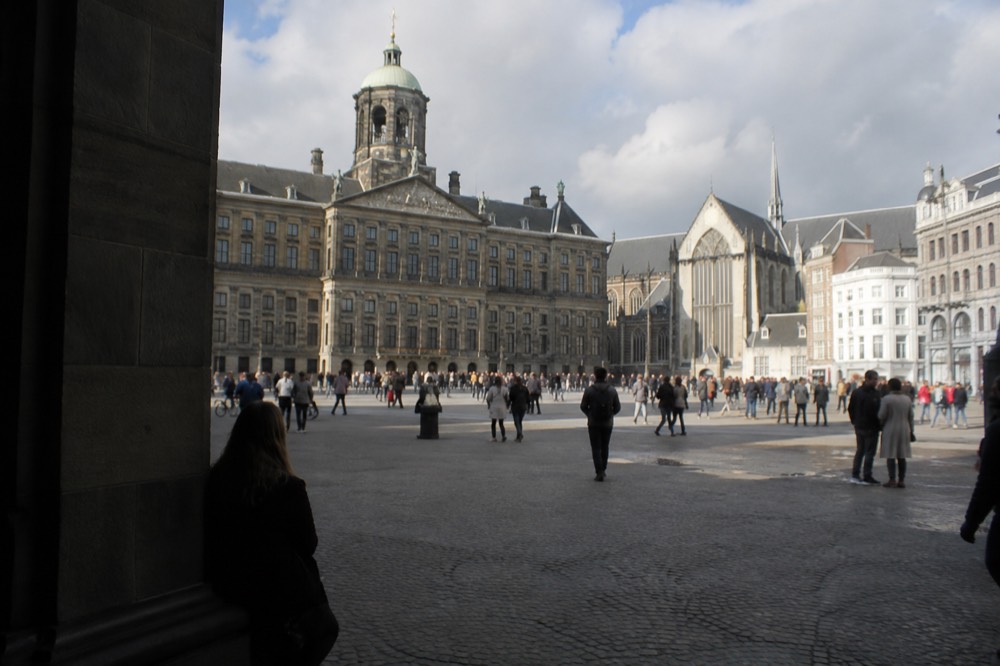
The rhythm of Museumplein is predictable. The square is quietest in the first hour after the museums open, builds through late morning, peaks in the early afternoon when tour groups circulate, and eases again after about 4pm. A diamond house visit slots best into the shoulders of that curve: mid-afternoon between museum slots, or the last hour before closing when the workshops are quieter.
Season matters more than day. Spring brings the tulip crowds and the highest hotel and attraction pressure of the year, summer stretches the days but packs the square, and the shoulder months give you the same opening hours with noticeably more room. Winter weekdays are the quietest of all, and the district's indoor attractions, including this one, are a reasonable rainy-day answer; see the site's guide to a rainy day in Amsterdam for the full list of covered options.
One planning tip that saves real time: book your Van Gogh or Rijksmuseum slot first, then build the diamond visit around the gap the booking creates. Working in that order means the flexible attraction absorbs your leftover time instead of the sold-out museum doing it. You can Check availability on the Van Gogh ticket's live listing alongside the museum's own ticket page, then fix the rest of the day.
How Do You Pair It With the Rest of a Museum Day?
The strongest pattern is one big museum in the morning, the diamond house over lunch or in the early afternoon gap, and a canal cruise or a second museum afterwards. The Rijksmuseum and Van Gogh Museum each deserve two to three hours and both use timed entry, so anchor the day on those bookings and let the workshops fill the dead zone between slots. A cruise from a central dock caps the evening without another booking headache.
A sample day reads like this. A 9am Rijksmuseum entry gets you The Night Watch before the crowds thicken; two hours there plus a coffee puts you at the square's south side by noon. The diamond visit fits the 12pm to 2pm window that is otherwise dead time, since the museum restaurants queue at lunch. A 2pm or 3pm Van Gogh slot follows, and by 5pm you have covered the district's two essentials plus the craft interlude. Anyone with energy left walks ten minutes east to the canal ring and picks up an evening cruise.
The cruise options are worth knowing in outline because they pair naturally with a Museumplein day. A classic saloon boat cruise with drinks and cheese runs about an hour and rates 4.8 across 33,435 reviews on its live listing, from $19.56. A luxury electric cruise with unlimited drinks and bites as an option rates 4.9 across 31,736 reviews, from $23.13. An all-inclusive 90-minute cruise with beer, wine and Dutch snacks aboard rates 4.9 across 18,656 reviews, from $29.65. All three depart from central docks, so none of them requires re-planning your museum day.
For travellers holding a pass, one caution repeats across this site: the I amsterdam City Card covers the Rijksmuseum and includes a canal cruise, GVB transport and a 24-hour bike rental, but it does not cover the Van Gogh Museum or the Anne Frank House. The Museumkaart, €75 for adults per the card's own site, covers 500-plus museums across the country but still requires timed bookings where museums use them, and a temporary card bought at a museum is valid 31 days for a maximum of 5 visits. Neither pass is documented to cover the diamond house; check with the operator directly.
| Pass | Price | Covers | Does Not Cover |
|---|---|---|---|
| I amsterdam City Card, 24 hours | €67 | 70-plus museums, GVB transport, one canal cruise, 24-hour bike rental | Van Gogh Museum, Anne Frank House |
| I amsterdam City Card, 48 hours | €94 | Same inclusions over two days | Van Gogh Museum, Anne Frank House |
| Museumkaart (adult) | €75 | 500-plus museums nationwide, including the big Amsterdam museums | Anne Frank House beyond a €1 booking fee; timed bookings still required |
| Museumkaart (temporary, bought at a museum) | Same purchase price | 31 days, maximum 5 visits | Full annual validity until registered with an address |

The broader point is that Things to Do in Amsterdam rarely comes down to a single attraction; it comes down to sequencing. The diamond house is a sequencing tool. It costs little time, needs no advance booking in most cases, and makes a Museumplein day feel finished rather than half-done.
Common Questions About Coster Diamonds and the Diamond Museum
What is the Diamond Museum in Amsterdam?
It is a small museum attached to the Coster Diamonds polishing house on Museumplein, covering the history of the diamond trade and the craft of cutting and polishing, with live workshops visitors can watch. It is a commercial attraction, not a state museum, and visits are short by design.
How long does a visit to Coster Diamonds take?
Plan on 60 to 90 minutes for the workshops and displays, with the retail floor adding time only if you browse seriously. It is an interlude attraction, best slotted between timed entries at the bigger museums on the same square.
Can you buy diamonds at Coster Diamonds?
Yes, the visit ends at a jewellery retail floor, and buying is optional. Any significant purchase deserves written specifications, certification paperwork, price comparison at home and a protected payment method. Most visitors watch the workshops and leave without buying.
Is the Diamond Museum included in the I amsterdam City Card or Museumkaart?
Neither pass is documented to cover the diamond house, so check with the operator directly before counting on it. Note also that the I amsterdam City Card excludes the Van Gogh Museum, and the Museumkaart does not bypass timed booking requirements at the museums that use them.
Where is Coster Diamonds located?
On Museumplein in Amsterdam's museum district, a short walk from the Rijksmuseum and the Van Gogh Museum. Trams from Amsterdam Centraal reach the square in under 15 minutes, and the walk from the centre takes roughly 30 minutes.