Do And Don'ts In Amsterdam?
The do's and don'ts that actually matter in Amsterdam: museum booking rules, tram fares, red light district etiquette, coffeeshop facts and canal cruise picks.
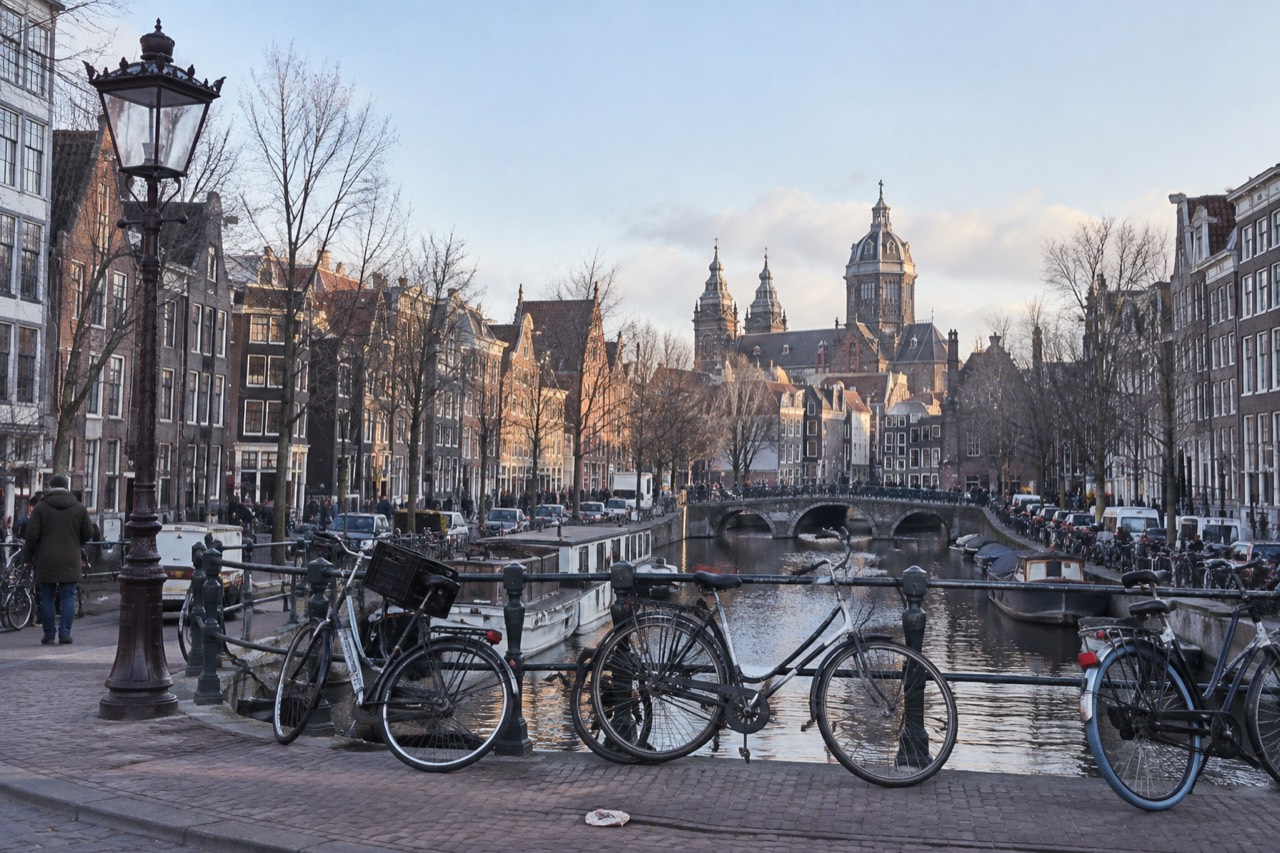
Do And Don'ts In Amsterdam?
The short answer: do book your big museums and the Anne Frank House online before you fly, do tap a contactless card on every tram, and do take a canal cruise. Don't photograph the windows in the red light district, don't walk in the bike lanes, don't expect to buy Anne Frank tickets from any reseller, and don't light up cannabis outdoors in the centre. Amsterdam recorded 23.7 million tourist overnight stays in 2025.
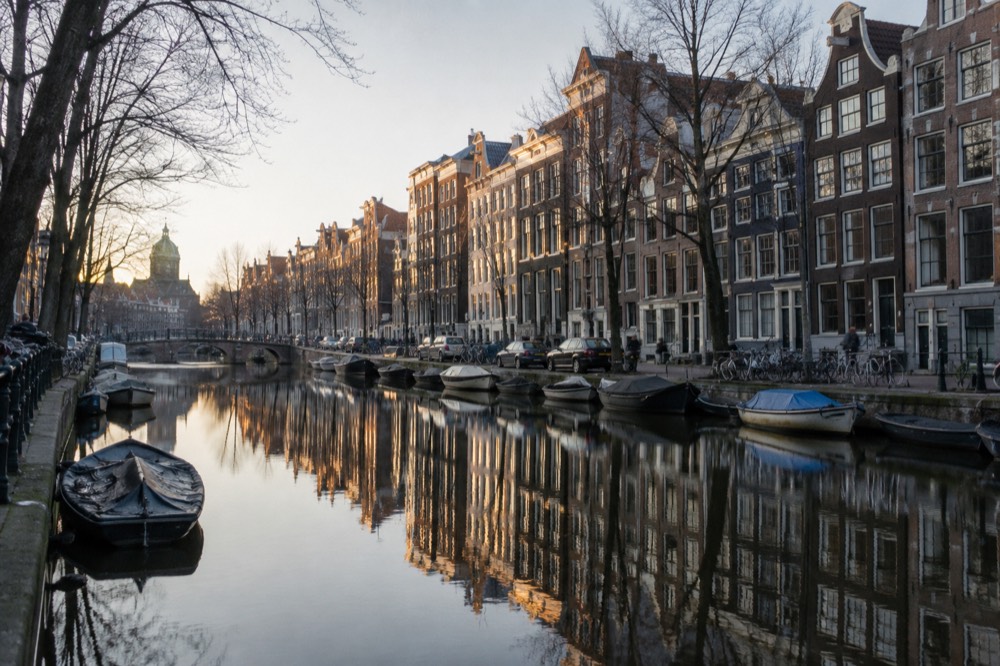
Amsterdam has spent the last few years turning visitor behaviour from a polite request into actual municipal policy. The city's own "How to Amsterdam" campaign, published on the official gemeente Amsterdam pages, sets out the behaviour it expects from tourists in plain language, and several of the rules now carry fines or permit conditions rather than just signage. Some of them surprise first-time visitors: the red light district has hard limits on guided tours, cannabis smoking outdoors is banned in the centre, and the Anne Frank House sells tickets through one channel only.
The good news is that the do's are easier than the don'ts. The city runs on pre-booked timed tickets, contactless transport payments and a fairly relaxed social code, as long as you stay out of the bike lane and keep your voice down after dark in the residential streets. A little preparation, mostly done from your phone before the trip, covers almost everything on the list.
This page walks through the rules that matter, with the verified prices and official booking requirements behind each one. Where a figure is set by the city or a museum's own site, it is stated exactly. Where a tour is worth booking, the live listing is linked so you can compare formats and prices yourself.
If you only do three things in Amsterdam, these are the three most visitors recommend:
Do: Book the Big Museums Before You Fly
Book the Van Gogh Museum, the Rijksmuseum and the Anne Frank House online, for a timed slot, before you travel. All three require a pre-booked start time, tickets sell out, and none of them can be bought at the door. Adults pay €25 at both the Van Gogh Museum and the Rijksmuseum, and under-18s enter both free. The Anne Frank House is €16.50 for adults, online only, and released on a schedule.
The Van Gogh Museum states plainly that all visitors must pre-book a timed entry ticket, and its own ticket page lists adults at €25 with under-18s free. The Rijksmuseum matches that price exactly, €25 for adults, free for ages 18 and under, open daily from 9am to 5pm including public holidays, and it too requires a booked start time even for pass holders. Neither museum runs a walk-up system you can count on in high season. A timed slot is the entry condition, not a queue-skipping luxury.
A skip-the-line ticket through the live listing costs from $31 for the Van Gogh Museum, which holds a 4.7 rating across 57,096 reviews. That buys certainty: a guaranteed time slot, bought in your own currency, with free cancellation terms stated on the listing. If your dates are fixed and your museum list is long, that certainty is worth more than the small markup over the door-equivalent price.
The booking window matters as much as the booking itself. Van Gogh slots for peak weekends disappear weeks ahead, and the museum's own hours page warns that tickets can sell out. Anyone travelling in spring, summer or over a public holiday should lock the slot the day the itinerary is fixed, then plan the rest of the day around it rather than the reverse. The Museumplein cluster makes this easy: the Rijksmuseum, the Van Gogh Museum and the Stedelijk sit within a few minutes' walk of each other, so one booked morning can carry two museums if the slots are chosen well.
One planning note that saves real money: the I amsterdam City Card includes the Rijksmuseum but excludes both the Van Gogh Museum and the Anne Frank House. Anyone comparing passes should read the city card worth-it breakdown before paying for a 24-hour card at €67. The exclusion of the two most-visited museums is the single most common costly mistake in Amsterdam trip planning.
| Museum | Adult price | Booking rule |
|---|---|---|
| Van Gogh Museum | €25 | Timed entry, pre-booked, all visitors |
| Rijksmuseum | €25 | Timed entry, pre-booked, all visitors |
| Anne Frank House | €16.50 | Official site only, released six weeks ahead |
Don't: Treat the Red Light District Like a Theme Park
Don't photograph the sex workers' windows, don't join a tour that walks past them, and don't expect tours to run late. Guided tours in De Wallen are capped at 15 participants, are only permitted between 08:00 and 22:00, and are legally barred from routes passing the windows, rules that apply even to groups of four or fewer. Guides face fines of €190, and companies €950, for breaking them.
The window photography rule is the one visitors break most often, and it is enforced by venue staff rather than by a written fine schedule. The city frames it as part of its respect campaign, and in practice a raised phone near a window will get you removed, and sometimes ejected from the whole area by security. The people behind the glass are working, and the district is their workplace first and your sightseeing route second. The red light district rules and etiquette guide covers the full picture, including the closing-time rules for bars and terraces.
The tour limits are the part most visitors have never heard of. Since 2020, guided tours may not pass the windows at all, and the current municipal rules add a maximum group size of 15, an exemption requirement for groups larger than four, and a hard operating window of 08:00 to 22:00. Tours also may not stop on busy bridges, use megaphones or carry alcohol. Any red light tour sold on a live listing must fit inside those rules, and the well-run ones now route through the side streets and frame the district through its history rather than its windows.
Cannabis belongs in this section too, because the two subjects get tangled. Smoking cannabis outdoors is prohibited in the city centre, including the Wallen area; it belongs inside a coffeeshop. The coffeeshop question itself is more nuanced than most headlines suggest, and it has its own dedicated coffeeshop rules page with the national policy spelled out.
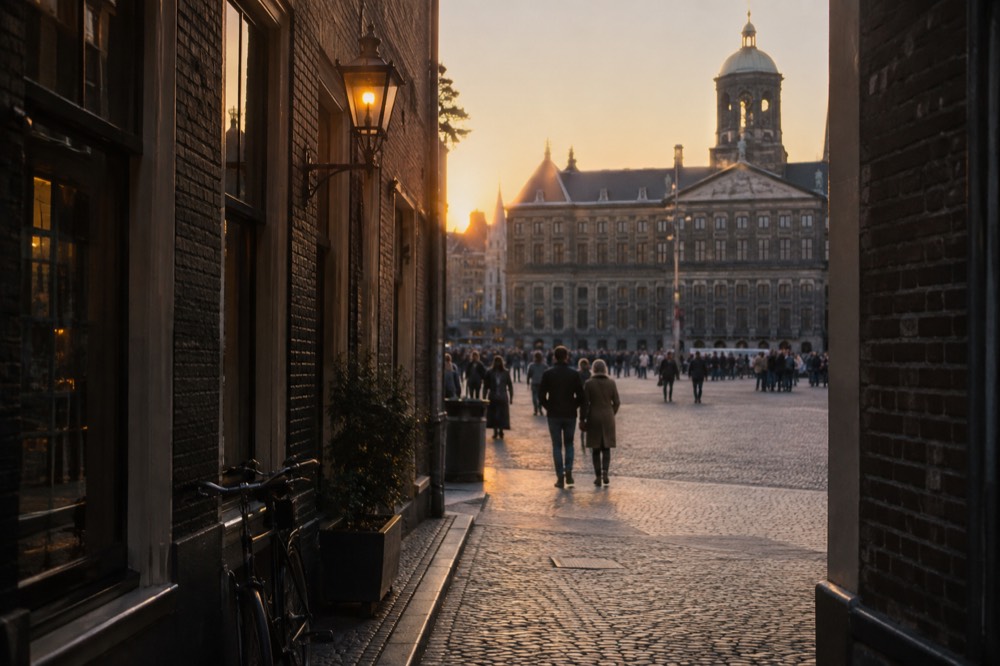
Do: Learn How the Trams and OVpay Work
Do tap a contactless bank card or phone when you board any tram, bus or metro, and tap out where required, because OVpay is the standard way visitors now pay. A single GVB one-hour ticket costs €3.40, a 24-hour day pass costs €10, and contactless fares are capped daily. Don't buy paper tickets you don't need, and don't board without tapping, because checks are frequent and fines are real.
The GVB fare table is published on the operator's own site, and the numbers are simple: €3.40 for a one-hour ticket, €10.00 for a 24-hour adult day pass, €5.00 for a child day pass, rising through €16.00 for 48 hours to €43.00 for a full week. Contactless OVpay charges a base fare of €1.16 plus €0.217 per kilometre with a daily cap, which for most visitors doing four or five tram rides a day lands close to the day pass price anyway. The choice between the two is a matter of how much you ride, not of one being a trap.
Two don'ts ride along with this one. First, don't count on the I amsterdam City Card's transport inclusion covering airport travel: it applies to GVB services within Amsterdam only and excludes airport transfers. Second, don't rent a bike unless you are genuinely confident cycling in dense traffic, because the bike lanes are the domain of people who ride them daily at speed. The cycling in Amsterdam guide is honest about who should and should not do it.
| Ticket | Price | Best for |
|---|---|---|
| GVB one-hour single | €3.40 | One or two rides a day |
| GVB 24-hour pass | €10.00 | Sightseeing days with 4+ rides |
| GVB 48-hour pass | €16.00 | A full weekend in the centre |
| OVpay contactless | €1.16 base + €0.217/km | Occasional rides, daily cap applies |
Don't: Expect Coffeeshop Rules From the Headlines
Don't arrive believing tourists are banned from coffeeshops, and don't arrive believing anything goes. The residents-only rule exists in national policy, but Amsterdam has never applied it, and tourists can legally buy cannabis in the city's coffeeshops today. The limits that do apply: shops may sell a maximum of 5 grams per person per day, outdoor smoking is banned in the centre, and buying on the street is a crime.
This is the most misreported topic in Amsterdam travel writing, and the accurate version is short. National tolerance policy sets the 5-gram daily sale limit and includes a residents-only criterion, but enforcement of that criterion is a municipal decision, and Amsterdam has consistently declined to enforce it. So neither "legal for tourists" nor "banned for tourists" is quite the right sentence; the correct one is that the tolerance policy applies in Amsterdam in practice, and the sale limits and location rules are real. The rest of the planning pages sit on Things to Do in Amsterdam.
The rules that will actually affect your visit are local. Outdoor cannabis smoking is prohibited in the city centre, so consumption happens inside the coffeeshops. Alcohol is not served in coffeeshops, most close by early morning, and ID is checked regardless of your age. Street dealing is outside the tolerance policy entirely and is simply criminal. Anyone wanting the full picture, including how the gedoogbeleid works and what happens at the border, should read the coffeeshop rules for tourists guide, which keeps to the official policy texts.
Do: Ride the Canals at Least Once
Do take a canal cruise, because the UNESCO-listed canal ring was built to be seen from the water and the price of entry is low. A classic one-hour cruise on a historic saloon boat starts from $19.56, rated 4.8 across 33,435 reviews on the live listing, and a basic one-hour cruise from a major operator costs from about €15.50. Don't skip the water because the queues look long; book a timed departure instead.
The canal ring is the reason Amsterdam looks like Amsterdam, and the deck of a small boat is the only vantage point that puts you underneath the gabled facades and inside the bridge-lined corridors the streets never show you. The classic saloon boat option is the format most worth the money: a restored wooden vessel, a live guide rather than a recording, and a route through the quieter stretches as well as the postcard ones. It runs from $19.56 per person and carries a 4.8 rating from 33,435 reviews on the live listing.
Two don'ts complete the water section. Don't rent a private boat you are not licensed or confident to drive, because the canals are busy, the right-of-way rules are local and the water is cold year-round. And don't book the first cruise touting at the dock without checking what is included: some listings are drinks-inclusive, some are audio-guide only, and the price spread between formats is wider than the spread between operators. Comparing the live listings before you pay takes two minutes and saves both money and a disappointing hour.
Don't: Buy Anne Frank Tickets Anywhere but the Official Site
Don't buy Anne Frank House tickets from any reseller, tour bundle or street seller, because there are none that are legitimate. The museum sells tickets only through its own website, for a specific date and time slot, released six weeks in advance on Tuesdays at 10:00 CEST, and they sell out fast. Walking tours of the Jewish Quarter are sold separately and never include entry.
This is the one Amsterdam rule with no workaround, and the museum's own ticket pages state it without ambiguity: every visitor must book online for a specified date and time, there are no door sales, and no third party has allocation. Adult tickets are €16.50 including the €1 booking fee, with ages 10 to 17 at €7.00 and under-10s at €1.00. Tickets are non-refundable and non-transferable, so book only for a slot you can keep.
The confusion comes from the walking tours, which are legitimate products but are exactly what they say: walks through the streets of the Jewish Quarter, ending outside the house. Nothing sold on any live listing includes museum entry, and a listing that implies otherwise is misdescribing itself. If you cannot get a ticket, the walking tours remain a genuine way to engage with the history, and the Anne Frank House guide explains the release schedule and the realistic fallback options in detail.
Do: Respect the Everyday City
Do keep your voice down after dark in residential streets, don't sit on the bridges or block the bike lanes for photos, and don't treat the whole centre as a festival zone. Amsterdam's tourist tax is 12.5% of the overnight price at hotels and holiday rentals, and its residents are actively litigating over visitor numbers. The livability rules are the city's response, and they are enforced.
The quiet-hours expectation surprises visitors from cities where the centre empties at night. Amsterdam's centre does the opposite: the canal houses above the shops and bars are homes, often with steep staircases and thin walls, and the streets between them are where residents get their sleep. Groups shouting between bars at 2am are the single most common source of conflict, and the police do respond. The same logic covers the bridges: standing on a busy bridge for a group photo during restricted hours is now specifically restricted for guided tours, and locals apply the same standard to everyone.
The spending rules deserve a mention too, because they shape what your trip feels like. The 12.5% tourist tax appears on your hotel bill, and the city's holiday-rental crackdown means the cheap central apartment listings of a few years ago are mostly gone or capped at 15 nights per year in neighbourhoods like the Jordaan, the Grachtengordel and Oude Pijp. None of this is aimed at you personally, but all of it means the budget end of central Amsterdam is thinner than older guides suggest, and the Amsterdam on a budget guide reflects the current market rather than the pre-crackdown one.
One final don't for the seasonally minded: don't plan a Keukenhof visit outside its window. The gardens open only from mid-March to early May, 19 March to 10 May in the current season, and no tour listing can change that. The Keukenhof guide covers the dates and the booking tactics.
If you are comparing options for the rest of your stay, these are the three most-booked picks again, side by side:
Common Questions About Amsterdam Do's and Don'ts
Do And Don'ts In Amsterdam?
Do book the Van Gogh Museum, Rijksmuseum and Anne Frank House online for timed slots before you travel, tap a contactless card on trams and buses, take a canal cruise, and keep noise down at night in residential streets. Don't photograph the red light district windows, walk in bike lanes, smoke cannabis outdoors in the centre, or buy Anne Frank tickets from anyone but the official site.
Can Tourists Still Visit Coffeeshops in Amsterdam?
Yes. The residents-only criterion exists in national policy but Amsterdam has never applied it, so tourists can buy cannabis in licensed coffeeshops. Shops may sell a maximum of 5 grams per person per day, and smoking outdoors is prohibited in the city centre, so consumption happens inside the coffeeshop.
Is It Rude to Photograph the Red Light District?
It is more than rude: photographing the sex workers in the windows will get you removed by security, and guided tours are legally barred from routes passing the windows. The city's respect campaign asks plainly for no pictures, and staff in the district enforce it.
Do I Need to Book Amsterdam Museums in Advance?
Yes, for the big three. The Van Gogh Museum and Rijksmuseum both require a pre-booked timed entry ticket for every visitor, at €25 for adults with under-18s free, and the Anne Frank House sells online only, released six weeks ahead on Tuesdays at 10:00 CEST.
How Do Tourists Pay for Trams in Amsterdam?
Tap a contactless bank card or phone on boarding, which is the OVpay system, or buy a GVB day pass. A one-hour ticket is €3.40, a 24-hour pass is €10.00, and contactless fares are capped daily, so either approach works without paper tickets.
What Is the Best Way to See the Canals?
A one-hour cruise, ideally on a small classic saloon boat with a live guide, from $19.56 on the live listing. Book a timed departure rather than queueing at the dock, and check what is included, since drinks and snack options vary widely between listings.