How Do Tourists Pay For Trams In Amsterdam?
The four ways tourists can pay for Amsterdam trams, what each one costs, and which one actually saves money on a short trip.
How Do Tourists Pay For Trams In Amsterdam?
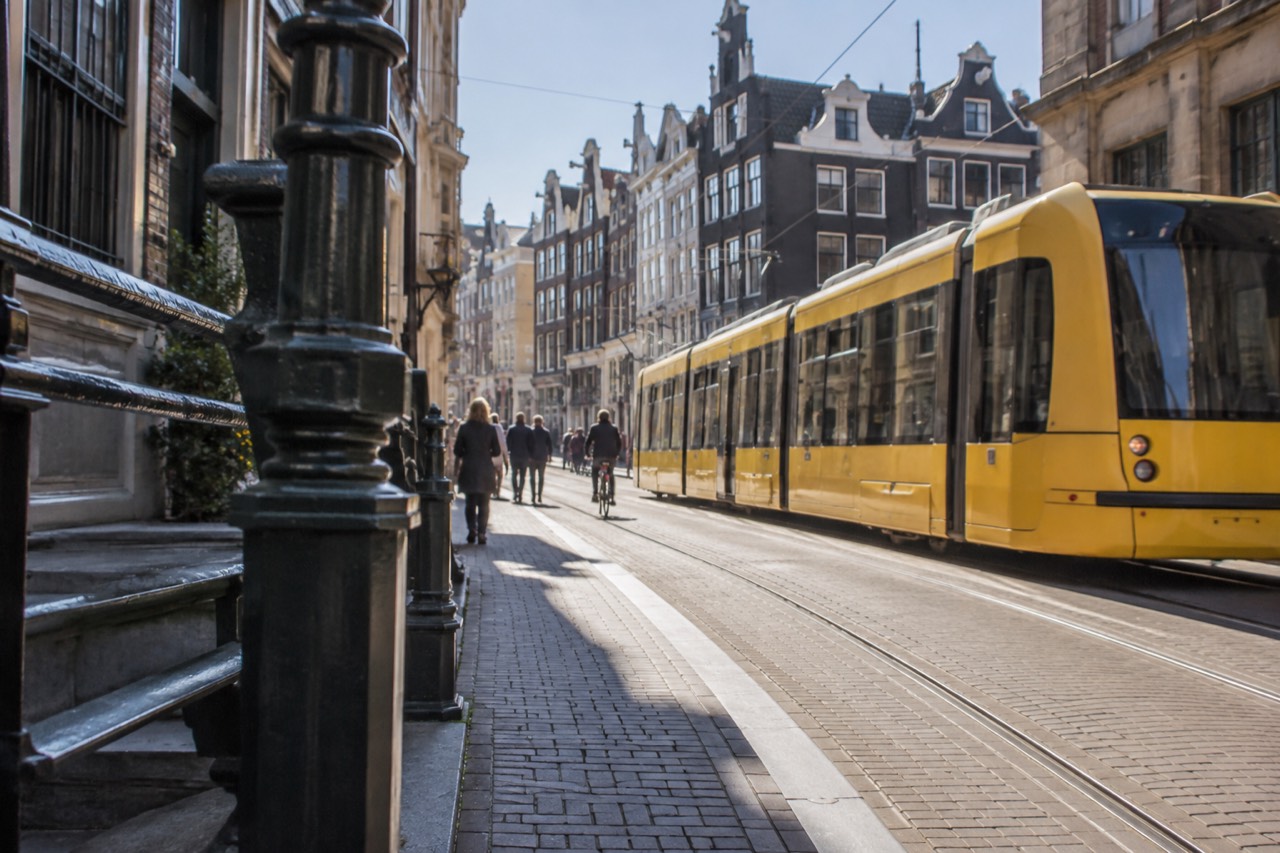
Tourists pay for Amsterdam trams in four ways: tapping a contactless bank card or phone directly at the ticket machines on board, buying a single paper ticket from the driver or machine, loading a GVB day or multi-day pass, or using a travel product such as the Amsterdam Travel Ticket. Contactless payment, marketed as OVpay, is the simplest option and charges by distance with a daily cap.
That is the short version. The longer version matters, because the difference between the options is not convenience, it is money, and the wrong choice on a three-day visit can cost more than a museum ticket. Amsterdam's public transport is run almost entirely by GVB, the municipal operator, and its trams, buses, metro lines and ferries all share one fare system. There is no zoned pricing inside the city and no paper travelcard you need to buy in advance from a kiosk. Everything a visitor needs is either already in their wallet or available at the point of travel.
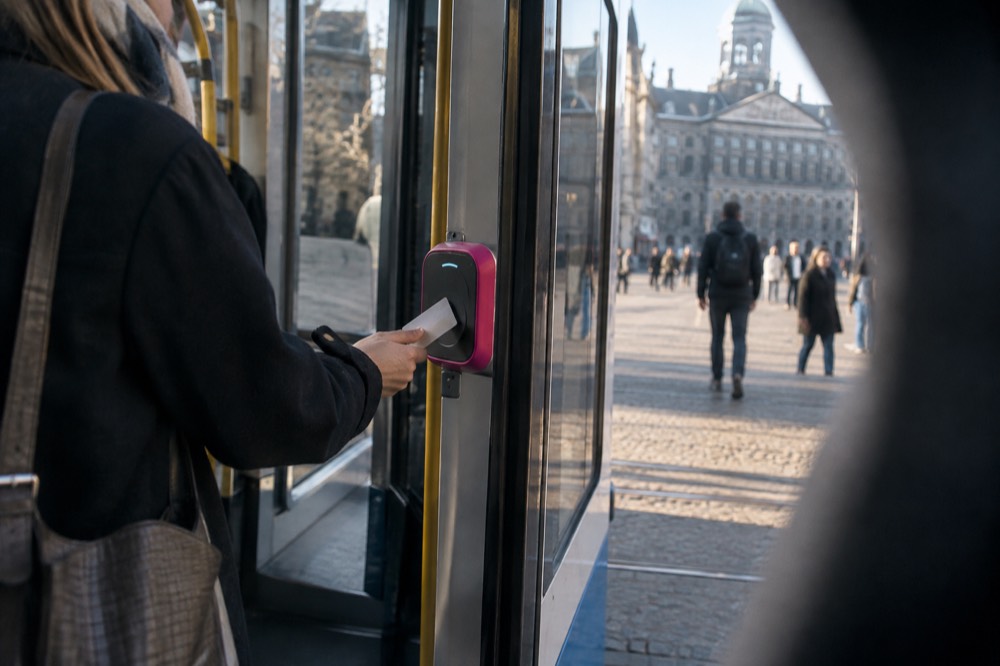
The biggest change of recent years is that the old ritual of hunting for an OV-chipkaart machine at the airport has effectively disappeared. Since contactless bank cards work on every tram, bus and metro entrance, most short-stay visitors never touch a chip card at all. You tap the same card on the pink card readers when you board and again when you leave, and the system works out the fare. The operator's own prices page sets out the full fare table, and it is the source for every figure in this article.
One warning before the detail: do not board a tram with nothing. Fare inspection happens, and travelling without a valid ticket carries a fine set by the operator, not a friendly reminder. Every payment method below is valid on every tram in the city.
If your days in Amsterdam will be walking-heavy rather than tram-heavy, a guided walk can replace half your transport budget entirely. These are the three tours visitors most often pair with a transport question like this one.
What Does a Single Tram Ride Cost?
A single GVB ticket valid for one hour costs €3.40, and it is the most expensive way to ride if you take more than one tram in a day. The same journey paid by contactless card costs a €1.16 base fare plus €0.217 per kilometre, which works out cheaper for most short hops inside the centre. A 24-hour day pass at €10.00 beats both after roughly three rides.
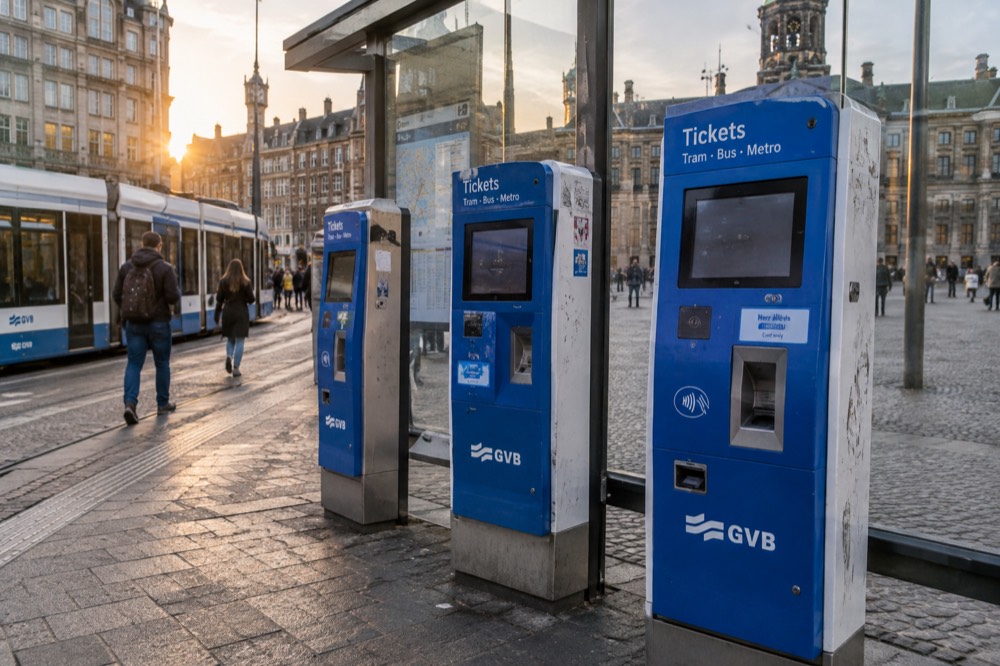
The single ticket is the option of last resort. You buy it from the ticket machine on the tram platform or from the conductor on board, it covers one hour of travel from first tap, and it allows transfers within that hour. For a one-off ride from Central Station to Museumplein it is perfectly fine. For anything more it is poor value, and the arithmetic is unforgiving: three single tickets cost €10.20, which is already more than a full day pass.
Day and multi-day passes are priced in a straight ladder. The operator publishes these figures on its fares page, and they are the numbers to plan around:
| Ticket | Adult price | Notes |
|---|---|---|
| GVB single, 1 hour | €3.40 | Transfers allowed within the hour |
| GVB day pass, 24 hours | €10.00 | Child 24-hour pass €5.00 |
| 48-hour pass | €16.00 | Consecutive hours, not days of your choosing |
| 72-hour pass | €21.50 | Beats three singles per day for three days |
| 96-hour pass | €27.50 | Covers a four-day stay |
| 120-hour pass | €34.00 | Five days of unlimited GVB travel |
| 144-hour pass | €39.00 | Six days |
| 168-hour pass | €43.00 | A full week |
Two things to notice. First, the passes are strictly consecutive hours, not days of your choosing: a 72-hour pass activated on a Monday morning runs out Thursday morning. Second, the child 24-hour day pass is half the adult price at €5.00, which makes family arithmetic much simpler than in most capitals.
There is also a middle path that combines transport with arrival. The Amsterdam Travel Ticket, sold at €20.00 for one day, €27.00 for two and €34.00 for three, adds the airport train to the GVB pass. A wider regional version, the Amsterdam & Region Travel Ticket, costs €23.00, €34.00 and €44.00 for one, two and three days and extends to regional buses and trains around the city. For a two-night stay with a Schiphol arrival and departure, the arithmetic can favour these, but only if you actually use the airport legs.
Is Tapping Your Bank Card Really Cheaper?
Yes, for typical tourist patterns of two to five short tram rides a day, contactless OVpay usually costs less than a day pass, because the fare is distance-based: a €1.16 base plus €0.217 per kilometre, with a daily cap on the GVB network. A day pass only wins once your riding becomes dense, roughly four or more spread-out trips in 24 hours.
OVpay is the name the Netherlands gives to tapping a contactless debit or credit card, or a phone wallet, directly on the pink readers. There is no app to download, no card to buy and no top-up. You tap in when you board, tap out when you leave, and the same physical card must be used for both halves of every journey, which is the single most common tourist error. If you tap in with your phone and tap out with the physical card in your other pocket, the system sees an incomplete journey on each.
The pricing model rewards short hops. A ride from Dam Square to the Rijksmuseum, a distance of under two kilometres, lands close to the base fare plus a few cents of distance. Cross the whole city from Central Station to the far south and the per-kilometre component starts to bite, which is exactly when the day pass becomes the better product. Age discounts apply to OVpay too, though visitors relying on them should check how child fares are applied to bank cards before assuming the discount is automatic.
| Payment method | How it is priced | Best for |
|---|---|---|
| Contactless OVpay | €1.16 base + €0.217 per km, daily cap | One to three short rides per day |
| Single ticket | €3.40 flat, one hour | A single one-off journey |
| GVB day pass | €10.00 for 24 hours | Four or more rides across the day |
| Amsterdam Travel Ticket | €20.00 one day, airport train included | Short stays arriving by air |
One habit worth building: check the reader screen. It shows the amount deducted on tap-out, and glancing at it for the first two rides tells you quickly whether your card is being charged as expected. Some foreign banks add their own fees on top of the Dutch fare, and that is between you and your bank, not GVB.
The cap is the quiet hero of the system. Once your contactless taps in a day reach the cap level on the GVB network, further rides that day cost nothing extra. That makes OVpay effectively a self-converted day pass on heavy days, without you ever having to predict your own itinerary in advance.
Do You Still Need an OV-chipkaart?
Most tourists no longer need an OV-chipkaart at all, because contactless payment covers everything the anonymous chip card used to do on trams, buses and metro. The chip card still exists in the system for residents and regular commuters, but for a visitor on a short stay it adds a purchase, a top-up and a deposit-style balance to manage, with no fare advantage in return.
The OV-chipkaart was the blue plastic card that ran Dutch public transport for two decades. Visitors used to buy an anonymous version at the airport or a station service desk, load credit onto it, and tap in and out like a local. Contactless payment has absorbed that use case almost completely. The card readers on trams accept both, but a bank card does the identical job with no separate purchase. The wider set of guides lives on Things to Do in Amsterdam.
There is one genuine reason a visitor might still want a chip card: if their bank card is not contactless-enabled, or their bank blocks foreign transit transactions, which happens with some United States credit unions and a few prepaid cards. In that case a chip card or a paper day pass from a machine are the fallbacks. If your card works on the first tram, it works on all of them.
What you should not do is buy a chip card "just in case" before your trip. Every tram stop with a platform has a ticket machine selling day passes, and every tram accepts contactless. The failure mode the chip card used to solve has been engineered away.
How Do You Pay on Buses, Metro and Ferries?
The same payment methods work across the entire GVB network: contactless taps, single tickets and day passes are valid on buses and the metro exactly as on trams, with the same fares and the same one-hour transfer rule. GVB ferries across the IJ are part of the same system, and the tap-in, tap-out discipline applies everywhere, so one payment method covers every leg of a city visit.
This is the part visitors often miss: Amsterdam's transport is one integrated product, not a set of separate companies. The day pass you bought for trams also covers the metro to Noord and the bus to the eastern docks. The contactless card that paid your tram ride pays the metro platform readers the same way. Nothing changes except the vehicle.
The metro matters more than most itineraries suggest. If you are staying in Amsterdam Noord or visiting the NDSM wharf, the metro and the ferry connections across the IJ do real work, and the same fare logic applies. The general city advice on how to get around as a visitor from the municipality covers the same ground from the official side.
Buses are the least used mode by tourists, and that is mostly correct: the tram and metro network covers the centre well. Where buses earn their keep is late at night, when night buses run on routes the trams do not, and those take the same payment methods.
One practical note on the tap-out habit: trams have readers at every door, but the tap-out matters even on a flat-fare day pass, because the system needs the journey to close. Missing a tap-out on contactless triggers a correction fare on the next check. Building the reflex of tap in, tap out, every single time, is the whole skill.
What About Getting From Schiphol Airport?
The airport train is separate from GVB: an NS train ticket from Schiphol to Amsterdam Centraal starts from €5.50 and the journey takes just over 17 minutes, and it is not covered by a GVB day pass. The Amsterdam Travel Ticket products exist precisely to bridge that gap, bundling the airport train with city transport for €20.00 to €34.00 depending on duration.
Schiphol sits its own rail station under the terminal, and the NS trains into Centraal run several times an hour. You pay for them separately from anything GVB sells, with tickets from the yellow NS machines or contactless taps at the platform gates. The operator's own journey page quotes the fare as "from €5.50" and the travel time at just over 17 minutes, and both figures are worth taking literally: the "from" matters because walk-up fares can run higher than the cheapest online e-ticket.
The bus alternative, the Amsterdam Airport Express line 397, costs from €6.50 single and serves the city centre along a slower road route. It shares its ticket with the night service N97, which is useful for very early departures when the trains are not yet running. Taxis from Schiphol are metered, with no fixed published fare, so treat any quoted flat price as the driver's own offer rather than an official rate.
The decision for most visitors is simple. If you have bought an Amsterdam Travel Ticket, the airport train is inside it. If you are riding contactless all week, you just tap for the train like any other journey. If you bought a plain GVB day pass, budget the airport legs separately, because the pass stops at the city boundary.
For the full arrival picture, including where to buy what at the terminal, the Schiphol to central Amsterdam guide walks the whole route. And if you are weighing whether a bundled card pays off across a whole trip, the city card value breakdown runs the numbers against individual tickets, including the fact that the card's transport coverage is GVB-only and excludes the airport train.
Should You Combine Trams With a Walking Tour Day?
Yes, and the combination saves money in a way most visitors do not notice: a walking tour covers ground on foot that would otherwise be three or four tram rides, so a day built around a guided walk often drops below the threshold where a day pass pays for itself. On walking-heavy days, contactless for the odd residual ride beats a €10.00 pass.
Consider the arithmetic from the other direction. A visitor who takes a two-hour guided walk through the old centre, then walks to a museum, then takes one tram home, has spent €3.40 on a single or a couple of euros on contactless. The same visitor who rides between every sight has spent €10.00 on a pass. The tour ticket, in other words, partially refunds itself in unused transport.
The one-hour Anne Frank story walk is a good example of the shape. It runs 4.8 across 15,104 reviews at $22, it covers the Jewish Quarter on foot from a central meeting point, and it needs no transport at all once you have reached the start. It tells the street-level story of the war years, and one point must be stated plainly because the listing is often misread: it does not include entry to the Anne Frank House. That museum sells tickets only through its own official site, on a timed-slot release schedule, and no reseller or pass can sell you one. The walk and the museum are two separate things, and both are worth doing.
If the walk leaves you with an appetite for the city's harder-edged history, the small-group red-light district tour is the natural evening pairing. It runs 4.9 across 9,142 reviews at $26 for 90 minutes. The municipal rules for guided tours in De Wallen are strict, and they shape every legitimate product: groups are capped at 15, tours run only between 08:00 and 22:00, and no tour may pass the windows. A properly run tour keeps to the perimeter and tells the district's history from the streets around it, which is both the legal requirement and, honestly, the better tour.
For a longer, deeper version of the wartime story, the two-hour small-group Anne Frank walking tour at $33, rated 4.9 across 4,680 reviews, extends the same route with more time in the Jewish Quarter. Whichever you choose, the transport answer stays the same: one contactless tap to the meeting point, and the rest is on foot.

Common Questions About Paying for Trams in Amsterdam
How Do Tourists Pay For Trams In Amsterdam?
Four ways: tapping a contactless bank card or phone at the on-board readers, buying a €3.40 single ticket from the machine or conductor, using a GVB day or multi-day pass, or an Amsterdam Travel Ticket that bundles the airport train. Contactless is the simplest and charges €1.16 plus €0.217 per kilometre with a daily cap.
Can you pay with a credit card directly on the tram?
Yes, if it is contactless. You tap the same card on the pink reader when boarding and again when leaving. Non-contactless cards do not work on board, and paper single tickets from the machine are the fallback.
Is a day pass or contactless cheaper for tourists?
For one to three short rides a day, contactless usually wins on the distance-based fare. From about four rides onward, the €10.00 24-hour pass is cheaper, and the contactless daily cap means heavy contactless days converge on pass pricing anyway.
Does a GVB pass cover the airport train?
No. The NS train from Schiphol is a separate operator with separate fares, from €5.50. Only the Amsterdam Travel Ticket and Amsterdam & Region Travel Ticket products bundle the airport train with city transport.
Do children pay full fare on Amsterdam trams?
A child 24-hour GVB day pass costs €5.00, half the adult price. On contactless, age discounts exist but visitors should confirm how they apply to a bank card before relying on them, and the child 24-hour pass is the one child fare published on the operator's fares page.
What happens if you forget to tap out?
On contactless, an untapped journey is treated as incomplete and a correction fare is charged on your next check or tap. Make tap in, tap out a reflex on every ride, even with a day pass, so the journey closes properly.