Is 500 Euros Enough For 3 Days In Amsterdam?
A realistic breakdown of whether 500 euros covers three days in Amsterdam, with verified ticket prices, transport fares and where the money actually goes.
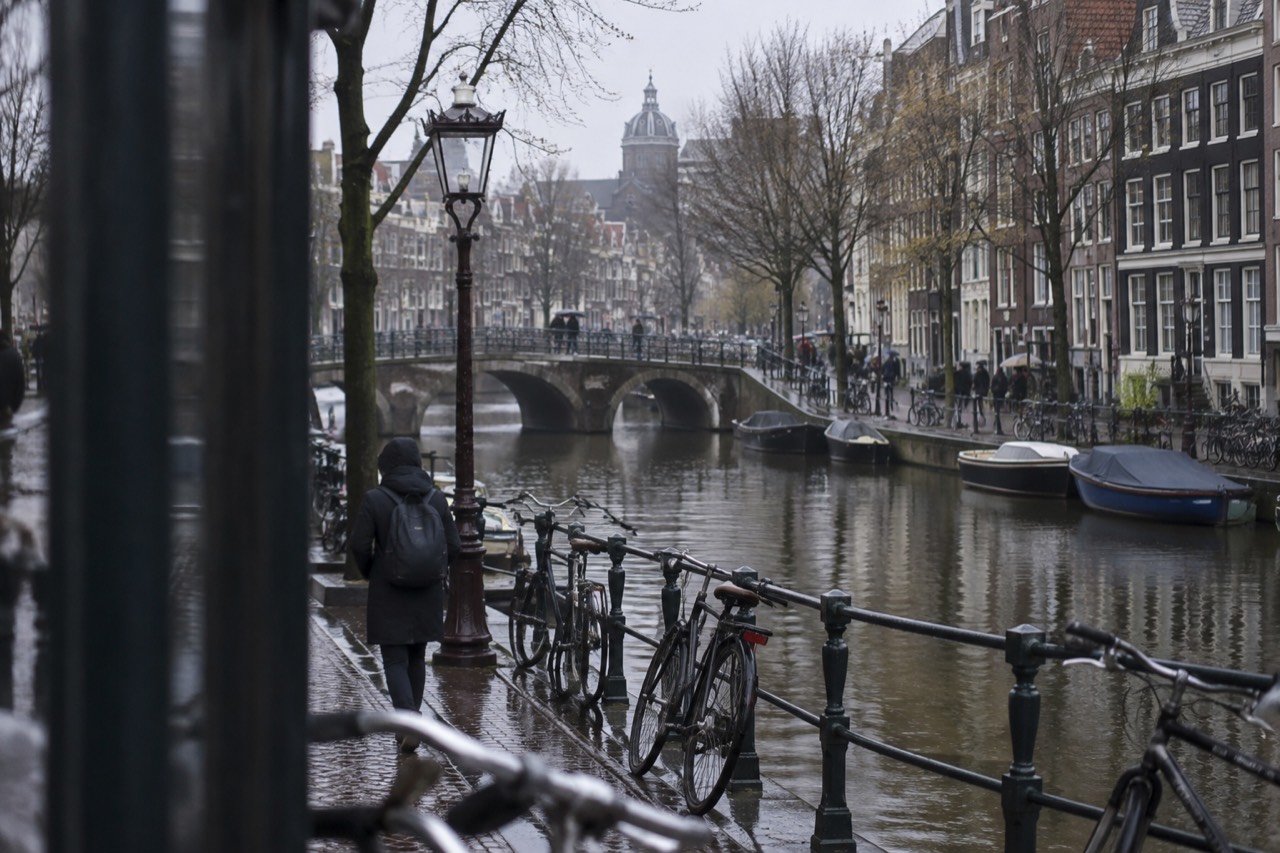
Is 500 Euros Enough For 3 Days In Amsterdam?
Yes, 500 euros is enough for three days in Amsterdam if it covers only your spending on the ground and your bed is already paid for. Verified entry prices, a GVB day ticket at €10.00 and a canal cruise from about €15.50 mean a disciplined three-day plan fits with room for one or two bigger tickets. If the 500 has to cover a hotel plus the city's 12.5 percent tourist tax, it will not stretch.
The honest answer depends on one question: is accommodation inside or outside the number? A bed in central Amsterdam typically consumes more per night than a whole day of your remaining budget, and the city adds its tourist tax of 12.5 percent of the overnight price on top, a rate confirmed on the gemeente's own tax page. Three nights of that alone can swallow the entire 500 before you have seen a single painting. So this article splits the problem in two: first what 500 euros buys when the hotel is separate, then what happens when it is not.
The good news is that the parts of Amsterdam people actually travel for are cheaper than the reputation suggests. The two most famous museums cost €25 each, both prices published on the museums' own sites. A one-hour canal cruise starts at about €15.50 with Rederij Kooij, the one operator whose fare is verified to its own booking page. Local transport is a flat €10.00 for 24 hours of GVB trams, buses and metro. Add food from markets and brown cafés rather than restaurant rows, and the arithmetic works.
The trap is doing everything. Amsterdam rewards a visitor who picks two big museums instead of five, walks the canal ring instead of touring it, and saves the splurge for one thing that matters. The rest of this page shows the numbers behind that advice, in tables built from prices that were read on official pages rather than copied from a listicle.
Where Does the 500 Euros Actually Go?
A realistic three-day split, excluding a hotel, runs about 90 euros on attractions, 45 euros on transport, 150 to 180 euros on food and drink, and 30 to 50 euros on extras, leaving real slack inside the 500. That means the budget is comfortable rather than tight, and the margin exists precisely so you can spend it on one expensive thing you will remember.
Start with the fixed costs, because Amsterdam's headline attractions publish their prices and mostly hold to them. The Rijksmuseum charges adults €25, free for ages 18 and under, open every day of the year from 9am to 5pm, and every visitor including card holders must book a start time. The Van Gogh Museum also charges adults €25, under-18s free, and its own site states that all visitors are required to pre-book a timed entry ticket. The Anne Frank House is the cheapest of the three at €16.50 for an adult, but it is also the hardest: tickets are sold only through the museum's own site for a specific date and time, there are no door sales, and no reseller or city pass can get you in.
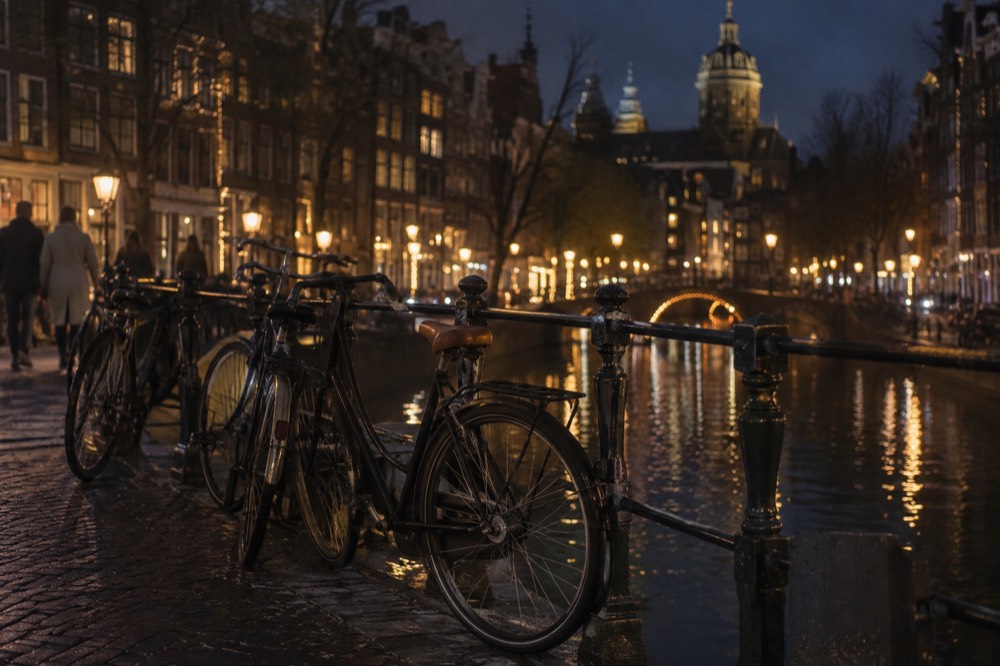
Transport is the cheapest line. A GVB day ticket is €10.00 for 24 hours, €16.00 for 48 and €21.50 for 72, fares listed on the operator's own tariff page, and the network covers the whole city including the ferries across the IJ. If you tap a contactless bank card instead, OVpay charges a base fare of €1.16 plus €0.217 per kilometre. For a visitor staying three days and moving around a lot, the 72-hour ticket at €21.50 is usually the better arithmetic.
| Item | Verified price | Notes |
|---|---|---|
| GVB 72-hour transport ticket | €21.50 | Covers trams, buses, metro and ferries |
| Rijksmuseum adult entry | €25.00 | Timed start time required, free under 18 |
| Van Gogh Museum adult entry | €25.00 | Timed entry mandatory for all visitors |
| Anne Frank House adult entry | €16.50 | Online only, official site only, no door sales |
| One-hour canal cruise | from €15.50 | Operator-verified audio-guide cruise |
| Food, three days, market and café mix | about €50 to €60 per day | Planning range, varies by choice of venue |
| Buffer for extras and one splurge | variable | Absorbs weather, events and impulse choices |
That table is the whole argument in one place. Do the three flagship museums, take a cruise, eat reasonably well, move around the city freely, and the sum lands comfortably below 500 with the splurge already inside. The remainder is genuine headroom, not padding: it absorbs a rain taxi, a second round of drinks, or the realisation that you want to add the Heineken Experience or a saloon boat cruise after all.
One cost that surprises people is the tourist tax itself. It is charged at 12.5 percent of the overnight price, excluding VAT, at hotels and holiday rentals alike, so it sits inside your accommodation bill rather than appearing as a separate line you pay at a museum. If your 500 euros is meant to include three nights somewhere, that tax is part of why the number fails.
Can You Do Three Days on 500 Euros Including a Hotel?
No, not in central Amsterdam, unless you accept a hostel dorm bed or travel in the quietest weeks. A mid-range central room typically costs more per night than a full day of your remaining budget, and three nights plus the 12.5 percent tourist tax can consume the entire 500 before food or a single museum. The budget only works with a hotel included if you sleep outside the centre or in a shared room.
The arithmetic is unforgiving and it is worth seeing it plainly. Three nights at even 120 euros, before the 12.5 percent tax, leaves roughly 140 euros for everything else across three days: transport, food, museums, the cruise. It can be done, but it is a different trip, one of supermarket lunches and a single paid attraction, and it leaves nothing for the experiences most people come for.
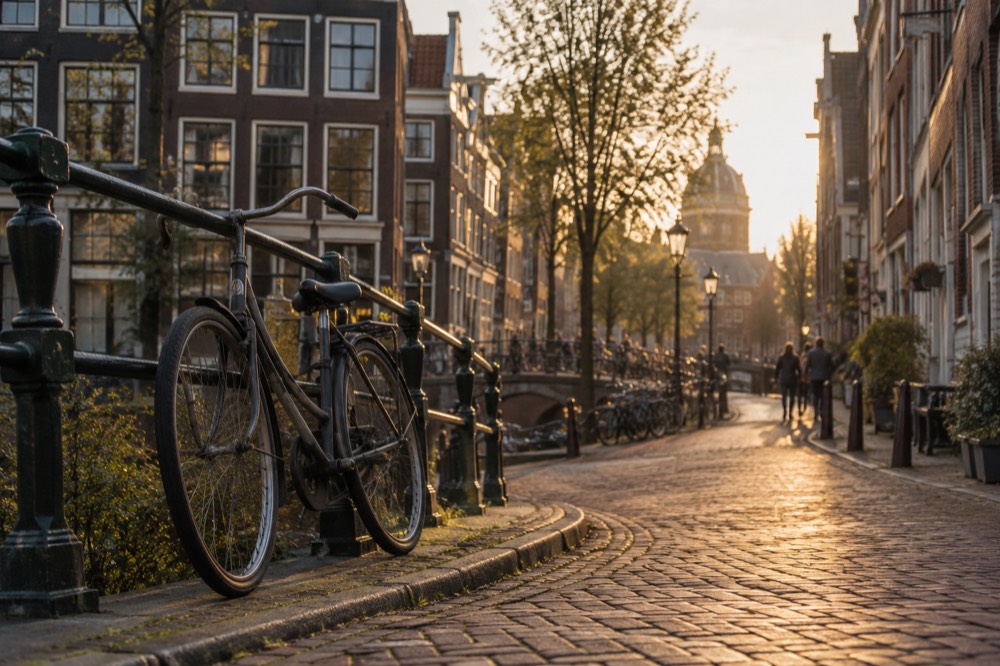
The workaround is geography. Staying near Sloterdijk or Zuid, or across the IJ in Noord, puts you a short metro or ferry ride from the centre at a meaningfully lower nightly rate, and the GVB ticket already covers the ride in. Our neighbourhood guide to which Amsterdam area suits you breaks down the trade-offs street by street, and the Schiphol-to-city guide matters too if your 500 has to absorb an airport transfer: the NS train from the airport starts from €5.50 and takes just over 17 minutes, which is far kinder to a budget than any taxi.
If the hotel is inside the budget, the honest advice is to raise the number rather than hollow out the trip. A separate question, whether 100 euros a day is enough in Amsterdam, works through the same arithmetic at daily granularity, and it reaches the same conclusion from the other direction: the city is affordable per experience and expensive per bed.
There is a second, subtler reason the with-hotel version fails, and it has nothing to do with price per night. When accommodation eats the budget, every remaining decision becomes defensive. You stop choosing the saloon boat because it is the better cruise and start choosing it because it is the cheaper one. You skip the museum you actually care about and visit the one that happens to be included in a pass. Amsterdam is dense enough that a defensive three days still produces a decent trip, but it produces a worse one than the same money spent deliberately, and the difference shows up most in the evenings, when the free options thin out and the paid ones, bars, restaurants, the Dungeon, a dinner cruise, are what remain.
How to Spend Less Without Missing the City
The biggest verified savings are structural, not coupon-level: under-18s enter the Rijksmuseum and Van Gogh Museum free, the NEMO roof terrace is free without a ticket, and a canal cruise bought from the operator starts at about €15.50 rather than the €25-plus charged on drinks-included departures. Choosing two flagship museums instead of four saves around €50 without changing the character of the trip.
Amsterdam is unusually generous to visitors who plan. The two most visited museums are free for ages 18 and under, a policy both museums publish on their own ticket pages, so a family's budget calculus changes completely. NEMO Science Museum's roof terrace is reachable free via the steps from the street, per the museum's own press page, which gives you one of the best skyline views in the city for nothing. The Begijnhof, the Vondelpark and the whole canal ring cost nothing to walk, and the UNESCO-listed grachtengordel is the single best free attraction the city has.
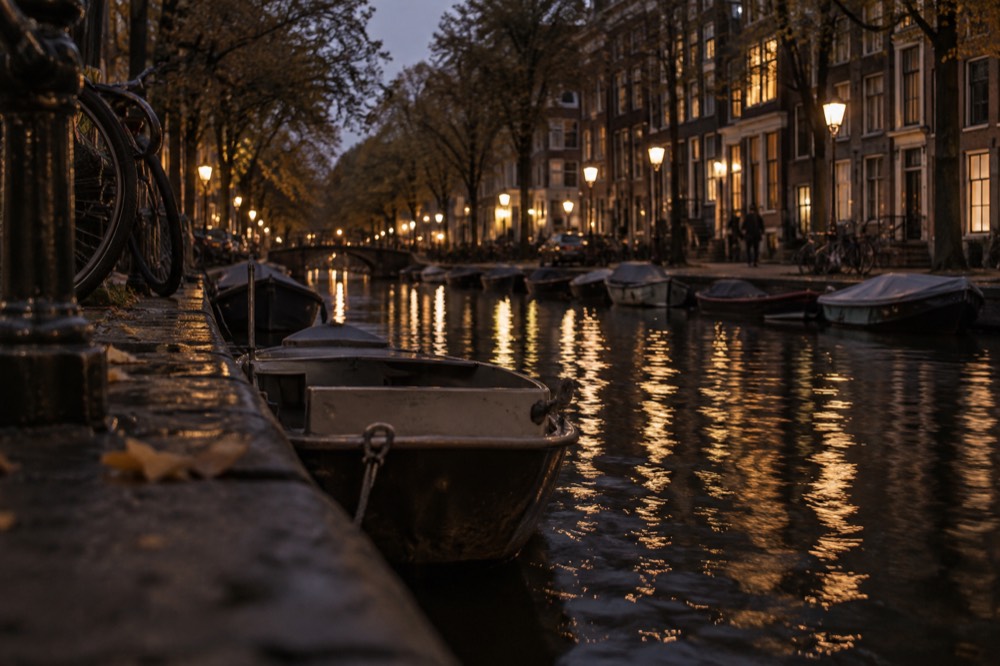
On tickets, the paid options split into tiers. A basic one-hour cruise with audio guide is the entry point at about €15.50. A classic wooden saloon boat with drinks and cheese runs from $19.56 through the operator's live listing, rated 4.8 across 33,435 reviews, and it is the version most worth the upgrade. The Heineken Experience, from $23 on the live listing and rated 4.6 across 39,581 reviews, is the mid-price indoor splurge. The Van Gogh Museum at $31 through the operator's listing, rated 4.7 across 57,096 reviews, is the one ticket you cannot substitute, because timed entry is mandatory and slots sell out.
Food is where budgets quietly die, and where a little planning quietly saves them. The Albert Cuyp Market and the Foodhallen let you assemble a lunch from vendors for the price of a single restaurant starter, and the city's brown cafés serve beer at neighbourhood prices if you sit at the bar rather than on the canal-facing terrace. Restaurant pricing varies too widely to publish a reliable average meal cost, so treat dinner as the one line you control by choosing where, not by skipping it.
The pass question deserves its own arithmetic. The I amsterdam City Card costs €67 for 24 hours and €94 for 48 hours, prices verified on NEMO's own visitor page, and includes entry to over 70 museums plus unlimited GVB transport, one canal cruise and a 24-hour bike rental. But the card's own FAQ states that the Van Gogh Museum and the Anne Frank House are not included, and the Anne Frank House's price table says the same from its side. If those two are your priorities, the card saves less than it appears to; if your list is Rijksmuseum, Stedelijk, NEMO and a cruise, it can pay for itself. Our longer breakdown of whether the I amsterdam City Card is worth it runs the numbers.
| Saving | What it costs | What you give up |
|---|---|---|
| Walk the canal ring instead of a second cruise | €0 | The water-level view, once |
| NEMO roof terrace without a museum ticket | €0 | The interior exhibits |
| Two flagship museums instead of four | about €50 saved | Two smaller collections |
| Operator-direct basic cruise over a drinks cruise | about €10 saved | Onboard drinks |
| Market lunch over a restaurant lunch | about €10 per day saved | Table service |
| GVB 72-hour ticket over single fares | about €15 saved | Nothing, if you ride daily |
A useful habit ties all of these together: spend the money early on the things that require booking, then let the free city fill the gaps. Book the timed museum slots and the cruise before you fly, because the Van Gogh Museum and the Anne Frank House both require pre-booked entry and both sell out, and an unplanned afternoon in Amsterdam drifts toward paid attractions by default. Once the fixed costs are locked, the remaining days cost almost nothing to enjoy: the ferry to Noord, the Nine Streets window-shopping, the Vondelpark, an aimless loop of the Jordaan. The visitors who overspend are usually not the ones who bought too many tickets, they are the ones who bought none in advance and improvised at walk-up prices.
When Will 500 Euros Not Be Enough?
The budget fails in three identifiable cases: when it must cover accommodation in the centre, when it must include the airport journey by taxi rather than the €5.50 train, and when the trip lands on a peak weekend or a major event. It also fails if you treat the Anne Frank House as a walk-up attraction, because tickets exist only online, in advance, for a specific time slot.
The event calendar matters more than most visitors expect. King's Day fills the city, hotel rates follow, and the Amsterdam Dance Event in late October does the same to the nightlife end of the budget. None of these change the museum prices, which hold steady, but they change everything around them: restaurant queues, taxi surge, and the price of the bed you are hopefully not paying for out of this 500.
Weather is the quiet fourth factor. Amsterdam rain does not close the city, but it pushes people indoors, and indoors in Amsterdam usually costs money: museums, cafés with long sits, the Dungeon, a covered boat instead of a walk. A rainy-day plan built in advance, which our rainy day in Amsterdam guide lays out hour by hour, keeps the spending deliberate instead of reactive. The same applies to the last night, when tired travellers are most likely to spend loosely: decide the final dinner in the morning, not at seven in the evening when everything appealing is fully priced.
The final failure mode is the accumulation of small paid attractions. Amsterdam has a long tail of second-tier museums, each individually modest, collectively ruinous to a tight budget. The fix is the one this whole site argues for: Things to Do in Amsterdam is best experienced as a few deep choices plus a lot of free walking, and the free part, the canals, the bridges, the Jordaan and the IJ ferry at sunset, is genuinely the best part. Five hundred euros is enough for three days here, provided you spend it on purpose.
Common Questions About a 3-day Amsterdam Budget
Is 500 Euros Enough For 3 Days In Amsterdam?
Yes, if the 500 covers only ground costs and your accommodation is paid separately. Verified prices for the two flagship museums, a 72-hour transport ticket and a canal cruise total under 90 euros, leaving comfortable room for food and one splurge. If the 500 must include three nights of central accommodation plus the 12.5 percent tourist tax, it is not enough.
How much should I budget per day in Amsterdam?
Roughly 60 to 80 euros per person per day covers transport, food from markets and cafés, and one paid attraction. Days built around two major museums plus a cruise push toward the top of that range. Accommodation is additional.
Is the Anne Frank House included in the 500-euro plan?
It can be, at €16.50 for an adult, but only if you book a timed ticket through the museum's own website well in advance. There are no door sales, no resellers, and the I amsterdam City Card gives no discount there.
What is the cheapest way to get from Schiphol into the city?
The NS train, from €5.50 for a single and just over 17 minutes to Centraal. The Amsterdam Airport Express bus 397 runs from €6.50. A taxi is metered with no fixed fare published, so treat it as a budget unknown.
Do I need a transport pass for three days?
The GVB 72-hour ticket at €21.50 is the simplest choice if you are riding daily. If you only take a few rides, OVpay contactless at €1.16 base plus €0.217 per kilometre may cost less. Either way the ferries across the IJ are part of the GVB network the ticket covers.