Is It Rude Not To Tip In Amsterdam?
A straight answer to whether skipping the tip is rude in Amsterdam, how service charge works in Dutch restaurants, and where rounding up is actually expected.
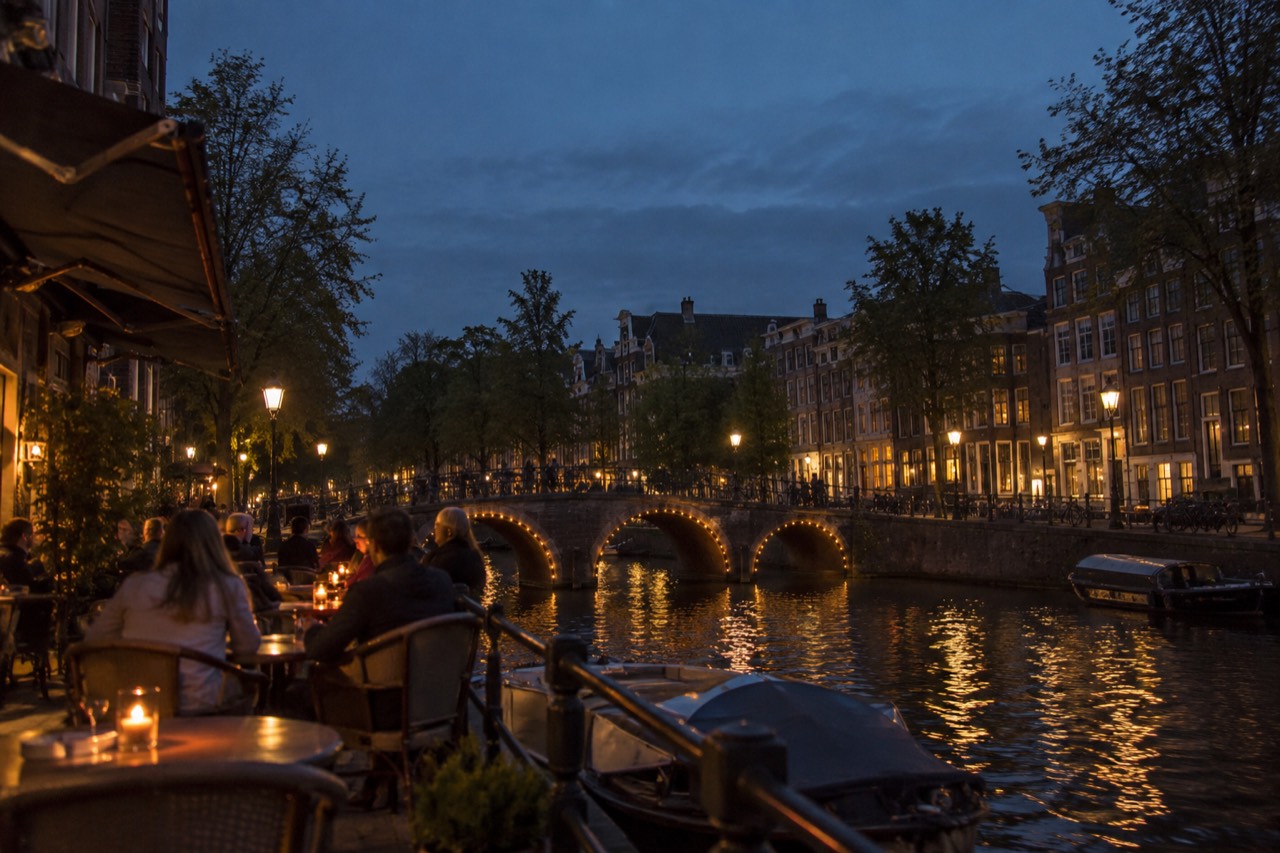
Amsterdam runs on a simple rule most visitors never hear stated: the price you see is the price you pay. Service is included in Dutch menu prices by law and custom, wages in hospitality are not structured around tips, and a waiter who receives nothing extra at the end of a meal will not think twice about it. That does not mean money never changes hands at the table. Locals do round up, in specific situations, for reasons that have more to do with convenience and warmth than obligation. The gap between "never required" and "sometimes offered" is where this guide lives, alongside the practical questions that follow it: what a service charge actually covers, whether tour guides and boat skippers expect anything, and how the city's own taxes already sit inside your bill.
Is It Rude Not To Tip In Amsterdam?
No, it is not rude to leave no tip in Amsterdam. Dutch law requires that service be included in the prices printed on a restaurant menu, hospitality staff earn a proper wage rather than a tip-dependent one, and leaving nothing extra is a completely normal choice that locals make every day. Rounding up is a friendly gesture here, not a social debt.
That single paragraph answers the question, but the cultural texture around it is worth understanding, because it explains why the question even arises. Visitors from the United States and Canada arrive carrying a system in which tips form a large share of a server's income, and not tipping at home genuinely is rude. The reflex travels with them. In the Netherlands the underlying economics are different: the posted price on the menu is legally required to include service, and minimum wage rules mean staff are not working for a base rate that assumes tips on top. The mental adjustment is not about generosity. It is about recognising that the bill already contains what a tip would cover elsewhere.
The practical effect is that a Dutch waiter seeing a table pay the exact amount is not disappointed. There is no calculation running in the background, no expectation gap. When locals do add something, it is usually small and casual: rounding the bill up to the nearest convenient figure, or leaving the loose coins from a cash payment on the little saucer the bill arrives on. It reads as "thanks, that was a good evening", not as a fee. If you had a genuinely excellent meal or a server went well beyond the ordinary, that is the moment a modest round-up means something. If the evening was ordinary, paying the bill as printed is entirely fine.
For travellers who like a single mental model across the whole trip: Amsterdam treats tips as a bonus you may choose, never a tax you owe. The same logic applies at museums, attractions and ticketed experiences, where the concept of tipping simply does not exist at all. Nobody tips at a museum counter, a canal cruise departure point or a brewery ticket desk, and attempting to would draw a polite, confused refusal. For a fuller walk through the city's manners beyond the restaurant table, the tipping and etiquette guide covers greetings, splitting bills and the unwritten rules of the cycle lane, and the wider question of what not to do as a tourist is the natural companion read.
How Does Service Charge Work In Dutch Restaurants?
Service in Dutch restaurants is included in the menu price by law, so there is no separate service charge added to your bill and no line on the receipt waiting for a percentage. The price next to each dish is the full amount you owe, VAT and service included. A "bedrag service" or "servicekosten" line, where it appears at all, is rare and usually signals a large group arrangement agreed in advance.
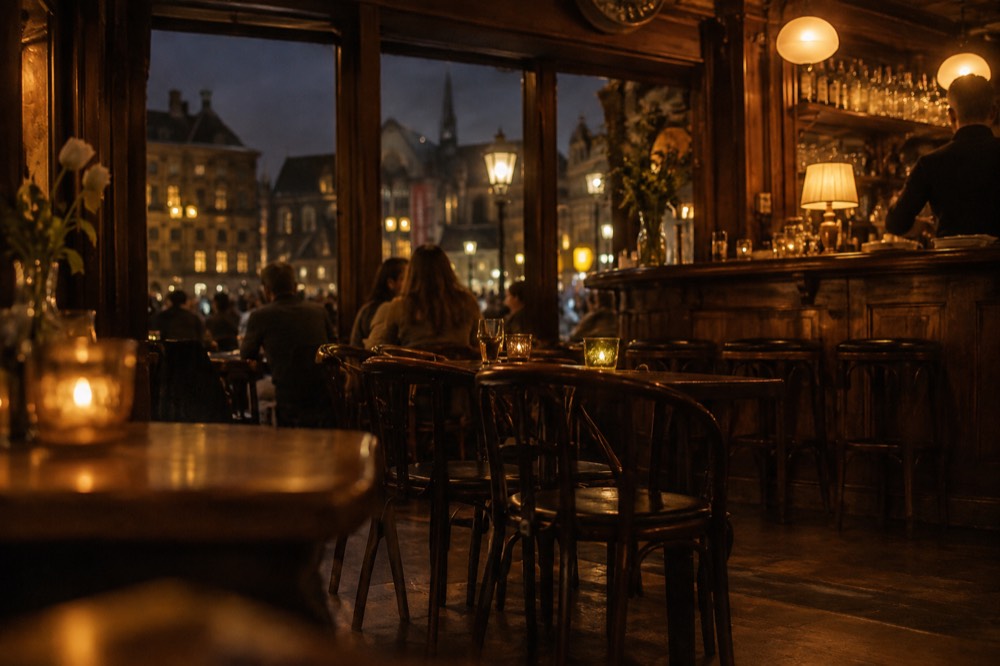
This is the fact that resets most visitors' expectations once they see their first bill. In many European cities the menu price and the final price diverge: a cover charge, a bread charge, a service percentage stacked on at the end. Amsterdam does not work that way. What is printed is what is owed, which also makes splitting a bill with friends trivially easy, a very Dutch virtue. Card terminals reflect the same philosophy: when the server brings the portable machine to your table, it will ask for the exact amount, and many terminals offer a simple round-up button rather than a percentage prompt. The machine is not hinting. It is offering arithmetic.
One nuance worth knowing is the difference between a restaurant and a bruin cafe, the traditional brown cafes the city is famous for. In a restaurant, nothing extra is expected, ever. In a brown cafe where you have lingered for hours over a couple of beers, some locals will leave the small change, partly because carrying coins is a nuisance in an increasingly card-first country. It is a convenience habit wearing the costume of a tip. The same applies to coat checks and cloakrooms at clubs and venues: a small coin per item is customary there, and that is one of the few places in the city where a fixed expectation genuinely exists.
The city's tax structure explains part of the psychology. Amsterdam's own municipal tourist tax page sets out the 12.5% overnight levy, and Dutch VAT is already inside every menu price. When a visitor feels a meal was "expensive", some of that feeling traces to taxes that in other countries appear as separate additions. The waiter saw none of it as a tip substitute. Their wage was set before you sat down.
| Situation | Is Anything Expected? | What Locals Typically Do |
|---|---|---|
| Restaurant, table service | No | Pay the printed amount, or round up a few euros for excellent service |
| Brown cafe or bar | No | Leave small change if paying cash, especially after a long stay |
| Cloakroom at a venue or club | Yes, a small fixed coin per item | Hand over a coin when collecting the coat |
| Museum counter or attraction desk | No, tipping does not exist here | Pay the ticket price, take the ticket |
| Taxi or ride share | No | Round up to the nearest euro or five for a pleasant ride |
A related planning note: the places where money does change hands beyond the sticker price are the ticketed attractions with timed entry, not the restaurants. The Rijksmuseum's own prices page states an adult ticket of €25 with timed entry required, and the Van Gogh Museum likewise requires every visitor to pre-book a time slot. Budget for the booking, not the bell.
Do You Tip Tour Guides And Canal Cruise Skippers?
Paid tours are the one corner of Amsterdam where a tip is genuinely customary, though still voluntary. On a paid group tour, a few euros per person at the end is a normal way to thank a guide who was good, and on a free, pay-what-you-want walking tour the tip is the entire business model. Canal cruise crews on large boats sit in between: nothing is expected, small round-ups are appreciated.
The distinction that matters is who chose the price. On a paid tour, the guide has already been compensated by the ticket, so a tip is a pure thank-you. On a free tour, the guide's income is entirely the collection at the end, and joining one without contributing anything is the closest thing Amsterdam has to a genuine tipping faux pas. The free-walk model is honest about this: the walk costs nothing to book, and you pay the guide what the walk turned out to be worth. Treat that as a real transaction, not a suggestion.
Canal cruises split by format. On a large covered boat with an audio guide, no tip is expected and few passengers offer one. On a small open boat with a live skipper who has spent an hour narrating, joking and squeezing under low bridges, a small round-up is a common and warm gesture, especially if the skipper handled a special request or a rainy evening well. Private charters with a host run closer to the paid-tour logic: a modest tip at the end is customary if the crew made the trip.
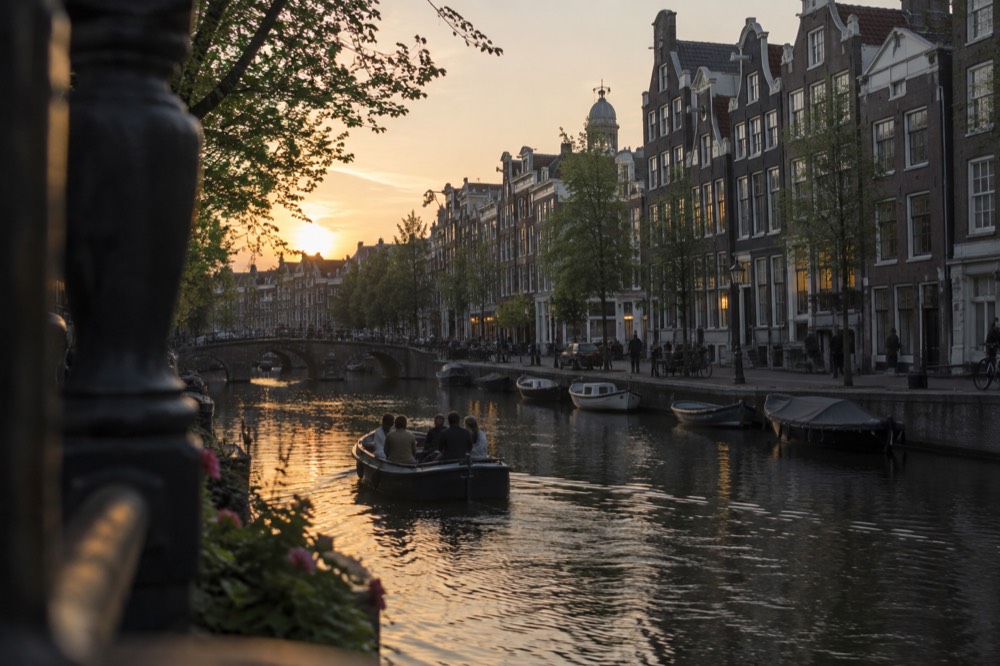
The classic saloon boat cruise is the format where the live-guide factor is strongest. The roster lists the classic saloon boat cruise at $19.56 from, rated 4.8 across 33,435 reviews, with a live guide aboard a restored wooden saloon boat, some sailing since 1902. An hour with a skipper like that is exactly the scenario where a few euros in hand at the dock feels right rather than odd.
For a broader comparison of the free-versus-paid walking tour landscape, including how the pay-what-you-want model works and what a fair contribution looks like, the walking tours guide breaks it down tour by tour.
What About Taxis, Hotels And Coffeeshops?
Taxis and hotels follow the same low-expectation pattern as restaurants: nothing is required, rounding up is a kindness. Taxi drivers will not blink at exact payment, hotel porters may receive a euro or two per bag if you want, and housekeeping staff are rarely tipped at all in the Netherlands. Coffeeshops operate on counter service, so the entire concept of tipping does not apply.
Taxis first. The meter price is the price, and the driver has no cultural claim on a percentage. Rounding a fare up to the nearest convenient figure is a friendly move, and handing over the change from cash is common, but a card payment for the exact fare ends the interaction with zero awkwardness. Hotel staff are the quietest corner of Dutch tipping culture: bellhops and porters may get a euro or two per bag if you feel moved, and room cleaning staff are simply not part of a tipping routine here, unlike the United States where leaving cash daily is standard practice.
Coffeeshops, meaning the cannabis-selling establishments, are functionally fast-food counters. You order at the counter, you pay at the counter, you take your seat. There is no table service to reward and no tip jar culture to speak of. The rules worth knowing before visiting one are legal rather than financial, and the coffeeshop rules guide covers them properly, including the fact that the residents-only criterion exists in national policy but is not applied in Amsterdam.
| Tour Or Ticket | Price From | Rating | Reviews | Tip Expected? |
|---|---|---|---|---|
| Van Gogh Museum ticket | $31.00 | 4.7 | 57,096 | No, none at all |
| Heineken Experience ticket | $23.00 | 4.6 | 39,581 | No |
| Classic saloon boat cruise | $19.56 | 4.8 | 33,435 | Small round-up for a great skipper |
| Absolutely Amsterdam free walk | Free to book | 4.88 | 9,527 | Yes, the tip is the payment |
The table shows the pattern in one glance: the only line where a tip carries real weight is the free walk, and the only paid line where a tip is even plausible is the small boat with a live crew. Everything else is a ticket, and tickets in the Netherlands are simply paid.
How Does Amsterdam Compare With Other European Cities?
Amsterdam sits with Germany and Scandinavia in the low-tipping camp of Europe, well below the expectations of France or Spain and nowhere near the tipping economy of the United States. Rounding up is the local vocabulary, percentages are not. A traveller who applies the same "round up or nothing" habit from Berlin or Copenhagen will fit Amsterdam perfectly.
The comparison matters because many visitors combine Amsterdam with Paris or Brussels on one itinerary and assume one rule covers all three. It does not. France builds a service charge into restaurant prices too, but leaving a small extra amount is more woven into the culture there than in the Netherlands. Belgium sits somewhere between. The Netherlands is at the relaxed end: the national habit is rounding up to a convenient figure, and anything beyond a few euros at a restaurant table starts to feel, to Dutch eyes, like a misunderstanding rather than generosity. Servers may even chase you down to return money you "forgot".
There is a quiet honesty to the system that visitors tend to appreciate once they relax into it. The price on the menu is the truth. The wage behind the service is real. The choice to add something is yours alone, and nobody is performing gratitude for it or withholding warmth without it. If you want to read how this plays out across the broader cost picture of a trip, the question of whether Amsterdam is expensive is really a question about taxes, hotel rates and museum tickets rather than about tips, and the full budget arithmetic lives in the site's planning guides.
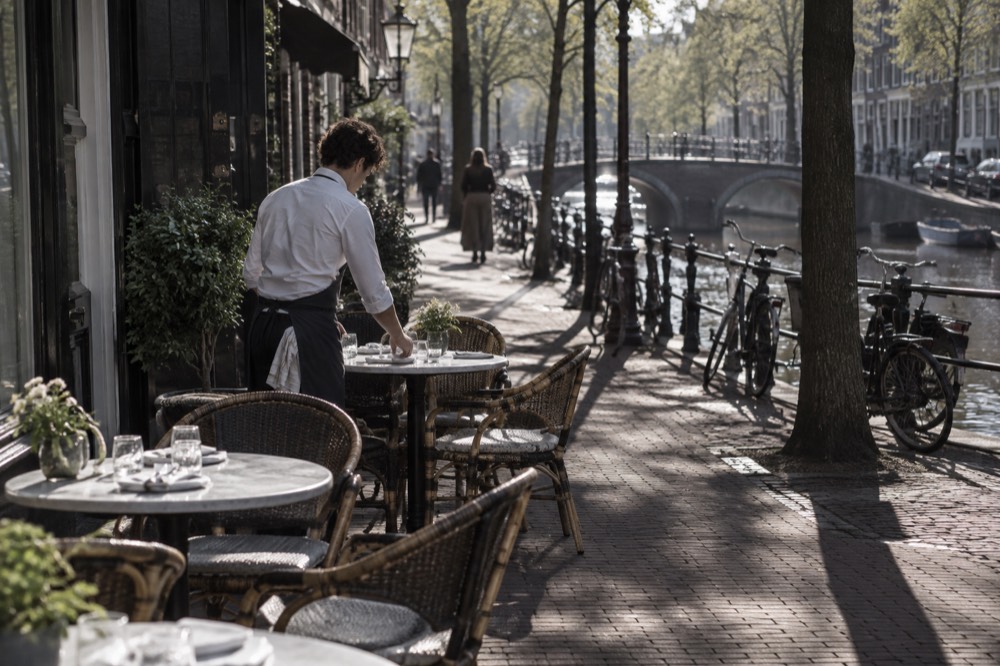
One behaviour to unlearn: the American habit of writing a percentage on the card slip does not exist here, and many terminals will not offer the option. If you want to add something with a card, use the round-up prompt or tell the server the total you intend before they key it in. Cash remains the smoothest way to leave a small thank-you, though the country's shift to card payments means even that is fading.
What Should You Actually Do At The Museum Counter?
Nothing. Museum counters, attraction desks and pre-booked ticket experiences in Amsterdam have no tipping culture whatsoever, and the only real money question there is whether you booked a timed slot before arrival. The Van Gogh Museum, the Rijksmuseum and NEMO all require pre-booked time slots, and the desk staff selling or scanning tickets are not tipped any more than a supermarket cashier would be.
The museum question is worth its own section because it is where the tipping question quietly turns into a logistics question. Visitors ask "should I tip at the museum?" when the thing that will actually shape their day is the timed-entry rule. The Van Gogh Museum requires every visitor, without exception, to pre-book a timed entry ticket, and sessions sell out, particularly in spring and summer. Arriving at the door hoping to buy in is the mistake that costs people their afternoon, not a forgotten tip.
The same logic applies across the big museums. The Rijksmuseum charges €25 for adults, is free for ages 18 and under, and requires a booked start time even for card holders. NEMO charges a flat €21.50 for everyone aged four and over, with a start time on every ticket, though its roof terrace is free to reach without a ticket at all. These are the numbers that belong in your planning spreadsheet; a tip line does not.
| Place | What Staff Expect | What Actually Matters To Your Visit |
|---|---|---|
| Van Gogh Museum | Nothing beyond the ticket price | Pre-booked timed entry; sessions sell out |
| Rijksmuseum | Nothing; €25 adult, free under 18 | A booked start time, required for all visitors |
| NEMO Science Museum | Nothing; flat €21.50 from age 4 | Timed ticket, plus a free roof terrace reachable without one |
| Canal cruise departure point | Nothing for large boats, a few euros for a live skipper if you wish | Choosing your departure dock and format |
If there is a single takeaway for the ticketed half of Amsterdam, it is this: spend your attention on booking, not on tipping. A pre-booked slot at the museum and a table reserved for dinner will smooth your day far more than any amount left on the saucer, and neither involves a moment of social risk. For more on the site's home of Amsterdam planning, Things to Do in Amsterdam collects the full guide library.
Common Questions About Tipping in Amsterdam
Is It Rude Not To Tip In Amsterdam?
No. Dutch restaurant prices legally include service, hospitality staff earn proper wages, and paying exactly the printed bill is completely normal. Rounding up is a friendly gesture locals sometimes make, never an obligation, and no one will judge a visitor for not adding anything.
How Much Should I Tip In A Restaurant In Amsterdam?
Nothing is required. If the service was genuinely excellent, locals typically round the bill up to the nearest five or ten euros. A percentage-style tip of fifteen or twenty percent is an imported habit and would be far more than any Dutch diner would leave.
Do You Tip Taxi Drivers In Amsterdam?
Not required. The meter price is the full fare. Rounding up to the nearest euro or a convenient figure is a common small kindness, especially on a pleasant ride, but paying the exact amount by card ends the trip without any awkwardness.
Do You Tip On A Free Walking Tour In Amsterdam?
Yes, in the sense that the tip is the entire payment. Free tours cost nothing to book, and the guide's income is what the group contributes at the end. Pay what the walk was worth to you; joining and contributing nothing is the one genuinely frowned-upon move in the city's tipping culture.
Is Service Included In Amsterdam Restaurant Prices?
Yes. Dutch law requires service to be included in menu prices, so no separate service charge is added to the bill. The amount printed next to each dish, and the total on the receipt, is the complete amount owed, VAT included.
Do You Tip At Museums And Attractions In Amsterdam?
No. There is no tipping culture at museum counters, attraction desks or ticketed experiences at all. The meaningful money question at Amsterdam's big museums is the timed-entry rule: the Van Gogh Museum, the Rijksmuseum and NEMO all require a pre-booked time slot, and sessions can sell out.