What Is The Famous Rave In Amsterdam?
The famous rave in Amsterdam is the Amsterdam Dance Event, a five-day electronic music festival each October that turns the whole city into a programme of club nights. Here is what it is, when it runs and how to plan around it.
What Is The Famous Rave In Amsterdam?
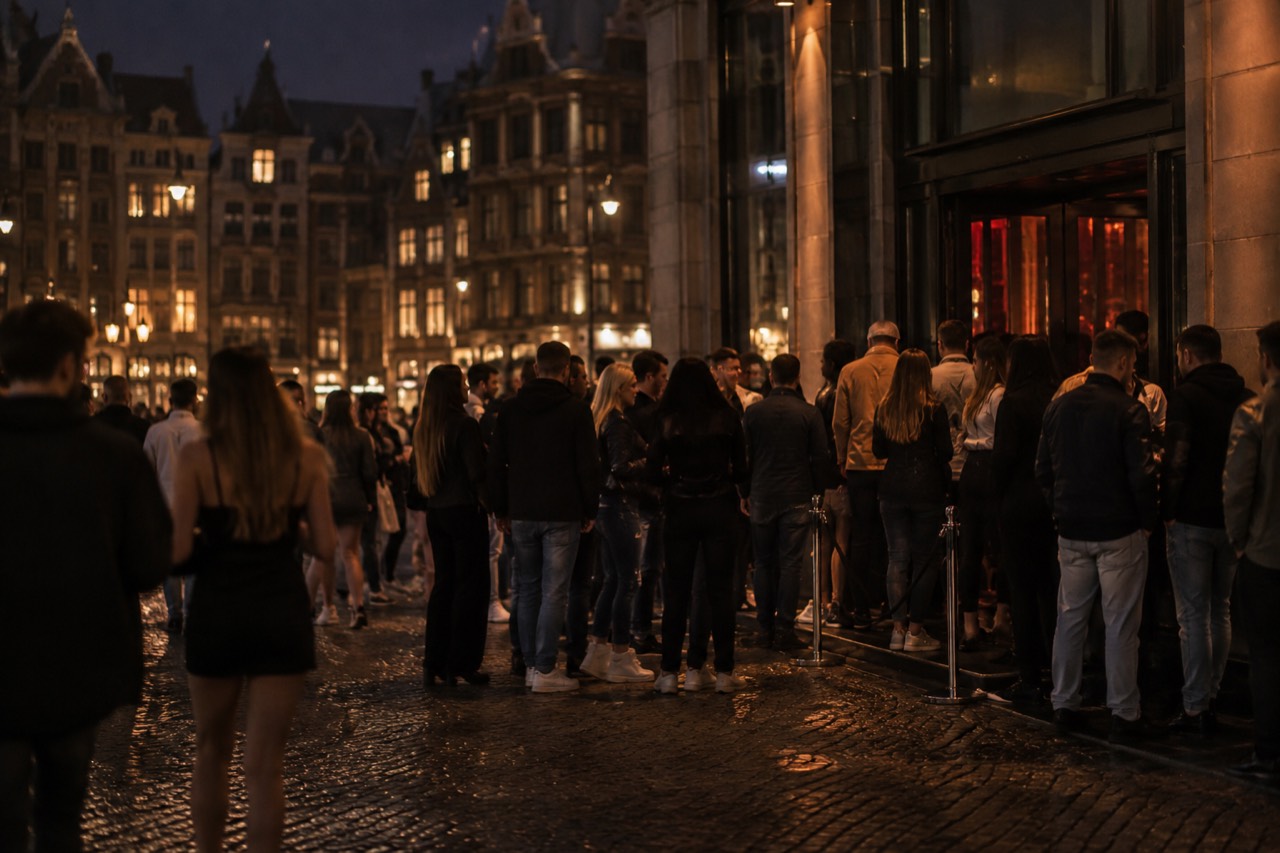
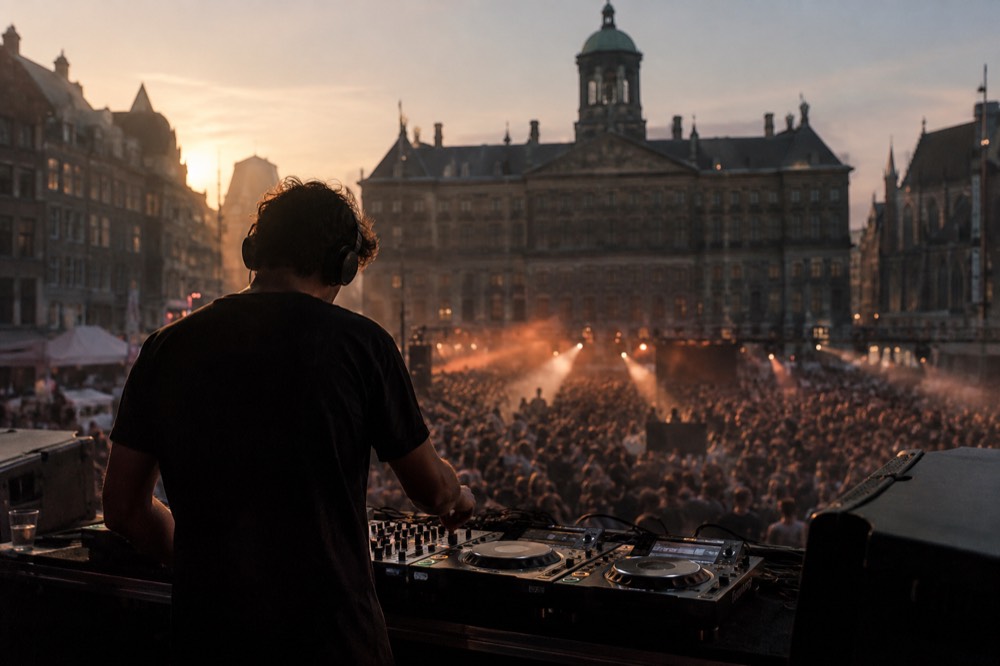
The famous rave in Amsterdam is the Amsterdam Dance Event, known everywhere as ADE: a five-day electronic music festival and conference held each October, whose 2026 edition runs 21 to 25 October and marks its 30th anniversary with around 1,500 artists performing across the city. It is less a single rave than a city-wide takeover, with hundreds of official events spread across clubs, warehouses and concert halls over five nights.
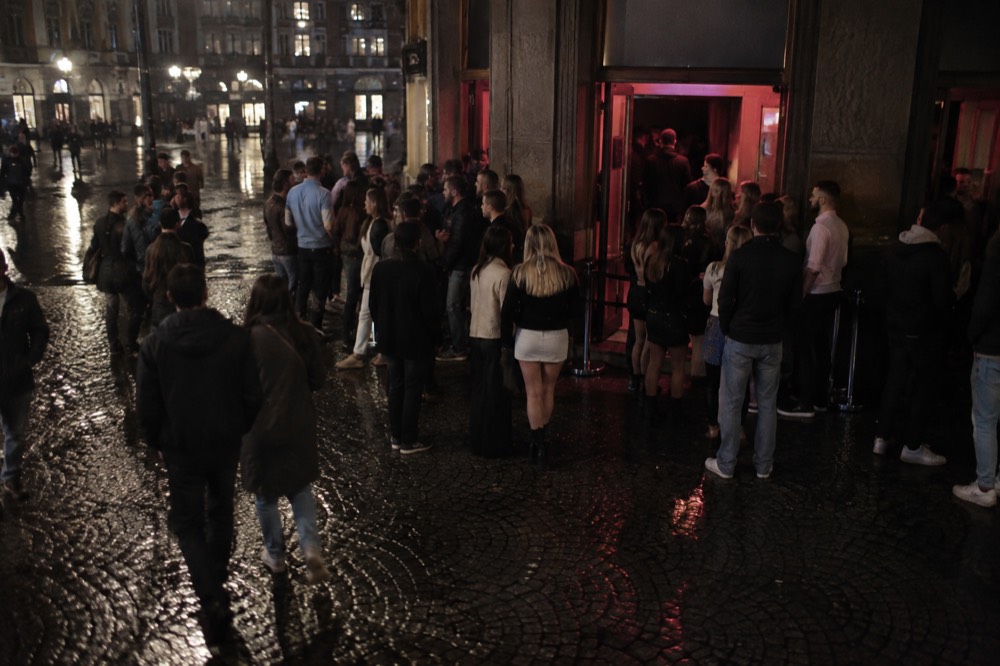
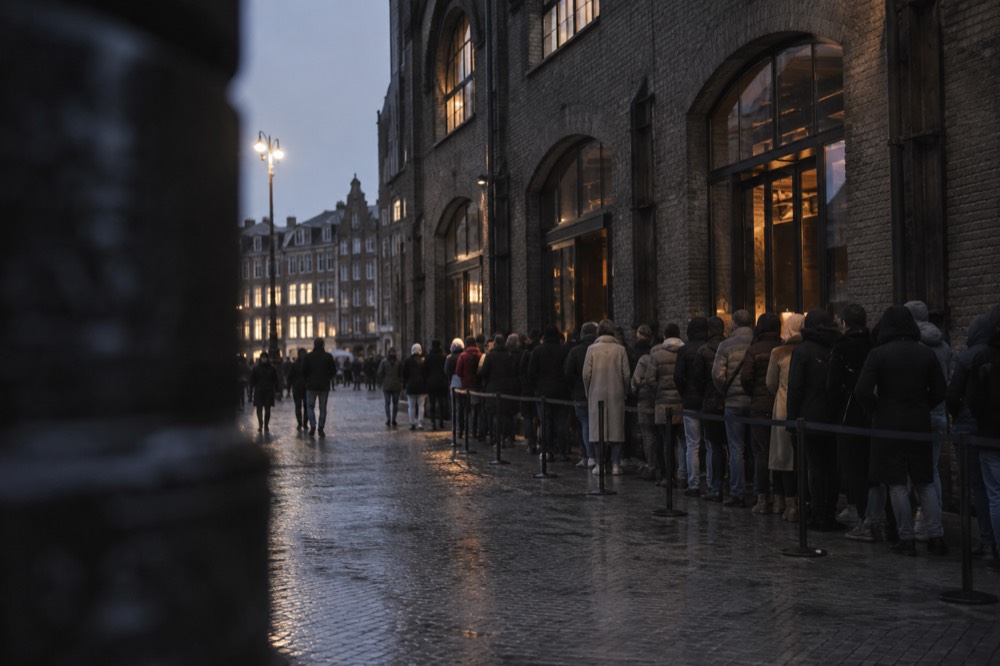
That scale is the whole point. During ADE, Amsterdam's normal club calendar is suspended and replaced by a dense, city-wide programme: an industry conference by day, and a sprawl of ticketed club nights, label showcases and one-off collaborations by night. The event is listed on the city's official events calendar at iamsterdam.com's Amsterdam Dance Event page, which is the place to confirm each year's dates and participating venues. Visitors who arrive in late October without knowing ADE is on often notice it first through the queues.
The festival matters beyond the dance floor. It is one of the largest gatherings of the electronic music industry anywhere, which means the daytime programme of talks and panels draws promoters, labels and artists from around the world. For a visitor, that translates into unusually ambitious line-ups: DJs who normally headline festivals play small rooms, and one-off back-to-back sets appear that exist nowhere else on the calendar. If your trip overlaps those five days, the famous rave is effectively unavoidable, and the smart move is to plan around it rather than stumble into it.
For travellers whose interest in the city does not extend to staying out until 05:00, ADE week still reshapes everything: hotels fill, the centre is busier late at night, and daytime culture becomes the recovery period between nights. That is exactly why this page pairs the festival with the calmer side of the city, and why the selection below mixes a museum ticket, a brewery attraction and a canal cruise: the three things most ADE visitors book for the daylight hours.
When Does Amsterdam Dance Event Happen and How Big Is It?
ADE 2026 runs from Wednesday 21 October to Sunday 25 October 2026, its 30th anniversary edition, with roughly 1,500 artists announced across the programme. The festival always lands in the second half of October, runs five days, and takes over the city's clubs, concert venues and warehouse spaces simultaneously, making it one of the largest electronic music events in the world.
The timing is reliable enough to plan a trip around: late October, midweek start, Sunday finish. That placement has a side effect worth knowing for anyone budgeting a trip: ADE week is one of the more expensive weeks of Amsterdam's autumn to book accommodation, because the industry audience arrives on top of the regular tourist flow. The city recorded 23.7 million tourist overnight stays in 2025, and event weeks like ADE concentrate a large share of the autumn demand into five days. Booking a room months ahead is normal practice for repeat attendees.
The 30th-anniversary framing matters for 2026 specifically. Anniversary editions tend to pull bigger line-ups and more one-off events, and the announcement coverage for the 2026 edition flagged the 1,500-artist figure as part of that scale-up. For a visitor deciding between October and another month, the honest summary is this: if electronic music is the reason you travel, ADE week is the single best week of the year to be in Amsterdam; if it is not, the same week is louder, fuller and pricier than usual, and a week either side delivers the same city with more room to breathe.
There is also a practical rhythm to the five days that first-timers should understand before committing to tickets. The week builds: Wednesday and Thursday carry the conference energy and the smaller label nights, Friday and Saturday are the peak, when the biggest rooms run their headline programmes and the city centre stays loud well past the last tram, and Sunday closes with the long daytime and early-evening events that attendees treat as the gentle landing. Anyone planning a first ADE should weight their budget toward Friday and Saturday, keep Wednesday lighter, and treat Sunday as either a finale or a recovery day depending on stamina.
Which Amsterdam Clubs Host the Biggest ADE Nights?
ADE does not have one headline venue: the programme spreads across dozens of spaces, from the historic concert halls around the centre to the industrial warehouse clubs on the city's edges, with each promoter taking over a different room for the week. The result is a map of Amsterdam's entire club landscape, and the biggest nights sell out well before the festival opens.
The geography is worth understanding before tickets go on sale. The centre contributes the classic venues, the kind that double as tourist sights by day. Further out sit the warehouse and former-industrial spaces that host the heavier, longer programmes, the rooms where the famous all-night sets actually happen. The NDSM wharf across the water in Amsterdam Noord, reachable by ferry, is part of that map too, and the ferry ride itself becomes part of the night for thousands of attendees. A first-time visitor should treat the venue list on the official programme as a transport plan, not just a music schedule, because a single night can involve crossing the city more than once.
Two practical realities shape any ADE night. First, capacity is genuinely limited: warehouse rooms hold far fewer people than the international demand for them, which is why the popular nights disappear from sale within minutes of release. Second, the official programme is only part of the picture; the surrounding week brings unannounced after-hours and label takeovers that circulate by word of mouth, and chasing those is a sport in itself. The dependable strategy is to book two or three anchor nights in advance and leave the rest open.
| Plan | What it involves | Best for |
|---|---|---|
| Anchor nights, booked early | Tickets for two or three headline events bought as soon as sales open | Travellers with must-see artists |
| Conference plus one night out | Daytime industry panels with a single evening event attached | Curious visitors, not full ravers |
| Open-ended week | Arrive with nothing fixed and decide on the ground | Repeat attendees who know the city |
How Do You Get Tickets to the Famous Rave?
ADE tickets are sold per event rather than as one festival pass: each club night is a separate ticketed show released through the official programme in the weeks before the festival, and the biggest nights sell out quickly. There is no single wristband that covers everything, so the practical answer is to follow the official programme, pick a few nights and buy each ticket the moment sales open.
That per-event structure surprises first-time visitors. A festival of this scale works more like a city full of individual concerts than like a site-based festival with a gate. Some events are cheap club nights, some are expensive concert-hall productions, and a few are free or pay-what-you-want late additions. Budgeting therefore depends entirely on which nights you choose: an attendee who buys three warehouse headliners spends many times more than one who buys a single small-room ticket and fills the rest of the week with free and cheap events.
| Ticket type | Typical availability | Notes |
|---|---|---|
| Individual club night | Weeks to months before ADE | Sold per event via the official programme |
| Conference pass | Released ahead of the festival | Covers daytime panels, not club nights |
| Late and pop-up events | During the festival itself | Announced on the ground, some free entry |
One warning worth stating plainly: resold tickets are a recurring problem during ADE week, and a resale ticket that fails at the door costs you the night entirely. Buying through the event's own channels, as listed on the official programme page, is the only dependable route. If a night has sold out, the city's answer is always the same: there are more events than any person can attend, and the unlicensed after-hours economy of the week means a good night rarely depends on one specific ticket.
A second piece of planning advice that saves real money: watch the schedule for the venue as well as the artist. The same DJ can appear twice in one ADE week, once in a small warehouse at a premium price and once in a larger hall at a standard one, and the difference in experience is often smaller than the difference in cost. Attendees who follow artists rather than rooms tend to spend more and see less of the city; attendees who follow rooms tend to stumble into discoveries. The festival rewards curiosity over completism, which is a reasonable philosophy for Amsterdam generally.
What Is Amsterdam's Club Scene Like Outside ADE?
Outside ADE week, Amsterdam keeps one of Europe's most consistent year-round club calendars: the same warehouse rooms, concert venues and basement spaces run programmes every weekend, with the difference that tickets are easier to get, queues are shorter and the city is quieter overall. The famous rave is the peak of a scene that exists all year, not a standalone event.
That is the honest framing for a visitor choosing travel dates. The clubs that host ADE's biggest nights do not close for the rest of the year; they run weekly line-ups, and a random February weekend still delivers a genuine version of the same scene at lower cost and with less competition for tickets. What ADE uniquely offers is density: the chance to see artists who would never normally share a bill, in a single week, in a city small enough to move between venues. What the rest of the year offers is comfort: the same rooms, more space, and the rest of Amsterdam left over for the daytime.
The daytime half of that equation is where this site's usual recommendations slot in. A heavy Amsterdam night is best followed by something slow, and the standard recovery itinerary is a museum morning, a canal cruise and something to eat. The Van Gogh Museum, with its timed-entry tickets starting from $31.00 and a 4.7 rating across 57,096 reviews, is the classic choice, and the museum tickets and skipping the queue guide covers how timed entry works across the city's collections.
For the afternoon stretch, the canal cruise is the other half of the recovery plan. The classic saloon boat cruise, from $19.56 and rated 4.8 across 33,435 reviews, runs an hour on the water through the canal ring, which is roughly the right length of sitting down after four hours of standing in a warehouse. And for a group that wants a nightlife-adjacent activity without the 05:00 finish, the Heineken Experience, from $23.00 and rated 4.6 across 39,581 reviews, is the city's standard brewery attraction, a short walk from the centre. Between them, the three cover the full shape of an Amsterdam day that starts after a late night.
What Rules Should Ravers Know Before a Night Out in Amsterdam?
Amsterdam's nightlife rules are stricter than the party city's reputation suggests: street drinking is prohibited in the city centre, clubs run door policies that can include searches and refusal, and in the core Wallen area weekend rules since April 2023 have closed outdoor terraces at 01:00 and indoor venues at 02:00. Knowing the boundaries before the night starts keeps the evening from ending early.
The city's own visitor guidance, published at amsterdam.nl's How to Amsterdam page, is the plain-language source for this: street drinking is banned in the centre, public urination is prohibited, and the city asks visitors to treat the centre as a residential neighbourhood, which much of it genuinely is. The fine details, like exact ban boundaries and fine amounts, are not published in visitor-friendly form, so the practical rule is simple: drink inside the venue, use the venue's toilets, and keep noise down on the walk between venues. Those three habits cover almost every situation a raver will meet.
The Wallen closing-time rules deserve their own sentence because they surprise people. Since 1 April 2023, the core red-light district area has operated weekend closing rules that end terrace service at 01:00 and indoor hospitality at 02:00, a deliberate measure to calm the busiest part of the centre. The big club spaces outside that core are a different world with their own hours, and ADE nights in particular run far later. The mistake to avoid is assuming one rule covers the whole city: the centre's rules are the strictest, and the further your venue sits from the Wallen, the more the night belongs to the club rather than the street.
Getting home is the other rule-adjacent reality worth planning. Trams and metro run a normal daytime schedule, and the night buses that serve the small hours fill up fast on ADE weekends, so many attendees simply stay out until the first morning services rather than fight for a ride at 03:00. That is a genuinely Amsterdam pattern: the city's compact centre makes long walks feasible, the ferries across to Noord run through the night, and a coat that survives a 40-minute walk at 04:00 is as important a packing decision as the ticket itself. Check the transport options for your venue's district before the night starts, not after the last tram has gone.
For readers planning the rest of the evening, the site's Amsterdam nightlife guide maps the neighbourhoods venue by venue, and the what can I do after 10pm in Amsterdam post covers the city's genuinely late options beyond the clubs. Both are worth a read before an ADE trip, because the festival stretches the late-night city to its fullest and the good decisions are the ones made before midnight. The one-stop overview of everything the city offers, from club nights to canal cruises, sits on the Things to Do in Amsterdam homepage.
Common Questions About the Famous Rave in Amsterdam
What Is The Famous Rave In Amsterdam?
The Amsterdam Dance Event, known as ADE: a five-day electronic music festival and industry conference held each October. The 2026 edition runs 21 to 25 October and marks the event's 30th anniversary with around 1,500 artists performing across the city's clubs and venues.
Do I need one pass for all of ADE?
No. Each club night is a separate ticketed event sold through the official programme, so you buy tickets per night rather than one festival pass. The conference programme is sold separately from the club events.
Do ADE tickets sell out?
Yes, the biggest nights sell out quickly, sometimes within minutes of release. The dependable strategy is to book two or three anchor nights as soon as sales open and leave room in the schedule for late-announced events.
Is ADE the only time to experience Amsterdam's club scene?
No. The same venues run programmes every weekend of the year. ADE is the densest and most ambitious week, but a weekend in any other month gives you the same rooms with easier tickets and a quieter city.
Can you drink on the street during ADE?
No. Street drinking is prohibited in Amsterdam's city centre, and the rule applies during festival week like any other. Drinking happens inside the venues, and public urination is also prohibited, so plan around the venue's facilities.
What is there to do in Amsterdam during the day after a rave?
The standard recovery day is a museum morning followed by a canal cruise. Timed-entry tickets to the Van Gogh Museum, a classic saloon boat cruise through the canal ring, and a slow lunch cover the daylight hours between nights comfortably.