Nightlife in Amsterdam: An Honest Guide to the City After Dark
Amsterdam after dark is canal cruises with wine, brown cafes that have barely changed in a century, a red-light district with strict tour rules, and a tram network that mostly stops before the bars do. Here is what the city actually offers at night, what it costs, and where the rules trip visitors up.
Short answer
A night out in Amsterdam runs from an evening canal cruise (roster prices from $21 to $40 depending on drinks and food) to small-group walks through the Red Light District, which runs 4.9 across 9,142 reviews from $26. Guided tours there must stop by 22:00 and groups are capped at 15. GVB trams run on a day ticket of €10.00, but late nights need planning.
Amsterdam's night economy is not one scene but several stacked on top of each other. The canal ring goes quiet and beautiful after sunset, the brown cafes fill with people who have been drinking in the same room for decades, and the streets around De Wallen get loud enough that the city has had to write actual law about how tours may behave there. The 23.7 million tourist overnight stays recorded in Amsterdam in 2025, a figure published by the city's own statistics office, mean the night is crowded in a way it was not ten years ago, and the city has responded with rules rather than expansion.
This guide walks through the parts of the night that visitors actually plan: the evening cruises, the Red Light District, coffeeshops, the bars locals drink in, the closing times that surprise people, and the transport gap between midnight and the first tram. Prices for bookable tours come from live listings and are stated as listed; museum and transport figures come from official sources.
What Does Nightlife in Amsterdam Actually Look Like?
Amsterdam's nightlife splits into four distinct layers: the canal ring, which empties and turns into the city's best evening scenery; the brown cafes and bars of the centre and De Pijp, where locals drink; De Wallen and its tour rules; and a club and live-music scene concentrated around Rembrandtplein and Leidseplein. The layers run on different clocks. Cruises finish by late evening, cafes fill from around 20:00, De Wallen tours legally must end by 22:00, and clubs run well past that. Most visitors stitch two or three of these layers into one night, which is exactly why the transport section of this guide matters as much as the drinking sections.
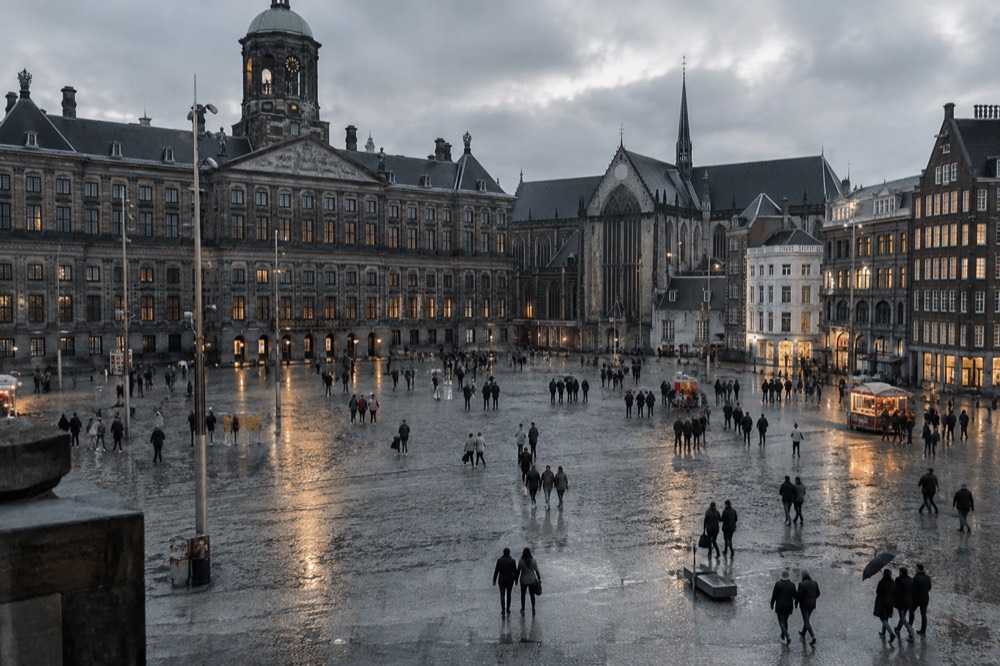
The first thing to understand is that the city centre is small. The walk from Dam Square to Rembrandtplein takes roughly fifteen minutes, and almost everything visitors call "nightlife in Amsterdam" sits inside that triangle plus the Jordaan and De Pijp. That compactness is the reason the night feels dense: the same square kilometre holds the oldest cafes, the loudest tourist bars and the quietest canal-side stretches, sometimes on the same street.
The second thing is that Amsterdam does not have a single "nightlife district" the way some cities do. Rembrandtplein and Leidseplein hold the big bars and clubs, the Jordaan holds the brown cafes, and De Wallen holds the window brothels and the tourists walking past them. If a night out feels wrong for your group, the fix is usually a ten-minute walk in one direction, not a taxi ride across town.
For readers planning the whole stay rather than one night, our three days in Amsterdam itinerary slots an evening cruise and a neighbourhood bar crawl into a wider route, and the red light district guide covers De Wallen in daytime depth.
Which Evening Canal Cruise Should You Book?
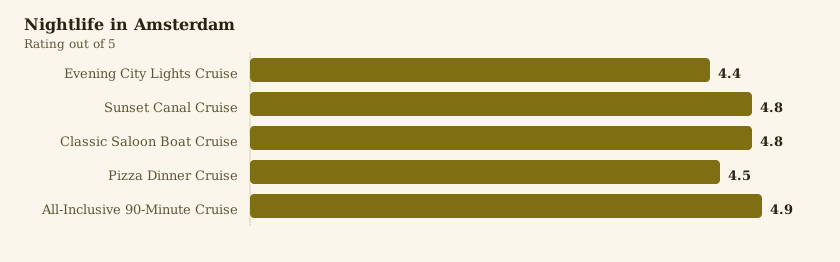
The evening cruise is Amsterdam's most reliable night activity, and the live listings offer a real spread: a basic city-lights cruise runs 4.4 across 23,214 reviews from $21, a sunset cruise runs 4.8 across 4,737 reviews from $23, and a pizza dinner cruise with unlimited drinks runs 4.5 across 3,046 reviews from $40. The differences that matter are duration, what is included, and whether the boat is open or covered. One hour suits a first evening; ninety minutes with food turns the cruise into the night's main event rather than a warm-up.
The cheapest option is not always the right one. The city-lights cruise is a large-boat experience with an audio guide, good for seeing the illuminated canal ring without much interaction. The sunset cruise is a similar format timed to the light. The saloon-boat cruises, such as the classic saloon boat option running 4.6 across 31,369 reviews from $16, put you on a restored late-19th-century wooden boat with a quieter, more local atmosphere, and several run electric engines, so the cruise is near-silent between the commentary.
For groups who want the cruise to be the whole evening, the all-inclusive ninety-minute option runs 4.9 across 18,656 reviews from $29.65 with unlimited beer, wine and Dutch snacks on board. That is a different product from the $21 sightseeing cruise, and the reviews reflect it: people who wanted a floating party rate it far above people who wanted architecture. Decide which of those two evenings you are buying before you compare prices.
| Cruise | Format | Duration | Rating | From |
|---|---|---|---|---|
| Evening City Lights Cruise | Large boat, audio guide, wine option | 1 hour 30 minutes | 4.4 (23,214 reviews) | $21 |
| Sunset Canal Cruise | Timed to sunset, drinks optional | 1 hour | 4.8 (4,737 reviews) | $23 |
| Classic Saloon Boat Cruise | Restored wooden boat, drinks and cheese option | 1 hour | 4.8 (33,435 reviews) | $19.56 |
| Pizza Dinner Cruise | Pizza and unlimited drinks | 1 hour 30 minutes | 4.5 (3,046 reviews) | $40 |
| All-Inclusive 90-Minute Cruise | Unlimited beer, wine and snacks | 1 hour 30 minutes | 4.9 (18,656 reviews) | $29.65 |
One cruise sits outside the sightseeing category entirely. The smoke-and-lounge boat cruise, running 4.7 across 9,862 reviews from $25, is an explicitly smoke-friendly lounge boat: drinks on board, one hour on the water, and a policy that permits what the sightseeing boats forbid. It is one of the few products on the roster aimed squarely at the coffeeshop crowd, and its review volume says the demand is real.
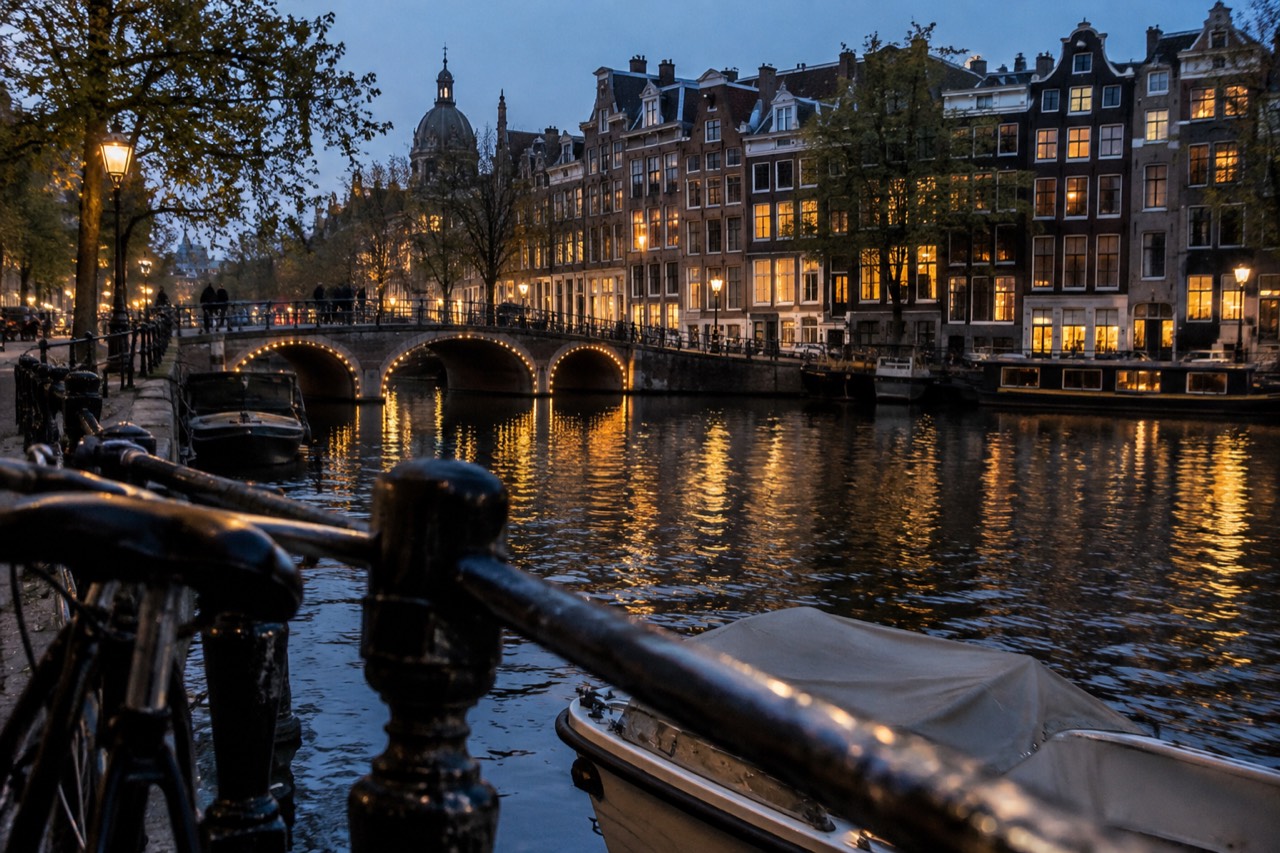
The evening cruise also solves a planning problem that daytime visitors underestimate: the canal ring is genuinely at its best after dark, when the bridge lights come on and the crowds thin. If you only have one evening, a cruise plus a brown cafe afterwards is the most Amsterdam night it is possible to assemble without a club.
Is the Red Light District Worth Visiting at Night?
De Wallen at night is walkable, legal and heavily regulated: guided tours are capped at 15 people, must run between 08:00 and 22:00, and may not pass the windows, with fines of €190 for an individual guide and €950 for a company. The small-group guided tour runs 4.9 across 9,142 reviews from $26, and the coffee-shop-combined version runs 4.7 across 4,541 reviews from $27. Independent walking is free and unrestricted, but the tour rules exist because the volume of groups had become a problem for the people who live and work there.
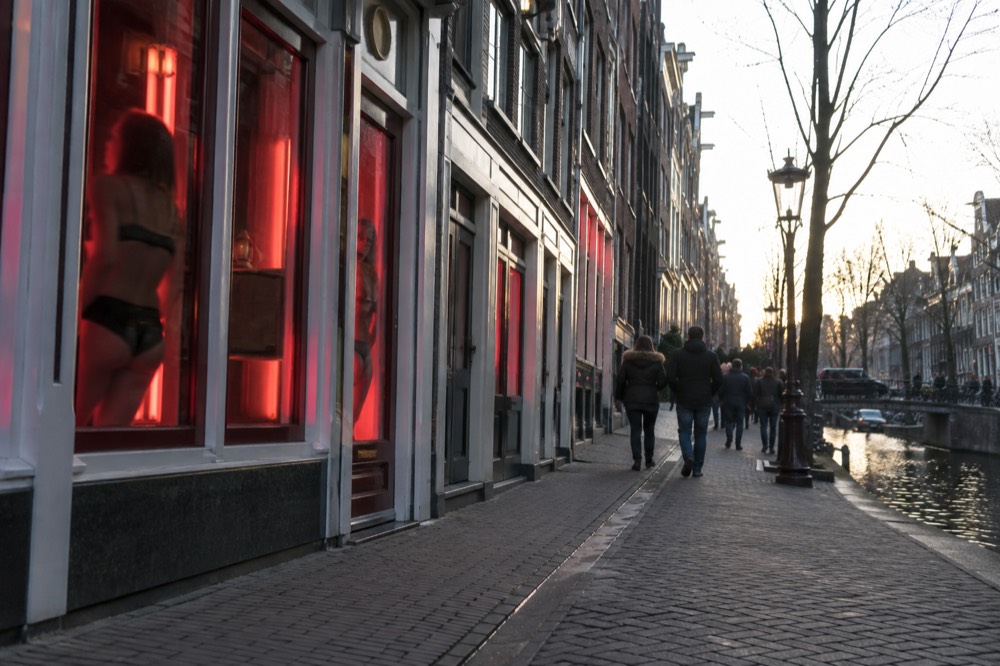
The rules matter to visitors in one direct way: any organised walk you join is on the clock. A tour that starts at 21:00 has one legal hour. The exemption system, which the city requires for groups larger than four, can be revoked after three fines against the operator, so reputable companies take the window rules seriously. The full rules are published on the gemeente Amsterdam tour-rules page, and they are the reason evening red-light tours are short, small and early by design.
Photography is the other rule visitors break constantly. The city's own "How to Amsterdam" campaign asks plainly for no pictures of the windows, and venue staff will confront people who raise a camera. It is a strong enforced norm rather than a statutory fine, but treating it as optional is the fastest way to ruin both your evening and someone else's.
Whether it is "worth it" depends on what you want. As a nightlife district, De Wallen is crowded, touristy and ends early relative to the clubs. As a walk with a guide explaining the history, the economics and the city's decades-long attempt to manage both, it is one of the highest-rated evening products in the city, and the review counts above are the evidence.
If a guided walk appeals but the red-light subject does not, the same small-group format exists across the city's other evening stories, and the history walks in particular pair well with an early dinner before the bars fill. The box below covers the most-booked option of that kind.
Can Tourists Still Visit Coffeeshops at Night?
Yes. The residents-only criterion exists in national drug policy, but Amsterdam has never applied it, so tourists can and do buy cannabis in the city's coffeeshops, with a legal sales cap of 5 grams per person per day and consumption restricted to inside the premises. What has actually changed is where you may smoke it: the city prohibits smoking cannabis outdoors in the centre, including the De Wallen area, so consumption belongs inside the coffeeshop, not on the street. The tolerance policy is published on the national government's gedoogbeleid page.
The nuance trips up both directions of the internet. "Cannabis is legal in Amsterdam" is wrong: it is tolerated under a national policy that sets conditions coffeeshops must meet to keep operating. "Tourists are banned" is equally wrong: the wietpas residents-only rule was never enforced in Amsterdam, and no tourist ban has been implemented. The accurate sentence is the one above, and a guide that says anything simpler is guessing.
At night the practical rules are the same as by day but enforced harder. Buy inside, consume inside, and expect the outdoor-smoking rule to be applied most strictly in the busiest streets, where the city's campaign page on how to behave in Amsterdam is the plain-language source. Alcohol is generally not sold in coffeeshops, most close well before the bars do, and ID checks are routine.
For visitors who want the coffeeshop culture explained rather than just located, the combined red-light and coffee-shop walking tour covers the history of both institutions in one two-hour walk. For everyone else, the smoke-friendly lounge cruise earlier in this guide is the one product that lets you combine the canals and consumption without breaking the outdoor rule.
Where Do Locals Actually Drink at Night?
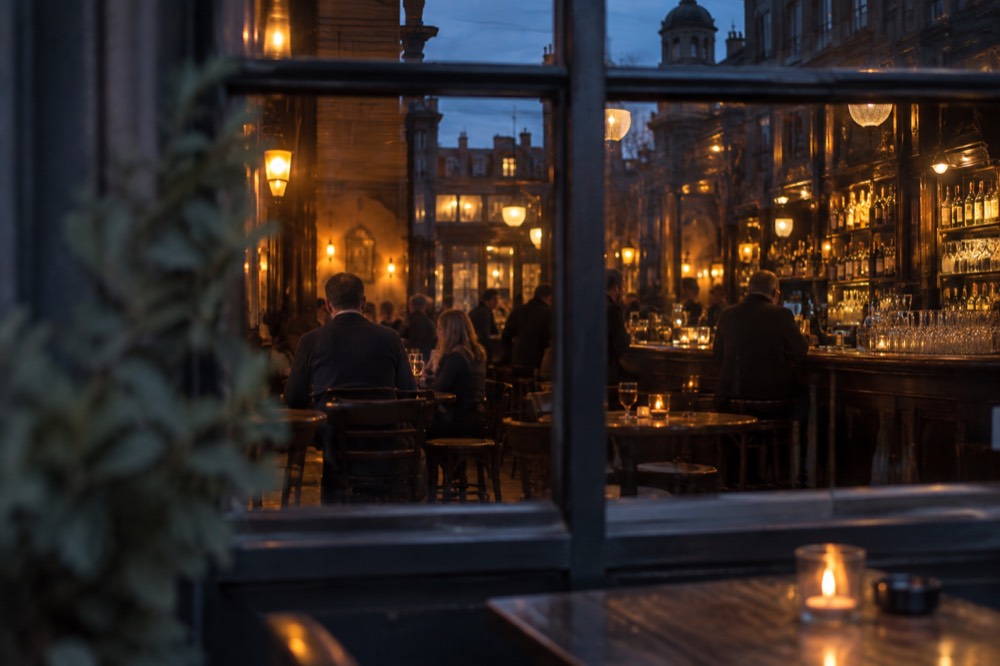
The brown cafe is the local answer to a night out: small, candle-lit, wood-panelled bars, often centuries old, with beer on tap, no music to speak of and a clientele that includes the neighbourhood rather than a tour group. They sit mostly in the Jordaan, the centre and De Pijp, and they cost a fraction of what the Rembrandtplein and Leidseplein venues charge, because they are not selling an experience, just the room itself. The full picture, including what to order and how the bruine kroeg differs from a pub, is in our brown cafes guide.
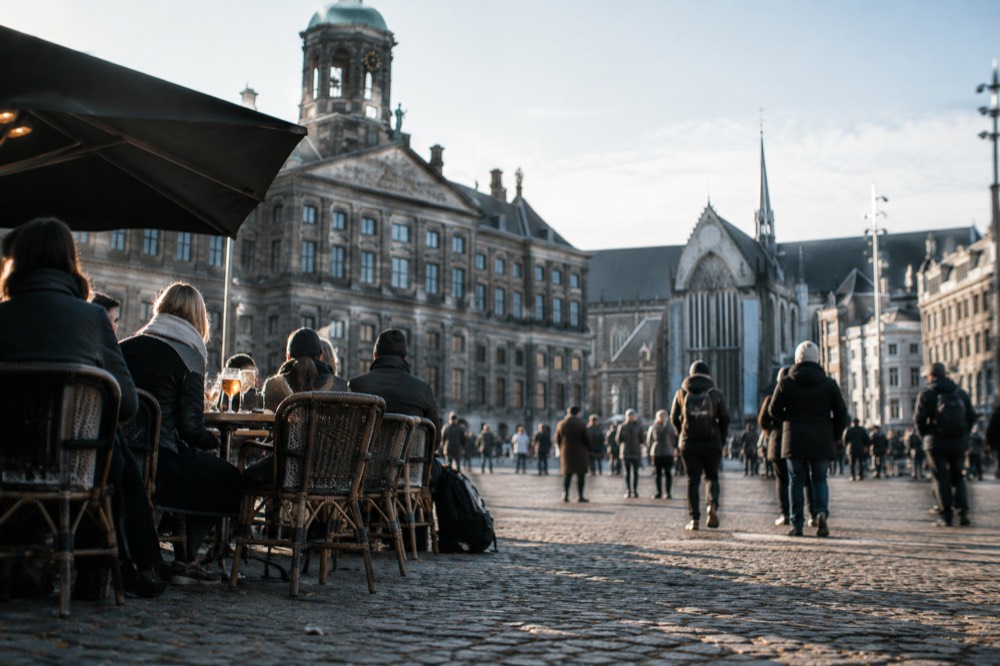
The split between tourist nightlife and local nightlife is geographic and honest. Rembrandtplein and Leidseplein hold the big bars, the terrace crowds and the late-night volume. The Jordaan and the side streets hold the brown cafes, the tasting rooms of smaller breweries, and bars where the barman knows the regulars. Neither is fake, but they are different evenings, and the walk between them is under twenty minutes. The full index of guides sits on Things to Do in Amsterdam.
Beer is the local default, and the Heineken Experience, the interactive attraction inside the brand's original brewery, runs 4.6 across 39,581 reviews from $23 with a duration of about ninety minutes. It closes in the early evening, so it belongs at the start of a night rather than the middle of one. The city's smaller breweries and their taprooms, covered in our Amsterdam beer and breweries guide, are the better fit for a night that continues past dinner.
One planning note that surprises visitors: table service is not the norm in brown cafes. You order at the bar, you pay as you go or at the end depending on the house, and nobody will bring a bill unasked. Tipping is not obligatory in the Netherlands; service is included in menu prices, and rounding up a euro or two is the normal gesture. Our tipping and etiquette in Amsterdam guide covers the details without inventing percentages.
What Time Do Amsterdam Nights Actually End?
Amsterdam nights end earlier than most visitors expect: in the core Wallen area, weekend rules in force since April 2023 close outdoor terraces at 01:00 and indoor hospitality at 02:00, while clubs outside that core run later under their own licences. The city's closing-time policy is neighbourhood-specific, which is why two bars a ten-minute walk apart can shut an hour apart. The council letter setting the Wallen times is published by gemeente Amsterdam.
The practical consequence is that an Amsterdam night has a rhythm, not a single end time. Cafes thin out around midnight, the Wallen terraces empty at 01:00, clubs hit their peak somewhere after that, and the city goes genuinely quiet between about 03:00 and the first trams. Visitors who plan a night like a southern-European one, starting at midnight and finishing at dawn, will find the cafe half of the evening already over.
| Part of the night | Typical window | What is open |
|---|---|---|
| Early evening | 18:00 to 21:00 | Dinner cruises, guided tours (tours in De Wallen must finish by 22:00), cafes filling up |
| Peak evening | 21:00 to 00:00 | Brown cafes, bars, Rembrandtplein and Leidseplein terraces |
| Late night | 00:00 to 02:00 | Bars in the core, clubs under their own licences |
| Wallen weekend rules | 01:00 / 02:00 | Terraces close at 01:00, indoor hospitality at 02:00 in the core area |
| Dead hours | 03:00 to 06:00 | Very little; night buses only |
How Do You Get Home After Midnight?
GVB day tickets cover trams, buses, metro and ferries for €10.00 per 24 hours, but the regular tram and bus network winds down before the bars close, so late-night journeys rely on night buses, contactless OVpay taps or a long walk. The 24-hour ticket is the standard visitor buy, and the fare table is published on the official GVB prices page; contactless tapping works with the same bank card across GVB and the trains, charged per kilometre with a daily cap on the GVB network.
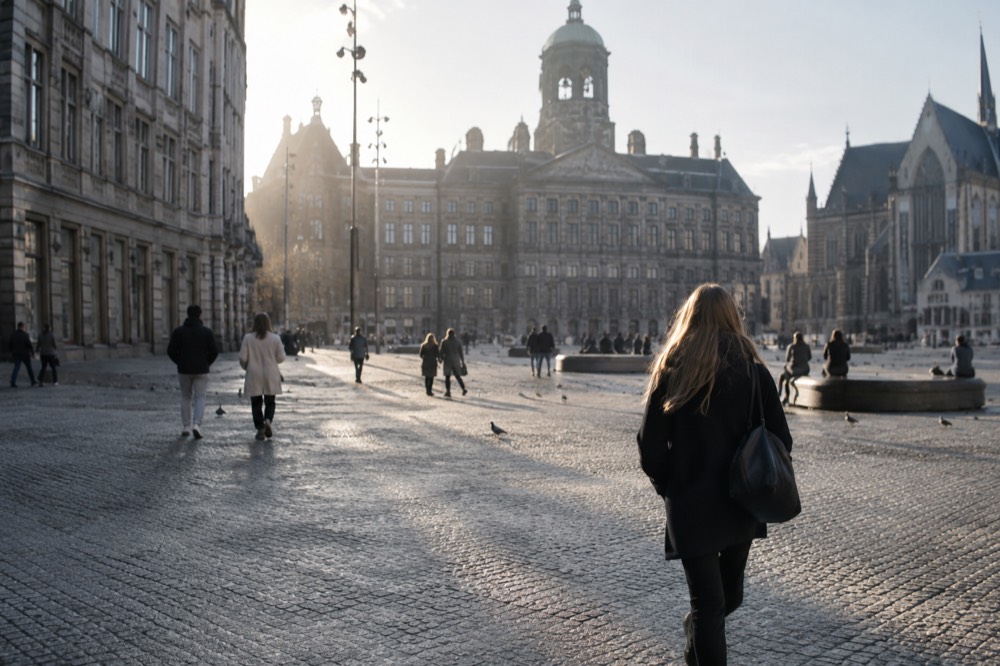
The gap is the thing to plan for. The centre is walkable, and most nightlife sits within a half-hour walk of most centre hotels, which is how locals actually handle the dead hours. For stays further out, the night bus network exists but is sparse, and a taxi from the centre is metered, with no fixed fare to anywhere: Schiphol's own airport page states plainly that you pay whatever the meter says.
| Option | Cost | Notes for night use |
|---|---|---|
| GVB 24-hour day ticket | €10.00 adult, €5.00 child | Valid on trams, buses, metro and ferries; regular services thin out late |
| OVpay contactless | €1.16 base plus €0.217 per km | Tap the same bank card on GVB and NS; daily cap applies on the GVB network |
| Night buses | Standard GVB fares | Sparse network; check the last departure before you rely on it |
| Walking | Free | The centre is compact; most nightlife is within a half-hour walk of centre hotels |
| Taxi | Metered, no fixed fares | Agree nothing in advance except that the meter runs |
One more cost that belongs in any nightlife budget: the tourist tax. Amsterdam charges 12.5 percent of the overnight price on hotels and holiday rentals, a rate set in the 2026 municipal regulation, so the accommodation line of your night out is higher than the sticker price suggests. The rate is published on the gemeente Amsterdam tourist tax page.
What Is On After Dark by Season?
Two events dominate Amsterdam's calendar after dark: Amsterdam Dance Event, the city-wide electronic music festival running 21 to 25 October 2026, and the Amsterdam Light Festival, the canal-based light-art exhibition running 26 November 2026 to 17 January 2027. Both change the character of the night entirely, and both are worth planning a trip around if the dates fit. The dance event turns the whole city into a venue for five days, while the light festival turns the canal ring into an outdoor gallery that pairs naturally with an evening cruise.
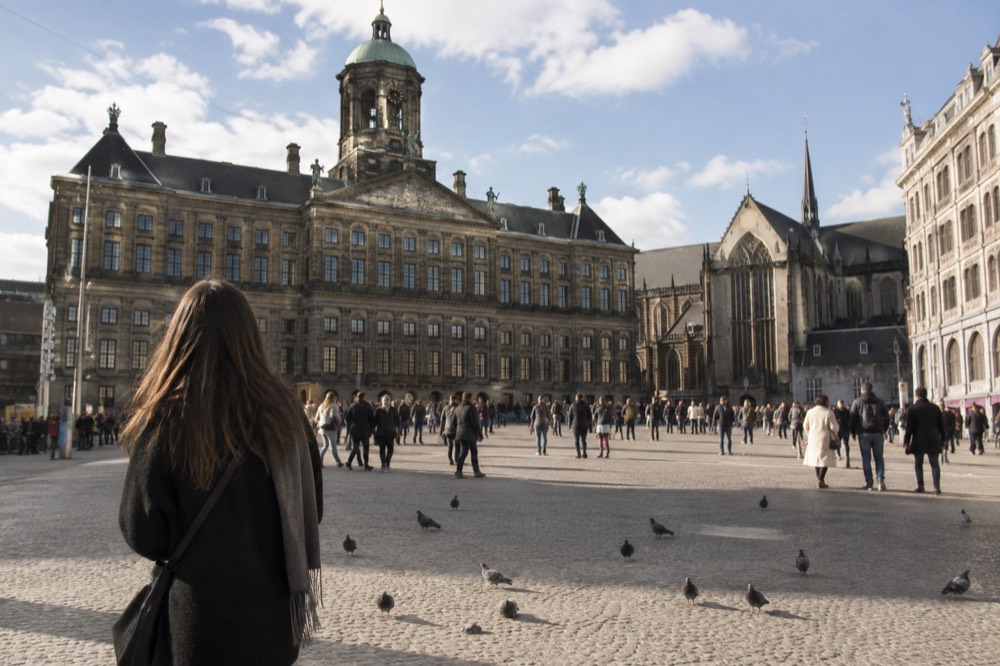
Spring brings King's Day, with the 2027 national celebration falling on Tuesday 27 April, and Amsterdam's version is the street party rather than the royal visit, which in 2027 happens in Lelystad. The night before, Koningsnacht on Monday 26 April, is in practice the bigger night in the city. Summer pushes the whole evening outdoors, with terraces running at full tilt and the canals busy until late.
Winter is the quiet season for clubs but the strongest season for the light festival, and an evening cruise through the illuminated installations is the single best combination of the two. For readers weighing the whole year, our best time to visit Amsterdam guide compares the seasons on price, crowds and weather rather than on any single event.
A Sober Way To End The Night
Not every night in Amsterdam needs to end in a bar, and the city's most popular guided walks are the proof: the small-group history walks outrank almost every drinking product on the roster, and their early finish times make them the natural first half of an evening rather than an afterthought. The Anne Frank small-group walk runs 4.8 across 15,104 reviews from $22, and the one-hour version covers the same Jewish Quarter route in a shorter format at the same price. These are evening-friendly because they end early, they are small by design, and they leave you in the centre with the whole night ahead of you.
The pairing that works is a walk first, then the night. A late-afternoon or early-evening guided walk covers the history while the light is still useful, dinner follows, and the cruise or the brown cafe takes the night from there. Visitors who reverse the order tend to miss the walks entirely, because the tours that fill first are the ones that finish before the bars open properly.
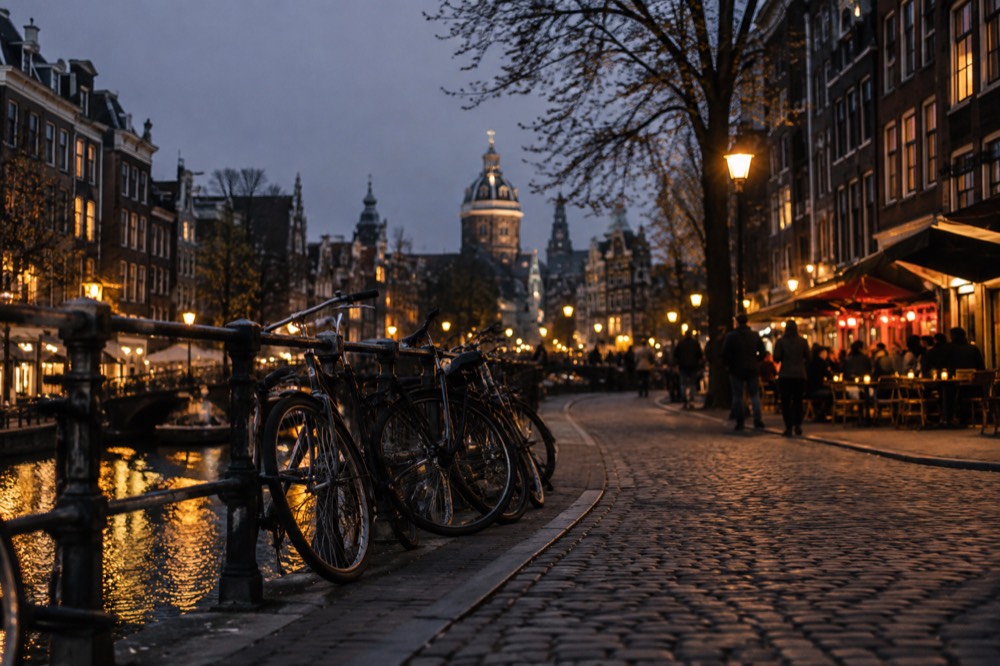
Putting The Night Together
The strongest single evening most visitors can assemble from the live listings runs cruise, then cafe: an early dinner, a sunset or city-lights cruise at around $21 to $23, and a brown cafe afterwards within walking distance of the dock, with the small-group De Wallen walk saved for a separate evening because the 22:00 tour cutoff makes it a pre-dinner activity rather than a post-cruise one. Budget roughly $50 to $70 per person for the paid parts of a full evening before drinks beyond what the cruise includes, and expect the night to be shaped by the closing times, not by your stamina.
The full spread of evening options, from the sightseeing cruise to the all-inclusive party boat to the guided walks, is below. Every listing can be checked live, and most carry free cancellation, so booking ahead costs nothing if plans change.
Common Questions About Nightlife in Amsterdam
Is nightlife in Amsterdam good?
Yes, but it is not one scene. The city offers evening canal cruises rated 4.4 to 4.9 across tens of thousands of reviews, historic brown cafes, small-group guided walks through De Wallen and a club scene around Rembrandtplein and Leidseplein. The catch is the clock: terraces in the core Wallen area close at 01:00 and indoor hospitality at 02:00 on weekends, so Amsterdam nights start and finish earlier than in many southern-European cities.
What time do bars close in Amsterdam?
It depends on the neighbourhood. In the core Wallen area, weekend rules in force since April 2023 close outdoor terraces at 01:00 and indoor venues at 02:00. Clubs elsewhere in the centre operate under their own licences and run later. Brown cafes typically close around midnight to 01:00.
Can you walk around the Red Light District at night?
Yes, walking through De Wallen on your own is free and unrestricted. Organised tours are regulated: groups are capped at 15, tours may only run between 08:00 and 22:00, and no tour may pass the windows, with fines of €190 for a guide and €950 for a company. Photography of the windows is strongly prohibited by the city's respect campaign and enforced by venue staff.
Can tourists smoke cannabis outdoors in Amsterdam at night?
No, not in the city centre. Amsterdam prohibits smoking cannabis outdoors in the centre, including the De Wallen area, so consumption belongs inside the coffeeshops. Tourists can still buy cannabis in coffeeshops: the residents-only rule exists in national policy but has never been applied in Amsterdam, and sales are capped at 5 grams per person per day.
How do I get home late at night in Amsterdam?
The regular tram and bus network winds down before the bars close. A GVB 24-hour day ticket costs €10.00 and covers trams, buses, metro and ferries while services run, and OVpay contactless works with the same bank card. After that, the options are sparse night buses, a metered taxi, or walking: the centre is compact enough that most nightlife sits within a half-hour walk of most centre hotels.
Is an evening canal cruise worth it?
For most visitors, yes. The canal ring is at its best after dark, and the listings show a real range: a city-lights cruise from $21, a sunset cruise from $23, a classic saloon boat from $19.56 and an all-inclusive ninety-minute cruise with unlimited drinks and snacks from $29.65, rated 4.9 across 18,656 reviews. Pick the format that matches the evening you want, sightseeing or floating party, rather than the cheapest ticket.