What Is The Number One Thing To Do In Amsterdam?
The single best thing to do in Amsterdam, according to the city's own visitor data and ticket prices, plus the runners-up worth your time.
What Is The Number One Thing To Do In Amsterdam?
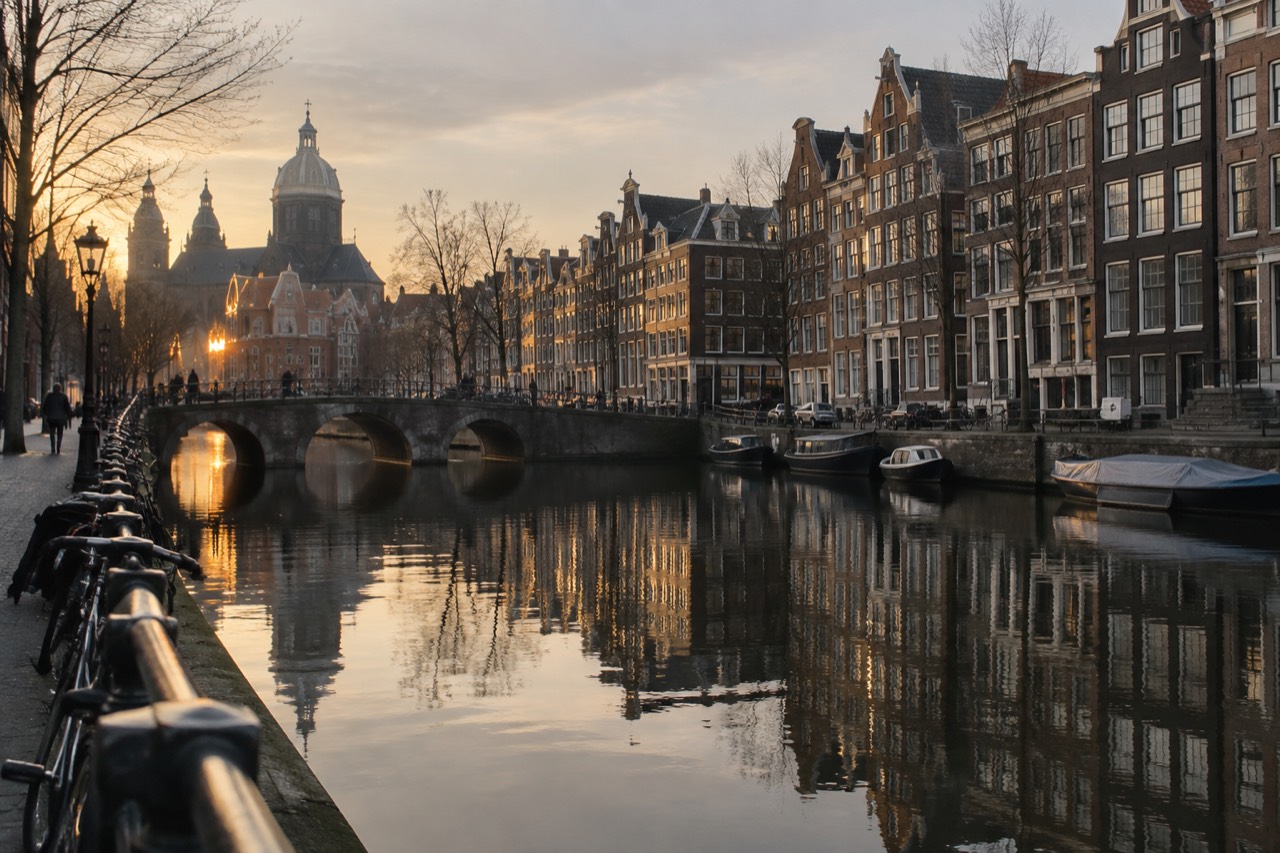
If you only do one thing in Amsterdam, spend an hour on the water: take a canal cruise through the UNESCO-listed seventeenth-century canal ring. The grachtengordel is the city's defining feature, every street view ties back to it, and no museum or neighbourhood delivers the same payoff in a single hour. A classic saloon boat cruise runs about an hour and starts from $19.56 per person. The Van Gogh Museum is the strongest runner-up.
That answer surprises people who expect a museum to top the list. Amsterdam's museums are world class, and we will defend two of them below. But the canal ring is the thing Amsterdam has that no other city has. Venice has canals without the merchant-house architecture on this scale. Bruges has the architecture without the water city. Amsterdam has both, arranged in a deliberate seventeenth-century plan that was expanded around the singel, herengracht, keizersgracht and prinsengracht in concentric loops.
The canal ring earned its UNESCO World Heritage listing precisely because it is a designed urban landscape, not an accident of geography. From the water you read it the way its builders intended: the narrow gabled facades, the houseboat moorings, the leaning warehouses propped on wooden piles, the bridges that stack into the distance. An hour on a boat teaches you more about why Amsterdam looks the way it does than a day of walking, because walking the centre you are inside the frame; on the water you see the frame itself.
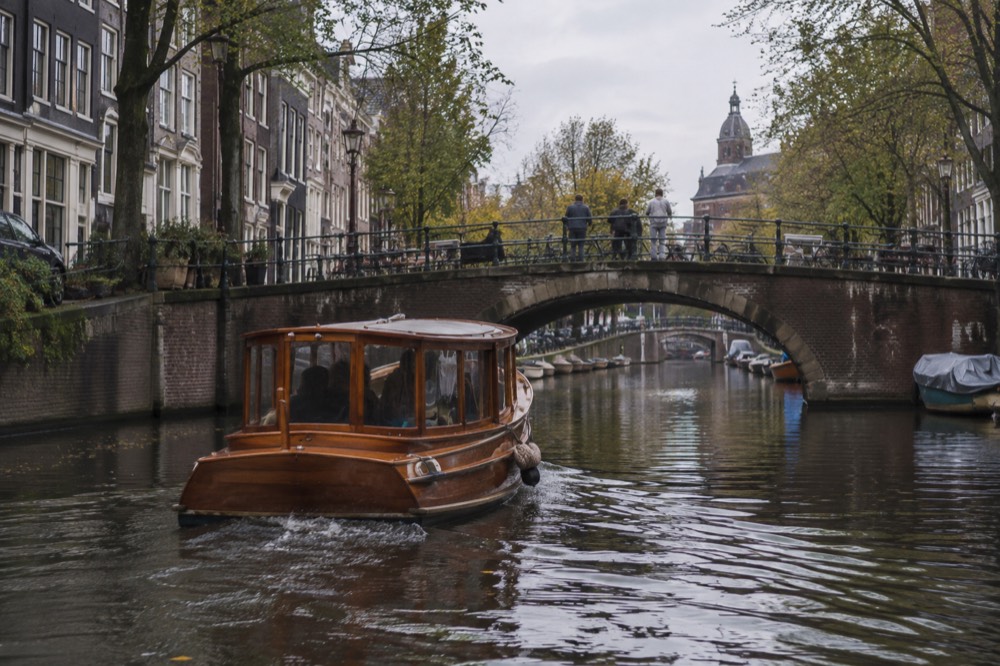
The classic saloon boat option deserves a word, because not every canal cruise is equal. The big glass-topped boats run from Damrak and Rokin in high volume, with recorded audio in nineteen languages. A classic wooden saloon boat, some of which have been sailing these canals since the early twentieth century, carries a live guide instead, and the smaller hull reaches quieter stretches the large boats cannot. The listing for the classic saloon boat cruise shows a 4.8 rating across 33,435 reviews, from $19.56, with an optional cheese and drinks upgrade. Whichever boat you choose, book the first departure of the morning or a sunset slot: the water is calmer, the light is better, and the crowds at the dock are thinner.
Why Does the Canal Ring Beat the Museums?
The canal ring wins on three measures at once: it is the cheapest headline experience in the city, it needs no timed reservation in most cases, and it is the one thing you cannot replicate anywhere else. Museum masterpieces travel on loan; the grachtengordel does not. A cruise costs less than half the price of a major museum ticket and runs from morning to late evening, so it fits any itinerary.
Start with the price comparison, because it is starker than most guides admit. The Rijksmuseum charges adults €25 and the Van Gogh Museum charges adults €25, per the museums' own ticket pages, and both require a pre-booked start time. A one-hour canal cruise from a reputable operator starts from about €15.50 for the basic audio-guide version, and the saloon boat format with a live guide starts from $19.56. For a family of four, that gap compounds fast.
| Experience | From (per adult) | Booking needed | Time needed |
|---|---|---|---|
| Classic saloon boat canal cruise | $19.56 | Recommended, same-day often fine | 1 hour |
| Van Gogh Museum | €25 direct, from $31 via reseller | Timed ticket, mandatory | 2 hours |
| Rijksmuseum | €25 | Timed ticket, mandatory | 2 to 3 hours |
| Heineken Experience | From $23 | Timed slot recommended | 1 hour 30 minutes |
Then there is the uniqueness argument. The Rijksmuseum holds Rembrandt's The Night Watch, and it is a genuine wonder, but Rembrandt canvases hang in London, Berlin and New York too. The Van Gogh Museum holds the world's largest Van Gogh collection, yet Van Gogh paintings travel constantly; a major exhibition in another country can show a dozen of them. The canal ring never travels. It has been the city's working skeleton for four centuries, and the only way to see it properly is to come here and get on a boat.
The third measure is flexibility. Amsterdam itineraries get disrupted: rain arrives, flights land late, jet lag wins. A museum with a booked 10:00 slot punishes you for missing it. Cruises depart every thirty minutes from central docks at most operators, so a canal cruise absorbs a delayed morning without cost. Readers planning a short trip can see our one day in Amsterdam itinerary for how the cruise slots into a tight schedule.
Is the Van Gogh Museum the Real Number One?
For many visitors, yes, and there is a serious case for it: the Van Gogh Museum holds the largest collection of Van Gogh's work in the world, over 200 paintings, 500 drawings and 750 letters, and it rates 4.7 across 57,096 reviews on the live listing, from $31. But it demands planning that the canals do not: every visitor needs a pre-booked timed ticket, and slots sell out weeks ahead in peak season.
The museum's own rules make the point plainly: all visitors are required to pre-book a timed entry ticket, and the adult price is €25 direct from the museum, with under-18s admitted free. That timed-entry rule is not a formality. On busy days the museum sells out entirely, and travellers who arrive hoping to buy at the door are turned away. This is the single most common planning failure we hear about from Amsterdam-bound travellers, ahead of even the Anne Frank House, because people assume a museum this large will always have room.
The collection justifies the effort. Van Gogh spent only a decade as a painter, and the museum arranges his whole arc chronologically: the dark early peasant studies from Nuenen, the explosive colour of the Paris years, the Sunflowers, the wheat fields and the late works from Auvers. Seeing the progression in one building, in roughly the order he painted it, explains why he matters in a way no single borrowed canvas in a foreign exhibition can. If you have one museum day in the city, our a museum day in Amsterdam guide ranks how this one fits against the Rijksmuseum and the Stedelijk.
One honest warning for pass holders: the Van Gogh Museum is not included in the I amsterdam City Card, confirmed by the card's own FAQ and by the museum's ticketing setup. Card holders still need to buy a separate timed ticket. The Anne Frank House is likewise excluded, and its tickets are sold only through the museum's own site at annefrank.org, released six weeks ahead, with no legitimate reseller. No pass or platform can sell you that one.
What Are the Runners-Up Worth Doing?
After the canal ring and the Van Gogh Museum, three experiences fill the podium: the Rijksmuseum for the Dutch Golden Age, the Heineken Experience for a fun, social 90 minutes, and the Anne Frank House for the most affecting hour in the city. Each suits a different traveller, and two of the three need booking well ahead.
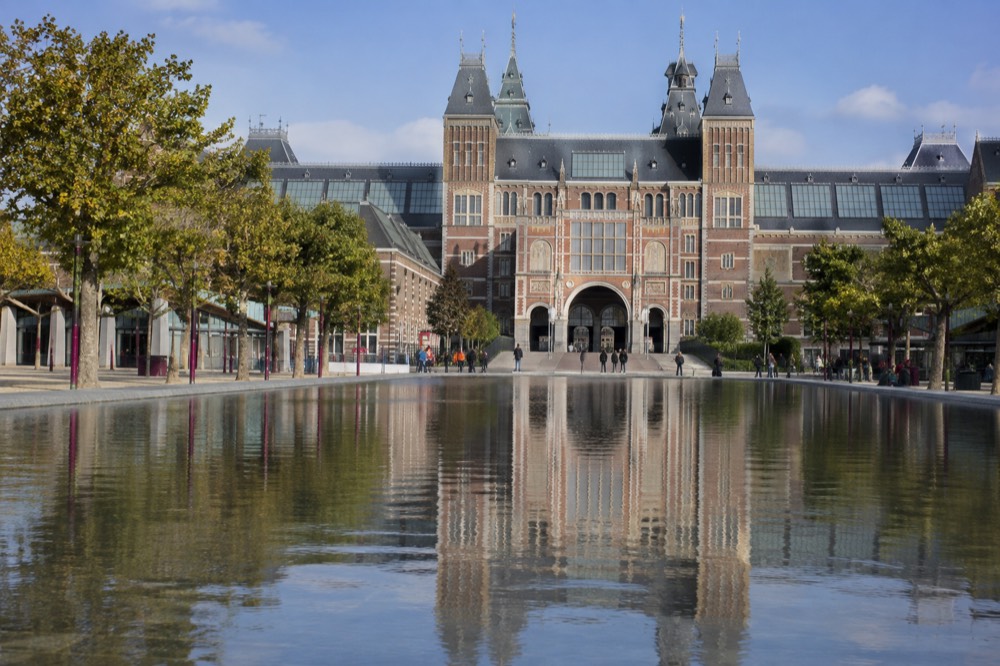
The Rijksmuseum is the counterweight to the Van Gogh. Where the Van Gogh Museum is one artist's story, the Rijksmuseum is a whole nation's, from Vermeer's quiet interiors to the giant Night Watch gallery at its heart. It costs €25, opens every day of the year from 9am to 5pm, and, unlike the Van Gogh, it is included free with the I amsterdam City Card, per the museum's own prices page. Under-18s enter free. A timed start slot is still required, even for card holders. If you are choosing between the two big museums, our Rijksmuseum or Van Gogh comparison breaks the decision down by interest and time.
The Heineken Experience is the fun one, and it earns its place on the podium honestly. Set in the firm's original historic brewery in the centre of Amsterdam, it is an interactive, self-paced 90 minutes with a tasting pour built in, and the live listing rates it 4.6 across 39,581 reviews, from $23. It is not a museum in the serious sense and does not pretend to be; it is a well-made brand attraction that works for groups, rainy afternoons and travellers who have already done their museum quota. The rooftop option adds a view over the city. The rest of the planning pages sit on Things to Do in Amsterdam.
The Anne Frank House is the hardest to book and the hardest to forget, and we list it third here only because availability, not merit, limits most travellers. Adult tickets are €16.50 including the booking fee, sold only via the official site, released on Tuesdays for visits six weeks later, and non-refundable. If your dates align and a slot is open when you look, take it over everything else on this page. A walking tour of the Jewish Quarter is the practical fallback when the house itself is sold out, and it is a walk in the streets, not entry to the house.
How Do You Fit the Top Picks Into One Day?
Pair a morning Van Gogh or Rijksmuseum timed slot with an afternoon or sunset canal cruise, and you have the two headline experiences in one day with about four hours of activity between them. Book the museum first because its slots are fixed, then anchor the cruise to the evening, when the bridges light up and the boats thin out. Add the Heineken Experience only if energy and budget allow.
The mechanics matter more than the order. Museumplein holds the Van Gogh, the Rijksmuseum and the Stedelijk on one square, so a morning there is efficient: one tram ride, two museums if you move fast. The cruise docks cluster around Damrak, Rokin and the Anne Frank House side of Prinsengracht, all within a fifteen-minute walk of the centre. A sunset cruise after a museum morning is the classic combination, and the evening light on the gabled facades is the best photography window of the day.
| Time | Activity | Book ahead? |
|---|---|---|
| 09:00 to 11:00 | Van Gogh Museum (timed slot) | Yes, weeks ahead in season |
| 11:30 to 14:00 | Lunch, then walk the Nine Streets | No |
| 14:30 to 16:00 | Heineken Experience, or Rijksmuseum instead | Recommended |
| Sunset | Classic saloon boat canal cruise | Same day usually fine |
Budget travellers can invert the logic. The canal cruise is the one headline experience that costs under $20, so on a tight daily budget it is the thing you keep and the museums are the things you trim. Our Amsterdam on a budget guide covers the free layer underneath all this: the Begijnof courtyard, the Vondelpark, the ferry across to the NDSM wharf, and the Bloemenmarkt, which costs nothing to browse. Walking costs nothing either, and the canal ring rewards it: the same gables you pass on the boat look completely different at street level, where you notice the hooks on the gable peaks that residents still use to hoist furniture, because staircases in these houses were built too narrow and too steep for anything bigger than a person.
What If You Only Have a Few Hours?
With half a day, the canal cruise is the only headline pick that still fits, because it needs just one hour and no fixed start time. Skip the big museums entirely rather than rushing them: a 40-minute sprint past the Night Watch serves nobody. Walk one canal belt loop on foot, cruise the other, and save the museums for a longer trip.
This is where the number one answer earns its rank. The Van Gogh Museum at a civilised pace needs two hours plus transit, and a rushed visit wastes a €25 ticket. The canal cruise delivers its full value in one uninterrupted hour from a dock you can reach in ten minutes from anywhere in the centre. Travellers on a layover or a cruise stop should read our Amsterdam layover itinerary, which is built around exactly this constraint and puts the cruise at the centre of the plan.
The walk-plus-cruise combination works because the canal ring is legible from both levels. Walk the Herengracht in the morning when the light rakes across the gables and the streets are quiet, then see the same architecture from the water in the afternoon. The two perspectives compound: after an hour on the boat, the walking routes make sense, and the map you were squinting at over coffee becomes obvious. Locals treat the canals as infrastructure, not scenery, and that is exactly why the cruise works: you are watching a functioning water city go about its day, houseboats taking deliveries by barge, bicycles stacked on ferry decks, workboats sharing the channel with the tour boats.
One more note for the short-stay crowd: the city's own data counted 23.7 million tourist overnight stays in 2025, and the forecast for 2026 runs as high as 25.1 million. The centre is busy at almost any hour, and the early-morning and late-evening windows are the only genuinely quiet ones. A first-departure cruise or a 21:00 slot buys you the Amsterdam of the postcards rather than the Amsterdam of the queue.
Common Questions About the Number One Thing to Do in Amsterdam
What Is The Number One Thing To Do In Amsterdam?
A one-hour canal cruise through the UNESCO-listed canal ring. It is the cheapest headline experience in the city, it needs no fixed timed slot, and it is the one thing Amsterdam has that no other city can copy. The classic saloon boat version with a live guide starts from $19.56.
Is the Van Gogh Museum better than a canal cruise?
They serve different moods. The Van Gogh Museum is the strongest single-museum experience in the city, rated 4.7 across 57,096 reviews on the live listing, from $31, but it requires a pre-booked timed ticket and sells out. The cruise is cheaper, more flexible and unique to Amsterdam. Do the museum if you can book a slot; do the cruise regardless.
Which canal cruise should I book?
A classic wooden saloon boat with a live guide beats the large glass-topped audio boats for atmosphere and reaches quieter canal stretches. The classic saloon boat cruise rates 4.8 across 33,435 reviews and starts from $19.56, with an optional cheese and drinks upgrade.
Can I do the top picks in one day?
Yes. Book a morning Van Gogh timed slot, spend midday walking the Nine Streets, and take a sunset cruise. That is roughly four hours of booked activity and the two best experiences the city offers. Add the Heineken Experience only if you have the energy left.
Is the Anne Frank House worth prioritising over everything?
If you can get a ticket, yes. It is the most affecting hour in Amsterdam. But tickets are sold only through the official site, released six weeks ahead, and non-refundable, so most travellers cannot decide to visit on the day. A Jewish Quarter walking tour is the honest fallback, and it does not include entry to the house.
Is the canal ring really worth the hype?
It is a designed UNESCO World Heritage landscape, laid out in the seventeenth century in concentric loops around the old centre. No other city has this combination of water, merchant architecture and scale. Seeing it from the water is the fastest way to understand why Amsterdam looks the way it does.