Where Do Most Tourists Stay In Amsterdam?
Most visitors sleep in Amsterdam's centre and canal ring. This guide maps where the crowds actually book, what the rules now say about apartments, and which neighbourhood suits which trip.
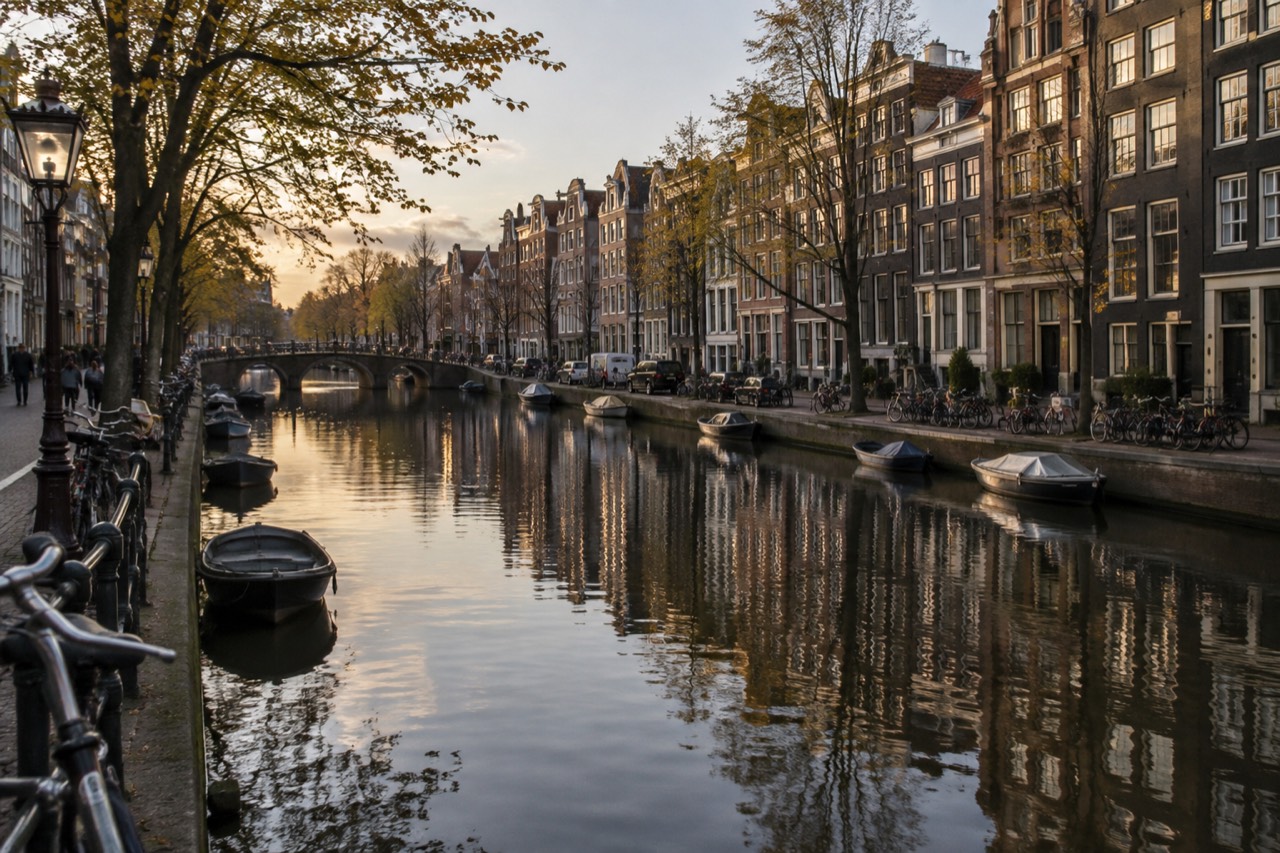
Amsterdam is a small city carrying an enormous number of visitors. The municipal research bureau Onderzoek en Statistiek counted 23.7 million tourist overnight stays in 2025, on top of 21.9 million day visits, and forecasts between 23.7 and 25.1 million overnight stays for 2026. Yet the beds those visitors sleep in are concentrated in a remarkably tight band of streets: the centre, the canal ring and a handful of districts just beyond it. Roughly 41,000 to 42,000 hotel rooms across 544 hotels, plus a regulated stock of holiday apartments, absorb nearly all of it.
That concentration shapes everything about a visit. Prices, noise, walkability and even which rules apply to your rental all depend on which side of the ring you land. This article maps where the majority of tourists actually stay, why those areas dominate, and what the current city rules mean for anyone booking an apartment rather than a hotel.
Where Do Most Tourists Stay In Amsterdam?
Most tourists stay in Amsterdam's historic centre and the canal ring immediately around it, where hotel density is highest. The main clusters are the Centrum district, the Jordaan, and the strip running between Dam Square and the Rijksmuseum, an area that keeps visitors within easy walking distance of the city's best-known sights. Beyond that core, De Pijp, Oud-West and Amsterdam Noord absorb the overflow, and a growing share of new hotel development has crossed the IJ to the northern shore. The city centre is compact enough that most visitors never need more than a tram ride to reach anything on their list, which is precisely why the centre holds the majority of beds and the majority of bookings year after year.
The centre's dominance is partly a matter of geography. Amsterdam's main attractions cluster within a walkable zone: the Royal Palace on Dam Square, the canal belt, the Jordaan, the Red Light District and Museumplein all sit within about thirty minutes on foot of one another. Hotel developers built where the demand was, and the city's hotelstop, the policy of refusing permits for new hotels, has since frozen that pattern in place. No new hotel can be added to the map, so the existing stock in the centre keeps its grip on the market.
The pattern has a second layer. Visitors who want the classic Amsterdam experience book canal-side buildings in the Grachtengordel, the UNESCO-listed ring of seventeenth-century canals. Visitors chasing a lower price drift outward to De Pijp or Oud-West, and a growing share crosses the IJ to Amsterdam Noord, where the former shipyards have become the city's most visible hotel development zone. Our central Amsterdam neighbourhood guide covers the centre street by street.
For context, the numbers from the city's own forecast are stark. CBS recorded 9.5 million accommodation guests in Amsterdam in 2025, the largest increase among major Dutch cities, and the municipal bureau expects guest numbers to keep rising through 2028. Every one of those guests lands somewhere, and the somewhere is overwhelmingly central.
The Centre and the Canal Ring: Where the Beds Are
The Centrum district and the canal ring hold the largest share of Amsterdam's hotel rooms, with beds concentrated around Dam Square, the Damrak, the Nieuwmarkt and the three great canals of the Grachtengordel. This is the historic heart of the city, so staying here puts you within easy walking distance of the major sights while keeping you close to the waterways that define Amsterdam. These are also the most expensive beds in the city, because a 400-year-old building stock, steep staircases and tiny floorplans limit supply while demand keeps climbing every year. A traveller who books here trades money and space for the ability to walk everywhere, and for many visitors that trade is the entire point of the trip.
The canal ring itself is the premium tier. The Herengracht, Keizersgracht and Prinsengracht, dug in the seventeenth century, are lined with merchant houses that have been converted into small hotels, boutique properties and a strictly limited number of licensed holiday apartments. The UNESCO canal ring guide explains what makes the area protected, and the protection is part of the price: the buildings cannot be redeveloped, so the room count is fixed.
A few practical realities matter more than the postcard. Canal-belt buildings are old, and Dutch stairs in them are famously steep and narrow; anyone with heavy luggage or mobility concerns should check whether a hotel has a lift before booking. Street noise along the main canals is real in summer, when terraces stay open late. And the centre is where the tourist tax bites hardest on the bill: the city charges 12.5% of the overnight price, excluding VAT, on hotels and holiday rentals alike, a rate the municipal tax page sets out in full.
The trade is still worth it for many visitors. From a canal-ring bed you can walk to the Anne Frank House, the Jordaan's cafés, the Begijnhof and the flower market without ever boarding a tram. For travellers whose priority is simply being inside the picture, this is where most of them end up, and the occupancy figures say so.
De Wallen and the Red Light District: Staying Inside the Rules
A significant share of central bookings sits in or beside De Wallen, the Red Light District, because it contains some of the cheapest hotel beds inside the ring, but staying there comes with rules that most booking sites never mention. Since April 2023 the core Wallen area closes its outdoor terraces at 01:00 and its indoor hospitality at 02:00 on weekends, and guided tours in the district face their own set of municipal restrictions that shape what any visitor can expect on the streets around their hotel. The area is lively, loud and central, and it is also the neighbourhood where visitor behaviour is most formally regulated.
The tour rules matter even to guests who never take a tour. The city permits guided groups of no more than 15 people, allows tours only between 08:00 and 22:00, and prohibits any tour route from passing the windows where sex workers work. Guides face fines of €190 and companies €950 for breaking these terms. If you are staying in De Wallen and someone offers you a walking tour that stops in front of the windows, that operator is breaking the rules, and the city's own rules for tour permits page is the primary source.
For accommodation itself, the district splits opinion. The streets closest to the Oude Kerk are the loudest, and the closing-time rules mean the noise has a curfew rather than running all night. Two streets east, the atmosphere shifts back to ordinary Amsterdam: quiet canals, brown cafés and some genuinely well-priced hotels. Our Red Light District guide covers the geography block by block, which is the only sensible way to judge a booking here.
Photography deserves a sentence of its own. The city's official respect campaign asks visitors plainly not to photograph the sex workers, and venue staff actively enforce the norm. It is a social rule with teeth rather than a fined statutory offence, but a guest who ignores it will hear about it quickly.
De Pijp, Oud-West and the Museum Quarter: The First Ring Out
The first ring of neighbourhoods outside the centre, De Pijp, Oud-West and the Museum Quarter, absorbs the visitors who want central convenience at a lower price, and together they hold the second-largest share of tourist beds in the city. De Pijp sits behind the Rijksmuseum and the Van Gogh Museum, Oud-West runs west from the Jordaan, and the Museum Quarter itself is the quietest and most expensive of the three. Most bookings here are made by travellers who looked at canal-ring prices and moved one tram stop out, and the trade usually works in their favour.
De Pijp is the value pick of the group. The Albert Cuyp Market runs through its heart, the Sarphatipark gives it green space, and the tram to the centre takes minutes. The housing stock is late nineteenth-century, so rooms are marginally larger and staircases marginally gentler than in the canal belt, though "gentle" is a relative term in Amsterdam. Oud-West adds the Foodhallen, the Kinkerbuurt shopping streets and a growing stock of design-minded hotels in converted industrial buildings. The full index of guides sits on Things to Do in Amsterdam.
The Museum Quarter is where the museum-focused visitor often lands, and the logic is simple: the Rijksmuseum, the Van Gogh Museum and the Stedelijk sit on one square, and the Vondelpark sits behind it. The Rijksmuseum's own practical-info page confirms it opens every day of the year from 9am to 5pm with timed entry, and the Van Gogh Museum requires every visitor to pre-book a timed ticket, so a bed within walking distance turns three timed bookings into an easy morning. The trade is atmosphere: this is a quiet, well-heeled district, not a nightlife one.
One budgeting note belongs here because it affects every district equally. The I amsterdam City Card includes entry to more than 70 museums and locations, unlimited GVB transport and a canal cruise, but the Van Gogh Museum and the Anne Frank House are explicitly excluded, a fact the official card page states directly. A Museum Quarter stay built around the Van Gogh should budget that ticket separately.
Amsterdam Noord and the Eastern Docklands: The New Frontier
Yes, a growing minority of visitors now base themselves in Amsterdam Noord, the area across the IJ behind Centraal Station, and in the Eastern Docklands, where the city's freeze on central hotel construction has pushed new hotel development into these once-overlooked districts. Noord is the clearest case: the free GVB ferry from behind the station runs every few minutes around the clock, and the former NDSM shipyard has become a hub of hotels, restaurants and the STRAAT street art museum. The docklands offer a quieter, water-facing version of the same shift, and both districts are where the city's room growth is actually happening now.
The ferry is the whole argument. It costs nothing, runs day and night, and lands you at the station in minutes, which makes Noord functionally closer to the centre than several neighbourhoods that look closer on the map. The A'DAM Lookout tower, with its observation deck and swing, gives the district its skyline anchor. The area trades canal-postcard charm for space, modern buildings and noticeably lower rates, and travellers who need a lift, a real desk or a room wider than a canal house find it here.
Noord is not for everyone. Coming home late at night means a ferry ride, the district is genuinely industrial in patches, and the atmosphere is creative rather than historic. But for a visitor who wants Amsterdam's museums by day and a quiet bed by night, at a price the centre cannot match, the northern shore has become the standard answer, and the hotel pipeline there is where the city's frozen central stock pushes new supply.
Hotels vs Apartments: What the Rules Now Mean
Most tourist nights in Amsterdam are spent in hotels, but the apartment segment is large and now governed by rules that changed in April 2026, when the city cut the annual rental limit from 30 nights to 15 in eight central neighbourhoods. The cap applies in Burgwallen-Nieuwe Zijde, De Weteringschans, Grachtengordel-West, Grachtengordel-Zuid, the Haarlemmerbuurt, the Jordaan, Nieuwmarkt/Lastage and Oude Pijp. A rental in those districts may host at most four guests at a time, must carry a registration number in every listing, and requires a permit that costs €76.
The practical consequence for a booker is simple: in the most central neighbourhoods, the legal apartment supply just halved, and listings without a registration number are operating outside the rules. The city's holiday rental permit page is the primary source, and checking that a listing shows its registration number before you pay is the single most useful thing an apartment booker can do. The 15-night cap also means central apartments book out faster and price higher than they did two years ago, which pushes value seekers toward the uncut districts outside the designated zone.
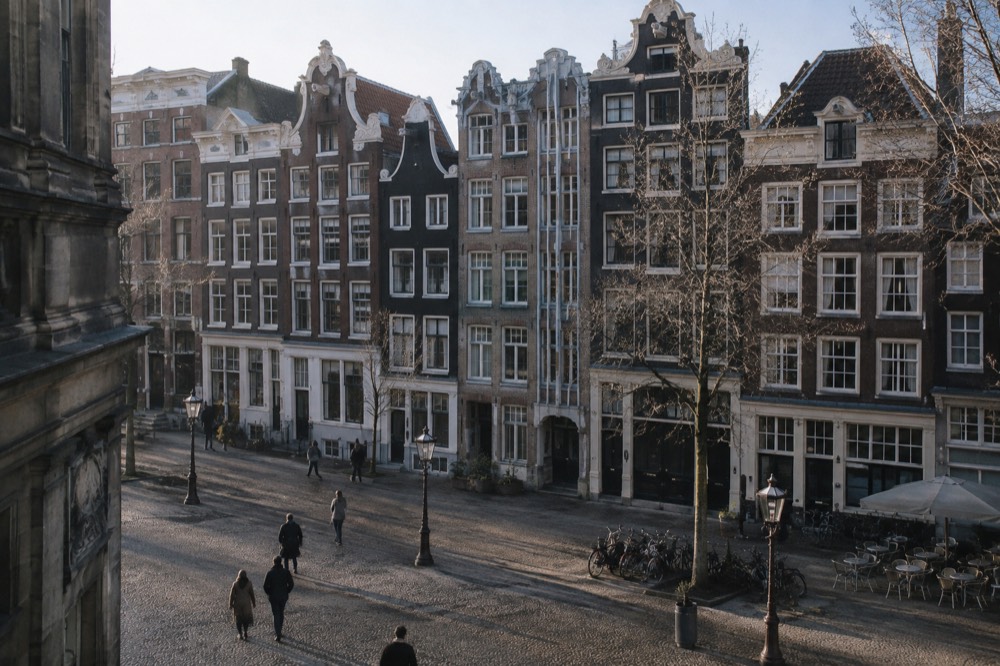
Hotels, by contrast, are unaffected by the rental rules but shaped by the hotelstop: no new hotels are being permitted, so the roughly 544 properties and 41,000 to 42,000 rooms that existed in mid-2025 are essentially the ceiling. With demand forecast to rise through 2028, the arithmetic favours booking early, especially for spring and summer dates. The city's tourism-in-balance ordinance set a 20 million overnight-stay ceiling as a policy aspiration, but 2025's 23.7 million already exceeded it, and the city itself has described the figure as a target rather than an enforceable limit, so no relief on crowding should be expected.
For families and longer stays, the apartment route still works well outside the capped zone, and Oud-West, De Pijp's edges and the eastern districts have the most supply. For a two-night city break, a hotel in the centre or Noord is usually less hassle than verifying a rental's paperwork.
| Area | Typical visitor | Price level | Best for |
|---|---|---|---|
| Centrum and Dam Square | First-time visitors, short stays | Highest | Walking everywhere, minimum transit |
| Grachtengordel canal ring | Couples, special trips | Highest | The postcard experience, canal views |
| De Wallen | Budget and nightlife travellers | Mid | Price inside the centre, late nights |
| Jordaan | Repeat visitors, food-focused | High | Cafés, galleries, quiet canals |
| De Pijp | Value seekers, market lovers | Mid | Lower central prices, Albert Cuyp Market |
| Oud-West | Design-conscious travellers | Mid | Foodhallen, roomier hotels |
| Museum Quarter | Museum-focused visitors | High | Rijksmuseum, Van Gogh, Vondelpark |
| Amsterdam Noord | Longer stays, budget and groups | Lowest | Modern rooms, free ferry to the centre |
How to Choose Where to Stay: Matching the Area to the Trip
Choose the centre for a first visit of two or three nights, the canal ring for a special trip, De Pijp or Oud-West for value, the Museum Quarter for an art-heavy itinerary, and Amsterdam Noord for space, budgets or longer stays. The single question that decides it is what you will do after dinner: if the answer is walk home, stay central; if the answer is a tram or ferry, the outer districts pay you back in price and quiet, and often in room size too.
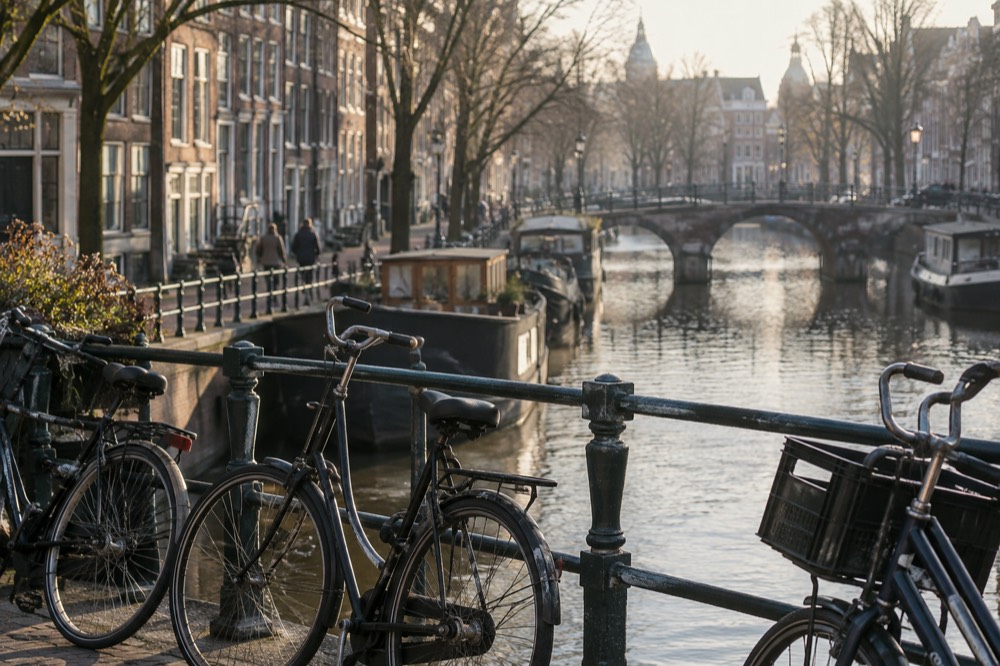
Timing changes the answer more than most guides admit. Spring, around the tulip season that peaks from mid-April to early May, is the tightest booking window of the year, and central rooms sell out weeks ahead. King's Day, on 27 April in 2027, turns the entire centre into a street party, which is either the reason to come or the reason to book Noord. Winter is the opposite: rates drop, the Amsterdam Light Festival runs from late November to mid-January, and a canal-view room costs a fraction of its April price.
| If your trip is... | Book here | Why |
|---|---|---|
| First visit, 2-3 nights | Centrum or canal ring | Everything walkable, no transit learning curve |
| Museum-heavy itinerary | Museum Quarter | Timed entries at three majors, park next door |
| Travelling on a budget | De Pijp or Amsterdam Noord | Lower rates, still under 20 minutes to the centre |
| Family or group trip | Noord or Oud-West | Modern buildings, lifts, real space |
| Romantic weekend | Grachtengordel or Jordaan | Quiet canals, café culture, the classic view |
| Nightlife-focused stay | De Wallen or Rembrandtplein area | Late options on the doorstep, with the 02:00 curfew noted |
A final note on the walking tours that anchor most central stays. The Anne Frank walking tours run through the Jewish Quarter, and the one-hour small-group version is the most-reviewed paid walk of its kind, rated 4.8 across 15,104 reviews and priced from $22. It is a street walk, not entry to the Anne Frank House: the house sells tickets only through its own official site, released on a set weekly schedule, and no reseller or pass can include it. Anyone whose itinerary genuinely hinges on going inside should book the house first and choose the hotel second.
For travellers who want more depth, the two-hour small-group version covers the same quarter at a slower pace, rated 4.9 across 4,680 reviews from $33. Both depart from points in or beside the centre, which is one more quiet argument for sleeping where most tourists sleep: the walks, the ferries, the museums and the markets all radiate from the same small ring of streets. The fuller where to stay in Amsterdam guide breaks each district down in more detail than this overview can.
Common Questions About Where to Stay in Amsterdam
Where Do Most Tourists Stay In Amsterdam?
Most tourists stay in the historic centre and the canal ring around it, with the densest hotel stock in the Centrum district, the Jordaan and the strip between Dam Square and Museumplein. De Pijp, Oud-West and Amsterdam Noord take the overflow at lower prices. The centre's hold on the market is locked in by the city's freeze on new hotel permits.
Is it better to stay in the centre or outside it?
The centre wins for short first visits because everything is walkable. Outer districts like De Pijp and Noord win on price, space and quiet, with tram or ferry rides of roughly 15 to 20 minutes. Choose based on what you plan to do after dinner rather than on the map distance alone.
Is Amsterdam Noord too far from the centre?
No. The free GVB ferry from behind Centraal Station runs every few minutes, day and night, and crosses the IJ in minutes. Functionally, Noord is often closer to the centre than neighbourhoods that look nearer on the map, and its hotel rates are the lowest of the main tourist districts.
Can I still rent an apartment in central Amsterdam?
Yes, but under tighter rules. Since 1 April 2026, eight central neighbourhoods including the Jordaan, the canal ring and Oude Pijp allow a maximum of 15 rental nights per year instead of 30, with at most four guests at a time. Every legal listing must show a registration number, so check for it before you book.
Which area is best for a first visit to Amsterdam?
The Centrum district or the canal ring. From there the Royal Palace, the Anne Frank House, the Jordaan, the Red Light District and Museumplein are all within walking distance or one short tram ride, which removes the transport learning curve from a short trip entirely.
Is the Red Light District a bad place to book a hotel?
It depends on the street. The blocks around the Oude Kerk are loud, though the weekend curfew of 01:00 for terraces and 02:00 indoors limits how late the noise runs. Two streets east the district becomes ordinary quiet Amsterdam, and the hotel beds there are among the cheapest inside the centre.