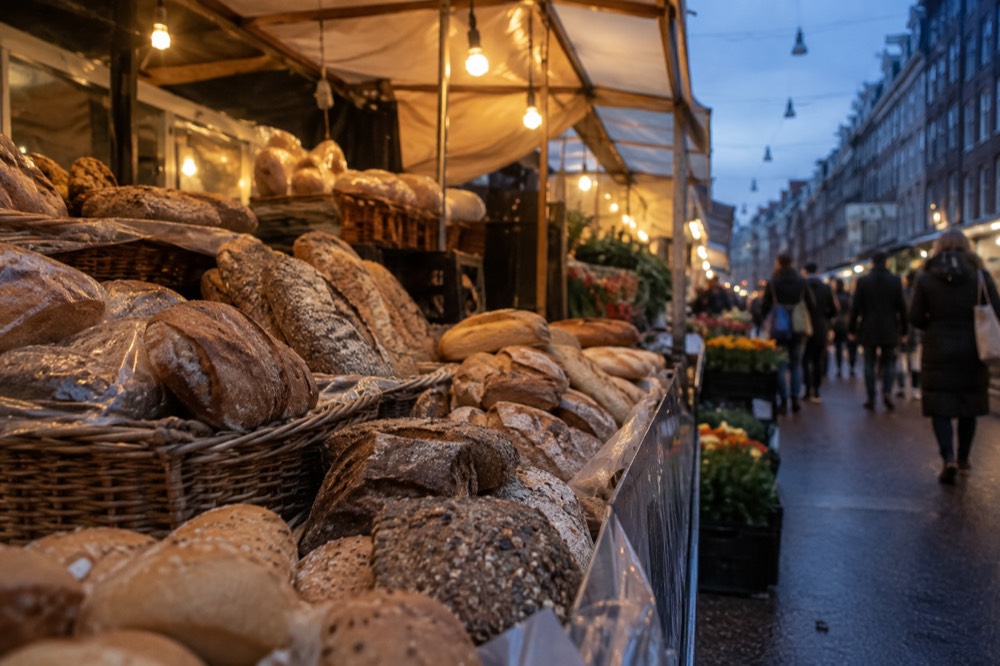
Albert Cuyp Market in Amsterdam: Stalls, Food and What to Expect
The Albert Cuyp Market is the street market most Amsterdam residents actually shop at, a long run of stalls in the middle of De Pijp where the fruit sellers shout, the fishmongers file herring and the smell of stroopwafels drifts over the tram tracks. This guide covers how to reach it, what to eat there and how to fold it into a bigger day.
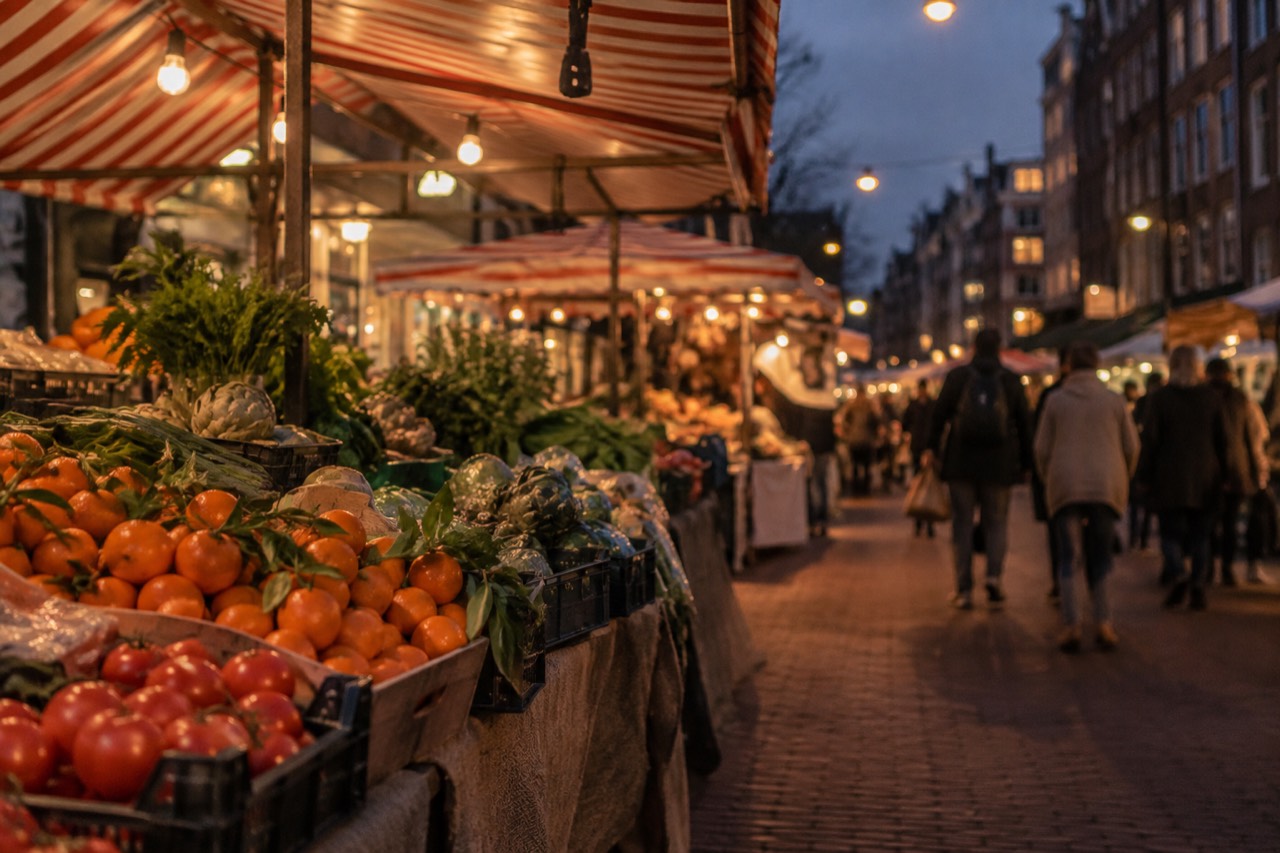
Short answer
The Albert Cuyp Market is Amsterdam's best-known everyday street market, held on the Albert Cuypstraat in the De Pijp neighbourhood. Expect food stalls, cheese, fish, flowers, textiles and bargains rather than a tourist craft fair. Reach it by tram along the Ferdinand Bolstraat or a short walk from Museumplein, and pair it with the Rijksmuseum or a canal cruise.
The Albert Cuyp Market runs down the middle of the Albert Cuypstraat in De Pijp, and it is the market Amsterdammers argue about in the way people argue about their local anything: with affection, and about the fish. It is not a curated craft market for visitors. It is a working street market where the city does its shopping, and that is exactly why it is worth an hour or two of your morning.
This guide from Things to Do in Amsterdam covers what the market is, how to reach it with the city's trams, what to eat and buy there, and how to pair it with the rest of a day in Amsterdam, from Museumplein to the canal cruise docks.
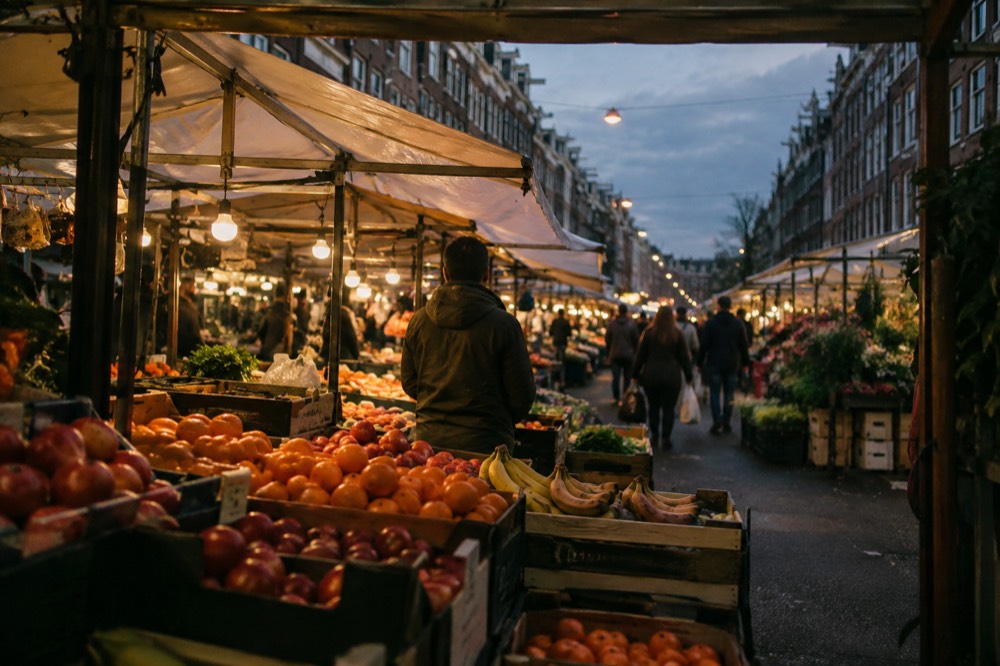
What Is the Albert Cuyp Market?
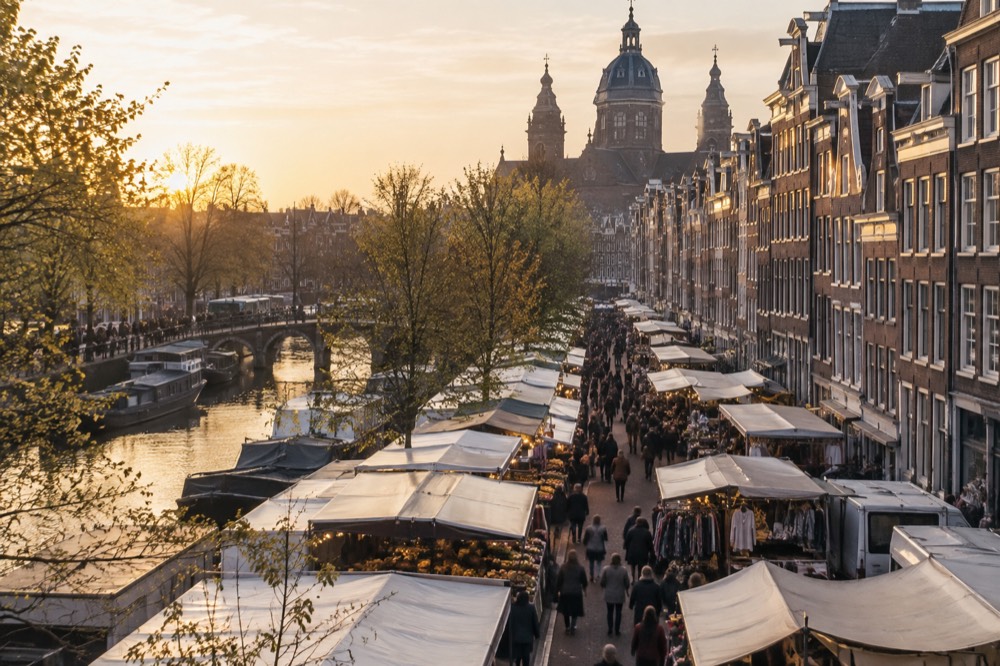
The Albert Cuyp Market is Amsterdam's largest and best-known everyday street market, a long strip of stalls set up along the Albert Cuypstraat in De Pijp, south of the city centre. It sells food, cheese, fish, flowers, clothing and household goods at prices aimed at residents rather than tourists, and it has the noise, smells and pace of a real working market rather than a visitor attraction.
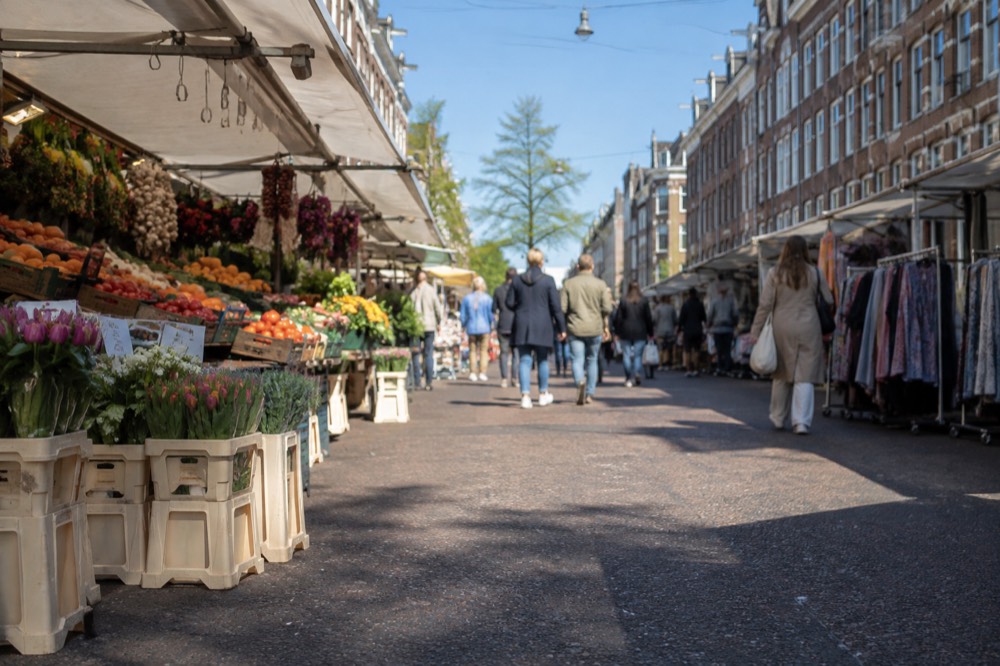
The market takes its name from the 17th-century landscape painter Albert Cuyp, and the street itself carries his name. What began as a cluster of pushcart traders in the late 19th century grew into a fixed market as De Pijp filled with workers and their families, and the neighbourhood's character has stayed stubbornly unpolished ever since. That is the point. Where some Amsterdam sights feel staged for the camera, the Albert Cuyp Market does not, and a visit costs nothing until you decide to buy something.
The atmosphere changes through the day. Mornings belong to locals doing a proper shop: bags of potatoes, whole fish, bunches of tulips. By early afternoon the balance tips toward visitors wandering with a cone of fresh stroopwafels, and the stallholders, who have seen every kind of tourist, keep selling to both crowds without changing their pitch. Go early if you want the local version. Go after noon if you want the relaxed version.
De Pijp itself rewards the walk. The streets around the market are narrow, residential and full of the kind of small cafés, coffee roasters and brown cafés that the canal ring mostly prices out. If you want the neighbourhood's full story, read our De Pijp neighbourhood guide before you go, because the market is one stop inside a district that deserves a whole morning.
Where Is the Albert Cuyp Market and How Do You Get There?
The market sits on the Albert Cuypstraat in De Pijp, roughly a fifteen minute walk south of Museumplein and served directly by several tram routes that stop along the parallel Ferdinand Bolstraat. A single GVB tram ticket costs €3,40 and is valid for one hour, and a 24-hour day pass costs €10.00, so the market is cheap and simple to reach from anywhere on the tram network.
From Amsterdam Centraal, the tram ride to De Pijp takes about fifteen minutes. From Museumplein it is a flat, easy walk down the van Woustraat or through the back streets of the Oude Pijp. Cyclists will find bike racks scattered around the market's edges, though the Albert Cuypstraat itself is closed to through bike traffic on market days, so lock up a street or two away and walk in.
The fare system is simpler than it used to be. GVB accepts OVpay, which means you tap a contactless bank card or phone when you board and tap out when you leave, with a base fare of €1,16 plus €0,217 per kilometre. Alternatively you can buy a one-hour ticket for €3,40 or a day pass from €10.00; the full fare table is published on the official GVB prices page. Children's 24-hour passes cost €5.00.
| Ticket | Price | Best For |
|---|---|---|
| GVB 1-hour single | €3,40 | One tram ride to the market and back within an hour |
| GVB 24-hour day pass | €10,00 adult, €5,00 child | A market morning plus trams elsewhere the same day |
| OVpay contactless | €1,16 base + €0,217 per km | Tap in and out, no ticket machine needed |
| On foot from Museumplein | Free | About a fifteen minute walk, flat and direct |
One planning note: the market street is pedestrian-busy on market days, and the surrounding De Pijp side streets are the classic Amsterdam mix of bikes, trams and delivery vans. The city's official How to Amsterdam guidance is worth a skim before any first visit, because the unwritten rules, bikes first, no walking in cycle lanes, apply double around a market crowd.
If you are building the market into a bigger Amsterdam day rather than a standalone trip, three bookable experiences pair naturally with a De Pijp morning: a museum with timed entry, a brewery experience near the centre, and a canal cruise to close the day.
What to Eat at the Albert Cuyp Market?
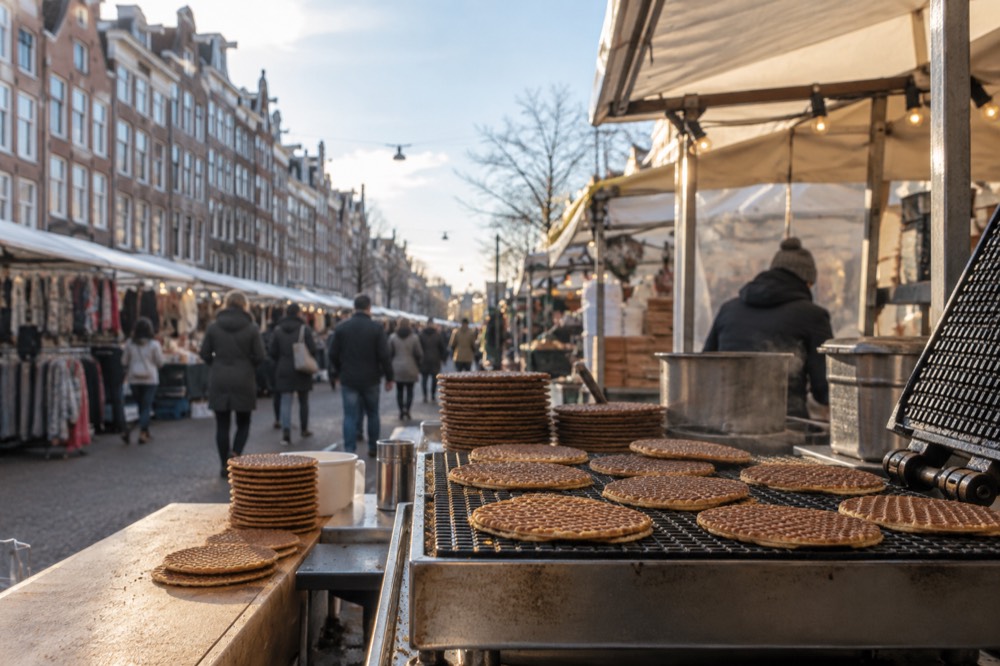
Food is the reason most visitors come, and the market's best buys are the Dutch street classics: fresh stroopwafels pressed warm on the griddle, raw herring with onions from the fishmongers, hot kibbeling (battered fried fish), and wheels of Dutch cheese offered as samples. Prices are market prices rather than museum-café prices, portions are generous, and you can assemble a full walking lunch from four or five stalls for less than a sit-down restaurant.
The stroopwafel stall is the one people queue for, and the queue is the honest kind: the waffles are made in front of you, split, filled with caramel and pressed flat. Eat one while it is still warm and slightly floppy; a bag of cold ones home is a different, lesser experience. The fishmongers sell herring the traditional way, held by the tail and eaten in bites, but they will happily serve it chopped in a bun with onions and pickles for the cautious.
Beyond the classics, the market's produce stalls sell fruit, vegetables, nuts and olives by the heap, and the bread and pastry stalls carry the Dutch baking repertoire: appeltaart, krentenbollen and the rogge breads that most visitors never otherwise encounter. Spice stalls, coffee roasters and a rotating cast of hot-food vendors fill the gaps. Vegetarians and vegans eat well here; the produce, bread and snack stalls outnumber the fish counters.
If the market whets your appetite for Dutch food more broadly, our Dutch food and dishes guide explains what haring, bitterballen and stamppot actually are, and where else in the city to find them done properly. A guided food walk is the other route: the ten-tastings food and culture walking tour covers the same ground with a local guide explaining every bite, rated 5.0 across 1,157 reviews and priced from $92.
How Do You Pair the Market With Amsterdam's Big Sights?
The Albert Cuyp Market sits fifteen minutes on foot from Museumplein, which makes the classic De Pijp morning an easy two-part plan: market stalls first, then the Rijksmuseum or the Van Gogh Museum after lunch. The Van Gogh Museum requires a pre-booked timed entry ticket for every visitor, costs €25 at the museum itself, and the resold entry ticket on our roster starts from $31 with a 4.7 rating across 57,096 reviews.
The Van Gogh Museum is the pairing most first-time visitors choose, and the walk between the two passes through quiet Oude Pijp streets rather than along any tourist corridor. Book the timed ticket before you leave home: the museum states that all visitors, without exception, must pre-book a start time, and slots on popular days sell out. Under-18s enter free, which makes the pairing unusually good value for families.
One thing worth deciding before you book: the museum's own site and the resold ticket cover the same collection, so the choice between them is purely about dates, price and cancellation terms. Read the listing's cancellation policy before you commit, because timed-entry tickets at popular museums are often date-locked, and a market-morning plan only works if the museum slot is fixed for the right afternoon.
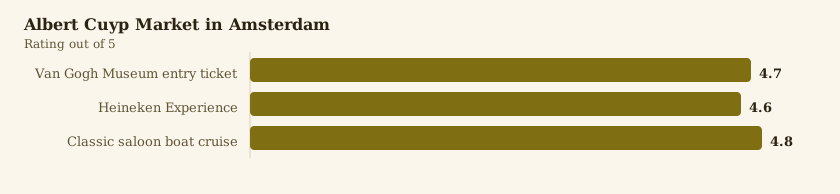
The Heineken Experience makes a lighter afternoon, and it is the same general direction of the city centre. The old brewery's self-guided tour runs about an hour and a half, the ticket on our roster starts from $23, and it carries a 4.6 rating across 39,581 reviews. It suits groups whose interest in Rembrandt is negotiable but whose interest in a beer at the end of a market morning is not.
For the evening, a canal cruise closes the loop. The classic saloon boat cruise runs one hour through the canal ring on a restored wooden boat with a live guide, drinks and Dutch cheese available as an upgrade, and it starts from $19.56 with a 4.8 rating across 33,435 reviews. Rederij Kooij, one of the large cruise operators, publishes its own one-hour audio-guide cruise at €15,50 per adult on its official site, which is a fair benchmark for what a basic cruise should cost before upgrades.
| Experience | Duration | From | Rating |
|---|---|---|---|
| Van Gogh Museum entry ticket | Self-paced, timed entry | $31 | 4.7 (57,096 reviews) |
| Heineken Experience | 1 hour 30 minutes | $23 | 4.6 (39,581 reviews) |
| Classic saloon boat cruise | 1 hour | $19.56 | 4.8 (33,435 reviews) |
When Should You Visit the Albert Cuyp Market?
Visit in the morning, ideally between about nine and eleven, when residents are shopping, the produce is freshest and the fish counters are at their best. The market is not open on Sundays, and the later afternoon sees stalls packing down, so treat the market as a morning activity and schedule the museums or a cruise for after lunch. Weekdays feel local; Saturdays are the busiest and most crowded.
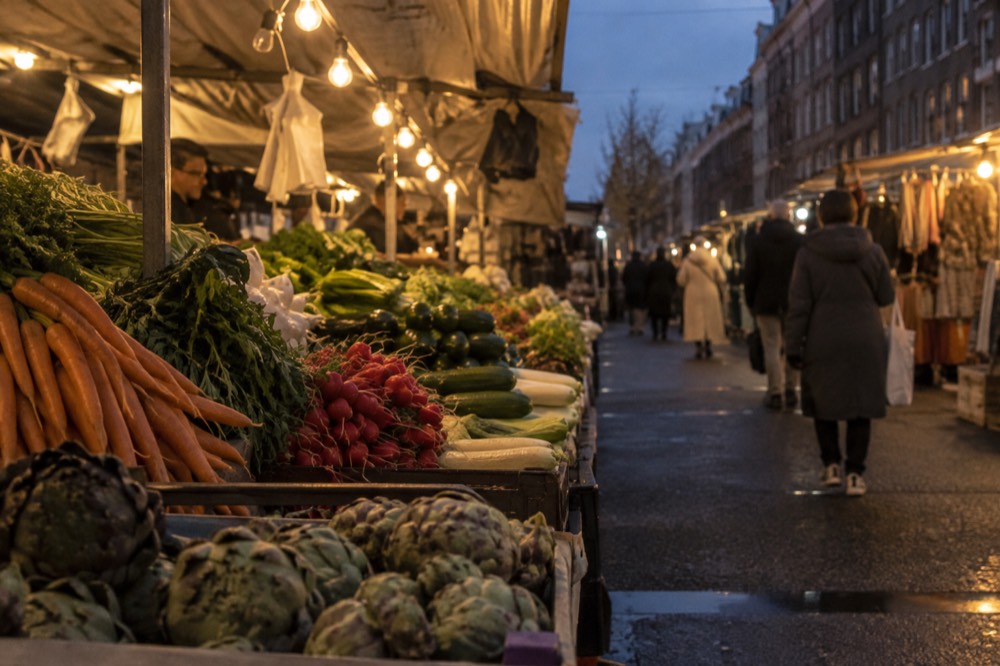
The morning window is not just about atmosphere. Baked goods and fish are morning stock, and the best of both is gone by mid-afternoon. Photographers get more from the early light too: the stall awnings throw long stripes of colour across the street before the crowds thicken. If your only slot is early afternoon, go anyway; the market is still fully operational, just busier and a little warmer.
Rain matters less here than at most Amsterdam attractions, because a good stretch of the market is under awnings and the surrounding cafés are built for shelter. Our rainy day in Amsterdam plan treats the market as a genuine wet-weather stop, and it is right to: a covered stall, a hot stroopwafel and a bench in a brown café is a respectable way to wait out a shower.
What Should You Buy at the Albert Cuyp Market?
Buy the things that are genuinely cheaper or fresher than in the centre: Dutch cheese by the wedge, fresh fruit and vegetables by the bag, flowers and tulip bouquets, roasted nuts, spices, and inexpensive clothing and household goods. Skip the souvenir T-shirts, which are the same everywhere, and be sceptical of any stall claiming bulbs are ready to export; bulb export rules are strict and covered separately in our souvenir guide.
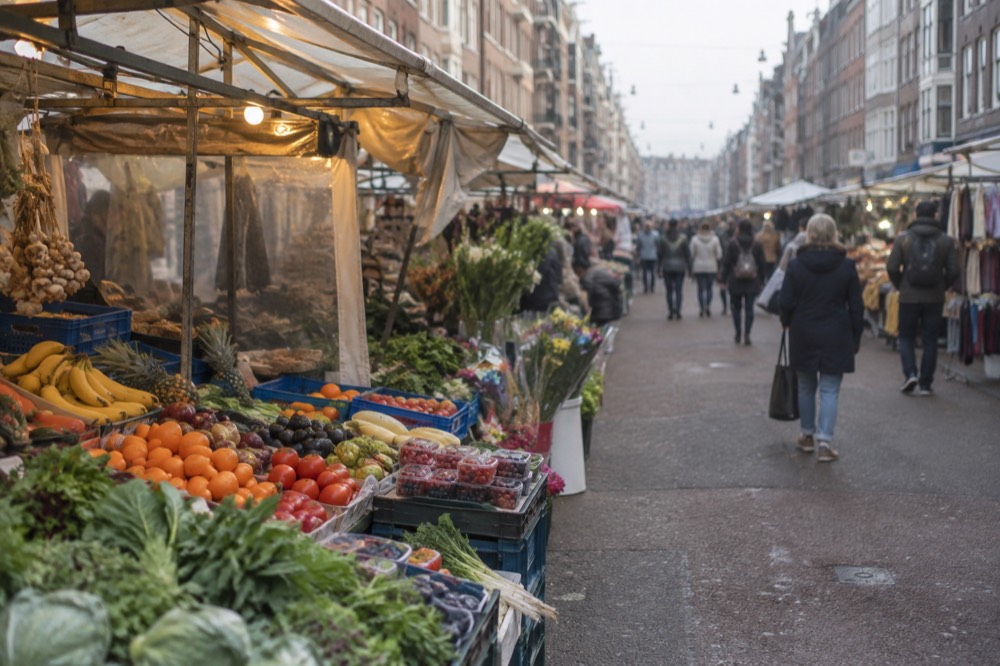
The cheese stalls are the reliable middle ground. They cut and wrap to order, they sample freely, and the cheeses keep well for a day or two in a backpack, which makes them one of the few market buys that travels home intact. Flowers are the other classic: Dutch bouquets are cheap by any European standard, and a bunch of tulips is the souvenir that costs less than a postcard in the centre.
| Category | What to Look For | Worth It for Visitors? |
|---|---|---|
| Street food | Warm stroopwafels, herring, kibbeling | Yes, the core reason to come |
| Cheese | Wedges cut to order, vacuum packing on request | Yes, travels well |
| Produce and nuts | Seasonal fruit, roasted nuts, olives | Yes, for a picnic lunch |
| Flowers | Tulip bouquets, seasonal stems | Yes, cheap by any standard |
| Clothing and household | Basics at resident prices | Only if you need something |
| Generic souvenirs | Printed T-shirts, plastic clogs | No, identical to centre prices |
For a fuller rundown of what is worth carrying home from Amsterdam, including the bulb export question, see our Amsterdam souvenirs guide. The short version for the market: eat here, buy cheese and flowers here, and leave the printed souvenirs alone.
How Does the Albert Cuyp Market Compare With Amsterdam's Other Markets?
Amsterdam has several distinct markets and they do different jobs: the Albert Cuyp Market is the everyday food and bargain market, the Bloemenmarkt is the flower and bulb market aimed at visitors, and the various neighbourhood and vintage markets trade in second-hand clothes, design and food-hall fare. Choosing between them is about what you actually want, not about which is better, because the Albert Cuyp is the only one that functions as a real grocery run.
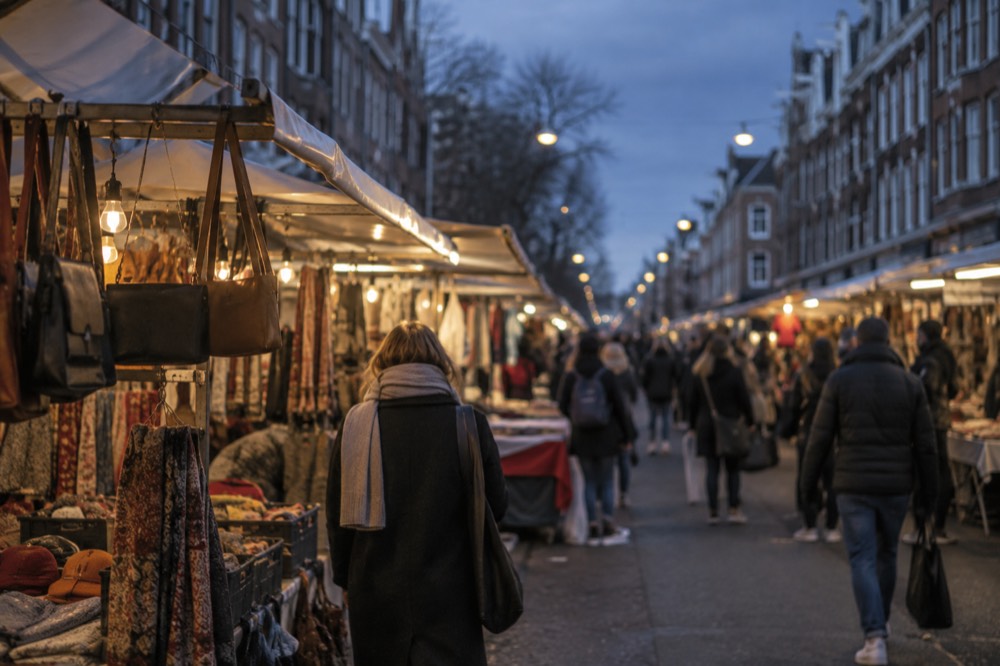
The Bloemenmarkt on the Singel is the one most itineraries mention, and it is worth a walk-by, but it is a flower market for tourists in a way the Albert Cuyp never is. The floating flower market is compact and central; the Albert Cuyp is long, loud and local. If you have time for only one market and you care about food, the Albert Cuyp wins. If you care about tulip bulbs and photographs, the Bloemenmarkt wins.
| Market | Character | Best For |
|---|---|---|
| Albert Cuyp Market, De Pijp | Working street market, food-led | Eating, cheese, flowers, resident prices |
| Bloemenmarkt, Singel | Floating flower stalls, visitor-focused | Tulips, bulbs, a quick central stop |
| Neighbourhood and vintage markets | Rotating, second-hand and design led | Clothes, records, browsing |
Our Amsterdam markets guide maps the full set, including the weekly and seasonal ones that only run certain days, which is the detail most itineraries miss. If your trip falls on a Sunday, when the Albert Cuyp is closed, that guide is the fastest way to find what is open instead.
What Rules and Etiquette Should You Know?
The market is a public street, so the ordinary Amsterdam rules apply: do not walk in the cycle lanes, do not block the tram tracks on Ferdinand Bolstraat, and expect bikes and delivery vehicles to move through the crowd. Street drinking is prohibited in the city centre, photographing stallholders without asking is poor form, and the general respect campaign the city runs, How to Amsterdam, asks visitors to behave like guests in a working neighbourhood.
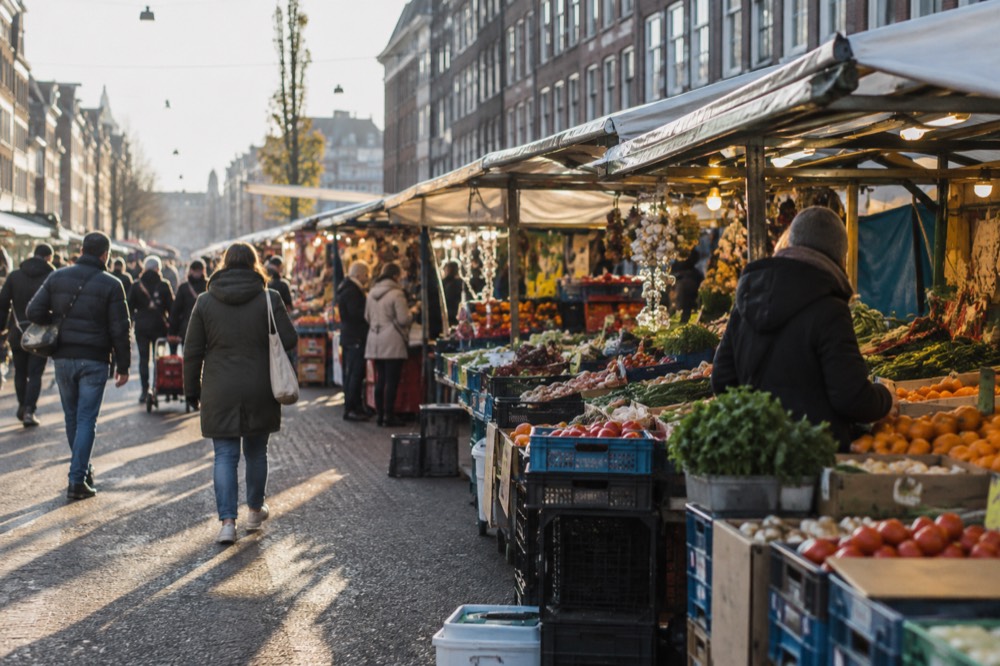
The cycle-lane point deserves emphasis because De Pijp is dense with commuter bike traffic even at market hours. The lanes around the Albert Cuypstraat are active, and a visitor stepping backwards out of a stall into a bike lane is the single most common market incident. Look before you step out of any stall, and keep to the walking side of the street.
Bargaining is not a Dutch market custom the way it is in some countries. Prices at produce and food stalls are marked, and haggling reads as odd rather than savvy. What you can do is buy in volume, a full bag of one thing is often priced better than a mixed handful, and pay small where you can, because market stalls prefer cash or local cards for small amounts.
Common Questions About the Albert Cuyp Market
Where is the Albert Cuyp Market?
On the Albert Cuypstraat in the De Pijp neighbourhood, south of the city centre and about a fifteen minute walk from Museumplein. Several tram routes stop on the parallel Ferdinand Bolstraat, and a single one-hour GVB ticket costs €3,40.
What should I eat at the Albert Cuyp Market?
The Dutch street classics: a warm fresh stroopwafel, raw herring with onions from a fish counter, hot kibbeling, and cheese samples from the cheese stalls. A walking lunch from four or five stalls costs less than a sit-down restaurant meal in the centre.
Is the Albert Cuyp Market open on Sundays?
No, the market does not run on Sundays, and stalls pack down in the later afternoon on trading days. Treat it as a morning activity on any day except Sunday, and pair the afternoon with a museum or a canal cruise.
Is the Albert Cuyp Market worth visiting for tourists?
Yes, if you want the working-city version of Amsterdam rather than another polished attraction. Entry is free, the food is cheap and real, and it pairs naturally with Museumplein, which is a fifteen minute walk away.
Can I combine the Albert Cuyp Market with the Van Gogh Museum?
Yes, easily. The museum is a short walk from the market. Every visitor needs a pre-booked timed entry ticket, under-18s enter free, and the resold entry ticket on our roster starts from $31.
What should I buy at the Albert Cuyp Market?
Cheese cut to order, tulip bouquets, fresh produce and roasted nuts. Skip the generic printed souvenirs, which cost the same as everywhere else in the centre.
The Albert Cuyp Market asks very little of you: a free morning, a one-hour tram ticket and an appetite. Go early, eat the stroopwafel while it is warm, buy the cheese, and be back at Museumplein in time for your timed entry. That is a morning most Amsterdam visitors never manage, and it is one of the reasons the locals keep the argument about the fish going.