Houseboat Museum Amsterdam: A Look Inside Life on the Water
Amsterdam's Houseboat Museum is a small museum aboard a real converted canal boat, moored on the Prinsengracht. It shows, room by room, how thousands of Amsterdammers actually live on the water.
Short answer
The Houseboat Museum is a self-guided museum inside a converted freight ship moored on the Prinsengracht in the Jordaan. A visit takes roughly 45 minutes to an hour. A GVB single fare is €3.40 and a 24-hour day ticket is €10.00, and a one-hour canal cruise starts from about €15.50, so a full water-themed half day costs very little.
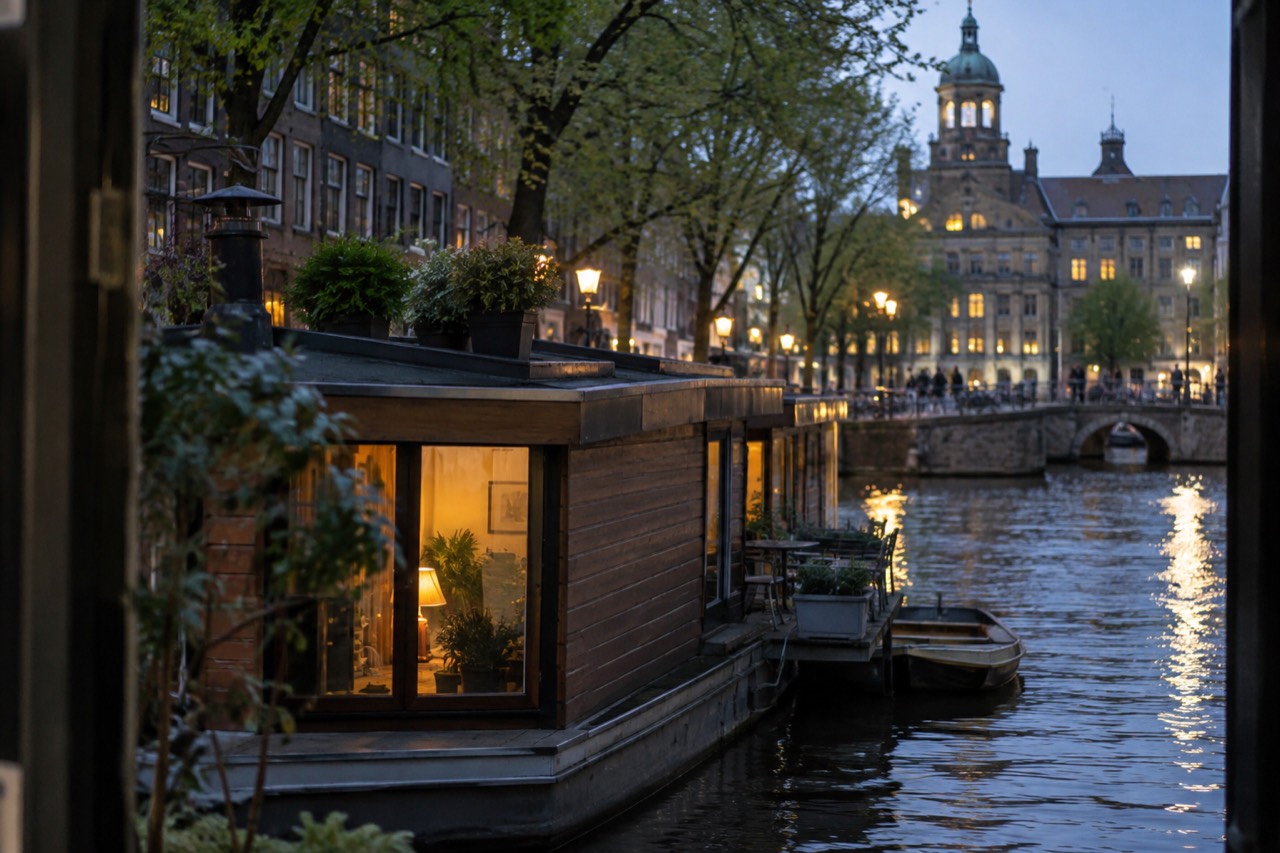
Amsterdam keeps roughly two and a half thousand houseboats? No, that number is one nobody can verify, so it stays out. What can be said with certainty is this: walk any stretch of the Prinsengracht, the Brouwersgracht or the Amstel and you will pass boat after boat with curtains, bicycles on the roof and a letterbox at the gangplank. The Houseboat Museum is the one boat you can walk into without an invitation, a museum whose entire collection is the question of how a family actually lives afloat in the middle of a World Heritage canal ring.
What Is the Houseboat Museum Amsterdam?
The Houseboat Museum is a small, self-guided museum aboard a genuine converted Amsterdam houseboat, moored on the Prinsengracht in the Jordaan, a few doors from the Anne Frank House. Rather than displaying objects behind glass, it preserves an entire floating home, furnished as it was lived in. It is compact, personal and unlike any brick museum in the city.
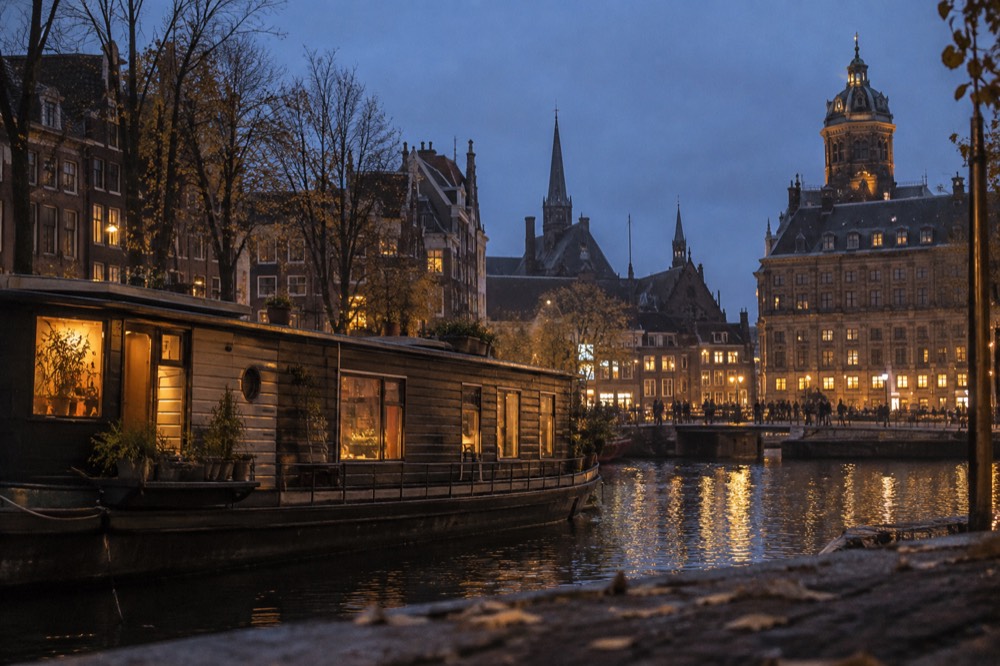
The boat is a former freight vessel, one of the wide, flat-bottomed craft that carried cargo through the city's waterways for decades before road transport took over. When the freight trade died, hundreds of these ships were towed into the canals, sealed, plumbed and turned into permanent homes. Amsterdam allowed it, then regulated it, and the result is the floating neighbourhood you see today: a second street of houses moored along the waterline of the first.
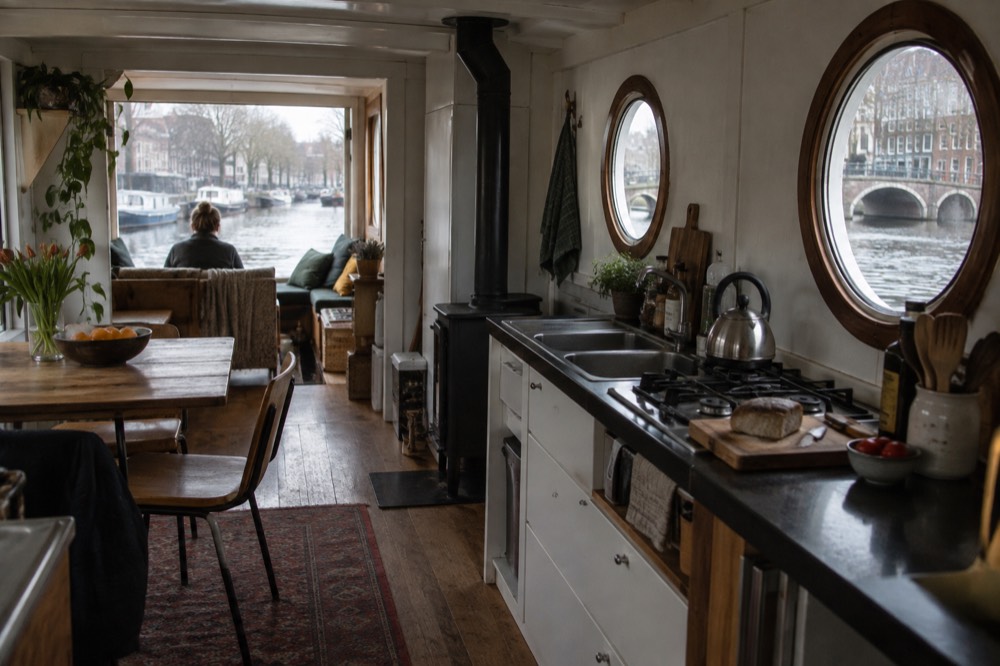
What the museum does well is answer the questions every visitor asks while walking the quays. Where does the drinking water come from? Where does the waste go? What happens in winter when the canal freezes? How do you get a sofa through that door? The answers are all in the boat itself, in the form of the narrow galley kitchen, the wood stove, the low-ceiled bedrooms and the interpretive displays dotted around the cabin. You leave knowing how the floating half of the city actually works, which is more than most canal-side walks will teach you.
The museum is deliberately small. That is its strength and its limitation. A visit suits travellers who have an hour between bigger sights, families with curious children, and anyone photographing the canal ring who wants context rather than another Old Master. If your day is built around the Rijksmuseum or the Van Gogh Museum, both of which require pre-booked timed entry, this is the opposite experience: a low-key, low-commitment stop that needs no planning beyond a glance at the current opening hours on the museum's own site.
What Will You See Aboard the Converted Houseboat?
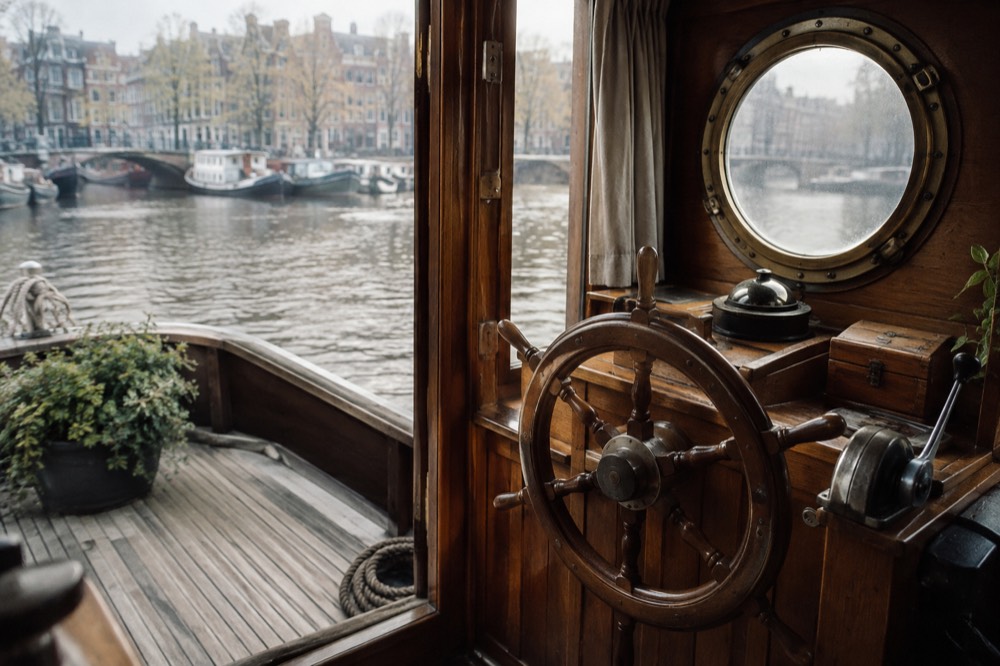
You see a complete floating home, preserved and furnished: the living cabin with its wood-burning stove and steering position, a compact galley kitchen, sleeping quarters tucked under the deck, and displays on the boat's freight days and its conversion. The tour is self-guided, takes most visitors under an hour, and works for children because everything is at eye level and touchable rather than roped off. Photography is generally welcome, and the portholes frame the passing canal traffic beautifully.
The route through the boat follows its old working layout. You enter over the gangplank into the main cabin, the heart of any houseboat, where the ship's wheel still sits at the bow end and the furniture is arranged around it the way a real family would have done. From there you move through the galley, which demonstrates just how little space a floating kitchen needs, and down into the lower quarters where the sleeping compartments sit in what used to be cargo hold. The contrast between the cargo ship's working past and its domestic present is the whole story of the museum told in floorboards.
Interpretive panels fill the gaps. They cover the history of the vessel itself, the era when Amsterdam's canals were working freight routes rather than postcard views, and the practicalities of modern houseboat life: electricity hook-ups, water lines, waste pumping and the winter routine when the hull needs protecting from ice. None of this is roped-off-in-a-hall material. It is the kind of information that changes how you look at every other boat you pass for the rest of your trip.
Because the museum is a single boat, it never feels crowded in the way the big museums do, but it also means the experience is short. The natural move is to pair it with time on the water itself. The classic saloon boat cruise is the closest match in spirit: a one-hour trip on a restored wooden vessel, rated 4.8 across 33,435 reviews, from $19.56, where the boat is as much the attraction as the route. The luxury canal cruise with unlimited drinks and bites, 4.9 across 31,736 reviews from $23.13, is the plusher alternative, and the saloon boat cruise with an optional cheese and wine upgrade, 4.6 across 31,369 reviews from $16, is the budget-friendly version of the same idea.
One combination that works well for a half day in the Jordaan: the Houseboat Museum in the late morning, lunch along the Prinsengracht, then an hour on the water in the afternoon. You spend the morning inside a houseboat and the afternoon gliding past a hundred of them, and by the end you can read the canal ring the way a local does, spotting the residential boats, the hotel boats and the ones still quietly falling apart.
How Do You Get Tickets and When Is the Museum Open?
Tickets are sold at the boat itself and through the museum's own website, and the visit is self-guided with no timed entry system of the kind the major museums use. Opening hours are limited compared with the big institutions, so check the museum's own site before you set out, especially in winter. The museum sits on the Prinsengracht within a short walk of the Westerkerk, trams and the Jordaan's cafés.
This is not a Rijksmuseum-style operation. The big museums run timed entry for every visitor, with adult admission at €25 and doors open daily from 9am to 5pm, and they need it, because their volumes are enormous. The Houseboat Museum is a boat with a gangplank and a small team, and its capacity is naturally capped by the size of the hull. That works in your favour: you rarely need to book far ahead, but it also means the museum can close for maintenance, weather or the off-season without much notice, so a quick check of the current hours is the one piece of planning that matters.
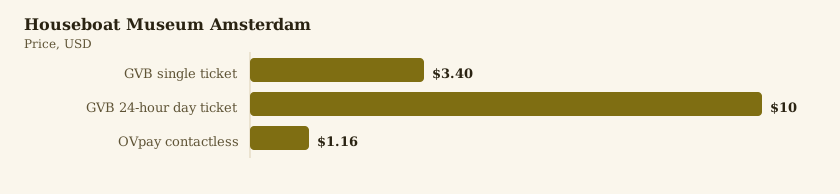
Getting there is simple. The boat is moored in the Jordaan stretch of the Prinsengracht, the neighbourhood covered in our Jordaan area guide, and the walk from Dam Square or Central Station is itself a tour of the canal ring. On public transport, a GVB single fare is €3.40 and covers an hour of travel, while a 24-hour day ticket is €10.00, half price for children. Contactless payment with a bank card works on all GVB trams, buses and metros, so there is no ticket machine ritual to learn.
| Way to reach the museum | What it costs | Why choose it |
|---|---|---|
| GVB single ticket | €3.40 | One journey, an hour of travel, sold on board and by machine |
| GVB 24-hour day ticket | €10.00 (child €5.00) | Best if you plan to hop between the Jordaan, Museumplein and the centre |
| OVpay contactless | Base €1.16 plus €0.217 per km | No ticket to buy, tap in and out with a bank card or phone |
| On foot from Central Station | Free | The walk crosses the canal ring and is half the point of the visit |
While you are in the neighbourhood, the practical questions come thick and fast, and our Amsterdam museum tickets and skipping the queue guide covers the booking systems for the big institutions if you are combining the boat with a museum afternoon.
How Much Does a Visit Cost Compared With Other Amsterdam Activities?
The Houseboat Museum is one of the cheaper stops in a city where the headline attractions are not. The Rijksmuseum and the Van Gogh Museum both charge €25 for adults, the Anne Frank House charges €16.50 including its booking fee, and a one-hour canal cruise starts from about €15.50. A small museum boat visit sits below all of those, which is why it earns its place in a budget day.
The honest way to plan an Amsterdam budget is to sort activities by what they uniquely give you. The grand museums give you world collections, and their €25 adult tickets are verified on their own sites, with free entry for ages 18 and under at the Rijksmuseum and under 18 at the Van Gogh. The canal cruises give you the city from the water, from about €15.50 for the basic one-hour cruise with an audio guide, up through the saloon boat options listed above. The Houseboat Museum gives you neither a collection nor a route: it gives you a home, and it prices accordingly.
| Activity | Typical adult cost | What you get |
|---|---|---|
| Classic saloon boat cruise | From $19.56 | One hour on a restored wooden saloon boat with a live guide |
| Luxury canal cruise with drinks and bites | From $23.13 | Electric luxury boat, optional unlimited drinks and snacks |
| Saloon boat cruise with cheese and wine option | From $16 | Historic saloon boat, quiet electric engine, cheese and wine upgrade |
| Rijksmuseum | €25, free aged 18 and under | The national collection, timed entry required |
| Van Gogh Museum | €25, free under 18 | Over 200 paintings, timed entry always required |
| Basic one-hour canal cruise | From about €15.50 | Audio guide in many languages, departures every half hour |
One warning about passes: the I amsterdam City Card lists free entry to more than 70 museums and locations plus unlimited GVB transport and a canal cruise, but the Van Gogh Museum and the Anne Frank House are explicitly excluded, and the card's own FAQ says so plainly, as the card's how-to-use page confirms. Before assuming any small museum is included, check the current inclusions list; coverage of smaller attractions changes and the card is priced for the big hitters. The 24-hour card costs €67 and the 48-hour card €94, figures read on NEMO's own visitor page, which sells the card.
Why Does Amsterdam Have Houseboats at All?
Amsterdam has houseboats because its canals stopped being freight routes and its housing never kept pace with demand. When the cargo trade moved to the roads in the middle of the last century, hundreds of old freight ships were left without work, and the city allowed people to moor them, convert them and live in them. What began as improvised cheap housing became a regulated, permanent part of the canal ring.
The freight history is the part most visitors miss. The wide, flat hulls you see everywhere, the barges with rounded bows and the former cargo ships like the museum's own vessel, were the delivery vans of their day, moving grain, sand, coal and timber through the city by water. When that trade collapsed, the boats were worth almost nothing, and a city short on housing had both empty hulls and empty quays. The match was obvious. Families moved aboard, sealed the holds, installed stoves and created the floating neighbourhoods of the Prinsengracht, the Brouwersgracht and the Amstel. Everything else covered here is indexed on Things to Do in Amsterdam.
The city then spent decades catching up with rules. Today a houseboat is a legal dwelling with a mooring permit, utility connections and a waste system, and new moorings are scarce, which is why the boats you see are the boats there are. Living aboard is no longer the cheap option it once was, but it has held on as a genuinely Amsterdam way of life, and the museum exists precisely because it is now a piece of urban history rather than a workaround.
The canal ring that makes all of this possible is a World Heritage site, and our Amsterdam canal ring UNESCO guide explains how the Grachtengordel was dug and why it looks the way it does. The houseboats are the youngest layer of that landscape, the part that still moves, creaks and gets re-painted every few years.
Where Is the Museum and What Else Is Nearby?
The boat is moored on the Prinsengracht in the Jordaan, the canal-side neighbourhood west of the centre, within a short walk of the Anne Frank House, the Westerkerk and the Nine Streets shopping area. This makes it one of the easiest small museums to fold into a walking day: you can cover the boat, a church tower, a hidden courtyard and a stretch of boutique shopping without crossing a single major road.
The Anne Frank House is the neighbourhood's biggest draw, and it comes with a hard rule every visitor needs to know: tickets are sold only through the museum's own website for a specific date and time, with no door sales at all, at €16.50 for adults including the booking fee, as the official ticket page states. No reseller, pass or tour can get you in, so if the house is on your list, book the slot first and build the rest of the day around it. The Houseboat Museum is the ideal filler while you wait for your time.
| Nearby sight | What it is | Best paired with the museum because |
|---|---|---|
| Westerkerk | The tall church whose tower overlooks the Jordaan | It stands a few canal houses away and frames the same stretch of water |
| Anne Frank House | The museum in the canal house where Anne Frank hid | Same canal, opposite bank of the day's story, timed tickets only |
| Nine Streets | Boutique shopping across three canals | It starts at the southern end of the Prinsengracht's museum stretch |
| Jordaan cafés | Brown cafés and restaurants in former workers' houses | Lunch between the boat and the cruise needs somewhere to sit |
The Jordaan rewards aimlessness. The streets are narrow, the canal intersections are the prettiest in the city, and the neighbourhood's history as a working-class quarter turned artists' quarter is written on its façades. Give the museum an hour, then give the surrounding blocks another, and you will have seen a version of Amsterdam that the day-trippers rushing between Dam Square and the Rijksmuseum never find.
Should You Pair the Museum With a Canal Cruise?
Yes, and the pairing is the point. The museum shows you life inside one houseboat; a cruise shows you several hundred of them in context along the canal ring. The classic saloon boat cruise, one hour from $19.56 and rated 4.8 across 33,435 reviews, is the closest match in character, because you ride a historic wooden boat past the modern descendants of the same vessel type.
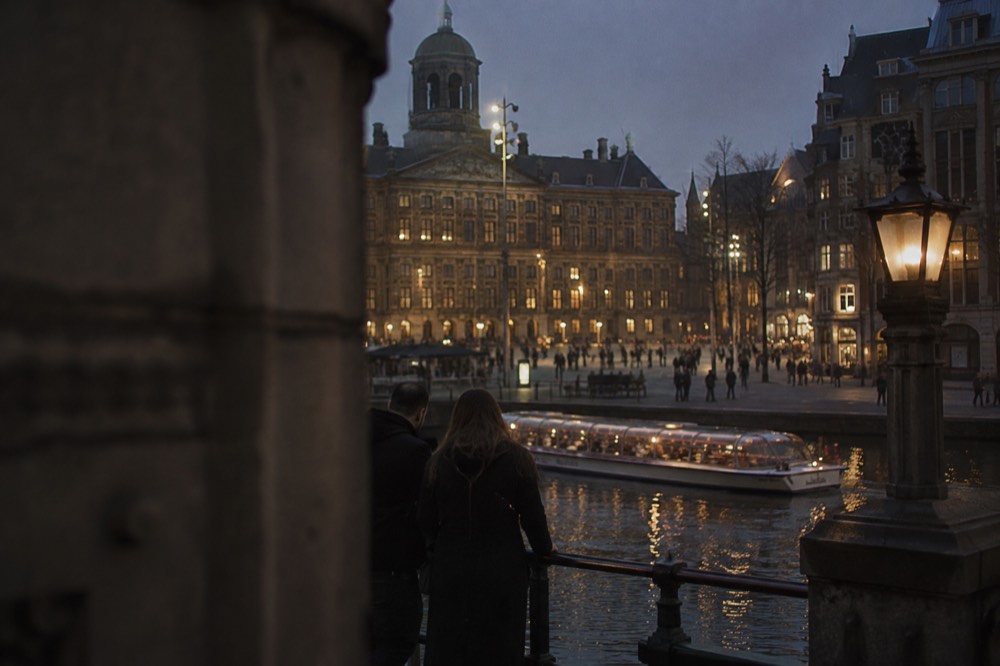
Order matters. Do the museum first, and every boat you pass on the cruise becomes legible: you know which are homes, you know what is below the waterline, and you understand why the moorings sit where they do. Do the cruise first and the museum becomes a confirmation of things you half-noticed. Either order works, but the museum-then-cruise sequence turns a pleasant boat ride into the most efficient history lesson in the city.
If you want a longer or cheaper water experience, the options spread out from there. The straightforward one-hour canal cruise from three departure points, Anne Frank House, Rijksmuseum or Central Station, rated 4.3 across 21,335 reviews from $15, is the no-frills version, and its Anne Frank dock is convenient if you are already in the Jordaan for the museum.
For an evening, the pizza dinner cruise with unlimited drinks, 4.5 across 3,046 reviews from $40 for ninety minutes, turns the same waters into dinner, and it is a relaxed way to end a day that started with a floating home.
The classic saloon boat cruise remains the best thematic match, and if you only book one thing on the water for a Jordaan day, it is the one: same era of boat, same stretch of canal, and a live guide rather than a recording.
What Do Locals Know About Living on the Water?
Houseboat living is ordinary life with extraordinary logistics, and the details are what the museum captures best. Residents deal with water lines, waste pumping, winter ice and the slow maintenance cycle of a hull, and the city treats their boats as homes with mooring permits, utility hook-ups and a place in the tourist tax system, since holiday rentals on the water are taxed like any other short stay at 12.5% of the nightly price.
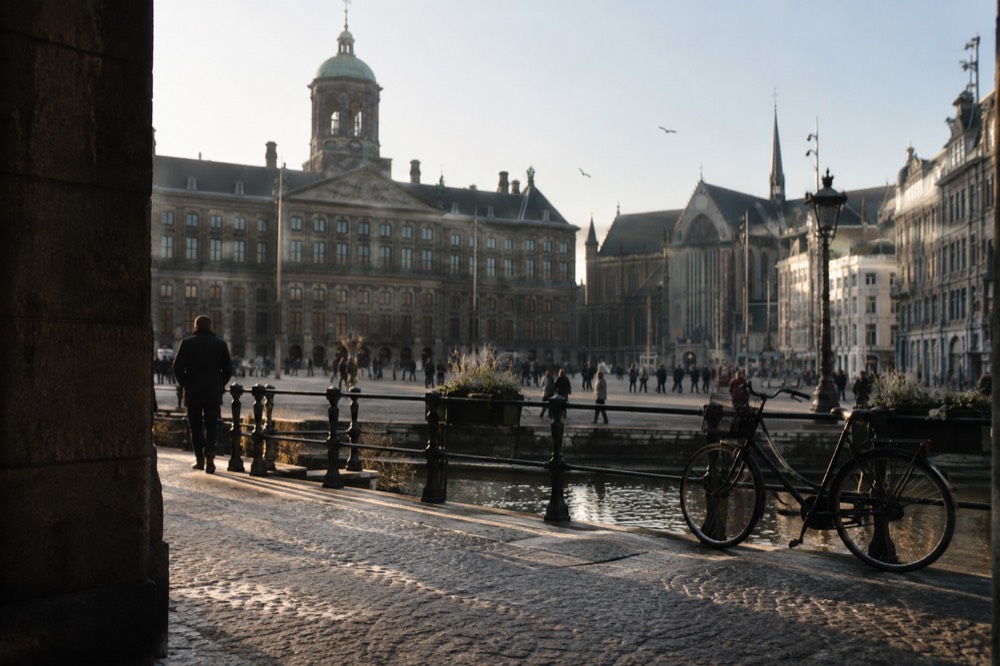
The tax detail is one most guides skip. Amsterdam's tourist tax applies at 12.5% of the overnight price excluding VAT to hotels and holiday rentals alike, per the city's official tourist tax page, and if you rent a houseboat as a holiday stay, that rule reaches you the same way it reaches a hotel guest. Our renting a houseboat in Amsterdam guide covers the practical side of booking a floating stay, from what to expect of the stairs to how the deposit usually works.
The deeper point the museum makes without saying it: Amsterdam has always solved its problems on the water. It built its wealth on freight canals, dug a canal ring as a housing project, and when the freight era ended it recycled the fleet into homes. The houseboats are not decoration for tourists, they are the last chapter of the same story that built the merchant houses behind them, and the city is still writing it, now with debates over tourism pressure and mooring rules rather than grain and timber.
Common Questions About the Houseboat Museum Amsterdam
What is the Houseboat Museum Amsterdam?
It is a small self-guided museum inside a genuine converted Amsterdam houseboat, a former freight vessel moored on the Prinsengracht in the Jordaan. Instead of a collection in cases, the museum preserves an entire floating home, furnished as it was lived in, with displays on the boat's freight past and the practicalities of living on the canals.
How long does a visit to the Houseboat Museum take?
Most visitors spend 45 minutes to an hour aboard. The boat is small by design, so the visit is short and unhurried, which makes it an easy fit between larger sights such as the Anne Frank House or the Westerkerk rather than a destination that fills a whole day.
Where is the Houseboat Museum located?
The boat is moored on the Prinsengracht in the Jordaan, within a short walk of the Anne Frank House, the Westerkerk and the Nine Streets. It is reachable on foot from Central Station or by tram with a GVB single fare of €3.40, and the walk through the canal ring is part of the experience.
Do you need to book Houseboat Museum tickets in advance?
Generally not in the way the big museums require. The major institutions run mandatory timed entry, but the Houseboat Museum is a small boat with natural capacity limits, so tickets at the gangplank are usually fine. Check the museum's own site for current hours before you go, since a one-boat museum can close for weather or maintenance with little notice.
Is the Houseboat Museum good for children?
Yes. Everything is at eye level, the rooms are small and tangible rather than roped off, and the questions it answers, where you sleep, where the water goes, what happens in winter, are exactly the ones children ask. Pair it with an hour on a canal cruise and you have a water-themed half day that suits families well.
Should you pair the museum with a canal cruise?
Yes, and in that order. The museum shows you the inside of one houseboat, and the cruise then shows you hundreds of them in context along the canal ring. The classic saloon boat cruise, one hour from $19.56 and rated 4.8 across 33,435 reviews, is the closest match in character, riding a historic wooden boat past the modern descendants of the same vessel type.