Museum of the Canals Amsterdam: What to Expect at Het Grachtenhuis
Het Grachtenhuis sits in a merchant's residence on the Herengracht and explains how Amsterdam's canal ring was designed, financed and built. It is the museum to visit before you walk or cruise the canals themselves.
Short answer
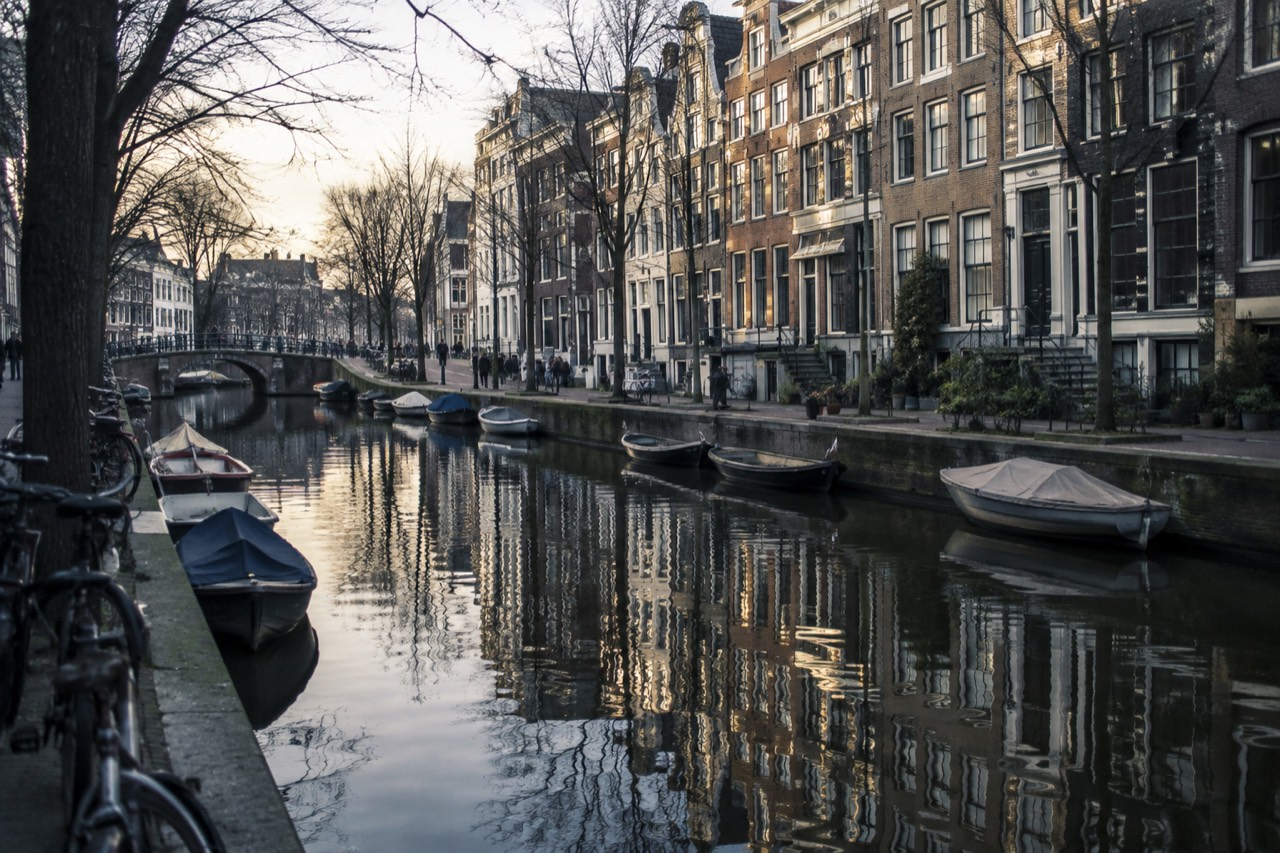
The Museum of the Canals (Het Grachtenhuis) is a small interactive museum inside a 17th-century canal house on the Herengracht. It tells the story of how Amsterdam's canal ring was planned and dug in the 1600s. Most visits take about an hour, and it pairs naturally with a canal cruise through the same streets.
Amsterdam's canal ring did not happen by accident. It was a municipal construction project of the 1600s, planned on paper, financed by merchant money and dug by hand over decades, and the building that explains all of this is itself one of the houses that project produced. The Museum of the Canals, Het Grachtenhuis in Dutch, occupies a canal residence on the Herengracht and walks you through the design, the speculation and the sheer engineering nerve behind the Grachtengordel. This guide covers what is inside, how to plan a visit, and how to pair the museum with the canal cruise that shows you the real thing.
What Is the Museum of the Canals (Het Grachtenhuis)?
The Museum of the Canals is a small museum devoted to the story of Amsterdam's 17th-century canal ring, housed in a period canal house on the Herengracht. Through models, projections and room-by-room installations it explains how the Grachtengordel was designed, funded and dug across the 1600s. A typical visit runs about an hour, and admission is on the listing or at the door.
The museum's premise is simple and rather clever. Most visitors experience the canal ring as scenery, pretty streets with water in the middle, without ever learning that the whole thing was a deliberate urban plan. In the early 1600s the city government approved an expansion that tripled Amsterdam's area, laying out the Herengracht, Keizersgracht and Prinsengracht as concentric arcs with plots sold to wealthy burghers. Het Grachtenhuis takes that story and tells it inside one of the houses the plan created, so the building is part of the exhibit.
The presentation is not a dusty collection of maps behind glass. The rooms use scale models of the city, animated projections, audio guides and a miniature "dig" that shows how the canals, quays and house foundations were engineered in soft peat soil. You move through the house from cellar to upper floors, and each room handles one chapter: the plan, the money, the building, the people who moved in. The audio guide is included with entry and is the main interpretive voice throughout.
For anyone who has already wandered the Jordaan or crossed the Magere Brug, the museum reframes what you saw. Suddenly the tilted gables, the narrow staircases and the hook beams sticking out of the facades all make sense as solutions to a specific set of problems: soft ground, plot taxes on width, and a merchant class that wanted a warehouse, a home and a status symbol in one building.
Where Is Het Grachtenhuis and How Do You Get There?
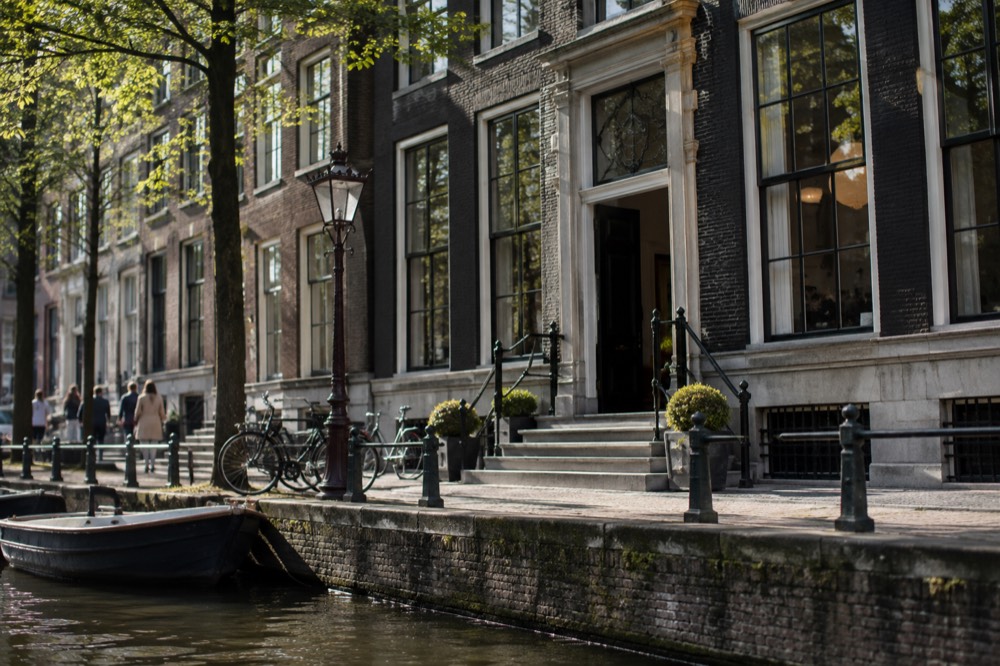
Het Grachtenhuis stands on the Herengracht, in the western stretch of the canal belt between the Leidsestraat and the Westerkerk side of the ring. The nearest tram stops sit along the Leidsestraat and the Raadhuisstraat corridors, both a few minutes on foot. Central Amsterdam is walkable, so most visitors reach it on foot from the centre in fifteen to twenty minutes.
The address matters less than the position. The museum sits in the part of the ring known as the Gouden Bocht, the Golden Bend, where the most ambitious merchant houses were raised. That means the walk to the museum is itself a tour of the museum's subject matter. You approach past the Bartolotti house, past the steep-gabled residences and past the water the whole neighbourhood was built around.
Public transport is straightforward. A GVB single ticket valid for one hour costs €3.40, and a 24-hour day pass costs €10.00 for adults and €5.00 for children, per the operator's own fare page. OVpay, tapping a contactless bank card, also works on trams and buses, with a base fare of €1.16 plus €0.217 per kilometre. If you are staying centrally, though, walking is the honest answer: the museum is inside the canal ring, and every approach route is worth seeing slowly.
| Ticket | Price | Best For |
|---|---|---|
| GVB 1-hour single | €3.40 | One tram ride to the museum |
| GVB 24-hour day pass (adult) | €10.00 | A full day of tram hopping |
| GVB 24-hour day pass (child) | €5.00 | Families travelling together |
| OVpay contactless | €1.16 base + €0.217 per km | Occasional rides without buying a pass |
Because the museum explains a district, the natural move is to combine it with time on the water. The trio below covers the three most common ways visitors cruise the same canals the exhibits describe, from a classic wooden saloon boat to a luxury electric launch and a cheese-and-wine option.
What Will You Actually See Inside the Museum?
Inside, the visit unfolds room by room: an introduction to the early-1600s expansion plan, a large animated model of the city, a room on the financing and speculation behind the plots, a display on the engineering of digging canals in peat, and period rooms upstairs showing how a merchant family lived. The audio guide carries the narrative, and the whole circuit takes roughly an hour.
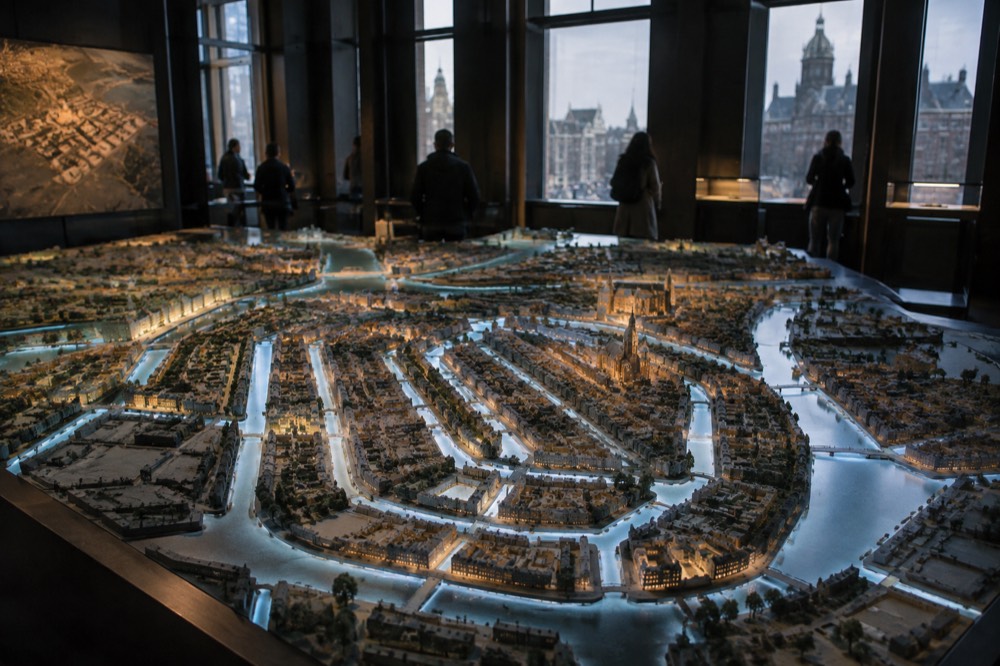
The ground floor sets up the problem. Amsterdam in the late 1500s was bursting at its walls, and the film and model here show a cramped medieval city about to triple in size. The centrepiece is a detailed scale model of Amsterdam with projections that walk you through the plan: the three new canals, the wide streets for traffic, the plots measured out for sale. Watching the plan light up on the model does more for most visitors than any plaque could.
The middle rooms handle money and mud. The canal ring was funded by selling plots to private buyers, which turned the Herengracht into a speculative real estate market, and the exhibits are frank about the ambition and the showmanship involved. Then comes the engineering: Amsterdam sits on peat and clay, so every canal, quay and house required driving wooden piles deep into the ground and keeping the water moving. A miniature excavation display makes the point that this was one of the largest urban earthworks of its era.
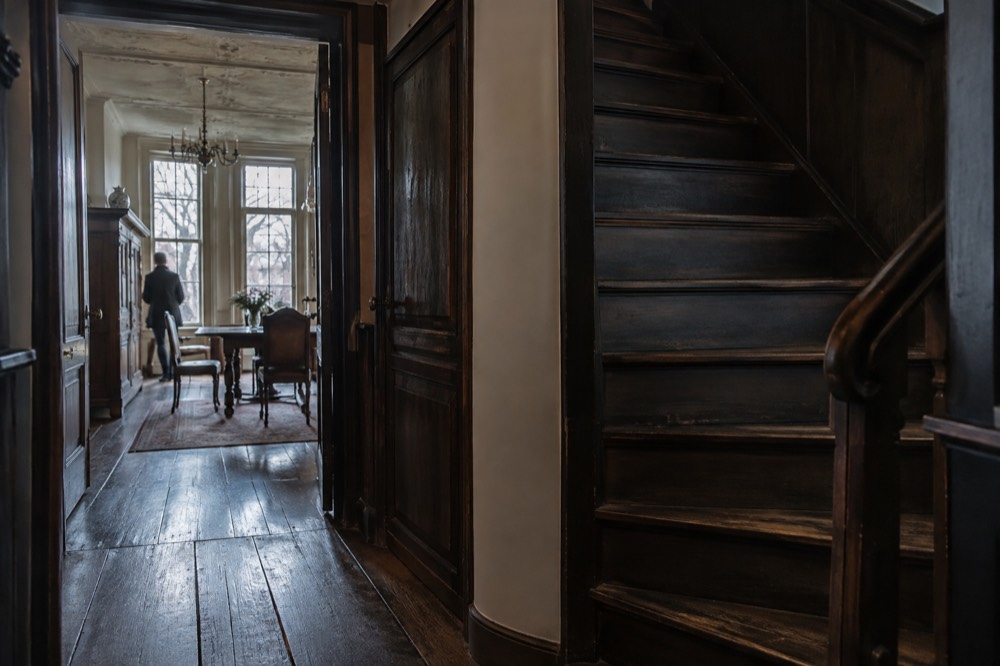
Upstairs the tone shifts to domestic life. The period rooms show how a canal house functioned as warehouse, office and family home at once, with the tall windows, the hoisting beam and the narrow staircase all explained. This is where the building itself does the talking, because the museum's own home has the same bones as the houses you have been walking past all morning.
One practical note: the museum is compact and the rooms are intimate, so it never feels like a big-institution visit. That is a strength if you want a focused hour, and a limitation if you were expecting a full-scale city museum. For the wider story of Amsterdam as a city, the Amsterdam Museum city history guide covers the larger institution in the former civic orphanage, and for the story of the ring itself the Amsterdam canal ring UNESCO Grachtengordel guide goes deeper into the streets.
How Long Does a Visit Take and When Should You Go?
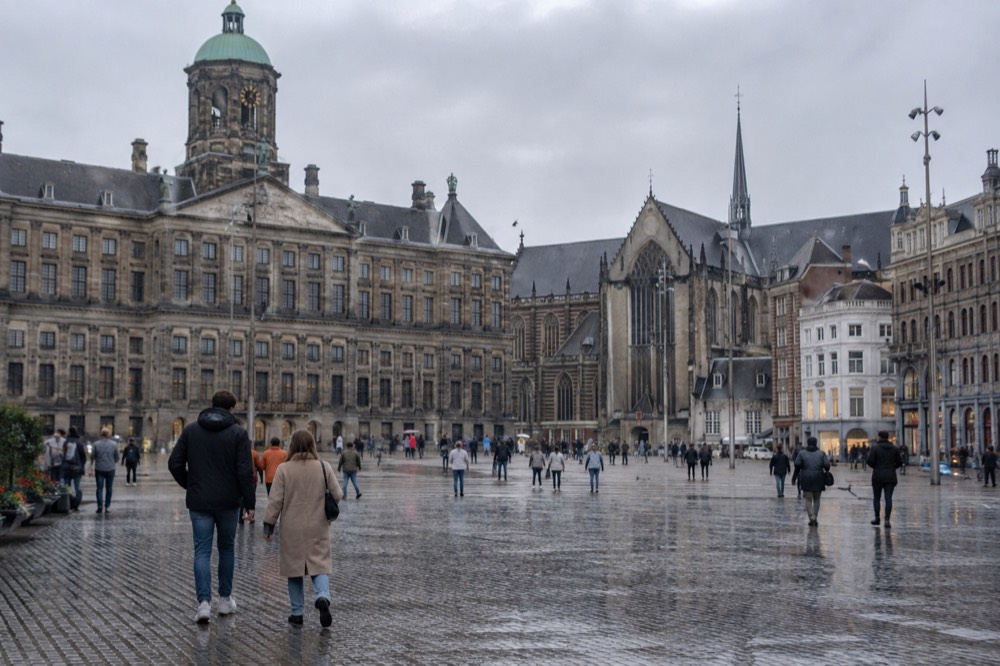
Plan on sixty to ninety minutes for the full audio tour, longer if you linger over the model rooms. Mornings on weekdays are the quietest window, while weekend afternoons see the most visitors in the small rooms. The museum suits a rainy day perfectly, and it works as the first stop of a canal itinerary before a cruise or a walking loop.
Because the interpretation runs through the audio guide rather than wall text, the pace is set by you. A visitor who listens to every track and circles the model twice will use the better part of ninety minutes. A visitor on a tight schedule can do the circuit in under an hour and still leave with the core story. There is no timed entry maze of the kind the big museums impose, which makes Het Grachtenhuis an easy add-on rather than a logistical project.
Seasonality matters less here than at the outdoor sights. The museum is indoors, small and close to the centre, so it absorbs a rainy afternoon well, and Amsterdam has plenty of those. If you are pairing it with a cruise, the order most visitors enjoy is museum first, water second: the exhibits teach you to read the facades, the boat ride then shows you hundreds of them in an hour. The rainy day in Amsterdam guide has more indoor options in the same district.
For visitors who want the fuller picture of how the ring is protected today, the city's own tourism pages describe the UNESCO listing and the heritage rules that govern what can and cannot be altered along the water. Amsterdam recorded 23.7 million tourist overnight stays in 2025, per the municipal research service, and the pressure of those numbers is exactly why the canal belt's management story matters as much as its history.
Is the Museum of the Canals Good for Families and Kids?
Yes, within limits. The scale model, the projections and the digging display give children something concrete to look at in every room, and the audio guide comes in multiple languages. The visit is short enough for young attention spans, but the period rooms upstairs are delicate, so families with very small children should expect a hands-off hour upstairs.
The ground floor is the family winner. A city model that lights up, a film and a miniature construction site are exactly the kind of exhibits that hold a seven-year-old's attention, and the story of "they dug all this by hand" lands with kids in a way few art collections do. The museum's own framing, that Amsterdam was built on mud by people with shovels, is a genuinely child-friendly narrative. Other pages covering the same trip are gathered on Things to Do in Amsterdam.
The constraint is the building. A historic canal house has steep stairs, low doorways and furnished rooms, so this is not a run-around museum. Families who want a full day of kid-first exhibits should look at the NEMO Science Museum guide or the ARTIS Royal Zoo guide, both a short tram ride away. Het Grachtenhuis works best as the calm, focused hour between two bigger outings.
For teenagers the museum is a quiet success, oddly enough. Anyone who has played a city-building game will recognise the expansion plan immediately: zoning, plot sales, infrastructure, speculation. Presenting it that way turns a history stop into something closer to a puzzle, and the audio guide's chapters on financing give older students the economic angle that school trips rarely include.
Which Canal Cruise Should You Pair With the Museum?
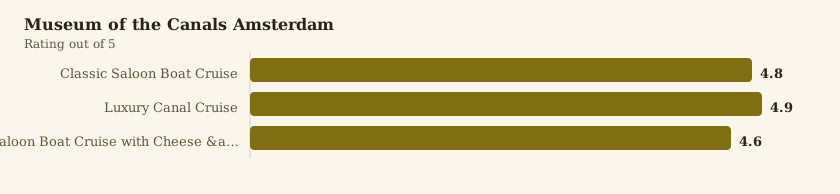
The best pairing is a one-hour cruise on a classic saloon boat, which covers the same Herengracht and central ring the museum explains. The Classic Saloon Boat Cruise with Drinks and Cheese runs from $19.56 and holds a 4.8 rating across 33,435 reviews; the Luxury Canal Cruise with unlimited drinks and bites starts at $23.13 with a 4.9 rating across 31,736 reviews. Both depart from central docks within walking distance of the museum.
The comparison below lines up the three formats visitors most often choose after the museum. All three are one-hour circuits of the same UNESCO-listed water, so the differences come down to boat, group size and what is on board.
| Cruise | From (USD) | Rating | Reviews | Duration | On Board |
|---|---|---|---|---|---|
| Classic Saloon Boat Cruise | $19.56 | 4.8 | 33,435 | 1 hour | Wooden saloon boat, live guide, cheese and drinks option |
| Luxury Canal Cruise | $23.13 | 4.9 | 31,736 | 1 hour | Electric luxury launch, live guide, unlimited drinks and bites option |
| Saloon Boat Cruise with Cheese & Wine | $16 | 4.6 | 31,369 | 1 hour | Restored late-19th-century saloon boat, quiet electric engine, cheese and wine option |
The classic wooden saloon boat is the format that matches the museum's story most closely. These are the descendants of the private launches that patrolled the ring in the 19th century, and gliding past the gables you just learned to read is the moment the whole visit clicks. The luxury option swaps heritage for comfort: an electric boat that is open in summer and covered in poor weather, which matters more than it sounds in a city where rain is a scheduled feature. Read more about pairing the museum with the wider district in the canal belt Grachtengordel guide.
If comfort and an open bar are the priority, the luxury cruise is the stronger pick. Its 4.9 rating across 31,736 reviews reflects a format that works year round, and the unlimited drinks and bites option turns a sightseeing hour into something closer to a floating café.
What Else Is Near the Museum of the Canals?
Within ten minutes on foot you have the Westerkerk and the Anne Frank House on the Prinsengracht, the Nine Streets shopping quarter, the Jordaan's courtyards, and the Houseboat Museum on the Prinsengracht. This density is the point: Het Grachtenhuis sits in the middle of the district it explains, so a museum hour plus a wander plus a cruise fills a half day without any transport at all.
The Nine Streets, De Negen Straatjes, cross the three main canals just south of the museum and are the natural first wander: independent shops and cafés in buildings that are themselves part of the 17th-century plan. The Nine Streets guide maps them. West along the Prinsengracht you reach the Westerkerk, whose tower Anne Frank wrote about hearing from her hiding place, and the Anne Frank House beyond it.
One honesty note that matters here: Anne Frank House tickets are sold only through the museum's own website, annefrank.org, with timed slots released weeks ahead and no door sales and no reseller involved. Nothing sold on any tour platform includes entry. The Anne Frank House guide covers the booking system in detail, and the walking tours that cover the Jewish Quarter, such as the small-group Anne Frank walking tour from $33 with a 4.9 rating across 4,680 reviews, are street tours and never include the house itself.
The Houseboat Museum, a converted residential barge moored on the Prinsengracht, makes a tidy thematic double with Het Grachtenhuis: one explains why the canals were built, the other shows how people live on them today. Both are small, both take about an hour, and they sit within a few minutes' walk of each other.
| Nearby Stop | What It Is | Why It Pairs Well |
|---|---|---|
| Westerkerk | Historic church on the Prinsengracht | The tower Anne Frank wrote about, a short walk west |
| Nine Streets (De Negen Straatjes) | Independent shopping quarter crossing the canals | Period buildings from the same expansion plan |
| Houseboat Museum | Converted residential barge on the Prinsengracht | Shows life on the water today, the museum's sequel |
| Jordaan | Former workers' neighbourhood of courtyards and cafés | The humbler side of the same canal-ring story |
How Much Should a Museum-and-Cruise Half Day Budget?
Expect the museum visit plus a one-hour cruise plus a tram or two to come in at a modest double-digit dollar figure per adult, depending on the cruise format you pick and whether you buy transport passes. Add a coffee stop in the Nine Streets and lunch nearby, and a realistic half day in this district lands closer to a mid-range dinner for one, per person, without shopping.
The transport side is the cheapest to pin down. A single GVB ticket is €3.40, a 24-hour pass €10.00, and OVpay charges €1.16 plus €0.217 per kilometre with a daily cap, per the operator's fare page. If you are walking from the centre, as most visitors can, transport may cost nothing at all. The only cruise fare verified to an operator's own site is Rederij Kooij's one-hour cruise at €15.50, which is a fair yardstick for what a basic cruise should cost before add-ons.
The cruise listings in the table above run from $16 to $23.13 for the boat hour, with drinks and cheese as paid options on two of the three. The museum's own admission is on the listing or at the door, so check the live listing rather than any third-hand figure. Budget meals in the neighbourhood run the usual Amsterdam range, and the Amsterdam on a budget guide has the fuller breakdown for the whole city.
A useful framing: this district rewards spending on experiences over things. The museum, the cruise and a walk cost less than a sit-down dinner for two in the same streets, and they deliver the actual reason the Grachtengordel is a UNESCO site. For the cheese-and-wine version of the saloon boat hour, which starts at $16 with a 4.6 rating across 31,369 reviews, the value case is straightforward.
However you build the afternoon, the pairing of museum and water is the one most visitors recommend in hindsight. The exhibits teach you what you are looking at, the boat shows you a thousand examples in an hour, and the walk between them runs through some of the most photographed streets in the Netherlands.
Common Questions About the Museum of the Canals Amsterdam
What is the Museum of the Canals Amsterdam?
It is a small museum inside a 17th-century canal house on the Herengracht that tells the story of how Amsterdam's canal ring was planned, financed and built in the 1600s, using models, projections and an included audio guide.
How long does a visit to Het Grachtenhuis take?
Most visits take sixty to ninety minutes with the audio guide. The circuit is compact, so you can do it in under an hour on a tight schedule or linger longer over the city model.
Is the Museum of the Canals worth it?
For anyone curious about why the canal ring looks the way it does, yes. It reframes the streets you walk afterwards, and it is short enough to combine with a cruise or a wander through the Nine Streets on the same afternoon.
Is the Museum of the Canals good for kids?
The ground floor works well for children thanks to the lit-up city model, the film and the digging display. The upstairs period rooms are delicate, so expect a hands-off hour there with very small children.
How do I get to Het Grachtenhuis?
It stands on the Herengracht in the western canal belt. Trams along the Leidsestraat and Raadhuisstraat corridors stop nearby, and a GVB single costs €3.40, but most visitors staying centrally can walk it in under twenty minutes.
Should I visit the museum before or after a canal cruise?
Before, if you can. The exhibits teach you to read the facades, gables and hoisting beams, and the cruise then shows you hundreds of examples of exactly what you just learned.