Nieuwe Kerk Amsterdam: What to See at the City's Grandest Church
The Nieuwe Kerk stands on Dam Square as Amsterdam's grandest surviving church, a Gothic hall that long ago stopped holding regular services and now hosts exhibitions, organ concerts and the biggest state occasions the Netherlands can stage.
Short answer
The Nieuwe Kerk is Amsterdam's great Gothic church on Dam Square, next to the Royal Palace. It no longer holds weekly services and functions as an exhibition space and ceremonial venue, hosting royal inaugurations and weddings. Admission pricing varies with the exhibition on show, so check the official site for the current ticket before you go.
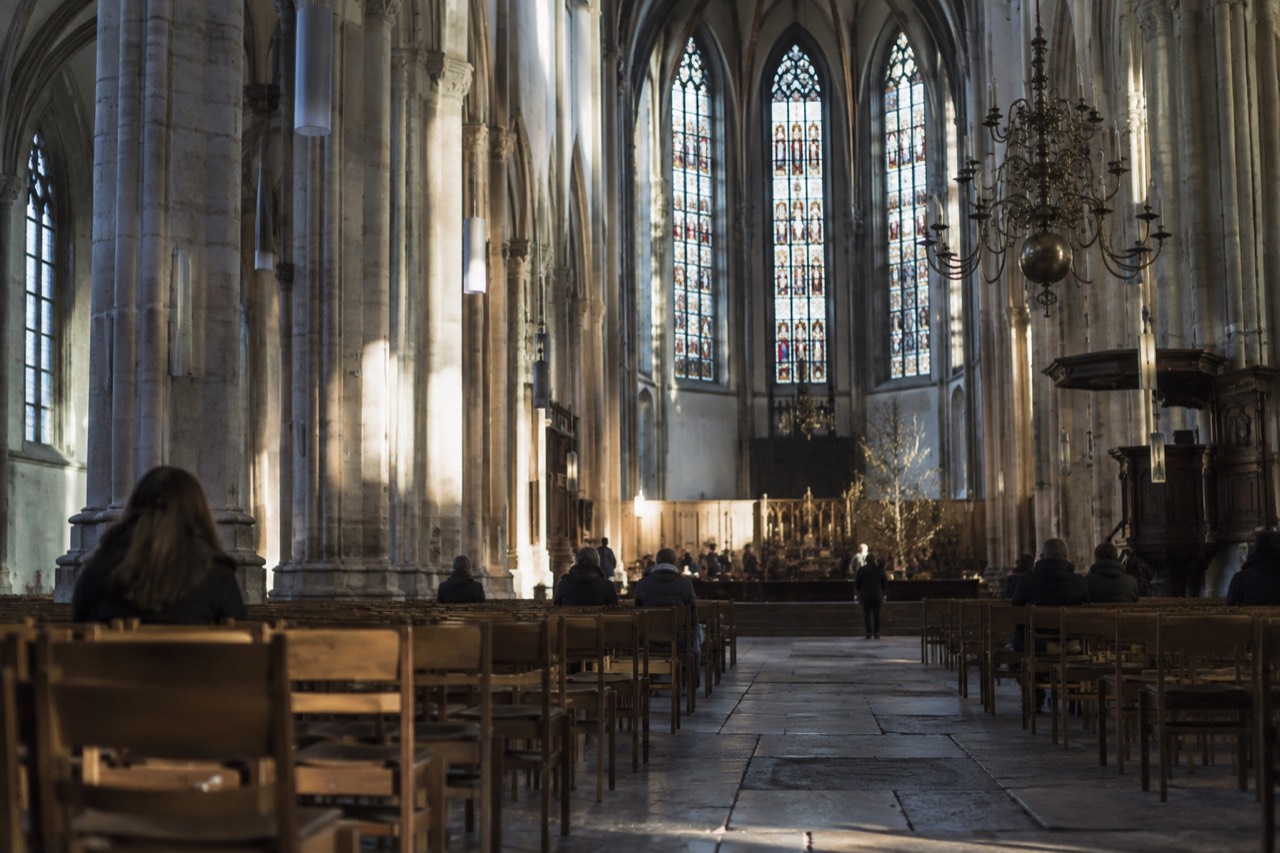
The Nieuwe Kerk has watched over Dam Square for six centuries, and for most of that time it was the place where Amsterdam's merchants, mayors and regents gathered to marry, mourn and give thanks. Today the pews are gone, the services are rare, and the building earns its keep as one of the city's most atmospheric exhibition halls. That shift is exactly what makes it worth an hour of your time: you get a soaring Gothic interior, a church that doubled as the stage for royal inaugurations, and a rotating programme of shows you will not find anywhere else in the city, all on the square where Amsterdam began.
This guide covers what the building actually is, what you can see inside, how tickets and pricing work, how to reach it, and how to slot it into a day built around Dam Square. Where a figure is verified it is printed plainly; where the current exhibition price is only on the operator's own page, this guide says so rather than guessing.
What Is the Nieuwe Kerk and Why Visit It?
The Nieuwe Kerk is Amsterdam's second-oldest parish church, begun in the early fifteenth century after the Oude Kerk could no longer hold the city's growing population. It sits directly on Dam Square beside the Royal Palace, and it is the venue the Dutch royal family uses for inaugurations and weddings. It has not held regular Sunday services for decades, and it now runs a changing programme of art and photography exhibitions.
The name trips up almost every first-time visitor, because the "New Church" is one of the oldest buildings in the city. Amsterdam outgrew its first parish church, and the new one rose a few streets away on the square where the dam on the Amstel had given the city its name and its fortune. What you see today is a large Gothic hall church: stone piers, a high timber vault, an enormous organ case, and a floor of commemorative slabs marking where the great families of the Golden Age were buried.
The ceremonial role is the part most guides skip. When a Dutch monarch is invested, the ceremony happens here, not in a cathedral, because the Netherlands does not have one. Royal weddings have been held here too. That means the church you are walking through is not a museum piece but a working state venue, closed to visitors on the days when the Netherlands is putting on its most formal display.
For a traveller, the practical draw is the exhibition programme. Shows here tend to be large, well-lit and built to fill the nave, and the setting does half the work. Even if the current exhibition does not grab you, the interior alone, the organ, the stained glass and the choir screen, justifies a short visit between the Royal Palace and the canal belt.
What Can You See Inside the Nieuwe Kerk?
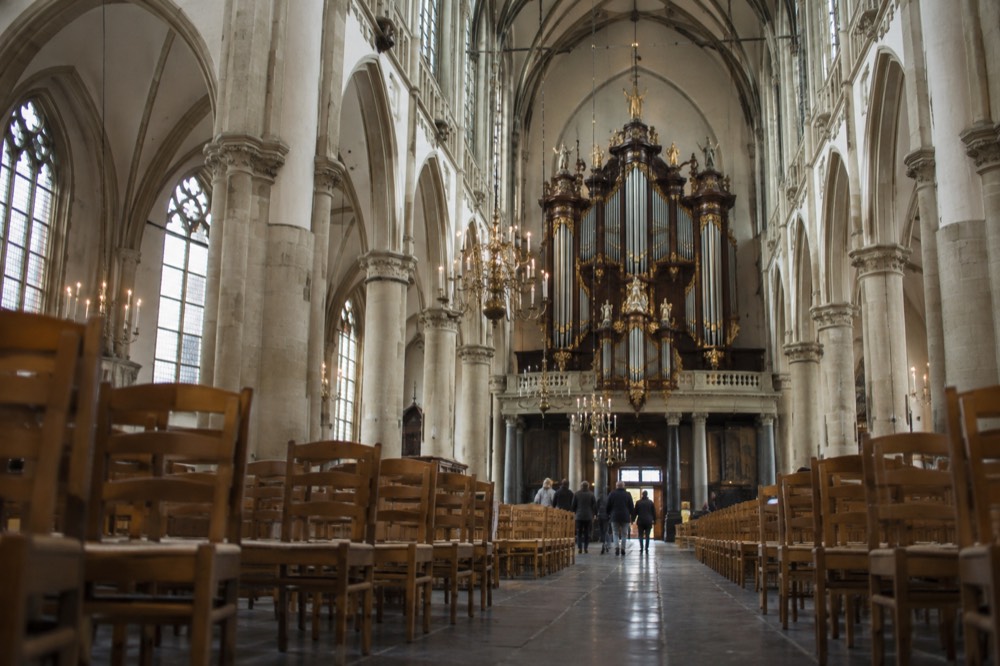
Inside, the highlights are the great pipe organ above the west entrance, the carved choir screen, the stained glass, and the floor slabs of Golden Age merchants, plus whatever exhibition is currently installed in the nave. The church is compact enough to see in 45 minutes to an hour, and photography is generally welcome except where a temporary exhibition forbids it.
Start at the west end and look up. The organ is the single most impressive object in the building, a gilded case that dominates the nave. It is still played: the church runs a concert series, and hearing that instrument fill the vault is a different experience from looking at it. If your dates align with a recital, an evening concert is one of the better-value cultural nights in the centre, and tickets are sold through the church's own channels.
The choir screen and the stained glass carry the story of the building's survival. Like every major church in Amsterdam, the Nieuwe Kerk was stripped of its Catholic ornament during the Reformation, and much of what decorates it now, including several windows, was added by wealthy families and the city in later centuries as civic ornament rather than religious furnishing. The floor is the quiet star: slab after slab in memory of the people who ran the city when Amsterdam was the richest port in Europe.
The exhibition in the nave changes everything else. The church does not hold a permanent collection, so what you see depends on the calendar, and the ticket price depends on the show. Recent programmes have leaned towards photography, world cultures and Old Master themes, mounted with the kind of production values a 600-year-old hall makes easy. Check what is on before you plan the visit, because a show you love turns an hour into an afternoon, and a show you do not turns the trip into a quick look at the organ.
If the exhibition is sold out or closed for a state event, the square around you has two of the city's headline sights within a minute's walk, and the rest of the centre within fifteen. The Royal Palace shares the square, and the two buildings make a natural pair: one for Dutch state ceremony, one for the city's merchant history. For the museum-heavy day, this is also the moment to lock in the city's most popular ticket, because the big museums sell out first.
How Much Do Nieuwe Kerk Tickets Cost and Do You Need to Book Ahead?
Admission to the Nieuwe Kerk is priced per exhibition, and the current figure is only on the church's official site, so treat any number you read elsewhere, including in older guides, with suspicion. Booking ahead matters mainly when a headline show is running or when you want a concert seat. Walk-up entry is normally possible on quiet weekdays.
The honest answer about price is that there is no single one. The church is an exhibition venue, so the ticket rises and falls with the programme, and a blockbuster costs more than a quiet winter show. The only reliable source is the church's own website, which lists the current exhibition, the door price and any concession rates. This guide deliberately prints no figure, because any number would go stale the day the show changes.
What you can plan around is structure. Exhibitions here typically run a standard adult rate with concessions for students, seniors and children, and a family option, and concert tickets are sold separately from exhibition entry. If you hold a museum pass of any kind, check the church's own terms before assuming it applies: the Nieuwe Kerk is not a museum in the pass sense, and acceptance varies with the show.
Booking ahead is worth it in two cases. First, when a major exhibition opens or runs across a holiday week, timed slots can thin out. Second, for concerts, because the best seats in the nave go early. For a routine weekday visit to a mid-tier show, walking up is usually fine and keeps your day flexible.
The Van Gogh Museum is the one booking you should never leave to chance on a Dam Square day. It is the most-booked museum in the city, every visitor needs a pre-booked timed slot, and the 4.7-rated entry ticket, from $31, is the single most reliable thing to reserve before you land. You can Check availability and hold your slot in under a minute.
Where Is the Nieuwe Kerk and How Do You Get There?
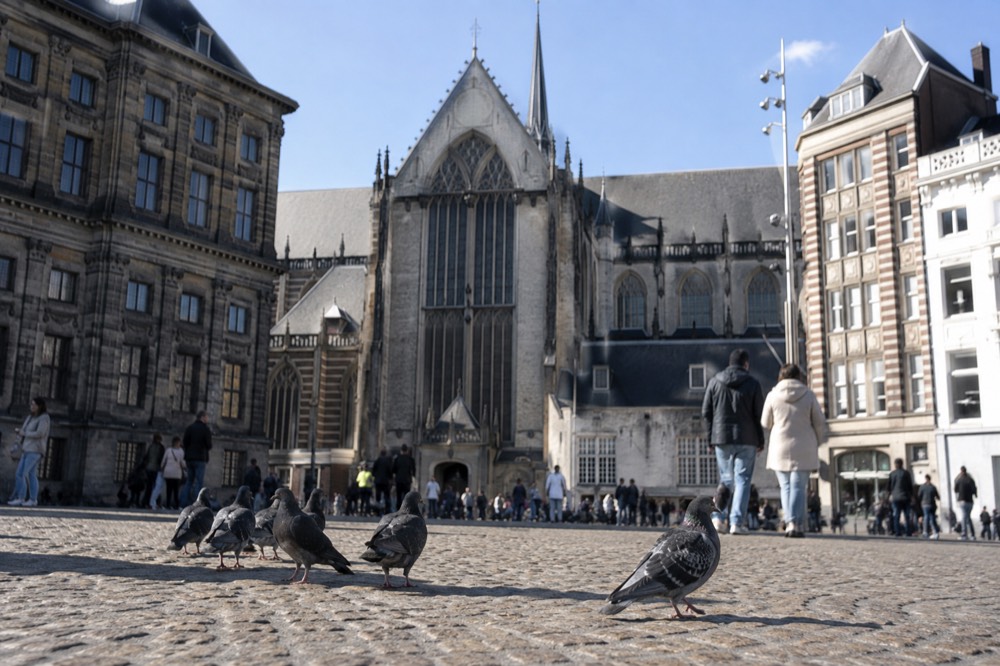
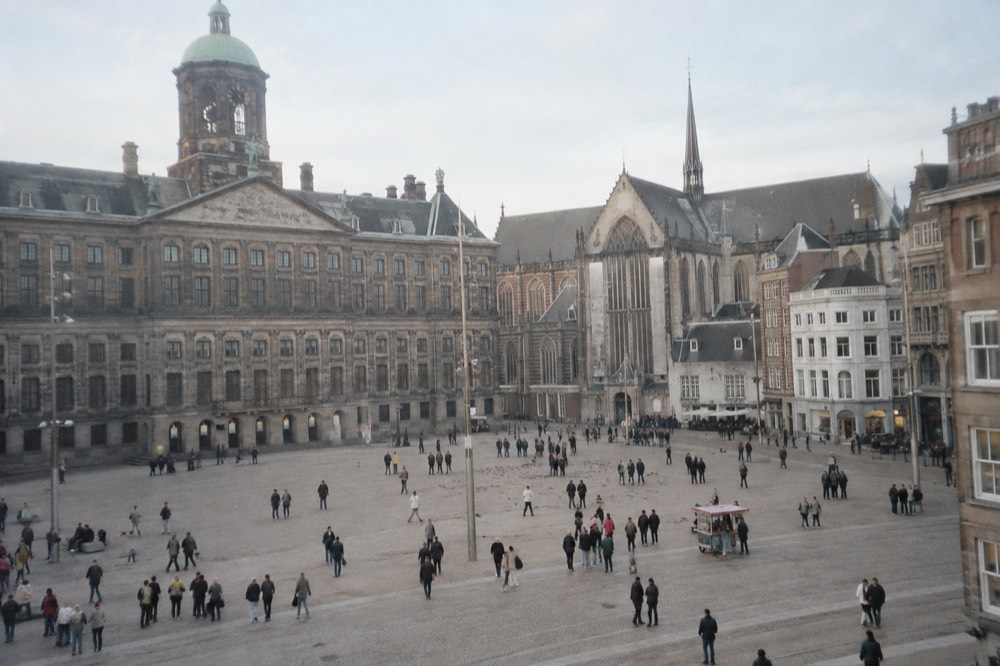
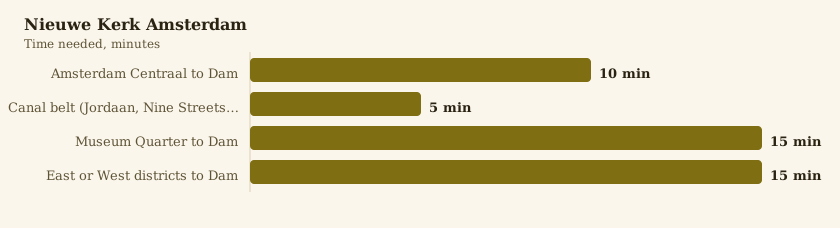
The Nieuwe Kerk is on Dam Square, the dead centre of Amsterdam, at the west side of the square beside the Royal Palace. Almost every tram line in the city stops at or near Dam, and the walk from Amsterdam Centraal is about ten minutes along the Damrak. There is no reason to take transport from anywhere in the centre, and from further out, one tram or metro ride delivers you.
The location is the easiest in the city. Dam Square is the point Amsterdam grew around, and the transport network is built to feed it. From Centraal Station, follow the Damrak south and the square opens in front of you; the church is the large Gothic building on your right as you face the palace. From the canal belt, you are never more than a 15 minute walk away, and from the Museum Quarter it is a single tram ride.
For fares, a single GVB ticket valid for one hour costs €3.40, and a 24-hour day pass costs €10.00 for an adult, per the operator's own fare page (GVB prices). If you are making three or more tram journeys in a day, the day pass wins; if you are walking the centre, as most visitors should, you may not need a ticket at all. Contactless bank-card tapping works on trams, buses and the metro, with a base fare plus a per-kilometre rate, which suits one-off rides.
| Journey | Best option | Approximate cost | Time |
|---|---|---|---|
| Amsterdam Centraal to Dam | Walk along the Damrak | Free | About 10 minutes |
| Canal belt (Jordaan, Nine Streets) to Dam | Walk | Free | 5 to 15 minutes |
| Museum Quarter to Dam | Tram to Dam stop | €3.40 single, or €10.00 day pass | About 15 minutes |
| East or West districts to Dam | Metro or tram to Dam / Nieuwmarkt | €3.40 single | About 15 to 25 minutes |
Accessibility is the one honest caveat. Dam Square is flat and the church entrance is at street level, but a Gothic building means thresholds, worn stone and a floor that is uneven in places. If you use a wheelchair or have limited mobility, contact the church ahead of your visit about access to each level; the nave itself is generally manageable, but the side spaces vary. Our broader notes in the city centre guide cover cobbles and kerbs on the surrounding streets.
How Does the Nieuwe Kerk Compare With Other Dam Square Sights?
The Nieuwe Kerk is the quiet third of Dam Square's trio, behind the Royal Palace and the National Monument. It costs less time than the palace, needs no fixed itinerary, and rewards visitors who like atmosphere over artefacts. If you are choosing one interior on the square, take the palace for opulence and state rooms, and the church for Gothic calm and whichever exhibition is running.
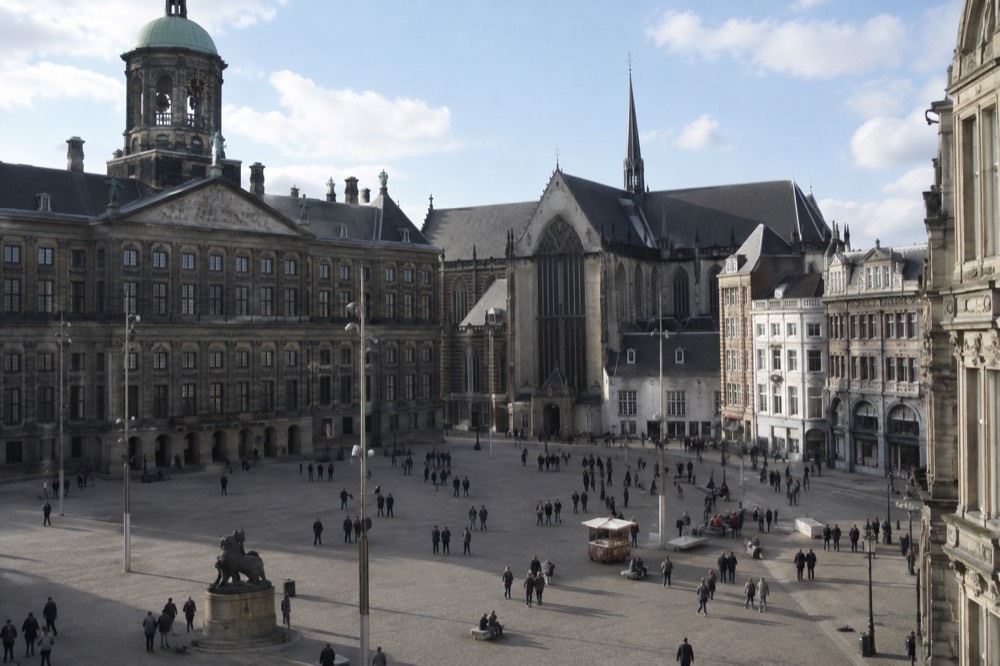
Think of the square as a three-stop circuit. The National Monument on the south-east side is a memorial and a meeting point, free to see in five minutes. The Royal Palace is the heavy hitter: a 17th-century town hall turned royal residence, with lavish interiors and an audio guide, and it takes a good hour or more. The Nieuwe Kerk sits between them in mood, smaller in ambition but unmatched in atmosphere, and it can absorb anywhere from 30 minutes to half a day depending on the show.
The comparison extends to what you do after dark. Dam Square empties in the evening once the shops close, and the centre's nightlife clusters a short walk away in the canal belt and the Jordaan. If your day pairs the church with a museum, the classic move is to end it on the water, because Amsterdam at dusk is a canal-city first and a museum-city second.
| Dam Square sight | What it is | Time needed | Best for |
|---|---|---|---|
| Nieuwe Kerk | Gothic church and exhibition venue | 45 minutes to 2 hours | Atmosphere, organ, current exhibition |
| Royal Palace | 17th-century town hall, still used by the royal family | 1 to 2 hours | State rooms, civic history |
| National Monument | War memorial on the square | 5 minutes | A pause, a photo, a meeting point |
For the wider day, the practical comparison is between the church and the city's big-ticket attractions, and the honest framing is that they are not competitors. The Nieuwe Kerk costs you an hour and a modest exhibition ticket; the Rijksmuseum costs you half a day and €25 for an adult at the museum's own door, per its official pricing page (Rijksmuseum visit information). Both are worth it. The mistake is treating Dam Square as a photo stop and sprinting to Museumplein without ever going inside the buildings that made the square.
The Heineken Experience is the other common pairing, a 4.6-rated brewery attraction from $23 that sits a short walk south. It is louder, younger and more interactive than anything on Dam Square, which is exactly why it balances a quiet morning of church and palace.
When Is the Best Time to Visit the Nieuwe Kerk?
The best time to visit is a weekday morning, when Dam Square is calm, tour groups have not yet arrived and the nave is at its quietest. Avoid Saturday afternoons and any day when a royal event or major exhibition opening is scheduled, since the church closes for state occasions. Winter weekdays offer the most atmospheric light through the stained glass.
Mornings are the city's gift to early risers. Dam Square before mid-morning feels like a different place from the crowded afternoon version, and the church benefits most of all: an exhibition viewed with 20 other people is a different experience from the same show at 2pm on a Saturday. If your itinerary allows, pair a 9am or 10am arrival with the palace, then let the afternoon carry you into the canal belt.
Closures are the planning risk. Because the building is a working ceremonial venue, it can close at short notice for state events, and exhibitions change over between runs, which typically closes the nave for several days. Check the church's own site the day before you go, not a week before. Concert evenings are the opposite of a closure: they are the best time to be in the building, and they are announced on the church's own calendar.
Season matters less here than for outdoor sights, which is the church's virtue in a city where rain reshapes itineraries. A wet Tuesday is the perfect Nieuwe Kerk day. The one seasonal note worth keeping is that the run-up to King's Day in late April turns the whole square into a fairground, and the church's opening can be affected by the celebrations; our King's Day guide covers what the square becomes that week.
What Should You Combine With the Nieuwe Kerk in One Day?
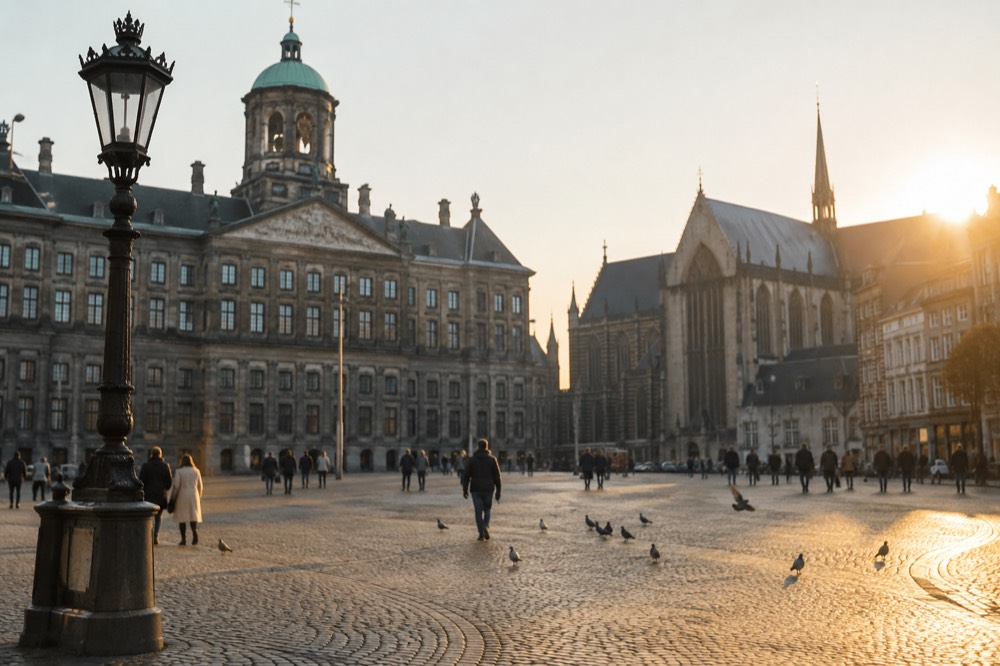
The natural day is the Nieuwe Kerk and Royal Palace in the morning, lunch in the Jordaan or the Nine Streets, a big museum or the Heineken Experience in the afternoon, and a canal cruise to finish. That circuit is walkable end to end, needs no transport ticket, and ends with the city's best view: the canal houses from the water at dusk.
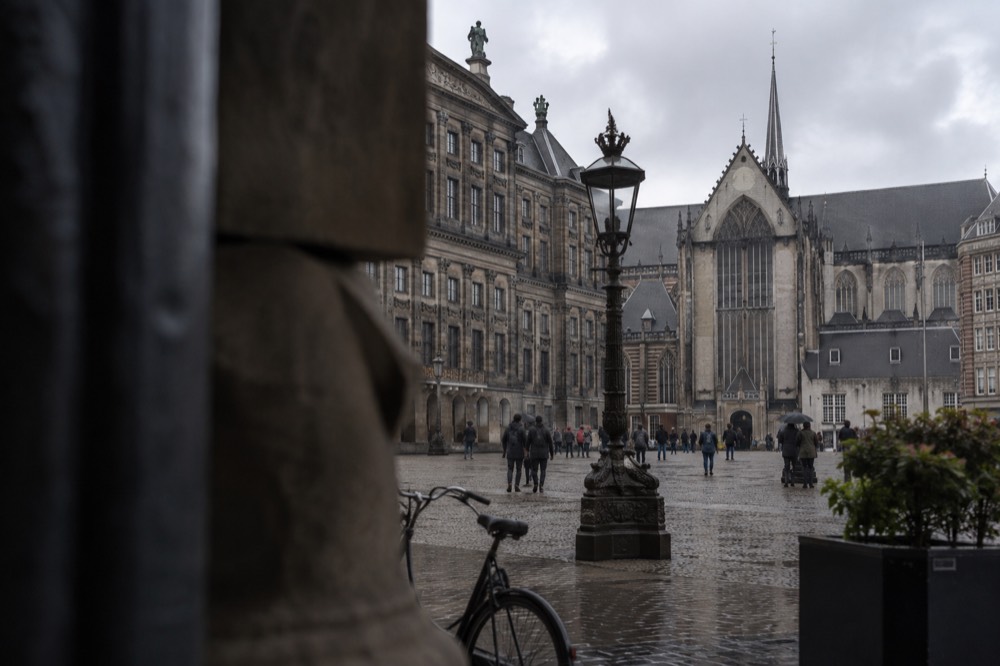
The morning writes itself. Start on Dam Square while the square is quiet, take the church first because it is the shorter stop, then cross to the palace for the state rooms. By noon you will be ready for one of the two classic lunch walks: west into the Jordaan for brown cafés and narrow streets, or south-west into the Nine Streets for boutiques and canal bridges. Either walk takes 10 to 15 minutes and delivers you into the prettiest part of the centre.
The afternoon is where you spend your money, and the choice is between art and atmosphere. The Museum Quarter holds the Rijksmuseum, the Van Gogh Museum and the Stedelijk within a few hundred metres of each other, and skipping the museum queues is mostly a matter of booking timed slots in advance. The Heineken Experience is the alternative for groups who would rather pour a beer than stand in front of one.
| Time | Plan | Why it works |
|---|---|---|
| Morning | Nieuwe Kerk, then the Royal Palace | Both open early; Dam Square is calmest before 11am |
| Lunch | Jordaan or the Nine Streets | 10 to 15 minutes on foot, best café density in the centre |
| Afternoon | Van Gogh Museum or the Heineken Experience | Both need pre-booked timed tickets on busy days |
| Evening | Canal cruise at dusk | The bridge-lit water view is the city's best closing act |
The evening cruise is the one element this guide would not negotiate away. A one-hour loop on a classic saloon boat, 4.8-rated across more than 33,000 reviews and from $19.56, turns everything you walked past during the day into a different city, and the classic wooden boats with their live guides are the format that suits the canal belt best. Book the last departure before sunset in summer, or any departure after dark in winter, when the bridges are lit and the water does the work.
Whatever you choose, keep the day anchored on the square. Amsterdam rewards walkers, and every element of this circuit sits inside a 30 minute walk of Dam. The city's whole Things to Do in Amsterdam roster leans on the same geometry: start where the city started, and the rest of the centre unfolds outward from your hotel, your hostel or your cruise terminal.
Common Questions About the Nieuwe Kerk
Common Questions About the Nieuwe Kerk
Is the Nieuwe Kerk worth visiting?
Yes, if you enjoy historic interiors and whatever exhibition is running. The Gothic nave, the great organ and the royal associations make it one of the most atmospheric buildings in the city, and it takes under an hour if you only want the interior. Check the current exhibition first, since the show determines both the price and much of the appeal.
Why is it called the New Church if it is so old?
Because it was new once. Amsterdam's first parish church, the Oude Kerk, is the Old Church, and when the city outgrew it in the early fifteenth century, a second church was built on Dam Square. The names are relative to each other, not to the modern city, so the "new" one is still one of Amsterdam's oldest buildings.
Does the Nieuwe Kerk still hold church services?
Not regular weekly services. The building functions as an exhibition venue and a ceremonial hall, hosting royal inaugurations and weddings, organ concerts and cultural events. Occasional services and memorial ceremonies do take place, which is one reason the church can close to visitors on short notice.
How much does it cost to go inside the Nieuwe Kerk?
Admission depends on the exhibition on show, and the current price is only listed on the church's official website. Concessions are normally available for students, seniors and children, and concert tickets are sold separately. This guide prints no figure because the number changes with each exhibition.
Can you visit the Royal Palace and the Nieuwe Kerk on the same day?
Yes, easily. They share Dam Square, about a minute's walk apart. A comfortable pairing is the church in the morning while the square is quiet, then the palace, which needs an hour or more for its state rooms. Check both opening calendars the day before, since either building can close for state events.
Is the Nieuwe Kerk accessible for wheelchair users?
The entrance is at street level and the nave is generally manageable, but a Gothic building means worn stone and uneven patches in places. Side spaces and upper levels vary, so contact the church ahead of your visit about current access arrangements for the exhibition layout in place when you go.