Oude Kerk Amsterdam: the Oldest Building in the City Centre
The Oude Kerk stands in the middle of De Wallen, surrounded by the oldest streets in Amsterdam. It is the city's oldest building, a church, an art space and a quiet contrast to the district around it, and this guide covers how to visit it well.
Short answer
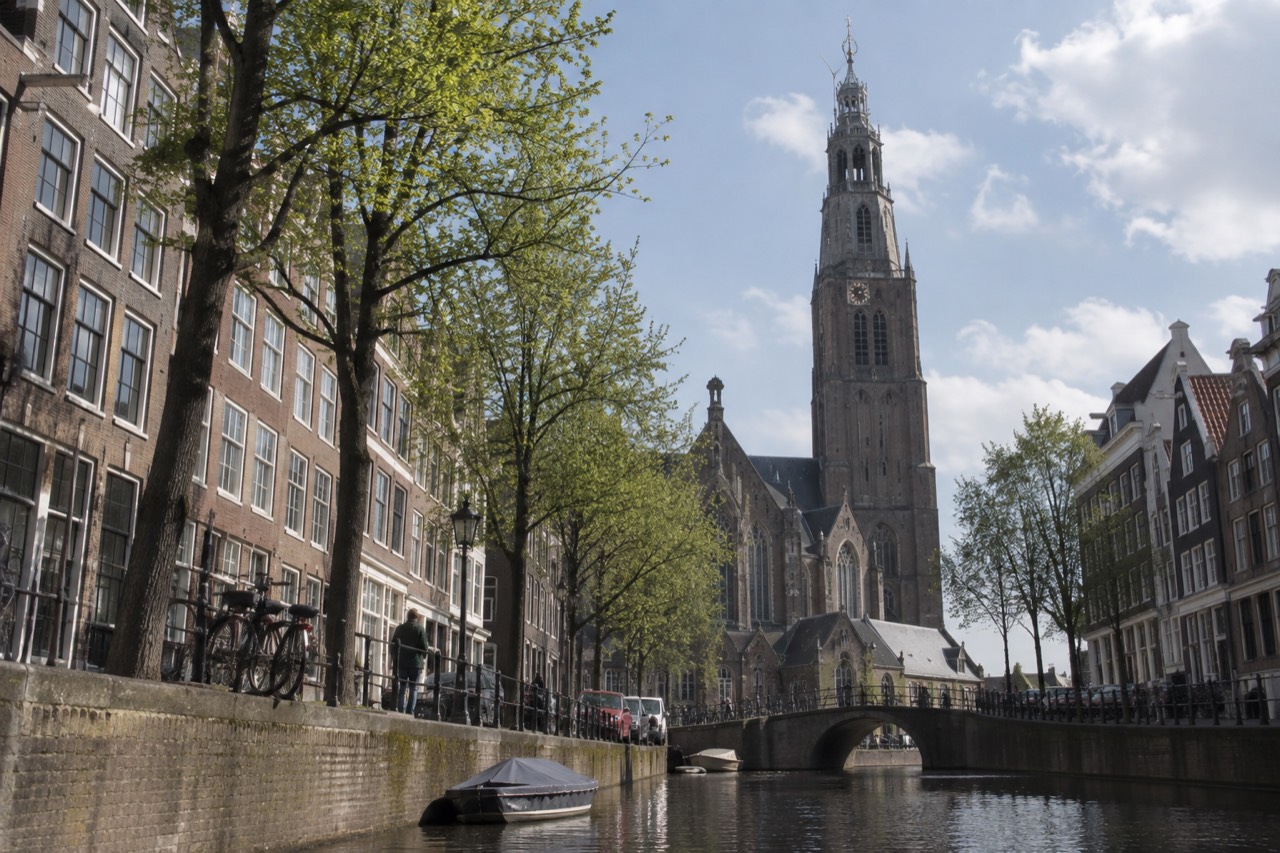
The Oude Kerk is Amsterdam's oldest surviving building, a Gothic church in the heart of De Wallen, reached in about ten minutes on foot from Dam Square. Entry is charged at the door with current prices on the church's own site, opening hours vary by season and events, and the surrounding red-light district rules on photography and guided tours apply the moment you step outside.
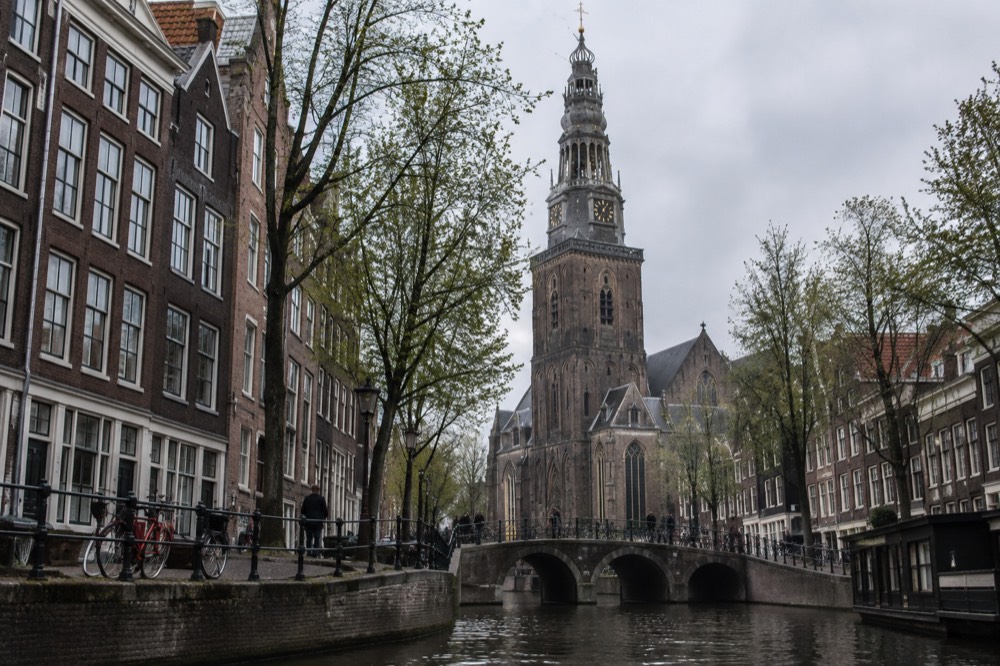
Amsterdam's oldest building is not a palace or a warehouse but a church, and it does not stand in a quiet square. The Oude Kerk sits in the middle of De Wallen, the red-light district, surrounded by the narrowest, oldest streets in the city. That contrast is the whole point of a visit: you walk out of the noise of the district and into centuries of stillness, then step back out again. This guide from the Things to Do in Amsterdam desk covers what the building is, how to reach it, what a visit involves, and the rules that apply in the streets immediately around it.
What Is the Oude Kerk?
The Oude Kerk, the Old Church, is Amsterdam's oldest surviving building, founded in the early 14th century on the sandy bank where the settlement first grew. It is a Gothic hall church of brick and stone with a famous wooden vaulted ceiling, one of the largest church interiors in the Netherlands, the burial place of thousands of Amsterdammers including Rembrandt's wife Saskia, and today also a registered museum hosting contemporary art exhibitions.
The church began as a small wooden chapel devoted to Saint Nicholas, the patron saint of sailors and, later, of the city itself. As Amsterdam grew rich in the centuries that followed, the chapel was rebuilt and expanded repeatedly in stone, and the building you see now is the accumulated result: a nave, side aisles, chapels and a tower added in stages, each phase paid for by a city getting wealthier. The tower is the one you see from streets away, and the space inside is the surprise for most visitors, far bigger and lighter than the exterior suggests.
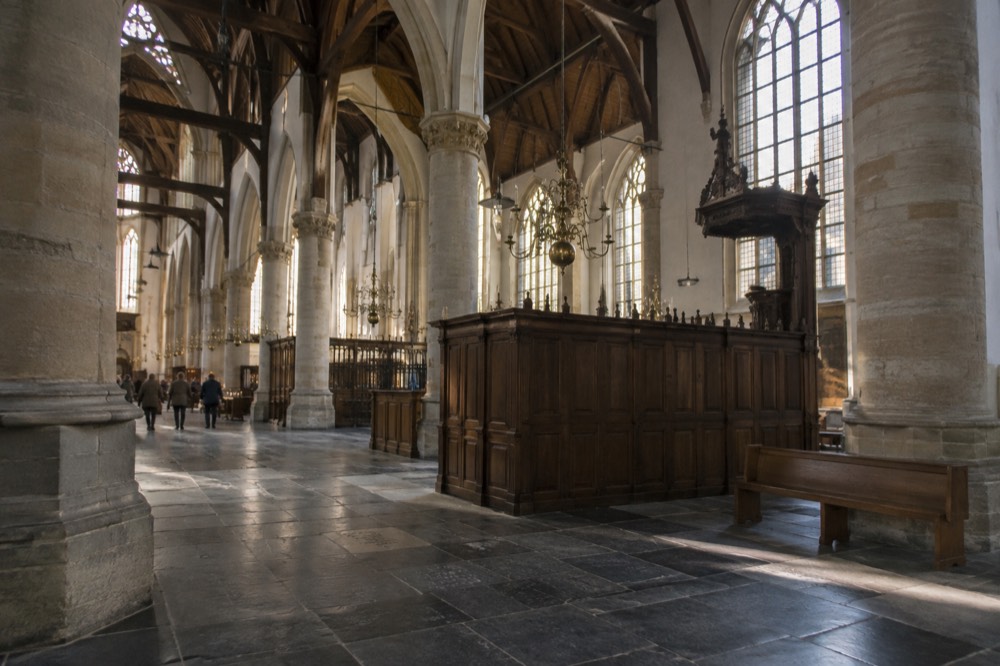
The floor alone rewards attention. It is almost entirely made of gravestones, because the churchyard around the building was Amsterdam's burial ground for centuries and the wealthy paid to be buried inside. Historians count several thousand burials beneath the floor. The most visited stone is that of Saskia van Uylenburgh, Rembrandt's wife, who died young in the 17th century and lies near the organ. The gravestones are worn smooth by centuries of footsteps, and the church asks visitors not to walk on the raised lids of the ones still visible.
In recent years the building has also functioned as a venue for contemporary art, with commissioned installations placed in dialogue with the architecture, in the nave, the chapels, the tower and even under the floor. The programme changes, so what you see inside beyond the permanent historic fabric depends on what is on when you visit. The church's own site lists the current exhibition, and that is also where current admission prices and hours live, because they change with the programme and we do not print a number we have not read on the operator's page.
Where Is the Oude Kerk and How Do You Get There?
The Oude Kerk stands on Oudekerksplein in the heart of De Wallen, roughly a ten-minute walk east of Dam Square and about fifteen minutes from Amsterdam Centraal station. The nearest tram stops are Dam and Nieuwmarkt, both a few hundred metres away, a single GVB ticket costs €3.40 for one hour of travel, and the whole canal-ring area around it is pedestrian-friendly enough that most visitors simply walk.
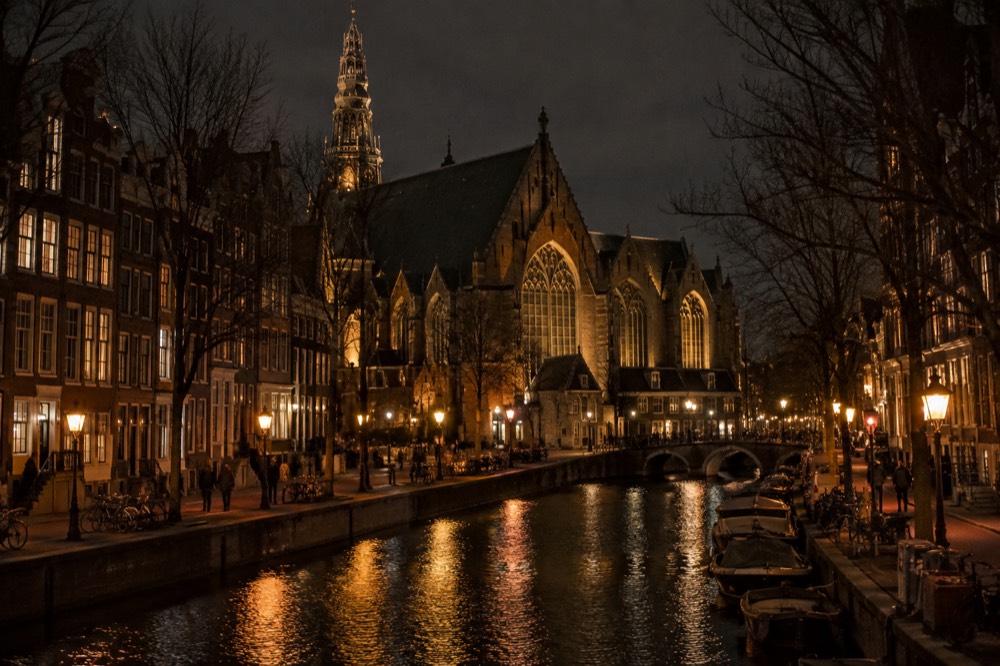
The location is genuinely central, which is why the church is easy to fold into almost any itinerary. From Dam Square you walk east along the Damstraat and you are in the Oudekerksplein within minutes. From Centraal Station, head south through the Damrak and cut east. The church square is small, and the tower is visible from several approaches, so it is hard to get lost even in the tangle of alleys around it.
Public transport details are simple. A single GVB ticket costs €3.40 and is valid for one hour of travel on trams, buses, metro and ferries; a 24-hour day card costs €10.00, and a child day card €5.00. Most visitors with contactless bank cards can simply tap in and tap out with OVpay instead of buying a paper ticket, with the fare charged per kilometre plus a base fare. The full fare table is on the GVB's own prices page: GVB ticket prices. The metro stops Nieuwmarkt and Dam are both within easy walking distance of the square.
One planning note matters more than the transport. The church sits inside De Wallen, where the city's guided-tour rules apply, and the surrounding streets are at their busiest in the evening. A morning visit is quieter inside the church and out, and it is the better choice if you want to see the building rather than experience the district. If you are planning a wider walking route through the area, our red-light district guide covers the streets, the rules and the etiquette in detail.
What Does a Visit Cost and What Are the Opening Hours?
Admission is charged, with current prices published on the Oude Kerk's own website rather than fixed in a city-wide tariff, and the church is generally open daytime hours except during services, exhibition changes and private events. Opening hours vary by season and by what is installed, so the honest answer is to check the church's own site for the day you plan to come, and expect the visit to take 45 minutes to an hour.
We deliberately do not print the entry price here. The Oude Kerk is a registered museum with a changing exhibition programme, its ticketing changes with that programme, and a guide that prints a number it has not read on the operator's own page is guessing. The church's website lists current admission, concessions and any combination tickets, and that is the source to trust on the day.
What we can say is how the visit is structured. You enter through the main entrance on the square, buy or show a ticket, and the interior is self-guided, with information available on the building's history and the current art installation. Photography inside is generally permitted for personal use, but flash and tripods are not, and some installations carry their own restrictions on the day. Services still occasionally take place in the church, and on those days visiting hours shift.
If your day is built around Amsterdam's big-ticket attractions, it is worth knowing what the neighbourhood's headline museums cost, because the Oude Kerk sits close to several of them and the pricing differences are large.
| Attraction | Adult price | Booking requirement |
|---|---|---|
| Oude Kerk | On the church's own site | Walk-up usually fine; check for event days |
| Van Gogh Museum | €25, under-18s free | Timed entry, pre-booked, sells out |
| Rijksmuseum | €25, 18 and under free | Timed start slot required |
| Anne Frank House | €16.50, ages 10-17 €7.00 | Online only, no door sales |
The contrast with the Van Gogh Museum is the useful one. The Van Gogh Museum charges €25, admits under-18s free, and requires every visitor to pre-book a timed entry ticket, with slots selling out on busy days; the museum states this on its own visit pages: Van Gogh Museum visit planning. The Oude Kerk is a fraction of that commitment, and it makes a good low-effort stop between bigger bookings.
What Do You Actually See Inside the Oude Kerk?
Inside, the highlights are the wooden vaulted ceiling, one of the largest in Europe, the monumental Vater-Müller organ, the stained glass including windows donated by the city's ruling families, the floor of worn gravestones including Saskia van Uylenburgh's, the historic brass chandeliers, and the contemporary art installation that occupies the space during your visit.
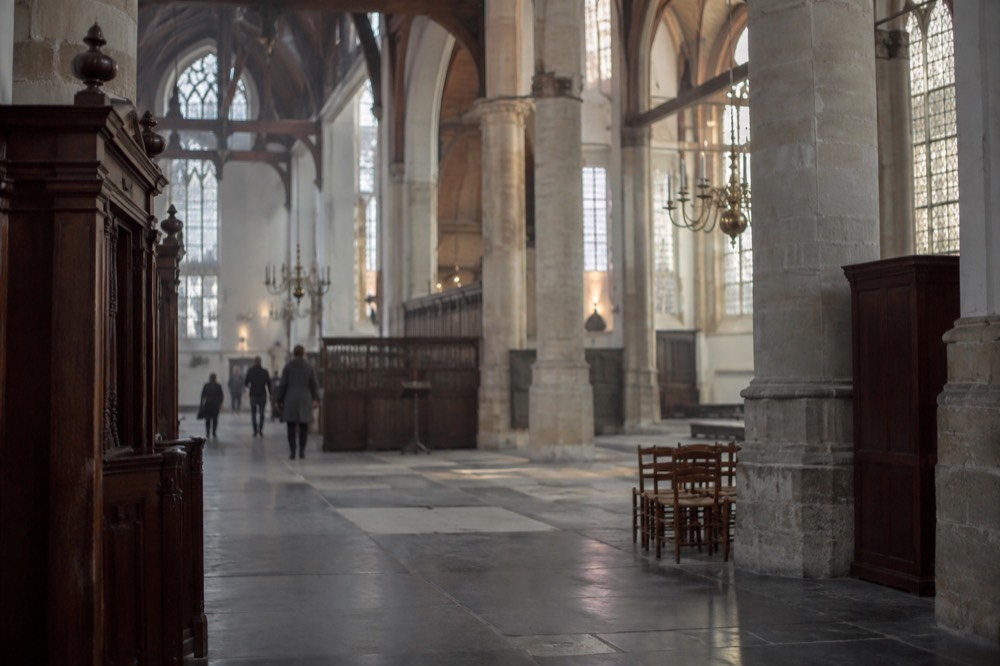
The ceiling is the first thing everyone looks up at. It is a wooden barrel vault, painted and panelled, and it survives because it was built of wood rather than stone, which also spared the church the fate of heavier vaults elsewhere. The effect is warmer and more intimate than a stone Gothic interior, and it is the single feature reviewers mention most often.
The organ is the second landmark. The main instrument was built by Christian Vater and completed by Johann Christoph Müller, and it has been restored several times since. It is still played at concerts held in the church, and the Oude Kerk runs a regular music programme, organ recitals among them, which is announced on the church's own calendar. Attending a concert is a different experience from a daytime visit, and worth considering if your dates align.
The stained glass tells a civic story. Much of the medieval glass was lost, and the current windows include historic panels and later donations from Amsterdam's prominent families, each with the donors' coats of arms. Combined with the floor of gravestones, the interior reads as a ledger of the city's elite across four centuries, which is exactly what it was. The art programme adds a contemporary layer on top of all this, and because installations are commissioned for the space, they respond to the architecture rather than sitting in it neutrally. What is on during your visit is listed on the church's site.
Is the Oude Kerk Worth Visiting?
For most travellers, yes, if the expectation matches the building. It is a 45-to-60-minute stop and rewards visitors who arrive knowing a little history. It is worth it for the contrast with De Wallen, the ceiling and the floor, and skippable only if you have no interest in historic architecture. Visitors who pair it with a canal cruise and one major museum get the best value from the neighbourhood.
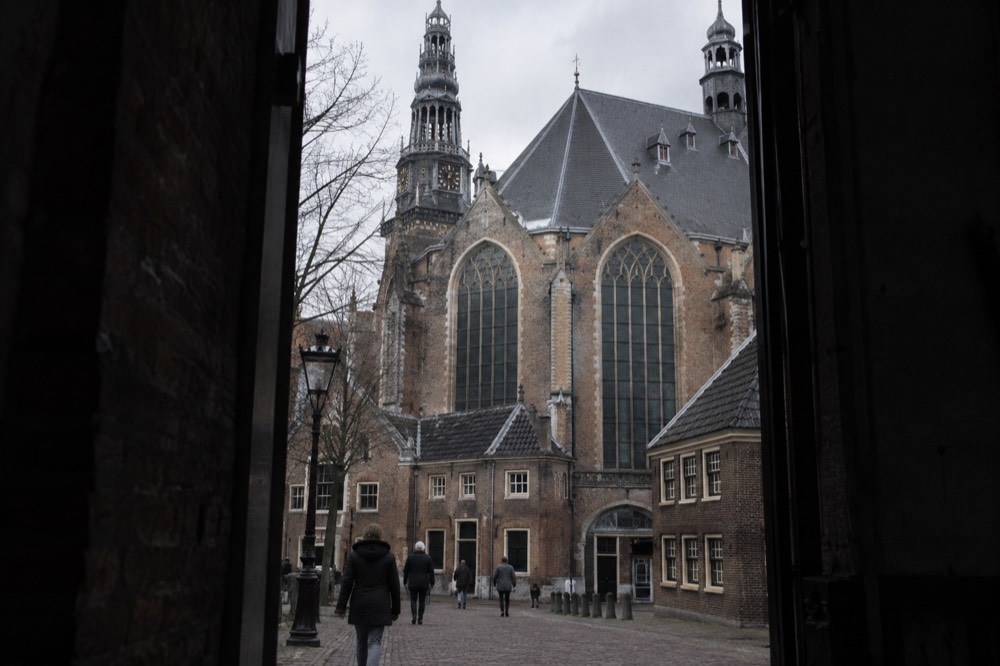
The honest case against is time. If you have one day in Amsterdam and must choose between the Oude Kerk and the Rijksmuseum, the Rijksmuseum wins, and our one day in Amsterdam itinerary makes exactly that trade-off. The honest case for is that the Oude Kerk is the only place in the district where you can stand inside something genuinely medieval, and the contrast with the streets outside is something no other Amsterdam church offers in the same intensity.
Cost-conscious travellers should also know that the church is one of the few paid indoor attractions in the immediate area. The free things to do in Amsterdam are mostly a short walk away, and the Begijnhof, a quiet hidden courtyard with its own small chapel, is free to enter and about five minutes from the Oude Kerk's door. Combining the two gives you the historic-church experience twice, one paid and one free, inside a single morning.
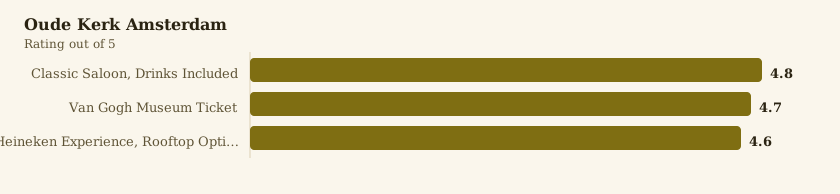
A popular pairing is the church in the morning and the water in the afternoon. A one-hour classic saloon boat cruise runs from $19.56 per person, rated 4.8 across 33,435 reviews on the live listing, with an optional upgrade for Dutch cheese and unlimited drinks. The classic wooden boats are the ones that suit the Oude Kerk's atmosphere, and the cruise docks are within walking distance of the square.
What Rules Apply Around the Oude Kerk in De Wallen?
Because the church stands inside De Wallen, the district's rules apply the moment you leave the square: guided tours are capped at 15 people, run only between 08:00 and 22:00, and may not pass the sex workers' windows; photographing the windows is strongly prohibited by the city's own respect campaign; and smoking cannabis outdoors is banned in the city centre, so it must happen inside a coffeeshop, not on the street outside the church.
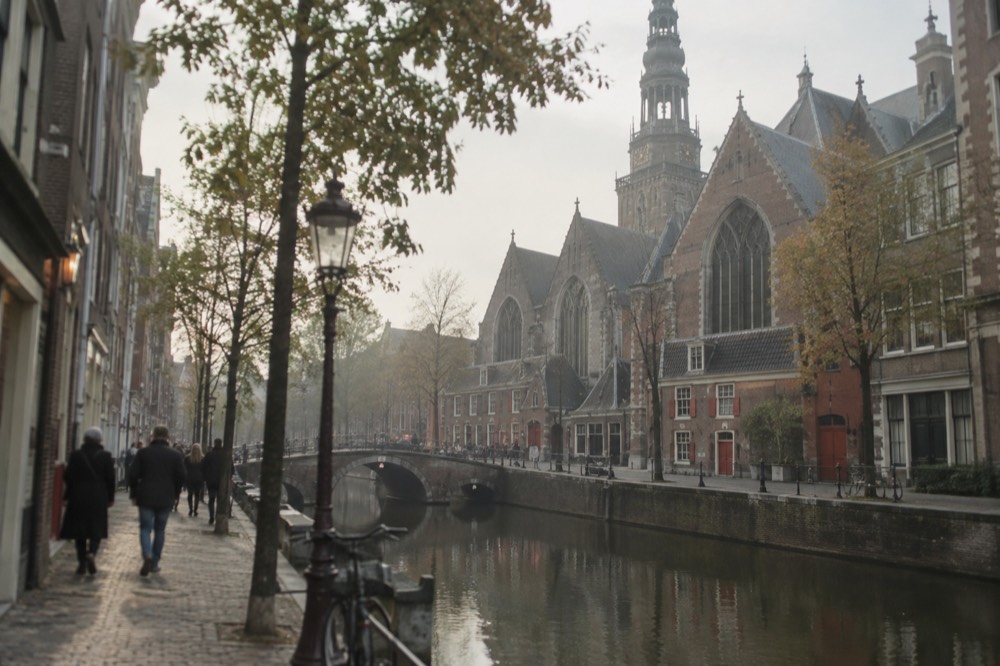
These are not folklore, they are municipal rules, and the guided-tour ones are enforced with fines of €190 for an individual guide and €950 for a company, with an exemption revocable after three fines. The city publishes the full rule set for tour operators on its own page: Amsterdam's rules for guided tours. If you book any walking tour in this district, a legitimate operator will be keeping to those limits, and a group of thirty being walked past the windows is a group breaking the rules.
The photography norm deserves its own sentence, because it is the one visitors break most often without meaning to. The city's "How to Amsterdam" campaign, which covers the district's etiquette, asks visitors plainly not to photograph the sex workers, and venue staff actively enforce it. The rule of thumb: inside the Oude Kerk, photograph the building; outside it, keep the camera pointed at the architecture and the canals, not at people or windows.
The cannabis rule is the one with the most confusion around it. Nationally, the tolerance policy limits coffeeshop sales to 5 grams per person per day, and the national criteria include a residents-only clause, but Amsterdam has never applied that clause and no tourist ban exists in the city. What Amsterdam does enforce is the location rule: smoking cannabis outdoors is prohibited in the city centre, so consumption belongs inside the coffeeshops. The distinction between "legal for tourists" and "banned for tourists" is a false one, and our coffeeshop rules guide explains the actual situation in full.
| Rule in De Wallen | What applies | Enforcement |
|---|---|---|
| Guided tour group size | Maximum 15 participants | €190 guide fine, €950 company fine |
| Guided tour hours | 08:00 to 22:00 only | Permit conditions, fines as above |
| Tour routes | No passing the sex workers' windows | Applies to all groups, even 4 or fewer |
| Photography of windows | Strongly prohibited by city campaign | Staff-enforced norm, not a fined offence |
| Cannabis outdoors | Prohibited in the city centre | Municipal ban; consume inside coffeeshops |
How Does the Oude Kerk Fit Into a Day in Amsterdam?
The church anchors the oldest corner of the centre, so it slots naturally into a morning that starts at Dam Square, takes in the Oude Kerk and the Begijnhof, and then heads either to Museumplein for the Van Gogh Museum or the Rijksmuseum, or onto the water for a canal cruise. Allow 45 to 60 minutes inside the church, 30 for the surrounding alleys, and book any major museum's timed slot before you leave home.
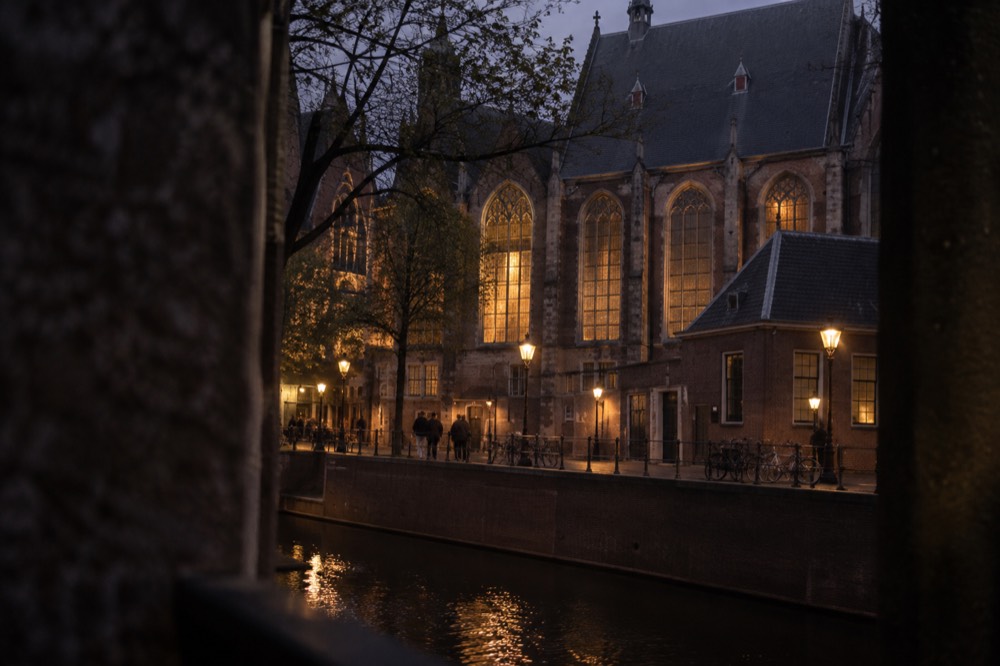
A practical sequence looks like this. Start at Dam Square, walk east to the Oudekerksplein, visit the church in the late morning when the district is at its calmest, then walk five minutes to the Begijnhof for the free courtyard contrast. From there you are ten minutes from the canal cruise departure points along the Damrak and Rokin, and a one-hour cruise is the natural afternoon break before or after a museum slot. If museums are the afternoon's plan, the Van Gogh Museum and the Rijksmuseum both sit on Museumplein, both charge €25 for adults with under-18s free at the Van Gogh, and both require pre-booked timed entry, so the slot you book decides the shape of your day, not the other way round.
The same logic works for a half-day or a full-day plan, and the table below shows how the pieces fit together depending on how much time you have.
| Time you have | Suggested route around the Oude Kerk | Bookings needed |
|---|---|---|
| Half day | Dam Square, Oude Kerk, Begijnhof, one-hour canal cruise | Church ticket at the door; cruise online |
| Full day | Oude Kerk and Begijnhof in the morning, canal cruise, Van Gogh Museum or Rijksmuseum in the afternoon | Timed museum slot booked ahead; cruise online |
| Evening only | Oude Kerk exterior and square, dinner in the centre, evening canal cruise with city lights | Evening cruise online; check church closing time |
| With teenagers | Oude Kerk, canal cruise, Heineken Experience or A'DAM Lookout | Attraction tickets online; under-18s free at the Van Gogh if you swap it in |
Budget-wise, the pattern is predictable. The church is a modest single-digit-euro-scale ticket, the museums are €25 each, and the cruise is from about €15.50 at the operator's own dock. Transport within the centre is often zero, because the whole route above is walkable. The city's tourist tax, 12.5% of the overnight price at hotels and holiday rentals, is already inside your accommodation bill, so it should not surprise you on checkout.
If the day runs long, the Heineken Experience is the neighbourhood's best-known evening-adjacent stop: the former brewery's interactive tour runs about an hour and a half, from $23 on the live listing, rated 4.6 across 39,581 reviews. It is a 15-minute walk from the Oude Kerk and pairs with the district's nightlife without needing another booking window.
For travellers building a full museum circuit, the Van Gogh Museum ticket is the one to lock in first, since it is the attraction most likely to sell out on a given day. The listing is rated 4.7 across 57,096 reviews, from $31, and the museum admits under-18s free with a timed slot.
Common Questions About the Oude Kerk
What is the Oude Kerk?
The Oude Kerk, or Old Church, is Amsterdam's oldest surviving building, founded in the early 14th century as a chapel and expanded over centuries into a large Gothic hall church. It sits on the Oudekerksplein in the middle of De Wallen and today functions as both a historic monument and a contemporary art venue.
How old is the Oude Kerk in Amsterdam?
The church dates its origins to the early 14th century, when a wooden chapel was first recorded on the site. The stone church that replaced it was expanded across the late medieval period and the Golden Age, so the building is many centuries old in its earliest parts.
Is the Oude Kerk worth visiting?
For most visitors, yes, as a 45-to-60-minute stop. The wooden vaulted ceiling, the gravestone floor including Saskia van Uylenburgh's grave, the historic organ and the contrast with the surrounding red-light district justify the modest entry price, provided you check current hours and prices on the church's own site before going.
Can you visit the Oude Kerk on a red-light district tour?
Walking tours of De Wallen pass near the church, but the tours themselves are regulated: groups are capped at 15, tours run only between 08:00 and 22:00, and no tour may pass the sex workers' windows. Church entry is separate from any tour ticket and is bought on the church's own site or at the door.
Who is buried in the Oude Kerk?
Thousands of Amsterdammers were buried in and around the church over the centuries, and the floor is largely made of their gravestones. The best-known grave is that of Saskia van Uylenburgh, Rembrandt's wife, who died young in the 17th century.
How do I get to the Oude Kerk?
Walk about ten minutes east from Dam Square or fifteen minutes south from Amsterdam Centraal. The nearest tram and metro stops are Dam and Nieuwmarkt; a single one-hour GVB ticket costs €3.40, a 24-hour day card €10.00, and contactless OVpay tap-in works on all of it.