Free Things to Do in Amsterdam
Amsterdam has a reputation for emptying wallets, but the parts most visitors remember cost nothing: the canal ring on foot, the parks, the markets and a set of pay-what-you-want walking tours that rank among the best-reviewed experiences in the city.
Short answer
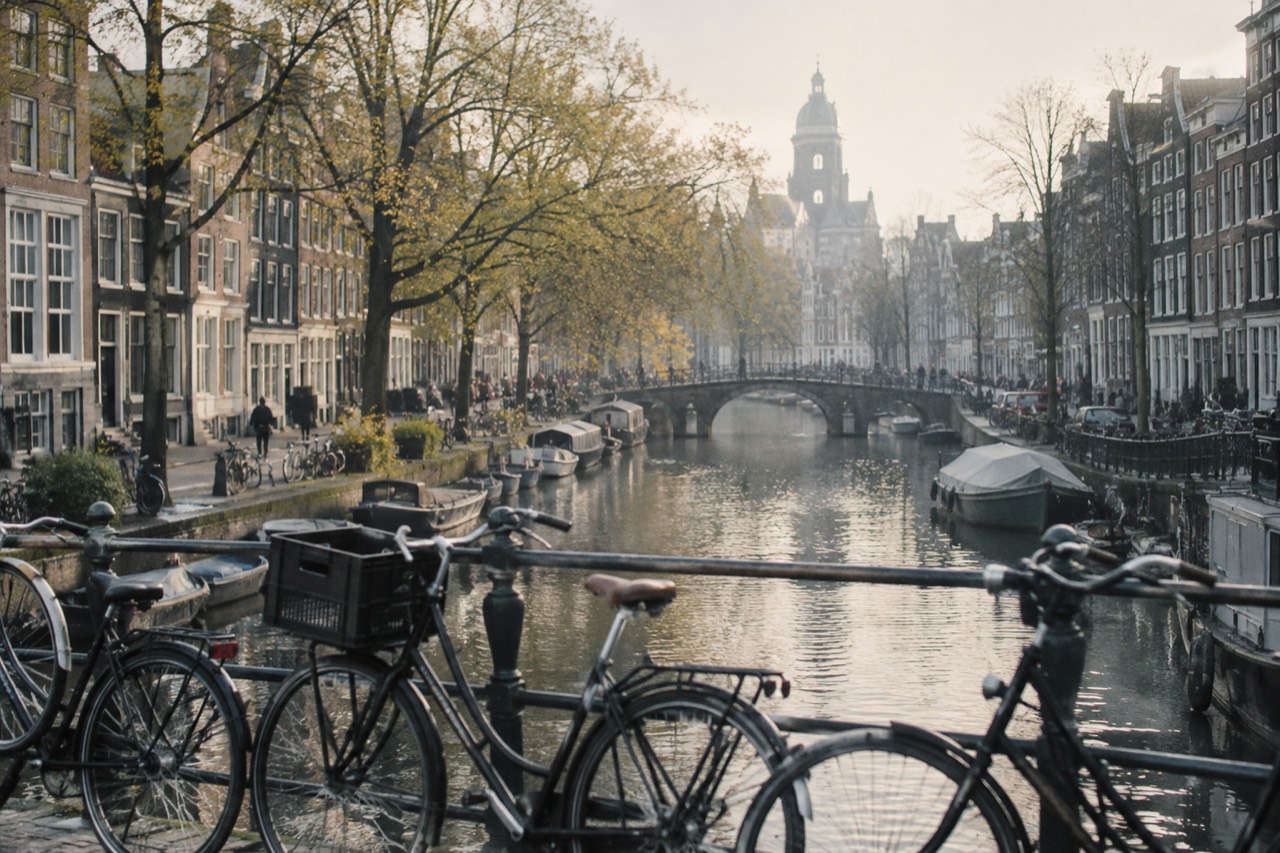
The best free things to do in Amsterdam are the pay-what-you-want walking tours, wandering the UNESCO canal ring and Begijnhof, Vondelpark, the Bloemenmarkt and Albert Cuyp Market, the free NEMO roof terrace, and simply exploring neighbourhoods like the Jordaan and De Pijp. Several museums also admit under-18s and card holders at no charge.
Amsterdam recorded 23.7 million tourist overnight stays in 2025, and the city's own forecast expects between 23.7 and 25.1 million in 2026. With crowds like that, the paid attractions get queues, and prices climb every year: the Rijksmuseum and Van Gogh Museum both charge adults €25, and the tourist tax on your hotel room runs at 12.5 percent of the nightly rate. The good news is that the city's most characteristic experiences sit outside the ticket queue entirely. The canal ring is a UNESCO World Heritage site you can walk for free, the parks cost nothing, the markets charge only for what you buy, and a cluster of pay-what-you-want walking tours ranks among the highest-reviewed activities in Amsterdam by any measure.
This guide walks through the free side of the city in order of usefulness: the walks first, because they orient you, then the canals, the genuinely free museum entry, the parks, the markets and the viewpoints. Everything here was checked against official sources, and where a price could not be verified it says so rather than guessing.
What Are the Best Free Things to Do in Amsterdam?
The best free things to do in Amsterdam are the pay-what-you-want walking tours, which cost nothing upfront and are rated 4.88 to 4.93 out of 5 by thousands of walkers, plus the UNESCO canal ring on foot, Vondelpark, the Begijnhof courtyard, the Bloemenmarkt and Albert Cuyp Market, and the free roof terrace at NEMO Science Museum, which the museum itself confirms is reachable without a ticket. Beyond those, entire neighbourhoods such as the Jordaan, De Pijp and Amsterdam Noord reward wandering with no spend at all, and several major museums admit children and teenagers free.
Think of the free offer in three layers. The first layer is the walks, where a local guide trades commentary for tips. The second is the public realm: canals, parks, squares, courtyards and markets, which in Amsterdam are unusually rich because the historic street pattern itself is the attraction. The third is the free slice of the museum world, thinner than in some capitals but real, especially for families.
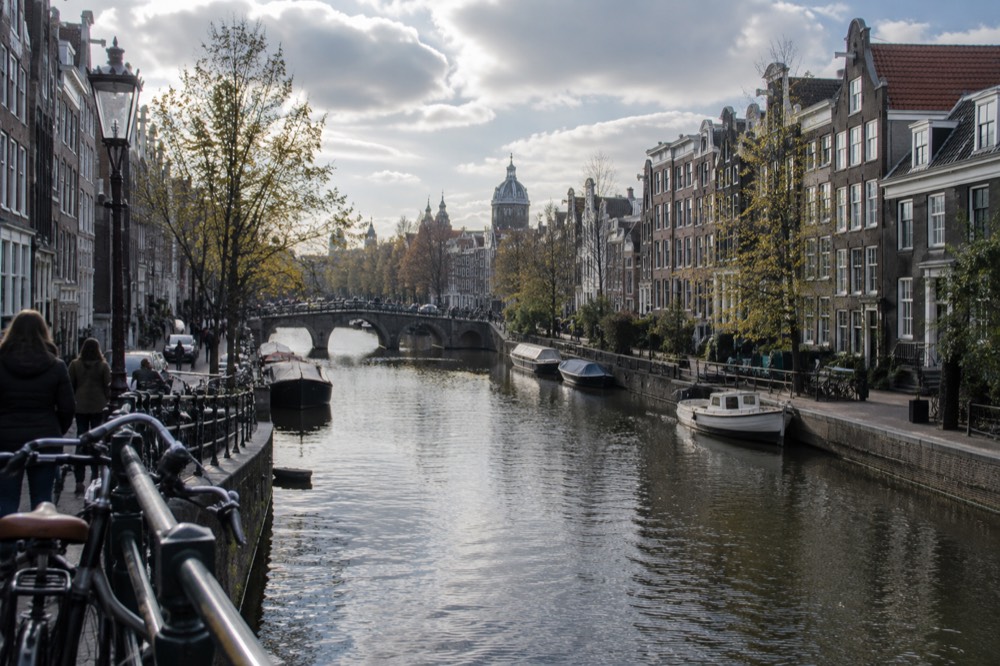
A word on what "free" means with the walking tours, because this trips people up. These are not charity events. They are bookable tours with a €0 price, run on the GuruWalk platform, where you reserve a spot and then tip the guide in cash at the end according to what the walk was worth to you. The operators are upfront about the model, and the review counts suggest most walkers leave happy and pay something. If you would rather have a fixed price and a guaranteed small group, paid alternatives exist, but for pure value the free walks are hard to beat.
Which Free Walking Tours Are Worth Your Time?
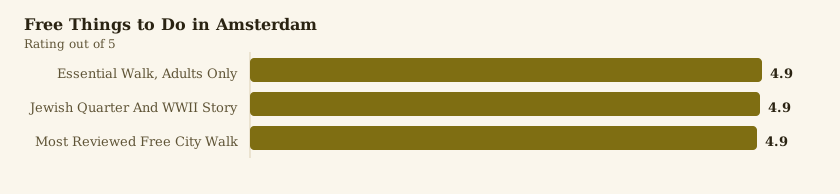
Three free walking tours stand out in Amsterdam: the Absolutely Amsterdam city walk, rated 4.88 across 9,527 reviews over 2 hours 30 minutes; the Essential Amsterdam walk for adults only, rated 4.93 across 2,496 reviews over 1 hour 30 minutes; and the Jewish Quarter and WWII walk, rated 4.91 across 1,364 reviews over 2 hours. All three cost nothing to book, with tipping at your discretion. Between them they cover the centre, the adult-oriented stories and the wartime history of the Jewish Quarter.
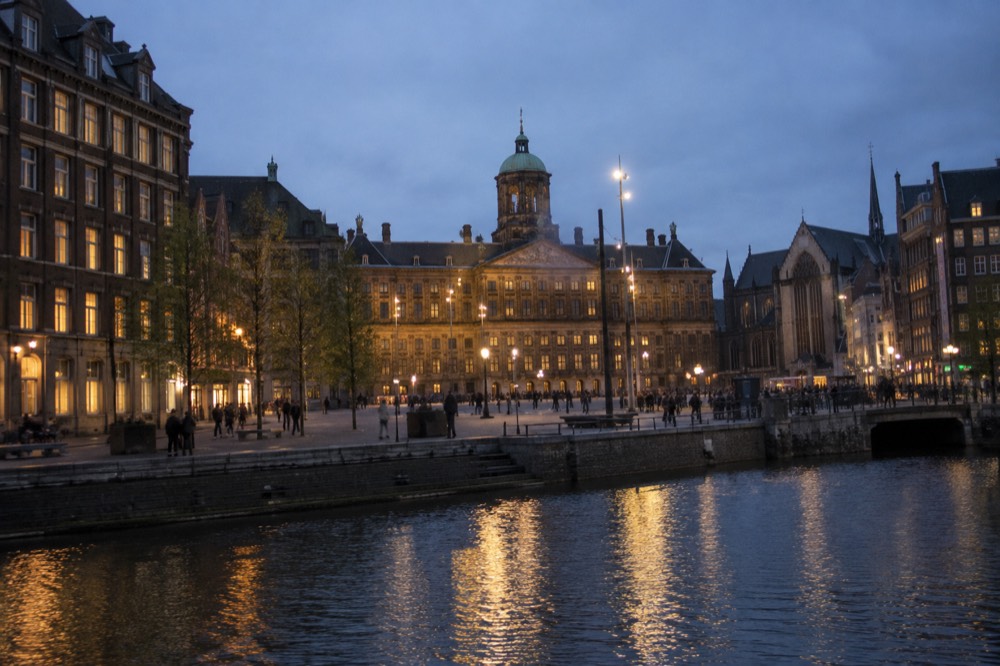
The Absolutely Amsterdam walk is the most-reviewed free tour in the city and the broadest introduction. Over two and a half hours a local guide covers the Dam, the canal belt edges, the old centre and the stories that connect them. It is the walk to book on day one, because everything else you do afterwards makes more sense. The Essential Amsterdam walk is shorter at 90 minutes and restricted to walkers aged 18 and over, which lets the guide go into the coffee shop culture and the red-light district's history with fewer filters. The Jewish Quarter and WWII walk spends two hours on the wartime history around the Portuguese Synagogue and the former Jewish Quarter, including the Anne Frank story told in the streets rather than inside the house.
One point of honesty on the WWII walks, because misleading copy is common: none of these tours includes entry to the Anne Frank House. The museum sells tickets only through its own official website, annefrank.org, on a timed-slot basis with no door sales, and no reseller or tour operator can include it. A walking tour takes you past the exterior and through the quarter; the house itself is a separate, separate booking you must make yourself, and adult tickets cost €16.50.
The Essential Amsterdam walk suits travellers with a tight schedule or an evening slot to fill, and its adults-only rule means the tone is franker than a family walk. Reviews on the live listing repeatedly mention guides who answer every awkward question about the city's permissive reputation straight, which is exactly what the format is for.
The Jewish Quarter walk covers ground most visitors otherwise miss. The quarter around the Portuguese Synagogue and the Hortus Botanicus holds the city's deepest history, and a guided two hours there does more for your understanding of Amsterdam than another museum queue would. Our Portuguese Synagogue and Jewish Cultural Quarter guide covers what you can see independently if you would rather walk it alone.
Where Can You Enjoy the Canals Without Paying for a Cruise?
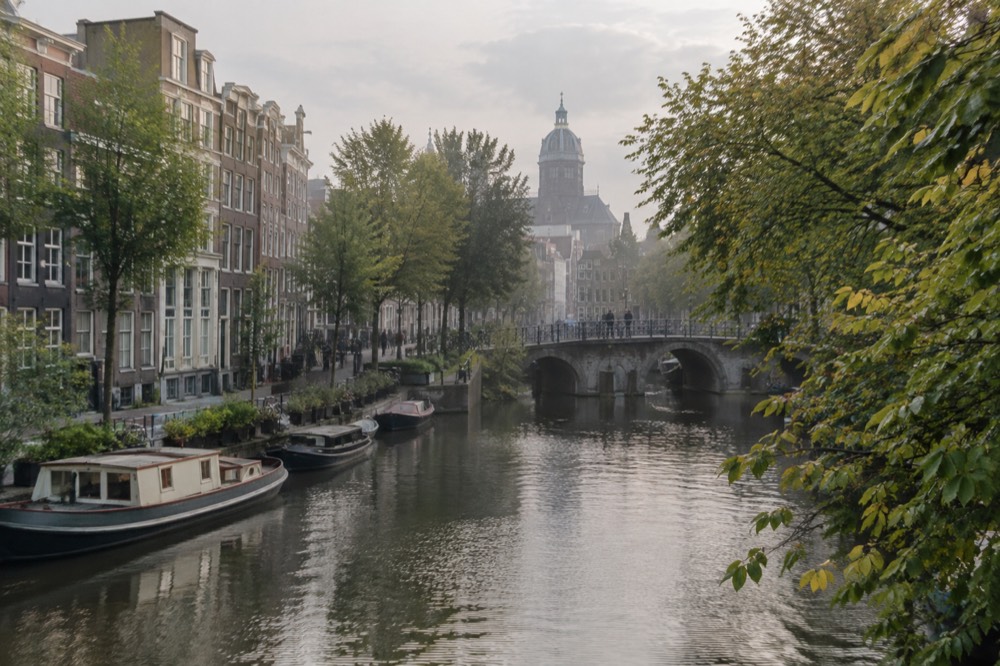
You can enjoy Amsterdam's canals for free by walking the Grachtengordel on foot, crossing the Magere Brug and the centre's oldest bridges at sunset, sitting on the canal-side terraces and steps, and visiting the free Begijnhof courtyard, all of which cost nothing, while the cheapest paid one-hour cruises start from about €15.50 with operators such as Rederij Kooij. The canal ring is a UNESCO World Heritage site, and UNESCO status applies to the streets and water themselves, not to any ticket.
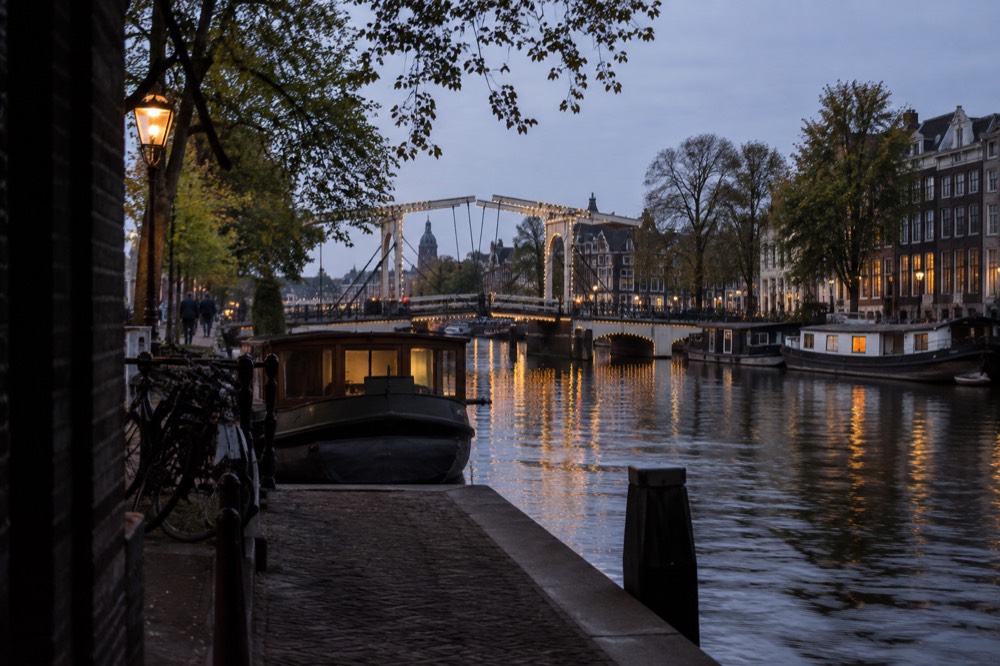
Start at the Amstel and the Magere Brug, the wooden drawbridge that is the most photographed in the city, then walk the Herengracht, Keizersgracht and Prinsengracht westward. The Magere Brug and Skinny Bridge guide maps the best stretch for an evening walk, and our longer Amsterdam canal ring UNESCO guide lays out a two-hour loop that hits the Golden Bend, the Nine Streets and the Jordaan without a single entrance fee. The Begijnhof, a medieval courtyard of houses around a quiet green, is free to enter during daytime and is one of the few places in the centre where the noise of the city genuinely stops.
If you decide you do want the water view, it need not be expensive. The only operator price verified directly on its own site is Rederij Kooij's original one-hour cruise at €15.50 per adult, departing every 30 minutes without time slots, so treat that as the honest floor for a basic cruise and expect most competitors to sit above it. An evening cruise with city lights starts from $21 through our listings. But the essential canal experience, the one where you stop on a bridge and watch the houseboats and the bicycle traffic cross in the golden hour, is free, and you can repeat it as many evenings as you like.
Which Museums and Galleries Can You Visit for Free?
Several Amsterdam museums are genuinely free for the right visitors: the Rijksmuseum and Van Gogh Museum both admit everyone aged 18 and under at no charge, the NEMO Science Museum's roof terrace is free to reach without a ticket, and Museumkaart holders get free entry to more than 500 museums nationwide including both heavyweight museums. Full free entry for every adult is rarer, and any list claiming otherwise should be checked against the museum's own site.
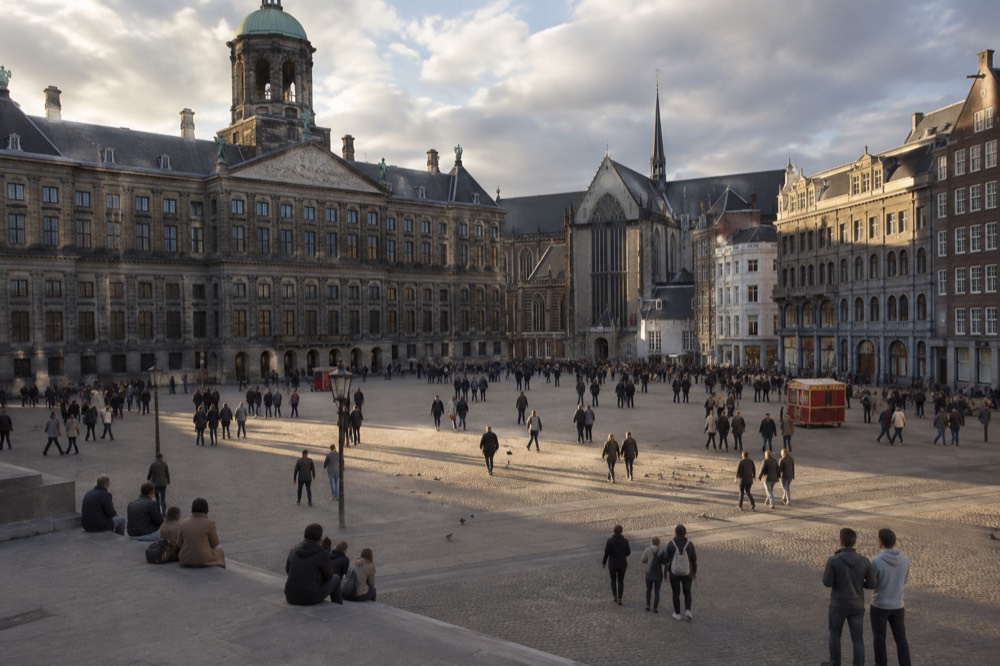
The under-18 rule is the biggest money-saver for families and it is confirmed on the museums' own ticket pages. The Rijksmuseum states "free for ages 18 and under" alongside its €25 adult ticket, and the Van Gogh Museum states "visitors under 18: free" on its official ticketing page. Two adults with two teenagers therefore pay €50 instead of €100 at the door of either museum. Note that both museums require a pre-booked timed entry slot for every visitor, including free children's tickets and card holders, so book online rather than turning up. Everything else covered here is indexed on Things to Do in Amsterdam.
| Museum or space | Who gets in free | Notes |
|---|---|---|
| Rijksmuseum | Ages 18 and under; I amsterdam City Card holders | Timed entry slot still required; adults €25 |
| Van Gogh Museum | Ages 18 and under | Timed entry required; not on the City Card |
| NEMO Science Museum | Everyone, roof terrace only | Reachable without a museum ticket via the steps from the street |
| ARTIS-Groote Museum and Micropia | Ages 0 to 12; Museumkaart and ICOM holders | Free does not apply to the main zoo |
| Begijnhof courtyard | Everyone, daytime | Not a museum, but a free historic site |
The NEMO roof deserves its own paragraph because almost nobody uses it. The museum's own press page confirms the roof terrace is free and reachable via the steps from the street or the lift in the entrance hall, no ticket needed. It is one of the best free views over the water and the eastern centre, and on a clear afternoon it costs you a staircase. Our NEMO Science Museum guide covers the paid interior if the weather drives you inside.
The Museumkaart is worth knowing about even though it is not free itself. It costs €75 for adults and €39 for those 18 and under, including a €4.95 registration fee, and a temporary version bought at participating museums is valid 31 days for a maximum of 5 visits, which suits a short trip. It covers more than 500 museums across the Netherlands, including the Rijksmuseum and Van Gogh Museum, though not the Anne Frank House, where it only reduces the price to a €1.00 booking fee. Do the arithmetic against your itinerary before buying; two major museums barely justify it, five do.
What Free Parks and Outdoor Spaces Should You Not Miss?
The best free outdoor spaces in Amsterdam are Vondelpark, the largest and most central park; the Amstel riverbanks and their meadows; the Hortus Botanicus's surroundings in the Plantage; the Westerpark around the Westergas cultural site; and the NDSM wharf in Amsterdam Noord, where the ferry crossing and the street art cost nothing. Amsterdam's green space is unusually woven into the city, so none of these requires a detour.
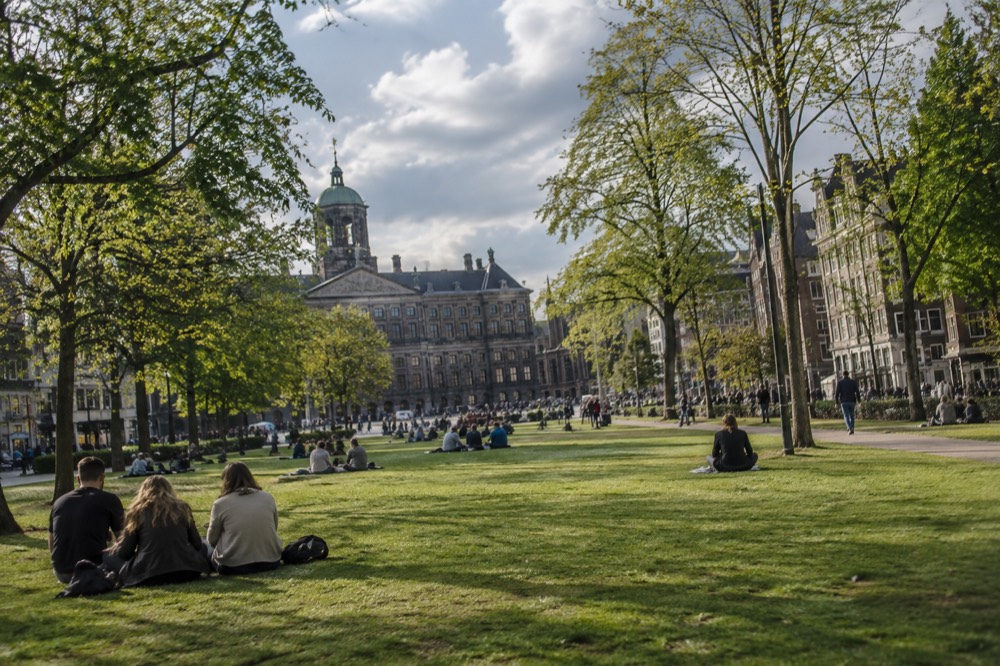
The Vondelpark is the classic: 47 hectares of ponds, lawns and tree-lined paths a short walk from the Rijksmuseum, filled with locals the moment the sun appears. It is the place to understand that Amsterdam's park culture is not a tourist attraction but the city's living room. Our Vondelpark guide maps the best entrances and the quiet stretches. The Westerpark and het Westergas guide covers the industrial-heritage park to the west, where the gasworks buildings now hold cafés and events, and the park itself is free to wander.
North of the water, the NDSM wharf in Amsterdam Noord is a free open-air gallery of murals, installations and improvised architecture, a legacy of the squatters and artists who took over the shipyards. Our Amsterdam Noord and NDSM wharf guide explains the ferry crossing and what to look for. You can spend a full afternoon there with a coffee and spend nothing on the experience itself.
Which Markets and Neighbourhoods Cost Nothing to Wander?
Amsterdam's markets are free to enter and priced only on what you buy: the Bloemenmarkt floating flower market, the Albert Cuyp Market, the Dappermarkt and the Sunday-only farmer's markets all cost nothing to browse, and the neighbourhoods around them, the Jordaan, De Pijp and the Nine Streets, are among the best free walking terrain in Europe. Even if you never open your wallet, the markets are worth an hour each for the atmosphere alone.
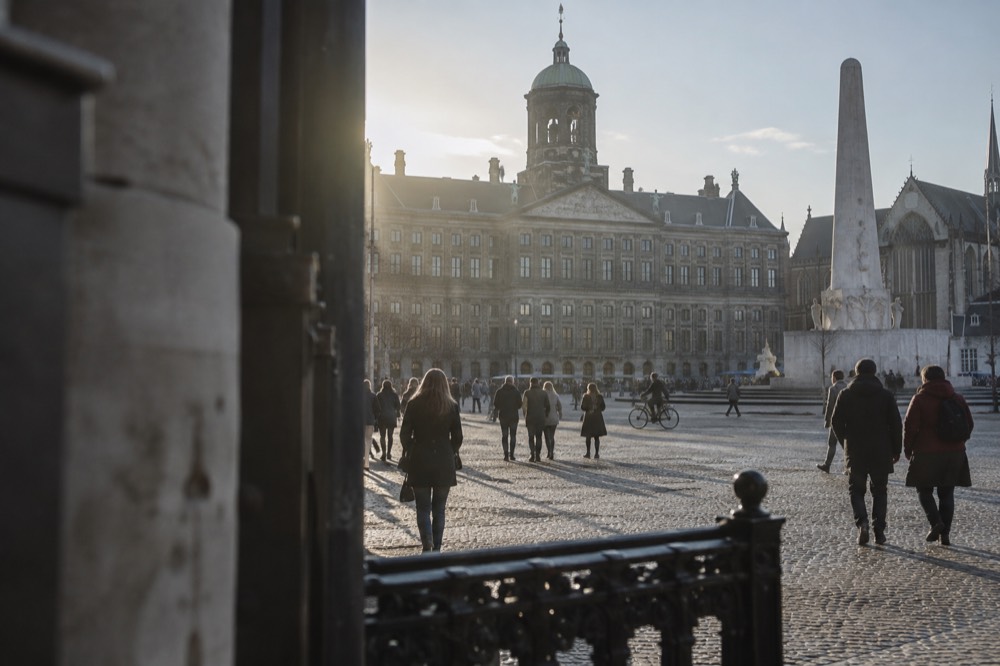
The Bloemenmarkt on the Singel is the only floating flower market in the world, a row of houseboat stalls selling cut flowers, bulbs and tulip paraphernalia. Entry is free and the scent alone justifies the visit. The Albert Cuyp Market in De Pijp is the largest day market in the Netherlands, running six days a week, and browsing costs nothing while a fresh stroopwafel from the stall is one of the cheapest eats in the city. Our Albert Cuyp Market guide covers the stalls worth seeking out, and the Bloemenmarkt guide explains which bulbs can legally travel home with you.
| Market | Where | Free experience |
|---|---|---|
| Bloemenmarkt | Singel canal, centre | World's only floating flower market; browse the houseboat stalls |
| Albert Cuyp Market | De Pijp | Largest day market in the Netherlands, open six days a week |
| Dappermarkt | Oost, near the zoo | Local street market with an international food scene |
| Nine Streets | Grachtengordel | Free window-shopping in the prettiest boutique quarter |
For neighbourhoods, the pattern is simple: pick one per afternoon and walk it slowly. The Jordaan's hofjes, the hidden courtyards behind unassuming doors, are mostly free to peek into during daytime and are the closest thing the centre has to secrets. De Pijp's side streets hold the city's best façade photography, and the eastern Plantage district pairs the Hortus Botanicus's surroundings with quiet 19th-century streets. None of this needs a plan or a ticket, which is precisely the point.
What Free Viewpoints Show the City Best?
The best free viewpoints in Amsterdam are the NEMO roof terrace, which the museum confirms is free without a ticket; the Magere Brug and the Blauwbrug bridges over the Amstel; the canal-side steps and quay walls in the centre; and the upper deck of the ferries to Amsterdam Noord, which offer a moving panorama of the IJ waterfront at no charge. None requires a ticket, a booking or a climb past a turnstile.
The bridge viewpoints are underrated. From the Magere Brug you look up the Amstel toward the classic skyline of towers and gables, and at golden hour the light comes straight down the river. The quays along the Brouwersgracht in the Jordaan put you at water level with the houseboats, and the steps there are legitimate sitting spots. If you want the paid panorama instead, the A'DAM Lookout across the IJ charges €16.50 online against €18.50 at the counter, with the swing add-on at €7.50 online, but the free ferry ride itself gives you most of the same skyline from the water for nothing.
How Do You Keep the Rest of the Day Cheap?
To keep Amsterdam cheap beyond the free sights, buy a GVB day ticket at €10.00 for unlimited trams, buses and metro, or tap a contactless card with OVpay from a €1.16 base fare plus €0.217 per kilometre, eat from markets and brown cafés rather than restaurant strips, and book any paid anchor, such as a canal cruise or museum slot, online in advance where the online price is lower. The free layer of the city plus disciplined transport and food keeps a full day under €30 before accommodation.
Transport is where most budgets quietly leak. A single GVB one-hour ticket costs €3.40, so three tram rides already exceed the €10.00 day ticket. If you are walking the centre, and the free itinerary above is entirely walkable, you may need no ticket at all. The city's official visitor guidance on amsterdam.nl also asks visitors to respect residential streets, skip photographs of the windows in De Wallen and keep noise down at night, all of which cost nothing and keep the free areas pleasant for everyone.
| Daily cost item | Budget approach | Typical figure |
|---|---|---|
| Getting around | Walk the centre; GVB day ticket if needed | €0 to €10.00 |
| Orientation | Pay-what-you-want walking tour | Tip only |
| Lunch | Market stalls, haring cart, supermarket picnic in Vondelpark | A few euros |
| Culture | Free roof, courtyards and canal ring; one paid museum if desired | €0, or €25 adult |
| Evening | Canal-side bridge at golden hour | €0 |
The paid anchors, when you do want one, are cheapest booked ahead. Museums require timed slots anyway, canal cruises discount online, and the day trips to Zaanse Schans and the villages start from $34 in our listings. A reasonable pattern for a three-day visit is one free walk on day one, one paid museum on day two and one cruise or day trip on day three, with the free layer filling every gap between.
Common Questions About Free Things to Do in Amsterdam
Are the free walking tours in Amsterdam really free?
Yes, in the sense that booking costs nothing and there is no fixed charge. The guides work for tips, so the convention is to pay what the walk was worth to you in cash at the end. The three leading walks are bookable at a €0 price and are rated between 4.88 and 4.93 out of 5 by thousands of walkers.
What is the best free thing to do in Amsterdam?
Walking the canal ring is the single best free experience, because the UNESCO-listed streets, bridges and gabled houses are the city's defining sight. Add the Begijnhof courtyard and the NEMO roof terrace and you have a full free day without repeating yourself.
Can you visit Amsterdam museums for free?
Ages 18 and under get free entry to the Rijksmuseum and Van Gogh Museum, and the NEMO roof terrace is free for everyone. Adults pay €25 at both major museums, though Museumkaart holders enter free at more than 500 museums nationwide.
Is Vondelpark free to enter?
Yes, Vondelpark is a free public park open to everyone, and it is the largest green space within walking distance of the centre. It fills with locals on sunny afternoons and is one of the easiest free stops to add to any itinerary.
Do you need to pay to walk the red-light district?
No, De Wallen is an ordinary public neighbourhood and walking through it is free. The city asks visitors not to photograph the windows and to keep noise down, and guided tours there are restricted to groups of 15 at most, running only between 08:00 and 22:00, with no route passing the windows.
What is the cheapest way to get around Amsterdam?
Walking, because the centre is compact and the free itinerary is entirely walkable. If you use trams, a GVB day ticket at €10.00 beats the €3.40 single fare after three rides, and OVpay contactless works from a €1.16 base fare plus €0.217 per kilometre.