The Canal Belt (Grachtengordel): A Visitor's Guide to Amsterdam's Historic Canal Ring
The Grachtengordel is the ring of seventeenth-century canals that curves around Amsterdam's centre, and it is the part of the city most visitors picture before they arrive. This guide covers what it is, how to walk it, how to see it from the water and where to base yourself.
Short answer
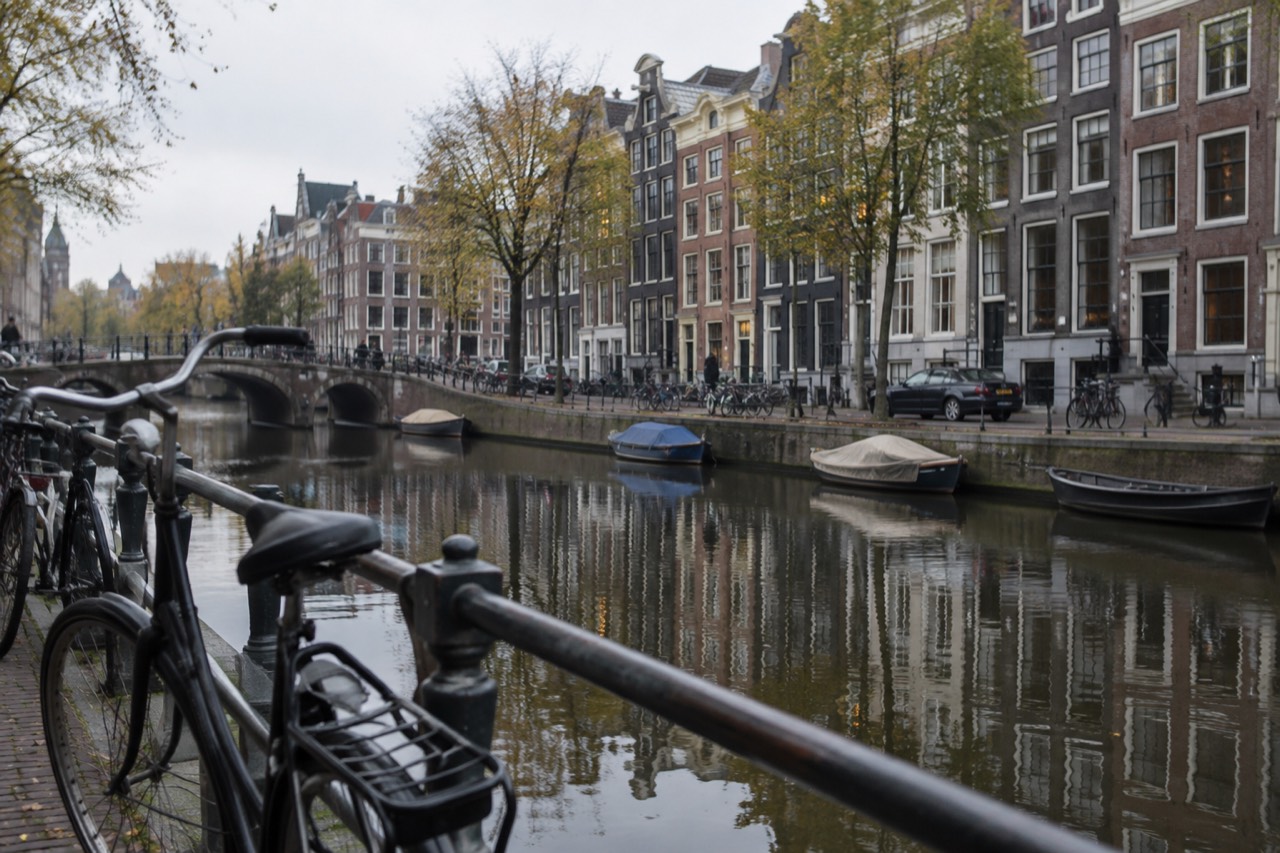
The Canal Belt is Amsterdam's UNESCO-listed ring of concentric canals, dug in the seventeenth century around the old centre. The three main waterways are the Herengracht, Keizersgracht and Prinsengracht. A one-hour cruise costs from about €15.50, and a GVB 24-hour transport ticket is €10.00.
The Grachtengordel is not a single street but a whole ring: the Herengracht, Keizersgracht and Prinsengracht, plus the cross-streets that stitch them together, curving around Amsterdam's medieval core in a great semicircle. Dug largely in the first half of the seventeenth century, when Amsterdam was the richest port in Europe, it turned marshland into prime real estate and produced the narrow, gabled merchant houses that define the city's image. This guide walks the ring district by district, compares the ways to see it from the water, and covers the local rules, from holiday-rental caps to guided-tour restrictions, that a first visit should know about. For a wider view of what the city offers, start with Things to Do in Amsterdam and work outward from there.
What Is the Canal Belt and Why Does It Matter?
The Canal Belt, or Grachtengordel, is the ring of canals dug in the seventeenth century around Amsterdam's old centre, built to house a booming merchant class and to move goods by boat. Its three main canals, the Herengracht, Keizersgracht and Prinsengracht, are the core of the UNESCO World Heritage listing that covers the historic city centre. It is the part of Amsterdam most photographs are taken in.
The ring was a planned expansion, not an accident of growth. In 1613 work began on the Herengracht, the innermost and grandest of the three, followed by the Keizersgracht and then the Prinsengracht as the city's population and shipping trade outgrew the medieval walls. Merchants built tall, narrow houses on the water because land was taxed by frontage, which is why the houses lean, hug and sometimes prop each other up. The gables, hooks and pulley beams you see at the top of nearly every facade exist because furniture and cargo were, and still are, hauled up the outside of the building.
What makes the district unusual among European heritage areas is that it is not a museum piece. People live in these houses, moor houseboats along the quays, cycle across the bridges and complain about tourists exactly as residents of any busy neighbourhood would. The city counted 23.7 million tourist overnight stays in 2025, and a large share of that pressure lands on these few square kilometres, which is why Amsterdam has been tightening rules on holiday rentals, new hotels and guided tours. Understanding that the Canal Belt is a working neighbourhood first is the key to enjoying it without friction.
Which Canals and Streets Make Up the Grachtengordel?
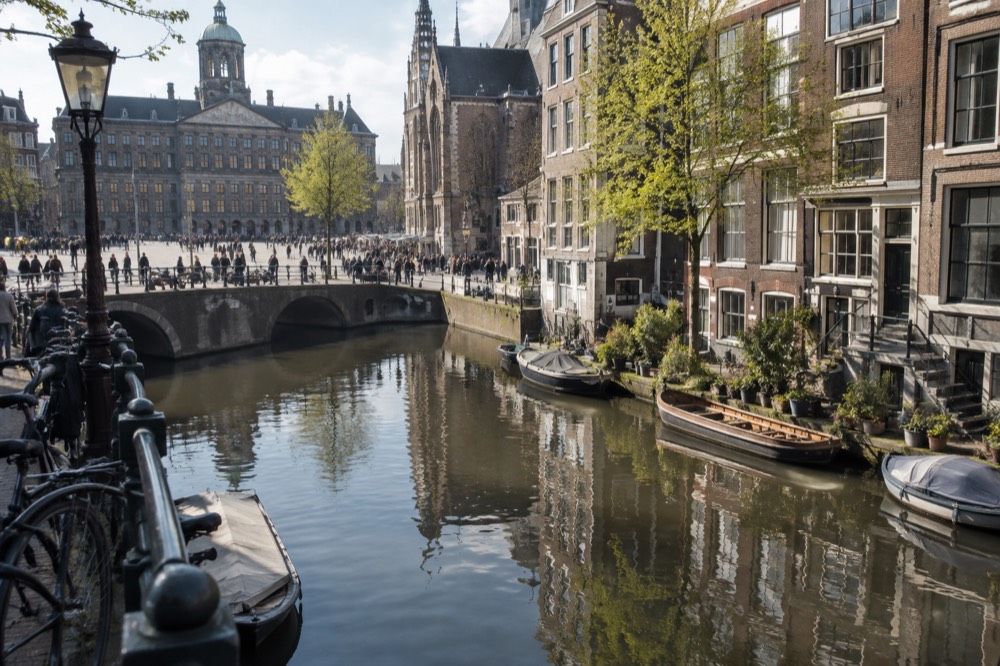
The ring runs west from the Brouwersgracht, near Centraal Station, to the Amstel river in the east, with the Singel as the innermost canal and the three great grachten outside it. The Herengracht is the grandest, the Keizersgracht the widest, and the Prinsengracht the liveliest, lined with houseboats, brown cafes and small shops. The Nine Streets cross all three.
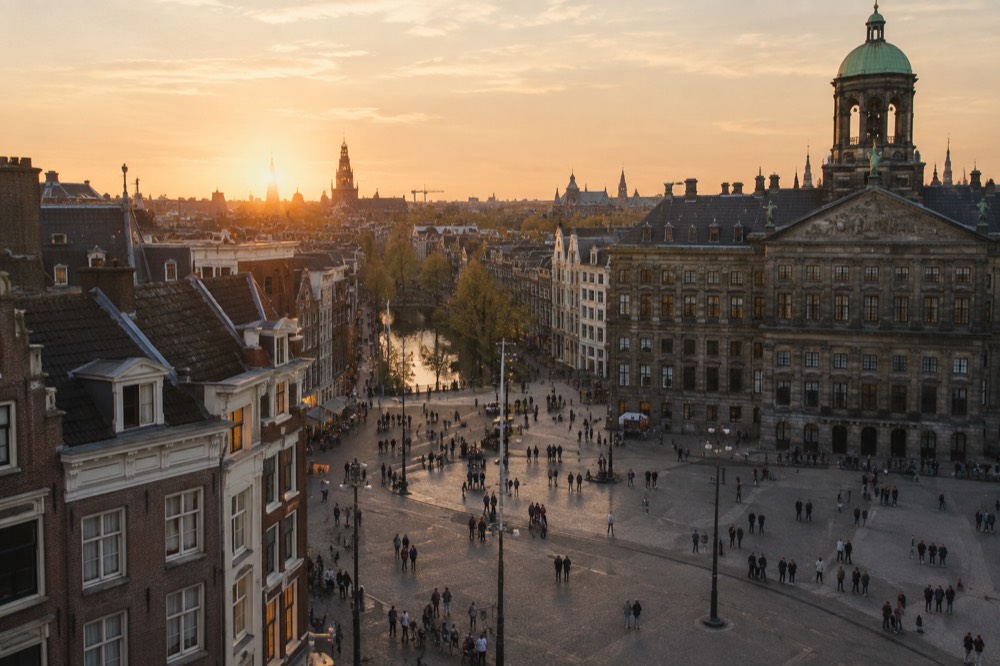
The Singel was originally the city's moat, and the belt grew outward from it in three arcs. The Herengracht, named for the gentlemen of the city government, carries the showpiece stretch known as the Golden Bend, where the wealthiest regents built the widest houses in the city. The Keizersgracht, named for the Holy Roman Emperor, is the widest canal and the calmest to walk, with gardens behind the houses that open to the public on selected summer weekends. The Prinsengracht, the outermost, is the everyday canal: houseboats, the Anne Frank House on the Westerkerk side, and the small independent shops of the Nine Streets district, covered in detail in our guide to the Nine Streets (De Negen Straatjes).
| Canal | Character | What to Look For |
|---|---|---|
| Singel | Innermost, former moat | Flower market frontage, the Munttoren at the south end |
| Herengracht | Grandest, regents' houses | The Golden Bend, grandest facades in the city |
| Keizersgracht | Widest and calmest | Garden openings, the Westerkerk close by |
| Prinsengracht | Liveliest, residential | Houseboats, Anne Frank House, brown cafes |
| Brouwersgracht | Northern cross-canal | Brewery heritage, the classic photo of crooked gables |
Walking the ring end to end takes a comfortable morning; the full arc is a few kilometres, and the bridges invite constant detours. The Brouwersgracht at the northern end is where most postcard photographs are actually taken, because the cross-canal view stacks a dozen gables into one frame. At the eastern end the ring meets the Amstel at the Magere Brug, the narrow wooden drawbridge that is the city's most photographed bridge and has its own guide, Magere Brug (Skinny Bridge).
The best way to see all of this in one hour is from the water, and the three most popular small-boat options below are the ones this site's readers book most often for exactly that.
What Can You See and Do Along the Canals?
The Canal Belt concentrates several of Amsterdam's best-known sights: the Anne Frank House on the Prinsengracht, the Westerkerk tower beside it, the Nine Streets shopping quarter, the houseboat museum and the Begijnhof's hidden courtyard near the Singel. Most are walkable from any point in the ring in under twenty minutes.
The Anne Frank House is the one that needs planning. Tickets are sold only through the museum's own website, annefrank.org, for a specific date and time slot, and there are no door sales and no reseller of any kind; a walking tour of the surrounding streets, however good, does not include entry. Adult admission is €16.50 including the booking fee, and slots for a summer visit typically disappear within days of release. The house is covered fully in our Anne Frank House guide, including how the release schedule works.
The Westerkerk next door is the church whose carillon Anne Frank wrote about hearing, and its tower can be climbed on a guided tour in season. Further east, the Begijnhof is a courtyard of almshouses hidden behind an unmarked door on the Spui side, one of the quietest spots in the whole centre. On the Prinsengracht itself, the Houseboat Museum lets you walk through a real canal houseboat, which answers most of the questions people have about what living on the water here is actually like.
Shopping in the ring means the Nine Streets, nine short cross-streets between the Prinsengracht and the Singel packed with independent boutiques, record shops and jewellers. For food, the brown cafes of the Jordaan edge, on the Prinsengracht's western side, serve the traditional Dutch pub experience: candlelit, wood-panelled, beer from the tap and no music. Our Amsterdam brown cafes guide names the ones worth seeking out, and the Jordaan guide covers the neighbourhood that sits inside the ring's western half.
Should You Take a Canal Cruise Through the Canal Belt?
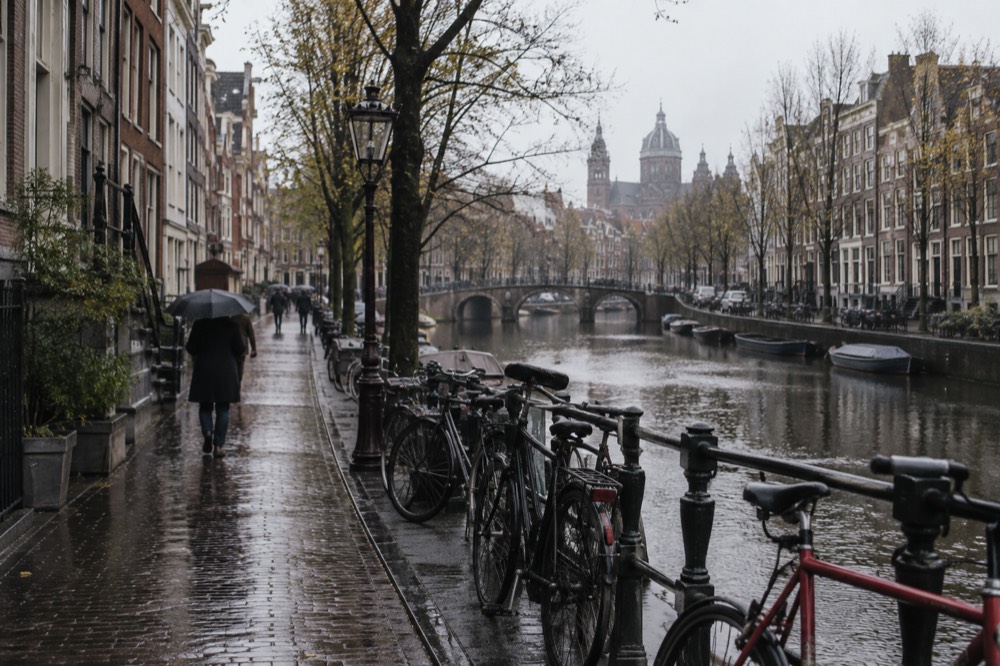
Yes, and it is the single most efficient way to understand the ring's geography. A one-hour cruise costs from about €15.50 per adult with a large operator such as Rederij Kooij, whose own site lists the original one-hour cruise at €15.50 with audio guide. Small boats and saloon boats cost more and carry fewer people, which most visitors find worth the difference.
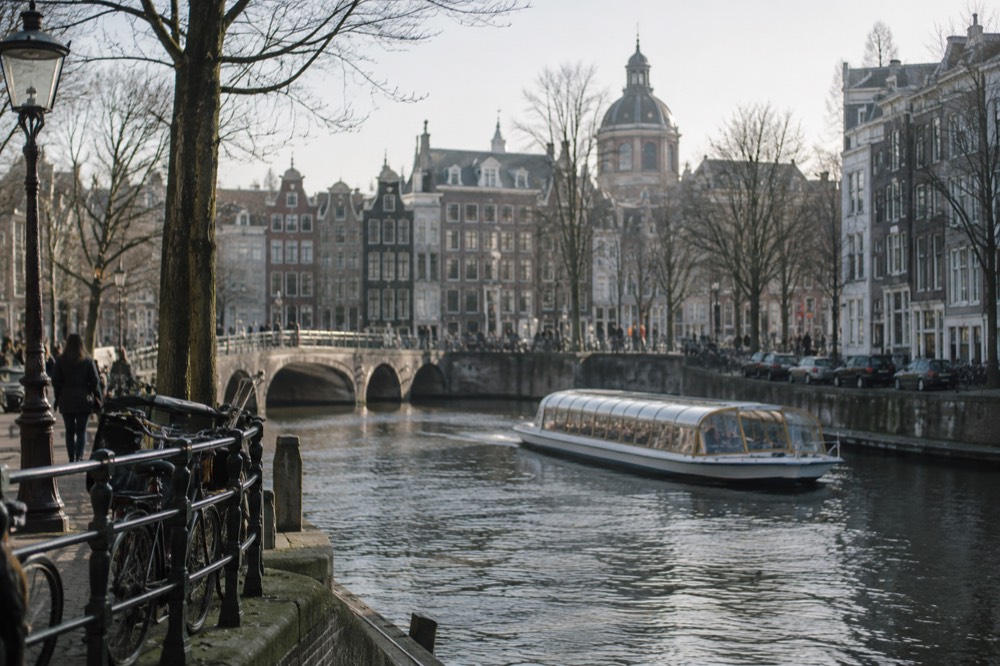
The big-boat cruise is the budget default: a fixed route through the main canals, an audio guide in many languages, and departures every half hour with no time slot needed. The trade-off is that you share the boat with dozens of others and the commentary is recorded. The saloon-boat format, on a restored late-nineteenth-century wooden vessel with a quiet electric engine and a live guide, is a different experience: fewer passengers, more manoeuvrable boats, and routes into narrower canals the large cruisers cannot enter.
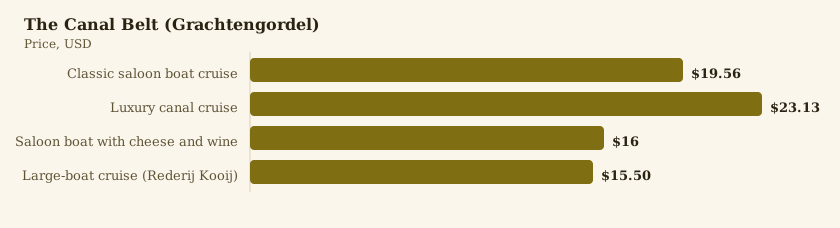
| Cruise type | Typical price | Best for |
|---|---|---|
| Classic saloon boat cruise | From $19.56 | Live guide, historic wooden boat, 1 hour |
| Luxury canal cruise | From $23.13 | Electric boat, open in summer, drinks option |
| Saloon boat with cheese and wine | From $16 | Cheese and wine upgrade on a historic boat |
| Large-boat cruise (Rederij Kooij) | €15.50 | Lowest price, recorded audio guide |
The classic saloon boat cruise is the one this guide recommends as the default: a one-hour trip on a classic wooden saloon boat with live commentary, rated 4.8 across more than 33,000 reviews on the operator's live listing, with an optional upgrade for Dutch cheese and unlimited drinks. Book it on a day with reasonable weather, because the open boats are the best experience but the covered ones run in rain.
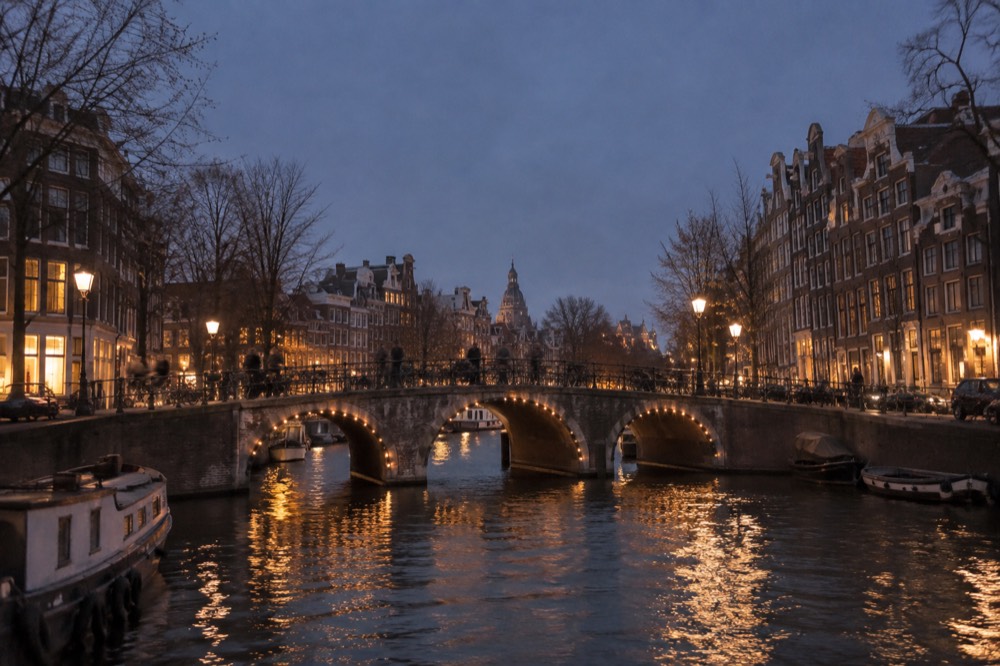
If you want the same canals with food folded in, the saloon boat cruise with the cheese and wine option covers the same water at a similar price with the tasting built in, rated 4.6 across more than 31,000 reviews. For an evening, the city-lights cruise runs the ring after dark, when the bridges are lit and the houseboats glow; it is a different city at night, and our Amsterdam viewpoints and skyline spots guide lists the places to see it from land as well.
When Is the Best Time to Walk the Canal Belt?
Early morning, before about nine, and the last hour before dusk are the quiet windows on the main canals. Midday in summer brings peak crowds to the Prinsengracht and the Nine Streets, while the Keizersgracht stays noticeably calmer. Winter weekdays are the quietest of all, with short days but empty bridges.
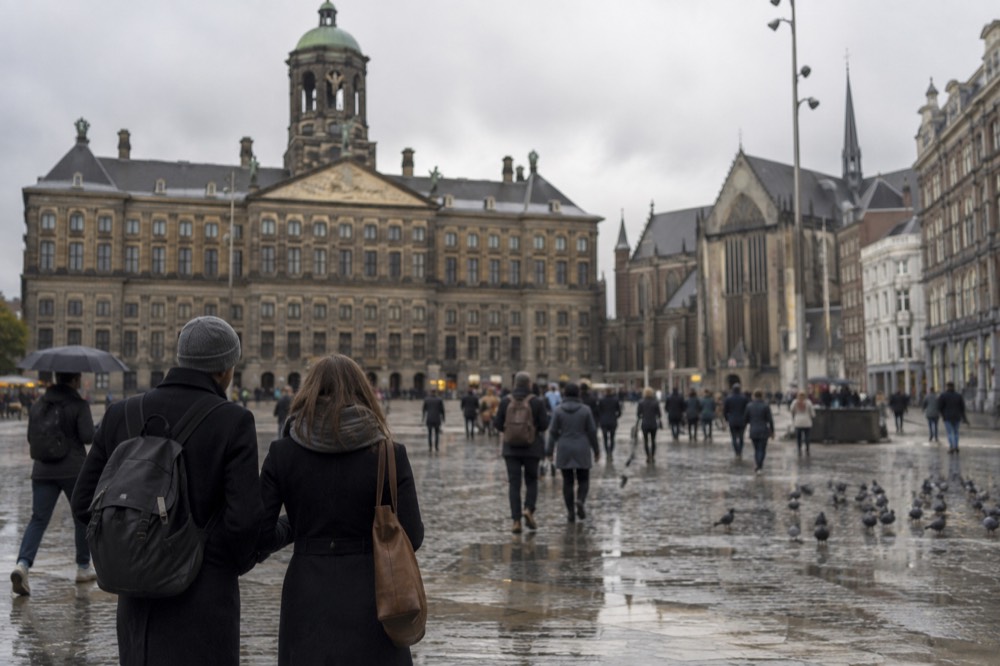
The ring faces directly onto the tourism numbers the whole city faces. Amsterdam recorded 23.7 million tourist overnight stays in 2025, plus 21.9 million day visits, and the municipal research service forecasts between 23.7 and 25.1 million overnight stays in 2026. Practically, that means the difference between a photograph of the Brouwersgracht with two people in it and one with two hundred is a matter of which hour you choose, not which season.
Spring and early autumn are the best compromises: tulip season runs from mid-March to mid-May, with the field peak around mid-April to early May, and the Keukenhof garden itself opens only 18 March to 9 May in 2027, as our Keukenhof guide explains. Summer gives the longest evenings, when the light on the water after nine o'clock is genuinely special, but it also gives you the cruise boats in convoy. If you are planning the whole trip around this, our best time to visit Amsterdam guide breaks the trade-offs down month by month.
Where Should You Stay in the Canal Belt?
Staying inside the ring puts you within walking distance of nearly everything, at a price. The Grachtengordel is the most expensive hotel district in the city, and short-stay rentals here are tightly capped at 15 nights per year in most canal-side neighbourhoods since April 2026. The Jordaan edge offers the best value inside the ring; Oud-West and De Pijp sit just outside it.
The hotel stock is limited by policy as much as price. The city operates a hotelstop, a ban on new hotels, and there are roughly 41,000 to 42,000 hotel rooms across about 544 hotels citywide, so supply inside the heritage ring cannot grow to meet demand. That is the structural reason canal-side rooms cost what they cost, and why booking early matters more here than in most European cities.
| Area | Position | Character |
|---|---|---|
| Grachtengordel-West | Inside the ring | Grandest houses, highest prices |
| Jordaan | Western edge of the ring | Brown cafes, best in-ring value |
| Oud-West | Just outside the ring | Foodhallen, quieter streets |
| De Pijp | South of the ring | Market quarter, cheaper beds |
For holiday rentals, the rule change matters. Since 1 April 2026, the designated canal neighbourhoods, including Grachtengordel-West, Grachtengordel-Zuid, the Jordaan and Haarlemmerbuurt, allow a maximum of 15 rental nights per calendar year rather than the city-wide 30, with a maximum of four guests and a mandatory registration number on every listing. Fewer legal rental nights means fewer legal listings, which pushes prices up further. Our where to stay in Amsterdam and Amsterdam neighbourhood guide pages compare the districts properly, and the blog post on the best area to stay for first-timers answers the question for a first visit.
How Do the Rules of the Canal Belt Affect Visitors?
Three sets of rules matter here: the holiday-rental cap of 15 nights a year in canal-side neighbourhoods, the guided-tour restrictions in the adjacent red-light district (groups of at most 15, tours only between 08:00 and 22:00, no route past the windows), and the street-drinking and outdoor cannabis-smoking bans in the city centre. None of this stops a normal visit; all of it shapes one.
The rental cap has already been covered above, so the tour rules deserve the detail here. The red-light district, De Wallen, sits at the eastern edge of the Canal Belt, and the city's rules for guided tours there are strict: a maximum of 15 participants, an exemption required for any group larger than four, tours permitted only between 08:00 and 22:00, and no route that passes the sex workers' windows. Fines run to €190 for an individual guide and €950 for a company. If a tour you are considering promises to show you the windows up close, it is breaking the rules, and the operators this site lists do not. Our red-light district rules and etiquette page covers the full picture.
Cannabis is the other question visitors ask. The national tolerance policy limits coffeeshop sales to five grams per person per day, and the national policy text includes a residents-only criterion, but Amsterdam has never applied it: tourists can and do buy in the city's coffeeshops. What is enforced locally is the outdoor smoking ban in the city centre, which includes the Wallen area; smoking happens inside the coffeeshop, not on the quay. The city's own visitor guidance is published at amsterdam.nl's How to Amsterdam page, which is worth ten minutes of anyone's time before a first visit.
Getting to and around the ring is straightforward. Trams 2 and 12 run along the Nieuwe Spiegelstraat and the Weteringschans flanking the belt, and a GVB 24-hour ticket at €10.00 covers unlimited tram, bus, metro and ferry use; single contactless taps with OVpay cost a €1.16 base fare plus €0.217 per kilometre. Full fare tables are in our getting around Amsterdam guide, and the official current prices are published at gvb.nl. From Schiphol, the train to Centraal takes just over 17 minutes from €5.50, which puts you at the northern tip of the ring; see the NS route page for live fares.
If you are weighing the I amsterdam City Card for the museums around the ring, note its limits before buying: the card includes the Rijksmuseum and a canal cruise but excludes the Van Gogh Museum and the Anne Frank House, both of which need their own timed tickets regardless. Our city card guide runs the full maths, and the museums' own pages confirm the inclusions from their side.
Whichever way you see the ring, from the water or on foot, the three cruises below are the strongest options for the Canal Belt itself: the classic saloon boat for the live-guided hour, the luxury electric boat for comfort, and the cheese-and-wine saloon for a floating lunch.
Common Questions About the Canal Belt
What is the Canal Belt in Amsterdam?
The Canal Belt, or Grachtengordel, is the ring of seventeenth-century canals built around Amsterdam's old centre, consisting mainly of the Herengracht, Keizersgracht and Prinsengracht. It was dug as a planned expansion of the city and is now a UNESCO World Heritage area.
How long does it take to walk the Canal Belt?
Walking the main arc from the Brouwersgracht to the Amstel takes a comfortable two to three hours without stops, though most visitors spend a full morning or afternoon detouring over bridges, into the Nine Streets and along the quays.
What is the best canal cruise for the Canal Belt?
A small saloon boat with a live guide suits most visitors: the classic saloon boat cruise costs from $19.56 and runs one hour on a restored wooden boat. The large-boat cruise from Rederij Kooij at €15.50 is the cheapest option, with a recorded audio guide instead of live commentary.
Is the Canal Belt a good area to stay in?
It is the most convenient area in the city and the most expensive. Hotel supply cannot grow because of the city's hotel-building ban, and holiday rentals in the canal neighbourhoods have been capped at 15 nights per year since April 2026, so book early or consider the Jordaan, Oud-West or De Pijp just outside the ring.
Are the Amsterdam canals UNESCO listed?
Yes. The canal ring inside the Singelgracht, covering the seventeenth-century canals and the historic centre they enclose, is inscribed on the UNESCO World Heritage List.
Can you drink alcohol while walking in the Canal Belt?
No. Street drinking is prohibited in Amsterdam's city centre, which includes the Canal Belt. Alcohol is confined to bars, cafes, terraces and boats with a licensed service, and public urination is likewise prohibited.