Where to Stay in Amsterdam: The Best Areas for Every Budget and Trip Style
Amsterdam is small enough that almost nowhere in the centre is far from anything, yet the neighbourhood you pick changes the price, the noise and the whole shape of your trip. Here is how the areas genuinely differ, with the city's own rules and fares factored in.
Short answer
Stay in the Canal Belt or Centrum for a classic first visit, the Jordaan for character at a slightly lower price, De Pijp for food and a local pace, and Amsterdam Noord or Oost for the cheapest beds with good links. Hotels add a 12.5 percent tourist tax to the nightly rate, so budget for it when comparing prices.
Amsterdam recorded 23.7 million tourist overnight stays in 2025, the city's own statistics office reports, and it expects between 23.7 and 25.1 million in 2026. Every one of those visitors needs a bed, and the city has deliberately frozen the supply: a hotel-building ban and a cap on new tourist shops are both still active municipal policy. The result is a compact hotel stock of roughly 544 hotels squeezed into a historic centre, prices that climb steeply as you move toward the canals, and a set of local rules that directly affect what you can book and what it will cost at checkout.
That makes the "where to stay" question less about finding a good hotel and more about picking the right neighbourhood, because the same budget buys very different things five tram stops apart. This guide walks through each area honestly, explains the tax and holiday-rental rules most guides skip, and finishes with the transport maths that turns a cheap room in Noord into a genuinely good deal.
Where to Stay in Amsterdam: Which Area Suits Your Trip?
The right base depends on what you want from the city at night, not what you want to see by day: Amsterdam's centre is compact enough that any neighbourhood with a tram or metro stop puts the major sights within twenty to thirty minutes, so the real decision is about noise, price and atmosphere. First-timers gravitate to the Canal Belt and Centrum, and that instinct is sound, but it comes at a premium.
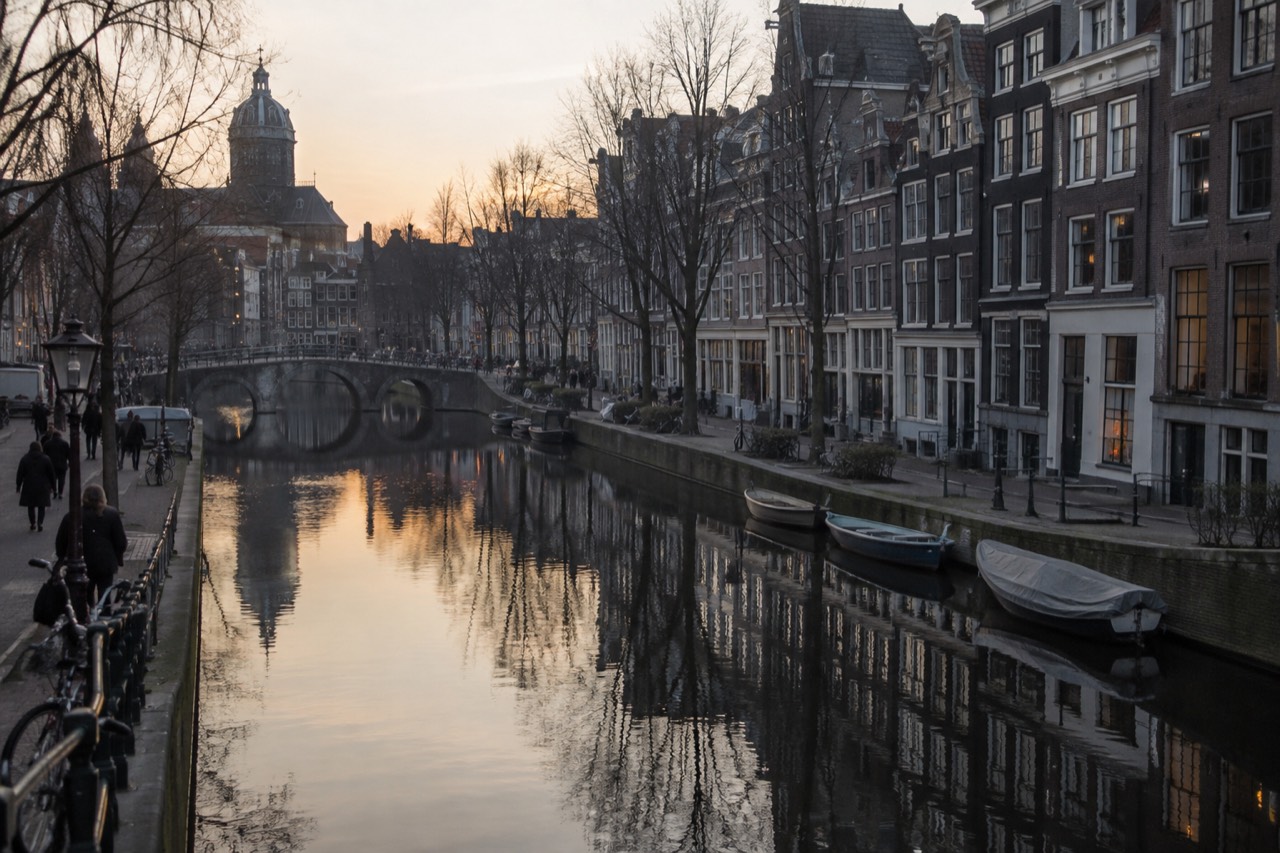
The single most useful mental model is the canal ring itself. Everything inside the semi-circular belt of Herengracht, Keizersgracht and Prinsengracht is walkable, atmospheric and expensive. The ring of neighbourhoods just outside it, the Jordaan, De Pijp, Oost and the Plantage, keeps much of the character while dropping the price and the crowds a notch. Cross the IJ water to Noord or push out to the ring-edge districts like Bos en Lommer and you trade postcard views for real savings.
Sleep schedules matter more here than in most cities. Amsterdam's centre is genuinely noisy on weekend nights, and the city's hospitality rules let bars in the core Wallen area serve until the early hours. If you are a light sleeper, a room above a busy bar street in Centrum will cost you two nights of rest, whatever the star rating says. Travellers who plan late nights, on the other hand, may find a quiet suburban location more of a burden than a bargain once late-night transport thins out.
Families and museum-focused visitors should weight the Museum Quarter and the Plantage most heavily. The Museumplein cluster, the Rijksmuseum, the Van Gogh Museum and the Concertgebouw, sits at the quiet southern edge of the centre, and the Plantage offers the zoo, the botanical garden and the Jewish Cultural Quarter with wide streets and calm evenings. Both read as residential rather than party districts, and both hold their value well for longer stays.
The Best Areas to Stay in Amsterdam, Neighbourhood by Neighbourhood
Centrum and the Canal Belt are the classic answer, and the best answer for a first visit of two or three nights, because you can walk to Dam Square, the major museums and the Red Light District; the Jordaan gives you canal-side charm with fewer stag parties; De Pijp is the food-lover's pick; Oost and the Plantage suit families; and Noord delivers the lowest prices with a free ferry commute.
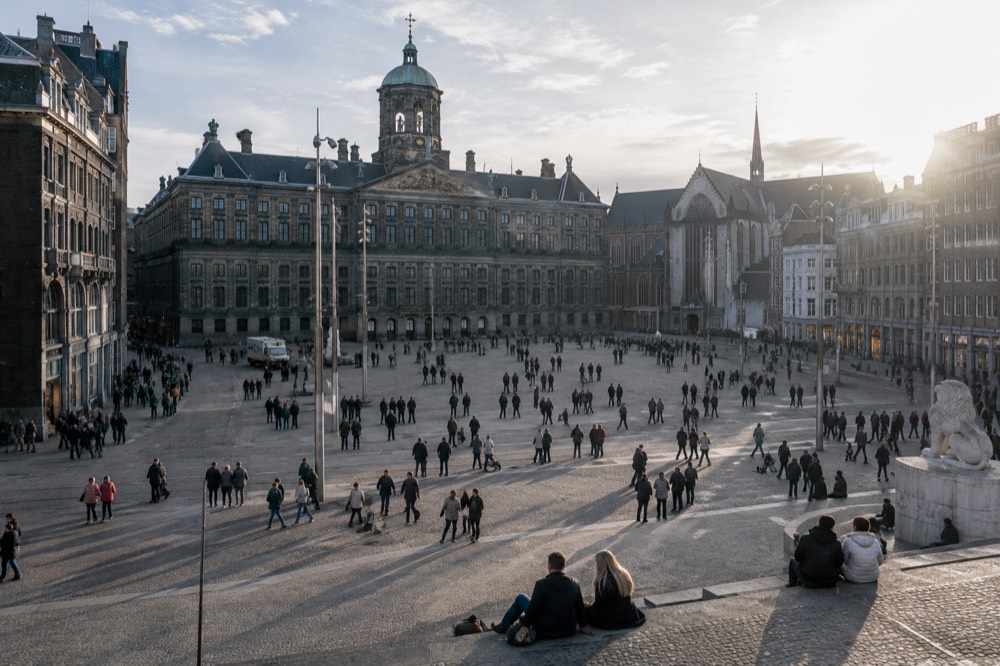
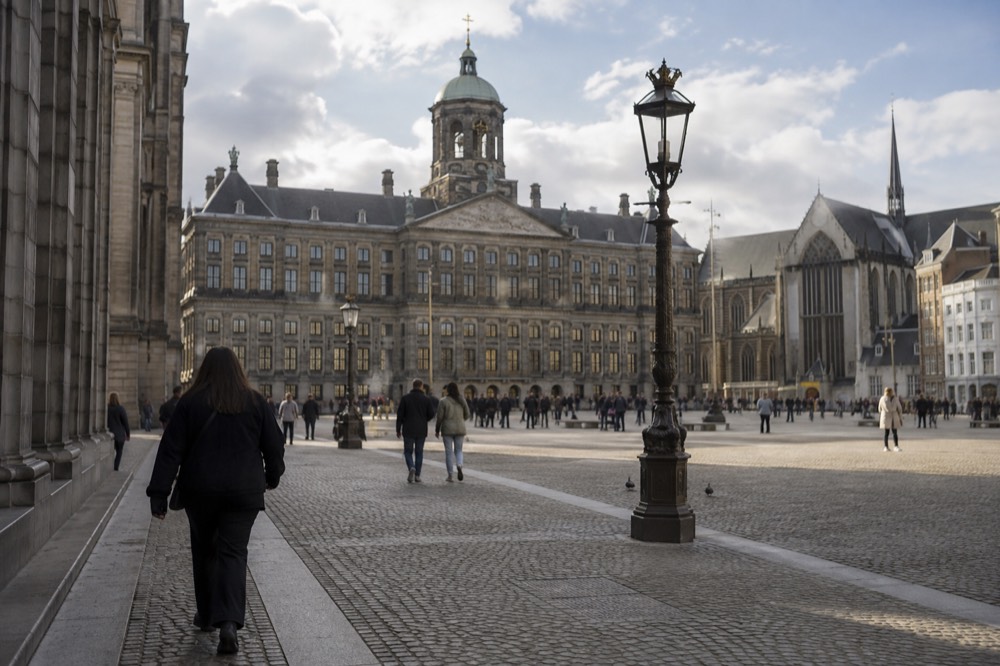
Centrum, the area around Dam Square and the Damrak, is where most visitors picture themselves staying, and the city centre guide covers its landmarks in detail. The trade-off is stark. You step out of your hotel into the postcard, but you pay peak prices for rooms that are often small, in buildings with steep Dutch staircases and no lift, and you share the streets with the densest crowds in the city. Pick a side street off the Spuistraat or the Nieuwmarkt end rather than the Damrak itself and the experience improves sharply.
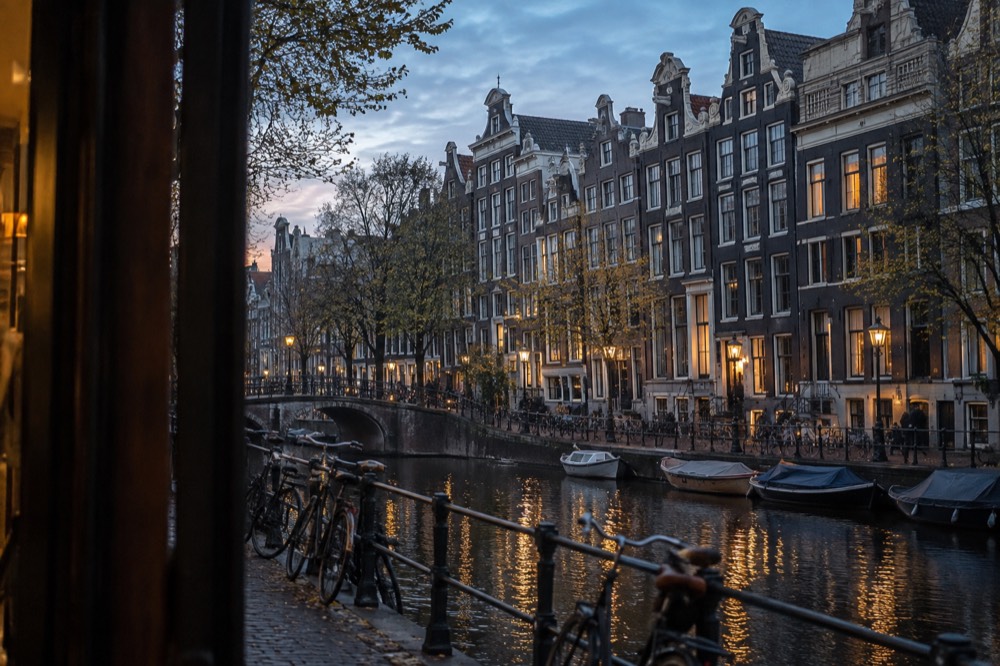
The Canal Belt is the compromise most seasoned visitors land on: 17th-century canal houses, boutique hotels and a genuinely beautiful morning walk to anywhere. It is quieter than Centrum at night on the cross-streets, though the main canals still carry foot traffic late. The Nine Streets shopping quarter sits at its heart, which makes this the best base for a short, walk-everything trip.
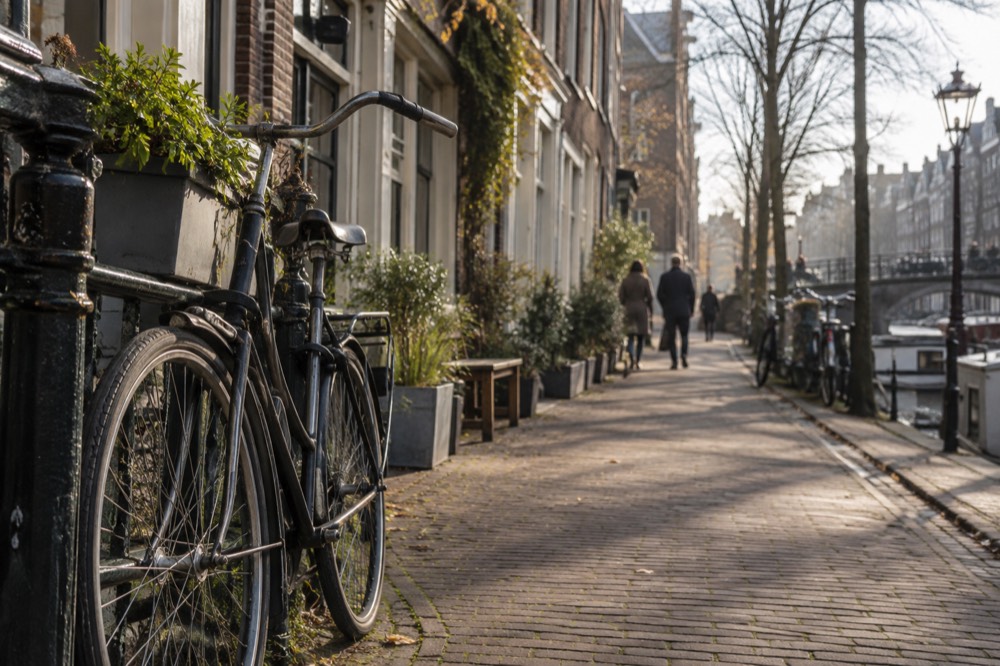
The Jordaan is what the Canal Belt promises but a little calmer and a little cheaper: converted warehouses, brown cafés, the Anne Frank House on its edge and the Monday and Saturday markets at Noordermarkt. De Pijp, south of the centre around the Albert Cuyp Market, is the food and local-life pick, with the Heineken Experience and the Sarphatipark in walking distance and a metro line that reaches the centre in minutes. Both suit a second or third visit better than a frantic first one.
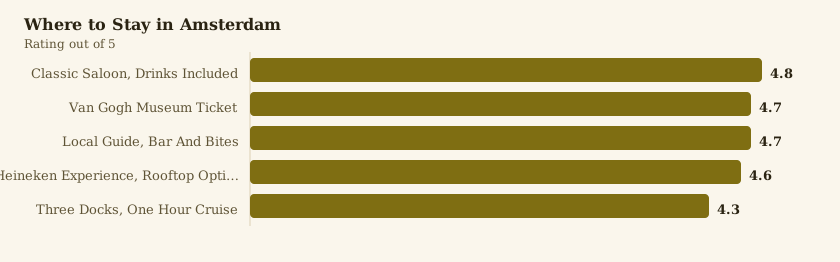
For the Museum Quarter itself, the location argument is simple: you are minutes from the Rijksmuseum and the Van Gogh Museum, both of which use timed entry and both of which sell out on busy days. A museum-day itinerary works best with a morning-start slot, and staying nearby makes an early entry time painless. The Van Gogh Museum ticket, rated 4.7 across 57,096 reviews on the live listing, is the one to book first because demand is fiercest.
Noord, across the IJ behind Centraal Station, is the budget wildcard. The GVB ferries that shuttle you back to the station are free and run around the clock, so the commute costs nothing but time, and the district itself has the A'DAM Lookout, the STRAAT street art museum and the NDSM Wharf's creative scene. Oost and the Plantage round out the family options, with the ARTIS zoo, the Hortus Botanicus and roomier accommodation stock.
| Neighbourhood | Best for | Night-time character | Typical trade-off |
|---|---|---|---|
| Centrum | First-timers, short trips | Loudest, busiest | Peak prices, small rooms |
| Canal Belt | Walk-everything visits | Moderate on side streets | Premium rates, steep stairs |
| Jordaan | Charm seekers, markets | Quiet, residential feel | Fewer big hotels |
| De Pijp | Food, local pace | Lively but not wild | Farther from museums |
| Museum Quarter | Museum-heavy itineraries | Very quiet | Dinner needs a walk or tram |
| Plantage / Oost | Families, longer stays | Very quiet | Tram needed most days |
| Noord | Budget travellers | Local and calm | Ferry commute to centre |
If you are still torn, the best area to stay as a tourist question gets a longer treatment of its own, and the honest short version is this: for two nights and a first visit, pay for the Canal Belt or Centrum; for four nights or more, the Jordaan or De Pijp gives you a better trip for less money.
How Much Does a Hotel in Amsterdam Cost?
Budget for the room rate plus a 12.5 percent tourist tax added on top, because Amsterdam's city government levies the tax on every overnight stay in hotels and holiday rentals, and it is excluded from the headline price you see on most booking pages; the tax applies to the nightly price excluding VAT, and VAT on Dutch accommodation rose to 21 percent in 2026, which pushes published rates up further.
The tax is published on the city's own municipal pages: 12.5 percent of the overnight price, excluding VAT, for hotels, holiday rentals, campsites and bed-and-breakfasts alike. Cruise passengers pay a separate day-tripper tax of 15 euros per head, but hotel guests are the ones who feel the percentage. Some booking sites display it clearly at checkout and some fold it in; check the total, not the nightly rate, when comparing areas.
Supply explains the rest. The hotel-building ban means the number of rooms barely grows while demand does, and the municipal statistics office counted 23.7 million overnight stays in 2025 against a stock of roughly 41,000 to 42,000 rooms. Weekends, event periods such as the Amsterdam Dance Event in late October, and any night when the city hosts a major conference can double rates in the centre. Midweek stays in the shoulder months are consistently the cheapest way to sleep inside the canal ring.
Location is the biggest single price lever you control. The same three-star product is meaningfully cheaper in Noord, Oost or the western ring districts than on a canal, and the difference usually covers several days of transport. Breakfast is the other lever: Amsterdam cafés are excellent and abundant, so a room-only rate plus coffee and a stroopwafel at a neighbourhood counter is frequently better value than the hotel's buffet.
| Cost factor | What to expect | How to soften it |
|---|---|---|
| Tourist tax | 12.5% of the nightly price, on top | Compare checkout totals, not headline rates |
| Location premium | Canal Belt and Centrum cost the most | Move one ring out: Jordaan, De Pijp, Oost |
| Weekend and event spikes | Rates jump on peak nights | Travel midweek; check the events calendar |
| Room size | Historic buildings mean small rooms | Check floor area and lift access before booking |
| Breakfast | Hotel buffets add a fixed daily cost | Book room-only and eat at a local café |
One practical note for museum-heavy plans: whichever area you choose, the big timed-entry sights are the scarcest commodity in the city, scarcer than beds on a busy weekend. Booking the museum tickets before the hotel, or at least the same day, lets you shape the rest of the trip around guaranteed entry times instead of the reverse.
Hotels, Holiday Rentals and the Rules That Affect Your Booking
Amsterdam caps holiday rentals at 30 nights per calendar year per property, and from 1 April 2026 that cap drops to 15 nights in eight central neighbourhoods including the Jordaan, the Canal Belt areas and Oude Pijp, with a maximum of four guests at a time and a mandatory registration number on every listing; a permit costs 76 euros. These rules shape what is legally available to book.
The city publishes the rules on its own permit page, and the 15-night limit in designated central neighbourhoods took effect at the start of April 2026. The affected areas are Burgwallen-Nieuwe Zijde, De Weteringschans, Grachtengordel-West, Grachtengordel-Zuid, Haarlemmerbuurt, the Jordaan, Nieuwmarkt/Lastage and Oude Pijp, which is to say almost everywhere a tourist would want to rent an apartment. Every legal listing must display a registration number, and each rental period must be reported to the city in advance.
For you as a booker, this cuts two ways. The strict permit regime means a large share of the cheapest central apartment listings you will see are either unlicensed, operating over their night cap, or both, and the city actively enforces against them, which occasionally leaves guests with cancelled bookings close to travel. A listing with no registration number is a listing with no legal cover. Conversely, the rentals that do comply are genuinely vetted, and the four-guest maximum is enforced, so a group of six friends cannot legally share one apartment in the centre at all. The rest of the planning pages sit on Things to Do in Amsterdam.
Hotels escape none of the scrutiny but carry none of the legal ambiguity. The trade-off is price and character: a good apartment in De Pijp or Oost often beats a mid-range hotel room for space and a kitchen, while the canal-side boutique hotels offer an experience no rental can match. For a stay of three nights or fewer, the hotel usually wins on total cost once cleaning fees are counted; for a week, an apartment wins on almost everything except the risk described above.
The safest middle path is a licensed apartment with a visible registration number in one of the outer neighbourhoods, or an aparthotel, which combines a legal hotel licence with a kitchenette. Whichever you choose, keep the confirmation and the registration number together; if a rental is shut down mid-booking, those are the details that get you rehoused or refunded quickly.
Where to Stay for a First Visit vs a Return Trip
A first visit of two or three nights is best based in the Canal Belt or Centrum, where the walkable bucket list outweighs the premium; a return visit rewards the Jordaan, De Pijp or Oost, where you trade postcard proximity for better rooms, better food and a neighbourhood that empties of tourists at night; Noord suits a third visit or a long, budget-led stay.
The logic is about diminishing returns on proximity. On a first trip you will spend your days at the Rijksmuseum, the Van Gogh Museum, the Anne Frank House and a canal cruise, all of which cluster inside or on the edge of the centre, and walking home along the canals after dinner is half the reason you came. Paying the Centrum premium for two nights is money spent on the experience itself. The mistake is paying it for six nights while discovering you prefer the pace of De Pijp.
On a second visit the calculus flips. You have seen the Night Watch, and now you want the Noordermarkt on a Saturday morning, the brown cafés of the Jordaan, the Albert Cuyp Market and the breweries of Oost. The outer neighbourhoods are where those live, and their hotel stock skews newer and roomier because the buildings are less protected and less ancient. A return visitor with a Museumkaart or a city card can also spread museum visits across quieter days, which the outer bases make easier.
The evening economy matters for this choice too. If your ideal Amsterdam night is a slow canal cruise with a drink rather than a bar crawl, the outer neighbourhoods serve it better: you board near Centraal or the Rijksmuseum, cruise the lit-up centre, and ride home on a tram or metro that still runs late. The modern canal cruise with a local guide, bar and bites, rated 4.7 across 6,128 reviews, departs centrally and works well as the one planned evening of a quieter, neighbourhood-based stay.
Families should read the first-versus-return question differently again. The Plantage and Oost win for children because of the zoo, the park space and the wider pavements, and the ferry-based Noord option works surprisingly well with teenagers who enjoy the novelty of the commute. The dedicated three days with kids itinerary shows how the pieces fit together from a Plantage base.
Getting From Your Hotel to the Sights
Every neighbourhood worth staying in sits on the GVB network, where a 24-hour day ticket costs 10 euros, a 72-hour ticket 21.50 euros, and contactless bank-card taps work on every tram, bus and metro with a base fare of 1.16 euros plus 0.217 euros per kilometre; the free ferries to Noord need no ticket at all, so transport cost should rarely decide your area.

The fares come from the transit operator's own price page, and they hold across the whole city network: 3.40 euros for a single one-hour ticket, 10 euros for 24 hours, 16 euros for 48, 21.50 for 72 and 27.50 for 96. If your hotel is anywhere within the GVB ring, a multi-day ticket plus your feet covers everything, and the contactless option removes the need to buy anything in advance. The one exception is the airport: GVB tickets do not cover the NS train from Schiphol, which runs from 5.50 euros and takes just over 17 minutes to Centraal.
| Ticket | Price | Best for |
|---|---|---|
| GVB single (1 hour) | €3.40 | One-off trips |
| GVB 24-hour day ticket | €10.00 | Short stays, one busy day |
| GVB 72-hour ticket | €21.50 | A three-day visit |
| GVB 96-hour ticket | €27.50 | Four to five days with a base outside the centre |
| OVpay contactless | €1.16 base + €0.217 per km | Occasional rides without ticket-buying |
| Ferries to Noord | Free | Commuting from a Noord hotel |
The practical consequence for the where-to-stay decision is that a cheaper room in De Pijp or Oost plus a 72-hour ticket usually beats a dearer canal-side room by a wide margin, and the trams are frequent enough that the commute is a non-event. The ferries to Noord strengthen that case further: they run day and night, they take bicycles, and they land you directly behind Centraal Station.
Distance from your bed to the departure point matters most for the cruises and walks that anchor most itineraries. The standard one-hour canal cruise with an audio guide in 19 languages, rated 4.3 across 21,335 reviews, departs from three docks: opposite the Anne Frank House, at the Rijksmuseum and at Centraal Station. That spread is deliberate, and it means almost every recommended neighbourhood in this guide is within a short walk of one of them.
Late nights are the one transport case worth checking before you book. Trams and metros thin out after midnight, and a 02:00 finish in the Wallen, where indoor hospitality closes at 02:00 on weekends, is easier from a Centrum or Canal Belt bed than from Oost. If your trip is built around nightlife, weight the centre more heavily than the price math alone suggests; if it is built around museums, markets and early nights, the outer neighbourhoods win outright.
Whichever area you settle on, the sequence that works is: book the timed-entry sights first, the bed second, and the transport pass when you arrive. Amsterdam rewards the visitor who treats the scarce things, museum slots and canal-cruise departures, as the fixed points and everything else as flexible.
Common Questions About Where to Stay in Amsterdam
Where should I stay in Amsterdam for the first time?
Stay in the Canal Belt or Centrum for a first visit of two or three nights. You will pay a premium, but every major sight, from Dam Square to the Anne Frank House, is within walking distance, and walking home along the canals is part of the experience. Pick a side street over a main drag and check that the building has a lift if stairs matter to you.
What is the cheapest area to stay in Amsterdam?
Amsterdam Noord, across the IJ from Centraal Station, is generally the cheapest area with good transport, because the ferries back to the station are free and run around the clock. Oost and the western ring districts are the next step up. All three put you on a tram or metro line that reaches the centre in well under half an hour.
Is it better to stay in a hotel or a holiday rental in Amsterdam?
For stays of three nights or fewer, a hotel usually wins once rental cleaning fees are counted. For longer stays a licensed apartment offers more space and a kitchen, but check the listing for a registration number first: the city caps rentals at 30 nights per year, cut to 15 nights in eight central neighbourhoods from April 2026, and unlicensed listings get shut down, occasionally with little notice.
How much is the tourist tax in Amsterdam?
The city levies a tourist tax of 12.5 percent of the overnight price, excluding VAT, on hotels, holiday rentals, campsites and bed-and-breakfasts. It is added on top of the headline room rate, so compare checkout totals rather than nightly prices when choosing between areas or properties.
Which Amsterdam neighbourhood is best for families?
The Plantage and Oost, east of the centre, suit families best: the ARTIS zoo, the botanical garden and the Jewish Cultural Quarter are on the doorstep, the streets are wide and calm, and the tram network reaches the centre in minutes. Noord also works well with older children who enjoy the free ferry commute.
Is Amsterdam city centre too noisy to sleep in?
Parts of it are, especially Centrum around the Damrak and the Wallen, where bars serve late into the weekend nights. The Canal Belt's side streets, the Jordaan and the Museum Quarter are all noticeably quieter while staying central. If you are a light sleeper, avoid rooms directly above bars and favour the neighbourhoods listed as quiet in the comparison table above.