The Nine Streets in Amsterdam: A Local's Guide to De Negen Straatjes
The Nine Streets are the canal belt's most walkable quarter: nine narrow cross-streets lined with independent boutiques, vintage shops and brown cafés, all within five minutes of the Dam.
Short answer
The Nine Streets (De Negen Straatjes) are nine small streets crossing the Herengracht, Keizersgracht and Prinsengracht between the Dam and the Jordaan. Expect independent boutiques, vintage shops and canal-side cafés rather than big chains. Most visitors spend two to three hours; the quarter is free to wander and sits about ten minutes' walk from the Dam.
Amsterdam's centre is built in rings: the Dam at the middle, then three great canals curving west around it. Stitching those canals together are nine short cross-streets, each barely a block long, and together they form the quarter locals call De Negen Straatjes, the Nine Streets. The name was coined by the quarter's own shopkeepers as a joint marketing label, and the branding stuck because the geography was real: this is the most concentrated patch of independent retail in the canal belt. This guide, from the editorial desk behind Things to Do in Amsterdam, covers what the nine streets actually are, what to do on them, where to eat and drink, and how to fold the quarter into a day that also takes in the big museums.
What Are the Nine Streets in Amsterdam?
The Nine Streets are nine narrow cross-streets running between the Singel and the Prinsengracht, crossing the Herengracht and Keizersgracht on the way: three streets each dedicated to a different trade when the area was laid out in the 17th century, namely skin and hide workers, textile dealers and wine sellers. Today they form a compact shopping and café quarter between the Dam and the Jordaan, walkable end to end in under twenty minutes.
The streets are, from east to west: Runstraat, Berenstraat, Gasthuismolensteeg, Hartenstraat, Wolvenstraat, Oude Spiegelstraat, Huidenstraat, Reestraat and Kattengat. Do not expect nine identical shopping lanes. Some, like the Wolvenstraat and the Huidenstraat, are dense with boutiques; others, like the Kattengat, are little more than a quiet canal-side passage you would never find without looking. The 17th-century trade names survive on the street signs, which is a small detail worth knowing: Huidenstraat means hides, Runstraat refers to animal skins, and Reestraat to deer. The quarter is a designated part of the UNESCO-listed canal ring, which our canal ring UNESCO guide covers in full.
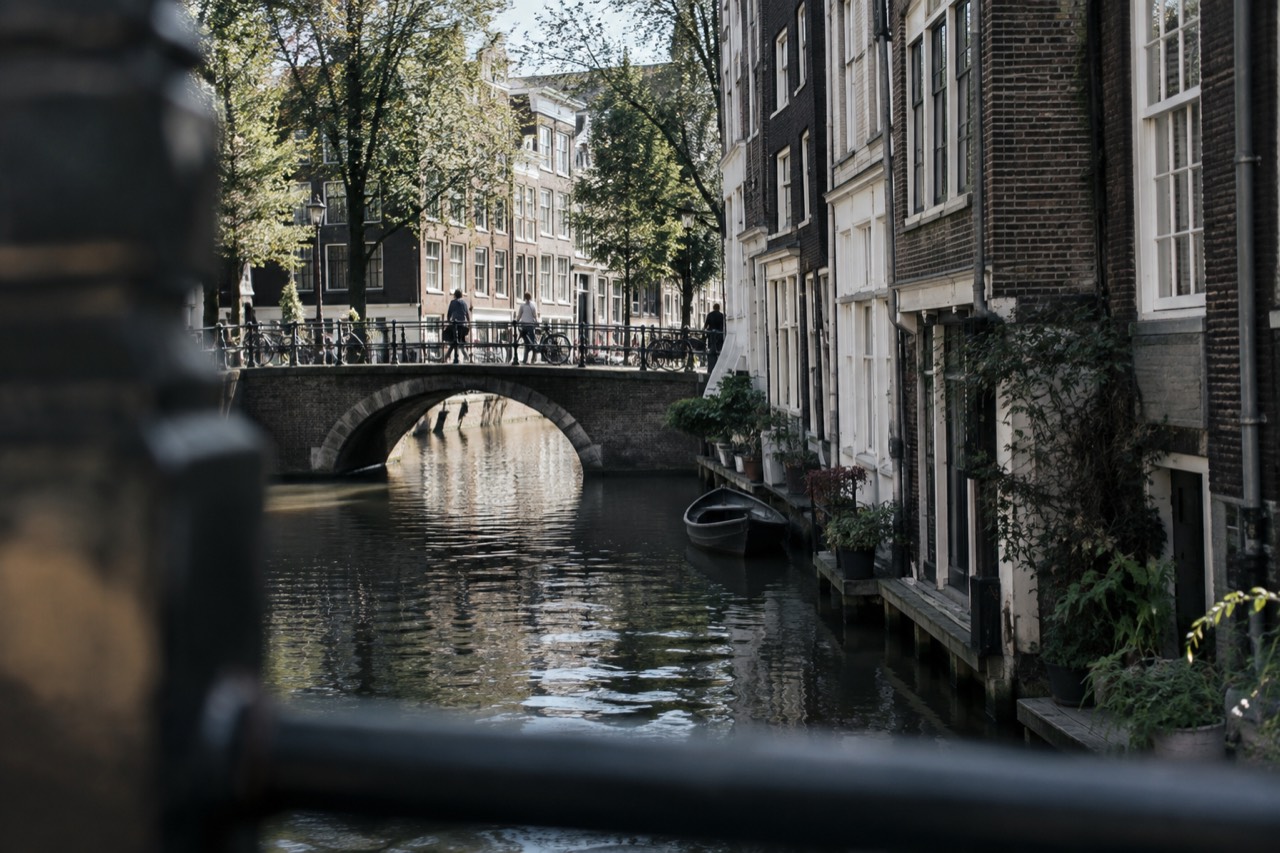
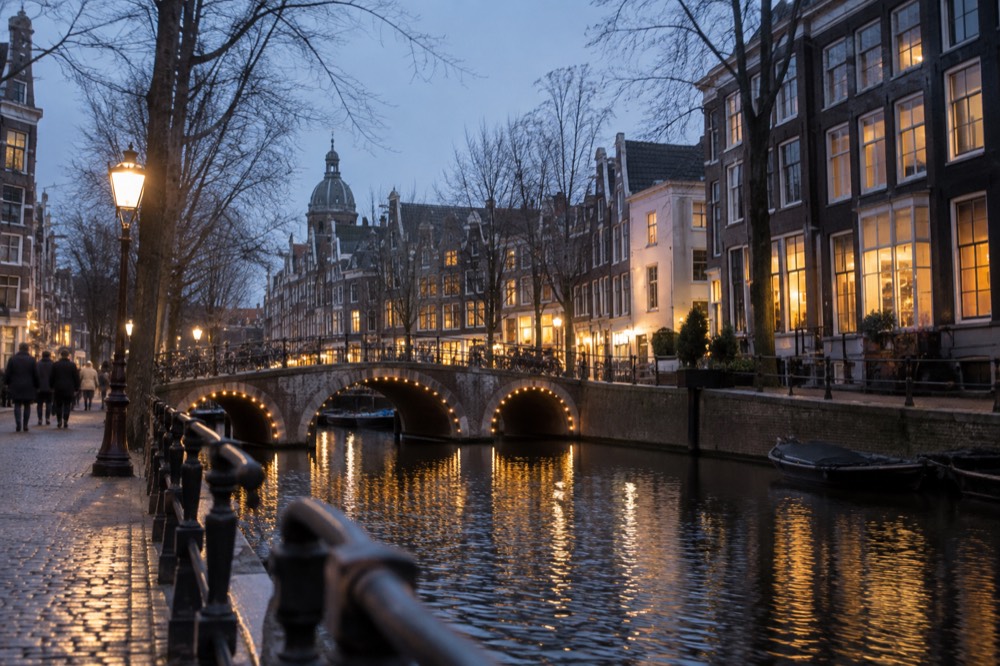
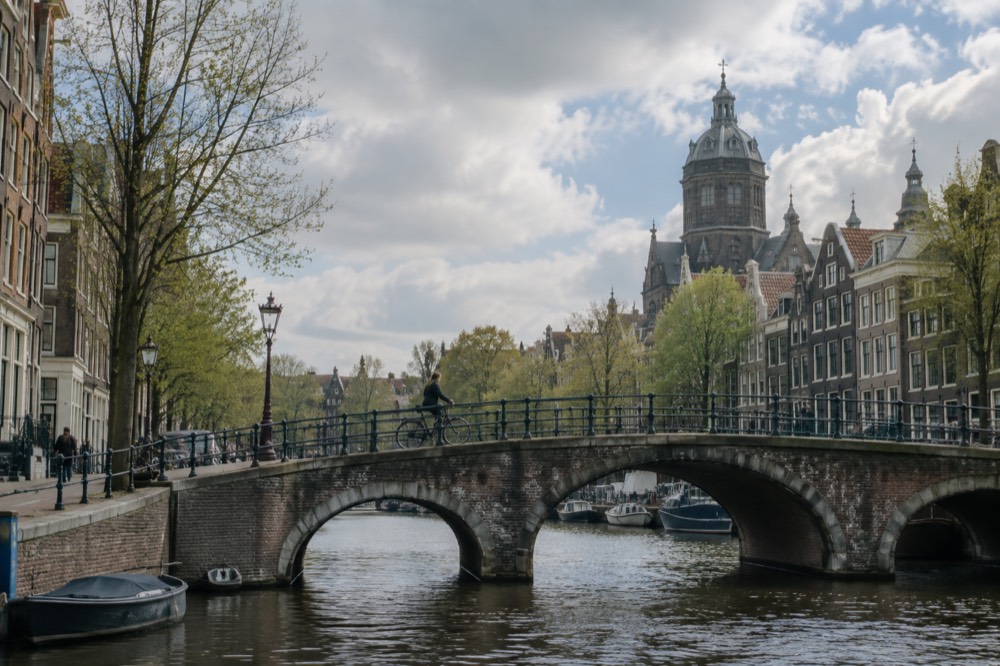
The scale matters more than the names. Each street is a few hundred metres at most, and the whole web sits inside a rectangle roughly 500 by 300 metres. You will cross a canal bridge every minute or two, and those bridges are where the quarter's best photographs come from: low sun on gabled facades, bicycles leaning on railings, boats sliding underneath. There are no cars to speak of on most of the streets, so walking is the only sensible way through.
The quarter also sits inside a city that is, by its own government's measurement, busier than it wants to be. Amsterdam recorded 23.7 million tourist overnight stays in 2025, according to the municipal research office, and the canal belt absorbs a large share of the day traffic. The Nine Streets feel that pressure less than the Damrak or the Kalverstraat, partly because they are a destination you have to know about, and partly because their narrowness keeps tour groups out. That is the quiet argument for going: you get the postcard canal scenery with a fraction of the crowd density two streets east.
What Should You Actually Do on the Nine Streets?
Plan on two to three hours: one for browsing the boutiques and vintage shops, one for a canal-side coffee or lunch, and a third for wandering the bridges and side canals without an agenda. The draw is the density of small independent shops plus some of the best canal views in the centre. It is free to wander, and most shops close around 18:00.
The shopping is the reason most people come. The mix skews independent: Dutch designers, concept stores, vintage and second-hand clothing, speciality denim, perfumeries, bookshops and homeware. Unlike the Kalverstraat, which is the chain-store spine of the centre, the Nine Streets are where small Dutch labels survive. Sundays are quieter, with many shops opening late or not at all, and Monday mornings are patchy, a rhythm common across Dutch retail.
The quarter also works as a base for the rest of a day in the centre. The Dam is ten minutes east on foot, the Anne Frank House is ten minutes west on the Prinsengracht, and the Museumplein is about twenty-five minutes south, or a short tram ride. If museums are on the same day's plan, it is worth pairing the morning at the Van Gogh Museum with an afternoon here: the museum requires every visitor to pre-book a timed entry ticket, per its own visitor page, and adult admission is €25 with under-18s free. The entry ticket sold through the operator's live listing is from $31, rated 4.7 across 57,096 reviews.
For a sense of the layout before you go, the table below is the practical version of the paragraph above.
| Landmark | Direction from the Nine Streets | Rough walking time |
|---|---|---|
| Dam Square | East, along the Raadhuisstraat | 10 minutes |
| [Anne Frank House](https://www.annefrank.org/en/museum/tickets/) | West, along the Prinsengracht | 10 minutes |
| Jordaan quarter | West, across the Prinsengracht | 5 minutes to the edge |
| Museumplein | South, via tram 2 or 12 | 25 minutes on foot |
| Amsterdam Centraal | North-east | 20 minutes |
Where Do You Eat and Drink in the Nine Streets?
The Nine Streets are a brown-café and lunch-spot quarter rather than a fine-dining destination: expect Dutch cheese shops, small brunch rooms, canal-side terraces and a handful of historic bruine kroegen within a few blocks. A light lunch runs cheaper than the Dam-side tourist strip, and the best tables in summer are the terraces directly on the canal edges. Allow an hour for a relaxed stop.
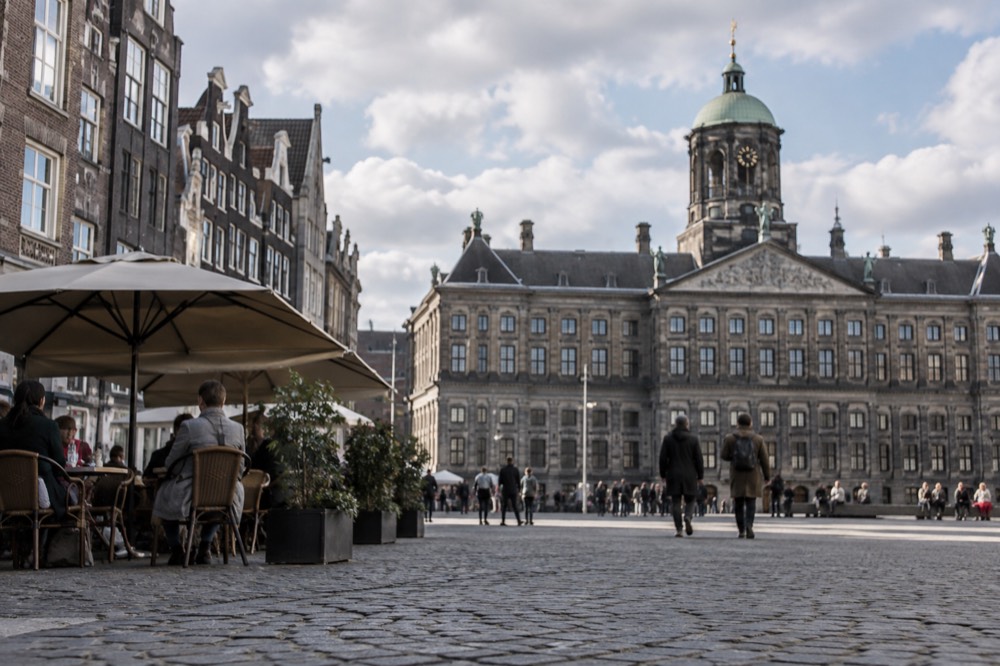
The classic Amsterdam experience here is the brown café: a small, wood-panelled bar with candles, local beer and no music. The Nine Streets and the adjoining Jordaan have a dense concentration of them, and our brown cafés guide goes deep on how to tell a genuine one from a tourist copy. For daytime, the quarter's cafés and lunch rooms fill with shoppers from late morning; the cheese shops and chocolate makers double as snack stops. The pace is Dutch: a coffee takes as long as you want it to, and nobody will hurry you off a terrace table.
If you want a museum visit on the same day, the Heineken Experience sits about fifteen minutes' walk south-east, in the former brewery on the Stadhouderskade. The listing shows a 4.6 rating across 39,581 reviews, with tickets from $23 and a duration of about 1 hour 30 minutes; the rooftop option is sold separately. It pairs naturally with the Nine Streets because the walk between them crosses the Leidsestraat and the southern canal ring, which is a good route in itself.
For dinner, most people walk out of the quarter. The Nine Streets thin out after the shops close, and the better evening concentrations are in the Jordaan to the west and the De Pijp district to the south, both covered in our Jordaan guide. That is not a knock on the quarter; it is simply a shopping streetscape that goes quiet at night, which also makes its hotels and apartments calmer than the Damrak strip. If you are staying in the area, the quiet after 18:00 is a genuine perk, not a drawback.
Is a Canal Cruise From the Nine Streets Worth It?
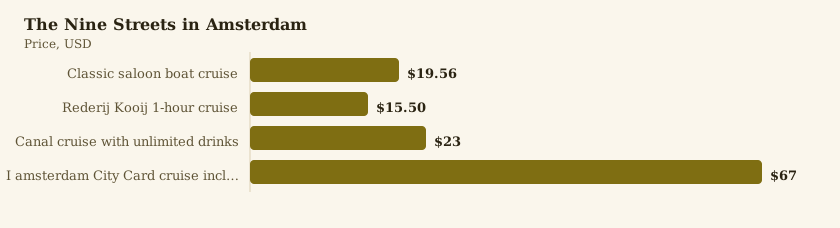
Yes, if you have not yet seen the city from the water: the Nine Streets sit inside the UNESCO canal ring, and a one-hour cruise from a nearby dock is the cheapest way to understand the street plan you have just been walking through. Verified operator pricing for a classic one-hour cruise starts from about €15.50, and the saloon-boat listings sold through operators run from $19.56 with a 4.8 rating across 33,435 reviews.
The classic option is a small wooden saloon boat: a restored late-19th-century vessel with an electric engine, seating perhaps twenty people, gliding the same route the big glass-topped boats take but at conversation volume. The classic saloon boat cruise runs one hour, with a live guide and an optional cheese and drinks upgrade. Reviews consistently single out the boat's quietness and the small-group feel compared with the 100-seat cruise ships on the Rokin.
Departure points cluster around the Damrak, the Rokin and the western Prinsengracht, all within ten to fifteen minutes' walk of the Nine Streets. If you are weighing a cruise against the I amsterdam City Card, note the card includes one canal cruise, unlimited GVB transport and museum entry: the 24-hour card is €67 and the 48-hour card is €94, prices confirmed on NEMO's own visitor page, which sells the card. The card does not include the Van Gogh Museum or the Anne Frank House, both of which require their own timed tickets.
| Water option | Typical duration | Verified price signal | Best for |
|---|---|---|---|
| Classic saloon boat cruise | 1 hour | From $19.56 via the operator's listing | Small groups, quiet boats, live guide |
| Rederij Kooij 1-hour cruise | 1 hour | €15.50 adult, from the operator's own site | Lowest verified walk-up price |
| Canal cruise with unlimited drinks | 1 hour | From $23 via the operator's listing | Groups, a party atmosphere |
| I amsterdam City Card cruise inclusion | 1 cruise | Card from €67 for 24 hours | Combining cruise, transport and museums |
How Do You Get to the Nine Streets?
The simplest approach is to walk from the Dam along the Raadhuisstraat and turn left at the first canal: you will enter the quarter within five minutes. By tram, routes 2, 11, 12 and 14 stop at or near the Westermarkt and the Dam, both a five-minute walk away; a single GVB ticket is €3.40 for one hour, and a 24-hour day pass is €10.00. There is no parking worth using, and none needed.
The GVB figures come from the operator's own fares page. If you are staying outside the centre and plan several tram rides in a day, the 24-hour pass at €10.00 beats four single tickets; contactless bank-card tapping also works on trams, buses, metro and ferries, charged per kilometre with a daily cap. From Centraal Station, allow twenty minutes on foot, or one tram stop to the Dam and a short walk west.
Cyclists should know the quarter's streets are narrow and bridge-heavy, which makes them awkward for a first ride in the city; our cycling in Amsterdam guide explains where new riders cope best. Walking the Nine Streets and cycling the wider canal ring is the combination most visitors settle into. The bridges themselves are the obstacle course: each has a short ramp on either side, and in summer you will dismount and walk them more often than you ride.
When Is the Best Time to Visit the Nine Streets?
Weekday mornings between 10:00 and 12:00 are the sweet spot: shops are open, the bridges are photographable without crowds, and café terraces have free canal-side tables. Saturday afternoons are the busiest and most atmospheric in a different way, and Sundays run late, with many shops opening around 13:00 or staying shut. The quarter is at its prettiest in the golden hour, when the low sun hits the gabled facades along the Keizersgracht.
Season matters less here than in the museum quarter, because the Nine Streets are an outdoor experience with indoor refuges. Winter works: the shops are warm, the brown cafés are at their best, and the Amsterdam Light Festival installations, which run from 26 November 2026 to 17 January 2027, put lit artworks on the canals a short walk east. Summer brings the terraces and the boat traffic, but also the peak-season crowds that made 2025 a record 23.7 million overnight stays citywide, per the municipal research office.
| Time | Crowd level | What works best |
|---|---|---|
| Weekday 10:00-12:00 | Low | Photography, unhurried shopping, terrace seats |
| Weekday afternoon | Medium | Browsing, lunch, a canal cruise |
| Saturday afternoon | High | People-watching, the full market buzz |
| Sunday | Medium, late start | Cafés and terraces; many shops open late or shut |
| Evening after 18:00 | Quiet | Canal walks and bridges; most shops closed |
One planning note that saves a wasted trip: Dutch shops close early on many weekdays, often by 18:00, and the quarter genuinely empties after that. If your day pairs the Nine Streets with the Anne Frank House, do the house first; its tickets are sold only through the museum's own website, at €16.50 for adults with no door sales and no reseller involved, so nothing on this page or any booking platform can sell you entry. The Anne Frank House guide explains the booking system in detail.
What Are the Quietest Corners and Best Photo Spots?
The Kattengat and the Gasthuismolensteeg are the two streets most visitors skip, and both deliver the narrow-canal photograph the quarter is famous for without anyone in the frame. The best light falls on the Keizersgracht bridges in the late afternoon, when the sun drops low over the western canal ring and the gables catch it from the side. Give the camera an hour and the shopping an hour and you will leave with both.
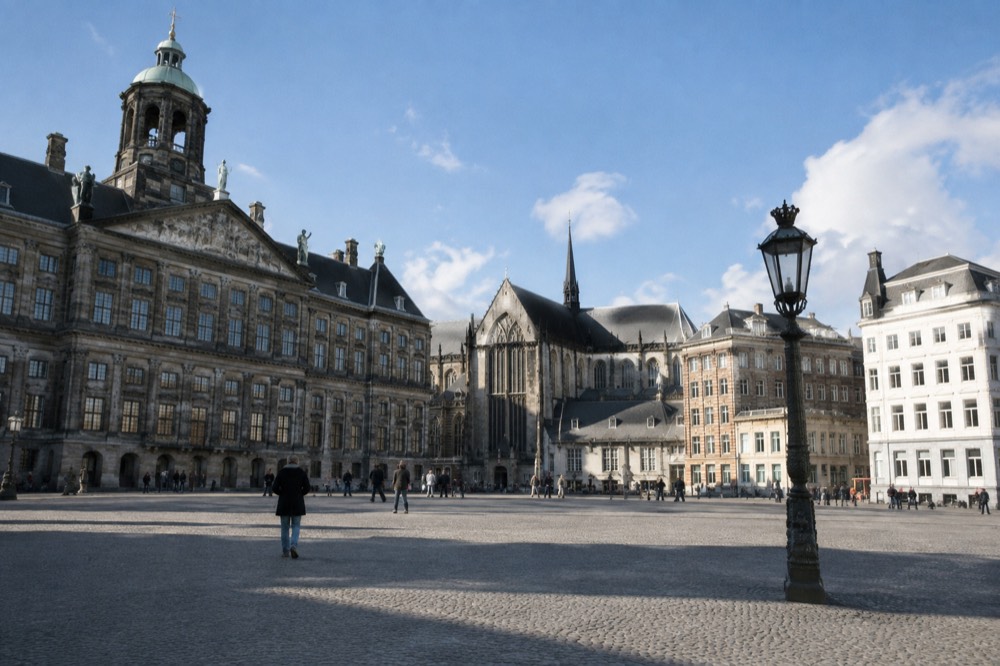
The photography logic of the quarter is simple: the streets run east to west, so the canals they cross run north to south, and the sun moves across the open water rather than down the street canyons. That means mid-afternoon light is flat and even, while the hour before sunset turns the Keizersgracht facades orange. Our Amsterdam photography spots guide ranks the whole city, but the Nine Streets contribution is the small-bridge view: standing on a cross-street bridge, you look down a side canal with a curved facade line, which is the composition the big cruise boats cannot get.
For quiet, work the edges. The Berenstraat and the Runstraat, closest to the Singel, see the least foot traffic because most people enter the quarter from the Dam side and stop when the shops get good. The Kattengat, at the far west, is a single short block that dead-ends into the Prinsengracht, and on a weekday morning you can have its bridge entirely to yourself. Locals use these blocks as shortcuts between the Dam and the Jordaan, so the early hour is when the quarter belongs to residents walking dogs and hauling deliveries, which is its own small spectacle.
How Do You Build a Full Day Around the Nine Streets?
A realistic day runs: a museum morning at the Van Gogh Museum or the Rijksmuseum, a tram back to the Dam, lunch and shopping in the Nine Streets through the afternoon, a one-hour canal cruise from a nearby dock, and dinner in the Jordaan after the shops close. That sequence keeps every leg under twenty-five minutes and puts the quietest part of the quarter, the evening bridges, at the end of the day rather than the middle.
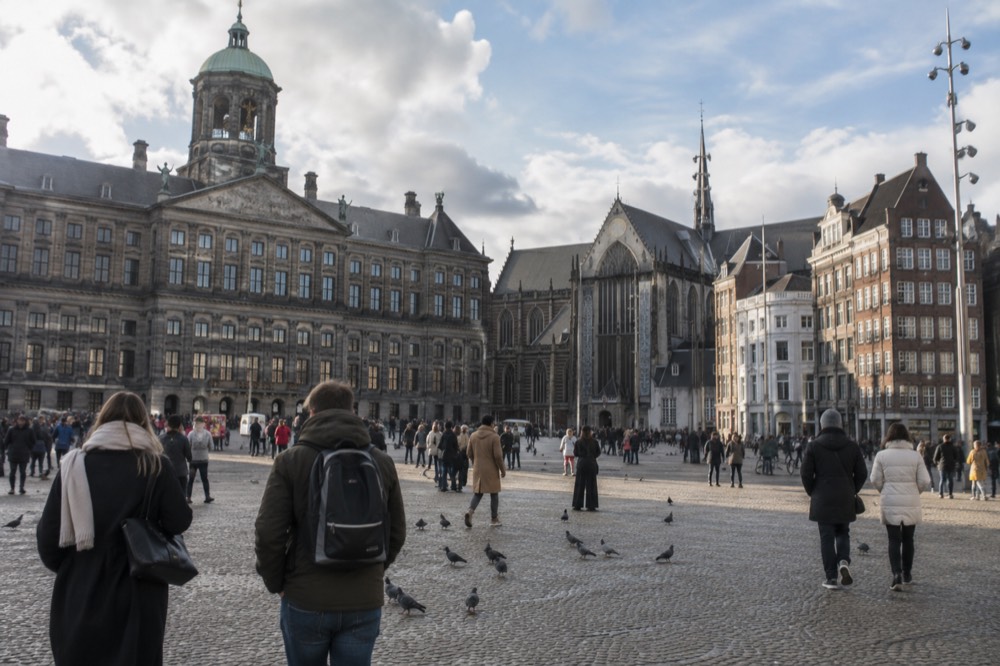
The Van Gogh Museum anchors the morning well because its timed-entry rule forces an early start anyway: every visitor must pre-book a slot, adult tickets are €25, and under-18s go free, all per the museum's own ticket page. The entry ticket sold through the operator's live listing is from $31 and carries a 4.7 rating across 57,096 reviews, so booking it before you leave home is both the practical and the popular route. Our Van Gogh Museum guide covers the collection floor by floor.
The Rijksmuseum works just as well as the morning anchor and is a shorter hop from the quarter; adult admission is €25, ages 18 and under are free, and the museum opens every day of the year from 9am to 5pm, per its own practical-info page. Whichever you pick, the Nine Streets slot in naturally at midday because they sit on the walking line between the Museumplein and the Dam, and the tram routes that connect the two pass within a block of the quarter's eastern end.
If you are building a full day around the area and want the whole sequence written out, our one day in Amsterdam itinerary slots the quarter in between the Dam and the Jordaan, with timings that assume you are on foot for most of it.
Common Questions About the Nine Streets in Amsterdam
What are the Nine Streets in Amsterdam?
Nine short cross-streets between the Singel and the Prinsengracht, named after the 17th-century trades that worked them: skins, hides, textiles and wine. Together they form a compact shopping and café quarter in the UNESCO canal ring, between the Dam and the Jordaan.
How long should I spend in the Nine Streets?
Two to three hours covers the browsing, a coffee or lunch stop, and the bridges. Add an hour if you plan a canal cruise from a nearby dock, and more if you drift into the Jordaan, which starts directly across the Prinsengracht.
Are the Nine Streets good for shopping?
Yes, if you want independent Dutch boutiques, vintage clothing, denim, perfume and homeware rather than international chains. The chain-store shopping is on the Kalverstraat and the Damrak; the Nine Streets are the small-label alternative.
When do shops in the Nine Streets close?
Most close around 18:00 on weekdays and Saturdays. Sundays run late, with many shops opening around 13:00 or staying closed. The cafés and brown cafés stay open into the evening.
How do I get to the Nine Streets by tram?
Trams 2, 11, 12 and 14 stop at or near the Westermarkt and the Dam, both about five minutes' walk away. A single GVB ticket is €3.40 for one hour; a 24-hour pass is €10.00.
Can you walk from the Nine Streets to the Anne Frank House?
Yes, in about ten minutes along the Prinsengracht. Remember that Anne Frank House tickets are sold only through the museum's own website for a timed slot, with no door sales, so book before you plan the walk.