Rembrandtplein Amsterdam: What to See, Eat and Do Around the Square
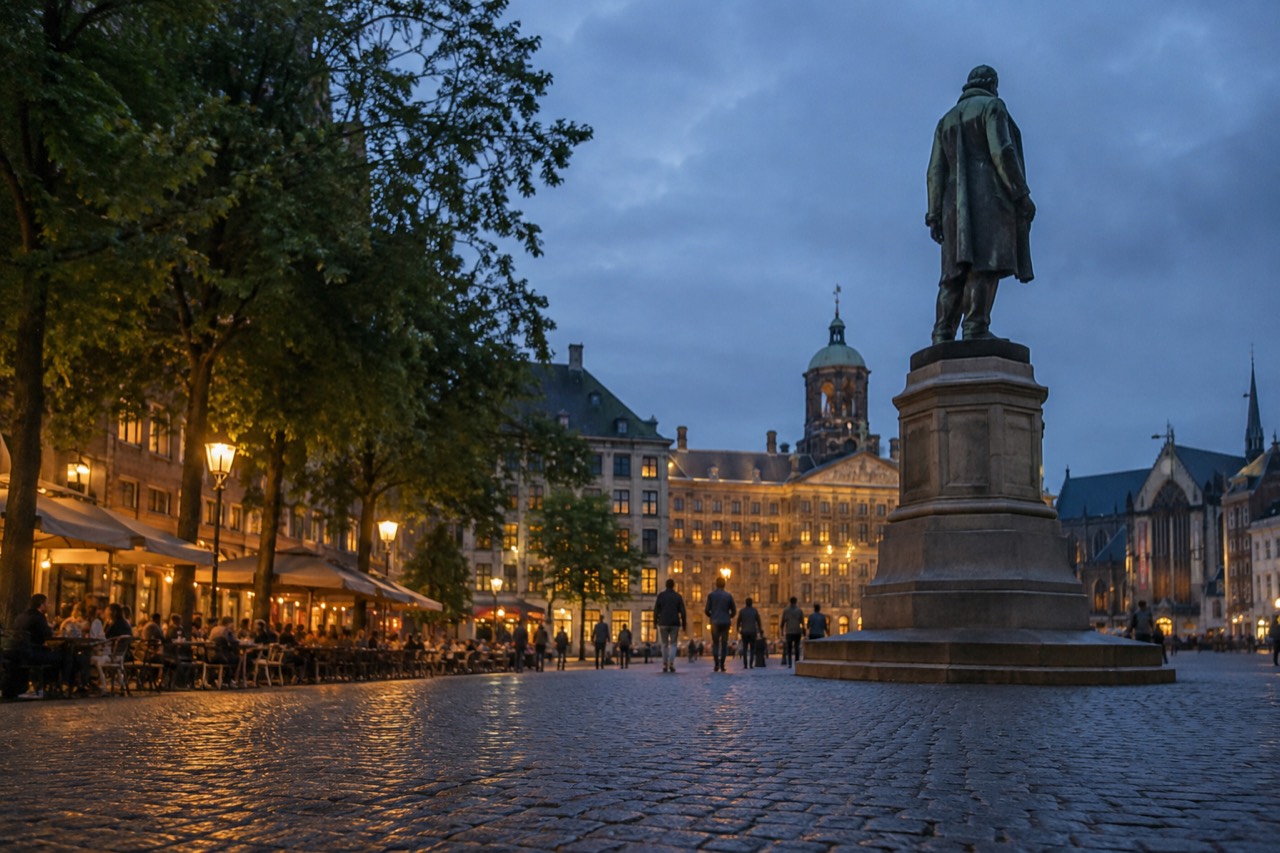
Rembrandtplein is one of Amsterdam's best known squares: a statue of the painter at its centre, a bronze Night Watch sculpture group at its feet, and a ring of terraces, bars and clubs that keeps the area busy from mid-morning until the small hours.
Short answer
Rembrandtplein is a lively square in Amsterdam's centre, named after Rembrandt and centred on his statue and a bronze Night Watch sculpture group. It sits on the edge of the canal ring, within walking distance of the Rembrandt House Museum and the Bloemenmarkt, and is surrounded by cafes, terraces and nightlife venues.
Rembrandtplein does double duty in Amsterdam. By day it is a pleasant place to stand with a coffee and look at a statue of the city's most famous painter; by night it is one of the loudest corners of the centre, with terrace bars, clubs and late night crowds spilling across the cobblestones. Few visitors plan a whole day around it, and they should not, but almost everyone walking between the canal ring, the Bloemenmarkt and the Waterlooplein area passes through it sooner or later.
This guide covers what the square actually contains, what it is like at different hours of the day, how to reach it on public transport, and what is worth seeing within a short walk. It also suggests a few bookable experiences nearby, from museum tickets to canal cruises, for the parts of the visit you will want to reserve ahead.
What Is Rembrandtplein and Why Do People Go?
Rembrandtplein is a square in central Amsterdam named after the painter Rembrandt van Rijn, who lived and worked nearby in the Jewish Quarter. Its centrepiece is a statue of the artist, ringed by a bronze sculpture group inspired by The Night Watch, and it is surrounded by cafe terraces, bars and clubs that make it one of the busiest nightlife hubs in the city centre.
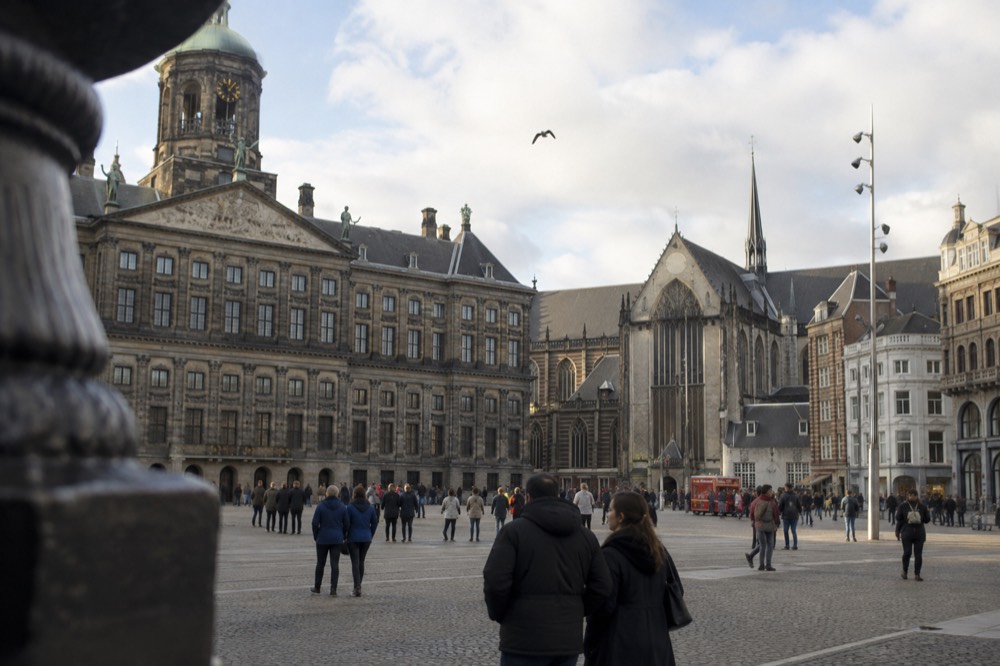
The square sits at the point where several of Amsterdam's worlds meet. To the south and west lie the grachten, the canal belt laid out in the seventeenth century, now a UNESCO World Heritage area and covered in detail in our guide to the Amsterdam canal ring. To the east, a few minutes on foot, is the old Jewish Quarter and the Waterlooplein area. Directly south, the square flows toward the Amstel river and the Muntplein, where the Bloemenmarkt floating flower market stretches along the Singel.
That position explains most of what happens here. Tourists crossing between the canals and the museum quarter pass through; locals meeting for a drink use the terraces; and at night the clubs around the square draw a crowd that keeps the area loud well past midnight. The square is public space, free to enter and open at all hours, so it costs nothing to visit and fits easily into a walk.
Rembrandt himself is the theme. The statue of the painter has stood at the centre of the square for well over a century, and in front of it stands the modern bronze group of figures modelled on The Night Watch, his most famous painting, which was commissioned for a hall not far from where the square now lies. The painting itself hangs in the Rijksmuseum, and the museum's own visitor information page is the place to check current hours and timed entry before you go.
What to See at Rembrandtplein
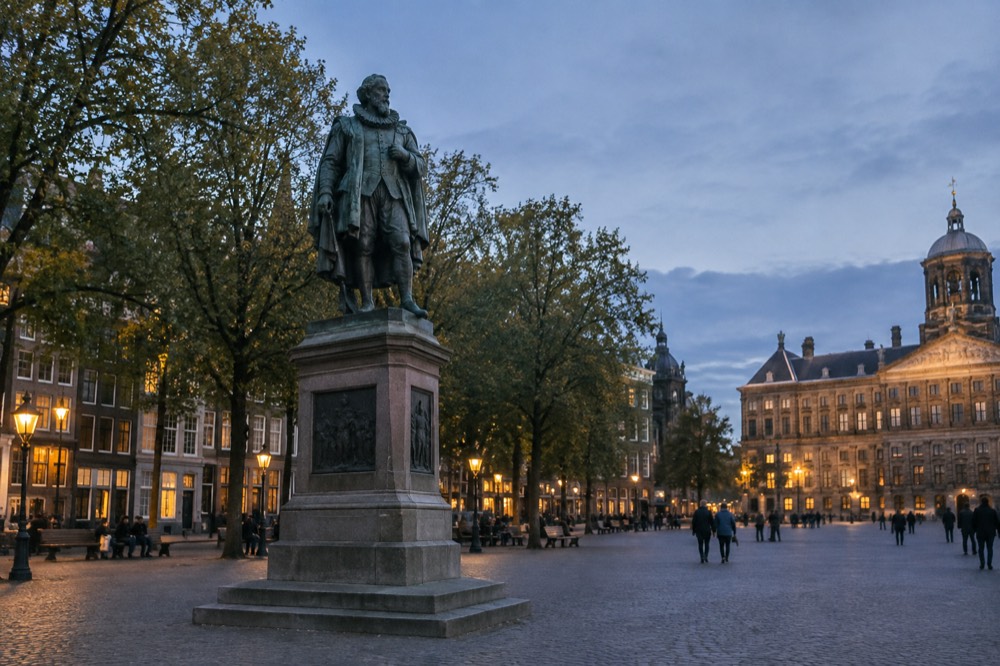
The main sights on the square itself are the statue of Rembrandt, the bronze Night Watch sculpture group at its base, the ring of terrace cafes under the trees, and the surrounding architecture of the Reguliersbreestraat and the Amstel edge. It is a square to look at and sit in rather than a museum to walk through, and most visits take between fifteen minutes and an hour.
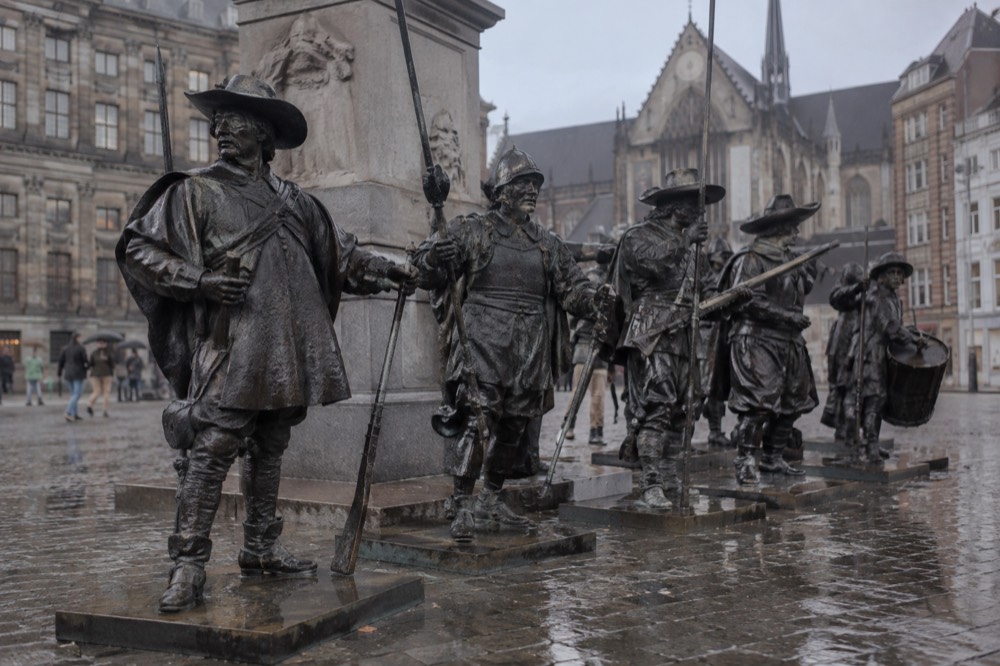
Start at the centre. The statue of Rembrandt gazes out over the square, and the bronze figures of The Night Watch group, added in modern times, stand in front of the pedestal. They are one of the most photographed arrangements in the centre, partly because they are easy to reach and partly because the group lets you see the painting's cast of characters at street level. Visitors walk among the figures, photograph them and move on, which is exactly the right amount of ceremony for a square.
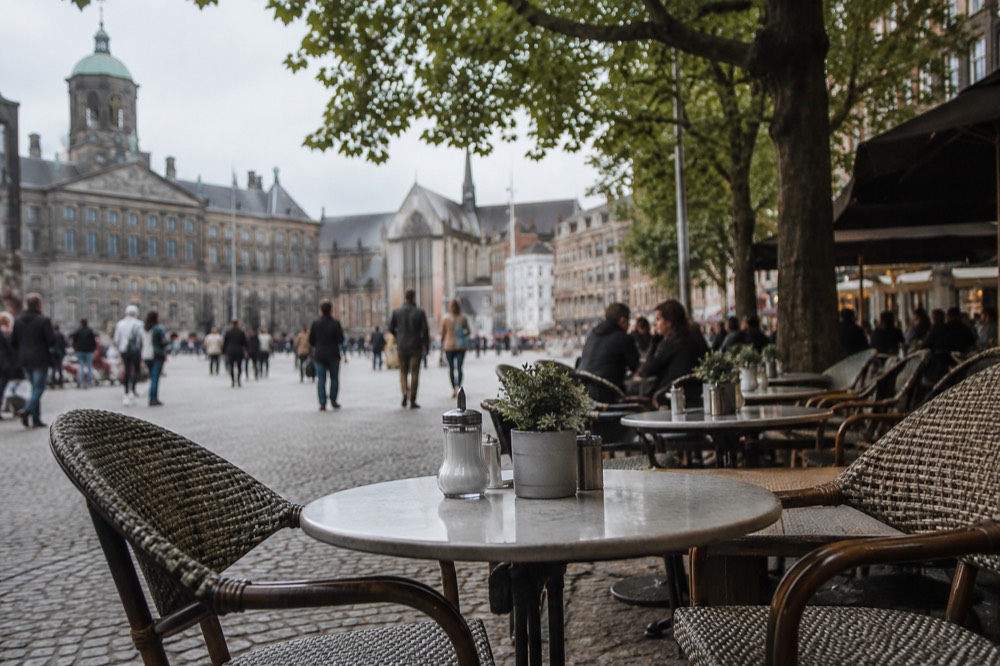
The rest of the visit is atmosphere. The tree-lined edges of the square hold some of the largest terrace cafes in the centre, and on a warm afternoon every seat faces the statue. The square is also a useful orientation point: from here it is a short walk to the Rembrandt House Museum, where the painter actually lived and worked, and to the busy Reguliersbreestraat, which runs south toward the Munt tower and the flower market.
| What to look at | What it is | Good for |
|---|---|---|
| Rembrandt statue | Monument to the painter at the centre of the square | Photos, orientation, a quick history stop |
| Night Watch sculpture group | Bronze figures inspired by Rembrandt's most famous painting | Walking among the figures, close-up photos |
| Terrace cafes | Large outdoor seating under the trees around the square | Coffee, lunch, people watching |
| Reguliersbreestraat | The busy street running south from the square | Walking toward the Munt and the flower market |
| Amstel edge | The river and bridges a few minutes south | Canal views, photos at golden hour |
If you are building a day around the area, the square pairs naturally with a museum visit. Two of the city's biggest crowd pullers are a short tram ride away, and both need timed entry booked in advance.
Where to Eat and Drink Around Rembrandtplein
The square and its side streets hold some of the largest terrace cafes, brown cafes and international restaurants in the centre, with everything from Dutch bar snacks to Argentine grills within a five minute walk. Eating on the square itself costs more than eating two streets away, and the best value tends to be in the lanes just off it.
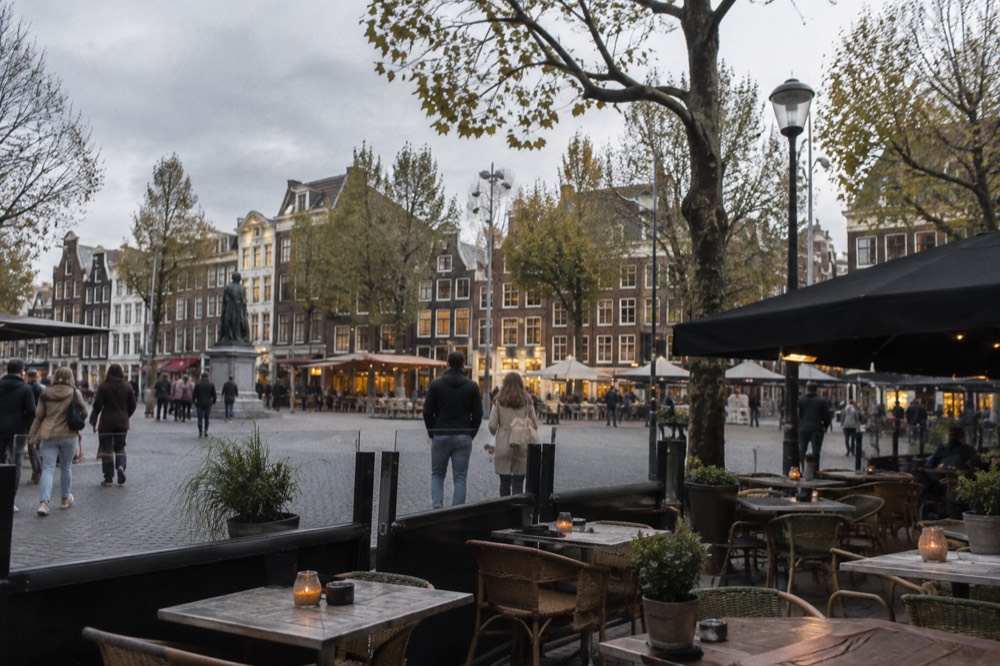
The terraces on the square are the headline act. They are big, they face the statue, and they fill up fast on sunny afternoons, so arriving before the peak of the day gets you a seat without a wait. The trade-off is price: terrace rent on a famous square is what it is, and a beer or a sandwich here costs more than the same item a few streets into the De Pijp neighbourhood or the quieter lanes of the canal belt.
For a more Dutch experience, step off the square. The side streets and the lanes toward the Amstel hold brown cafes, the small, dark, wood panelled bars where locals drink and eat bitterballen, and our guide to Amsterdam's brown cafes explains what to order and how they differ from the tourist terraces. Around the corner on the way to the flower market you will also find the classic Dutch snack counters, where a raw herring or a plate of fries with satay sauce costs a fraction of a terrace lunch.
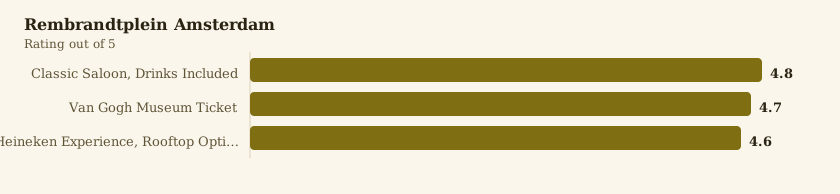
If beer is the reason you are in this part of the city, the Heineken Experience is within reach of the square. The listing describes it as an interactive attraction housed in the original historic brewery, and it carries a rating of 4.6 across 39,581 reviews, with tickets from $23. It runs about an hour and a half, which slots neatly between a morning on the square and an evening on the terraces.
Food and drink aside, the other thing worth reserving from this part of the city is museum entry. The square celebrates Rembrandt, but his paintings are not here: they hang in the Rijksmuseum and the Van Gogh Museum, and both sell timed slots that disappear on busy days. Booking before you leave home means the walk from the square turns into a guaranteed viewing rather than a hopeful queue.
Rembrandtplein at Night
After dark the square becomes one of the centre's main nightlife hubs, with terrace bars that fill in the evening and clubs in and around the square that run until the early hours. The crowd is young and international, the noise is real, and anyone booking a hotel room overlooking the square should know that before they pay.
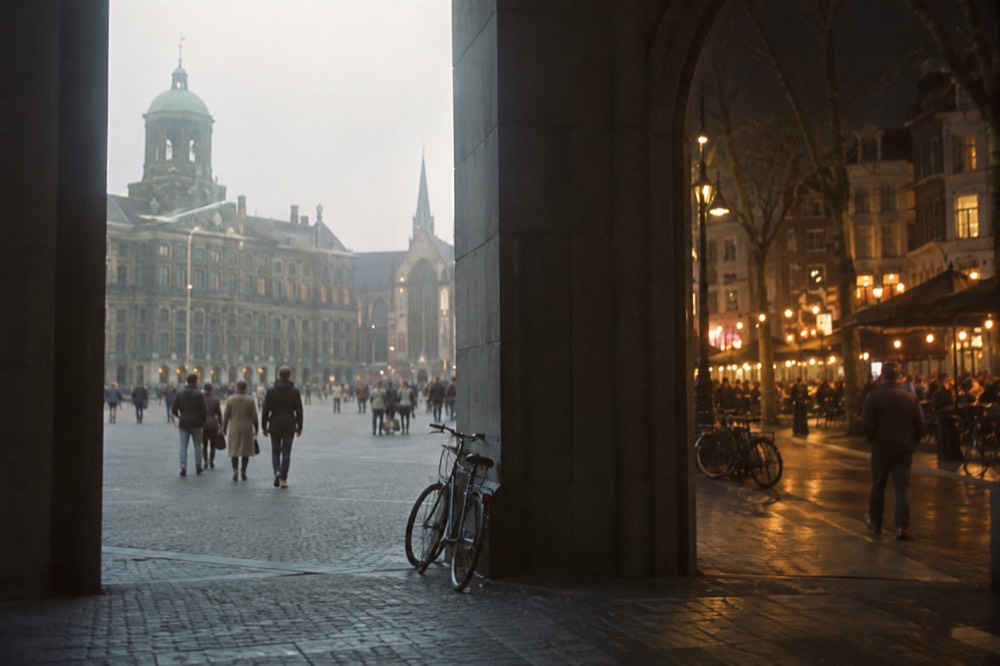
This is worth stating plainly, because it surprises people. The quiet square with the statue and the coffee terraces is a daytime place. In the evening the terraces refill with a drinking crowd, the music from the venues around the square carries, and by late evening the area is one of the loudest in the centre. Visitors who enjoy nightlife will feel they have arrived; visitors who want an early night should book accommodation a few streets further out, in the canal belt or in a quieter neighbourhood.
The clubs around the square have long been a fixture of Amsterdam nightlife, and the area sits within easy reach of other late night districts, including the famous club strip along the Amstel and the venues of the Reguliersdwarsstraat. For a fuller picture of what the city offers after dark, including how nightlife is spread across the centre, see our Amsterdam nightlife guide.
A night out here also deserves a word on the rules. Street drinking is prohibited in the city centre, so the drink stays on the terrace or inside the venue, and the city's official How to Amsterdam page sets out the behaviour rules the municipality asks visitors to follow, including the ban on public urination. Keep it in mind: the walk home from a square full of bars is exactly where enforcement is visible.
Which Museums Are Within Walking Distance?
The closest museum to the square is the Rembrandt House Museum, the painter's actual home, about ten minutes away on foot, and the Waterlooplein and Jewish Quarter sights sit just beyond it. The big Museumplein museums, the Rijksmuseum and the Van Gogh Museum, are further out but reachable by tram in a few minutes, and both require a timed entry ticket booked in advance.
The Rembrandt House Museum is the natural pairing with the square. The listing describes it as Rembrandt's historic home, with his living room, art collection and atelier, and it carries a rating of 4.7 across 3,753 reviews with tickets from $23. Our full guide to the Rembrandt House Museum covers what is inside and how to plan the visit.
For the heavyweight paintings, most visitors head to Museumplein. The Rijksmuseum holds The Night Watch itself, the painting the square's bronze group is modelled on, and its own page confirms an adult price of €25, free entry for ages 18 and under, daily opening from 9am to 5pm, and a required pre-booked start time. The Van Gogh Museum nearby also requires every visitor to pre-book a timed entry ticket, and its adult price is €25 with under-18s free. Everything else covered here is indexed on Things to Do in Amsterdam.
The Van Gogh Museum ticket on the live listing carries a rating of 4.7 across 57,096 reviews, with tickets from $31. Our guide to the Van Gogh Museum explains the layout and how long to allow. If you want to read more about the painter himself before deciding, see who Henk Schiffmacher is for a different slice of Dutch art culture.
How to Get to Rembrandtplein
Rembrandtplein is served by tram routes along the Reguliersbreestraat and is about ten minutes on foot from Dam square and the central canal belt. A single one-hour GVB ticket costs €3.40, a 24-hour ticket €10.00, and contactless payment with a bank card works on trams, buses, metro and ferries.
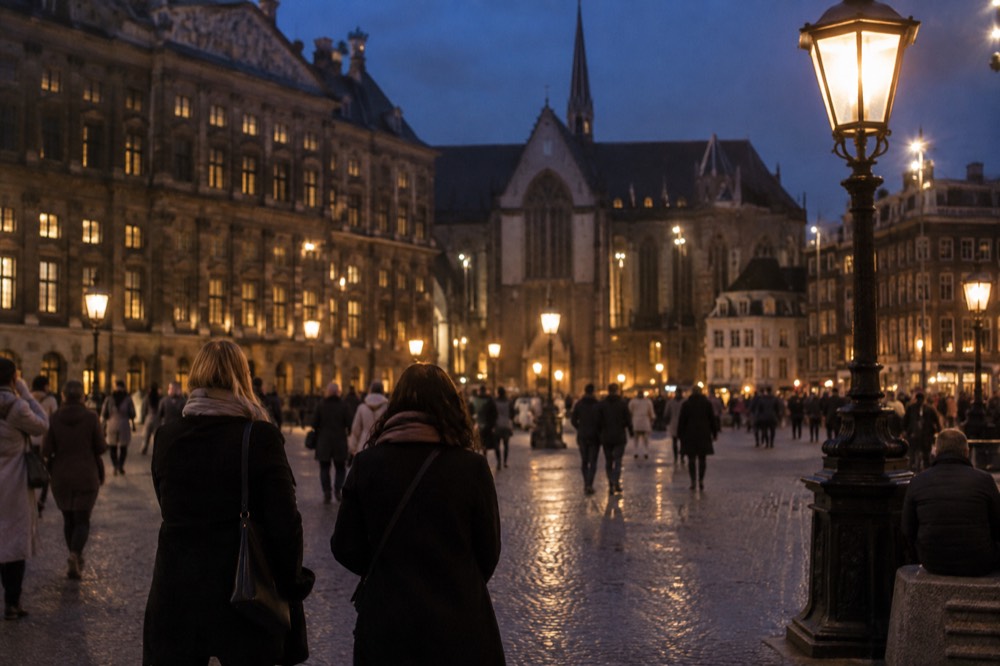
The square is genuinely walkable from most of the centre. From Dam square you walk south past the canal belt; from the Bloemenmarkt you walk north across the Muntplein; from Waterlooplein you walk west. If you are staying further out, the tram is the easy answer, and the Reguliersbreestraat stops put you at the edge of the square itself.
Paying is simpler than it used to be. You can tap a contactless bank card or phone directly when boarding, with fares charged per kilometre, or you can buy a GVB day ticket from a machine. The official GVB fare page lists the full table. Our guide to getting around Amsterdam covers the system in depth.
| GVB ticket | Price | Best for |
|---|---|---|
| Single, 1 hour | €3.40 | One or two tram rides in a day |
| 24-hour day ticket | €10.00 | A day of hopping between squares and museums |
| 72-hour ticket | €21.50 | Three days of unlimited GVB travel |
| 120-hour ticket | €34.00 | A week in the city without a car |
| Contactless bank card | Base fare plus per-kilometre charge | Visitors who do not want a paper ticket |
One planning note: the square is in the heart of the traffic-calmed centre, so taxis and cars drop off at the edge rather than on the square itself, and cycling is the fastest way locals move through the area. If you are renting a bike, read our guide to cycling in Amsterdam and renting a bike first, because the tram rails and cobbles around the square catch out confident riders every day.
What Is Near Rembrandtplein?
Within a ten minute walk you can reach the Bloemenmarkt flower market, the Amstel river bridges, the Rembrandt House Museum and the edge of the canal belt at the Nine Streets. Slightly further on are the Jewish Quarter sights and the Hermitage area, which makes the square a sensible base for a half day of wandering without transport.
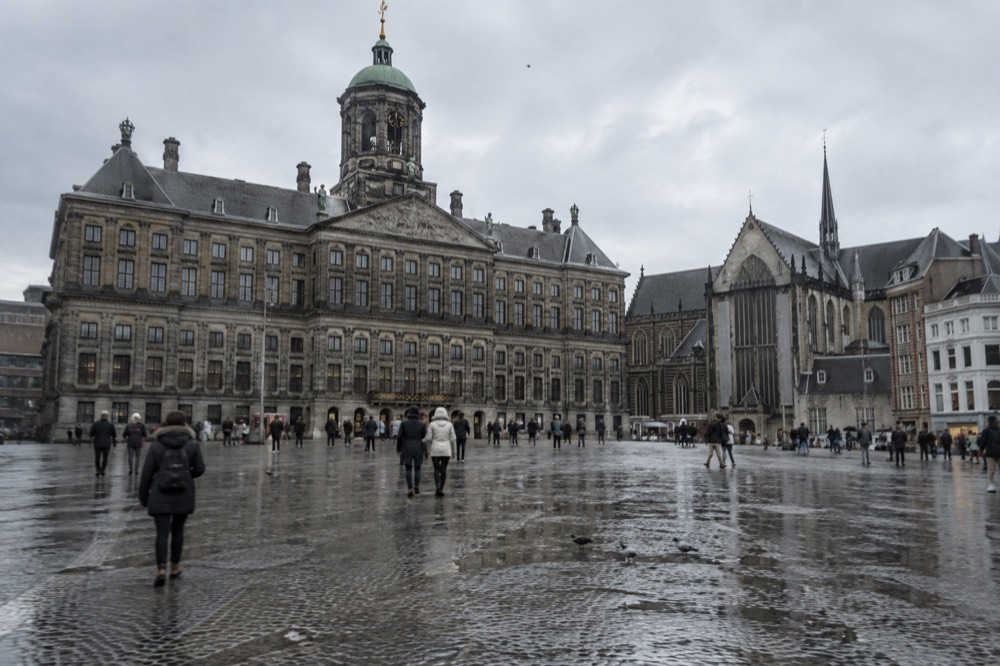
The nearest headline sight is the flower market, five minutes south along the Reguliersbreestraat. It is the right direction to continue after the square, and it costs nothing to browse. From there the Amstel is close, and the river's bridges, including the famous Skinny Bridge, give some of the best photo angles in the centre. Our page on the Magere Brug, the Skinny Bridge, covers it in full.
West of the square the canal belt begins almost immediately. The lanes of the Nine Streets are a short walk away, packed with independent shops and small cafes, and they connect the square to the Jordaan if you keep going. East lies the Jewish Quarter, with the Portuguese Synagogue and the Waterlooplein market.
The canal belt around the square is also where most visitors take to the water. A classic saloon boat cruise runs about an hour through the UNESCO-listed canals, with the option to add Dutch cheese and drinks, and the listing carries a rating of 4.8 across 33,435 reviews with tickets from $19.56. Departure points sit within a short walk of the square.
When Is the Best Time to Visit the Square?
The square is public and open all day, so the best time depends on what you want: mid-morning is quietest for photos of the statue and sculptures, warm afternoons fill the terraces, evenings bring the nightlife crowd, and the weeks around King's Day in late April turn the whole area into one of the busiest street parties in the country.
For photography and calm, go early. The statue and the Night Watch group photograph well in morning light, the terraces are still being set up, and you will have the centre of the square largely to yourself. By early afternoon the terraces are full and the square belongs to the crowds, which is fine if a beer with a view is the plan.
Season matters too. Spring brings the tulip season, with the Keukenhof gardens open only from late March to early May, and the city at its most colourful. Late April brings King's Day, when the square is packed with orange-clad revellers and the whole centre becomes a street market and party, covered in our guide to King's Day in Amsterdam. December brings the winter lights season, when an evening canal cruise past the light installations pairs well with a nightcap on the square.
| Time of visit | What the square is like | Best suited to |
|---|---|---|
| Early morning | Quiet, empty terraces, good light | Photography, unhurried sightseeing |
| Afternoon | Full terraces, busy but relaxed | Lunch, people watching, a rest stop |
| Evening | Nightlife crowds, music from the venues | Bars and clubs, a lively night out |
| Late April, King's Day | Heaving street party across the centre | Joining the biggest Dutch celebration |
| December and January | Festive lights, canal cruise season | Winter walks and evening cruises |
Is Rembrandtplein Worth Visiting?
Yes, as a stop rather than a destination. The statue and the Night Watch bronzes are free, photogenic and take minutes to enjoy, the terraces are a good place to rest between bigger sights, and the square sits on a natural walking route between the canal belt, the flower market and the Jewish Quarter. It is not a half day attraction, but it earns its place on almost any route.
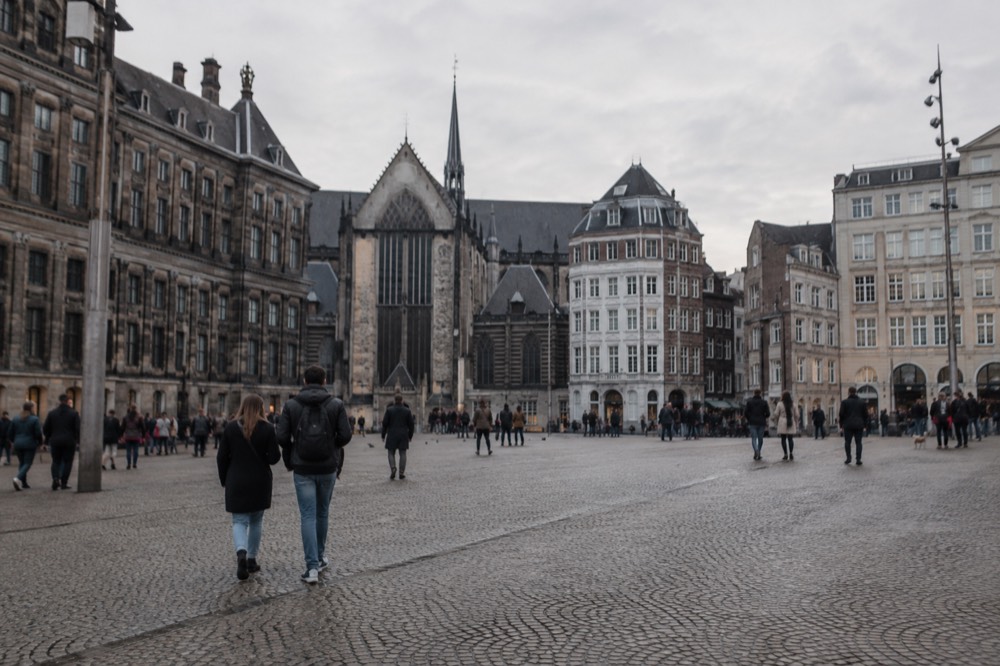
The honest framing is this: nobody should travel to Amsterdam for Rembrandtplein, and nobody walking through the centre should miss it. It is a square that rewards a twenty minute pause, a coffee and a photograph, and it rewards an evening out only if nightlife is on your agenda. Its real value is as a hinge between neighbourhoods that each deserve more time.
If you are short on days, our one day in Amsterdam and two days in Amsterdam itineraries slot the square into wider routes, and our piece on what not to miss in Amsterdam ranks it against the city's bigger draws. Whatever your plan, the museums and cruises that fill the rest of the day are the parts worth booking ahead.
Common Questions About Rembrandtplein
Is Rembrandtplein free to visit?
Yes. The square is public space, open at all hours and free to enter. The statue and the Night Watch sculpture group can be seen at no cost, and you only spend money if you sit on a terrace or enter a venue.
What is the statue on Rembrandtplein?
The statue depicts the painter Rembrandt van Rijn, who lived and worked nearby in the Jewish Quarter. In front of it stands a bronze sculpture group of figures inspired by The Night Watch, his most famous painting, which now hangs in the Rijksmuseum.
How do I get to Rembrandtplein by public transport?
Trams run along the Reguliersbreestraat beside the square. A single one-hour GVB ticket costs €3.40 and a 24-hour ticket €10.00, or you can tap a contactless bank card when boarding. From Dam square the walk takes about ten minutes.
Is Rembrandtplein good for nightlife?
Yes, it is one of the main nightlife hubs in the centre, with large terrace bars and clubs in and around the square that run until the early hours. The crowd is young and international, and the area is loud late at night.
What is close to Rembrandtplein?
The Bloemenmarkt flower market, the Amstel river and the Skinny Bridge, the Rembrandt House Museum, the Nine Streets shopping lanes and the Jewish Quarter are all within about ten minutes on foot.
When is the best time of day to visit?
Mid-morning is quietest for photographs of the statue and sculptures, warm afternoons are best for the terraces, and evenings belong to the nightlife crowd. Arrive early if you want the square without the party.