Westerkerk Amsterdam: Visiting the West Church and Its Tower
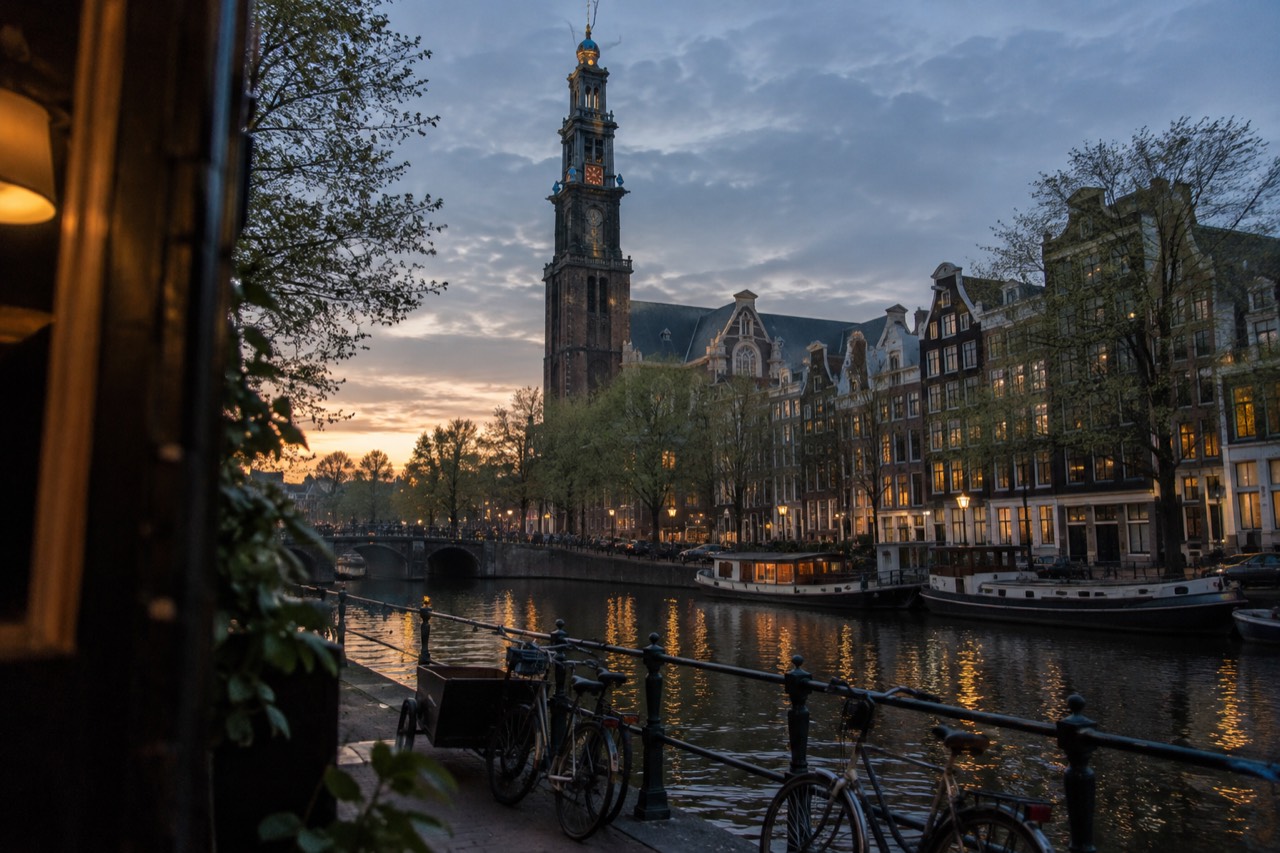
The Westerkerk stands at the point where the canal ring, the Jordaan and the Anne Frank House meet, and its tower is the landmark most visitors use to find their bearings in central Amsterdam.
Short answer
The Westerkerk is a 17th-century Protestant church on the Prinsengracht, best known for its landmark tower and its position beside the Anne Frank House. The church interior and tower visits run on limited schedules, so check the church's own site before you go, and combine the stop with the Jordaan and the Nine Streets.
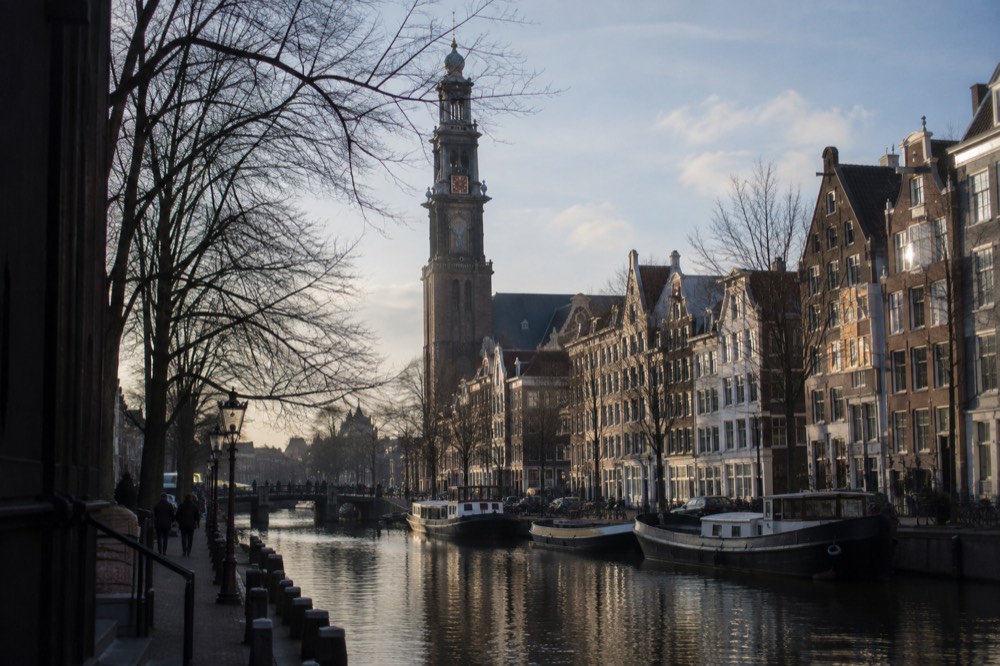
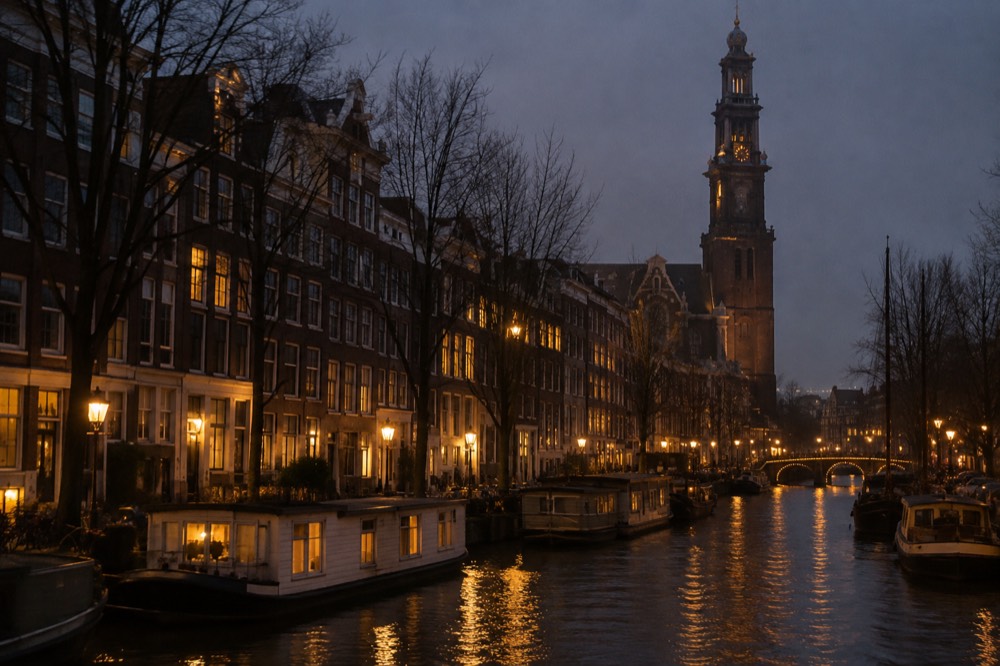
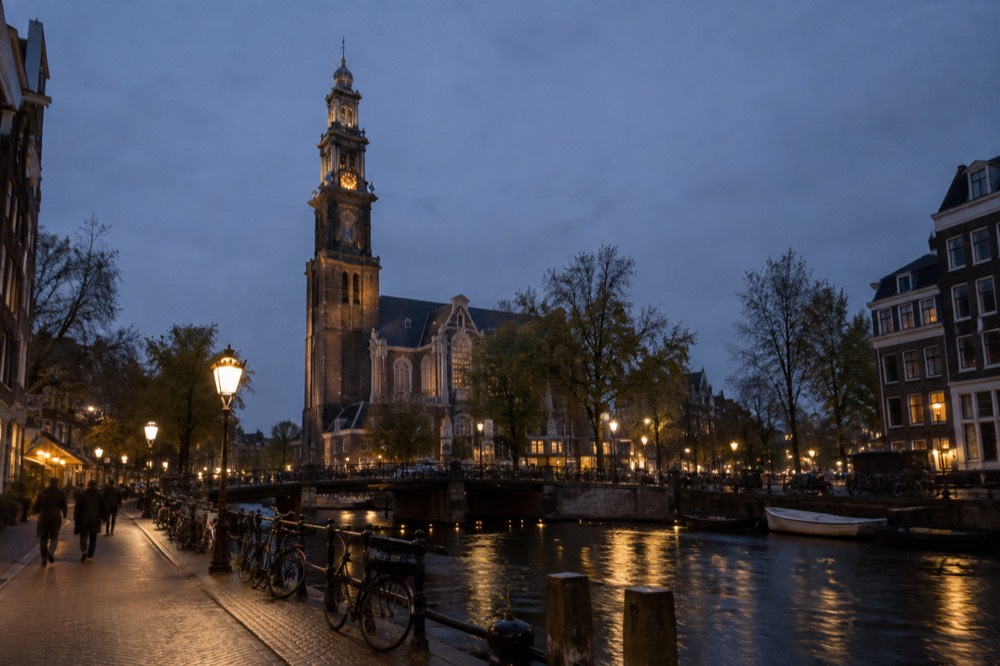
The Westerkerk is the church you have almost certainly photographed already, even if you do not know its name. Its tower sits at the western edge of the canal ring, directly across the Prinsengracht from the Anne Frank House, and it is the single most useful orientation point in this part of Amsterdam. The bells that ring from that tower are the same bells Anne Frank described writing about in her diary, which is one reason this quiet Protestant church carries a weight far beyond its size.
This guide covers what the Westerkerk is, how to visit the church and the tower, the Anne Frank connection, what to see within a few minutes' walk, and how to fit it into a day in the centre. Where a price or schedule is not fixed and published, this guide says so plainly rather than guessing, because the tower visits in particular run on a seasonal, limited schedule that changes from year to year.
What Is the Westerkerk and Why Does It Matter?
The Westerkerk is a large 17th-century Protestant church on the Prinsengracht, built when Amsterdam's canal ring was brand new, and its tower has served as the neighbourhood's landmark ever since. It matters to visitors today for three reasons: it anchors the western canal ring, it sits directly beside the Anne Frank House, and its carillon bells are woven into the Anne Frank story.
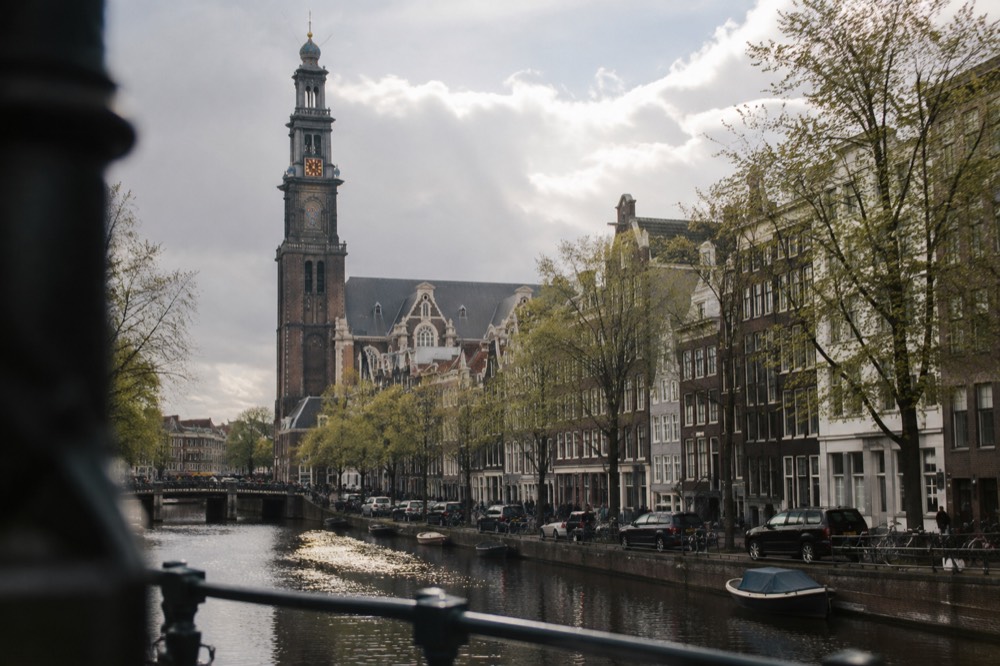
The church was completed in the early 17th century, in the decades when the Grachtengordel, the canal belt that is now a UNESCO World Heritage site, was being dug and lined with the merchant houses visitors come to photograph. It was designed by Hendrick de Keyser, the city sculptor and architect responsible for several of Amsterdam's most important churches, and it was built for the Reformed Protestant community at a moment when Amsterdam was one of the wealthiest cities in Europe. The scale of the building reflects that confidence: it is one of the largest churches in the city and the largest built for the Protestant congregation.
The tower, crowned with the imperial crown that appears on so many Amsterdam souvenirs, dominates the western canal ring. Its carillon plays over the Jordaan and the Prinsengracht on a regular schedule, and it is the sound most locals and long-stay travellers associate with this part of town. Rembrandt is buried somewhere inside the church, in an unmarked grave, which is a detail that surprises many visitors: the most famous painter of Amsterdam's golden age ended his life a short walk from the Jordaan streets he painted.
For a first-time visitor, the practical significance is simpler. The Westerkerk is the pin on the map around which the Anne Frank House, the Jordaan, the Nine Streets and the western Prinsengracht all arrange themselves. If you build one morning around this corner of the centre, you cover more of what people come to Amsterdam for than almost anywhere else in the city. The Amsterdam canal ring UNESCO Grachtengordel explains how the whole neighbourhood came to be, and it is worth reading before you walk it.
How Do You Visit the Westerkerk and Can You Climb the Tower?
The church interior is open to visitors on a limited schedule, typically a few afternoon hours on most days, and tower climbs run as small-group guided visits at fixed times, often only in the warmer months and only with advance booking. Neither runs year-round all day, so check the church's own website for current times before you plan around a visit.
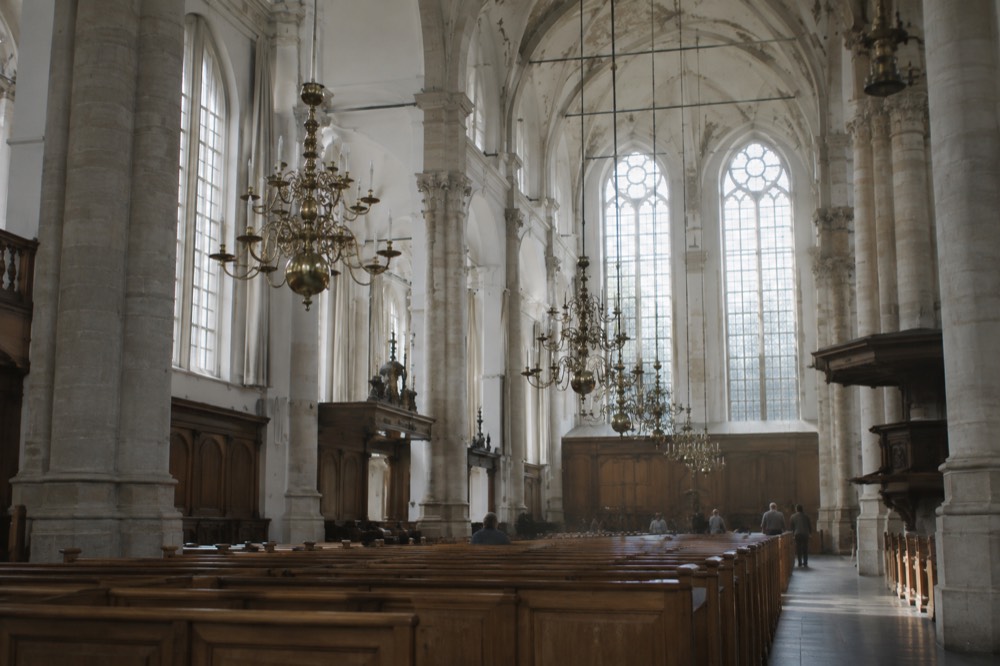
The church is a working Protestant congregation, not a museum, which is why access is limited. The interior is restrained, as Dutch Protestant interiors are: pale stone, dark wood, white walls and an atmosphere that feels deliberately plain next to the Catholic and royal interiors elsewhere in the city. That plainness is part of the story. Visitors who expect the gilded drama of Vienna or Rome often find the Westerkerk's calm a welcome contrast, and photographers find the light through the tall windows more interesting than any decoration.
The tower is the part most people want, and it is the part that needs the most planning. Tower visits are guided, in small groups, and the climb is a genuine one: a long series of stairs to a viewing platform under the crown, with the carillon bells partway up. Because groups are small and demand is high in spring and summer, the visits frequently sell out, and the schedule is reduced or paused in the colder months. The church's own site is the only reliable source for the current timetable, and this guide deliberately does not print hours that may have changed by the time you read it. There is also a small fee for the tower visit, payable when you book, and the money supports the church's upkeep.
If the tower is booked out or closed on your dates, you have not lost the experience. The view from the A'DAM Lookout across the river in Noord gives you the Westerkerk and the whole canal ring in one panorama, and the free roof terrace at the NEMO Science Museum looks back over the centre from the east. The Westerkerk's own tower remains the most intimate version of the view, because you are standing inside the skyline rather than looking at it.
If you are building the morning around the tower climb, book it first and arrange the rest of the day around it, not the other way round. The Westerkerk sits on tram line 2 and line 12, both of which stop within a minute's walk, and the walk from Dam Square takes about ten minutes along the Raadhuisstraat and past the Royal Palace. Most visitors pair the church with the Anne Frank House, and since that museum requires a pre-booked time slot for every visitor, the order of your bookings matters more than the order of your walking.
For the wider day, these are the three most-booked products among visitors planning a museum-and-canal itinerary around this part of town:
Why Is the Westerkerk Connected to Anne Frank?
The Anne Frank House stands directly across the Prinsengracht from the Westerkerk tower, and Anne Frank wrote about the Westerkerk's bells and clock in her diary while in hiding. The church is the most visible landmark of her two years in the Secret Annex, and every visitor to the Anne Frank House sees it immediately.
The connection is physical before it is historical. The Secret Annex was in the rear building on the Prinsengracht, and the Westerkerk tower is the tallest thing in its sightline. Anne Frank described hearing the carillon and watching the clock face, and modern editions of the diary include a photograph of that exact view. When you come out of the Anne Frank House after a visit, the tower is what you look up at, and many visitors find the bells, which still ring on a regular schedule, the most affecting part of the whole corner.
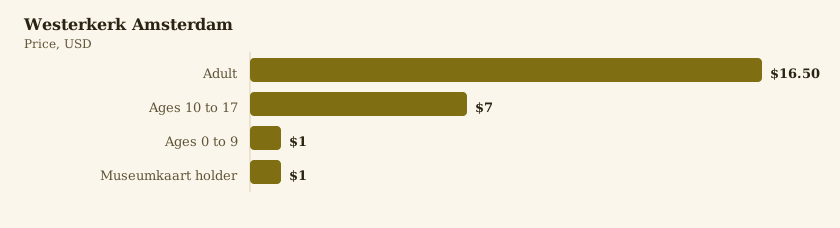
The Anne Frank House itself is one of the most constrained ticket experiences in Europe, and this is where planning matters most. Adult tickets cost €16.50 including the booking fee, with ages 10 to 17 at €7.00 and ages 0 to 9 at €1.00. Every visitor must book a timed ticket online in advance; there are no door sales, and no reseller, pass or tour product includes entry. The museum's own site is the only place to buy, and tickets are released in batches weeks ahead, so a spring or summer visit needs to be booked the moment you fix your dates. The Anne Frank House guide covers the full ticket strategy.
That last point deserves emphasis, because it is the most common expensive mistake in Amsterdam. No city card, no combination pass and no walking tour includes Anne Frank House entry. The I amsterdam City Card states plainly that Anne Frank is not included, and the museum's own price table lists the card as giving no discount. If a product page anywhere implies otherwise, it is wrong, and you should treat that as a signal about the rest of the page.
The table below sets out the official Anne Frank House ticket prices, which are the only figures worth planning around since the museum sells exclusively through its own site.
| Visitor | Official price | Notes |
|---|---|---|
| Adult | €16.50 | Includes €1.00 booking fee |
| Ages 10 to 17 | €7.00 | Includes booking fee |
| Ages 0 to 9 | €1.00 | Includes booking fee |
| Museumkaart holder | €1.00 | Booking fee only, still needs a timed slot |
| I amsterdam City Card | No discount | Entry not included under any pass |
Walking tours of the Jewish Quarter and the Anne Frank story are a different matter, and they are a genuine option when house tickets are sold out or when you want more context than the museum's own audio route provides. They walk the streets, not the house, and honest operators say so explicitly. The Anne Frank Story one-hour walking tour covers the Jewish Quarter and the wartime history in a small group, rated 4.8 across 15,104 reviews, from $22.
What Should You See Around the Westerkerk?
Within ten minutes' walk of the Westerkerk you have the Jordaan's lanes and hofjes, the Nine Streets shopping quarter, the Prinsengracht houseboats and the Anne Frank House itself. This is the densest concentration of the classic Amsterdam experience in the city, and it can be walked slowly in a single morning or afternoon.
Cross the Westermarkt in front of the church and you are in the Jordaan within two minutes. The Jordaan began as a working-class district built for the labourers who could not afford the new canal ring, and it retains that smaller, crooked street pattern, which is why it feels so different from the grand regularity of the Herengracht and Keizersgracht. Its cafés, galleries and hidden courtyards reward aimlessness, and the Westerkerk is the natural place to start a Jordaan wander because the district begins literally at the church's back.
Head east instead and you reach the Nine Streets, the nine short cross-streets between the Prinsengracht and the Singel that form Amsterdam's most pleasant small shopping quarter. The Nine Streets De Negen Straatjes guide covers the detail, but the short version is this: independent shops, good coffee and the best bridge photo angles in the centre, all within five minutes of the Westerkerk's front door.
The Prinsengracht itself is the third attraction. Houseboats line the canal, the Bloemenmarkt flower market is a short walk south, and the canal cruise docks at the Westermarkt jetty are one of the busiest departure points in the city. The standard one-hour cruise with departures from the Westermarkt, the Rijksmuseum and Central Station is rated 4.3 across 21,335 reviews, from $15, and the Westermarkt departure point means you can step off the boat directly in front of the church. Everything else covered here is indexed on Things to Do in Amsterdam.
The cruise is also the cheapest way to see the canal ring from the water, and the Westermarkt jetty makes it almost too convenient to skip. If you would rather stay on dry land for the afternoon, the walking distances around the church are short enough that you can leave the map in your pocket.
Here is how the main sights around the Westerkerk stack up for a walking plan:
| Sight | Direction from the Westerkerk | Rough walk time |
|---|---|---|
| Anne Frank House | Across the Prinsengracht | 1 minute |
| Jordaan lanes and courtyards | West, behind the church | 2 to 5 minutes |
| The Nine Streets | East along the cross-streets | 3 to 5 minutes |
| Bloemenmarkt flower market | South along the Prinsengracht | About 10 minutes |
| Dam Square and the Royal Palace | East along the Raadhuisstraat | About 10 minutes |
A sensible route for one morning: start at the Westerkerk, cross to the Anne Frank House for your booked slot, walk the Jordaan's western lanes, loop back through the Nine Streets, and finish with a canal cruise from the Westermarkt jetty. That is roughly four hours at a relaxed pace and it captures the western canal ring almost completely.
How Do You Get to the Westerkerk?
Trams 2 and 13 stop at the Westermarkt, a minute's walk from the church, and the walk from Dam Square takes about ten minutes along the Raadhuisstraat. The church sits inside the centre's walkable core, so most visitors staying anywhere in the canal ring will simply walk.
Amsterdam's centre is compact, and the Westerkerk is about as central as a landmark gets. From Centraal Station it is a 15 to 20 minute walk, or a few minutes on the trams that run along the Nieuwezijds Voorburgwal and the Raadhuisstraat. If you are using public transport, the current GVB fares are €3.40 for a single one-hour ticket and €10.00 for a 24-hour day pass, with child day tickets at €5.00. Contactless bank card payment, the OVpay system, also works on every tram, bus and metro in the city, with a base fare plus a per-kilometre rate. The current fare tables are published at GVB's official prices page.
The full GVB ticket ladder is worth knowing if you are staying more than a night, because the multi-day passes often beat buying singles twice a day.
| GVB ticket | Price |
|---|---|
| Single, 1 hour | €3.40 |
| Day pass, 24 hours, adult | €10.00 |
| Day pass, 24 hours, child | €5.00 |
| 48 hours | €16.00 |
| 72 hours | €21.50 |
| 96 hours | €27.50 |
| 120 hours | €34.00 |
Cyclists should note that bike parking around the Westermarkt and the Anne Frank House is heavily used and, in places, signed against parking, because the pavement around the museum is one of the most congested in the city. Walking the last few minutes is usually faster than circling for a rack.
Visitors arriving from the airport should see the getting from Schiphol airport to central Amsterdam guide for the train and bus options, then treat the Westerkerk as a walking destination once they are in the centre. The NS train from Schiphol runs "from €5.50" as the railway's own site puts it, and takes just over 17 minutes to Centraal.
When Is the Best Time to Visit the Westerkerk?
Early morning and late afternoon are the quietest times at the Westerkerk itself, while the surrounding Anne Frank House corner is busiest from late morning through mid-afternoon. Spring and summer give you the tower climb season and the best light on the Prinsengracht, but also the biggest crowds, so book everything ahead.
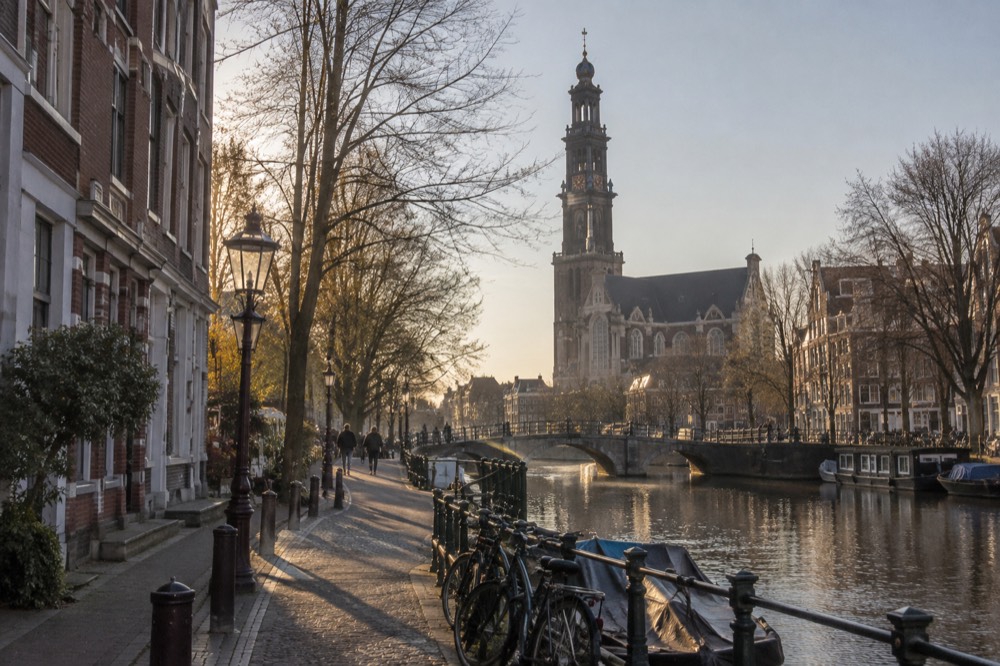
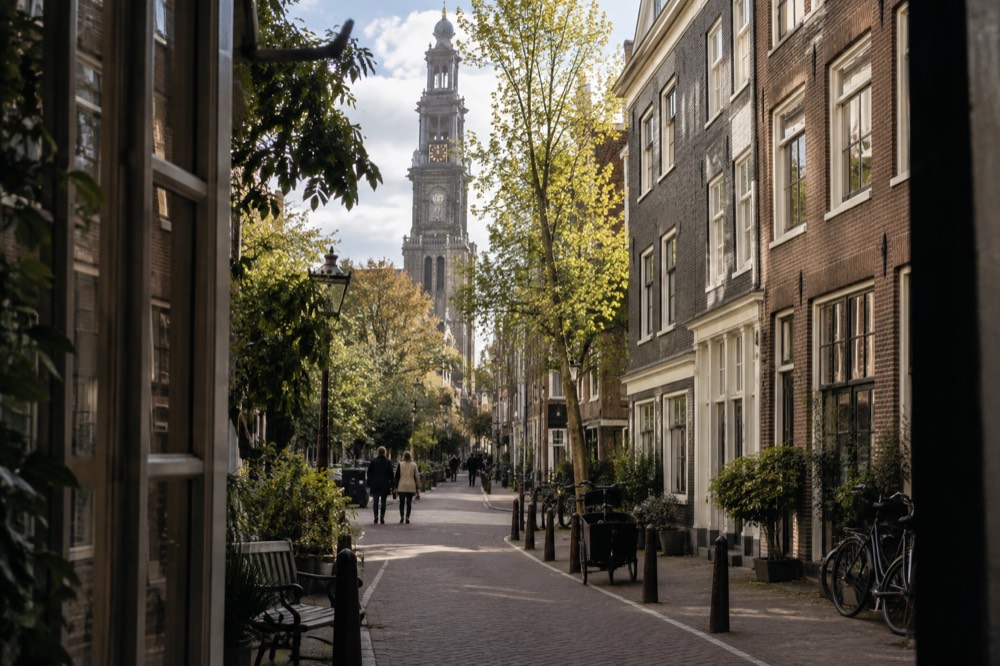
The church's own visiting hours are limited, so your timing is partly decided for you, but the neighbourhood around it runs on a predictable daily rhythm. The Westermarkt and the stretch of Prinsengracht in front of the Anne Frank House are calm before 9am, when the museum queue begins to form, and they calm down again after about 5pm, when the day-trippers drift toward the centre and the Jordaan's cafés fill instead. The carillon plays across the day, and hearing it from a bench on the Westermarkt is free, needs no ticket and is, honestly, one of the better free experiences in a city full of paid ones.
Seasonally, the trade-off is straightforward. From April to September you get the tower visits, longer daylight and the terrace life of the Jordaan, but you also get peak crowds, and the Anne Frank House slots go weeks ahead. From November to February the church interior still opens on its limited schedule, the neighbourhood is quieter, and the winter light on the canal ring is a photographer's season, but tower climbs may not run at all. Weekday mornings beat weekends at every time of year.
Rain matters less here than at most attractions. The church interior is covered, the Anne Frank House is indoors, the Nine Streets are full of shops and cafés, and the covered canal boats run in all weather. The rainy day in Amsterdam itinerary actually uses this exact corner as one of its anchors, which tells you how well the area behaves in Dutch weather.
How Do You Combine the Westerkerk With Amsterdam's Big Museums?
The Westerkerk pairs naturally with the Museumplein museums, which are a 15-minute tram ride away on lines 2 and 12, and with the Rijksmuseum in particular, whose 9am opening lets you do a museum morning and a Westerkerk-and-Jordaan afternoon in one day. Book the Van Gogh Museum's timed entry first, since it sells out.
The Van Gogh Museum is the most time-constrained of the big three: every visitor needs a pre-booked timed entry ticket, adults pay €25 with under-18s free, and the slots sell out in high season. The entry ticket sold through the operator's listing is rated 4.7 across 57,096 reviews, from $31. Because the museum is on the same tram lines that stop at the Westermarkt, the logistics are simple: book your Van Gogh slot, take tram 2 or 12 between the two, and use the Westerkerk corner for the part of the day that does not need a booking.
The Rijksmuseum is even closer in spirit to the Westerkerk, since both are golden-age institutions, and its own visitor page confirms the practical details: €25 for adults, free for ages 18 and under, open daily from 9am to 5pm, with a timed start slot required for every visitor, including pass holders. The official practical-info page is at rijksmuseum.nl. A morning at the Rijksmuseum followed by an afternoon at the Westerkerk, the Anne Frank House corner and the Jordaan is probably the single best one-day art-and-history itinerary Amsterdam offers.
For visitors who want the full comparison before committing a day, the museum day in Amsterdam and three days in Amsterdam guides lay out how the big museums, the canal ring and the Jordaan fit together across multiple days. The short version: put the Westerkerk corner on the same day as the Anne Frank House, and put the Museumplein on whichever day has the weather you least want to spend outdoors.
The two headline museums compare like this when you are planning a Westerkerk day:
| Museum | Adult price | Under-18 policy | Booking rule |
|---|---|---|---|
| Rijksmuseum | €25 | Free for ages 18 and under | Timed start slot required for all visitors |
| Van Gogh Museum | €25 | Free for visitors under 18 | Pre-booked timed entry ticket required |
| Anne Frank House | €16.50 | €7.00 ages 10 to 17, €1.00 ages 0 to 9 | Online timed ticket only, no door sales |
Common Questions About the Westerkerk in Amsterdam
Is the Westerkerk free to enter?
The church interior is open to visitors on a limited schedule and typically asks for a small donation toward its upkeep. The tower climb is a separate guided visit with its own fee and booking. Check the church's own website for current arrangements, since the schedule changes seasonally.
Can you climb the Westerkerk tower?
Yes, on a guided visit, but only at fixed times, in small groups, and mainly in the warmer months. The climb covers a long stair sequence to a platform under the crown, with the carillon bells on the way. Book ahead, because small groups and high demand mean the slots often sell out.
How close is the Westerkerk to the Anne Frank House?
Directly across the Prinsengracht. The Westerkerk tower is the landmark visible from the Anne Frank House, and Anne Frank wrote about the church's bells and clock in her diary. Coming out of the museum, you are standing within a minute's walk of the church's frontage.
Does the Anne Frank House ticket include the Westerkerk?
No. The two are separate institutions. Anne Frank House tickets cost €16.50 for adults, are sold only through the museum's own site for a fixed time slot, and no pass, card or tour includes entry. The Westerkerk is a working church with its own visiting arrangements.
What else is near the Westerkerk?
The Jordaan, the Nine Streets, the Bloemenmarkt flower market and the Westermarkt canal cruise jetty are all within ten minutes' walk. The Royal Palace on Dam Square is about ten minutes away along the Raadhuisstraat, and the Museumplein museums are a short tram ride on lines 2 and 12.
When do the Westerkerk bells ring?
The carillon plays on a regular schedule across the day, and it is audible across the western canal ring and the Jordaan. Hearing it from a bench on the Westermarkt costs nothing and needs no ticket. The church's own site publishes the current ringing times.