Amsterdam With Teenagers: A Two-Day Itinerary
Two days is enough for Amsterdam with teenagers if you mix one big sight per half-day with something active, and if you book the two or three things that genuinely sell out before you leave home.
Short answer
Plan Amsterdam with teenagers around one anchor per half-day: a canal cruise, the Van Gogh Museum (€25, under-18s free), the Heineken Experience (from $23) and the A'DAM Lookout swing (€16.50 online). Buy a 24-hour GVB day ticket at €10, book timed-entry museums in advance, and keep evenings on the water or in the Jordaan.
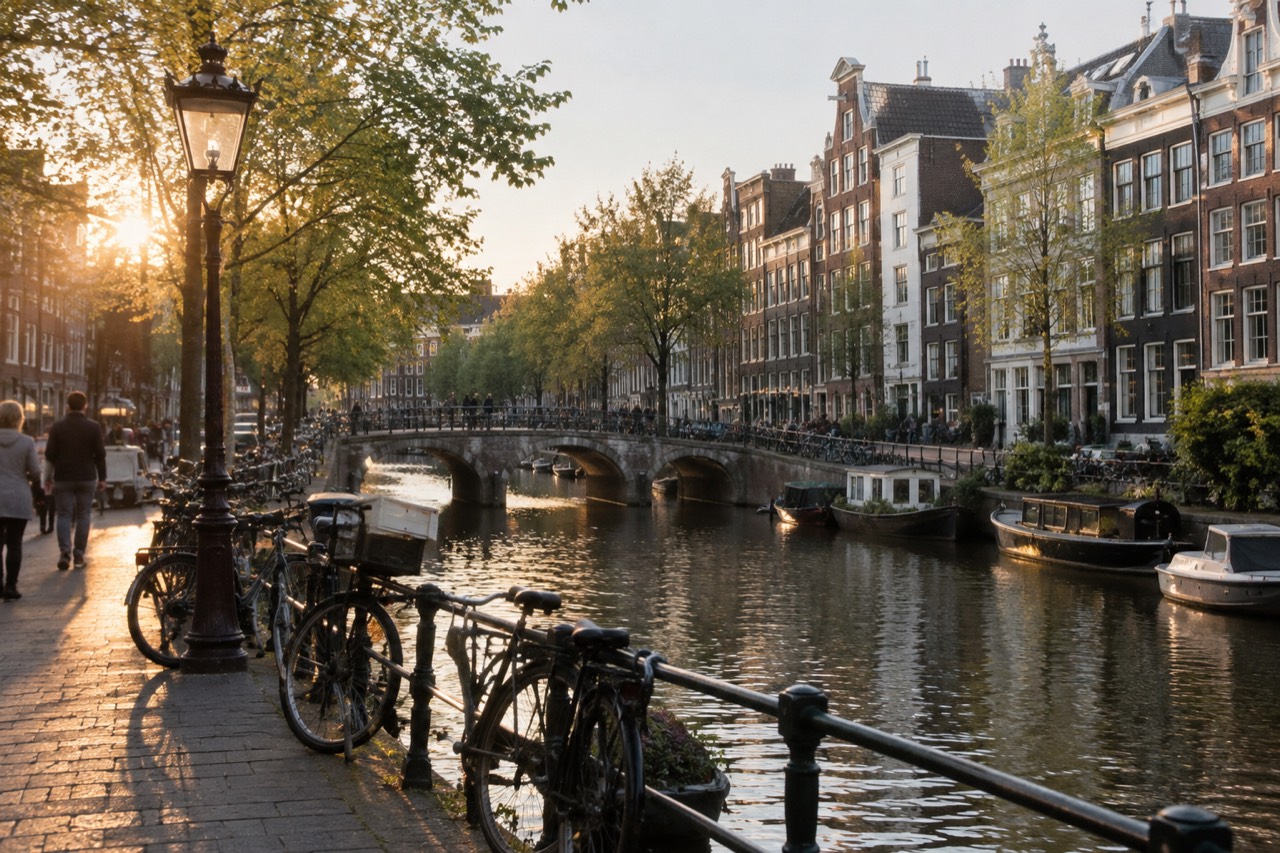
Amsterdam is one of the few European cities where a teenager's wishlist and a parent's wishlist overlap almost completely. The centre is compact enough to walk, the canals make every second street a photo stop, and the attractions that sound gimmicky to adults, a swing over the edge of a tower, a flight simulator over the whole country, a brewery turned interactive museum, are exactly the ones that keep 15-year-olds off their phones for an afternoon.
The city recorded 23.7 million tourist overnight stays in 2025, and the municipal forecast puts 2026 between 23.7 and 25.1 million, so the crowds are real and the sell-out risk is real too. Two well-planned days beat four improvised ones. This itinerary is built around the things teenagers actually ask for, with the booking order, the costs and the local rules a family needs before arrival.
Why Does Amsterdam Work So Well for Teenagers?
Amsterdam suits teenagers because everything is close, cheap to reach and partly interactive: the whole centre is walkable, a 24-hour GVB transport ticket costs €10, and the headline attractions are hands-on rather than look-don't-touch. Add bikes, boats and a food scene heavy on fries and stroopwafels, and the city rarely produces the museum fatigue that sinks family trips elsewhere.
The distance logic matters more than parents expect. The Museumplein cluster, the canal ring, the Jordaan and Amsterdam Noord are all within roughly half an hour of each other by tram, bike or foot, so nobody spends a day on a coach. The OVpay system means teens can tap a contactless bank card on any tram, bus or metro, paying a base fare of €1.16 plus €0.217 per kilometre, which removes the fiddle of tickets entirely. For a family, the flat 24-hour GVB day ticket at €10 per person usually wins once you make three or more rides.
The second reason is tone. Amsterdam's big attractions are designed for participation. The Heineken Experience pours samples, THIS IS HOLLAND suspends you in front of a domed screen, the A'DAM Lookout sells a swing that hangs you 100 metres over the IJ, and even the canal cruise is a moving vantage point rather than a lecture. Teenagers who sulk through conventional galleries tend to reappear for these.
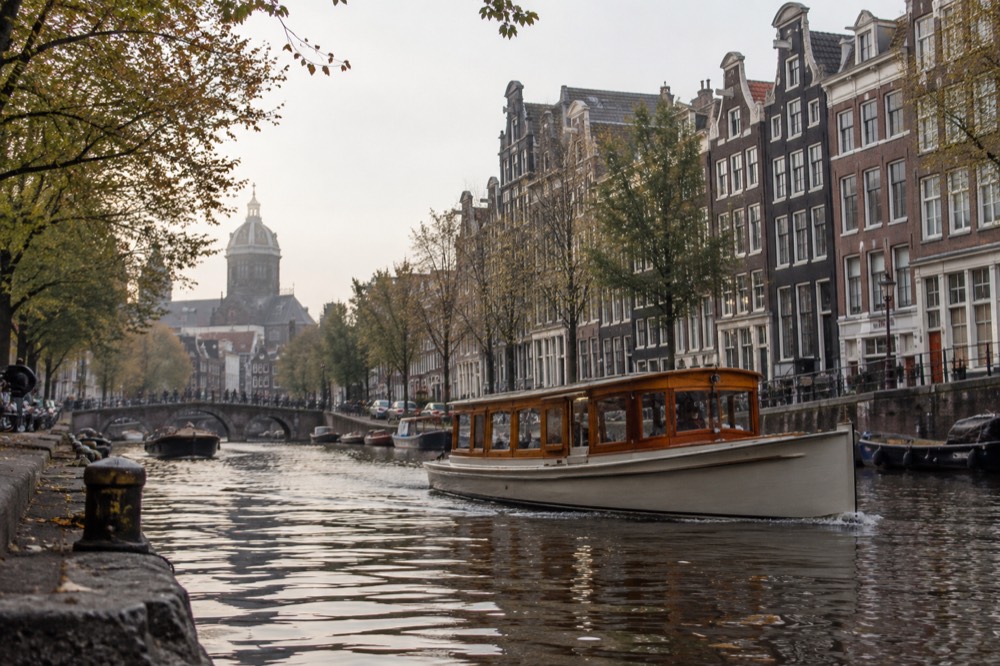
Food is the quiet third pillar. Dutch snack culture, stroopwafels, bitterballen, thick fries with satay sauce, herring for the brave, is cheap, fast and shareable, and the Amsterdam markets guide and the Foodhallen are both genuinely teen-friendly: nobody has to sit still for a three-course meal at 7pm. Build the days around those three strengths and the itinerary below almost writes itself.
How Should You Structure Two Days in Amsterdam With Teenagers?
Structure the two days as one anchor per half-day, booked in advance, with loose time between: Day One pairs a canal cruise with the Van Gogh Museum and a Jordaan evening, while Day Two crosses to Amsterdam Noord for the A'DAM Lookout before the Heineken Experience and a final cruise or food-hall stop. Book timed entries first, transport second, everything else on the day.
The booking order is the part families get wrong. The Van Gogh Museum requires a pre-booked timed entry ticket for every visitor, with adults at €25 and under-18s free, and slots sell out; the Anne Frank House sells only through its own website on a Tuesday-morning release six weeks ahead. Those two decide your calendar. Everything else, cruises, the Heineken Experience, the Lookout, can be bought a day or two ahead or on the day.
Here is the skeleton, with the reasoning behind each slot explained in the sections that follow.
| Slot | Day One | Day Two |
|---|---|---|
| Morning | Classic saloon-boat canal cruise, then the Van Gogh Museum | Ferry to Amsterdam Noord: A'DAM Lookout and the swing |
| Lunch | Jordaan, pancakes or a broodje haring | Foodhallen or NDSM-wharf street food |
| Afternoon | Vondelpark and Museumplein, or NEMO's free roof | Heineken Experience, then the Nine Streets |
| Evening | Canal-side dinner in the Jordaan | Sunset canal cruise or evening city-lights cruise |
Two principles hold the plan together. First, front-load the timed-entry items into mornings, when energy is high and queues are short. Second, never schedule two paid attractions back to back without food or open space between them: the Vondelpark and the NEMO roof exist precisely for the hour when a teenager needs to sit on grass and complain.
What Should You Do on the Morning of Day One?
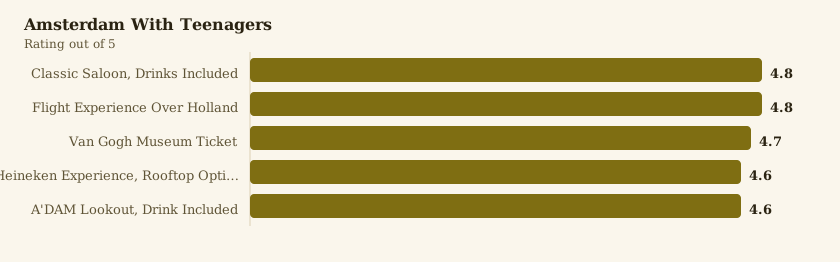
Start Day One with a one-hour classic saloon-boat cruise, from $19.56 and rated 4.8 across 33,435 reviews, because it teaches the city's geography in an hour, then walk from the dock to the Van Gogh Museum for a pre-booked late-morning slot, where under-18s enter free and adults pay €25. Finish with lunch in the Jordaan.
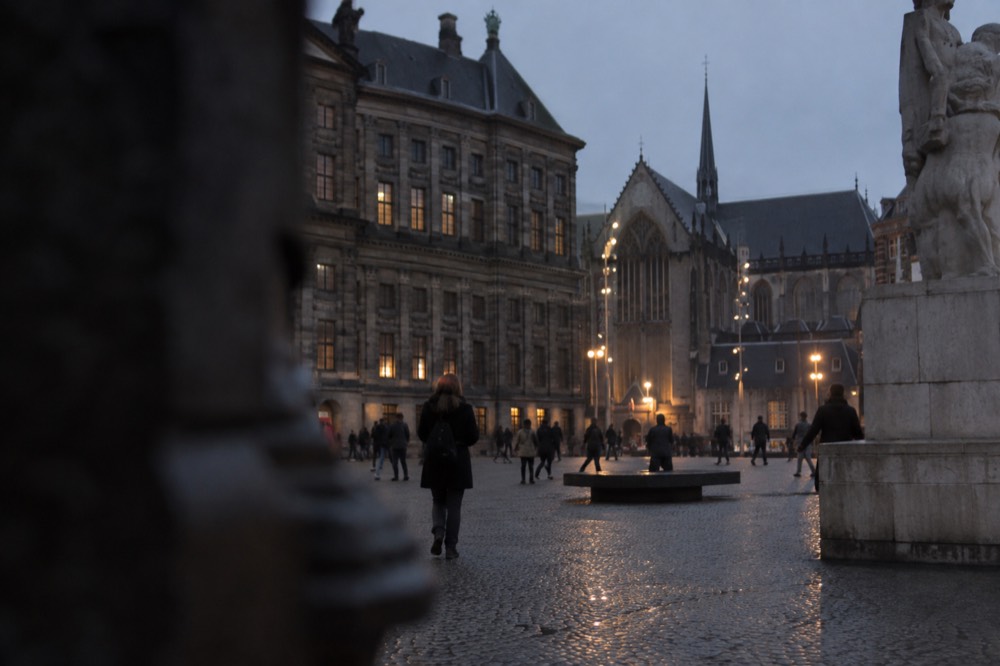
The cruise-first move is deliberate. A teenager who has seen the canal ring from the water understands the map for the rest of the trip, and the boats need no booking gymnastics: departures run through the day. The classic saloon boat is the pick over the glass-roofed fleet because the small wooden vessels feel like a ride rather than a tour bus, and the live guide commentary answers the questions teens actually ask, why the houses lean, what the hooks on the gables are for.
Then the museum. The Van Gogh Museum guide covers the collection in depth, but the family-relevant facts are short: adults €25, visitors under 18 free, everyone needs a timed entry ticket booked online, and the museum is open daily from 9am to 6pm with late Fridays. Two hours is enough for teenagers, and the ground-floor self-portraits plus the Sunflowers room are the stops that land hardest. Book the first available late-morning slot so the cruise fits comfortably before it.
Lunch belongs in the Jordaan, a ten-minute walk west of the museum district or a short tram ride from the centre. The neighbourhood is small-scale, full of brown cafés and pancake windows, and it feeds picky teenagers fast. The Jordaan guide lists the specific streets worth the detour. Keep the afternoon deliberately light after two anchor sights.
What Should You Do on the Afternoon and Evening of Day One?
Give Day One's afternoon to open space and one optional science stop, the Vondelpark for free decompression or NEMO Science Museum at a flat €21.50 for everyone aged four and over, then spend the evening eating canal-side in the Jordaan, saving the money that a second ticketed attraction would have burned for Day Two's bigger lineup.
The afternoon is where most itineraries overreach. After a cruise and a museum, teenagers need an hour of nothing, and the Vondelpark is the city's living room for exactly that: free entry, space to kick a ball, and snack kiosks. Families who want one more indoor stop should consider NEMO, the largest science museum in the Netherlands, where admission is a single flat €21.50 for anyone aged four and up and under-fours go free. Its best feature costs nothing: the roof terrace is free to reach by stairs from the street, with a city view and no ticket needed, which makes it a genuine budget stop even if you skip the exhibits. The NEMO Science Museum guide has the details.
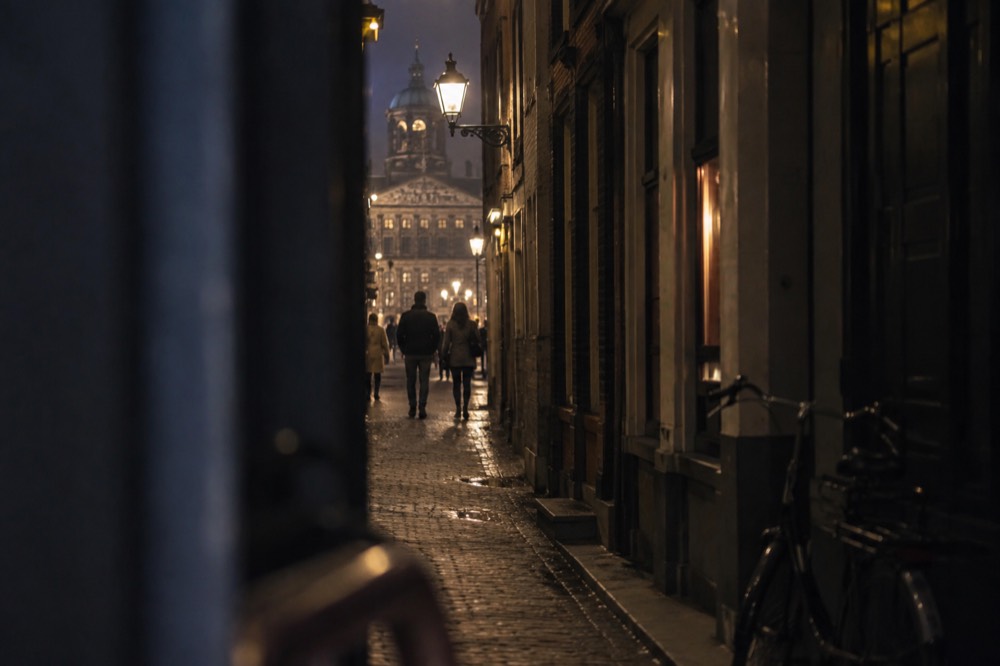
For the evening, resist the urge to book a third activity. The Jordaan's canal-side terraces and pancake restaurants do the job, and the walk home past the lit bridges is the kind of unplugged hour that teenagers remember longer than any attraction. If the group still has energy, the evening city-lights cruise, from $21 and rated 4.4 across 23,214 reviews, turns the same canals into a different city after dark, but treat it as optional, not load-bearing. More of these guides are collected on Things to Do in Amsterdam.
One practical note for the day's transport: buy the 24-hour GVB day ticket at €10 per person in the morning and it covers every tram and metro ride through tomorrow's breakfast. Tap-in contactless works too, but for a family making five or six rides, the day ticket is cheaper and removes the tap-out anxiety entirely.
What Should Day Two in Amsterdam Look Like?
Day Two crosses the IJ on the free ferry to Amsterdam Noord for the A'DAM Lookout, entry €16.50 online against €18.50 at the counter with the Over the Edge swing at €7.50 online, then returns south for the Heineken Experience, from $23 and rated 4.6 across 39,581 reviews, and closes with a sunset canal cruise and dinner near Rembrandtplein.
Start early and take the ferry. The IJ ferries behind Centraal Station are free, run constantly, and the five-minute crossing is itself a novelty for teenagers who have never commuted by boat. On the far bank, the A'DAM Lookout is open daily from 10:00 to 22:00 with last admission at 21:00, and its observation deck gives the widest single view of the centre, the port and the polder landscape beyond. The swing is the reason teens ask to come: a chair that dangles you over the edge, with a minimum rider height of 1.20 m, priced at €7.50 online as an add-on. Booking online rather than at the counter saves €2 per ticket, and the tower's own ticket page lists the family bundles if you are a party of four.
Give the late morning to Noord itself before crossing back. The Amsterdam Noord and NDSM Wharf guide covers the street art and the crane conversions; even a short wander past the waterfront cafés gives the day a different texture from the canal ring. Lunch at the Foodhallen or back near the ferry, then head to the Heineken Experience for an afternoon slot.
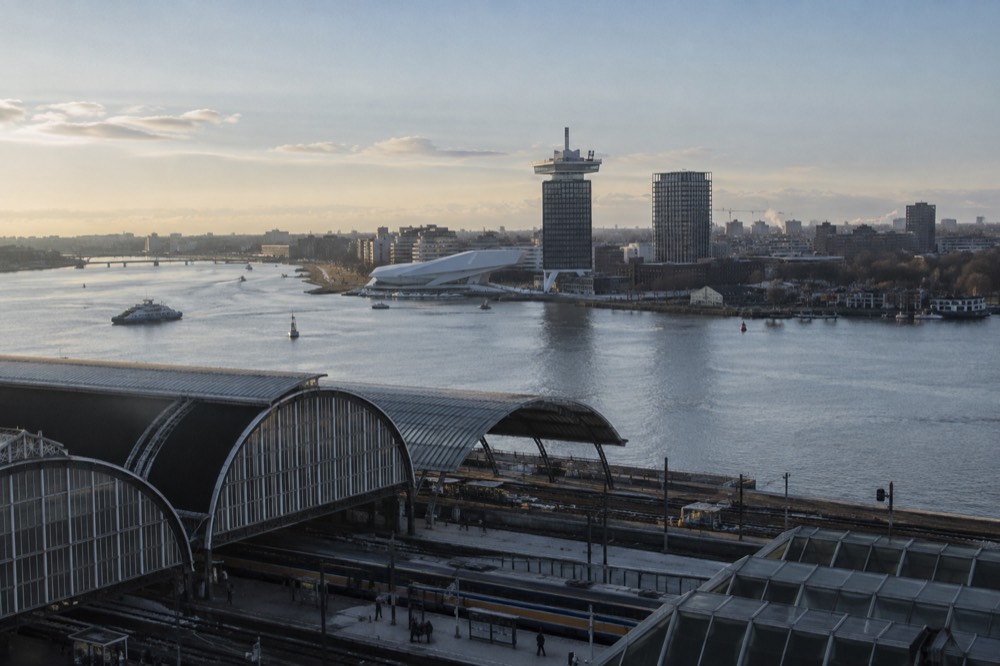
The Heineken Experience is the most reliably teenage-approved ticket in the city. Housed in the original historic brewery, it runs about 90 minutes, is heavily interactive, includes tastings, and the roster price starts at $23 with a 4.6 rating across 39,581 reviews. It sits close to the centre, so it slots cleanly between the Noord return and the evening. The Heineken Experience guide explains what the ticket includes and what the rooftop option adds.
Close the trip on the water again, because the sunset cruise, from $23 and rated 4.8 across 4,737 reviews, is the bookend that makes the two days feel shaped rather than shopped. Dinner afterwards near Rembrandtplein or in the Nine Streets, and the itinerary is complete.
How Much Do Two Days in Amsterdam With Teenagers Cost?
Price the two days item by item rather than trusting a headline total: the four anchor tickets, a GVB day ticket at €10 per person and food are the whole budget, and under-18s enter the Van Gogh Museum free, which is the single biggest saving on the page. The table below lists every verified price so a family can build its own total from its own choices.
The table below prices the itinerary's moving parts using the verified figures, with the roster prices converted as listed.
| Item | Adult | Teenager (under 18) | Notes |
|---|---|---|---|
| Classic saloon-boat cruise | from $19.56 | from $19.56 | Rated 4.8 across 33,435 reviews; 1 hour |
| Van Gogh Museum | €25 | Free | Timed entry required for all visitors |
| A'DAM Lookout | €16.50 online | €16.50 online | €18.50 at the counter; swing add-on €7.50 online |
| Heineken Experience | from $23 | from $23 | Rated 4.6 across 39,581 reviews; about 90 minutes |
| GVB 24-hour day ticket | €10.00 | €10.00 | Child 24-hour ticket €5.00 |
| NEMO Science Museum (optional) | €21.50 | €21.50 | Flat price for ages 4 and over; roof terrace free |
Food is the wildcard. A stroopwafel from a market stall costs pocket change, a canal-side dinner costs real money, and the gap between the two is wide enough to move the daily total by €30 per person. The Amsterdam on a budget guide covers the cheap end properly. Two structural savings are worth stating plainly: under-18s enter the Van Gogh Museum free, which saves €25 per teenager, and the NEMO roof terrace, the Vondelpark, the IJ ferries and the canal-side walking itself all cost nothing.
The I amsterdam City Card is the one pass worth a family calculation. The 24-hour card costs €67 and the 48-hour card €94, and it includes a canal cruise, a 24-hour bike rental, unlimited GVB transport and free entry to more than 70 museums, with the Rijksmuseum confirmed included by the museum's own site. But the card excludes the Van Gogh Museum, so this itinerary's anchor sight is paid separately regardless. Run the arithmetic against your own list before buying; the is the I amsterdam City Card worth it guide does the comparison line by line.
What Rules and Practical Details Should Families Know?
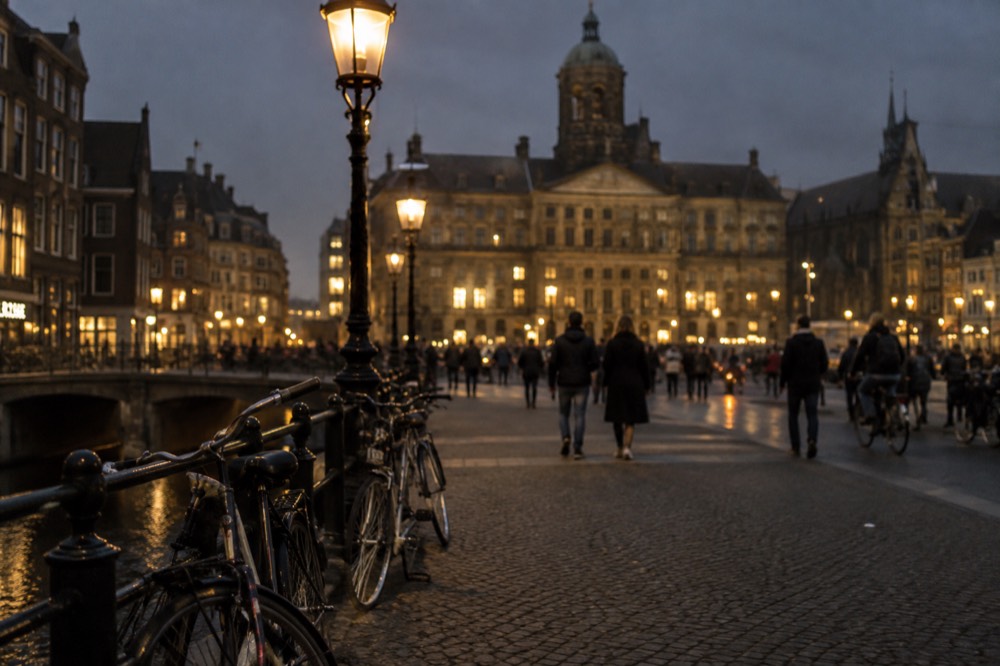
Families should know four things before arrival: the Anne Frank House sells tickets only through its own site on a Tuesday 10:00 CEST release for visits six weeks out, coffeeshops tolerate tourist sales but outdoor cannabis smoking is banned in the centre, street drinking is prohibited in the city centre, and the tourist tax is 12.5% of your nightly room price, all of which shape plans with teenagers more than most guides admit.
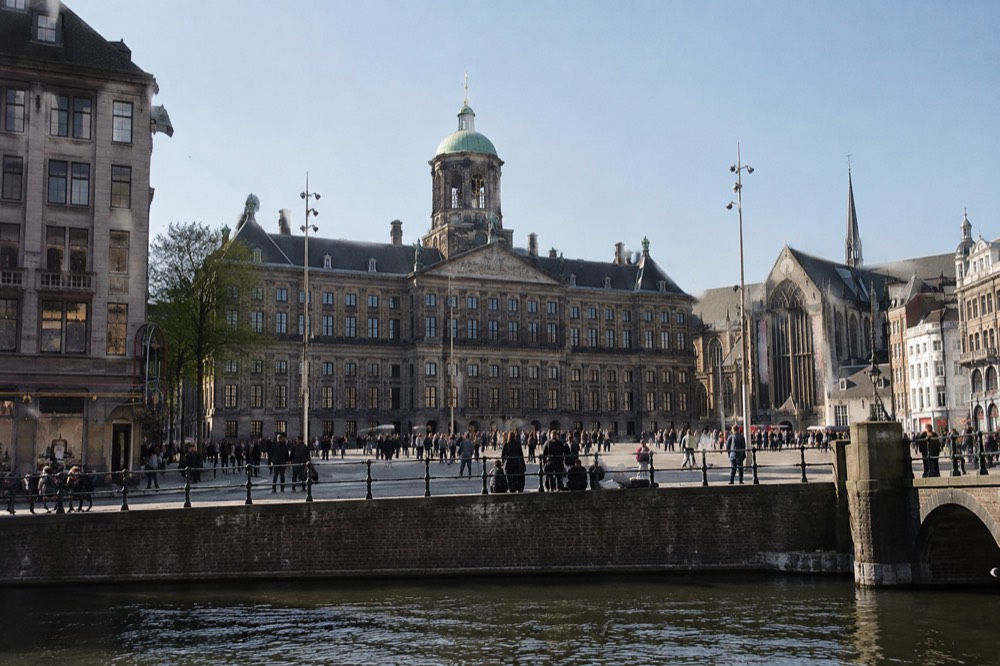
The Anne Frank House point deserves its own sentence because it is the most-missed item in Amsterdam. Tickets are sold only through the museum's official website for a specific date and time, there are no door sales and no legitimate reseller, at €16.50 for adults, €7 for ages 10 to 17 and €1 for ages 0 to 9, and the release lands on Tuesdays at 10:00 CEST for visits six weeks later. If the house is on your teenager's list, the calendar is decided by that release, not by you. Walking tours of the Jewish Quarter, from $22 and rated 4.8 across 15,104 reviews, are the alternative when tickets are gone, and they make no claim of house entry.
The coffeeshop question comes up with teenagers whether parents raise it or not, so raise it yourself. National tolerance policy allows coffeeshops to sell up to 5 grams per person per day, and while the residents-only criterion exists in national policy, Amsterdam does not apply it, so tourists are not banned. What is banned is outdoor cannabis smoking in the city centre, and street drinking is prohibited there too. State the actual rule plainly and move on; the Amsterdam coffeeshop rules for tourists guide covers it in full.
If the red-light district is on an older teenager's curiosity list, the De Wallen walking rules matter: guided groups are capped at 15 people, tours run only between 08:00 and 22:00, and no tour may pass the sex workers' windows. Photography of the windows is the strongest enforced norm in the neighbourhood, staff will intervene, and the city's own respect campaign says it plainly. The red-light district rules and etiquette guide is the honest version of what to expect.
One indoor wildcard for a rainy slot: THIS IS HOLLAND, the flight experience over the country on a domed screen, from $26 and rated 4.8 across 4,207 reviews, sits beside the Lookout in Noord and takes an hour, which makes it the natural filler if the ferry crossing has already sold your teenager on the north bank.
Finally, the money details. The tourist tax is 12.5% of the overnight price excluding VAT, and it appears on your hotel bill rather than at the airport. Cards work almost everywhere, trams take contactless taps, and the money in Amsterdam guide explains the few cash-only exceptions. For the trip home, the what to buy in Amsterdam guide separates the souvenirs teenagers actually want from the tulip-bulb tourist traps.
Transport is the last piece worth a table, because families ask the same three questions: how do we ride, what does a child pay, and does the airport train count. The verified fares answer all three.
| Ticket | Price | Best for |
|---|---|---|
| GVB 24-hour day ticket | €10.00 (child €5.00) | Families making three or more rides in a day |
| GVB 1-hour single | €3.40 | One-off hops across the centre |
| OVpay contactless | €1.16 base + €0.217 per km | Teens with their own bank card, no ticket needed |
| Amsterdam Travel Ticket, 1 day | €20.00 | Includes the NS airport train plus GVB |
| NS train, Schiphol to Centraal | from €5.50 | Arrival day, about 17 minutes |
Common Questions About Amsterdam With Teenagers
Is two days in Amsterdam enough for a family with teenagers?
Yes, for the highlights. Two days covers a canal cruise, the Van Gogh Museum, Amsterdam Noord and the A'DAM Lookout, the Heineken Experience and an evening on the water, provided you book timed-entry tickets in advance and resist stacking more than one paid anchor per half-day.
What is the best age for the A'DAM Lookout swing?
The swing requires a minimum height of 1.20 m, which most children reach around six or seven, but the experience lands best with roughly ages ten and up. Entry is €16.50 online versus €18.50 at the counter, and the swing add-on is €7.50 online.
Do teenagers pay full price at Amsterdam museums?
Not at the Van Gogh Museum, where under-18s enter free while adults pay €25. NEMO charges a flat €21.50 for everyone aged four and over. At the Rijksmuseum, ages 18 and under are free and adults pay €25, with timed entry required for all visitors including pass holders.
Can teenagers visit the Anne Frank House?
Yes, and ages 10 to 17 pay €7 while adults pay €16.50, but tickets are released only through the museum's own website on Tuesdays at 10:00 CEST for visits six weeks later, with no door sales and no legitimate reseller. Plan the booking before you plan anything else.
Is Amsterdam safe for teenagers to explore on their own?
The centre is generally safe and extremely walkable, with the usual pickpocketing caution in crowded spots like Dam Square and on trams. Give teens a GVB day ticket at €10, agree a meeting point, and the compact grid makes independent wandering low-stress for most families.
What is the cheapest way for a family to get around Amsterdam?
The 24-hour GVB day ticket at €10 per person, or €5 for children, covers unlimited trams, buses and metro rides. Occasional riders can tap a contactless card with OVpay at €1.16 base plus €0.217 per kilometre, and the IJ ferries behind Centraal Station are free.