Can You Bring Tulip Bulbs Back From Amsterdam To The Us?
Yes, most travellers can bring tulip bulbs from Amsterdam to the US, but only if the bulbs are certified, soil-free and declared at customs. Here is how to do it properly.
Can You Bring Tulip Bulbs Back From Amsterdam To The Us?
Yes, you can bring tulip bulbs back from Amsterdam to the US, provided the bulbs are bought from a licensed commercial seller, shipped or packed with a phytosanitary certificate, kept completely free of soil, and honestly declared to US customs on arrival. Loose bulbs from a market stall, or bulbs with soil attached, will be confiscated at the border. Done correctly, the process is legal, routine and easier than most travellers expect.
The short answer surprises people who assume that anything agricultural is banned outright. It is not. Tulip bulbs are one of the few plant products the US admits from the Netherlands without a special import permit, because the Dutch bulb industry is tightly regulated and the US authorities treat certified Dutch bulbs as low risk. The Netherlands is, after all, the world's largest exporter of flower bulbs, and the export trade runs on exactly the documentation a traveller needs.
What trips people up is not the rule itself but the difference between a bulb bought the right way and a bulb bought the wrong way. A sealed, certified, soil-free package from a bulb shop that ships internationally is a legal import. A handful of bulbs scooped from a bucket at a street market, with dirt still clinging to them, is a customs seizure waiting to happen. The distinction matters more than the country of origin.
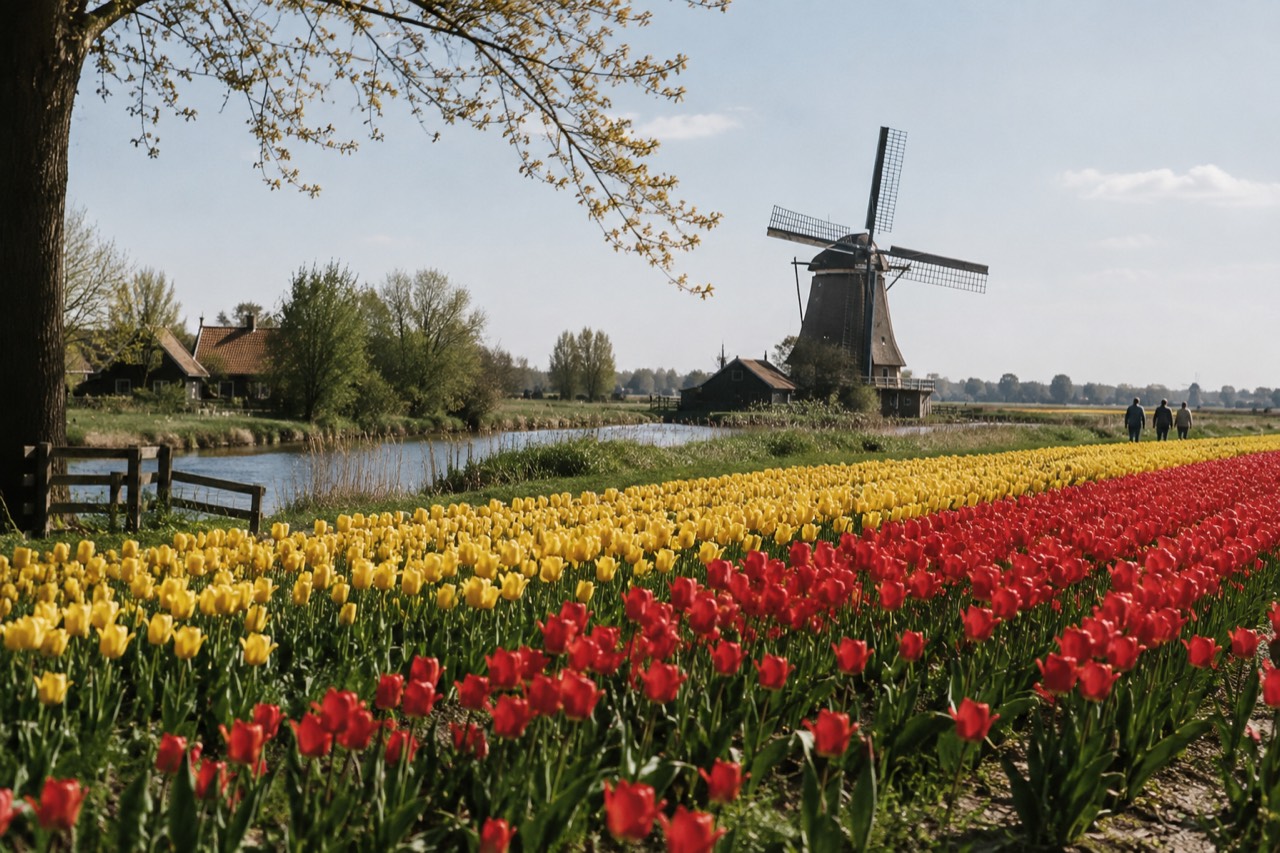
The topic comes up constantly in spring, when the tulip fields around Amsterdam are at their peak. The wider season runs roughly mid-March to mid-May and is heavily weather-dependent, while the Keukenhof gardens near Lisse open for a fixed window each year, 18 March to 9 May in 2027, as listed on the official Keukenhof site. Travellers fall in love with the fields, want to take a piece home, and then wonder at the airport whether they are about to commit an agricultural crime. They are not, if they followed a few simple rules.

If you are planning a spring trip around the flowers, the in-city museums are part of the same itinerary, and the trio below covers the three experiences most bulb hunters book: the Van Gogh Museum, the Heineken Experience and a classic canal cruise.
The Van Gogh Museum deserves its own note here, because it is the one major Amsterdam attraction where planning ahead is not optional. Every visitor must pre-book a timed entry ticket, and slots sell out, so the museum's own ticketing page is the place to check availability before you leave home.
What US Rules Apply to Tulip Bulbs?
US customs and plant-health rules allow travellers to bring Dutch tulip bulbs into the country when the bulbs are accompanied by a phytosanitary certificate issued by the Dutch plant protection service, are clean and free of soil, and are declared on arrival. Bulbs lacking the certificate, or bulbs carrying soil or growing media, are refused at the border and destroyed. There is no fine for declaring them properly, and there is no import permit needed for small personal quantities.
The key document is the phytosanitary certificate. This is an official statement from the Dutch plant health authority that the bulbs have been inspected and are free of pests and diseases. Reputable Amsterdam bulb shops and the export counters at Keukenhof provide bulbs with this paperwork as a matter of course, because their whole business is international shipping. When you buy, ask specifically whether the package includes the certificate, and keep it with the bulbs, not in your checked suitcase pocket three layers down.
The second requirement is that bulbs must be dry and soil-free. US inspectors care about soil more than almost anything else, because soil can carry nematodes, fungi and other organisms that American agriculture wants kept out. Dutch export bulbs are cleaned and dried for exactly this reason. A bulb you dug up yourself, or bought loose with earth on it, cannot be cleaned well enough at a hotel sink to pass inspection.
Third, declare them. On your US customs form, or at the agricultural inspection point after passport control, say you are carrying flower bulbs with a certificate. Declaring is free and takes a minute. The expensive mistake is not bringing bulbs, it is failing to declare plant products: penalties for a false declaration are far worse than any outcome from an honest one. If the bulbs are somehow non-compliant and you declared them, they are simply taken away and you walk on.
A practical summary of what clears the border and what does not:
| What you are carrying | US customs outcome | Why |
|---|---|---|
| Certified, soil-free bulbs from a bulb shop, with phytosanitary certificate, declared | Allowed in | Meets plant-health rules for Dutch commercial bulbs |
| Loose bulbs from a market stall, no certificate | Confiscated | No proof of inspection or pest-free status |
| Bulbs with soil or in a pot with growing media | Confiscated | Soil is prohibited without a permit |
| Bulbs you dug up yourself from a field | Confiscated | Uninspected, likely soil-contaminated |
| Undeclared bulbs of any kind | Confiscated, possible penalty | False declaration is treated more seriously than the bulbs |
One more nuance: some travellers assume the rules are the same for Canada, Australia, the UK and the US. They are not. Canada also accepts certified Dutch bulbs, but the paperwork and quantity rules differ, and Australia is far stricter with almost all plant material. If your journey home is not to the US, check your own country's rules before buying, because a certificate that satisfies Washington may not satisfy Canberra.
Where to Buy Bulbs That Clear US Customs?
The safest places to buy tulip bulbs for a US trip are dedicated bulb shops that offer export documentation, the export counters at Keukenhof itself, and online Dutch bulb merchants that ship to America with certificates included. All three provide the phytosanitary certificate and soil-free packaging that US customs requires. What you should avoid are loose bulbs at tourist markets and anything sold "fresh from the field".
Amsterdam's flower market, the Bloemenmarkt on the Singel, is the most famous place travellers encounter bulbs, and it is a mixed bag. Some stalls there sell properly packaged export bulbs with certificates, and some sell souvenir-grade bulbs aimed at people who will never plant them. The test is simple: ask for the phytosanitary certificate. A stall that sells export bulbs will hand you the paperwork without blinking. A stall that looks puzzled is selling you a souvenir, not an import.
Keukenhof's own exit shop is the gold standard during the season. The gardens are in Lisse, roughly 30 to 40 minutes from Amsterdam, and run daily 08:00 to 19:00 while open, per the official Keukenhof contact page. The bulbs sold there come from the surrounding bulb growers, packaged for export, and the staff deal with international visitors all day long. If you are combining a bulb purchase with the gardens themselves, our Keukenhof guide covers tickets, transport and timing in detail.
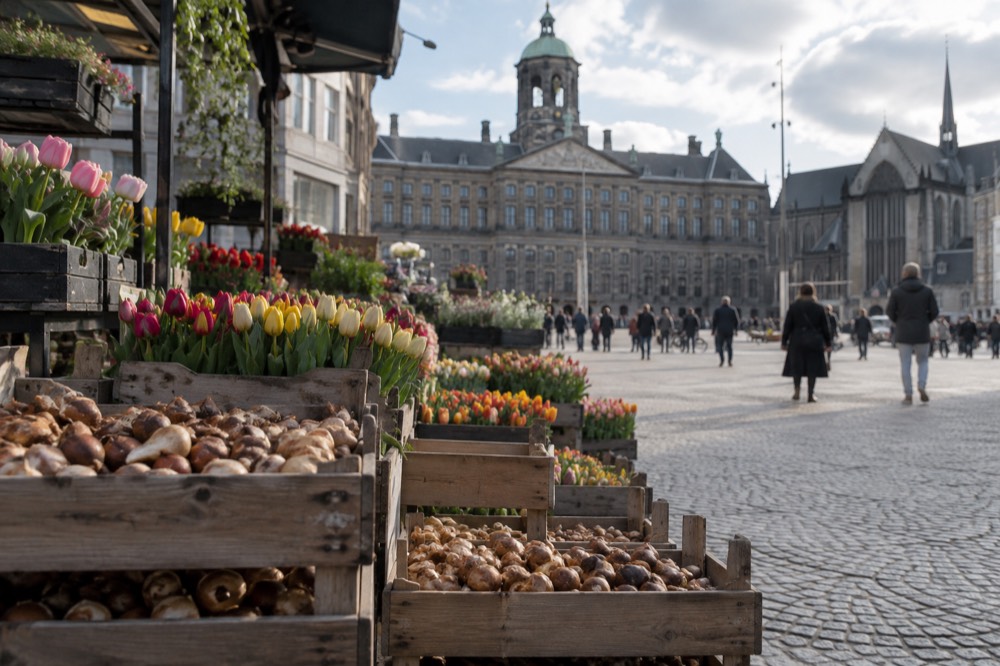
The third option, and the one serious gardeners often prefer, is to buy online from a Dutch bulb merchant and have the bulbs shipped to your US address at the correct autumn planting time. Tulip bulbs are planted in autumn, not spring, so a spring purchase you carry home in your suitcase has to be stored dry and cool until October anyway. A merchant that ships in September with the certificate in the box removes the storage problem and the luggage problem at once.
For travellers who want the flower experience without carrying anything, a guided day tour that includes the bulb region covers the ground well, and the tulip-and-windmills combination below is the most popular version.
If your bulb trip is also a general Amsterdam trip, the museum side of the city needs the same forward planning as the bulb side. The Van Gogh Museum in particular is a timed-entry-only attraction, rated 4.7 across 57,096 reviews with tickets from $31, and it is the one booking that most reliably sells out in spring. You can Check availability alongside the Van Gogh Museum guide.
Spring in Amsterdam is a short, crowded window, and the bookings that matter sell out first. If the Van Gogh Museum is on your list, checking availability now costs nothing and takes a minute.
How Should You Pack and Declare Bulbs on the Flight?
Pack tulip bulbs in their original sealed, labelled packaging inside your checked or carry-on luggage, keep the phytosanitary certificate with the bulbs, and declare them on your US customs declaration as plant material. Do not wrap them in damp paper, do not put them in soil, and do not hide them. Declared, certified bulbs pass through inspection in minutes.
The packaging matters more than travellers expect. The sealed, labelled bag or box from the bulb shop is itself part of the compliance chain: it shows the inspector what the bulbs are, where they came from and that they have not been opened and mixed with anything. Transferring bulbs into a sandwich bag or a sock loses that evidence and turns a routine inspection into a conversation. Keep the receipt too, since it shows a commercial purchase. The wider set of guides lives on Things to Do in Amsterdam.
Dry bulbs are hardy travellers. They do not need water, refrigeration or special handling on a flight, and they tolerate a day in a hold or an overhead locker without complaint. What they do not tolerate is moisture, so skip the instinct to wrap them in damp tissue "to keep them fresh". Damp bulbs rot, and damp packaging looks suspicious to an inspector.
On arrival in the US, you will either tick the agricultural box on your declaration form or state it verbally at the border. Be prepared to show the bulbs and the certificate. Inspectors see certified Dutch bulbs every single day in spring and the interaction is usually brief. The full rules for travellers carrying plants are published by US customs and border protection, and the Dutch side of the paperwork is handled by the seller, so your only job is to keep the two together.
A quick packing checklist:
| Item | Where it goes | Notes |
|---|---|---|
| Sealed bulb package | Any luggage, kept flat | Original labelled packaging, unopened |
| Phytosanitary certificate | With the bulbs, not buried | Hand it over on request at inspection |
| Shop receipt | Travel documents | Proves a commercial purchase |
| Damp wrapping or soil | Nowhere | Never add moisture; soil is prohibited |
Timing your purchase matters as much as packing it. Bulbs bought in spring should be planted the following autumn, which means months of dry, cool storage at home. A cupboard or garage shelf works; a plastic container in a warm kitchen does not. If that sounds like a hassle, the ship-to-home merchants solve it by delivering at planting time.
When Is the Best Time to Buy Tulip Bulbs in Amsterdam?
The best time to buy tulip bulbs in Amsterdam is spring, from mid-March to mid-May, when the fields are in bloom, the Keukenhof season runs, and export-ready bulbs are stocked everywhere. The peak bloom window for the fields is roughly mid-April to early May, though it shifts with the weather each year. Serious gardeners often order in spring for autumn delivery instead of carrying bulbs home.
The season is shorter than many visitors assume. The Keukenhof window is fixed, 18 March to 9 May in 2027, and outside it the bulb fields are bare and the flower-focused shops scale back. The fields themselves peak around mid-April to early May, weather depending, and no official meteorological definition of "peak" exists, so treat any specific peak week promised by a tour listing with caution. Our tulip fields of Lisse and the Bollenstreek guide explains how the bloom actually progresses.
Spring is when the city's flower consciousness peaks too. The Bloemenmarkt is at its most vivid, the tulip displays around the Museum Quarter are planted to the season, and the whole bulb region an hour from the city is geared up for visitors. Buying in spring gives you the widest choice of varieties and the best chance of finding a shop that handles export paperwork on the spot.
The alternative calendar is autumn. Dutch bulb merchants ship in September and October, which is the correct planting time in most of the US, and the selection online is larger than anything you will fit in a suitcase. Many travellers do both: buy a small certified package in spring for the pleasure of it, and place an autumn order for the serious planting bed at home.
What Are the Alternatives If You Cannot Bring Bulbs Home?
If you cannot or would rather not carry bulbs, the alternatives are ordering online from a Dutch merchant for autumn delivery to the US, buying from US-based retailers that import certified Dutch bulbs in bulk, or bringing home non-plant tulip souvenirs such as ceramics, prints and wooden tulips. All of them avoid the customs question entirely while keeping the memory of the fields.
The online route is the strongest alternative because it loses nothing. The same Dutch growers whose bulbs fill the Amsterdam shops sell direct to American gardeners, with certificates, at planting time, often with a wider variety list than any physical shop can stock. You browse in Amsterdam, note the varieties you loved in the fields, and order from home. The bulbs arrive in autumn ready to go in the ground.
US retailers that import Dutch bulbs in commercial quantities are another route, and for a small garden they are often cheaper once you subtract the risk of carrying anything at all. The varieties are the same, because the Dutch growing industry supplies most of the world's tulip bulbs, and the phytosanitary paperwork is handled at the commercial level rather than by you.
Then there are the souvenirs that never meet an inspector. Amsterdam is full of tulip-themed gifts that travel beautifully: Delft-blue ceramic tulips, prints and posters of the fields, wooden decorative tulips, and the endless variety of tulip-shaped everything at the markets. Our what to buy in Amsterdam guide sorts the worthwhile souvenirs from the tourist filler, and the flower-themed end of that spectrum is genuinely good in the Netherlands in a way it is nowhere else.
Whichever route you take, the trip itself is the point. The fields bloom for a few weeks, the city is at its most photogenic, and a certificate in a suitcase is only a souvenir of a season that will not wait. Plan the museums and the cruises with the same care as the bulbs, and the spring trip comes home with you in more ways than one.
Common Questions About Bringing Tulip Bulbs Back From Amsterdam to the US
Can You Bring Tulip Bulbs Back From Amsterdam To The Us?
Yes, if the bulbs are bought from a commercial seller with a phytosanitary certificate, are free of soil, and are declared to US customs on arrival. Loose, uncertified or soil-bearing bulbs will be confiscated. Declared, certified bulbs pass routinely.
Do I need a permit to import tulip bulbs to the US?
No import permit is needed for small personal quantities of certified Dutch tulip bulbs. The phytosanitary certificate from the seller covers the plant-health requirement. Larger commercial quantities follow different rules.
Can I bring bulbs from the Bloemenmarkt flower market?
Only if the stall sells properly packaged export bulbs and gives you the phytosanitary certificate. Ask for the certificate before paying. If the seller cannot provide it, the bulbs are a souvenir, not a legal import.
What happens if I do not declare bulbs at US customs?
Undeclared plant products are confiscated and you can face a penalty, which is treated more seriously than the bulbs themselves. Declaring is free and quick. If the bulbs turn out non-compliant after an honest declaration, they are simply taken away.
When should tulip bulbs bought in spring be planted?
In autumn, roughly September to October in most of the US. Store spring-bought bulbs dry and cool over the summer, or order from a Dutch merchant that ships at planting time instead.
Are bulbs with soil attached ever allowed?
No, not for travellers. Soil is prohibited without a special permit because it can carry pests and diseases. Dutch export bulbs are cleaned and dried precisely to meet this rule.