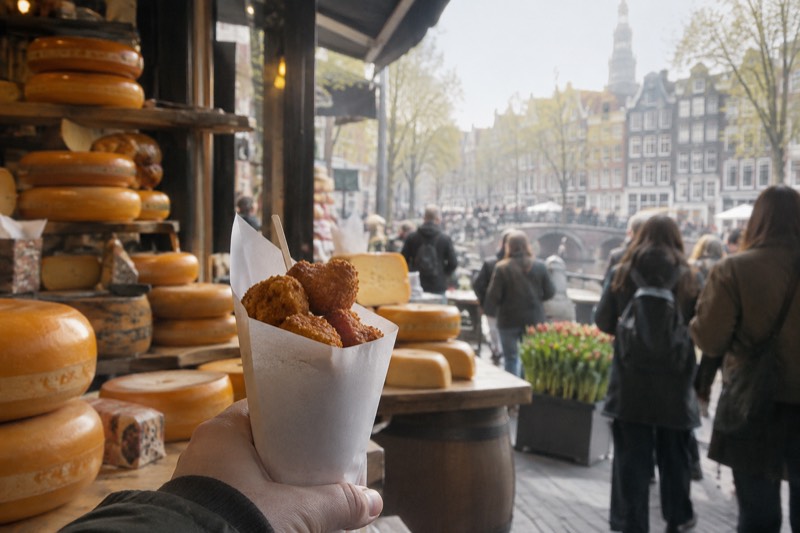
How Much Is A Meal For 2 In Amsterdam?
A plain-language breakdown of what two people typically pay for a meal in Amsterdam, from brown café snacks to sit-down dinners, plus how to keep the bill down.
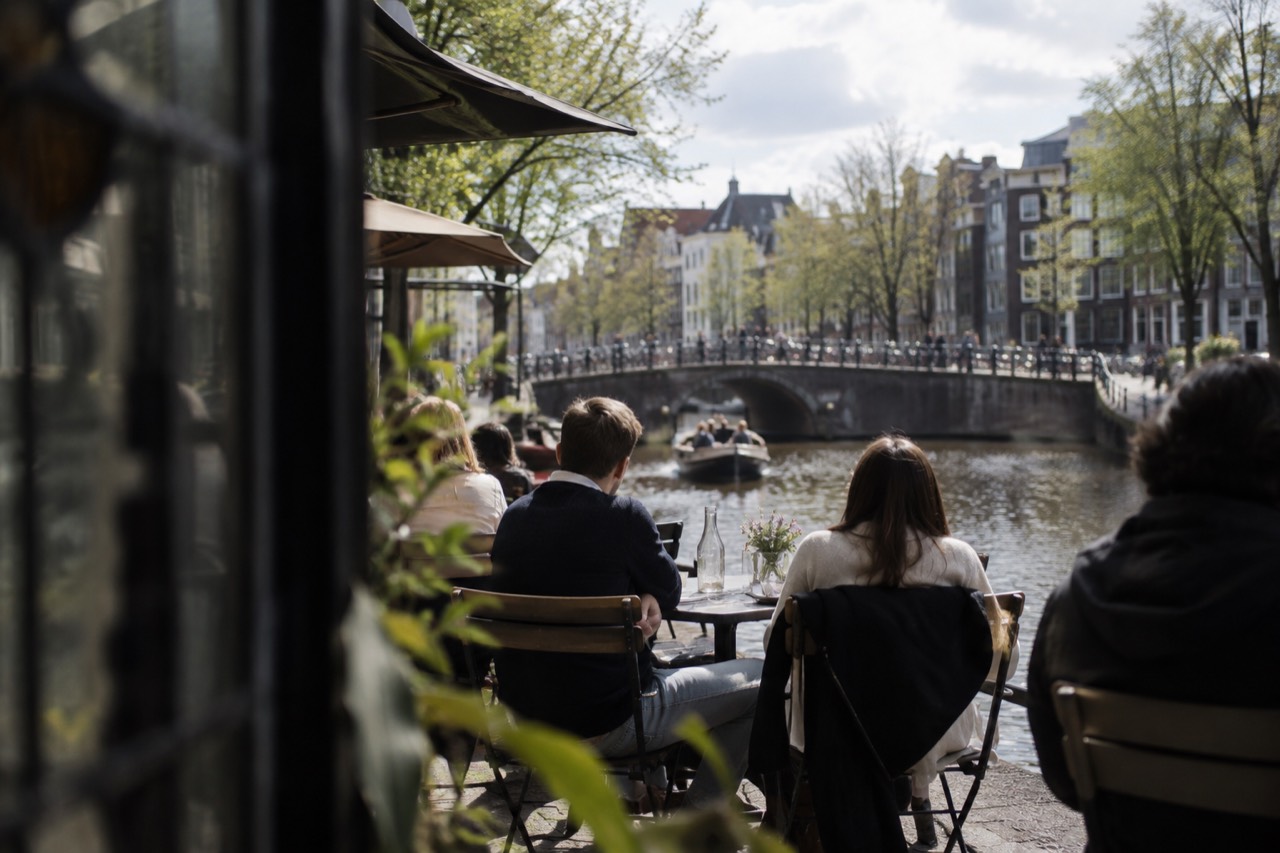
How Much Is A Meal For 2 In Amsterdam?
A meal for two in Amsterdam typically runs from about €25 to €45 for casual eating, such as shared snacks or a simple lunch stop, up to roughly €80 to €140 for a proper sit-down dinner with drinks in pricier areas like the canal ring. Neighbourhood and venue type drive most of the difference, so where you choose to sit matters more than what you order.
The honest way to frame the question is as a range, not a number. The city's own tourism figures explain why the spread is so wide: Amsterdam recorded 23.7 million tourist overnight stays in 2025, and a visitor economy that size supports everything from €3.40 tram rides to tasting menus. Demand in the centre is relentless, and centre rents are priced accordingly, so the same plate of bitterballen costs more on Damrak than it does in De Pijp.
What follows is a desk reading of the city's price structure: which venues charge what, where the markups hide, and how two people can eat well without the meal becoming the most expensive line of the trip. The planning ranges below are exactly that, planning ranges, and dated operator quotes and official fares should be checked again before booking.
What Does A Meal For Two Cost By Type Of Place?
Use rough planning ranges of €15 to €25 for snacks, €25 to €50 for simple café eating and €50 to €80 at a mid-range neighbourhood restaurant, and €100 or more once you add wine and dessert in the canal ring. The biggest single lever is drinks: two rounds of beer or wine can add €20 to €40 to any bill. Service is included in menu prices in the Netherlands, so the number on the bill is the number you pay.
The table below lays out planning ranges for the venue types two travellers actually choose between. Treat every row as a range to plan against, not a promise from any operator, and check the menu before sitting down, because the same category varies widely by street.
| Venue type | Typical cost for two | What you get |
|---|---|---|
| Brown café or eetcafé | €25 to €50 | Simple Dutch mains, one drink each, no ceremony |
| Snack bar or FEBO-style counter | €15 to €25 | Fries, croquettes, frikandel, eaten standing or on a bench |
| Mid-range restaurant, De Pijp or Oost | €50 to €80 | Two mains in total and a drink each; starters may cost extra |
| Canal-ring tourist restaurant | €80 to €140 | A dinner budget that varies with menu, drinks and venue |
| Food hall grazing for two | €30 to €55 | Several small dishes shared from different stalls |
| Guided food walking tour for two | Check current total for two | Selected tastings with a guide, about 3 hours 30 minutes |
Two of those rows deserve a note. The food-tour price is a dated quote, not a fixed reference figure. Confirm the total for two, selected tastings and drinks; do not assume the portions replace your dinner. The snack-bar row is the budget floor: Amsterdam's fries-and-croquette counters feed two people for less than a single adult Rijksmuseum ticket.
If a sit-down dinner is the point of the evening, the neighbourhood guides on this site are the better starting point than the first terrace you pass: the best restaurants in Amsterdam rundown sorts the city by budget and cuisine, and the Amsterdam on a budget guide builds whole cheap days around where to eat.
Where Does The Money Go On An Amsterdam Bill?
Drinks, location and extras, in that order. Menu prices in the Netherlands include service and VAT, so there is no automatic gratuity line to decode, but alcohol is where bills climb: beer and wine by the glass are priced for the terrace, not the supermarket. A table on a canal in the centre carries a rent premium you can taste, and the same kitchen's food costs less five streets away.
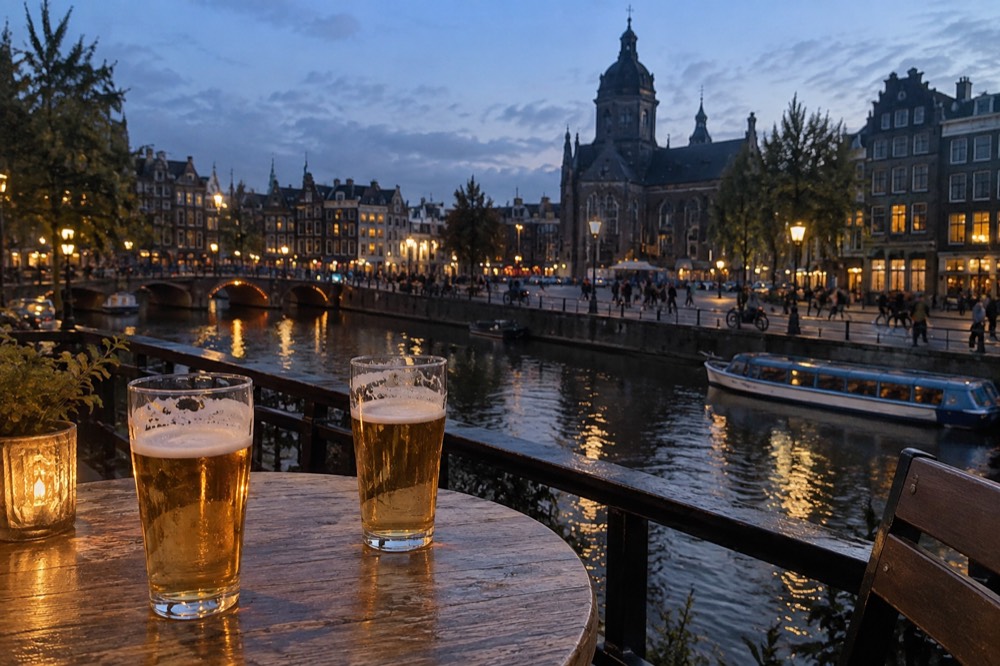
Start with service, because it is the part visitors most often miscalculate. Dutch restaurants include service in the printed price, and rounding up the bill is the normal gesture when the meal was good; nobody is expected to add a fixed percentage on top. This site's general etiquette coverage covers the practice in detail, but the short version for a couple's budget is simple: the number on the bill is the real number.
Location is the second lever. The streets immediately around Dam Square, the Damrak and the Red Light District carry the highest rents in the city, and menus there are priced to match a customer who will never come back. Walk ten minutes into the Jordaan, De Pijp or Amsterdam Oost and the same style of kitchen charges meaningfully less, because it is cooking for people who live here. The city's own visitor-rules page, How to Amsterdam on amsterdam.nl, is blunt about the centre's dynamics, and the tourist-shop restrictions the city has placed on new centre businesses tell you how the municipality itself reads the area.
Drinks are the third. A couple sharing a bottle of house wine routinely adds a quarter to a half again to the food total, and two rounds of beer on a canal terrace in summer can quietly cost more than the food. Ordering by the glass, or alternating beer with tap water, asking first whether the venue charges for the water service, keeps the arithmetic honest.
How Can Two People Eat Well For Less?
Move one neighbourhood out of the centre, eat the Dutch snack classics instead of a full restaurant dinner, and treat markets and food halls as the meal rather than a stop before one. A couple who graze a market, share a brown café dinner and drink tap water can eat for a day on less than the price of one canal-ring main course each. None of this is a hack, it is simply how the city's own residents eat.
The cheapest good meal in Amsterdam is rarely a restaurant. The Albert Cuyp Market and the food halls, Foodhallen chief among them, let two people assemble a full dinner from different stalls for the price of one mid-range main each, and the Amsterdam markets guide maps which days each market actually runs. A stroopwafel fresh off the iron, a herring with onions if you are brave, and fries with satay sauce is a legitimate Dutch dinner, and it costs less than a museum ticket.
Brown cafés, the dark-wood neighbourhood pubs that predate the tourist economy, are the second answer. Many serve straightforward, hearty food, stamppot, soups, sandwiches, cheese plates, at prices set for locals, and the Amsterdam brown cafés guide explains how to spot the real ones from the themed imitations. Two people, two mains, two beers: that is the €25 to €50 row of the table above, and it is the most Dutch meal available at that price.
The third answer is timing and structure. Lunch menus are cheaper than dinner menus for the same food, several restaurants do a set midday menu, and a late-afternoon snack dinner before an evening activity beats a 9pm centre restaurant on both price and queue. This is also where a guided option earns its keep: a food walk combines selected tastings and a guided route at a quoted price; compare inclusions rather than assuming it replaces a meal or costs less. More of these guides are collected on Things to Do in Amsterdam.
Is A Food Tour Worth It For Two People?
It can be worth it if you value a guide and selected tastings, but independent eating may cost less. Check the food and culture walk’s current total for two, menu and dietary arrangements; it runs about 3 hours 30 minutes, and no full-meal or savings guarantee applies.
The arithmetic is what makes the case. A couple eating dinner in the canal ring is already spending €80 to €140 with real uncertainty about whether the food justifies it. Compare a dated tour quote in the same currency with the restaurant plan you would actually choose. The guide’s commentary is part of what you pay for, while menu changes, dietary suitability and cancellation conditions still matter.
It is not the only structure worth considering. A dinner cruise bundles the meal and the canal sightseeing into a single ticket: check the pizza dinner cruise’s dated two-person total, duration and selected drinks package. It combines a meal and boat ride, but may cost more or less than the restaurant you would otherwise choose. The food format differs from a restaurant meal, and the is it worth doing a canal cruise post weighs the format against the classic sightseeing cruise.
To combine dinner with time on the water, book a canal cruise here.
How Does A Meal Fit Into A Couple's Day Budget?
A couple can expect to spend roughly €65 to €110 per day on food as an illustrative planning range by combining one proper sit-down meal with cheaper market snacks and café stops, while keeping in mind that fixed costs like the €10 per person GVB 24-hour transport ticket, canal cruises at the selected operator’s dated rate, and €25 museum admissions sit outside that food budget.
The point of laying food against the fixed costs is that most couples have a total day number in their heads, and the meal is the line that absorbs the slack. The table below shows how the pieces fit for two people, using the verified figures where they exist and planning ranges where they do not.
| Day element for two | Cost | Source status |
|---|---|---|
| GVB 24-hour transport tickets, two adults | €20 | Verified, gvb.nl |
| Classic 1-hour canal cruise, two adults | Check dated quote | Operator and date dependent |
| Rijksmuseum entry, two adults | €50 | Verified, rijksmuseum.nl |
| Van Gogh Museum entry, two adults | €50 | Verified, timed ticket required |
| Breakfast or lunch grazing, two | €15 to €30 | Planning range |
| Evening meal, two, mid-range | €50 to €80 | Planning range |
| Heineken Experience, two adults | Check dated quote | Adults 18+; check selected inclusions |
Read the table as a menu of trade-offs. A couple who take the cruise and skip the second museum free up the food budget for a proper dinner; a couple doing both big museums in one day will realistically graze the evening instead of sitting down, because €100 of tickets plus €100 of dinner is a heavy day. Walk free where practical and compare pay-as-you-go fares with the GVB day ticket on the GVB fares page, and check operator coverage: GVB tickets do not cover NS trains or other operators.
The museum line deserves one warning from the desk. Most visitors need a reservation at the Rijksmuseum, while Van Gogh Museum admission requires a dated start time, and the Van Gogh in particular can sell out, so the ticket is the decision that has to be made earliest, not the restaurant. Check the current admission quote and reserve before fixing the rest of the itinerary. Check availability alongside the site's Van Gogh Museum guide before you build the rest of the day around it.
What Should A Couple Not Do With A Food Budget?
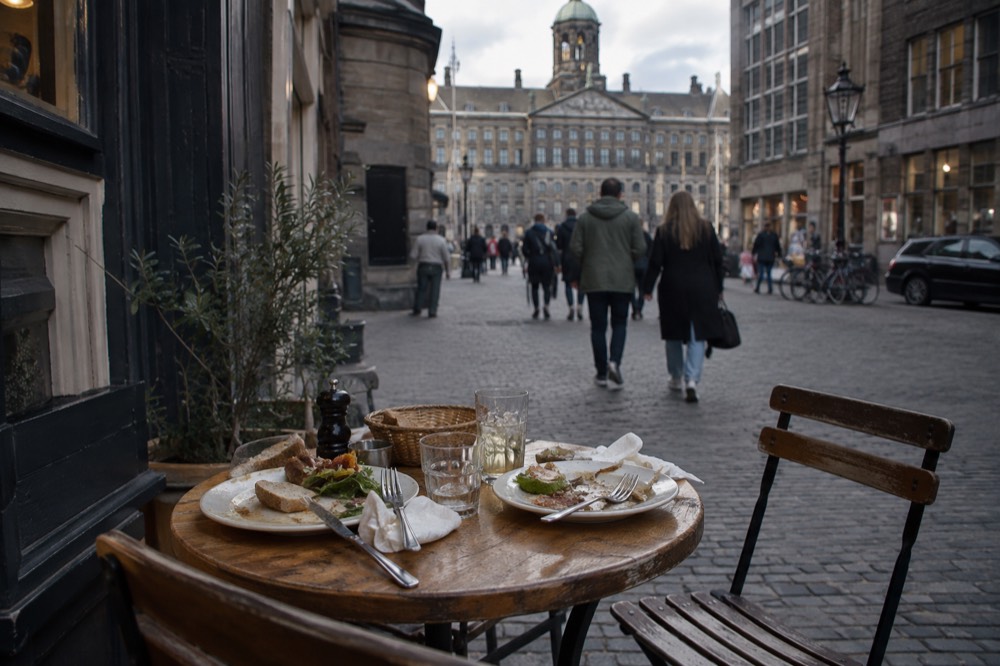
Do not eat on the main drag between Centraal Station and Dam Square, do not assume a canal view is worth a menu markup, and do not leave the entire food budget to one big centre dinner on the first night. The pattern that costs couples most is three tourist-street meals a day; the cheapest pattern is one planned neighbourhood dinner plus market grazing and a deliberate snack stop, which is also the more Dutch way to eat here.
The first-night trap is the common one. You arrive tired, the hotel is in the centre, the first terrace with a canal view wins, and the bill sets a false baseline for the whole trip. The fix is structural: book the one dinner that matters in advance, in a neighbourhood you have chosen from a guide rather than a street you happened to walk down, and let the rest of the eating be casual. The what to eat in Amsterdam guide lists the dishes worth ordering by name, which is the single best defence against overpriced menus, because a kitchen that does stamppot and herring properly is a kitchen cooking for locals.
The second trap is the drink markup, covered above but worth repeating as a rule: decide the drinks budget before the first round, because terrace pricing is designed for the moment you have stopped calculating. And the third is treating every meal as an event. Amsterdam's food culture rewards grazing, and a couple who share a stroopwafel at the market, split fries at four in the afternoon and then spend properly on one dinner eat better, and spend less, than a couple sitting down three times.
Common Questions About Meal Prices In Amsterdam
How Much Is A Meal For 2 In Amsterdam?
Plan on €25 to €45 for two eating casually at brown cafés and snack counters, €50 to €80 for a mid-range neighbourhood dinner with a drink each, and €80 to €140 for a canal-ring restaurant with wine. Service is included in Dutch menu prices, so the bill is the final number.
Is service included in Amsterdam restaurant bills?
Yes. Menu prices in the Netherlands include service and VAT, and there is no automatic gratuity added at the end. Rounding up the bill is a normal, optional gesture when the meal was good, not an obligation.
What is the cheapest way for two people to eat in Amsterdam?
Market and snack-bar grazing. Fries, croquettes and a fresh stroopwafel feed two for €15 to €25, less than a single adult Rijksmuseum ticket, and food halls let a couple assemble a shared dinner from multiple stalls for around €30 to €55.
Are restaurants in the centre more expensive than the neighbourhoods?
Yes, noticeably. Streets around Dam Square and the Damrak carry the city's highest rents and price menus for one-time visitors. The same style of kitchen in De Pijp, the Jordaan or Amsterdam Oost charges less, because it cooks for residents.
Is a food tour a good way for a couple to spend a meal budget?
It can be. The food and culture walk combines selected tastings with about 3 hours 30 minutes of guiding. Compare the current quote for two and menu with your independent meal plan; it is not automatically cheaper or a full dinner.
Can a dinner cruise replace a restaurant meal for two?
It can, if the selected option includes enough food for your plans. Check the dated total for two, duration and drinks inclusions; compare that with the restaurant you would otherwise choose.
Compare A Meal For Two With A Food Experience
Compare Your Food Experience Estimates
Enter euro totals for the same party. Compare the booked food experience with an independent meal plan, adding only extras not already included. These are estimates; do not count the tasting food or drinks twice.
Hutspot Dinner, Dutch Beer and Sjoelen
Check the two-hour tasting at Oostzaanstraat 28 in Amsterdam West before arranging dinner. It includes three meat-based hutspot variations, six beers and Sjoelen. Alcohol is for adults 18+; discuss dietary restrictions with the host before booking.
Check Hutspot Tasting Dates