Is 3 Days In Amsterdam Too Much?
A straight answer to whether three days in Amsterdam is too long, with a realistic three-day plan, cost breakdown, and what a fourth day would add.
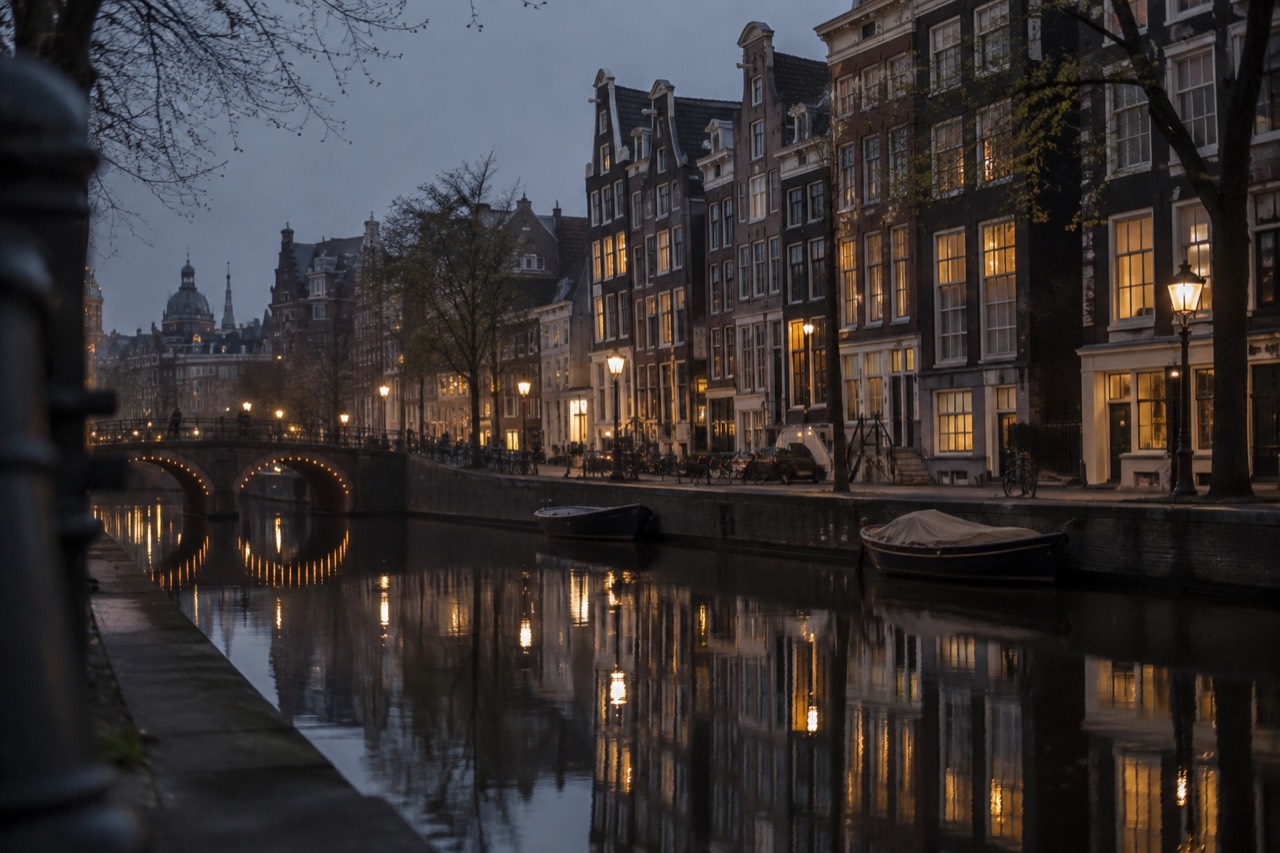
Is 3 Days In Amsterdam Too Much?
No, three days in Amsterdam is not too much. It is the most common trip length for good reason: the city's core sights, the canal ring, the two headline museums and a canal cruise fit comfortably into three days, while a fourth and fifth day start demanding day trips or filler. Amsterdam recorded 23.7 million tourist overnight stays in 2025, and most of those visitors came for roughly this window, because it works.
The worry behind the question is usually the opposite one: people fear Amsterdam is a two-day city and that day three will be spent wandering in circles. That fear is misplaced, but it has a grain of truth worth taking seriously. The historic centre is small, walkable end to end in under an hour, and the greatest hits, Dam Square, the Royal Palace, the canal belt, the Red Light District's edge, can be ticked off in a single long day. If your plan is only the greatest hits, then yes, day three sags.
The better plan spreads the city out. Amsterdam's real depth sits slightly outside the postcard zone: the Jordaan's side canals, the Plantage with its zoo and botanical garden, Amsterdam Noord across the IJ, the Museum Quarter beyond the Rijksmuseum. None of those appear on a one-day itinerary, and all of them reward slow mornings. Three days lets you do the essentials at a human pace and still reach two or three of those neighbourhoods.
There is a cost argument too. The city's tourist tax runs at 12.5% of the nightly room price, and hotel rates in the centre are not gentle, so every extra night is a real expense. Three nights buys you the full city without paying for a fourth day of diminishing returns, unless you deliberately bolt on a day trip, which is the one thing that genuinely justifies extending.
If you are still shaping the trip, the three picks below cover the experiences that most benefit from being booked ahead: the museum that sells out, the brewery experience, and the canal cruise that defines an Amsterdam evening.
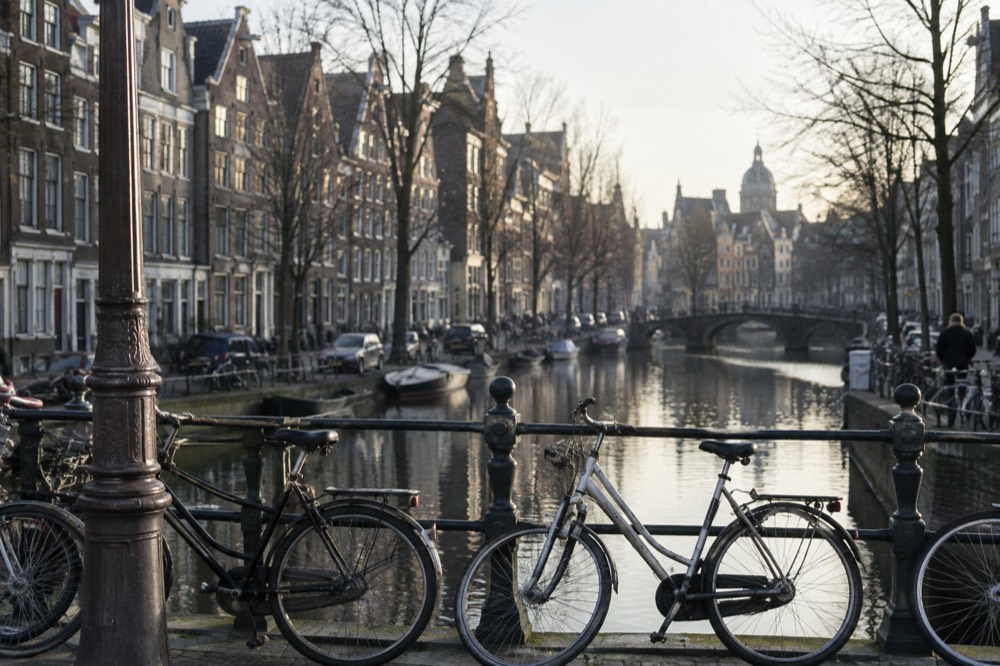
What Can You Realistically See in Three Days?
A realistic three-day plan covers one headline museum per day, a canal cruise, the Jordaan and the Nine Streets, the Red Light District with a guide or respectfully on foot, and at least one neighbourhood outside the centre such as De Pijp or Amsterdam Noord. Anything beyond that pace turns a holiday into a checklist, and Amsterdam punishes checklists with long museum queues and tired feet.
The shape that works best is thematic rather than geographic. Day one for the historic centre: Dam Square, the Royal Palace, the Begijnhof, the canal belt, ending with an evening cruise. Day two for the Museum Quarter: the Rijksmuseum or the Van Gogh Museum in the morning, the Vondelpark after lunch, De Pijp and the Albert Cuyp Market in the late afternoon. Day three for the edges: the Jordaan and the Nine Streets in the morning, Amsterdam Noord or the Plantage after midday, with whatever you missed on day one slotted into the gaps.
The table below is a realistic version, not an aspirational one. It assumes you are walking, using trams only when the distance is real, and stopping for proper lunches.
| Day | Morning | Afternoon | Evening |
|---|---|---|---|
| Day 1 | Dam Square, Royal Palace, Begijnhof | Canal belt walk, Nine Streets browsing | Canal cruise, dinner in the centre |
| Day 2 | Van Gogh Museum or Rijksmuseum (timed entry) | Vondelpark, Museumplein | De Pijp, Albert Cuyp Market snacks |
| Day 3 | Jordaan, Anne Frank quarter, Westerkerk area | Amsterdam Noord by free ferry, A'DAM Lookout | Brown café, last canal wander |
Two bookings decide whether this plan runs smoothly. The Van Gogh Museum requires every visitor to pre-book a timed entry ticket, including children and pass holders, and slots for the day you want regularly disappear. The Rijksmuseum likewise requires a booked start time for all visitors, though it holds a limited number of tickets at the entrance while stocks last. Book the museums before you book the restaurants.
The second booking is the cruise. A one-hour canal cruise is the single most efficient orientation move in the city, and doing it on the first evening means the rest of the trip makes geographic sense. Rederij Kooij, one of the long-established operators, prices its classic hour cruise at €15.50, which is a fair benchmark for what the basic product should cost; the saloon-boat versions with drinks and cheese run a little more and are worth the difference on a cold evening.
If the museums are the reason you chose Amsterdam, the Van Gogh entry ticket below is the one to lock in first. It is the most-visited and most capacity-constrained of the pair, rated 4.7 across 57,096 reviews, from $31.
When Is Three Days Too Much?
Three days is genuinely too much for two kinds of traveller: the cruise passenger or layover visitor who only has a list of five sights, and the visitor who dislikes museums, crowds and canal-side strolling. For everyone else the question inverts, and the real risk is three days being too few once the day-trip options, Keukenhof in spring, Zaanse Schans year round, enter the picture.
Be honest about your own travel style before you commit. Amsterdam's pleasures are mostly slow ones: walking a circuit of the grachten, sitting in a brown café with a beer, cycling to a windmill, standing in front of a Rembrandt for longer than a photo requires. If that list bores you, the city will feel thin by the afternoon of day two, and no itinerary fixes a mismatch between a destination and a temperament. A visitor who wants adrenaline, beaches or nightlife at scale will find Amsterdam pleasant but not gripping, and should treat three days as a maximum.
The crowd factor cuts the other way. Amsterdam's centre is genuinely congested, and the city itself has been fighting overtourism for years, with a policy ceiling of 20 million overnight stays that it has exceeded annually, recording 23.7 million in 2025. What that means practically is that the marquee streets are busiest in the middle of the day, and the way to enjoy three days is to front-load the sights early, then spend afternoons in the neighbourhoods that absorb people better: the Jordaan, Oost, Noord, the Plantage.
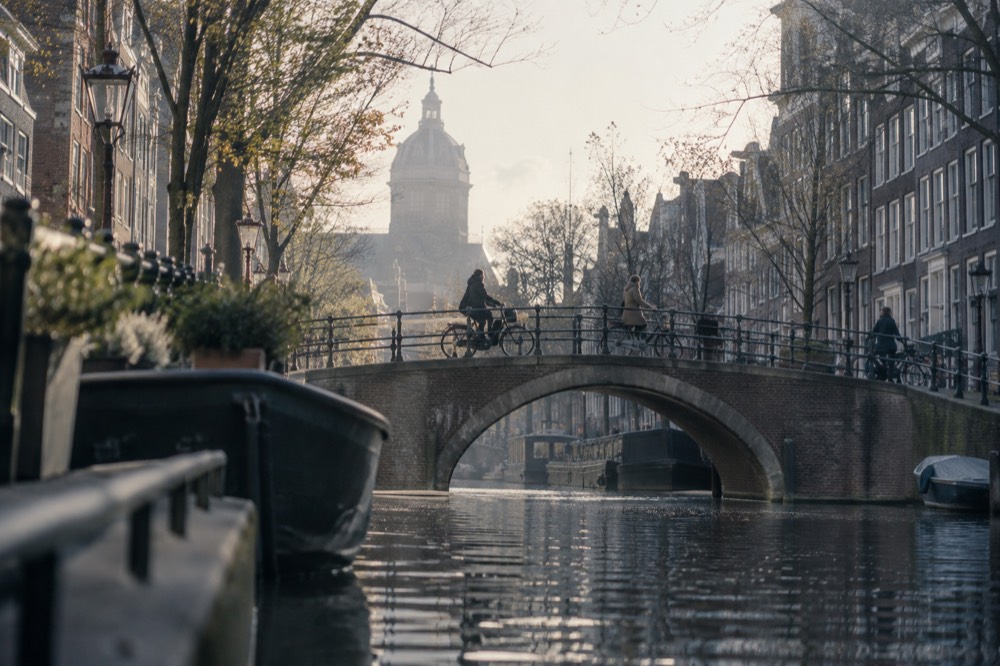
The one scenario where three days is clearly not enough: a spring trip built around tulips. Keukenhof opens only for an eight-week window, 18 March to 9 May in 2027, and the flower fields around Lisse peak in mid-April to early May. Doing the gardens properly plus the city properly is a four-day job. Our Amsterdam in spring and tulip season guide covers that window in detail.
And the scenario where three days is exactly right but needs trimming: the family trip with teenagers, or any trip where the pace matters more than the coverage. Cut one museum, keep the cruise, and the plan holds.
How Much Does Three Days in Amsterdam Cost?
A mid-range three-day Amsterdam trip costs roughly €75 to €120 per person per day excluding the hotel: €25 for a headline museum, €10 for a day of GVB transport, €15.50 to €30 for a canal cruise, and €35 to €60 for straightforward food. Budget travellers can halve that; the I amsterdam City Card at €67 for 24 hours or €94 for 48 hours can pay off if your days are museum-heavy.
The transport line item is the easiest to control. A GVB day ticket is €10.00 for 24 hours, €16.00 for 48 and €21.50 for 72, and covers trams, buses and metro. Better still, OVpay lets you tap a contactless bank card for each ride, with a base fare of €1.16 plus €0.217 per kilometre and a daily cap, so light users often pay less than a day pass. The ferries across the IJ to Noord are free either way, which is why day three's Noord afternoon costs nothing to reach.
The museum line item is the biggest. The Rijksmuseum charges adults €25 and the Van Gogh Museum charges €25, both with free entry for under-18s, which makes the city remarkably good value for families. The Anne Frank House, at €16.50 for adults, is the one that needs tactics: tickets are sold only through the museum's own website for a specific date and time, released six weeks ahead, and no reseller legitimately sells them. If a package claims otherwise, walk away.
| Item | Typical cost | Planning note |
|---|---|---|
| GVB 72-hour transport ticket | €21.50 | Or tap contactless with OVpay and a daily cap |
| Rijksmuseum adult entry | €25.00 | Timed start time required; free for 18 and under |
| Van Gogh Museum adult entry | €25.00 | Pre-booked timed ticket required for everyone |
| Classic 1-hour canal cruise | from €15.50 | Saloon boats with drinks and cheese cost more |
| I amsterdam City Card, 48 hours | €94.00 | Excludes Van Gogh and Anne Frank House |
| Anne Frank House adult | €16.50 | Official site only, released six weeks ahead |
The card question deserves its own sentence, because it is where most three-day budgets go wrong. The I amsterdam City Card, €67 for 24 hours and €94 for 48 hours, includes free entry to more than 70 museums and locations, unlimited GVB transport, one canal cruise and a 24-hour bike rental, but it excludes the two biggest draws: the Van Gogh Museum and the Anne Frank House. If your three days are built around those two, the card cannot carry them, and a fuller comparison lives in our is the I amsterdam City Card worth it guide. If your days are Rijksmuseum, NEMO, ARTIS and a cruise, the maths improves sharply.
Food is the most flexible line. A stroopwafel from a market stall, a herring from a fish stall and a lunch of bitterballen in a brown café can hold a day's food spend to a modest total without feeling austere, while a canal-side dinner for two with wine belongs to a different budget entirely. Our what to eat in Amsterdam guide maps the affordable end properly.
What Would Fill a Fourth or Fifth Day?
A fourth day in Amsterdam is best spent outside the city: Zaanse Schans and the windmills, Volendam and Marken, Haarlem, or Utrecht, all reachable in under an hour by train, bus or organised tour. A fifth day justifies the big two-centre trips: Rotterdam, Delft and The Hague in one loop, or Giethoorn for the day. Inside the city, a fourth day mostly buys repeats.
The day trips are the honest answer to the "too much" question, because they change it. The Zaanse Schans, Volendam and Marken tour is the most-booked day trip from the city for a reason: it is 5 hours 30 minutes long, rated 4.5 across 20,839 reviews, from $34, and it delivers windmills, a fishing village and a cheese town in a single loop. The Rotterdam, Delft and The Hague tour is the full-day alternative at 9 hours, from $63, rated 4.2 across 2,642 reviews. Our best day trips from Amsterdam guide ranks the whole menu.
Inside the city, a fourth day looks like this: the museums you skipped, the Hortus Botanicus, the Jewish Cultural Quarter, STRAAT across the water in Noord, a long bike ride through the polder at the city's edge, or simply a second pass through the neighbourhood you liked best at an unhurried pace. That is a pleasant day, but it is visibly a lesser day, which is the honest data point: three days plus one day trip is a better four-day trip than four days in the city.
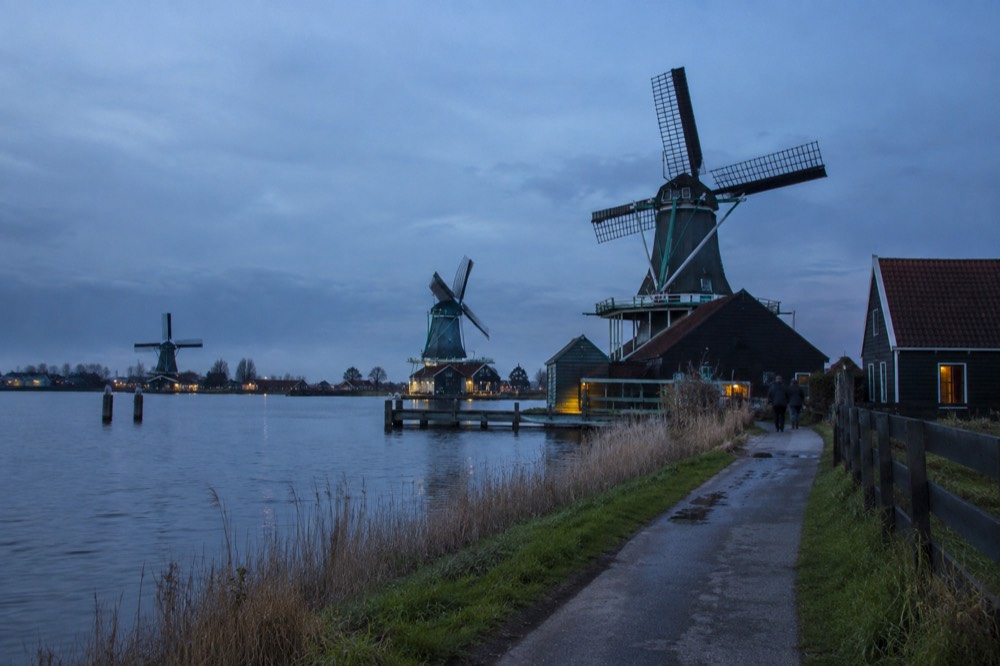
The seasonal exceptions matter. In winter, when daylight is short and the Amsterdam Light Festival runs from late November to mid-January, a fourth evening has real work to do on the canals. In spring, the tulip window pushes toward four or five days as described above. In summer, long evenings and the festival calendar stretch the city further than its sight count suggests. Our best time to visit Amsterdam guide breaks the seasons down month by month.
Is Three Days Enough for Amsterdam's Museums?
Three days is enough for two or three major Amsterdam museums, not all of them. The Rijksmuseum and the Van Gogh Museum each deserve half a day with timed entry booked ahead, the Anne Frank House is a two-hour visit locked to a scarce ticket, and the second tier, the Stedelijk, Rembrandt House, NEMO, STRAAT, fills any remaining slots. Trying to do five museums in three days is the classic first-timer mistake.
The maths is unforgiving. Each headline museum needs a booked start time, a realistic two to three hours inside, and a recovery gap. Two per day is the absolute ceiling, and one per day is the pace most visitors actually enjoy. The Van Gogh Museum's own ticketing states that all visitors require a pre-booked timed entry ticket, and the Rijksmuseum states that a start time must be booked by every visitor including card holders, so museum days are scheduled days, whatever your energy level says on the morning.
The good news is that the second tier is flexible. The Stedelijk's ticket runs from $26 with a validity window of two hours to a full day, the Rembrandt House from $23, NEMO from $25, and STRAAT from $24, and none of them need the same six-week planning that the Anne Frank House does. You can decide on the morning. The Heineken Experience, from $23 and rated 4.6 across 39,581 reviews, is the museum-adjacent option that groups with mixed museum tolerance tend to agree on, and it sits close enough to the centre to fill an awkward late afternoon.
For the headline pair, book the Van Gogh first. It is the tighter of the two on capacity, and an entry ticket from $31, rated 4.7 across 57,096 reviews, secures the slot that the rest of day two hangs from.
After the museums, the evenings belong to the water. The classic saloon boat cruise, $19.56 and rated 4.8 across 33,435 reviews, is the evening version most worth the upgrade: a restored wooden boat, a live guide and an optional Dutch cheese and drinks service, one hour on the UNESCO-listed canals. It is the single best answer to the "too much" worry, because it turns sightseeing into something closer to resting.
Common Questions About Three Days in Amsterdam
Is 3 Days In Amsterdam Too Much?
No. Three days is the sweet spot for Amsterdam: enough for the two headline museums, a canal cruise, the Jordaan and one outer neighbourhood, without the repetition a fifth day brings. It only feels like too much if your plan is the five postcard sights stretched over three days.
Is 3 days enough to see everything in Amsterdam?
Three days is enough for the essentials and two or three neighbourhoods, not for everything. The city has more than a dozen worthwhile museums, and the Anne Frank House alone requires a ticket booked six weeks ahead. Plan for depth over coverage.
What should I do if I only have 2 days in Amsterdam?
Keep day one for the historic centre and a canal cruise, and day two for one headline museum plus the Jordaan. Drop Amsterdam Noord and the second-tier museums rather than compressing the pace.
Should I add a day trip to a 3-day Amsterdam trip?
Only by adding a fourth day. Zaanse Schans or Haarlem can be done as a half-day excursion, but a proper day trip consumes a full day and will hollow out your city time if you do not extend the stay.
How many days do most people spend in Amsterdam?
Two to three nights is the most common city-break length, which is why the centre feels busiest around mid-trip. The city recorded 23.7 million overnight stays in 2025, overwhelmingly on short city breaks like this one.
Is Amsterdam too crowded for a 3-day trip?
The centre is crowded in the middle of the day, but the crowds concentrate on a few streets. Early mornings, the outer neighbourhoods and the evening canal cruises spread the load, and three days gives you enough slack to time your days around the peaks.
Three days is not too much for Amsterdam. It is the length at which the city stops being a checklist and starts being a place: one day for the postcards, one for the museums, one for the neighbourhoods, and an evening cruise somewhere in between to hold it together. For more on shaping the trip, start with Things to Do in Amsterdam and the how many days do you need in Amsterdam guide, which compares two, three, four and five-day plans side by side.