Is Crime A Problem In Amsterdam?
A straight answer on crime in Amsterdam: what actually happens to visitors, which rules exist, and how to keep your trip trouble-free.
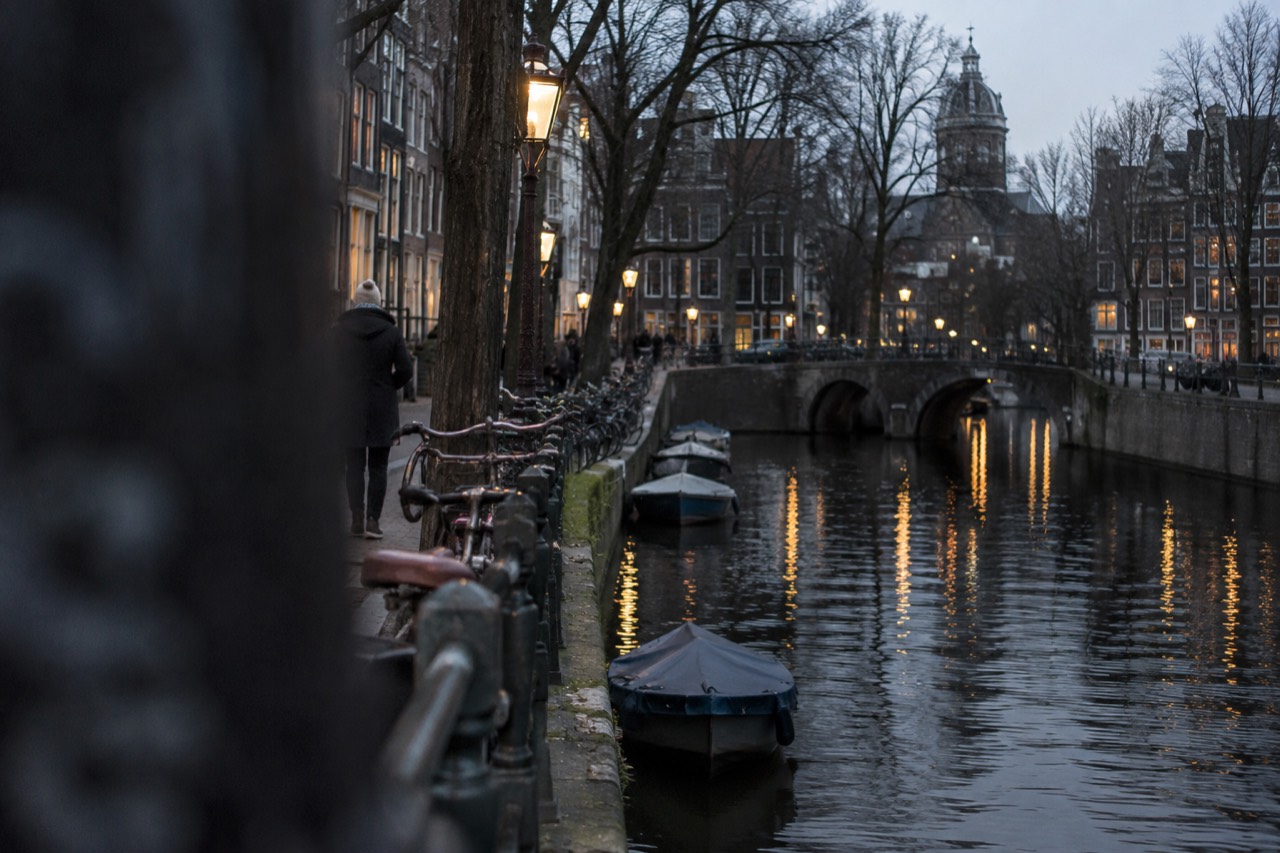
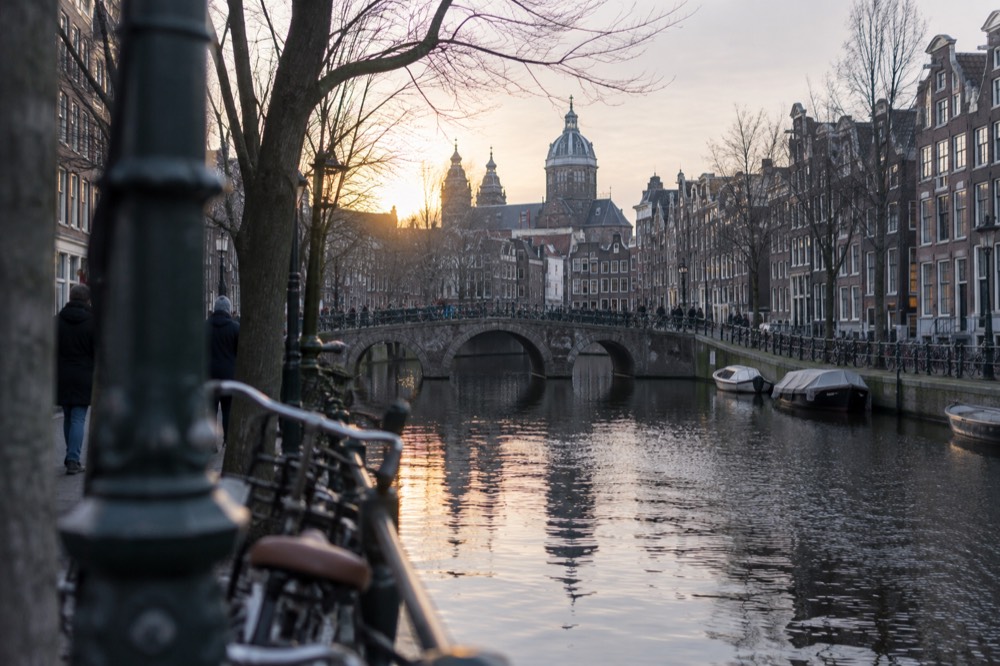
Amsterdam recorded 23.7 million tourist overnight stays in 2025, according to the city's own research service, and the overwhelming majority of those trips ended without incident. That single figure frames the whole question: a city hosting that many strangers, every year, in a compact historic centre, would show it in the crime statistics if visitors were routinely having bad experiences. They are not. What follows is the realistic picture, written from official city sources and verified facts rather than forum folklore.
Is Crime A Problem In Amsterdam?
No, crime is not a problem for the vast majority of visitors, and Amsterdam behaves like a large, well-policed Northern European city rather than a risky one. The incidents tourists do report are overwhelmingly opportunistic: pickpocketing in crowded spots, bicycle theft, and the occasional scam centred on tickets or fake collectors. Violent crime targeting visitors is rare, and the city's own visitor guidance focuses on etiquette and respect rather than personal danger.
The city publishes an official visitor-rules page, "How to Amsterdam", and it is telling that its concerns are things like not photographing sex workers, not drinking on the street in the centre and not urinating in public, rather than warnings about robbery or assault. The municipal conversation about tourism is about crowds and resident livability, not visitor safety. When the city talks about controlling tourism, it talks about overnight-stay caps and cruise-ship calls, not crime waves.
That said, "safe" is not the same as "nothing ever happens". Amsterdam is dense, thronged and full of people carrying phones, cameras and wallets in open jackets. Opportunistic theft exists exactly where those crowds exist: around Dam Square, on the trams, at Centraal Station and in the busiest canal streets on a summer Saturday. The realistic risk is losing a phone, not losing your safety.
For context on how the city manages its busiest spaces, our longer piece on whether Amsterdam is a safe place to visit goes into the same question at more length, and the practical companion is our guide to tourist traps and scams in Amsterdam, which lists the specific ruses to recognise.
What Kind of Crime Should Visitors Actually Think About?
The realistic shortlist is short: pickpocketing in crowded areas, unattended-bag theft, bicycle theft and ticket scams. None of these are violent, and all of them are defeated by ordinary city habits: zipped pockets, a hand on your bag on the tram, and buying tickets only from official sources. The scams that cost people real money are almost all Anne Frank House and Van Gogh Museum resale tricks, and both are avoidable by booking direct.
The single most important scam to know about is the Anne Frank House one. Tickets are sold only through the museum's own website for a specific date and time slot, with no door sales and no legitimate reseller, and the museum's own ticket page states this plainly. Anyone offering you Anne Frank House access through a marketplace, a street seller or a "skip the line" package is selling something the museum does not authorise. The same logic applies in softer form to the Van Gogh Museum, where every visitor needs a pre-booked timed entry ticket; a resold or duplicated barcode is the classic way people lose money here.
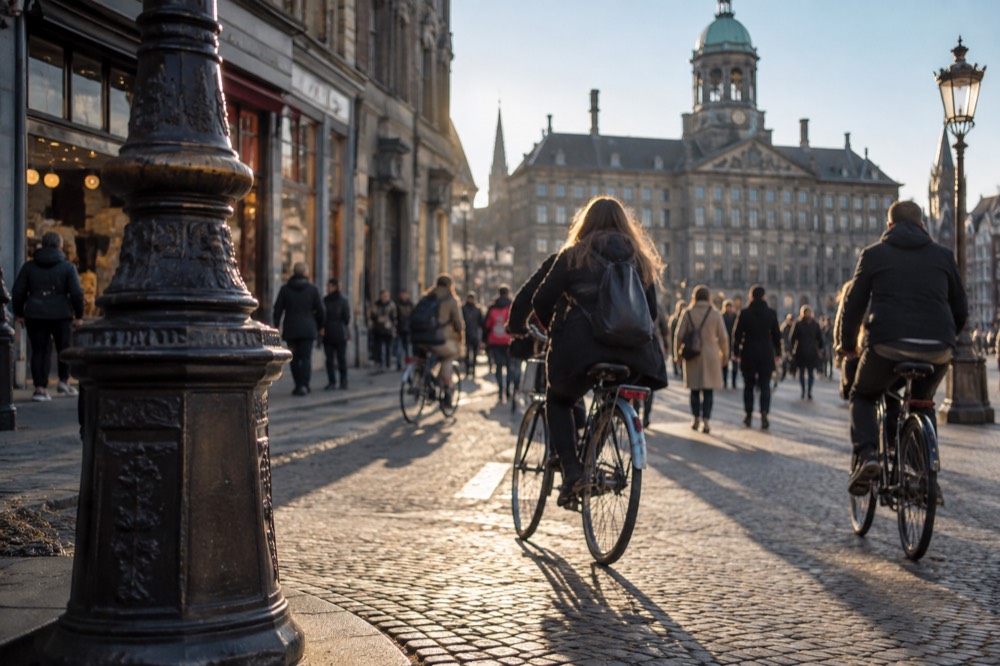
Bicycle theft is the crime Amsterdam residents talk about, not tourists, but it touches visitors who rent bikes. The habit that matters is always using both locks and fixing the frame to a rack, not just a wheel. Beyond that, the ordinary precautions are the same ones you would use in any big city.
The table below is the honest shortlist, with the realistic setting for each.
| Risk | Where it happens | Realistic level | The fix |
|---|---|---|---|
| Pickpocketing | Trams, Centraal Station, Dam Square, crowded canal streets | The most common tourist incident | Zipped inner pockets, bag in front of you |
| Unattended-bag theft | Café terraces, museum cloakrooms, park lawns | Occasional, opportunistic | Keep the bag between your feet or on your lap |
| Bicycle theft | Anywhere a bike is locked loosely | Common for poorly locked bikes | Two locks, frame to rack |
| Ticket resale scams | Online marketplaces, street sellers | The costliest trap | Book only via official museum channels |
The Anne Frank House publishes its own ticket terms at annefrank.org, and reading them once is the cheapest scam insurance you will ever get.
Is the Red Light District Safe at Night?
Yes, De Wallen is safe for visitors at night in the ordinary sense: it is heavily policed, heavily toured and subject to specific municipal rules that constrain both operators and guests. The real risks are etiquette problems rather than danger: photographing sex workers, aggressive group behaviour and street drinking, all of which the city actively polices. Follow the posted norms and the district is no more threatening than any busy nightlife street.
The city has firm rules here, and they cut both ways. Guided tours in De Wallen may not pass the sex workers' windows, may have a maximum group size of 15, require an exemption for groups larger than 4, and are permitted only between 08:00 and 22:00. Guides face fines of €190 and companies €950 for breaking these rules, and an exemption can be revoked after three fines. Those constraints exist to protect the people who work there, and they signal how closely the city watches this neighbourhood.
For visitors, the corresponding norms are on the city's own How to Amsterdam page: no photographs of the windows, no street drinking in the centre, no public urination. Cannabis smoking outdoors is prohibited in the city centre, so it belongs inside the coffeeshops, not on the street. None of this is hostile to tourists; it is the deal that keeps a working neighbourhood functioning under enormous visitor pressure.
Our full guide to red light district rules and etiquette covers the norms in detail, and it is worth ten minutes of reading before a first visit, because most trouble visitors get into there is behaviour trouble, not crime.
How Do You Avoid Pickpockets and Common Scams?
You avoid them the same way you avoid them in Barcelona, Paris or London: nothing valuable in back pockets or open tote bags, awareness at pinch points like tram doors and station escalators, and scepticism toward anyone selling tickets, "collecting" for charity or offering help with ticket machines. Amsterdam adds one local twist: the fake or resold museum ticket, which is best defeated by booking every timed-entry museum direct.
Pickpockets work the pinch points. On a tram, that is the moment the doors open and everyone pushes at once. At Centraal Station, it is the escalators and the taxi rank. Around Dam Square and the flower market, it is any moment you stop to photograph something and your attention leaves your bag. These are not Amsterdam-specific tricks; they are crowd mechanics, and Amsterdam in summer is nothing but crowds.
The ticket-machine gambit deserves a specific mention. A stranger offering to "help" you buy a GVB ticket at a machine, then charging you a fee or short-changing the transaction, is a known pattern at tourist stations. The machines are in English and take contactless cards; decline the help. The same goes for anyone selling transit tickets on the street, which is not how GVB tickets are sold.
A timed-entry museum ticket bought through the museum's own channel, or a reputable listing, removes the single most expensive scam category from your trip in one move. The Van Gogh Museum's rule is that all visitors pre-book a timed slot, so a walk-up reseller on Museumplein is not offering you a shortcut; they are offering you a barcode that may not scan.
| Situation | The trick | The counter-move |
|---|---|---|
| Tram and metro doors | Crowd cover at boarding | Bag in front, valuables inner pocket |
| Ticket machines at stations | Unwanted "help" with a fee | Decline, use the English menu yourself |
| Street ticket sellers | Invalid or duplicated museum barcodes | Book timed-entry museums direct |
| Café terraces | Phone or bag lifted from an empty seat | Keep items on your lap or between your feet |
Are Amsterdam's Neighbourhoods Safe to Stay In?
Yes, across the board. Amsterdam has no visitor-facing no-go districts, and the practical differences between neighbourhoods are about noise, crowd density and late-night footfall rather than personal safety. The centre is the busiest and therefore the most exposed to opportunistic theft, while areas like Oud-West, De Pijp, Oost and Noord are quieter residential environments where the ordinary city rules apply and then some.
Choosing where to stay is a comfort decision, not a safety decision. The canal belt puts you inside the crowds, which means more noise at night and more hands near your pockets by day. Our Amsterdam neighbourhood guide walks through the trade-offs area by area, and the honest summary is that the biggest risk in the centre is a bad night's sleep, not a bad night out.
One genuinely local factor is worth knowing: the city tightened its short-stay rental rules from 1 April 2026, cutting the maximum rental nights to 15 per year in designated central neighbourhoods including the Jordaan, the Grachtengordel and Nieuwmarkt/Lastage, with a maximum of four guests at a time and a mandatory registration number on every listing. A listing without a registration number is not just informal, it is outside the city's permit system, and booking legal, registered accommodation is a quiet but real safety choice. The rest of the planning pages sit on Things to Do in Amsterdam.
Is Amsterdam Safe for Solo Travellers and Families?
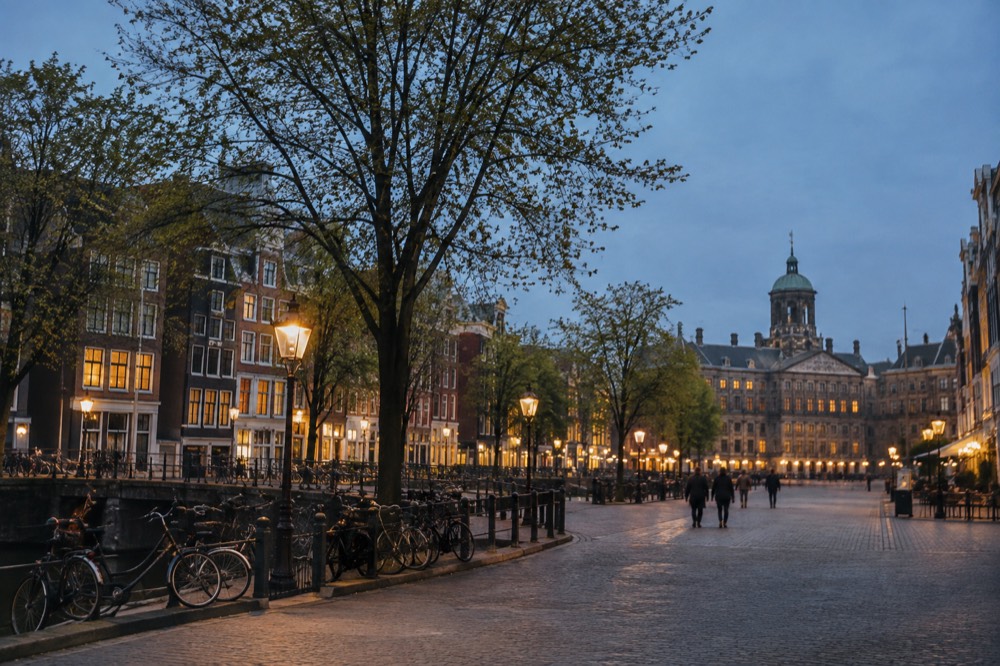
Yes on both counts. Solo travellers face the same short risk list as everyone else, with one addition: keep an eye on your drink and your phone in busy bars, as in any city. Families will find the city unusually easy, with car-free calmer streets, walkable distances and attractions that absorb children; the main family hazards are cyclists' right of way and canal edges, not people.
The solo-traveller question in Amsterdam is mostly a logistics question, and our guide for Amsterdam for solo travellers covers it in full. The city's compactness works in your favour: you are rarely far from a lit street, a tram or a hotel, and the nightlife districts are busy rather than deserted, which is the safer configuration.
For families, the realistic hazards are environmental. Cyclists have priority on the bike lanes and they will not expect a pedestrian in one, and the canal edges have no railings in most places. Both are managed by ordinary supervision. The crime question barely registers: the incidents families report are lost teddy bears, not stolen wallets.
A good way for any first-time visitor to get oriented, solo or otherwise, is a guided introduction to the city's layout and customs; a well-reviewed option like the Absolutely Amsterdam introductory walk covers the central highlights with a local guide for $5.81.
What Should You Do If Something Does Happen?
Report it, and do it promptly: file a police report online or at a station, cancel cards immediately, and contact your insurer with the report number. For lost or stolen property, the report is the document your insurance claim needs, and Dutch police handle tourist theft reports as a routine process. For urgent situations, the European emergency number is 112, and the non-urgent police line is 0900-8844.
The practical sequence matters more than people expect. Cards first, because a cancelled card cannot be charged; report second, because insurers want a police report number; then the insurer. If a phone is gone, use Find My or Google's equivalent before assuming theft, because a shocking share of "stolen" phones are between café cushions. If a passport is lost, contact your embassy; the process is routine and Amsterdam handles it constantly.
The city's rules for tour operators, including the fine schedule in De Wallen, are published at amsterdam.nl, which is the authoritative page if you want to check what a guided group may legally do.
The Bottom Line on Crime in Amsterdam
Treat Amsterdam as a safe city that demands normal city habits, and the statistics of your trip will match the statistics of the city: overwhelmingly incident-free. Zip your pockets on the tram, book timed-entry museums direct, lock a rented bike properly, respect the posted norms in De Wallen, and the crime question answers itself. The problems Amsterdam actually has with tourism are crowding and livability, and those are the city's problem to manage, not yours to fear.
Put differently, the fears people arrive with, mostly drawn from headlines about the red light district and coffeeshops, describe a city that the municipal rulebook does not recognise. The rules the city actually enforces are about noise, group sizes, street drinking and respect for sex workers. Visitors who read those rules as etiquette rather than danger get the picture right.
And the things worth doing here are, fittingly, the calm ones: standing in front of the Night Watch with a pre-booked slot, learning what beer did to this city at the Heineken Experience, or drifting through the UNESCO canal ring on a classic saloon boat while someone else handles the steering. None of those experiences involves risk beyond deciding which canal bridge to photograph next.
Common Questions About Crime in Amsterdam
Is Crime A Problem In Amsterdam?
No. For visitors, crime in Amsterdam is overwhelmingly opportunistic theft in crowded spots plus ticket resale scams, both defeated by ordinary precautions. Violent crime against tourists is rare, and the city's own visitor guidance focuses on etiquette and respect rather than personal danger.
Is Amsterdam safe to walk around at night?
Yes. The centre stays busy and lit late into the night, particularly around the canal ring and De Wallen, and busy streets are the safer configuration for a visitor. The same pickpocketing precautions apply as by day, and street drinking is prohibited in the centre, which keeps the night streets calmer than in many party cities.
Is the red light district dangerous?
No, but it has firm rules. Tours may not pass the windows, groups are capped at 15, and tours run only 08:00 to 22:00. Visitors must not photograph the windows, and outdoor cannabis smoking is banned in the city centre. Trouble there is almost always etiquette trouble, not violence.
Where is pickpocketing most likely in Amsterdam?
At the pinch points: tram doors at busy stops, Centraal Station, Dam Square and the most crowded canal streets on peak days. Keep valuables in zipped inner pockets, hold your bag in front of you on trams, and never leave a phone unattended on a café table.
Are there scam tickets for Amsterdam museums?
Yes, and the Anne Frank House is the main target: its tickets are sold only on the museum's own site for a timed slot, with no legitimate reseller. The Van Gogh Museum also requires a pre-booked timed entry ticket for everyone. Book both direct and any street or marketplace seller is offering you nothing valid.
Is Amsterdam safe for solo female travellers?
Yes, by the standards of any large European city. The centre is crowded and lit late, transport runs frequently, and the risk list is the same opportunistic theft that applies to everyone. The standard advice applies: watch your drink, keep your phone secured, and stay in registered accommodation.