Tourist Traps and Scams in Amsterdam: What to Skip and What Is Worth Paying For
Amsterdam is not a hostile city, but it is a busy one: 23.7 million overnight stays were recorded in 2025, and where the crowds go, the overpricing and the odd scam follow. Here is what to skip, what costs more than it should, and what is worth every euro.
Short answer
The real Amsterdam tourist traps are overpriced canal cruises sold on the street, fake ticket queues, exchange offices with poor rates, and anything claiming to sell Anne Frank House entry, which only the official site sells at €16.50 for adults. A one-hour GVB transport ticket is €3.40 and a 24-hour pass €10.00, so anyone quoting more is reselling.
Amsterdam recorded 23.7 million tourist overnight stays in 2025, a record that pushed past the city's own 20 million policy ceiling. That volume of visitors supports an entire secondary economy: resold tickets, street-sold cruise vouchers, commission-driven recommendations and the occasional outright scam. Most of it is legal. Very little of it is good value.
This guide separates the three categories that get blurred together. First, genuine scams, the pickpocketing and fake officials that exist in every major tourist city. Second, legal but overpriced products, the €40 canal cruise you could have bought for €15.50. Third, things tourists call traps that are simply busy, the Rijksmuseum is not a trap, it is just popular and needs a timed ticket. Getting those three straight is the difference between a trip that feels milked and one that feels well spent.
What Are the Actual Tourist Traps in Amsterdam?
The genuine traps in Amsterdam are street-sold canal cruise vouchers at inflated prices, ticket resellers implying access they cannot provide, exchange offices with hidden margins, and restaurants along Damrak and the main drag charging centre premiums for indifferent food. None of the major museums or attractions is a trap; the Rijksmuseum costs €25 with free entry for ages 18 and under, and that price is the same everywhere it is sold.
The word "trap" gets overused. The Van Gogh Museum at €25 with timed entry is not a trap; it is one of the most visited art museums in the world and the price is set by the museum itself. The trap is the intermediary layer that grows between you and the official channel: the kiosk on Damrak, the "free" walking tour that funnels you into a partner shop, the hotel concierge steering you toward a commission arrangement.
A useful rule for the whole city: if a physical product has an official website, buy from it. Museums, the Anne Frank House, Keukenhof and the GVB transport company all sell direct, and every layer between you and that website adds either cost or risk. The exceptions are tours and cruises, where reputable operators genuinely distribute through booking platforms, and there the comparison is between like and like, not between official and resold.
Which Street Scams Should You Actually Worry About?
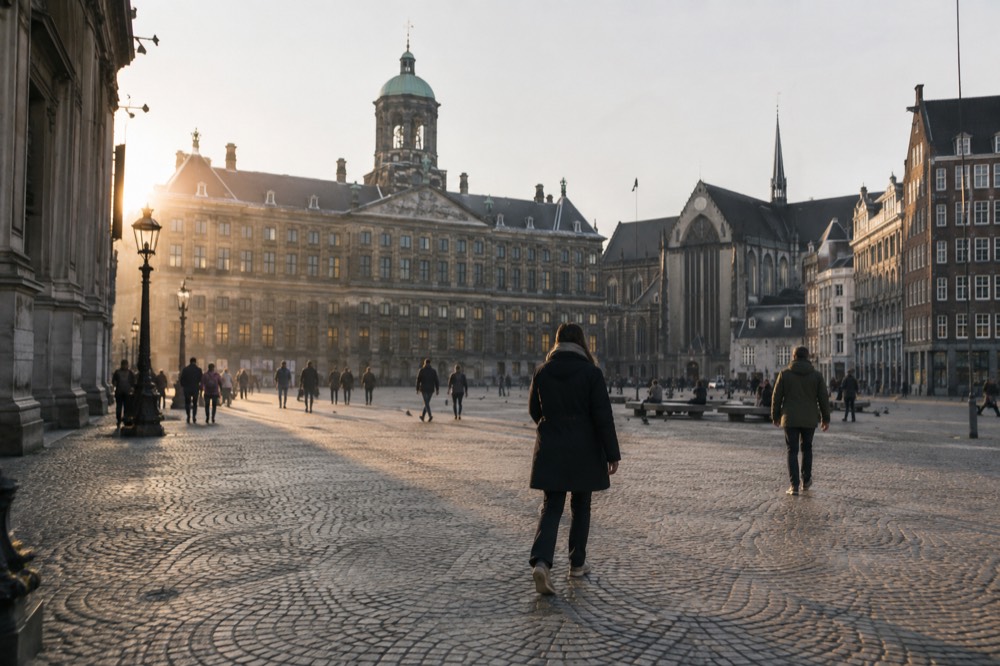
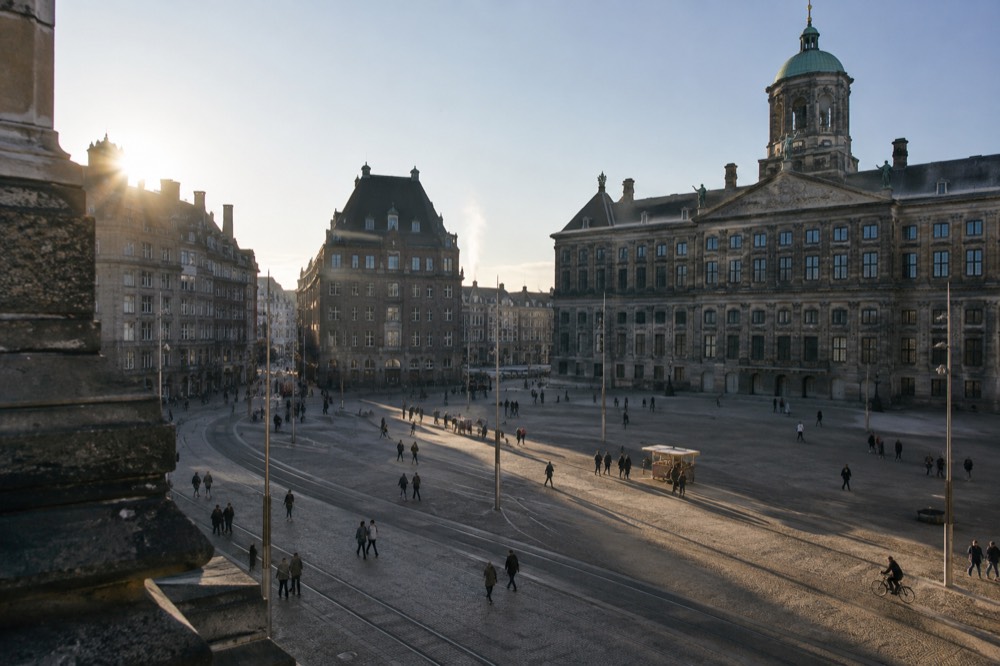
The scams that cost visitors money in Amsterdam are pickpocketing on trams and in crowded stations, fake or aggressive charity collectors, the "gold ring" or friendship-bracelet distraction on Dam Square, and unlicensed taxi drivers at Schiphol approaching arrivals inside the terminal. Schiphol publishes no fixed taxi fare; you pay the meter, so anyone offering a flat cash price in the arrivals hall is operating outside the system.
Pickpocketing is the one that actually happens at scale. Trams 2 and 12, the Central Station concourse and the queues outside major museums are the hotspots. Front pockets, phone wallets and open tote bags are the targets. The fix is boring and effective: a zipped inner pocket, nothing valuable in a backpack worn on the back in a crowd, and a phone put away before boarding rather than while boarding.
The distraction routines are older than the city's canal ring. A stranger "finds" a gold ring at your feet, or ties a bracelet on your wrist, and money is requested mid-gesture. The moment a stranger initiates physical contact with your hands or head, walk. No legitimate interaction in Amsterdam begins that way. Charity collectors with clipboards who become insistent are in the same family: real collectors in the Netherlands carry official permits and accept a polite no.
| Scam or trick | Where it happens | How it works | What to do |
|---|---|---|---|
| Pickpocketing | Trams, Central Station, museum queues | Crowd cover, distraction at boarding | Zipped inner pockets, bag in front |
| Gold ring or bracelet drop | Dam Square, busy pedestrian streets | Stranger initiates contact, then demands payment | Walk away before the gesture finishes |
| Unlicensed taxi offer | Schiphol arrivals hall | Flat cash price offered inside the terminal | Use the official taxi rank or the train |
| Aggressive charity clipboard | Central streets | Signature demanded, card handled, pressure to donate | Decline and keep walking |
| Street cruise and club promoters | Damrak, Rembrandtplein | Discount voucher that costs more than buying direct | Compare against the operator's own listing first |
The promoters deserve a specific warning because they blur into legitimate commerce. A person handing you a canal cruise voucher on Damrak is not scamming you in the criminal sense; they are selling you a €15.50 product for considerably more, wrapped in urgency. The same applies to club and pub-crawl promoters in the nightlife streets. Nothing they offer is exclusive, and the city's own visitor guidance asks tourists to be sceptical of street sales in the centre.
If you want a guided introduction rather than working out the centre on your own, a small-group walking tour with a local guide solves the problem the street promoters pretend to solve, at a transparent price. The three options above are all bookable in advance with clear cancellation terms, which is exactly what a voucher bought on a street corner is not.
Why You Cannot Buy an Anne Frank House Ticket From Anyone but the Museum
The Anne Frank House sells tickets only through its own official website, at €16.50 for adults, €7.00 for ages 10 to 17 and €1.00 for ages 0 to 9, every price including a €1.00 booking fee. There are no door sales and no legitimate resellers, so any tour, kiosk or pass that appears to include Anne Frank House entry is selling you something else.
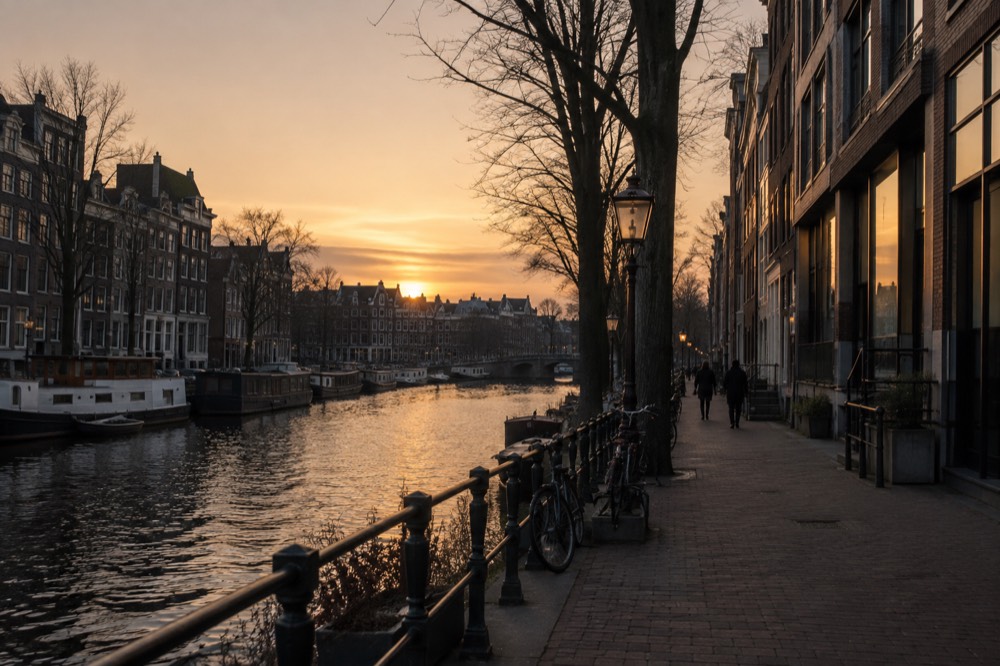
This is the single most exploited expectation in Amsterdam. The museum states plainly that every visitor must book a timed ticket online for a specific date and slot, and the official price table shows no discount for any city card: "I amsterdam Card no discount." Tickets are released in batches ahead of time and sell out quickly, and they are non-refundable and non-transferable once booked. That scarcity is what the reseller economy feeds on.
What the resellers actually sell is a walking tour in the streets around the house, sometimes worded in a way that implies proximity equals entry. Those tours can be genuinely good, but they never include the museum. If a listing says "Anne Frank" and costs less than the museum's own €16.50, read the inclusions twice. A Museumkaart gets you no further either; it covers only the €1.00 booking fee at this museum, and nothing else.
A one-hour small-group walking tour of the Jewish Quarter and the Anne Frank story, from $22 with a 4.8 rating across 15,104 reviews on the live listing, is the honest version of what street sellers dress up as something more. It is a guided street walk with a local guide, clearly labelled, and it can be cancelled under the listing's terms. Book it for the storytelling, not for a door you will never walk through, and reserve the museum itself separately on the official site the moment your travel dates are firm.
For the full picture of the city's wartime history and how the ticketing works, our dedicated Anne Frank House guide walks through the release schedule and the surrounding quarter in detail.
What Are the Red Light District Rules That Catch Tourists Out?
Guided tours in De Wallen are capped at 15 people, run only between 08:00 and 22:00, and may not pass the sex workers' windows; fines run to €190 for an individual guide and €950 for a company. For independent visitors, the two rules that matter are that photographing the windows is a hard social and staff-enforced norm, and smoking cannabis outdoors is prohibited in the city centre.
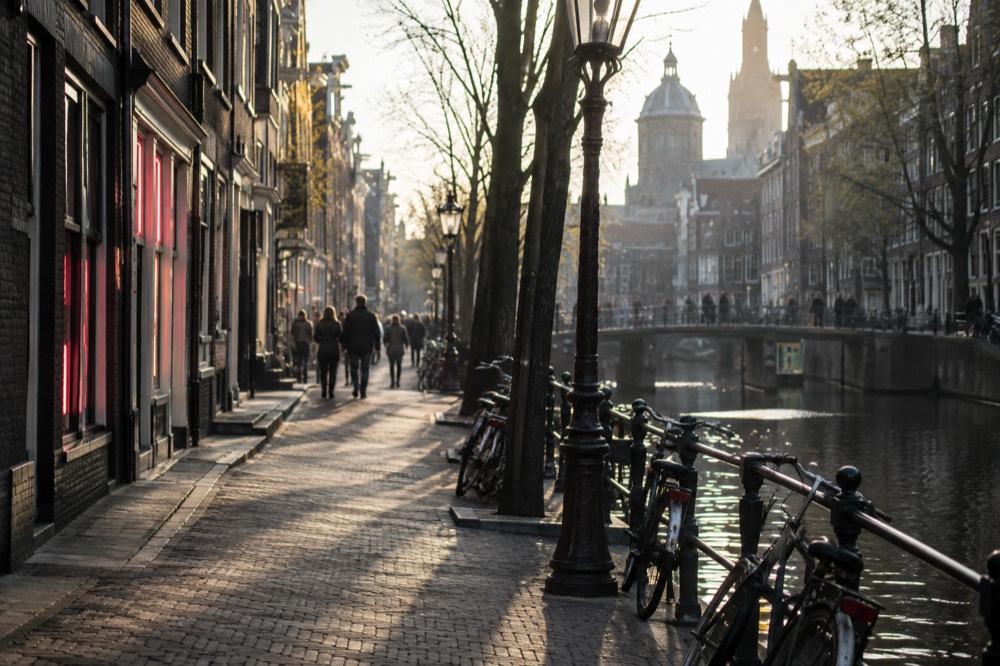
The city tightened the tour rules deliberately, and they bind every operator on our roster. Groups larger than four need an exemption, tours may not stop on busy bridges or in shop entrances, and no megaphones, shouting, alcohol or drugs are allowed on tour. When you compare red-light tours, a listing that promises window-front stops or runs late at night is either out of date or out of compliance. Check the small print before booking anything in this district.
For visitors walking on their own, the etiquette is straightforward and the enforcement is real. The "How to Amsterdam" campaign run by the city asks visitors not to photograph the sex workers, and venue staff enforce it without much patience for second chances. Cannabis smoking belongs inside the coffeeshop, not on the street, in the centre specifically. Street drinking is also prohibited in the city centre. None of this is a scam; it is the price of the district staying open to visitors at all, and our red light district rules and etiquette guide covers the detail.
A well-run small-group tour is the safest way to see De Wallen with context rather than awkwardness. The listing above, from $26 with a 4.9 rating across 9,142 reviews, runs 90 minutes and, like every compliant tour, keeps its route off the window streets and its group at or under 15.
Which Museum and Attraction Tickets Are Overpriced, and Which Are Just Popular?
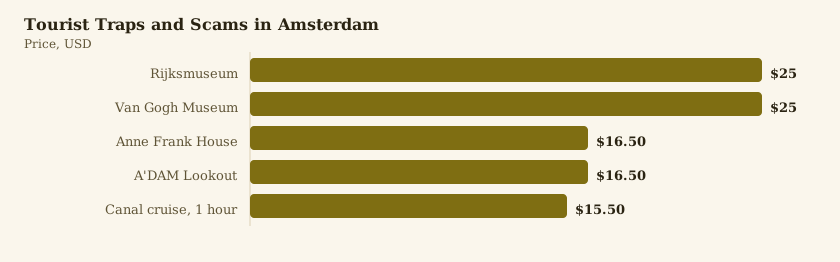
No major Amsterdam museum is overpriced relative to its own official price: the Rijksmuseum and the Van Gogh Museum both charge €25 with free entry under 18, and both require a pre-booked timed slot. The overpricing happens in the resale layer, in "skip the line" markups, bundled tickets for things you could buy cheaper separately, and passes bought for durations too short to pay off.
Timed entry is the mechanism that killed the queue, and it is also the mechanism resellers monetise. The Rijksmuseum requires a start time for every visitor, including cardholders, and the Van Gogh Museum requires all visitors to pre-book a timed ticket. If you arrive without one, you may be turned away at the door even with money in hand. So the product worth paying for is not "queue skipping", the queue largely no longer exists; it is simply the timed ticket, sold at face value on the museum's own site.
| Sight | Official adult price | Booking requirement | Trap to avoid |
|---|---|---|---|
| Rijksmuseum | €25 | Timed slot required, bookable direct | Resale markup on a face-value ticket |
| Van Gogh Museum | €25 | Timed entry, all visitors pre-book | Not included in any city card, despite claims |
| Anne Frank House | €16.50 | Official site only, timed slot, no door sales | Any product implying included entry |
| A'DAM Lookout | €16.50 online, €18.50 at the counter | Online purchase saves €2 per ticket | Paying counter price for a same-day visit |
| Canal cruise, 1 hour | From about €15.50 direct with an operator such as Rederij Kooij | Frequent departures, no slot needed | Street vouchers at double the direct price |
The city card question deserves its own arithmetic rather than a slogan. The I amsterdam City Card costs €67 for 24 hours and €94 for 48 hours, includes entry to more than 70 museums and locations, unlimited GVB transport, one canal cruise and a 24-hour bike rental, and explicitly excludes the Van Gogh Museum and the Anne Frank House. Whether that pays off depends on your pace, not on marketing. Our city card worth-it breakdown runs the numbers day by day, and the museum tickets and queue guide covers the timed-entry mechanics sight by sight.
On cruises specifically, the honest baseline is a one-hour cruise with an audio guide bought direct or through a reputable operator's listing, from $15 with a 4.3 rating across 21,335 reviews for the option above. Departures run from three docks including one by the Rijksmuseum, so there is no need to buy from the first person who hands you a flyer.
What Are the Transport and Money Traps?
The transport traps are unlicensed airport taxis, single tickets bought one at a time when a day pass is cheaper, and exchange offices advertising zero commission while hiding the margin in the rate. The verified fares: a GVB one-hour ticket is €3.40, a 24-hour pass is €10.00, the NS train from Schiphol runs from €5.50 taking just over 17 minutes, and the Amsterdam Airport Express bus 397 costs from €6.50.
The Schiphol decision is easy once you know the numbers. The train is the fastest option into Centraal and the cheapest at the from-price of €5.50; the 397 bus shares its ticket with the N97 Niteliner and costs from €6.50 single. A taxi from the rank is metered, and Schiphol itself publishes no fixed fare, so any flat price quoted to you verbally is a number someone invented. Contactless payment works across the GVB network through OVpay, with a base fare of €1.16 plus €0.217 per kilometre and a daily cap, which suits short-hop days better than paper tickets.
| Journey or ticket | Verified price | What the trap version costs |
|---|---|---|
| GVB 1-hour ticket | €3.40 | Resold transport "day packages" at multiples of the counter price |
| GVB 24-hour pass | €10.00 | Buying four single tickets instead of one pass |
| NS train, Schiphol to Centraal | From €5.50, about 17 minutes | Unlicensed flat-fare taxi offers in arrivals |
| Amsterdam Airport Express bus 397 | From €6.50 single | Hotel shuttle resales with added margin |
| Card payments | Widely accepted, contactless standard | Exchange offices with poor effective rates |
Money itself is close to a solved problem in the Netherlands. Cards are accepted almost everywhere and contactless is the default, so the exchange office on the tourist drag exists mainly to serve the people who have not heard that. If you need cash, a Dutch bank's own machine beats a storefront bureaux de change advertising zero commission, because the commission is in the rate, not the fee. Our getting around Amsterdam guide covers the ticket options in full.
Are Coffeeshops and Cannabis a Tourist Trap?
Coffeeshops are not a scam, but they are surrounded by misconceptions: national tolerance policy caps sales at 5 grams per person per day, the residents-only rule exists in national policy but is not applied in Amsterdam, and smoking cannabis outdoors is prohibited in the city centre. The traps are the touts selling "smoke-friendly" experiences at inflated prices and the shops in the busiest tourist streets charging premium prices for the same products.
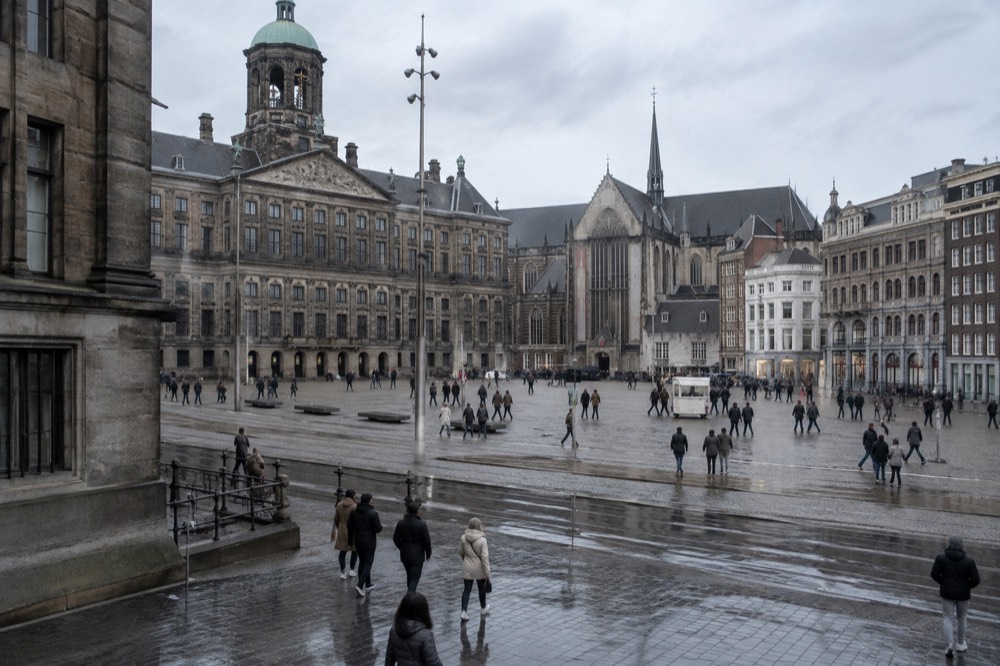
The legal position deserves precision, because both extremes get printed. It is not accurate to say cannabis is legal, and it is not accurate to say tourists are banned. The national tolerance policy permits coffeeshop sales under conditions, including a maximum of 5 grams per person per day, and while the national criteria include a residents-only rule, Amsterdam has never applied it and no tourist ban is in force. What is enforced locally is where you consume: outdoors in the centre, smoking cannabis is prohibited, and the consumption belongs inside the coffeeshop.
The commercial layer is where judgement comes in. A coffeeshop two streets off Dam Square sells the same menu as one locals use, at a different price. The canal-boat packages marketed as smoke-friendly lounge cruises are a legitimate product category, but they price at a premium over a standard cruise, and the standard cruise with a drink may be the better spend for most visitors. Decide what you are actually buying: the boat, or the permission structure around it. Our coffeeshop rules guide covers the law and etiquette in detail.
How Do You Avoid the Traps Without Missing the City?
You avoid Amsterdam's traps with four habits: buy every museum and transport ticket from its official channel, ignore street sellers entirely, read tour inclusions before paying, and spend on guided experiences where the guide is the product rather than the access. The city's core sights are worth it; the Rijksmuseum at €25 and a well-run walking tour from a few euros are not traps, they are the trip.
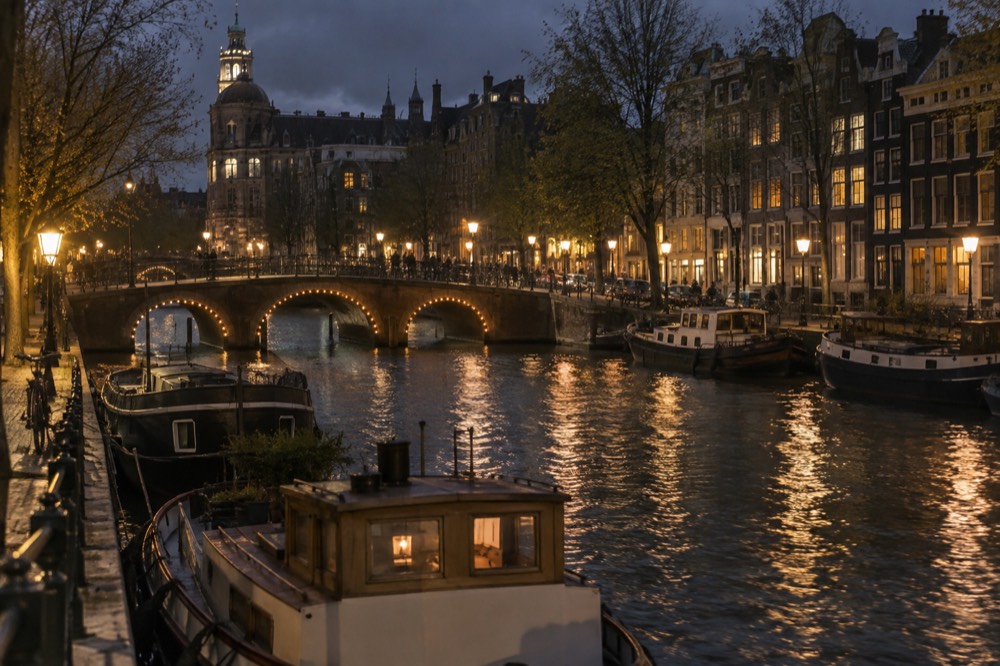
The pattern across every category in this guide is the same. The museum is not the trap; the reseller is. The canal is not the trap; the voucher is. The red light district is not the trap; the non-compliant tour is. Once you buy direct and read inclusions, Amsterdam's cost profile is honest for a capital city: €25 for the Rijksmuseum with under-18s free, €10.00 for a day of trams and buses, €3.40 for a single hour of transport, and a canal cruise from about €15.50 if you buy it sensibly.
Spend the money you save on the things that need a human. A small-group walk with a local guide, a 90-minute compliant red light district tour, or a two-hour Jewish Quarter walk all cost less than a mid-range dinner and deliver something no ticket does: context. The trio below are the three we would point a first-time visitor at, all bookable in advance with free-cancellation terms on their listings.
For more on what the city is really like before you commit to an itinerary, start with our first-timer mistakes guide and the wider planning coverage on Things to Do in Amsterdam, then work outward from there.
Common Questions About Tourist Traps in Amsterdam
Is Amsterdam full of tourist traps?
Amsterdam has a resale layer, not a city of traps. The major museums set fair official prices, the Rijksmuseum and Van Gogh Museum at €25 each with under-18s free, and the traps are the intermediaries: street-sold cruise vouchers, marked-up "skip the line" tickets and anything implying Anne Frank House entry, which only the official site sells at €16.50 for adults.
What is the most common scam in Amsterdam?
Pickpocketing on trams and around Central Station is the most common by volume. Distraction routines on Dam Square, such as the found-ring and bracelet tricks, and unlicensed taxi offers in Schiphol's arrivals hall are the next most frequent. None are sophisticated; zipped pockets, a refusal to engage with strangers who initiate contact, and the official taxi rank defeat all of them.
Can someone sell me an Anne Frank House ticket?
No. The Anne Frank House sells only through its own website, at €16.50 for adults, €7.00 for ages 10 to 17 and €1.00 for ages 0 to 9, with no door sales and no resellers. Products that mention Anne Frank are walking tours in the surrounding streets, which can be excellent, but they never include museum entry.
Are the canal cruises a rip-off?
The cruise is not a rip-off; the street voucher is. A one-hour cruise with audio guide starts at about €15.50 bought direct from an operator such as Rederij Kooij, with departures roughly every 30 minutes. Vendors on the main tourist streets sell the same product at a substantial markup, sometimes dressed up as a discount.
Is it safe to walk in the Red Light District as a tourist?
Yes, with the local rules respected. Do not photograph the windows, do not smoke cannabis outdoors in the centre, and expect guided tours to be capped at 15 people, run between 08:00 and 22:00, and routed away from the windows. The district is heavily policed and busy well into the evening.
Should I buy the I amsterdam City Card to save money?
Only if your itinerary matches its inclusions. The card costs €67 for 24 hours and €94 for 48 hours, covers more than 70 museums and locations, GVB transport, one canal cruise and a 24-hour bike rental, and excludes the Van Gogh Museum and the Anne Frank House entirely. A museum-heavy two days can pay it off; a relaxed one-day visit usually does not.