Is It Okay To Wear Jeans In Amsterdam?
Yes, jeans fit right in in Amsterdam. Here is how locals actually dress, when denim works, when it does not, and what to pack alongside it.
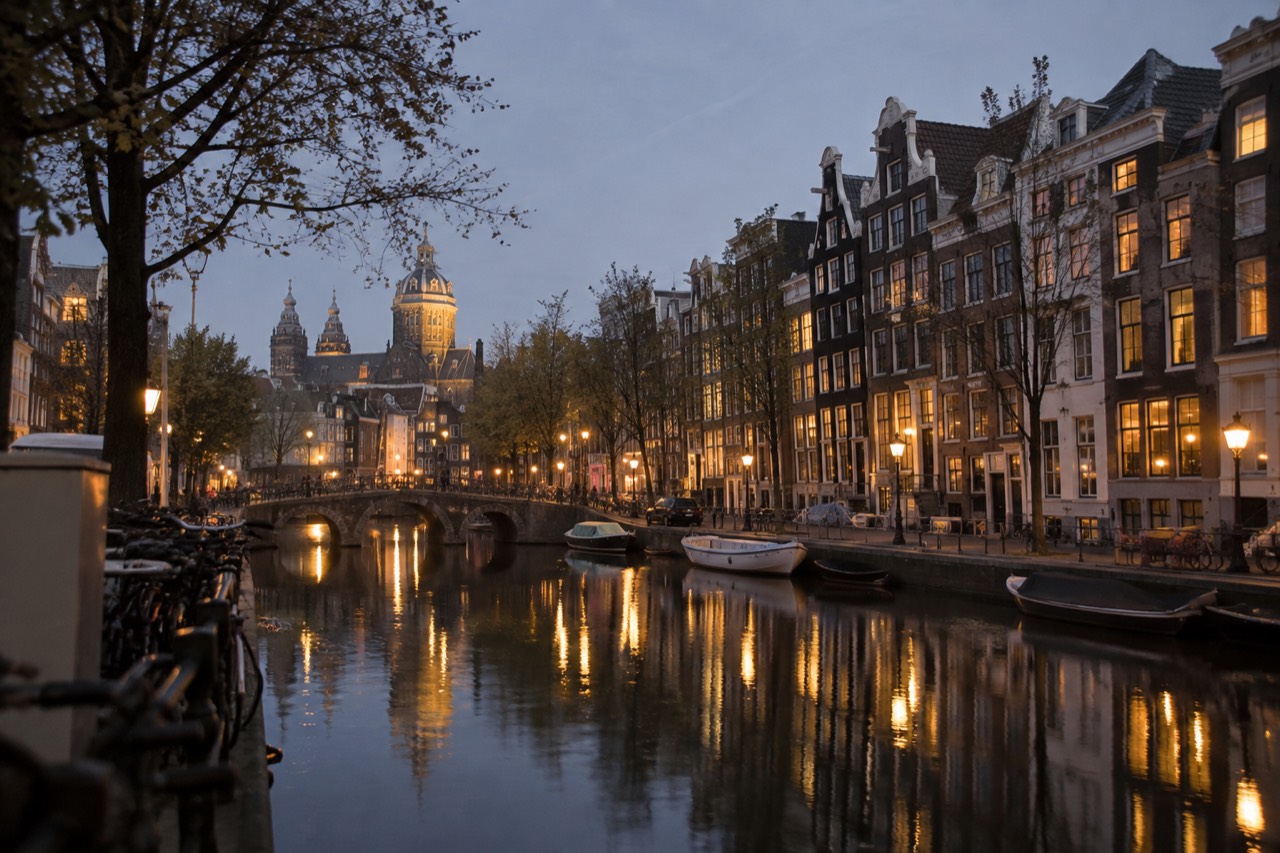
Amsterdam is a city built for people who move: on bikes, on foot, on trams and on boats. That single fact shapes how the city dresses far more than any fashion rule does. Walk down any canal street and you will see jeans everywhere, on students, on people heading to office jobs, on parents towing cargo bikes full of children. Denim is not just accepted here, it is close to a default. The question is not really whether jeans are okay, it is whether your particular pair will survive cobblestones, saddle time and the rain that arrives without much warning.
This page is part of the wardrobe coverage at Things to Do in Amsterdam, and it takes a practical line: what the desk has read across official city guidance, museum ticket pages and transport fares, rather than folklore about European style. The short version is that jeans work almost everywhere in Amsterdam, but the city rewards travellers who pair them with the right shoes, a rain layer and a bit of flexibility for the couple of venues that expect something smarter.
Is It Okay To Wear Jeans In Amsterdam?
Yes, jeans are completely fine in Amsterdam, and you will see them on locals everywhere from canal-side cafés to museum queues. The city's day-to-day dress code is casual and practical, shaped by cycling and changeable weather. The only places where plain jeans can feel underdressed are a small number of fine-dining restaurants, some cocktail bars and certain nightclub door policies, and even there dark, neat denim usually passes.
That is the honest answer, and it deserves a little unpacking. Amsterdam is not Paris or Milan, where an unspoken dress hierarchy follows you from café to boutique. The Dutch social norm leans toward understatement: expensive logos are more likely to draw a raised eyebrow than admiration, and the locals who look most put-together tend to be wearing simple, well-cut basics. A pair of dark indigo jeans with a plain top fits that register perfectly. Light-wash, distressed or heavily branded denim reads more casual, but nobody is going to stop you at a museum door over it.
Context matters more than the garment itself. The same jeans that are ideal for a day of walking the Jordaan or cycling to a windmill will feel wrong at a Michelin-starred tasting-menu restaurant, where the expectation is closer to smart casual: trousers, a shirt, closed shoes. Amsterdam's nightlife is layered the same way. A brown café, the traditional Dutch pub with candle stubs and beer from the tap, has no dress code at all. A rooftop cocktail bar or an upmarket club on Rembrandtplein may look at your shoes before your face. If you plan one nicer evening, that is the one moment to leave the jeans in the hotel.
There is also a seasonal angle that first-time visitors consistently underestimate. Amsterdam sits close to the North Sea, and the weather shifts fast. A jeans-and-tee day in July can end in a downpour; a clear January afternoon can turn into a damp, cutting wind off the water within an hour. Denim has one real weakness here: once it soaks through, it stays wet and cold for hours, and it takes forever to dry in a hotel room. Locals know this, which is why so many of them keep jeans for dry days and reach for quick-drying trousers or rain trousers in genuinely wet weather. If your trip is short and your packing list is limited, one pair of jeans plus one non-denim alternative is a better formula than two pairs of jeans.
The final reassurance is that nobody in Amsterdam is tracking your wardrobe. The city recorded 23.7 million tourist overnight stays in 2025 according to the municipal research office, and a large share of those millions wore jeans every single day of their visit. You will not stand out, you will not be refused entry anywhere mainstream, and you will not offend anyone. The rest of this article is about making jeans work well, not about whether they are permitted.
What Do Locals Actually Wear Day to Day?
Locals in Amsterdam dress down more than visitors expect: dark jeans or plain trousers, simple sneakers or leather shoes, neutral tops and a good coat in cooler months. The overall look is practical, low-key and built around cycling, so anything restrictive, delicate or hard to move in gets left at home. If you match that register, you will look like you belong within a day.
The starting point is the bike. Amsterdam's streets belong to cyclists in a way that few other cities can match, and clothing that works on a saddle wins. Locals favour straight or slim-cut jeans that do not flap or catch, shoes that grip wet pedals, and jackets that layer. Wide-leg denim, very long hems and stiff raw selvedge that has not been broken in all fight you on a bike, and you will notice it within ten minutes of renting one. If you plan to cycle, and you should, because it is the fastest way to understand the city's shape, pick the pair of jeans you can actually pedal in.
Footwear is the second half of the equation, and it matters more than the jeans themselves. Amsterdam's centre is cobblestones, tram rails and bricks, slick when wet, uneven underfoot. Thin-soled fashion sneakers, smooth leather soles and anything with a heel all become a liability. The local default is a sturdy sneaker or a rubber-soled boot, worn in before the trip. This is also where visitors betray themselves, not through their denim but through brand-new white sneakers that are grey by day two. A practical walking-shoe choice is covered in more depth in our full Amsterdam packing and clothing guide, which goes shoe by shoe through what survives the cobblestones.
Colour and cut tell you a lot about the local eye. The palette on Amsterdam streets is muted: navy, black, grey, olive, cream, with the occasional burst of colour from the city's design crowd. Dark-wash jeans sit naturally inside that palette. Rips and heavy distressing are rare on locals over thirty but common on students, so age is genuinely not a factor here. What locals avoid is the obvious tourist uniform of jeans plus souvenir hoodie plus backpack worn on the front like armour. The jeans are fine. The defensive backpack posture is what marks people out, and that is a habit, not a wardrobe problem.
One more honest note: the city's own visitor guidance, the "How to Amsterdam" campaign on the municipal website, asks visitors to behave with respect in the centre, particularly around the red-light district, where the norms are about behaviour and photography rather than clothing. There is no dress guidance in it at all, which tells you the city considers the question settled. Read the official page at How to Amsterdam before your trip, less for fashion and more for the conduct rules that actually carry consequences.
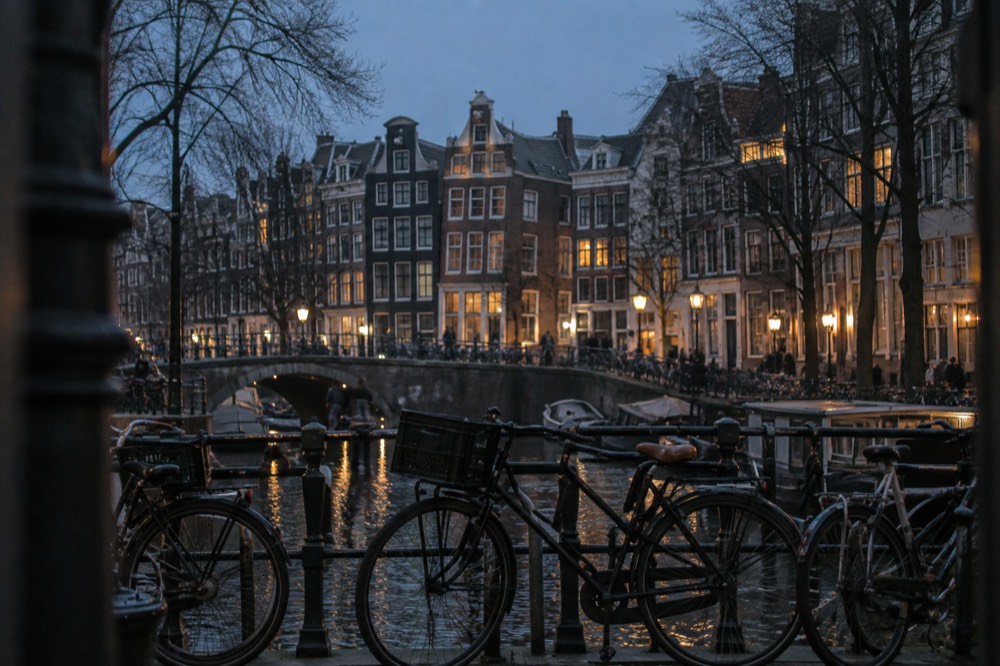
Will Jeans Work for Cycling, Canals and Rain?
Jeans work for cycling and canal cruises, but rain is their weak point. Denim absorbs water, dries slowly and gets heavy and cold when soaked, so the local habit is to keep jeans for dry hours and carry a compact rain layer at all times. For a canal cruise or a bike ride in settled weather, jeans are among the best things you can wear.
Start with the bike, since that is the activity most likely to test your trousers. Amsterdam rental bikes are upright city bikes with step-through frames, designed for everyday clothes rather than lycra. That design is exactly why locals can cycle in jeans at all. The practical requirements are simple: a hem that clears the chain, nothing so baggy it snags, and a crotch seam that lets you swing a leg over the frame. If your jeans pass those three tests, they are ideal cycling wear. If they are skin-tight or floor-length, either roll the hem or choose different trousers for cycling days.
Canal cruises are the easiest case. You sit still, under cover on most boats, for about an hour. A classic one-hour cruise is one of the city's signature experiences, and the only clothing consideration is that open boats expose you to the weather: wind, spray and the occasional shower. The verified operator baseline for a standard one-hour cruise is from about €15.50, and there is no dress code on any of them. Jeans and a warm layer are exactly right, especially for evening departures when the temperature drops on the water.
Rain is where the honest advice starts. Amsterdam weather is changeable year-round, and the desk's verified facts file records no reliable month-by-month averages from an official meteorological source, so the only defensible statement is the qualitative one: expect showers in any month, and expect them to arrive quickly. When rain hits, denim holds water against your skin, and wet jeans on a bike or on a windy canal bank are genuinely unpleasant. The fix costs almost nothing: a packable rain jacket or a long waterproof coat, and if you are committed to cycling in bad weather, rain trousers that go over the jeans. Locals who cycle daily own both.
| Activity | Jeans verdict | What to pair with them |
|---|---|---|
| City walking and museums | Ideal | Broken-in sneakers, layers, compact rain jacket |
| Cycling (rental bike) | Good if the cut allows pedalling | Grippy flat shoes, hems clear of the chain |
| Canal cruise | Comfortable, no dress code | Warm mid-layer for evening departures |
| Day trip to Zaanse Schans or Volendam | Practical and warm | Waterproof layer, shoes for rough ground |
| Fine dining or cocktail bars | Dark, neat denim usually passes | Shirt or knit, leather shoes, no rips |
The transport side of the rain question is worth a sentence too. A soaked afternoon does not have to end a sightseeing plan, because the GVB network of trams, buses and metro runs across the whole city, and a 24-hour day ticket costs €10.00 for an adult per the operator's current fare table. Jeans plus tram is a perfectly dry combination. The fares and ticket options are laid out in detail on the operator's own page at GVB tariffs, and the practical side of trams and contactless payment is covered in our guide to getting around Amsterdam.
Do Jeans Pass at Museums, Restaurants and Nightlife?
Jeans pass at every major Amsterdam museum with no questions asked. Restaurants split by tier: casual and mid-range places never care, while fine-dining rooms expect smart casual where neat dark denim is usually tolerated. Nightlife is the one area with real door policies, and a small number of upscale clubs and cocktail bars may refuse scruffy denim, so check ahead for your one big night out.
Museums first, because that is where most visitors spend their days. There is no dress code at the Rijksmuseum, the Van Gogh Museum, the Anne Frank House, NEMO, the Stedelijk or any of the city's smaller houses. The constraints at these places are about tickets, not trousers. The Van Gogh Museum requires every visitor to pre-book a timed entry ticket, at €25 for adults with under-18s free, and slots sell out, so the wardrobe question is trivial next to the booking question. The same timed-entry rule applies at the Rijksmuseum, also €25 for adults and free for ages 18 and under. Those two figures come from the museums' own ticket pages, and they are the planning facts that actually matter.
The Heineken Experience, the former brewery turned interactive attraction, is the same story on dress and a different one on mood: it is a lively, walk-through experience with tasting rooms, and the crowd skews casual and social. Entry is from $23 on the live listing, it runs about an hour and a half, and it holds a 4.6 rating across 39,581 reviews. Jeans are if anything the expected outfit there, and the rooftop option is worth the extra layers on a windy day.
Restaurants are where the gradient appears. Amsterdam's everyday eating, from brown cafés to broodje shops to the food halls, has zero dress expectations. Mid-range dinner spots do not either. The shift happens at the top: the city's Michelin-starred and fine-dining rooms, of which Amsterdam has a meaningful cluster, generally expect smart casual. In practice that means most guests arrive in trousers or dark, unblemished jeans, a shirt or blouse, and proper shoes. If your one splurge dinner is booked, dark denim with a neat top will not raise an eyebrow at the door, but this is the single context where the ripped, faded pair should stay behind. Our Amsterdam restaurant guide separates the casual staples from the rooms where the dress register rises.
Nightlife deserves the only genuine caution in this article. The majority of Amsterdam bars and clubs admit anyone reasonably dressed. But a handful of high-end nightclubs and some hotel bars on and around Rembrandtplein and Dam Square operate selective door policies, and those policies have historically leaned on appearance, including trainers and, occasionally, very casual denim. It is not a city-wide rule, it is venue-by-venue discretion, and the practical move is to check the venue's own site or social channels for a dress code note before your night out. If a venue does not publish one, neat dark jeans with closed shoes are a safe default everywhere short of the most exclusive doors.
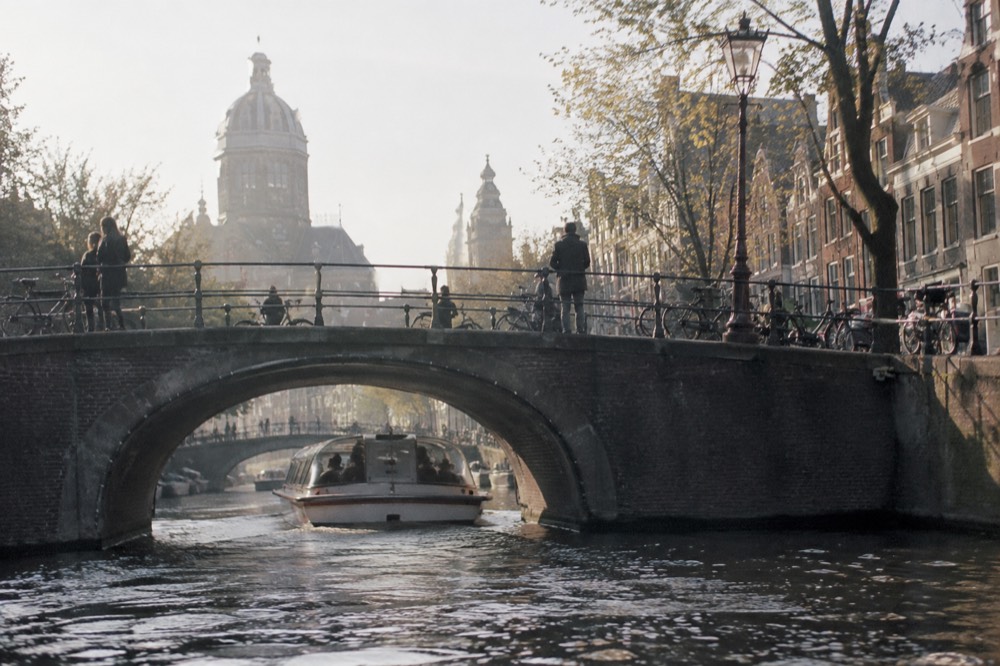
What Should You Pack Alongside Your Jeans?
Pack jeans with broken-in walking shoes, a proper rain layer, one warm mid-layer and one smart-casual alternative for a nicer evening. Amsterdam rewards layering because conditions change within a single day, and the items that earn their space are the ones that handle rain, cobblestones and saddle time, not the ones that look good standing still.
The layering logic comes straight from the climate. Even in summer, mornings and evenings run cool by the water, and indoor spaces are heated generously in winter, so the ability to add and remove a layer matters more than any single garment's warmth. A base of jeans, a t-shirt or long-sleeve top, a fleece or knit, and a genuinely waterproof outer shell covers almost every combination the city will throw at you. In winter, add a serious coat, a scarf and gloves, and treat the jeans as the middle layer rather than the outer one. The seasonal detail, including what the rainiest stretch of the year tends to look like, is broken down month by month in our Amsterdam weather guide.
Footwear deserves its own paragraph because it is the most common packing failure. The centre's cobblestones and tram rails are slick in rain, and the walking distances are real: a normal sightseeing day here covers many kilometres on foot. Bring shoes that are already worn in, with grip and with some water resistance. A second, lighter pair is worth the space if your trip runs a week or more, because a soaked pair of sneakers takes a day to dry in a hotel room, exactly like jeans do.
| Item | Why it earns its place | Priority |
|---|---|---|
| Broken-in sneakers or boots | Cobblestones, tram rails and wet bricks punish new or smooth-soled shoes | Essential |
| Packable rain jacket | Showers arrive fast in any month; denim stays wet for hours | Essential |
| Warm mid-layer | Evening canal cruises and museum air conditioning both run cool | High |
| One non-denim trouser option | Dries faster, covers a soaked-jeans day and a smarter dinner | High |
| Compact umbrella | Keeps hands free matters less on a bike, so use it walking | Medium |
| One dressier outfit | Fine dining and upscale nightlife venues expect smart casual | Situational |
One packing note that has nothing to do with style: leave the enormous suitcase-wheeling ambitions behind. Many canal-belt hotels have steep, narrow staircases, a genuinely Dutch feature discussed in our piece on the famous Dutch staircase, and hauling heavy luggage up them is the least glamorous moment of any trip. A lighter bag also makes you faster on and off trams, which is how the locals move.
Do Jeans Make You Look Like a Tourist?
No, jeans themselves will not mark you as a tourist in Amsterdam, because locals wear them constantly. What stands out is the surrounding behaviour: walking slowly in the bike lane, wearing a backpack on the front, stopping in the middle of a busy street to photograph, or dressing for a beach that does not exist here. Fit in by moving decisively, staying out of the cycle lanes and dressing one notch more simply than you might at home.
The tourist signal in Amsterdam is behavioural before it is sartorial. The city's cycle lanes are sacred infrastructure, and standing in one while checking a phone is the fastest way to earn a bell chorus and a genuine safety risk. The same goes for the middle of Dam Square or the busy canal bridges at peak hour. Locals read the street, keep right, keep moving. Once you do that, nobody looks twice at your denim.
On the clothing side, the tells are specific rather than general. Souvenir-logo wear head to toe, hiking gear for a city day, beach flip-flops on cobblestones, and very new, very white sneakers all read as visitor choices. None of it is offensive, and the city is far too used to its 23.7 million annual overnight stays to be bothered. But if blending in matters to you, the formula is short: dark jeans or plain trousers, neutral layers, worn-in shoes, and a bag you do not clutch. That is, almost precisely, what half the city is wearing as you read this.
There is a small seasonal exception worth naming honestly. On King's Day, the national holiday on 27 April, the city turns orange and every dress norm dissolves: everyone wears whatever they like, ideally in shades of orange, and jeans are the standard base layer under a sea of orange tops. It is the one day a year when standing out is the point, and the streets fill with a party that runs all day. Our King's Day guide covers what to expect and what to wear for it.
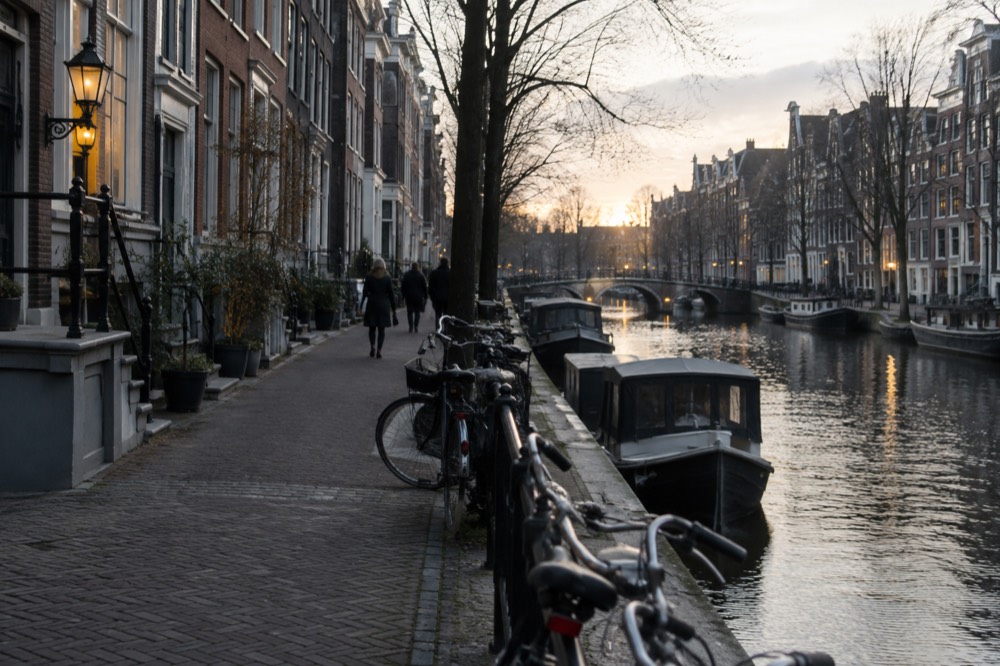
The last word on this belongs to comfort, because it is the argument that settles the whole question. Amsterdam is a walking and cycling city with world-class museums, and the experiences that define a trip here, the long canal walks, the museum marathons, the bike ride to a windmill, the evening cruise past lit bridges, all reward people who dressed to move. Jeans, chosen sensibly and paired with the right shoes, are exactly that. The city will not judge them, the venues will admit them, and you will be glad of them at the end of a ten-kilometre day.
Common Questions About Wearing Jeans in Amsterdam
Is It Okay To Wear Jeans In Amsterdam?
Yes. Jeans are everyday wear for locals across the city and are accepted at every museum, casual restaurant and canal cruise. Only a small number of fine-dining restaurants, upscale cocktail bars and selective nightclubs expect smart casual, where neat, dark denim still usually passes.
Will I look like a tourist in jeans?
No, jeans are one of the most common garments on Amsterdam streets. What marks visitors out is behaviour, mainly standing in cycle lanes or stopping abruptly on busy streets, not denim. Simple, neutral clothing and steady movement blend in fine.
Are jeans practical for cycling in Amsterdam?
Usually yes. Rental bikes are upright city bikes designed for everyday clothes. Pick a pair you can pedal in, keep hems clear of the chain, and wear grippy shoes. Avoid skin-tight or floor-length cuts for bike days.
What shoes should I wear with jeans in Amsterdam?
Broken-in sneakers or rubber-soled boots. The centre is cobblestones, bricks and tram rails, all slick in rain, and walking distances are long. Avoid smooth leather soles, heels and brand-new white sneakers.
Can I wear jeans to the Van Gogh Museum or the Rijksmuseum?
Yes, neither museum nor any other major Amsterdam museum has a dress code. The real requirement is a pre-booked timed entry ticket, at €25 for adults at both, with under-18s free at the Van Gogh Museum and ages 18 and under free at the Rijksmuseum.
What if it rains while I am wearing jeans?
Carry a packable rain jacket and let the tram network absorb the wet hours, a 24-hour GVB ticket costs €10.00. Denim dries slowly, so on a wet multi-hour day, quick-drying trousers are the more comfortable choice.