What Are The Safest Areas In Amsterdam To Stay In?
A plain-English breakdown of which Amsterdam neighbourhoods feel safest to stay in, why the centre is calmer than its reputation, and what the rules mean for your booking.
What Are The Safest Areas In Amsterdam To Stay In?
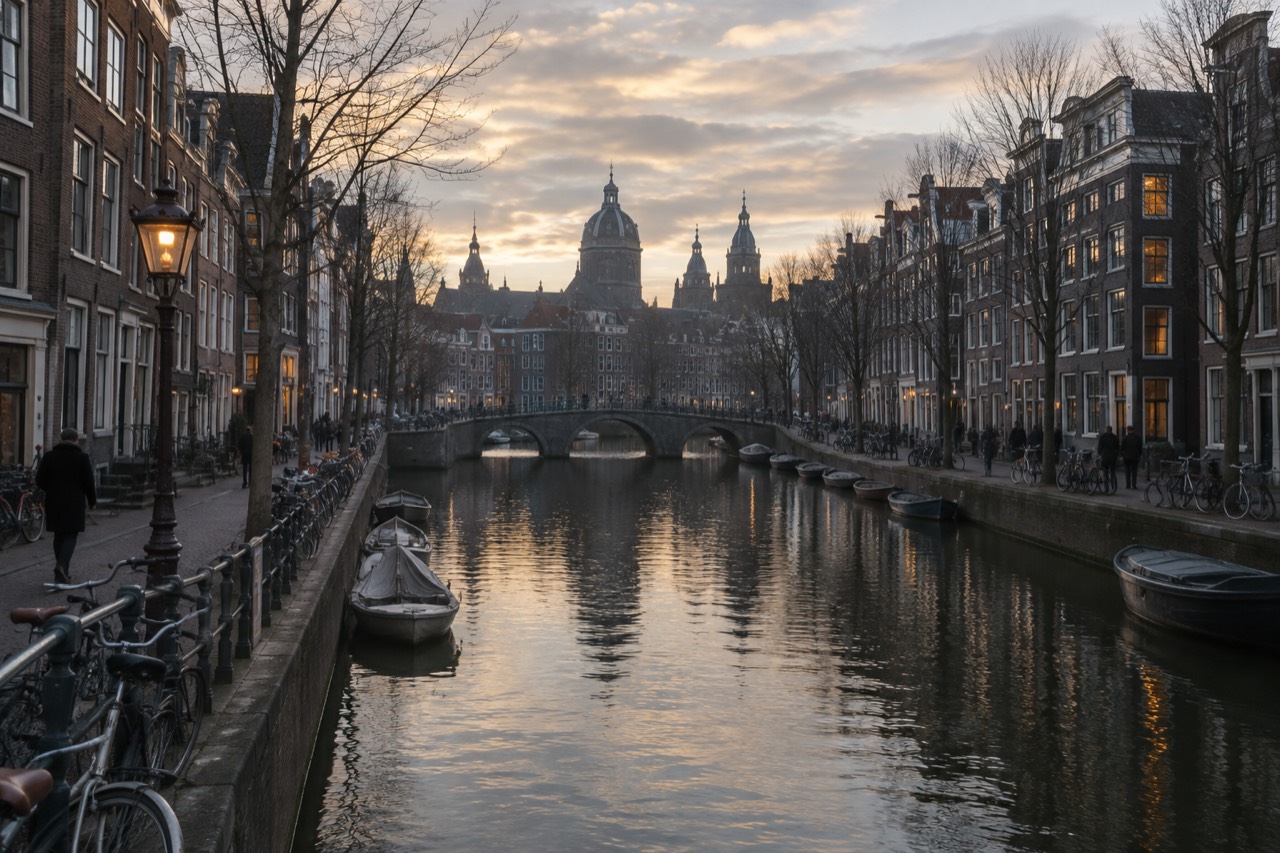
The safest-feeling areas to stay in Amsterdam are the Canal Belt south of the centre, Museum Quarter, De Pijp, Oud-West and the Plantage district in Amsterdam Oost, and for most visitors the answer comes down to picking a quiet street over a busy one. Amsterdam records low violent crime against tourists, and the city's own visitor guidance focuses on pickpocketing and street nuisance rather than danger zones. No neighbourhood in the centre is genuinely unsafe after dark.
That is the honest headline, and it needs unpacking, because "safe" in Amsterdam rarely means what travellers expect it to mean. The questions this desk reads most often assume the city has a district equivalent to a no-go zone, and it does not. What Amsterdam has instead is a small, dense centre where a handful of streets get loud and crowded at night, and a ring of residential neighbourhoods around them that stay calm at almost any hour. The risk you actually face in Amsterdam is pickpocketing in crowds and on trams, plus the ordinary annoyances of a city that hosted 23.7 million tourist overnight stays in 2025, a figure the municipal research office Onderzoek en Statistiek published in its 2026-2028 forecast. Crowds, not crime, are the thing to plan around.
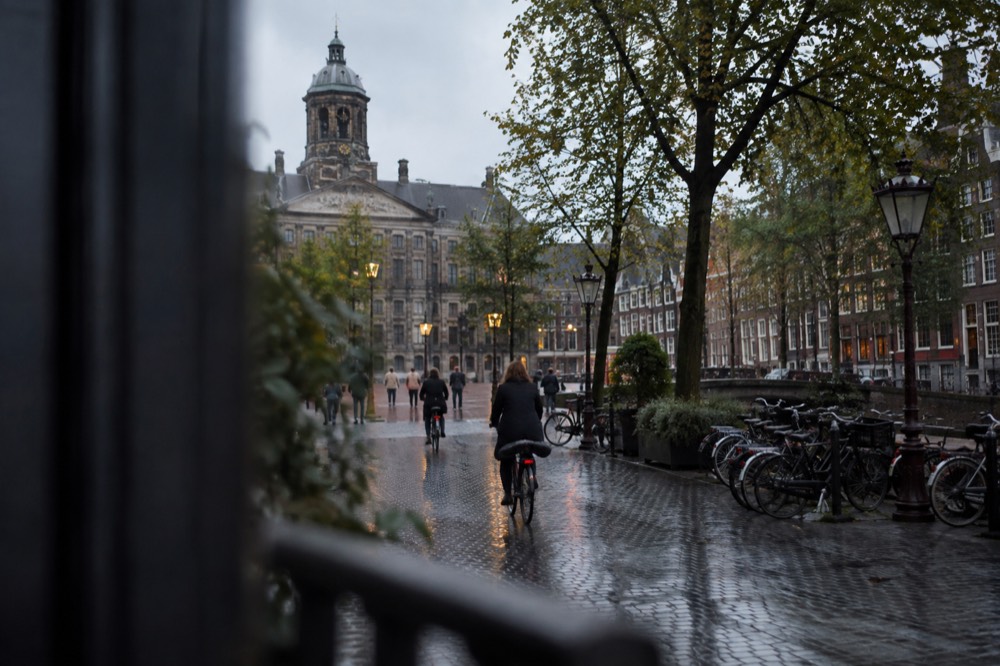
The second thing worth knowing is that Amsterdam's centre is small. The distance from Centraal Station to the Rijksmuseum is a straightforward 30 to 40 minute walk, and almost every neighbourhood a first-time visitor would consider sits inside that triangle or just beyond it. That geography matters for safety planning more than any crime statistic: if a street feels wrong at midnight, you are rarely more than a 10 minute tram ride from one that feels fine. A GVB single ticket costs €3.40 for an hour of travel, and a 24-hour day pass is €10.00, so moving away from a loud street at night is cheap and quick.
For travellers who want the short version before the detail, the three products below cover the bookings most visitors tie to a central, well-connected base: a guaranteed museum slot, an evening-friendly attraction and a canal cruise that runs from the centre itself.
Which Neighbourhoods Feel Safest After Dark?
The Canal Belt, Museum Quarter, De Pijp, Oud-West and the Plantage all stay quiet and well-lit after dark, and each offers a different trade-off between price, atmosphere and walking distance to the centre. The Canal Belt and Museum Quarter are the calmest and the most expensive. De Pijp and Oud-West are livelier, slightly cheaper and still comfortable at night. The Plantage is the quietest of the lot, with tree-lined streets and fewer bars.
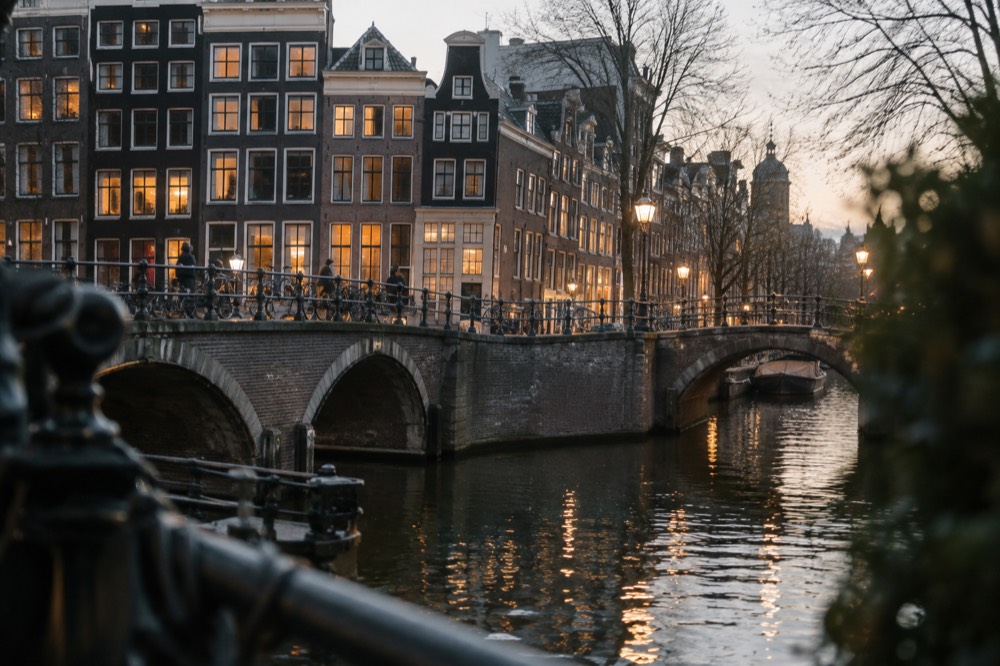
Start with the Canal Belt, the UNESCO-listed ring of grachten that most people picture when they imagine Amsterdam. Staying here puts you on or near a canal, within walking distance of nearly everything, and on streets that are residential at their core even when tourists fill them by day. The noise problem is real on the main drag streets, particularly around Leidseplein and Rembrandtplein, but a hotel or apartment one block off a square is often dramatically quieter. The canal ring guide covers the character of each section in detail.
Museum Quarter, the Museumkwartier south of the Rijksmuseum, is arguably the most restful central base of all. It is 19th-century residential architecture, wide streets, the Vondelpark at its back and very little nightlife of the loud kind. Families and museum-first travellers do well here because the Van Gogh Museum, the Rijksmuseum and the Stedelijk sit on one square, and the walk home after closing time is through calm streets. The trade-off is price: this is among the most expensive accommodation in the city, and the tourist tax adds 12.5% of the overnight price on top, as the gemeente's own tax page sets out.
De Pijp, south of the centre around the Albert Cuyp Market, has a different energy. It is dense with restaurants and bars, which means it is not silent at night, but the noise is café and terrace noise rather than street partying. It feels local, it is well served by trams, and it tends to cost less than the Canal Belt for comparable quality. Oud-West, running west from the edge of the centre along the Kinkerbuurt, is similar in spirit: residential, food-heavy, safe to walk at any hour, and a short tram ride from the centre. The De Pijp neighbourhood guide and the Oud-West guide both go deeper on where inside each area to book.
| Neighbourhood | After-dark character | Best for | Trade-off |
|---|---|---|---|
| Canal Belt (Grachtengordel) | Quiet on side canals, busy near squares | First-timers who want to walk everywhere | Highest prices, some noise near Leidseplein |
| Museum Quarter | Very quiet, residential, well lit | Families, museum-focused trips | Most expensive, fewer budget options |
| De Pijp | Lively but civilised, terrace noise | Food-led trips, couples | Not silent, trams needed for the far centre |
| Oud-West | Calm, local, easy tram links | Longer stays, repeat visitors | Fewer postcard views |
| Plantage / Amsterdam Oost | The quietest, greenest option | Families, quiet seekers | 20 to 30 minutes' walk to the centre |
The Plantage deserves a specific mention because it is the answer most lists miss. East of the centre, around the Hortus Botanicus and ARTIS, it is leafy, low-rise and almost suburban in feel while remaining on the tram network. Visitors staying there trade a 20 minute journey to Dam Square for streets where the loudest thing at midnight is the water in the canal. The Amsterdam Oost and Plantage guide covers it street by street.
One booking note that belongs in this section rather than a later one: if you are renting an apartment rather than booking a hotel, the rules changed recently. Since 1 April 2026, holiday rentals in designated central neighbourhoods, including the Jordaan, Grachtengordel-West, Grachtengordel-Zuid, Burgwallen-Nieuwe Zijde and Oude Pijp, are capped at 15 nights per calendar year instead of the city-wide 30, and every listing must display a registration number. A listing in one of those areas without a registration number is operating outside the permit system, which is a reason to book elsewhere regardless of how safe the street itself feels. Keep that in mind when comparing areas, because the safest street in the Jordaan is still a bad booking if the listing is unregistered.
Is the Red Light District Safe To Stay In?
De Wallen, the red-light district, is not dangerous in the sense of violent crime, and thousands of people stay in and around it without incident. The real issues are noise, crowds and street nuisance between roughly 21:00 and 03:00, plus strict behaviour rules visitors must follow. Staying inside the Wallen itself means accepting a party atmosphere most nights. Staying one canal ring out gives you the location without the noise.
The Wallen is the neighbourhood people ask about with the most anxiety, and the anxiety is mostly misplaced. By day it is a historic slice of the centre, the oldest part of the city, with the Oude Kerk at its heart and ordinary residents, shops and cafés. After dark it becomes the loudest, densest, most crowded handful of streets in the Netherlands, and that combination, not crime, is what makes it a poor base for anyone who sleeps at normal hours. Crowds concentrate around the windows and the bridges, alcohol is in the streets despite the city-centre street-drinking ban, and the atmosphere shifts from historic to rowdy.
The behaviour rules are worth knowing whether or not you stay there. The city's guided-tour rules cap tour groups at 15 people, require tours to run between 08:00 and 22:00, and prohibit any tour route passing the sex workers' windows, with fines of €190 for an individual guide and €950 for a company. Photography of the windows is the subject of the city's "No pictures please" campaign, a strong social norm enforced by staff rather than a statutory fine. And since April 2023, weekend closing rules in the core Wallen area have required outdoor terraces to close at 01:00 and indoor hospitality at 02:00, which is why the district quiets down in the small hours rather than running all night. The red-light district rules and etiquette guide covers all of this in full.
For accommodation, the practical advice is simple. If you want to be central and budget matters, the streets on the edge of the Wallen, towards Nieuwmarkt or the east side of the Damrak, give you the location at a lower price, and the noise drops off sharply one block from the windows. If you are a light sleeper, or travelling with children, book outside the Wallen entirely: the Canal Belt starts two minutes' walk west and is a different world after 22:00. The blog piece on where to stay to avoid the red-light district answers exactly that question.
A final note on safety perception: solo travellers, including women travelling alone, report that the centre of Amsterdam feels safe to walk at night by the standards of any major European capital, and the desk has read nothing in official sources that contradicts that. The Amsterdam safety guide treats the question in full, including the specific scams worth knowing about.
Where Should You Think Twice Before Booking?
No Amsterdam neighbourhood is unsafe to book, but a handful of situations deserve a second look: accommodation directly on the loudest nightlife squares, unregistered holiday rentals in the 15-night zones, and streets where construction or cruise-day crowds concentrate. The problem is almost never the area. It is the specific building's position within it.
Leidseplein and Rembrandtplein are the two squares where the desk would check a hotel's exact address before booking. Both are fine by day and both sit in perfectly safe areas, but rooms facing the squares themselves absorb bar noise until the early hours most weekends. The same applies to the Damrak's budget strip, which combines constant foot traffic with tourist-shop density. None of this is danger, it is sleep quality, and a map check of the exact entrance solves it in a minute. The full index of guides sits on Things to Do in Amsterdam.
The second situation is regulatory rather than physical. Amsterdam's holiday-rental permit system requires a registration number in every listing, a permit that costs €76, a cap of four guests at a time, and advance reporting of each rental period. Since 1 April 2026 the 15-night cap applies in Burgwallen-Nieuwe Zijde, De Weteringschans, Grachtengordel-West, Grachtengordel-Zuid, Haarlemmerbuurt, Jordaan, Nieuwmarkt/Lastage and Oude Pijp. A listing that cannot show a registration number is a listing operating outside the system, and booking it carries real cancellation risk, which is a safety issue of the financial kind.
The third is crowd timing rather than place. On days when sea and river cruise ships dock, the streets between the cruise terminal and the centre fill with day visitors, and the city has taken a formal decision to halve cruise calls, though the exact annual cap and its start year are not yet published. If a quiet base matters to you, the effect is felt most within a few hundred metres of Dam Square and the Damrak, and barely at all in De Pijp or the Plantage.
How Much Does Staying Somewhere Safe Actually Cost?
A safe, quiet base in Amsterdam costs meaningfully more than a loud central one, and the gap is driven by three layers: the room rate, the 12.5% tourist tax on the overnight price, and the VAT rise to 21% that hit Dutch accommodation in 2026. Budget roughly 20 to 40% more for the Canal Belt or Museum Quarter than for equivalent rooms on the edge of the centre.
The tax layer is the part most visitors miss when comparing areas. Amsterdam's tourist tax, the toeristenbelasting, is 12.5% of the overnight price excluding VAT for hotels, holiday rentals, B&Bs and campsites alike, and it is charged on top of the rate you see, so the difference between a €150 room in De Pijp and a €200 room in the Museum Quarter widens further at checkout. The gemeente's own page on municipal taxes sets the rate out plainly. On top of that, the VAT charged on Dutch accommodation rose to 21% in 2026, an increase the hospitality industry has reported as a direct hit to hotel economics, and it shows up in room rates across every neighbourhood equally.
What you get for the premium is not just quiet. The calmer areas put you closer to the museums, on better tram lines, and within easier reach of the things most visitors book in advance. The Van Gogh Museum, for instance, requires every visitor to pre-book a timed entry ticket, adults pay €25 and under-18s enter free, and slots sell out, so a base in the Museum Quarter turns a timed 10:00 entry into a five minute walk rather than a tram journey. The Van Gogh Museum guide covers the booking mechanics, and the I amsterdam City Card guide covers the pass maths, noting that the Van Gogh Museum is not included in the City Card.
| Cost item | Figure | What it buys |
|---|---|---|
| Tourist tax | 12.5% of the overnight price, excluding VAT | Charged on all hotels, rentals and B&Bs city-wide |
| GVB 24-hour day pass | €10.00, child €5.00 | Unlimited tram, bus, metro and ferry for 24 hours |
| GVB single ticket | €3.40 | One hour of travel, enough for any cross-centre trip |
| Van Gogh Museum adult ticket | €25, under-18s free | Timed entry, must be pre-booked |
| Rijksmuseum adult ticket | €25, 18 and under free | Timed start time, bookable online |
| Canal cruise | From about €15.50 | One hour on the water with an audio guide |
The transport maths also favours spreading out. Because a 72-hour GVB pass costs €21.50 and covers the whole network, a cheaper room in Oud-West or the Plantage plus a multi-day pass routinely beats an expensive room in the dead centre for the same total spend, with quieter nights thrown in. The getting around guide explains the ticket options, including contactless payment on trams and buses.
For evening plans, a central base pays off less than people assume. The classic one-hour canal cruise departs from docks spread across the centre, the classic saloon boat cruise runs from the Rijksmuseum side, and the evening city-lights cruises leave from near Centraal and the Rijksmuseum, so a room anywhere on the tram network reaches all of them inside 20 minutes.
Does Where You Stay Change What You Can Book?
Yes, more than most visitors expect: timed-entry museums, the Anne Frank House's online-only ticket release and evening attractions all interact with your base, and a badly located room can cost you an hour a day. The Anne Frank House sells tickets only through its own website, in a Tuesday-morning release six weeks ahead, and no reseller or pass can sell them, so that booking is independent of where you sleep, but getting to everything else is not.
The Anne Frank House is the extreme case and worth stating precisely. Adult tickets cost €16.50 including the booking fee, ages 10 to 17 pay €7.00, and the museum's own ticket page is the only place they exist. There are no door sales, tickets are released on Tuesdays at 10:00 CEST for visits six weeks later, and they sell out fast. No tour, pass or hotel package includes entry, and the museum's price table states plainly that the I amsterdam City Card gets no discount. Walking tours of the Jewish Quarter, including the Anne Frank story walks in this site's roster, are street tours and never include house entry. If the house is on your list, the booking comes first and the neighbourhood choice second.
Everything else is location-sensitive in the ordinary way. The Rijksmuseum is open every day of the year from 9am to 5pm and charges adults €25 with free entry for ages 18 and under, but every visitor, including card holders, must book a start time, so a Museum Quarter base lets you take an early slot before the queues build. The Heineken Experience sits south of the centre near De Pijp, which makes that neighbourhood the natural base for travellers whose evening plans lean that way. The Heineken Experience guide covers the visit itself.
The desk's overall ranking, if it helps: for a first visit, the Canal Belt one block off the main squares; for families, Museum Quarter or the Plantage; for food and atmosphere at a lower price, De Pijp or Oud-West; for a party-forward trip, on the edge of the Wallen with eyes open about the noise. Every one of those is a safe choice by any reasonable standard, and the differences between them are about sleep, budget and walking distance rather than danger.
Common Questions About the Safest Areas to Stay in Amsterdam
What Are The Safest Areas In Amsterdam To Stay In?
The Canal Belt on its quieter side canals, Museum Quarter, De Pijp, Oud-West and the Plantage all feel safe after dark, and none of the city's central neighbourhoods carries a genuine no-go reputation. Pick a quiet street within an area rather than a different area entirely: one block off Leidseplein or Rembrandtplein changes your night completely. The main risk anywhere central is pickpocketing in crowds, not violent crime.
Is the red-light district safe to stay in?
De Wallen is not dangerous, but it is loud, crowded and party-oriented between roughly 21:00 and 03:00, with terraces closing at 01:00 and indoor venues at 02:00 on weekends under the 2023 rules. Visitors must follow the city's behaviour rules, including no photography of the windows. Light sleepers and families should book a canal ring further out.
Is Amsterdam safe to walk around at night?
Yes, by the standards of any major European capital. The centre is well lit, busy and compact, with trams running late and a 24-hour GVB pass costing €10.00 if you would rather not walk. Ordinary precautions against pickpocketing apply in crowded areas and on trams, particularly around Centraal Station, Dam Square and the Wallen.
Which area is best for first-time visitors who want somewhere quiet?
Museum Quarter is the calmest central base, with the Vondelpark on its doorstep and the three major museums within a short walk. The Plantage in Amsterdam Oost is quieter still and cheaper, at the cost of a 20 to 30 minute journey into the centre. Both are comfortable to walk at any hour.
Does the tourist tax change depending on the area?
No. The tourist tax is 12.5% of the overnight price excluding VAT, and it applies to hotels, holiday rentals, B&Bs and campsites across the whole city. The area affects the room rate the tax is calculated on, not the rate itself. VAT on Dutch accommodation rose to 21% in 2026, which affects every area equally.
Are holiday rentals in central Amsterdam legal?
Yes, with conditions. Listings need a free registration number displayed in the ad, a permit costing €76, a maximum of four guests at a time, and advance reporting of each rental period. Since 1 April 2026, designated central neighbourhoods including the Jordaan and parts of the Grachtengordel are capped at 15 rental nights per calendar year instead of the city-wide 30. A listing without a registration number is outside the system.