Haarlemmerbuurt and Haarlemmerstraat: An Area Guide
The Haarlemmerbuurt is the compact neighbourhood wedged between Centraal Station and the Jordaan, and its spine, the Haarlemmerstraat, is one of the few long streets in the centre where locals still do their shopping, eating and drinking alongside visitors.
Short answer
The Haarlemmerbuurt sits directly north-west of Amsterdam Centraal Station, a ten-minute walk from Dam Square. Haarlemmerstraat and its continuation Haarlemmerdijk run about one kilometre to the Westerkerk, lined with independent shops, cafés and restaurants. A GVB single fare costs €3.40, and a 24-hour day pass €10.00.
Where Is the Haarlemmerbuurt and What Kind of Neighbourhood Is It?
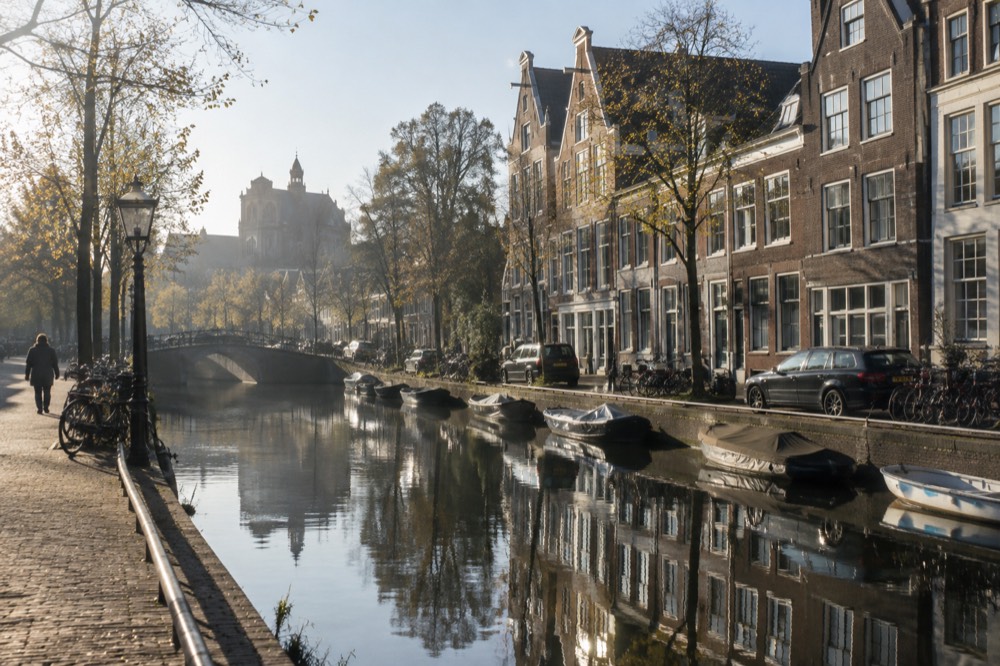
The Haarlemmerbuurt is the small neighbourhood directly north-west of Amsterdam Centraal Station, bounded by the Singel canal to the east, the Prinsengracht to the west, the Haarlemmerstraat and Haarlemmerdijk running through its middle, and the IJ waterfront to the north. It is roughly a ten-minute walk from Dam Square and five minutes from the station's main entrance.
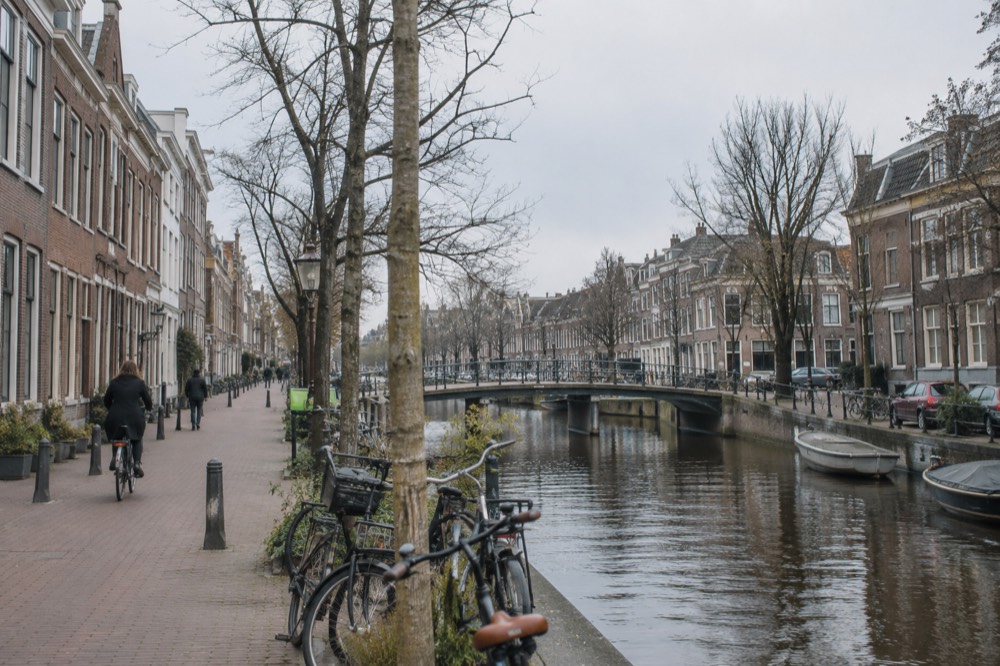
This is one of the oldest built-up areas outside the medieval core. The street itself follows the line of an old dike road that ran from Amsterdam towards Haarlem, which is where the name comes from: Haarlemmerstraat simply means the street to Haarlem. That history still shapes the neighbourhood. The street is wide by Amsterdam standards, straight, and busy with bicycles in a way the crooked lanes of the Jordaan are not.
What distinguishes the area from the rest of the centre is its mix. Where the canal belt is largely residential and the city centre around Dam Square is dominated by visitors, the Haarlemmerbuurt is a genuine working neighbourhood with a heavy local crowd. The shops along Haarlemmerstraat include a cheese shop, bookshops, design stores, a cookware shop and a scattering of small fashion boutiques, and the café terraces fill with residents rather than tour groups for most of the week.
The neighbourhood also sits between two of the city's most useful transport hubs. Centraal Station is on one side, and the Westerkerk and the edge of the Jordaan are on the other, which makes the Haarlemmerbuurt a natural walking route rather than a destination people travel to. That is part of its appeal. Many visitors pass through it twice in a day without ever realising it has a name.
What Makes Haarlemmerstraat Worth Walking?
Haarlemmerstraat and Haarlemmerdijk together form one long, mostly independent shopping street of roughly a kilometre, running from the Singel to the Westerkerk, with almost no international chain stores, a high density of places to eat, and a local crowd that keeps prices and opening hours honest. It is the street Amsterdammers themselves recommend when asked where to shop outside the Nine Streets.
The street divides into two characters. The eastern half, the Haarlemmerstraat proper, is the busier stretch, with restaurants, cafés and a few of the city's better-known food spots. The western half, which becomes the Haarlemmerdijk as it crosses the Brouwersgracht, is quieter, more residential, and better for browsing: second-hand bookshops, a specialist cookware shop, small galleries and record stores. Walking the full length takes about fifteen minutes without stops, and stopping is the point.
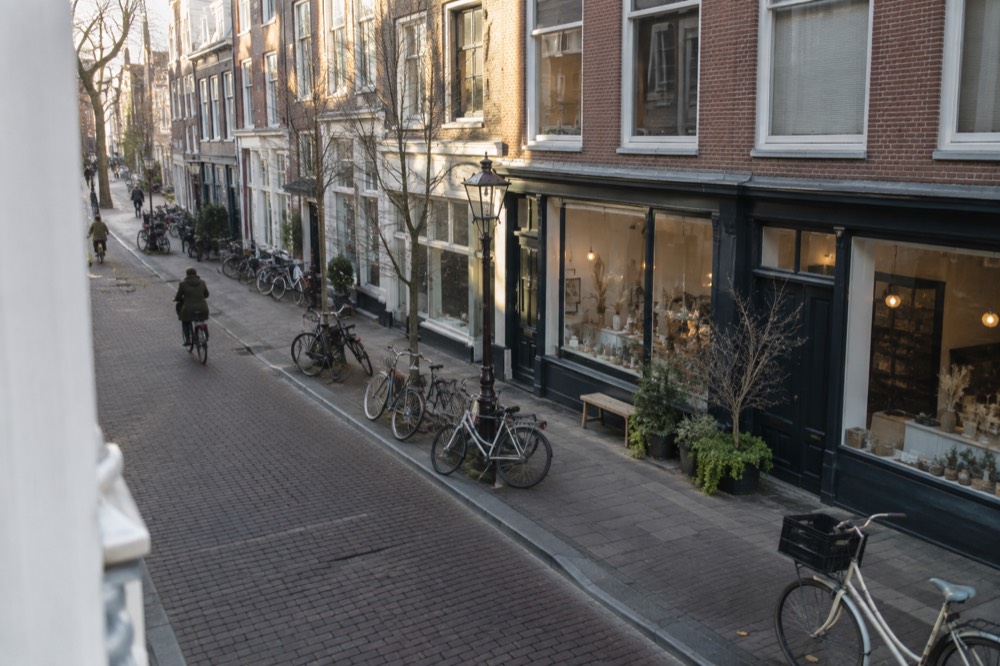
The street's food reputation is the main draw. Within a few hundred metres there are established cafés, a cheese specialist, an ice cream shop with a queue on warm evenings, and a rotating set of small restaurants that covers most of the world's cuisines. The neighbourhood also hosts one of the city's organic food shops and a well-stocked wine merchant, which explains why so many of the people on the street are carrying shopping bags rather than cameras.
For visitors using the street as a base, the practical advantage is the station. The Haarlemmerbuurt is the closest genuinely pleasant neighbourhood to Centraal Station, so it works well for a first stop after arriving, a late breakfast before a museum day, or a final meal before catching a train. A canal cruise also fits naturally here: several departure points sit within a short walk of the street's eastern end.
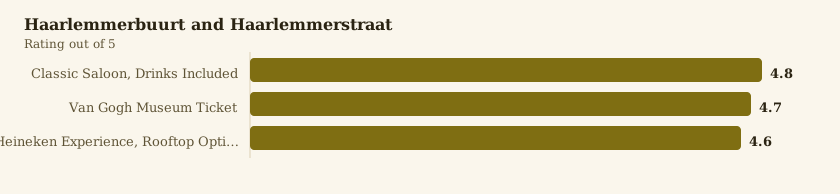
For a classic option, the Classic Saloon Boat Cruise runs one hour through the canal ring on a restored wooden boat, rated 4.8 across 33,435 reviews and priced from $19.56, with an optional Dutch cheese and drinks upgrade. It pairs well with a morning on Haarlemmerstraat followed by an afternoon on the water.
Where to Eat and Drink on and Around Haarlemmerstraat?
The Haarlemmerbuurt offers one of the densest concentrations of independent cafés, brown cafés and small restaurants in the centre, stretching along the full length of the street and spilling into the side streets towards the Prinsengracht. Breakfast cafés open early, most kitchens serve continuously through the afternoon, and the brown cafés around the Westerstraat run late into the evening.
A typical day on the street starts with coffee. The cafés on the eastern stretch open early enough to catch commuters and stay full through mid-morning. Lunch is the street's strongest meal: sandwiches, soups and a strong showing of Middle Eastern and Italian options sit alongside traditional Dutch lunchrooms. Dinner runs the full range, from casual noodle shops to reservation-only restaurants, and the busiest tables turn over twice on weekend evenings.
The drinking culture here leans towards the brown café, the traditional Dutch pub with worn wooden interiors and candles on the tables. Several sit within a few blocks of each other, and they are at their best in the early evening, when the terraces catch the last of the sun. The neighbourhood is also a short walk from the Jordaan, which multiplies the options considerably for anyone willing to cross the Prinsengracht.
For visitors who want a produced experience rather than a self-guided crawl, the Heineken Experience sits across the centre, in the original brewery on the Stadhouderskade. The listing prices tickets from $23, the visit runs about an hour and a half, and the attraction holds a 4.6 rating across 39,581 reviews. It is a fifteen-minute tram ride from the Haarlemmerstraat, which makes it a realistic pairing with an afternoon in the neighbourhood rather than a separate expedition.
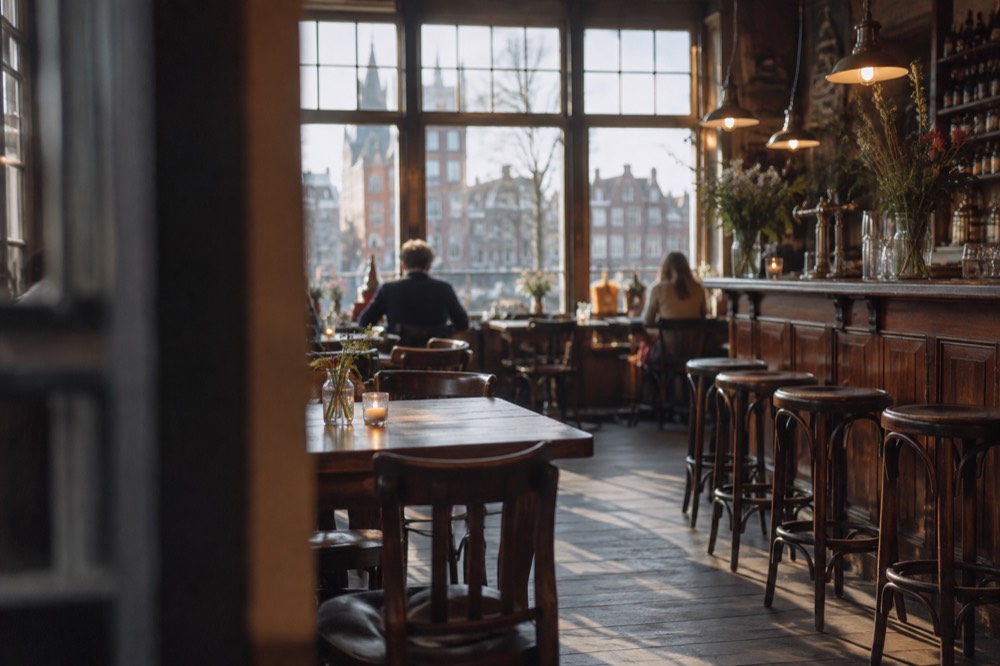
The table below gives a realistic picture of what meals cost in this part of the centre. Prices move with the season and with the exchange rate, so treat the figures as planning ranges and check individual venues.
| Meal or drink | Typical range | Notes |
|---|---|---|
| Coffee and pastry at a café | €5-9 | Table service is standard; sitting on the terrace usually costs the same |
| Lunch for one | €10-18 | Sandwich shops and lunchrooms cluster on the eastern half of the street |
| Dinner main course | €18-30 | Widest range on the street; reservations help on weekends |
| Beer in a brown café | €4-6 | Service is included in the menu price in the Netherlands |
What to See Beyond the Shopping Street?
The Haarlemmerbuurt's sights sit mostly at its edges: the Noorderkerk and Noordermarkt at the western end near the Jordaan, the Westerkerk just beyond it, the canal-side Brouwersgracht crossing at the middle, and the IJ waterfront with the free GVB ferry to Amsterdam Noord at the northern edge. The neighbourhood itself is small enough that all of these fit into a half-day walk.
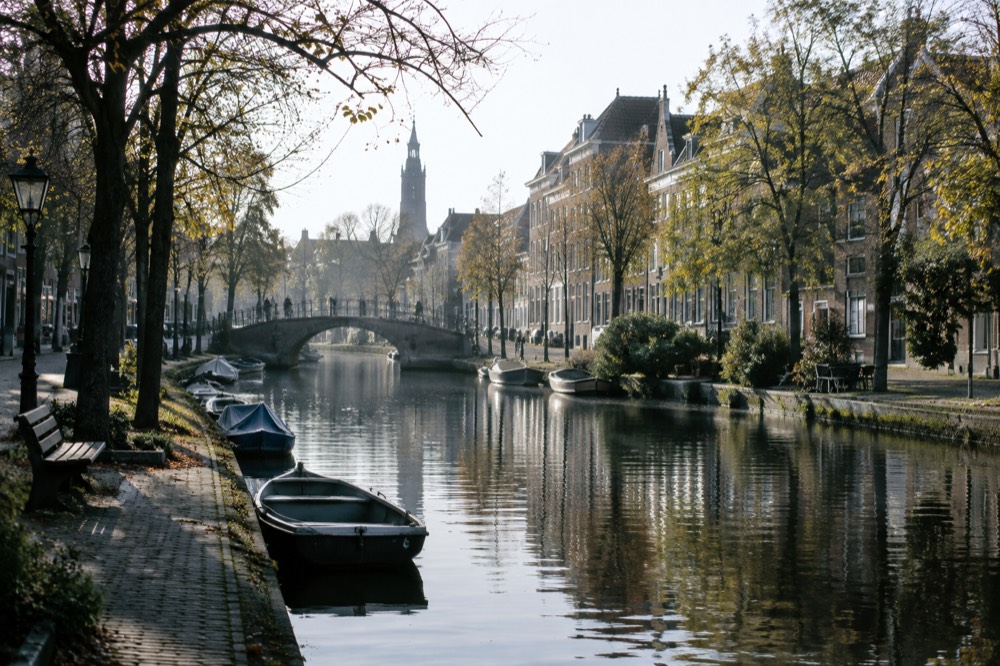
Start at the eastern end and work west. The Haarlemmerpoort side streets near the Singel are quiet and photogenic, with some of the narrower canal houses in the area. Crossing the Brouwersgracht, one of the busiest and most photographed canal intersections in the city, brings the walk into the Haarlemmerdijk stretch. The Noorderkerk, a symmetrical church built in the early seventeenth century, anchors the Noordermarkt, which hosts a Saturday farmers' market and a Monday second-hand and fabric market. The Westerkerk stands a few minutes further south, close to the Anne Frank House, and its tower dominates the skyline of the whole western centre. The full index of guides sits on Things to Do in Amsterdam.
The northern edge is the IJ. Behind Centraal Station, the free GVB ferries cross to Amsterdam Noord every few minutes, carrying bicycles and pedestrians only. A round trip costs nothing and takes under half an hour, which makes it one of the better free activities in the city and a natural extension of a morning in the neighbourhood.
For a bigger museum day, the Museumplein institutions are a short tram ride south. The Van Gogh Museum requires a timed entry ticket for every visitor, holds a 4.7 rating across 57,096 reviews, and lists tickets from $31 on the live listing. The official adult price is €25, and visitors under 18 enter free. Booking a start time in advance is the only reliable way to secure a slot on busy days, and the museum's own plan-your-visit page states the pre-booking rule plainly.
How to Get to the Haarlemmerbuurt?
The Haarlemmerbuurt is the easiest neighbourhood in Amsterdam to reach: it begins roughly 300 metres from Centraal Station's main exit, and walking the full length of Haarlemmerstraat to the Westerkerk takes about twelve minutes. Trams 2 and 12 stop nearby at the Westermarkt, and a GVB single fare costs €3.40, with a 24-hour day pass at €10.00.
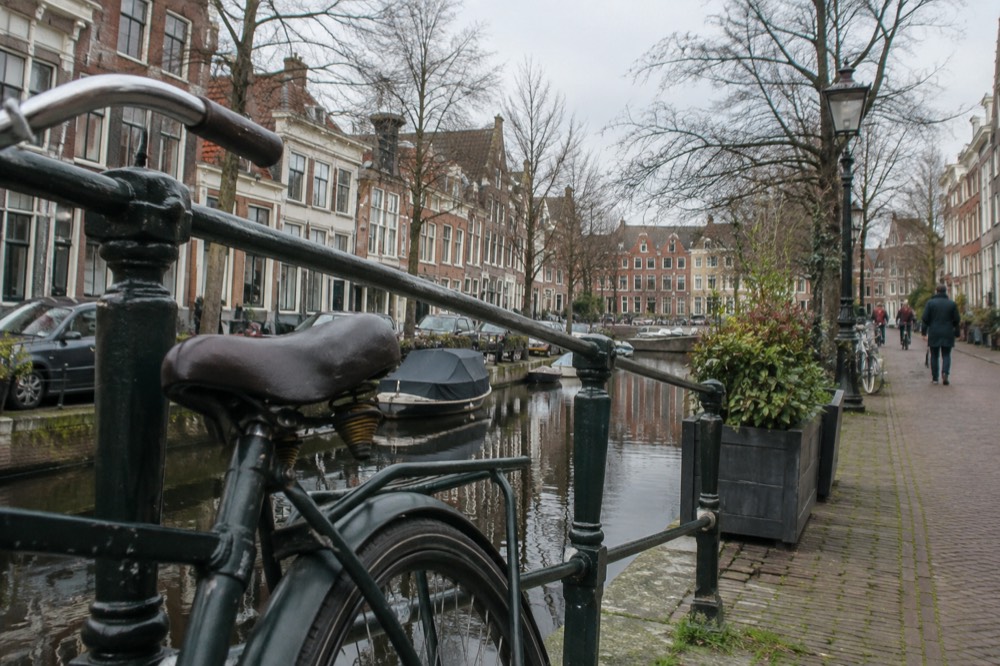
From the station, exit towards the front of the building and walk west along the Haarlemmerstraat. The street is flat, straight and signposted, which makes it one of the few routes in the centre that needs no directions. From Dam Square, walk north along the Damrak and turn left at the Haarlemmerstraat's junction with the Singel, about eight minutes in total.
The fare table below covers the tickets most visitors actually need. Fares come from the GVB price page, and contactless payment with a bank card works on every tram, bus and metro in the city.
| Ticket | Price | Best for |
|---|---|---|
| GVB single (1 hour) | €3.40 | One or two journeys |
| GVB 24-hour day pass | €10.00 | A full day of tram and metro hops |
| GVB 48-hour pass | €16.00 | A weekend stay |
| OVpay contactless | €1.16 base plus €0.217 per km | Tap in and out with a bank card, capped daily |
Arriving from Schiphol, the NS train runs to Centraal in just over seventeen minutes, with e-tickets from €5.50 according to the Dutch rail operator's own airport route page. The neighbourhood is then a five-minute walk. Anyone landing late in the evening will find the Haarlemmerbuurt one of the few parts of the centre where kitchens are still serving.
When Is the Best Time to Visit the Haarlemmerbuurt?
Weekday mornings are the calmest time on Haarlemmerstraat, when shops open around 9:00 or 10:00 and the street belongs to locals. Saturday is the busiest day because of the Noordermarkt farmers' market at the western end, and Sunday afternoon brings the café terraces out in force. Most shops close early on Sundays, and a handful close entirely on Mondays.
The market schedule shapes the week. Saturday's Noordermarkt brings food stalls, cheese sellers and bakers to the Jordaan end of the neighbourhood, and the foot traffic spills down the Haarlemmerdijk all morning. Monday is the quieter second-hand and fabric market, which draws a smaller crowd. Anyone photographing the canals should aim for early morning, when the light comes down the cross-streets from the IJ and the bicycle traffic is at its thinnest.
Season matters less here than in the museum quarter, because the street's appeal is everyday life rather than a ticketed attraction. Winter weekdays are quiet and the brown cafés are at their cosiest. Summer evenings push the terraces onto the pavement until closing time, and the walk from the Haarlemmerdijk down to the Brouwersgracht is at its best in the late afternoon light.
The rental cap matters to visitors indirectly: fewer short-term rentals mean the neighbourhood's residential character is likely to hold, which is exactly what makes the street worth walking in the first place. The city's own holiday rental permit page lists the Haarlemmerbuurt among the designated neighbourhoods.
How Does the Haarlemmerbuurt Compare With Other Central Areas?
Against the Jordaan, the Haarlemmerbuurt is wider, straighter and more practical, with better food shopping and easier station access. Against the Nine Streets, it is less polished and considerably less crowded. Against the streets around Dam Square, it is quieter, cheaper to eat in, and still within a ten-minute walk of everything.
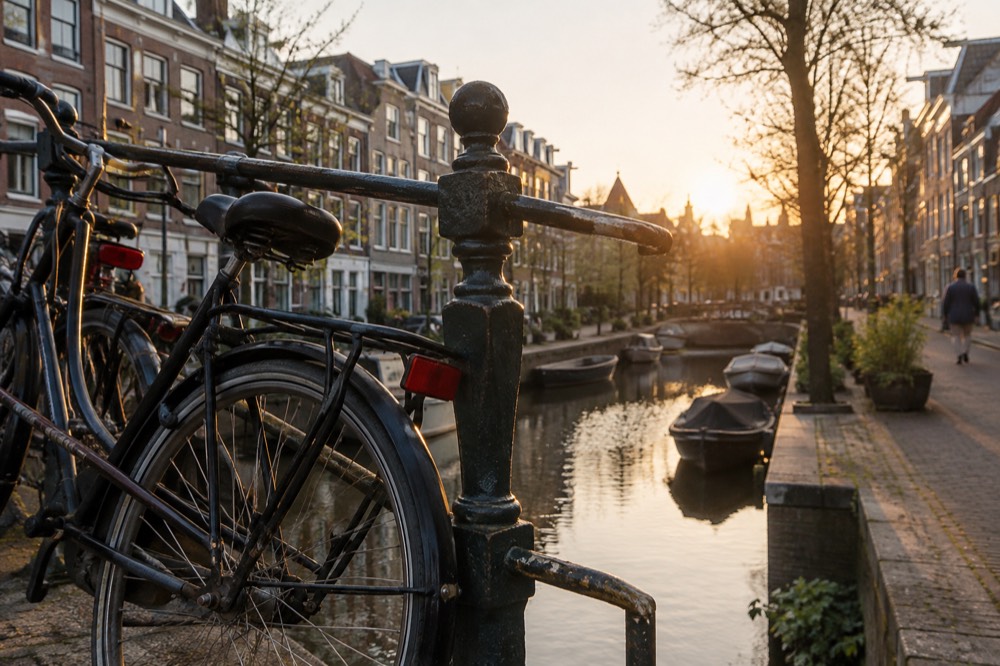
The comparison table below places the neighbourhood against the areas visitors most often choose between. It is a planning aid rather than a verdict: all four areas sit within a twenty-minute walk of each other, and a good first visit samples several.
| Area | Walk from Centraal | Character | Best for |
|---|---|---|---|
| Haarlemmerbuurt | 5 minutes | Independent shops and food, local crowd | Eating, browsing, a base near the station |
| Jordaan | 12 minutes | Narrow lanes, galleries, brown cafés | Wandering, markets, evening drinks |
| Nine Streets | 15 minutes | Boutiques in canal houses | Fashion, design, canal photography |
| Red Light District | 8 minutes | Nightlife and historic lanes | Evening atmosphere, guided history walks |
One practical note on the last of those: guided walks in the Wallen operate under city rules that cap groups at 15 people, confine tours to the hours between 08:00 and 22:00, and forbid routes past the windows, so any booked walk should be checked against those limits before committing. The red light district guide covers the etiquette in detail.
For anyone planning a canal cruise after a day in the neighbourhood, the saloon boat option remains the most fitting: the classic wooden boats pass close to the Brouwersgracht end of the street, and the one-hour loop returns to a dock within walking distance. Check availability on the live listing before setting the itinerary, since departure times vary by season.
Whatever the choice, the pairing of a Haarlemmerstraat morning with an hour on the water covers the two sides of Amsterdam most visitors come for: the everyday street life and the canal ring seen from below. The three options below round out the shortlist for a day built around this neighbourhood.
Common Questions About the Haarlemmerbuurt
How far is the Haarlemmerbuurt from Amsterdam Centraal Station?
The eastern end of Haarlemmerstraat begins roughly 300 metres from the station's main entrance, about a five-minute walk. The full length of the street to the Westerkerk takes about twelve minutes at a normal pace.
Is Haarlemmerstraat good for shopping?
Yes, if independent shops are the goal. The street runs about a kilometre with a high concentration of specialist food shops, bookshops, design stores and boutiques, and almost no international chain stores. Most shops open around 9:00 or 10:00 and close early on Sundays.
What is the difference between Haarlemmerstraat and Haarlemmerdijk?
They are the same street with different names. Haarlemmerstraat runs from the Singel westwards, and the name changes to Haarlemmerdijk after the Brouwersgracht crossing, continuing to the edge of the Jordaan. The dike section is quieter and more residential.
Which market is nearest to the Haarlemmerbuurt?
The Noordermarkt at the western end, by the Noorderkerk. It hosts a farmers' market on Saturdays and a smaller second-hand and fabric market on Mondays. The Lindengracht market, one street further south, runs on Saturdays too.
Can you walk from the Haarlemmerbuurt to the Jordaan?
Easily. The Prinsengracht separates the two, and crossing it puts you in the Jordaan within a couple of minutes of the western end of Haarlemmerdijk. The two neighbourhoods work best as a single walk.
How much does public transport cost to reach the area?
Walking is free and simple from the station. A GVB single costs €3.40, a 24-hour day pass €10.00, and contactless bank card payment charges a base fare of €1.16 plus €0.217 per kilometre, capped daily on the GVB network.