Amsterdam Tattoo Museum: Inside Henk Schiffmacher's Ink Archive
The Amsterdam Tattoo Museum is the public face of Henk Schiffmacher's decades of collecting: machines, flash sheets and photographs that trace tattooing from sailors' souvenirs to fine art. Here is what the museum is, how to plan a visit and what to combine it with.
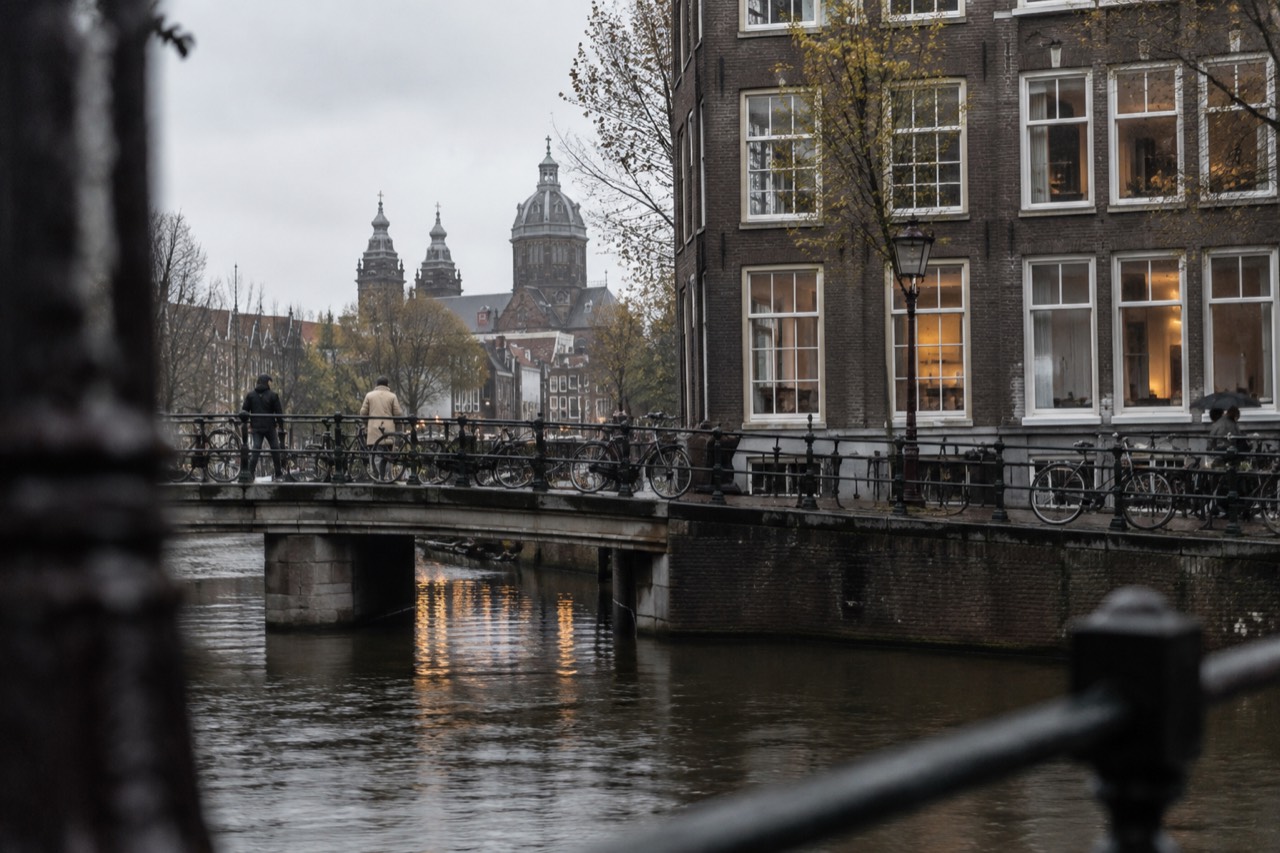
Short answer
The Amsterdam Tattoo Museum presents Henk Schiffmacher's collection of tattoo artefacts, from antique machines to original flash art, in the heart of the city. It is a niche, characterful stop best paired with a canal walk or a bigger museum. Ticket prices and hours change, so check the museum's own site before you go.
The Amsterdam Tattoo Museum is an odd, brilliant fit for this city. Amsterdam spent centuries as a port where sailors picked up ink as souvenirs and carried the craft around the world, and one of the people who put that history on a wall is Henk Schiffmacher, the tattoo artist known across the industry as Hanky Panky. His museum gathers the physical evidence of tattooing, machines, flash, photographs and documents, and presents it as a cultural archive rather than a curiosity cabinet.
This guide explains what the museum holds, who Schiffmacher is, how to plan a visit without relying on stale price lists, and how to fold the stop into a day that takes in canals and bigger-name museums. Where a figure in this article is firm, it comes from a verified source; where it is not, the article says so plainly instead of guessing.
What Is the Amsterdam Tattoo Museum?
The Amsterdam Tattoo Museum is a dedicated museum of tattoo history and culture built around the private collection of Henk Schiffmacher, one of the world's best-known tattoo artists. Rather than a single gallery, it works as an archive of the craft: historic machines, original flash sheets, photographs and documents spanning well over a century of Western and non-Western tattooing.
Amsterdam's connection to tattooing runs through its harbour history. Sailors arrived from Asia and the Pacific with tattoos that Dutch and European audiences had rarely seen, and the city became one of the places where the craft took commercial root. Schiffmacher's collection grew out of that lineage: decades of buying machines from retiring artists, rescuing flash from closing studios, and trading pieces with collectors worldwide.
What makes the museum worth a paragraph in any Amsterdam itinerary is that it treats tattooing seriously. The material on display documents technical change, from hand-poked work to early electric machines, and cultural change, from the sailor's anchor to the fine-art studio. Few cities have a museum of this kind at all, and Amsterdam's version is unusually personal, because it carries one collector's eye through the whole story.
Who Is Henk Schiffmacher?
Henk Schiffmacher, nicknamed Hanky Panky, is an Amsterdam-born tattoo artist who became one of the most recognised figures in international tattooing. He built his reputation in the city's studio scene over decades, tattooed musicians and artists from around the world, and assembled one of the largest private collections of tattoo artefacts in existence, which forms the core of the museum.
Schiffmacher's nickname, Hanky Panky, is the name under which much of the tattoo world knows him, and it appears on his studio branding and in his books. His client list over the decades has included well-known musicians, and his work helped move Dutch tattooing from a back-room trade into a respected design profession. He is also a writer and photographer of tattoo culture, and his published histories of the craft are part of why the collection exists: the objects were gathered to document, not just to own.
The museum, then, is best understood as the public wing of a working artist's life. Visitors are looking at the reference library of a man who spent a lifetime asking where the craft came from. That framing matters for expectations. This is not the Rijksmuseum; it is a focused, idiosyncratic collection that rewards curiosity more than it rewards a checklist.
If a visit to the tattoo museum has you thinking about which of Amsterdam's bigger cultural hitters to pair it with, three bookable options stand out for a single day:
What Will You See Inside the Museum?
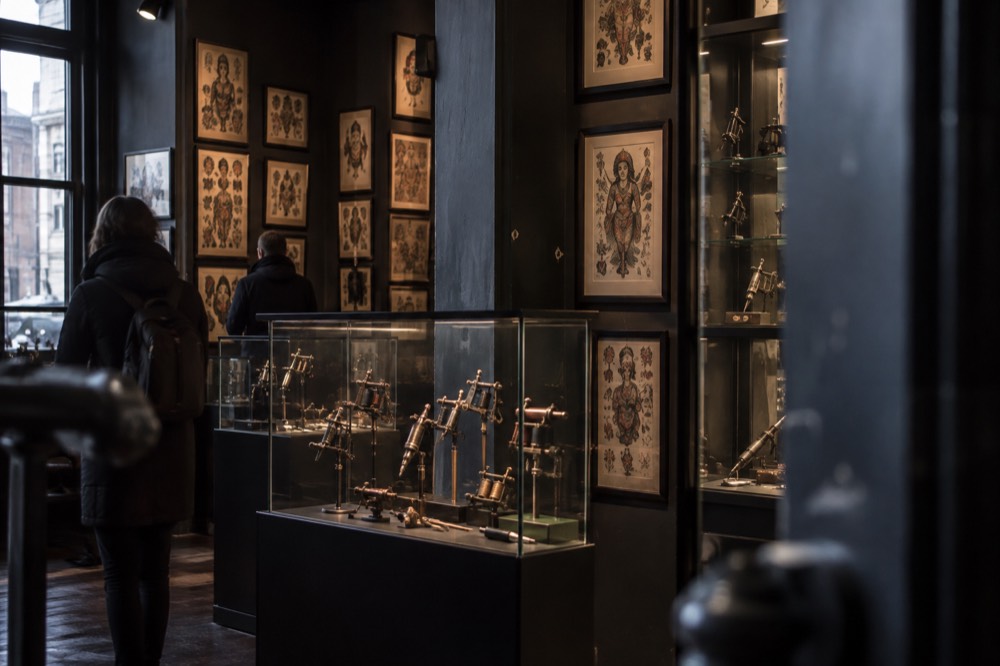
Expect a dense, object-led display rather than interactive screens: antique tattoo machines, original hand-drawn flash sheets, portraits of tattooed people from the nineteenth and twentieth centuries, and artefacts from tattoo traditions outside Europe. The collection's strength is breadth, covering the technical, artistic and social history of tattooing across cultures, and it is presented in a compact space you can absorb in an hour or two.
The machines are the spine of the story. Early electric tattoo machines were adapted from an engraving patent, and the museum's examples show how quickly the tool standardised once it spread through the trade. Flash sheets, the pre-drawn designs clients choose from, show the visual language of the craft: anchors, swallows, hearts and names, drawn for speed and readability on skin. Photographs of heavily tattooed performers and sailors record how tattooed bodies were displayed, and often exploited, in circuses and fairs.
The collection also reaches beyond the Western tradition, with material reflecting tattooing in Japan, Polynesia and elsewhere, traditions that both influenced European artists and were misread by them for decades. Reading the displays with that tension in mind is what lifts the visit above novelty.
One honest caveat: the museum is a small operation, and small museums rotate displays, loan pieces and adjust layouts. If you are travelling specifically to see one particular object, check the museum's own site or social channels before you go.
After an hour or two of ink history, most visitors want a change of register. The Heineken Experience, the brewery-turned-attraction on the edge of the centre, is the classic palate cleanser: the Heineken Experience entry ticket starts at $23 and carries a 4.6 rating across 39,581 reviews on the live listing.
How Do You Plan a Visit: Tickets, Hours and Timing?
Do not rely on cached price lists for this museum: its admission fee and opening schedule are not published on a verified official price page in this site's research, so the only honest instruction is to check the museum's own site before travelling. Plan for one to two hours, note that small museums in Amsterdam often close one day a week, and confirm opening days and any slot booking requirement in advance.
That caution is not filler. Amsterdam has more than a hundred museums, and the small independent ones change hours, prices and even locations far more often than the nationals do. The verified figures this site can stand behind are the big ones: the Rijksmuseum charges adults €25 and is open daily 9am to 5pm, and the Van Gogh Museum charges adults €25 with timed entry required, both confirmed on the museums' own pages. A small tattoo museum sits in a different operational world from those anchors.
For comparison, here is how the verified admission prices of Amsterdam's major museums and attractions stack up. Use it to budget the paid stops around your tattoo museum visit:
| Attraction | Verified Adult Price | Booking Rule |
|---|---|---|
| Rijksmuseum | €25.00 | Timed start slot required |
| Van Gogh Museum | €25.00 | Pre-booked timed ticket required |
| NEMO Science Museum | €21.50 flat, ages 4 and over | Start time on ticket |
| Anne Frank House | €16.50 | Online only, official site only |
| A'DAM Lookout | €16.50 online, €18.50 at counter | Save €2 by booking online |
| Amsterdam Tattoo Museum | Check the museum's own site | Confirm hours before travelling |
Timing matters as much as tickets. Mid-afternoon on a weekday is the quiet window for most small Amsterdam museums; weekends and school holidays fill them fast. And if you are visiting in late autumn through winter, note that the Amsterdam Light Festival runs 26 November 2026 to 17 January 2027, which crowds the centre in the evenings but leaves daytime museum hours comparatively calm.
How Do You Get to the Amsterdam Tattoo Museum?
Amsterdam's centre is compact and walkable, so most visitors reach a small museum like this on foot, by tram or by bike. A single GVB ticket valid for one hour costs €3.40, a 24-hour day pass costs €10.00, and you can also tap a contactless bank card directly with OVpay. Confirm the museum's current address on its own site, since small museums occasionally move, then pick your route by tram or on foot.
The fare structure is worth knowing before you tap anything. GVB's own price page sets the one-hour ticket at €3.40 and the 24-hour day card at €10.00, with a child day card at €5.00. Multi-day cards step up from there, and OVpay contactless charges a base fare plus a small per-kilometre rate, which works out cheapest for one or two short rides.
| Ticket | Price | Best For |
|---|---|---|
| GVB 1-hour single | €3.40 | One tram ride to the museum |
| GVB 24-hour day card | €10.00 | A day of hopping between sights |
| GVB child day card | €5.00 | Children travelling with adults |
| OVpay contactless | Base fare plus per-km rate | Occasional riders without a pass |
The city's official visitor guidance, on amsterdam.nl's How to Amsterdam page, is worth a skim before any first visit: it covers the local ground rules on street behaviour, coffeeshops and the red-light district that keep a trip smooth. Cycling is the other obvious option, and Amsterdam's bike infrastructure makes a museum-hop by bicycle genuinely faster than the tram at rush hour; the site's cycling in Amsterdam and renting a bike guide covers rental practicalities.
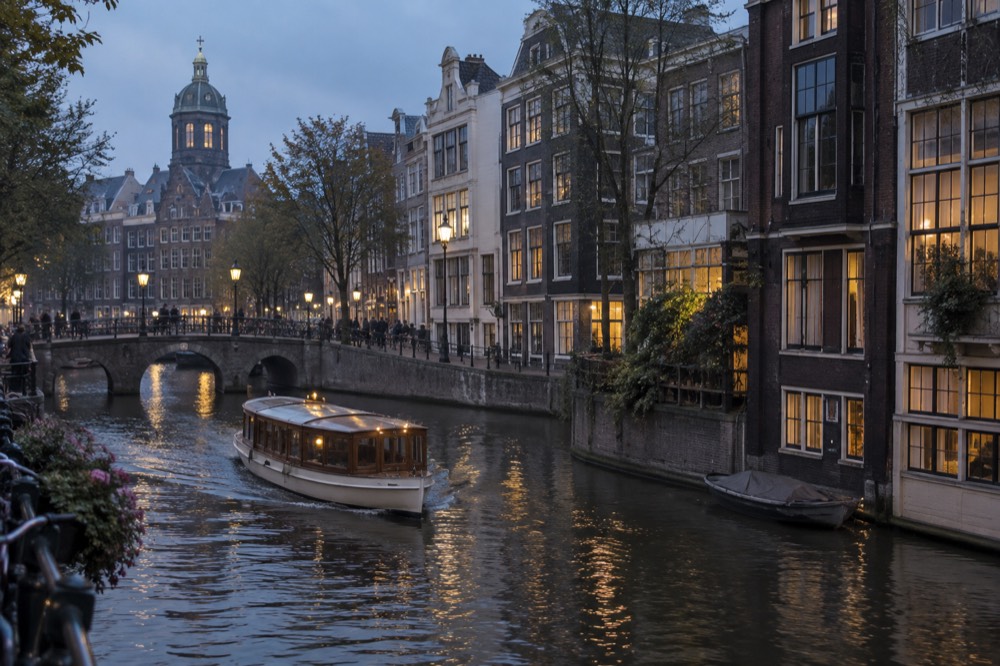
If your day pairs the tattoo museum with a canal cruise, the classic saloon boat option is the most atmospheric: the classic saloon boat cruise with drinks and cheese starts at $19.56 and holds a 4.8 rating across 33,435 reviews on the live listing.
What Can You Combine With the Tattoo Museum?
The museum sits in a city where a five-to-ten-minute walk reaches canal-side Amsterdam in almost any direction, so pair it with quieter sights rather than the mega-museums: the Jordaan's lanes, independent shops, or a brown café for a beer afterwards. If you want one heavyweight museum in the same day, pick the Van Gogh Museum or the Rijksmuseum, book a timed slot in advance, and leave the tattoo museum for the afternoon.
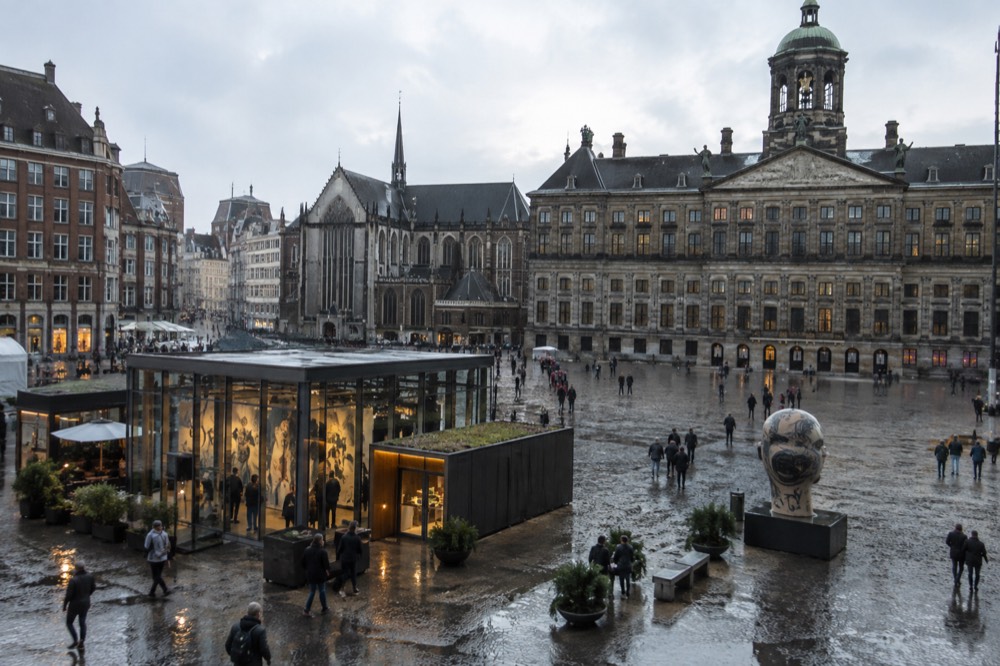
The Jordaan is the natural companion. Its streets mix galleries, studios and cafés, and a museum of tattoo art sits comfortably in that creative context. The Jordaan neighbourhood guide maps the lanes worth wandering, and the boutique stretch between the canals is close by if shopping is on the list.
For the heavyweight pairing, the Van Gogh Museum is the one to lock in first. Every visitor needs a pre-booked timed ticket, slots sell out, and the Van Gogh Museum entry ticket starts at $31 with a 4.7 rating across 57,096 reviews. Check availability before you finalise the day's order.
A rough shape for the day: a timed slot at a major museum in the late morning, lunch in the Jordaan, the tattoo museum in the mid-afternoon when energy for reading display cases is at its best, then a canal cruise or a brown café to close. The one day in Amsterdam itinerary gives a fuller skeleton if you are building the whole day from scratch.
Is the Amsterdam Tattoo Museum Worth Visiting?
For most travellers, yes, as a second-tier stop rather than a headline: it costs an hour or two, offers a genuinely unusual subject you will not find in most cities, and rewards anyone with an interest in design, folk art or social history. Skip it if you only have one day in Amsterdam and have not yet seen the canal ring or the Rijksmuseum; those come first, and this museum is the garnish, not the meal.
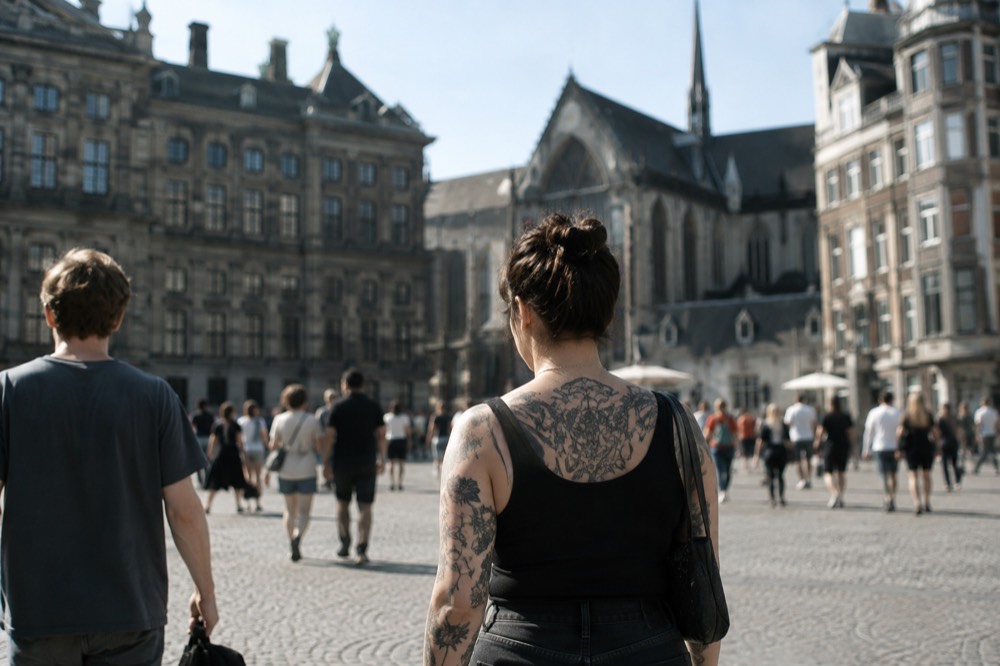
The honest test is interest. If you have a tattoo, are thinking about one, or simply like craft history, the museum delivers concentrated material you would otherwise have to chase across books and private archives. If your relationship with museums runs to blockbusters, an hour of flash sheets and machines may not land, and that is fine too.
It also earns its place as a counterweight to Amsterdam's polished tourist core. This is a city where 23.7 million overnight stays in 2025 pushed the centre toward saturation, and a small, specialist museum is one of the few experiences that still feels like discovery rather than queueing. Plenty of offbeat stops across the city reward the same curiosity.
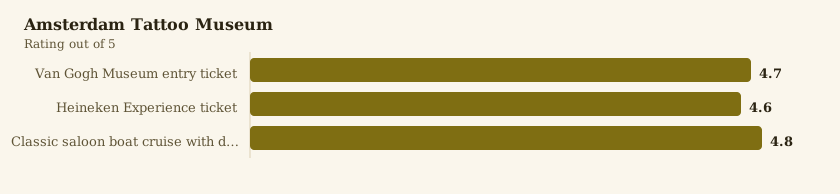
Before you lock the itinerary, here is how the three most bookable pairings for this kind of day compare on the live listings:
| Experience | From (USD) | Rating | Reviews |
|---|---|---|---|
| Van Gogh Museum entry ticket | $31.00 | 4.7 | 57,096 |
| Heineken Experience ticket | $23.00 | 4.6 | 39,581 |
| Classic saloon boat cruise with drinks and cheese | $19.56 | 4.8 | 33,435 |
However you build the day, book the timed-entry stops first and let the small museum flex around them. The Anne Frank House, for the record, sells only through its own official site with no door sales and no reseller, so nothing in any package or pass on this site will ever include it. That kind of booking reality is why the order of operations matters in Amsterdam more than in most cities.
Whichever way the day falls out, the trio below covers the three most reliable bookable pairings for a culture-first itinerary around Things to Do in Amsterdam:
Common Questions About the Amsterdam Tattoo Museum
Is the Amsterdam Tattoo Museum worth visiting?
Yes, if tattooing, design history or folk art interests you at all. It is a compact, specialist museum built around Henk Schiffmacher's collection, and it makes a strong second stop on a day that already includes a canal walk or a major museum. Visitors with only one day in the city should prioritise the canal ring and the national museums first.
How much does the Amsterdam Tattoo Museum cost?
This site does not publish an admission price for the museum because no verified official price page is in its research. Small Amsterdam museums also adjust prices seasonally. Check the museum's own site for the current fee before you travel, and budget using the verified major-museum prices in this article as your reference points.
Who is Henk Schiffmacher?
Henk Schiffmacher, nicknamed Hanky Panky, is an Amsterdam tattoo artist who became one of the best-known figures in international tattooing. He built his reputation in the city's studio scene, tattooed musicians and artists from around the world, published books on tattoo history, and assembled the collection of machines, flash and photographs that the museum displays.
Where is the Amsterdam Tattoo Museum located?
Small independent museums in Amsterdam occasionally relocate, so confirm the current address on the museum's own site or social channels before setting out. The museum sits within the walkable central city, reachable by tram or bike using a GVB one-hour ticket at €3.40 or a 24-hour day card at €10.00.
Can you get a tattoo at the Amsterdam Tattoo Museum?
The museum is a museum of tattooing rather than a working studio, so treat a visit as history and displays, not an appointment. If you want ink in Amsterdam, the city has a deep professional studio scene; research artists and book directly with a studio, since no product on this site is a tattoo appointment.
How long does a visit to the Amsterdam Tattoo Museum take?
Plan for one to two hours, depending on how closely you read display cases. The collection is dense but the footprint is small, which is exactly why it pairs well with a bigger timed-entry museum or a canal cruise on the same day.