Amsterdam Tulip Museum: What to See, Tickets and How to Plan Your Visit
The Amsterdam Tulip Museum sits in a canal house on the Prinsengracht, a short walk from the Anne Frank House, and tells the story of the flower that became a national symbol. This guide covers what is inside, how the ticketing works, and how to fit the museum into a day in the Jordaan.
Short answer
The Amsterdam Tulip Museum is a small museum on the Prinsengracht in the Jordaan, dedicated to the history of the tulip in the Netherlands, from its Ottoman origins to the seventeenth-century mania and the modern bulb industry. A visit takes about 30 to 45 minutes, and it combines naturally with the Anne Frank House and a canal-side walk through the neighbourhood.
The tulip is the flower everyone associates with the Netherlands, yet almost nobody knows how it got here. The Amsterdam Tulip Museum, tucked into a narrow canal house on the Prinsengracht, answers that question in a compact set of exhibits that traces the bulb from the Ottoman Empire, through the speculative frenzy of the Dutch Golden Age, and into the modern Dutch flower industry that still ships bulbs worldwide. It is a small museum, and it is honest about being one: this is a 30 to 45 minute visit, not a half-day institution like the Rijksmuseum or the Van Gogh Museum.
That smallness is exactly why it works so well in an itinerary. The museum sits in the Jordaan, one of the most walkable neighbourhoods in the city, a few minutes on foot from the Anne Frank House and the Westerkerk. Most visitors slot it in between bigger commitments, and that is the right instinct. This guide covers what is actually inside, how ticketing works, how to get there, and what pairs well with it.
What Is the Amsterdam Tulip Museum?
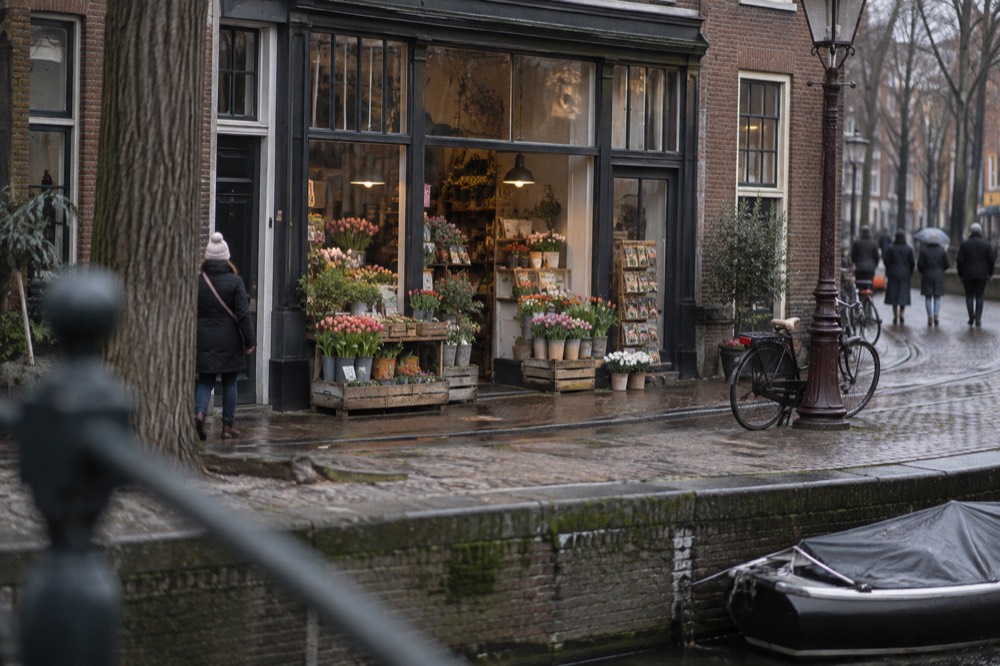
The Amsterdam Tulip Museum is a privately run museum on the Prinsengracht dedicated to the history of the tulip in the Netherlands, covering its journey from Central Asia and the Ottoman court to the Dutch Golden Age bulb mania and today's export industry. It occupies the ground floor and basement of a canal house, and a typical visit runs 30 to 45 minutes across a handful of themed rooms.
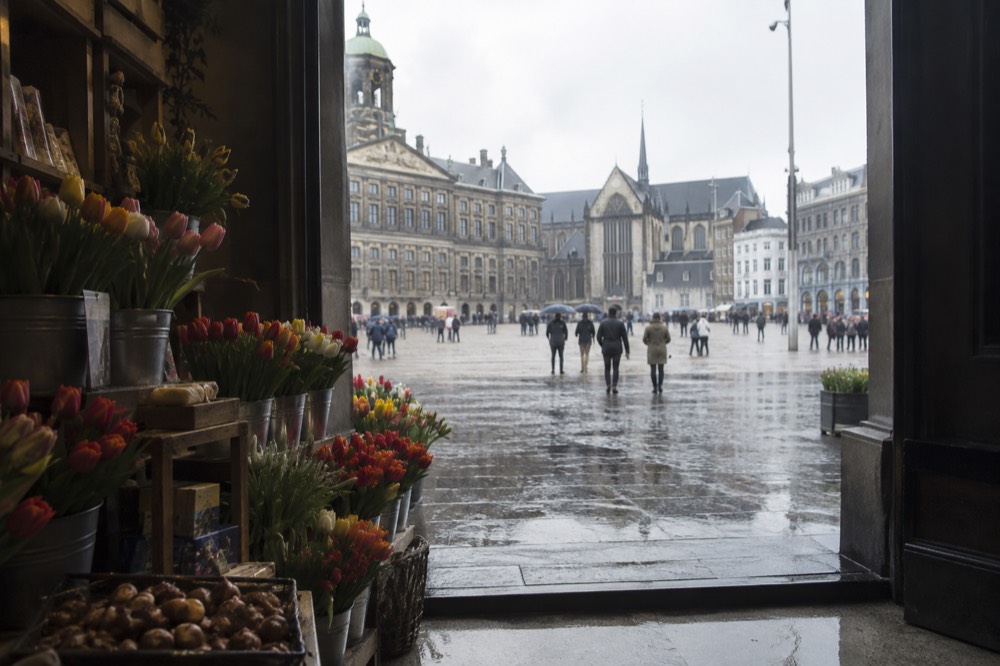
The museum's strength is that it tells one story properly rather than many stories thinly. Exhibits walk you through the tulip's origins in the steppes of Central Asia, its arrival in the Ottoman Empire where it was already a prized garden flower, and its introduction to the Low Countries in the sixteenth century. From there the narrative reaches its famous peak: the tulpenmanie of the Dutch Golden Age, when single bulbs of rare varieties traded for sums that rivalled the price of a canal house. The museum presents this with period prints, replica objects and wall text rather than interactive screens, which suits the scale of the building.
The final rooms bring the story to the present. The modern Netherlands is the world's dominant exporter of flower bulbs, and the museum explains how the bulb-growing regions around Lisse and the wider Bollenstreek turned a fashionable flower into an industrial crop. There is also attention to the tulip in Dutch art and design, which connects neatly with what you will see in the city's painting collections.
A shop at the entrance sells bulbs, tulip-themed gifts and books. Note the practical point that matters for travellers: bulbs sold as souvenirs are subject to import rules in your home country, and the question of bringing tulip bulbs back to the US has its own requirements, so check before you buy rather than at the airport.
Where Is the Tulip Museum and How Do You Get There?
The Amsterdam Tulip Museum is at Prinsengracht 116, on the western side of the canal in the Jordaan district, roughly a five minute walk from the Westerkerk and the Anne Frank House. The nearest tram stops are Westermarkt, served by tram 13 and 17, and it is about 15 minutes on foot from Amsterdam Centraal Station.
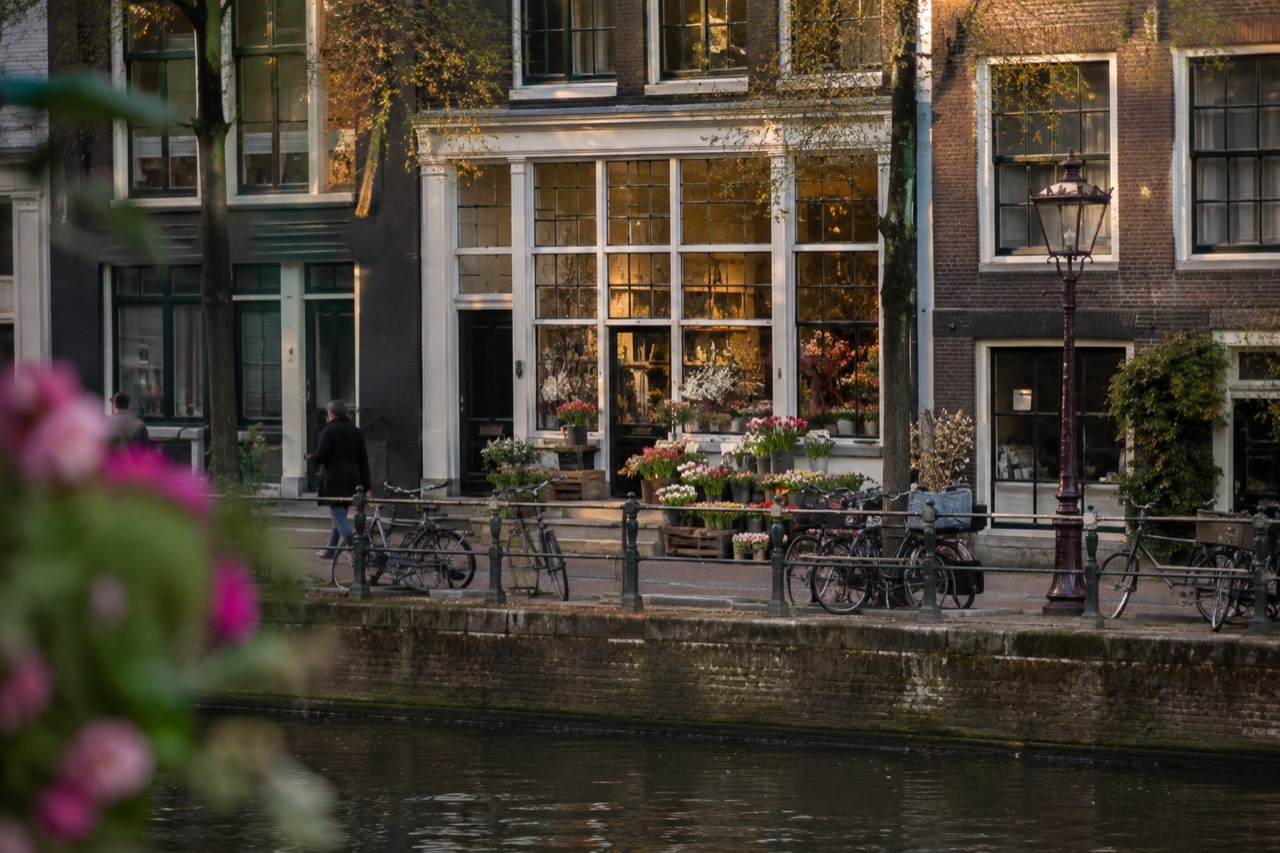
The location is the museum's quiet advantage. The Prinsengracht is the outermost of the three main canals of the UNESCO-listed Grachtengordel, and the stretch outside the museum is one of the prettiest in the city, with houseboats moored along the quay and the Westerkerk tower rising a few doors north. Walking here from Centraal Station takes you through the heart of the centre and past the Dam, so the journey itself is sightseeing.
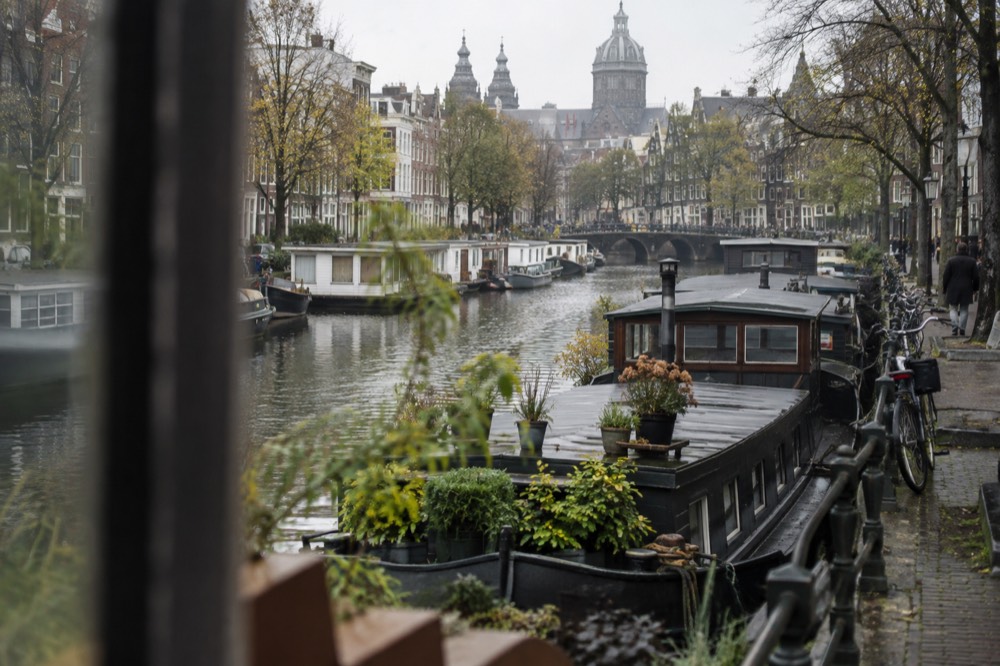
By public transport, tram 13 and tram 17 both stop at Westermarkt, which is the closest stop, a two minute walk from the door. If you are using a day ticket, the GVB 24-hour pass costs €10.00, and a single one-hour ticket is €3.40, per the transport operator's own fare page. Contactless payment with a bank card works on all GVB trams and buses, with a base fare of €1.16 plus €0.217 per kilometre, so a short hop from the centre costs very little.
For orientation, the museum sits at the centre of a cluster of small sights that are all within a ten minute walk: the Anne Frank House to the north, the Westerkerk beside it, the Nine Streets shopping quarter to the south, and the Egelantiersgracht stretch of the Jordaan to the west. There is no reason to make a dedicated trip for the museum alone; fold it into a Jordaan circuit.
If you are planning a wider trip and the tulip story is what draws you, the museum is also the natural indoor companion to a spring visit to the fields. The Keukenhof gardens near Lisse open only from 19 March to 10 May, never year round, so check the season before building an itinerary around them.
| Starting point | Route | Rough time |
|---|---|---|
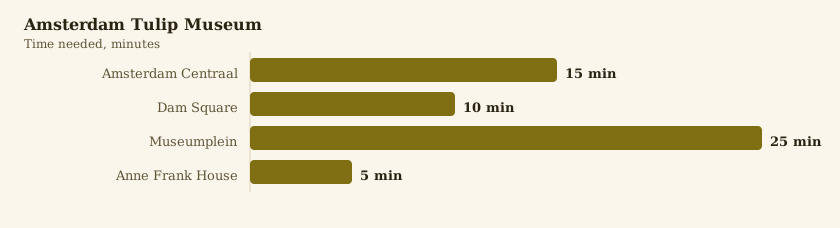
| Amsterdam Centraal | Tram 13 or 17 to Westermarkt, then walk | 15 minutes total |
| Dam Square | Tram 13 or 17 from Dam to Westermarkt | 10 minutes total |
| Museumplein | Tram 2 or 12 to Dam, change to 13 or 17 | 25 minutes total |
| Anne Frank House | Walk south along the Prinsengracht | 5 minutes |
Because the museum is small and centrally located, most visitors pair it with a bigger ticket for the same day. If that is your plan, it is worth checking what timed-entry options remain for the major museums before you lock in a route.
How Much Do Tickets Cost and Do You Need to Book Ahead?
The Amsterdam Tulip Museum sells tickets at the door and online, and because it is a small attraction with modest visitor flow, it rarely sells out, so booking ahead is a convenience rather than a necessity. Current ticket prices are listed on the museum's own site, so check there for the exact figure before you go. The visit is short enough that a combined Jordaan plan works better than a dedicated booking window.

Unlike the city's heavyweight museums, this one does not run a hard timed-entry system. The Rijksmuseum requires a booked start time for every visitor, and the Van Gogh Museum requires all visitors to pre-book a timed ticket, but the Tulip Museum operates on a walk-in basis for the most part. That makes it a useful flexible stop: if the weather turns or a queue elsewhere runs long, you can drop in without a reservation.
The pricing structure follows the pattern of small Amsterdam museums, with an adult rate, reduced rates for children and students, and free entry for the youngest visitors. The exact current figures are on the museum's own ticket page, and small museums adjust prices more often than the big institutions, so a printed number here would go stale faster than the museum's own site. What is stable is the value proposition: a modest outlay for a focused, well-assembled 30 to 45 minute exhibit.
One planning note worth knowing: the Tulip Museum is not part of the major pass networks in the way the big museums are. The I amsterdam City Card includes entry to more than 70 museums and attractions, and the Rijksmuseum's own page confirms the card gets you in free there, but coverage of small private museums varies and changes, so if you are carrying a pass, verify the Tulip Museum's current status on the card's official inclusion list rather than assuming.
What Will You Actually See Inside?
Inside, the Amsterdam Tulip Museum presents a sequence of small rooms covering the tulip's botany and origins, its arrival in the Ottoman Empire, the Dutch Golden Age mania and its collapse, the flower's role in art and Delftware design, and the modern bulb industry, supported by period prints, ceramics, replica bulbs and wall displays. The whole route fits inside the ground floor and basement of one canal house.

The layout is compact and chronological. You start with the flower itself: where tulips grow wild, how bulbs differ from seeds, and why the flower proved so easy to trade as a physical object, since a bulb can be carried, stored and replanted. This botany matters more than it sounds, because the entire economic story of the mania depended on bulbs being a portable, bankable commodity. The wider set of guides lives on Things to Do in Amsterdam.
The Ottoman section covers the tulip's first cultivation as a luxury garden flower, including the era of Ottoman court gardens where the flower carried enormous prestige. From there the story crosses into the Low Countries, and the museum reaches its centrepiece: the tulpenmanie. The exhibits here include period engravings and reproductions of the price lists and promissory notes that fuelled the speculation, along with explanations of the rare "broken" colouring, caused by a virus, that made certain bulbs so extravagantly priced.
The final rooms cover the tulip in decorative art, with Delftware and prints showing how the flower saturated Dutch design, and the modern industry, where the Netherlands dominates the global bulb export market. If you have come from the Rijksmuseum's Golden Age galleries, the connection is satisfying: the same merchant culture that produced Rembrandt also produced the bulb mania.
| Room theme | What it covers | Typical time |
|---|---|---|
| Origins and botany | Wild tulips, bulb structure, how bulbs spread | 5 to 10 minutes |
| The Ottoman era | Court gardens and early cultivation | 5 minutes |
| The Dutch mania | Golden Age speculation, price lists, the crash | 10 minutes |
| Art and design | Tulips in Delftware, prints and painting | 5 minutes |
| Modern industry | Bulb growing regions and global export | 5 to 10 minutes |
What Pairs Well With the Tulip Museum?
The best pairings are the Anne Frank House and the Westerkerk, both within five minutes' walk, followed by a wander through the Jordaan and the Nine Streets; for a museum-heavy day, the Tulip Museum slots neatly between timed entries at the Van Gogh Museum or the Rijksmuseum, and a canal cruise along the Prinsengracht makes a natural finish.
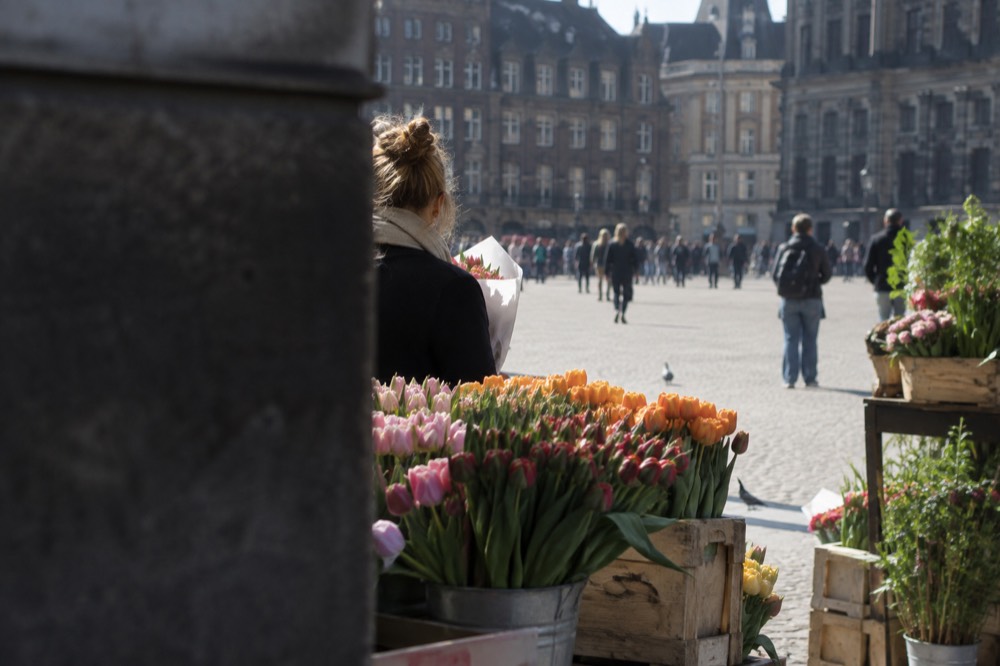
The obvious pairing is the Anne Frank House, which is genuinely a few doors north on the same canal. That museum has the strictest ticketing regime in the city: tickets are sold only through the museum's own official website for a specific date and time slot, there are no door sales, and no reseller or pass can sell you entry. Adult tickets cost €16.50 including the €1 booking fee, with ages 10 to 17 at €7.00. If you have secured a slot there, the Tulip Museum is the ideal place to spend the hour before, since it absorbs waiting time without eating your day.
The Westerkerk next door is the other natural stop, and its tower is the landmark you navigate by throughout the Jordaan. South of the museum, the canal bends through the Nine Streets, a quarter of small shops and cafés that sits between the Prinsengracht and the Singel, covered in our guide to the Nine Streets. West of the museum, the Egelantiersgracht and the side streets of the Jordaan are the neighbourhood's most photogenic stretch.
For a full museum day, the pairing that works best is with the Museumplein institutions. The Van Gogh Museum is a short tram ride away, and its ticket, sold from $31 on the live listing with a 4.7 rating across 57,096 reviews, carries a timed entry that you book in advance. The Rijksmuseum is two stops further on the same tram lines, and its €25 adult price and free entry for ages 18 and under are published on its own site.
If painting is your priority for the day, the Van Gogh Museum ticket is the one to sort out first, because its timed slots are the scarcest of the pairings listed here. The museum requires every visitor to pre-book, and the under-18s go free, so a family of four only pays for the adults. Booking the morning slot and saving the Tulip Museum and the Jordaan for the afternoon is the pattern most visitors settle on.
A canal cruise is the other classic companion, and the Prinsengracht is one of the best canals to see from the water. A one-hour cruise on a classic saloon boat runs from $19.56 on the live listing, with a 4.8 rating across 33,435 reviews, and boats depart from docks throughout the centre. If you would rather stay on the tulip theme, the museum pairs with a spring trip to the tulip fields around Lisse and the Bloemenmarkt floating flower market in the centre, which is where the flower trade has happened in public for centuries.
When Is the Best Time to Visit?
The best time to visit the Amsterdam Tulip Museum is spring, from mid-March through mid-May, when the tulip season is live and the museum's story connects directly to the blooming fields outside the city; but as a small indoor attraction it is open and worthwhile year round, and weekday mornings are the quietest regardless of season.

In spring, the museum gains a second dimension. The story it tells about the bulb industry is happening in real time an hour south of the city, where the Bollenstreek fields hit their peak bloom roughly mid-April to early May, weather dependent. Visitors who have come for the flowers arrive at the museum with context the exhibits then deepen. The Keukenhof gardens anchor that season, opening only 19 March to 10 May, with the 2027 season confirmed as 18 March to 9 May, daily 08:00 to 19:00.
Outside spring, the museum is a solid rainy-day stop, and Amsterdam has plenty of rain in every season. It is also a good cold-weather stop for the same reason: it is small, indoor, warm and central. Our rainy day in Amsterdam itinerary treats it exactly that way.
Crowd-wise, the museum's peak pressure comes from the Anne Frank House next door, whose timed slots push waiting visitors into the surrounding cafés and shops. Late afternoon on a weekday is noticeably calmer than late morning in summer. Check the museum's own site for current opening hours before you go, as small museums adjust seasonal hours more often than the large institutions do.
| Season | Experience at the museum | Best combined with |
|---|---|---|
| Spring, mid-March to mid-May | Tulip season live; the story connects to the fields | Keukenhof and the Bollenstreek fields |
| Summer | Busiest quarter; weekday afternoons calmer | Jordaan walk and a canal cruise |
| Autumn | Quiet; bulb planting season in the fields | Museumplein museums |
| Winter | Calm and indoor; good rainy-day stop | Anne Frank House and the Nine Streets |
Is the Tulip Museum Worth It?
The Amsterdam Tulip Museum is worth it for visitors who want the story behind the flower, especially in spring or as part of a Jordaan circuit, and it is a modest, well-priced 30 to 45 minute stop; it is not worth it as a dedicated destination on its own, and visitors expecting a large museum will find it small. The honest framing is that it is a specialist attraction that rewards curiosity.

The case for it is straightforward. The tulip is the single most recognisable symbol of the Netherlands, and this is the only museum in the city that tells its whole story in one place. The bulb mania of the Golden Age is one of the great early speculative bubbles in economic history, and the museum explains it clearly enough that you leave understanding both the flower and the finance. If you have already walked past the Bloemenmarkt or seen the flower stalls on the Dam, the museum is the answer to the questions those stalls raise.
The case against it is equally honest. It is small, it is not interactive in the way family attractions like NEMO Science Museum are, and younger children may move through it quickly. If your time in Amsterdam is limited to a single day, the big museums, the canal cruise and the Anne Frank House come first, and the Tulip Museum is a bonus rather than a priority. Our one day in Amsterdam itinerary makes exactly that trade-off.
The verdict most visitors land on is that it earns its place as a supporting stop. Pair it with the Anne Frank House, give it 45 minutes, buy a bulb in the shop if the season allows, and it rounds out a Jordaan morning well. If you are visiting during tulip season, it moves up the list, because it is the indoor half of a story the fields tell outdoors.
For visitors who want a drink-and-history stop after the museums close, the Heineken Experience is the most-booked option in the city centre, and it sits on the tram line back toward the centre from Museumplein. Its ticket is sold from $23 on the live listing, with a 4.6 rating across 39,581 reviews, and the visit runs about an hour and a half.
And for the classic Amsterdam finish, the saloon boat cruise remains the best-value hour on the water, departing from docks a short walk from the museum quarter and gliding through the same Grachtengordel the Tulip Museum sits on.
Whichever combination you choose, the pattern holds: book the timed-entry sights first, leave the Tulip Museum flexible, and let the Jordaan fill the gaps. The three most popular pairings for a Tulip Museum day are below.
Common Questions About the Amsterdam Tulip Museum
What is the Amsterdam Tulip Museum?
It is a small museum on the Prinsengracht in the Jordaan dedicated to the history of the tulip, from its origins in Central Asia and the Ottoman Empire through the Golden Age Dutch bulb mania to the modern bulb export industry. A typical visit takes 30 to 45 minutes.
How long does a visit to the Amsterdam Tulip Museum take?
Most visitors spend 30 to 45 minutes across the museum's handful of themed rooms. It is a compact, single-story-plus-basement space, so it works best as one stop in a Jordaan circuit rather than a dedicated half-day outing.
Where is the Amsterdam Tulip Museum located?
At Prinsengracht 116, on the western side of the canal in the Jordaan district. It is roughly a five minute walk from the Anne Frank House and the Westerkerk, and about 15 minutes on foot from Amsterdam Centraal Station.
Do I need to book Amsterdam Tulip Museum tickets in advance?
Generally no. Unlike the Van Gogh Museum or the Rijksmuseum, which require pre-booked timed entry, the Tulip Museum operates mainly on a walk-in basis and rarely sells out. Current ticket prices are listed on the museum's own site.
Is the Amsterdam Tulip Museum worth visiting?
Yes, if you are curious about the story behind the flower or visiting during tulip season, and especially as part of a walk through the Jordaan. It is small and best treated as a supporting stop alongside bigger sights rather than a destination on its own.
Can you buy tulip bulbs at the museum?
Yes, the museum shop sells bulbs and tulip-themed gifts. If you plan to take bulbs home, check your home country's import rules first; the US has its own certification requirements for Dutch bulbs.