Brussels Day Trip From Amsterdam: Trains, Plans and Whether It Works
Brussels is closer to Amsterdam than many travellers assume, and the train makes a one-day visit genuinely possible. This guide sets out how the journey works, what a realistic day looks like, what the trip costs, and when a different destination serves you better.
Short answer
A Brussels day trip from Amsterdam is realistic: high-speed trains link the two capitals directly, and the historic centre is compact enough to cover on foot in a day. Budget the train as the biggest single cost, book timed museum tickets for your Amsterdam days separately, and consider Bruges or a guided tour if you want less planning.
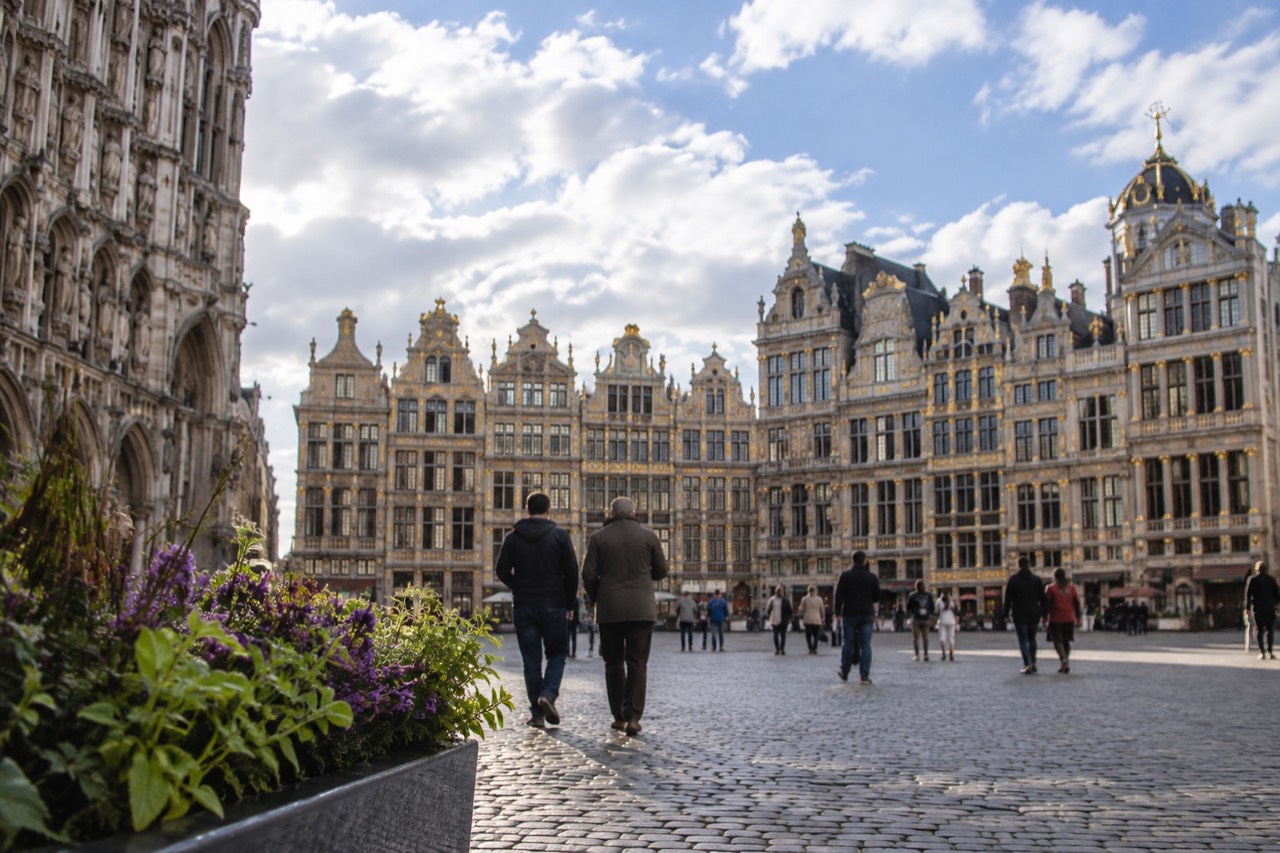
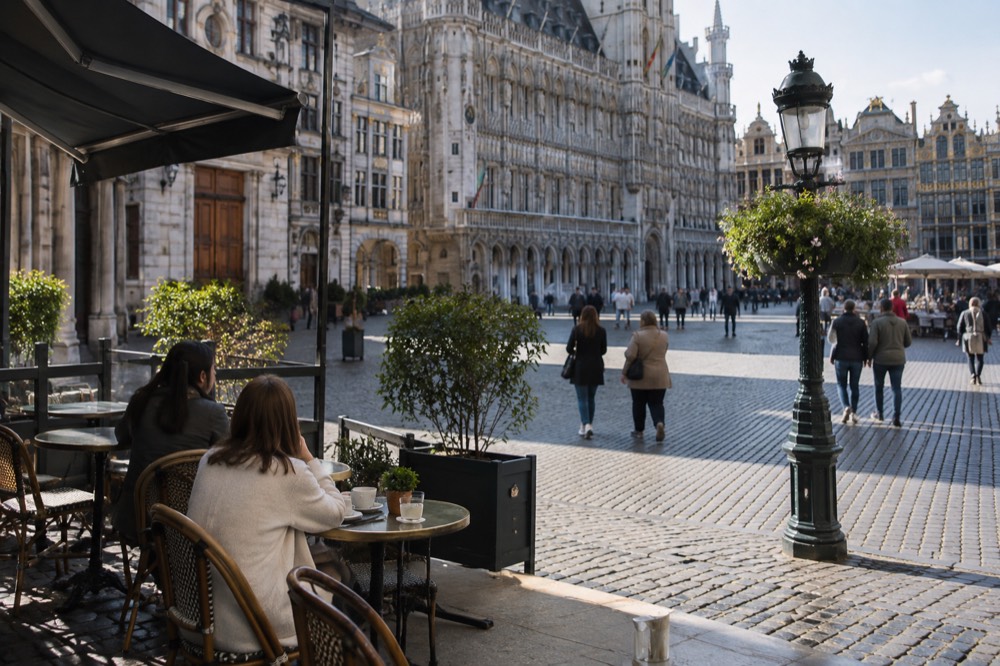
The Grand Place in Brussels is one of the most photographed squares in Europe, and the train that gets you there leaves from the middle of Amsterdam. That combination, a short rail hop followed by a walkable historic centre, is why the Brussels day trip from Amsterdam keeps appearing on traveller shortlists. It works best for people who like a clear plan: one train out, one train back, and a day of eating, wandering and Gothic architecture in between.
This guide covers the journey itself, a realistic one-day plan, the costs on both ends, and the honest cases against going. It also compares Brussels with Bruges, the other Belgian city most Amsterdam visitors weigh up, and explains when a guided day trip beats an independent train ride.
Can You Do a Brussels Day Trip From Amsterdam?
Yes, a Brussels day trip from Amsterdam is entirely doable, and the train is the reason: direct high-speed services connect the two capitals without a change, and Brussels' historic core is small enough that the walkable sights, the Grand Place, the Manneken Pis and the royal quarter, sit within fifteen minutes of each other on foot. The trip suits confident, energetic travellers more than slow-paced ones, because the day is long and the return train does not wait.
The honest framing matters before anything else. This is a day built around a rail timetable rather than a lazy one. Travellers who want to sleep in, linger over lunch and drift should pick a destination closer to Amsterdam, or stay overnight in Brussels and turn the trip into two days. People who enjoy the structure of an early start and a full itinerary will get a lot out of it.
Brussels rewards a particular kind of visit: food-first, architecture-second, museums-third. The city's signature experiences are its beer bars, its chocolate shops and its friet stands, all packed into a centre you can cross on foot in half an hour. The famous sights are concentrated, which is exactly what makes a day trip feasible.
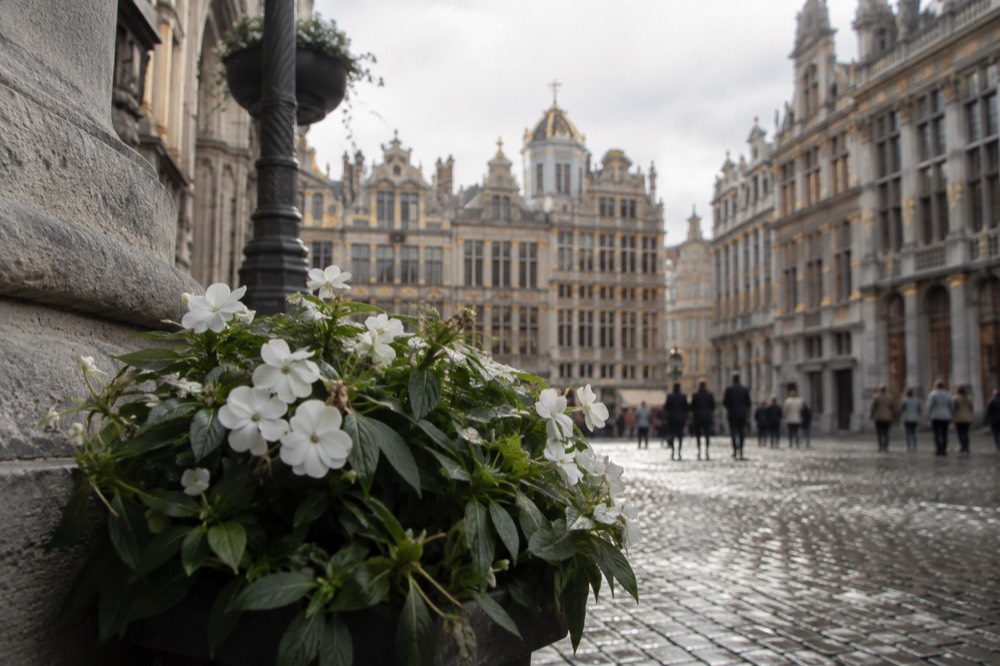
Weather plays a bigger role here than in Amsterdam, because Brussels' main attractions are outdoor ones. The Grand Place is an open square, and the best of the city is its streets. A wet Tuesday makes the same itinerary feel half as good. Check the forecast the night before and adjust the plan rather than abandoning it.
Finally, be realistic about what you will not see. Brussels has serious museums, a celebrated comic-strip route and whole neighbourhoods worth a full weekend. A day trip gives you the historic heart and the food culture, and that is a fair trade if you go in knowing it.
How Do You Get From Amsterdam to Brussels?
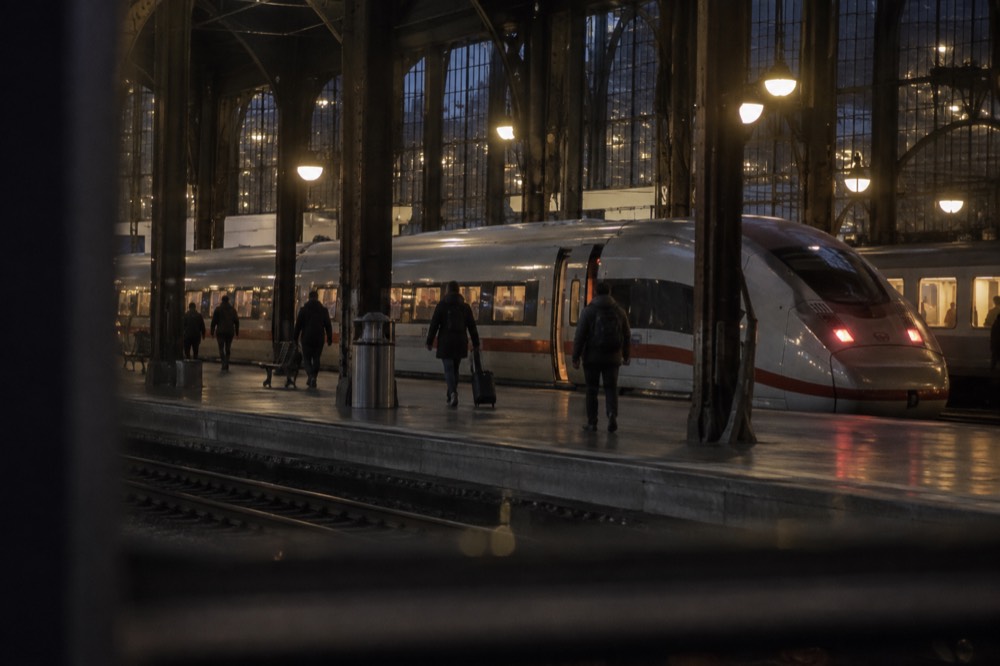
Direct high-speed trains run between Amsterdam Centraal and Brussels, and the journey is short enough that the train is the only sensible option for a day trip: no airport, no bus transfer, and the arrival station sits within walking distance of the Grand Place. Book the train in advance for the best fares, pick a departure before 09:00 to protect your day, and buy the return leg at the same time so the evening timetable is locked.
The practical advice is simple and worth following closely. Buy tickets on the rail operator's own website or app rather than at the counter, because advance fares on high-speed routes are meaningfully cheaper than walk-up prices, and seats on popular departures sell out. A day trip needs a fixed return, so treat the booking as a commitment, and check the operator's cancellation terms before you pay.
Depart from Amsterdam Centraal, which is easy to reach from anywhere in the city: trams, metro lines and buses converge there, and a GVB day ticket at €10.00 covers unlimited rides for 24 hours if you are staying outside walking distance. Current GVB fares are published on the operator's official price page, which is the only source worth trusting for transport tickets.
Arrive in Brussels at the central station and the historic core begins immediately. That is a genuine advantage over flying, which lands you well outside the city with an extra transfer to budget for. The train-to-footwear rhythm of this trip is its best feature: two hours of sitting, then a whole afternoon of walking.
Before you leave Amsterdam, sort the Amsterdam half of your trip too. The city's two most popular museums both require pre-booked timed entry: the Rijksmuseum states on its official practical-info page that a start time must be booked even by pass holders, and adult admission is €25. The Van Gogh Museum requires the same pre-booking for every visitor. Neither is something to sort out on the morning you return from Belgium.
What Should You Actually Do With a Day in Brussels?
Structure the day around three anchors: the Grand Place and its surrounding guildhalls first, a food-focused walk through the centre second, and one viewpoint or museum in the late afternoon before the train home. Brussels' core is compact, so a single well-chosen loop covers the famous square, the Manneken Pis, the Royal Gallery and the Mont des Arts without rushing, leaving time for chocolate, beer and frites along the way.
Start at the Grand Place, the ornate square at the heart of the city and the reason most people make this trip. Go early: the square fills with tour groups by late morning, and an 09:30 arrival gives you the guildhalls and the town hall nearly to yourself. Photographs in the first hour look nothing like photographs at midday.
From the square, the classic loop is short. The Manneken Pis is a few minutes' walk and takes five minutes to see, which is about right. The covered Royal Gallery of Saint Hubert, one of Europe's oldest shopping arcades, sits just beyond it, and its glass-roofed passages are a good wet-weather option. Chocolate shops cluster here, and buying from a maker rather than an airport-style outlet is the whole point of buying in Brussels at all.
Lunch is the meal this city takes seriously, and a day trip should treat it as an event rather than a refuelling stop. The classic move is moules-frites, mussels with a side of Belgian fries, in a café on or near the square, or a proper friet from a standalone friterie eaten with the local mayonnaise. Both are cheap, fast and central enough to fit a tight itinerary.
| Time of day | Where to be | What to do |
|---|---|---|
| 07:00 to 08:00 | Amsterdam Centraal | Catch the first sensible high-speed departure; eat breakfast on the train |
| 09:30 to 11:00 | Grand Place | See the guildhalls and town hall before the crowds build |
| 11:00 to 12:30 | Gallery district | Manneken Pis, Royal Gallery of Saint Hubert, chocolate shops |
| 12:30 to 14:00 | Central cafés | Moules-frites or a friet stop; sit-down lunch |
| 14:00 to 16:30 | Mont des Arts | Viewpoint over the city, or one museum if energy allows |
| 17:00 onward | Brussels central station | Head for the return train with buffer time to spare |
The afternoon is where itineraries diverge. The Mont des Arts gives you the postcard view over the lower town in ten minutes, and the museums around it are the city's best if you want an indoor hour. Travellers who are museum-ed out from Amsterdam usually prefer the beer: Brussels' bars stock an enormous range of Belgian beers, and one long stop in a traditional café is a legitimate cultural activity here.
Resist the urge to add the Atomium. It sits well outside the centre, and reaching it eats the flexible middle of your afternoon. Save it for an overnight visit, or accept that a day trip means choosing the historic core and doing it properly. Build buffer into the last hour too: a missed return train is the single way this otherwise forgiving day goes wrong, so aim to be at the station with time in hand rather than sprinting for the platform.
Back in Amsterdam, the evening is often the trip's hidden pleasure: you return tired, and the city's canal-side dining is exactly the right reward. If your train lands early enough, a timed Van Gogh Museum ticket can convert the last hours of the day into something memorable, though the museum's pre-booking rule means this only works if the ticket was arranged before you left for Belgium. The museum's own official ticket page is where the timed slots and current prices live.
How Much Does a Brussels Day Trip Cost?
The train is the dominant cost and the only one you cannot avoid, typically running well above everything else in the day combined; food in Brussels is moderate, with a sit-down lunch of mussels and fries costing less than a comparable meal in Amsterdam's centre. Budget separately for the Amsterdam ends of the day, transport to the station and any evening activity, because those add up quickly on top of the rail fare.
Be blunt with yourself about the maths. A day trip that costs as much as a hotel night is not automatically bad value, but it should be a conscious choice. The train fare is the number to pin down first, and it varies enormously with how early you book and which departure you choose, so treat any figure a blog quotes as a snapshot and check the rail operator's own site for the day you actually travel.
On the Amsterdam side, the costs are documented and predictable. A GVB single is €3.40 for one hour of travel, or a 24-hour day ticket is €10.00. If you are staying in the centre, you may walk to Centraal and spend nothing on transport at all, which is worth knowing when you choose where to book a room.
| Cost item | Typical figure | Notes |
|---|---|---|
| Amsterdam transport to Centraal | €3.40 single, €10.00 day ticket | GVB official fares; free if you walk |
| Train Amsterdam to Brussels, return | Varies by booking date and departure | Check the rail operator's own site; book early |
| Lunch in central Brussels | Moderate; cheaper than central Amsterdam | Moules-frites or a friet stand keeps it low |
| Brussels museums and viewpoints | Optional | The classic loop is mostly free to walk |
| Amsterdam hotel tax | 12.5% of the nightly price | City-wide rate, excluding VAT |
One Amsterdam cost that surprises people is the tourist tax, which the city sets at 12.5% of the overnight price for hotels and holiday rentals alike; the official municipal tax page states the current rate. It does not affect your Brussels day, but it affects the trip you are basing it from, and it belongs in any honest budget.
Food spending in Brussels is where you have real control. A friterie lunch costs a fraction of a restaurant meal, and the city's bakeries and chocolate shops make grazing cheap and good. The beer is the opposite: a rare Trappist pour in a speciality bar can cost more than lunch, so decide in advance whether the evening beer stop is a budget item or a splurge.
Should You Take a Guided Tour or Go Independently?
Go independently if you want Brussels on your own terms: the train is easy, the centre needs no guide, and self-planning saves the tour markup. Take a guided day trip instead if you value door-to-door transport, a fixed structure and someone else handling the logistics. The roster of Amsterdam day tours includes strong options in both camps, and the right answer depends on how much planning you enjoy.
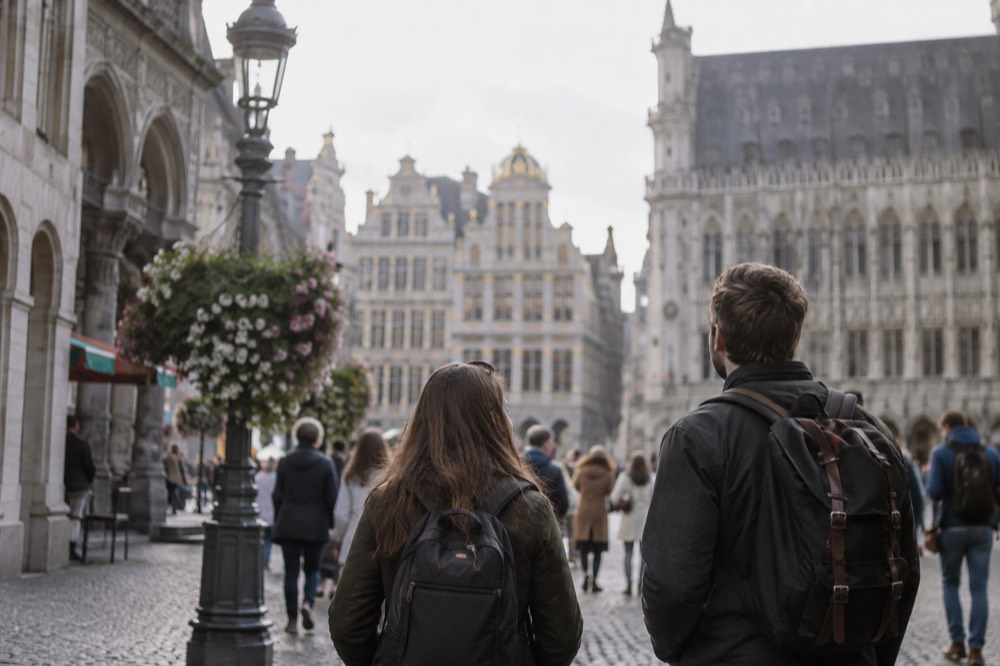
The independent case is strong for Brussels specifically. Direct trains, a compact centre and a famous food scene that needs no reservation make this one of the easiest foreign day trips a Amsterdam-based traveller can build. If you have made it this far through this guide, you have already done most of the planning work a tour operator would charge for.
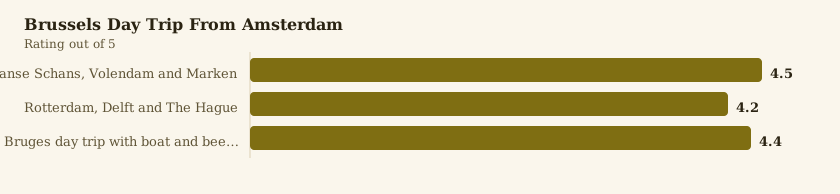
The guided case is stronger elsewhere. The most popular guided day trip from Amsterdam is the Zaanse Schans, Volendam and Marken tour, a 5 hour 30 minute windmill-and-fishing-villages circuit rated 4.5 across 20,839 reviews from $34, and it succeeds precisely because the places it covers are awkward to string together by public transport. That logic, not laziness, is why people book tours.
| Guided day trip | Duration | Rating | From |
|---|---|---|---|
| Zaanse Schans, Volendam and Marken | 5 hours 30 minutes | 4.5 from 20,839 reviews | $34 |
| Rotterdam, Delft and The Hague | 9 hours | 4.2 from 2,642 reviews | $63 |
| Bruges day trip with boat and beer options | 12 hours | 4.4 from 2,375 reviews | $47 |
Notice what that table does not contain: a Brussels coach tour. The market has largely decided that Brussels is a train city, and the guided alternatives from Amsterdam point at Bruges or at Dutch destinations instead. If you specifically want a guided Belgian day, the Bruges trip is the established product, with a 12-hour duration that tells you it is a long but unhurried day out.
A middle path exists for the evening. A canal cruise in Amsterdam after a day of Belgian walking sounds indulgent, and the classic saloon boat cruise with drinks and cheese, rated 4.8 across 33,435 reviews from $19.56, is exactly the low-effort reward a train-weary traveller wants. It pairs well with a Brussels day because it starts and ends near Centraal.
When Is Brussels the Wrong Choice?
Brussels is the wrong day trip if your heart is set on postcard prettiness rather than grand squares and good beer: Bruges is the more beautiful city by a wide margin, and a guided Bruges tour costs less than many independent Brussels rail fares. It is also the wrong choice if your Amsterdam days are short, because a whole day in Belgium is a whole day not spent on the canals, the museums or the neighbourhoods you came for.
Say the quiet part out loud: Amsterdam itself is dense with things worth a full day, and every day trip is a trade against that. A traveller with three days in Amsterdam who spends one in Brussels returns having seen neither city properly. A traveller with five or more days can afford the excursion, and that arithmetic should drive the decision more than any itinerary list.
If the goal is a manageable first taste of Belgium, Bruges is the stronger pick for most people. Its medieval centre is a UNESCO World Heritage Site, the scale is smaller, and the guided day trip from Amsterdam handles the transport entirely. The trade is duration: 12 hours door to door is a long day, longer than most Brussels train days, and it removes flexibility.
For travellers who end up staying in Amsterdam after all, the city's own heavyweight attractions absorb the day easily. The Heineken Experience, a 1 hour 30 minute visit inside the original brewery, is rated 4.6 across 39,581 reviews from $23, and it is the kind of bookable, timed activity that slots neatly into an afternoon you might otherwise have given to a train platform. A day in Amsterdam spent well beats a day in Brussels spent rushing.
The real decision rule is simple. Book the Brussels train if you love the idea of two capitals in one trip and you have Amsterdam days to spare. Book a Dutch or Bruges guided tour if you want the day to run itself. Stay put if your total trip is short, because Amsterdam repays every hour you give it.
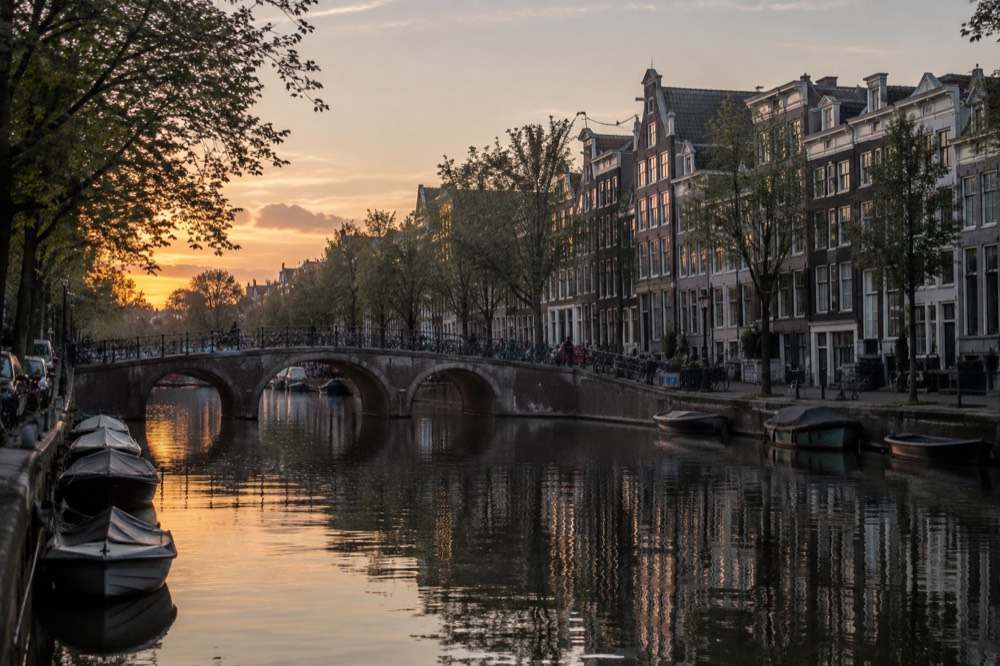
For more options in every direction, the site's wider collection covers day trips from Amsterdam compared, the Paris train journey for a bigger city break, and the practicalities of Amsterdam Centraal Station itself, which is where every one of these trips begins. Whatever you choose, this site, Things to Do in Amsterdam, exists to make the Amsterdam end of the decision as easy as the Belgian end.
Common Questions About a Brussels Day Trip From Amsterdam
Can you do a Brussels day trip from Amsterdam?
Yes. Direct high-speed trains link the two capitals, and Brussels' historic centre is compact enough to cover the Grand Place, the Manneken Pis and the main food stops on foot in a single day. It is a long, structured day, so it suits travellers who do not mind an early start and a fixed return train.
How do you get from Amsterdam to Brussels?
Take a direct high-speed train from Amsterdam Centraal to Brussels. Book on the rail operator's own site well in advance for the best fares, and buy the return leg at the same time so your evening timetable is fixed. The arrival station sits within walking distance of the Grand Place.
Is Brussels or Bruges better for a day trip from Amsterdam?
Bruges is the more beautiful city and the easier day trip to outsource: a guided 12-hour tour from $47, rated 4.4 across 2,375 reviews, handles all the transport. Brussels is the better choice for grand squares, serious beer and a big-city food scene, and it is simpler to do independently by train.
How much does a Brussels day trip cost?
The return train is the biggest single cost and varies widely with how early you book, so check the rail operator's own site rather than a blog figure. Food in Brussels is moderate, and the classic walking loop is free. Add your Amsterdam-side costs, such as a €10.00 GVB day ticket, on top.
Do you need a guided tour for Brussels?
No. The train is simple, the centre needs no guide, and the main sights cluster within a short walk of the station. Guided day trips from Amsterdam mostly serve Bruges and Dutch destinations instead, because those are harder to string together by public transport.
What should you not miss in Brussels in one day?
The Grand Place early in the morning, before the crowds, is the one unmissable sight. Follow it with the Manneken Pis, the Royal Gallery of Saint Hubert, a proper moules-frites or friet lunch, and a Belgian beer in a traditional café before the train home. Skip the Atomium on a day trip; it is too far from the centre.