Maastricht From Amsterdam: How to Plan the South's Best Day Trip
Maastricht is the one Dutch city that does not feel Dutch in the way the guidebooks promise: hills at the edge of town, a French-sounding name, terrace culture, and a history that runs through Rome, Spain and France before it ever touched the House of Orange. Getting there from Amsterdam is a commitment, and this guide is about whether to make it and how.
Short answer
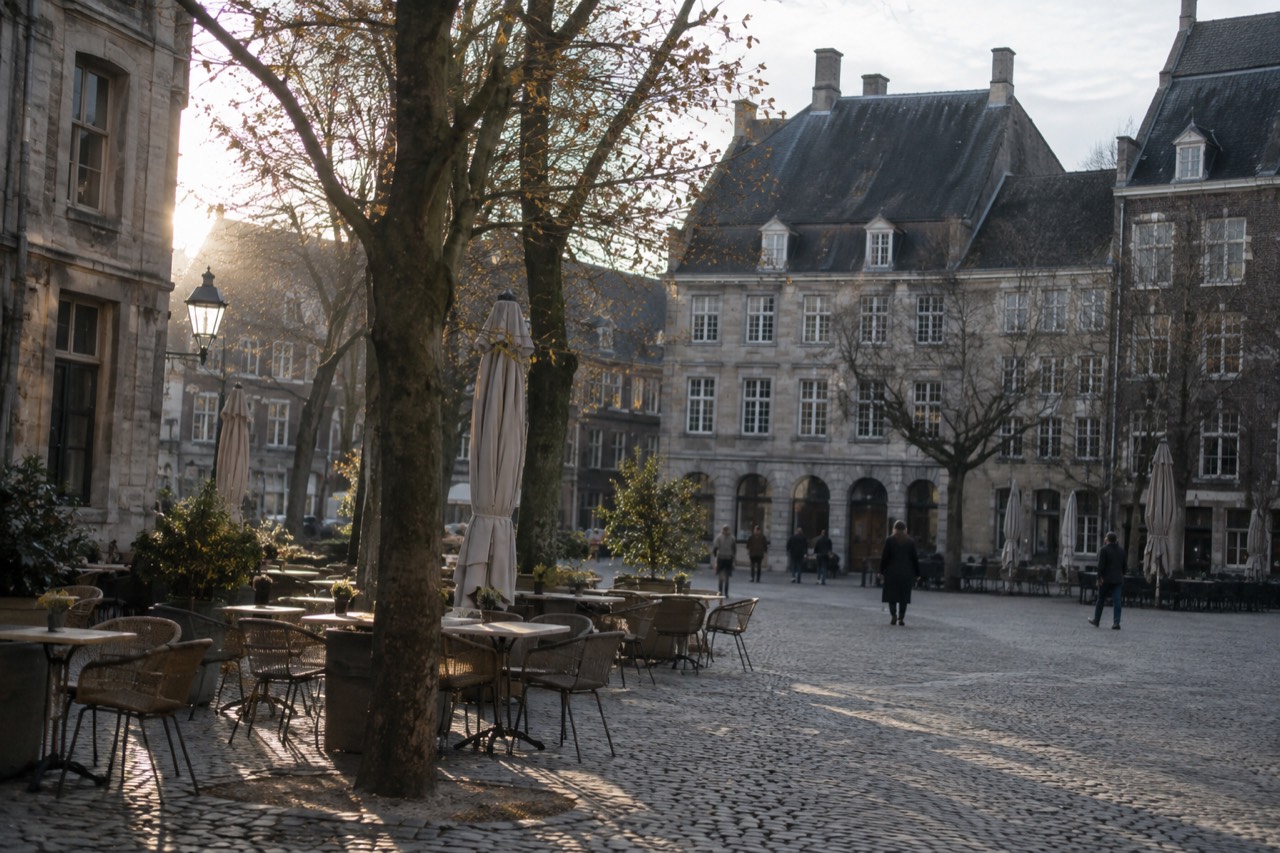
Yes, Maastricht works as a long day trip from Amsterdam, and the direct intercity train from Centraal is the only sensible way to do it. A GVB single to the station costs €3.40, the city centre is walkable in a morning, and the Vrijthof, the Boekhandel Dominicanen and the old city walls are the core of a one-day plan.
Maastricht is the city that breaks every pattern a visitor builds up in the north. The land rises into hills, the language drifting over the Belgium border colours the street sounds, and the cafes serve something closer to Burgundian indulgence than the herring-and-stroopwafel script of Amsterdam. It is also, by a wide margin, the longest domestic journey you can make from the capital and still call it a day trip, which is exactly why it deserves a proper plan rather than a whim.
This guide covers the honest case for and against the trip, the train logistics from Amsterdam Centraal, a one-day walking route through the old city, the food that makes the journey worthwhile, and the decisions worth making before you leave the north. Along the way it points at a few Amsterdam bookings that are better made early, because the day you spend in Maastricht is one fewer day for the museums that need timed tickets.
Is Maastricht Worth the Long Trip From Amsterdam?
Maastricht is worth the journey if you have at least four days in the Netherlands and want to see the one region that contradicts every flat, grey stereotype of the country. It is not worth it on a two-day first visit, when the canal ring, the Rijksmuseum and a canal cruise are still unvisited. Treat it as the connoisseur's day trip, the one you take when the classics are done.
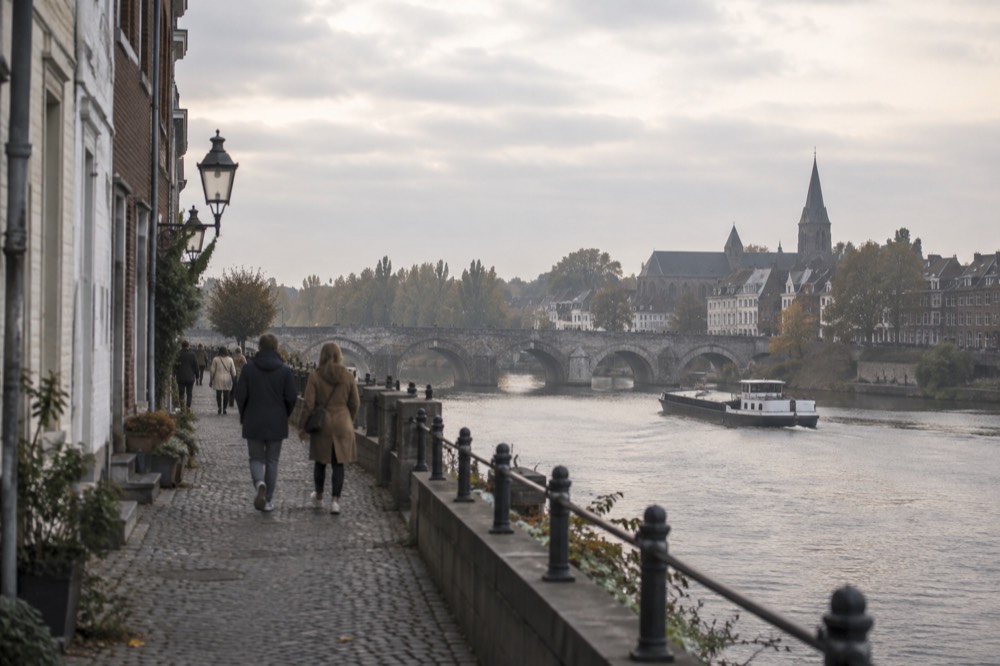
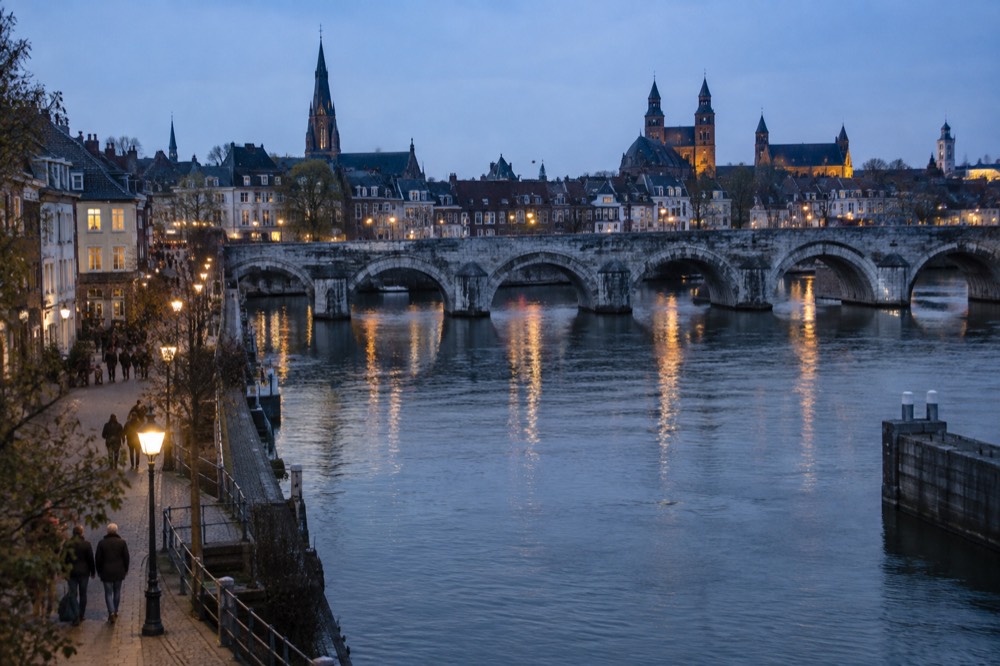
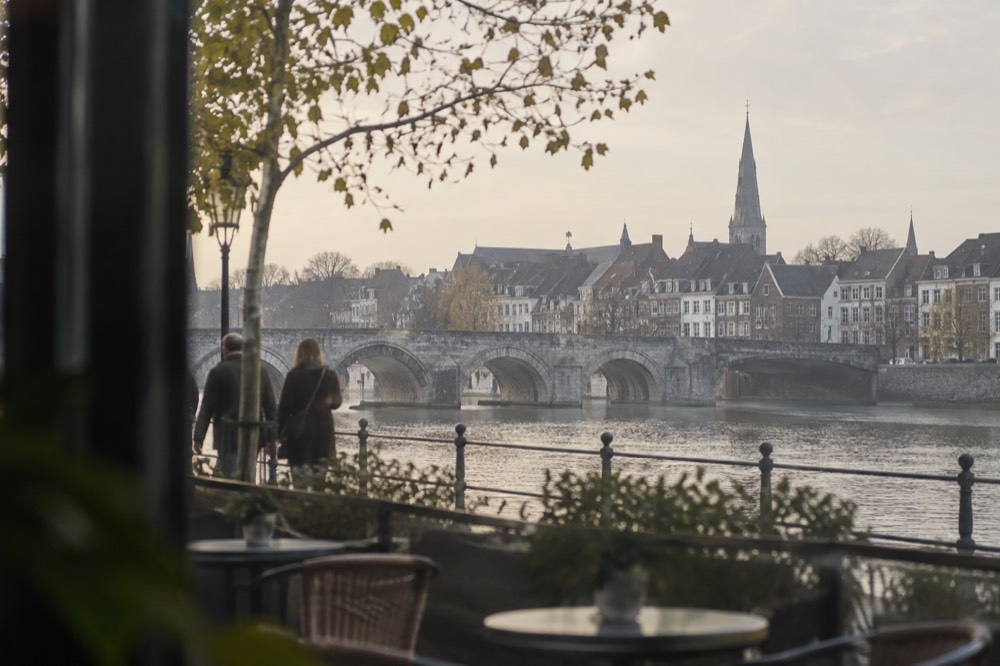
The honest framing is this: Maastricht is the capital of Limburg, the country's southernmost province, pressed against the Belgian and German borders. It is the city where the Maastricht Treaty was signed in 1992, the document that created the European Union in its modern form, and it carries that continental identity in its architecture and its appetite. Roman ruins sit under hotel basements. A fortified medieval core wraps around the broad Vrijthof square. The Maas river cuts the city in half, crossed by the Sint Servaasbrug, one of the oldest bridges in the country.
What it does not have is the density of headline attractions that Amsterdam offers in a single square kilometre. Nobody queues for a Maastricht museum the way they queue in the Museumplein. The city's argument is atmosphere, and atmosphere rewards travellers who have already seen the standard Dutch sights and want the contrast. First-timers with three days should stay north; anyone with a week, or a second visit, or a specific love of Roman history, Romanesque churches and terrace lunches, should make the trip.
The contrast is also practical. Amsterdam recorded 23.7 million tourist overnight stays in 2025, per the city's own research office, and the centre shows the strain. Maastricht is a university city of manageable size where the tourist footprint is real but thin. You will share the Vrijthof with others, but you will not share it the way you share the Dam.
How Do You Get From Amsterdam to Maastricht?
Take the direct intercity train from Amsterdam Centraal to Maastricht and do not consider anything else. The route runs without changes and the station sits a short walk from the old city, so the train is both the fastest and the simplest option. Driving offers nothing in exchange for the stress, and organised coach tours from Amsterdam are rare for a destination this far south.
The train is the whole answer. Nederlandse Spoorwegen runs direct intercity services between Amsterdam Centraal and Maastricht, and the journey is the longest regular domestic run from the capital, which is why every minute of planning matters. Buy an e-ticket through the NS app or website, or simply tap in and tap out with a contactless bank card, which works on Dutch trains just as it does on the Amsterdam trams. Check the live planner the evening before, because weekend engineering works occasionally add a change at, for example, 's-Hertogenbosch.
Getting to Centraal from your hotel is the easy half. A GVB single ticket costs €3.40 and covers an hour of travel on trams, buses and metro; the day card is €10.00 if you are making several trips that morning. The GVB fare table on the operator's own tariff page is the reference to check before you buy, and the same contactless tap works across both systems, so you never need a separate chip card.
Leave early. This is the single most repeated advice about Maastricht and it is all true: the journey eats a large slice of the day in each direction, and a mid-morning start turns the visit into a rushed dinner before the return leg. A train that leaves Centraal in the first hour of the morning puts you in the south with a full afternoon, which is what the city needs. If you are staying near the station, Amsterdam Centraal station itself is worth ten minutes of attention before you board, if only to appreciate the neo-Gothic facade you will otherwise rush past.
One more cost belongs in the ledger: the city's hotel prices carry Amsterdam's 12.5% tourist tax on the overnight price, per the municipality's own tax page, so every night you trim from the Amsterdam leg of the trip is money saved twice over.
| Option | What it involves | Best for |
|---|---|---|
| Direct intercity train | Amsterdam Centraal to Maastricht, no changes, tap in with a bank card | Almost everyone; the only option that avoids city-centre parking entirely |
| Train with a change | Occasional weekend timetables route via another interchange | Travellers with no choice; check the NS planner the night before |
| Rental car | Motorway the whole way, parking on the edge of the old city | Anyone adding a second stop in Limburg or the hills on the same day |
| Organised coach day tour | Rare from Amsterdam at this distance; most south-bound coaches target elsewhere | Not recommended; the train is faster and cheaper |
Before you commit the day, the Amsterdam bookings that need advance planning are worth a thought, because the big timed-entry museums sell their slots weeks ahead in season and a Maastricht day eats one of your Amsterdam days.
What Makes Maastricht Feel So Different From Amsterdam?
Maastricht's difference is geological, historical and culinary at once: it sits in the only part of the Netherlands with real hills, it spent centuries under Roman, Spanish and French rule before joining the Dutch state, and its food culture leans toward the long southern lunch rather than the northern grab-and-go. The result is a Dutch city that feels like a small corner of Wallonia or the Rhineland.
Start with the ground itself. The country's famous flatness ends a little south of Nijmegen, and by the time the train reaches Limburg the landscape has rolled into the Heuvelland, the hill country that pushes up against the Belgian border. Walk out of Maastricht in almost any direction and you climb, which sounds trivial until you remember that the highest point in the Amsterdam region is a railway bridge.
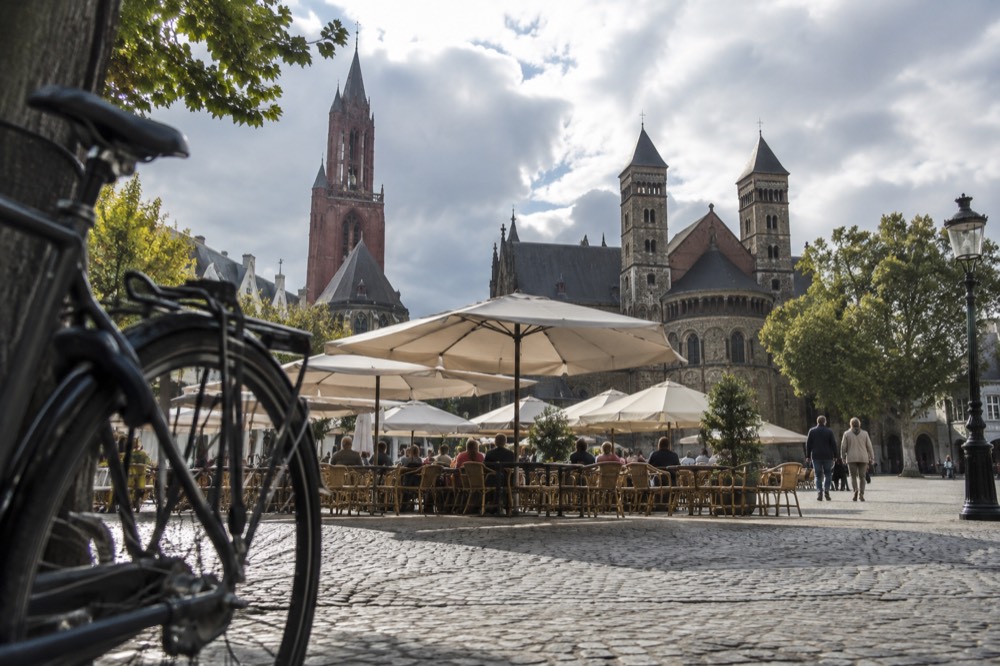
Then the history. Rome built a settlement here around the Maas crossing; the city's name descends from its Latin bridge crossing. The Sint Servaas basilica and the Sint Janskerk face each other across the Vrijthof, one dark and Romanesque, one Gothic and painted red, and between them they compress a thousand years of border-town history into one square. The city changed hands, was besieged, and absorbed each wave, which is why the street grid feels more like a German or Walloon old town than a Dutch one.
The food follows the politics. Limburg is the province of the vlaai, a flat, open fruit tart that has no real northern equivalent, and of a terrace culture where lunch is a sit-down affair. The difference is not subtle and it is the reason many visitors rank a Maastricht meal above anything they ate in the north.
And the contrast works both ways. Travellers who fall for Maastricht's slower register usually fall for it precisely because they have spent days in Amsterdam's intensity, so the pairing is not a competition but a sequence. For more options in the same register, the best day trips from Amsterdam run the full gamut from windmills to beach towns, and the southern options there pair well with a Limburg itinerary.
What Should You See and Do in Maastricht in One Day?
The one-day core is the Vrijthof square, the Boekhandel Dominicanen bookshop inside a converted Dominican church, the Sint Servaasbasiliek, the old city walls at Helpoort, and a walk across the Sint Servaasbrug to the Wyck district for the view back over the river. That circuit is entirely on foot, needs no transport inside the city, and fills a day at a civilised pace.
Begin at the Vrijthof, the great square where the two churches stand. It is the city's living room: cafe terraces under plane trees, buskers in good weather, and the square framed by the two towers. The Sint Servaasbasiliek is the Netherlands' oldest church building in continuous sacred use and holds the shrine of Saint Servatius, the city's founding saint. The treasury is worth the modest entry fee if religious goldwork appeals; if it does not, the nave alone justifies the stop.
From the square, walk two minutes to the Boekhandel Dominicanen, a bookshop installed in a thirteenth-century Dominican church, and it is not a gimmick: the three-storey steel bookstacks are built to leave the Gothic interior legible, and travel guides sit at the top of the stairs where the choir windows are best. Many visitors name it the single most memorable interior in the city, and it costs nothing to enter.
Then walk the line of the old defences. The Helpoort, the oldest surviving city gate in the country, anchors a stretch of restored wall you can walk along, and the casemates behind it can be toured with a guide on set days. The tourist office at the Vrijthof publishes the current schedule, and the guided tunnel tour is the one bookable activity in the city worth reserving ahead in summer.
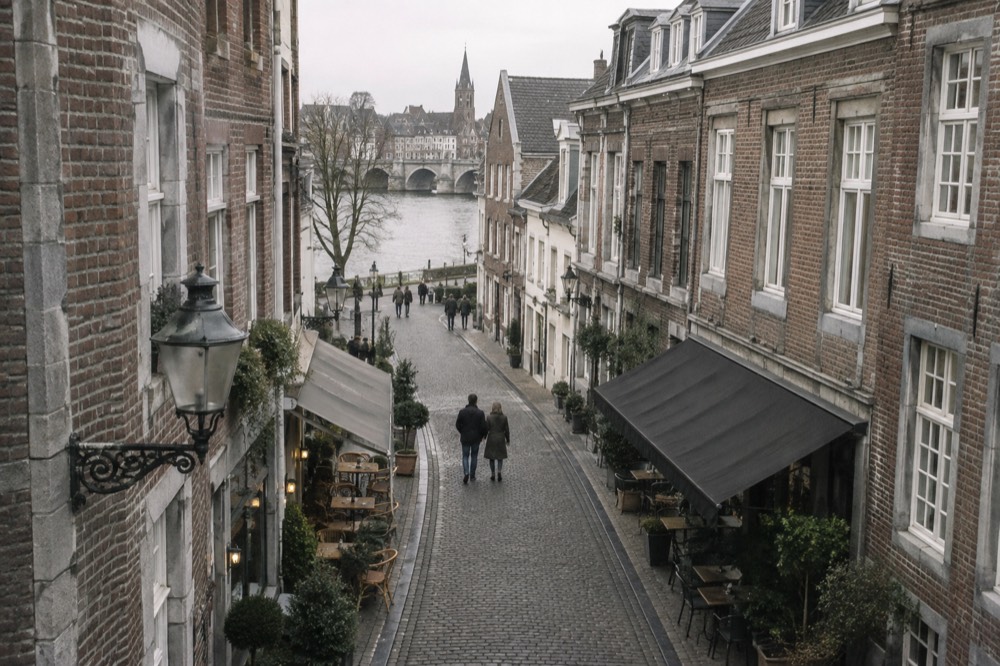
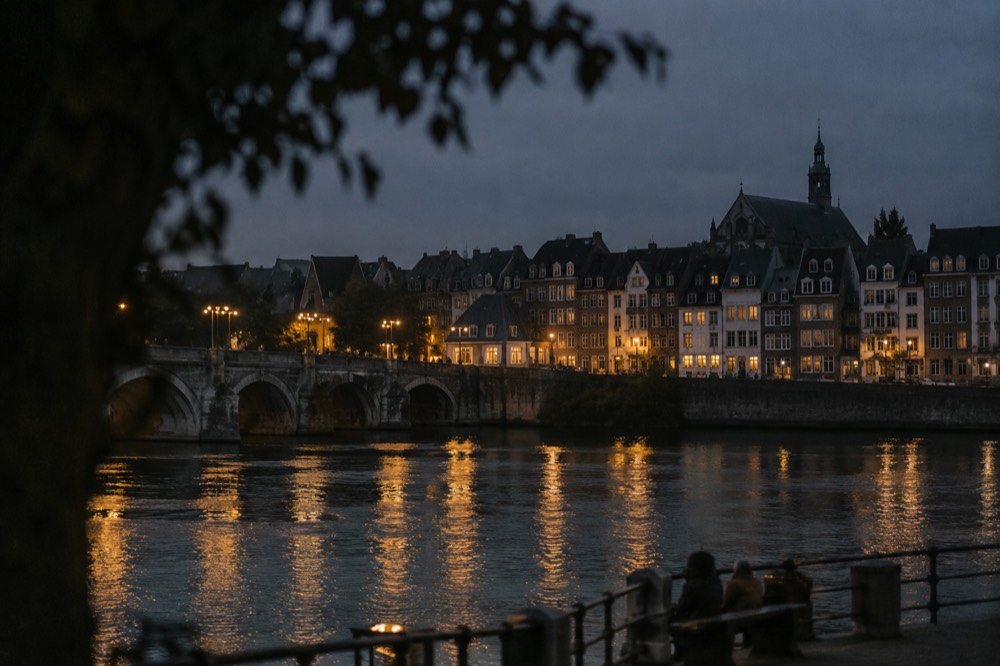
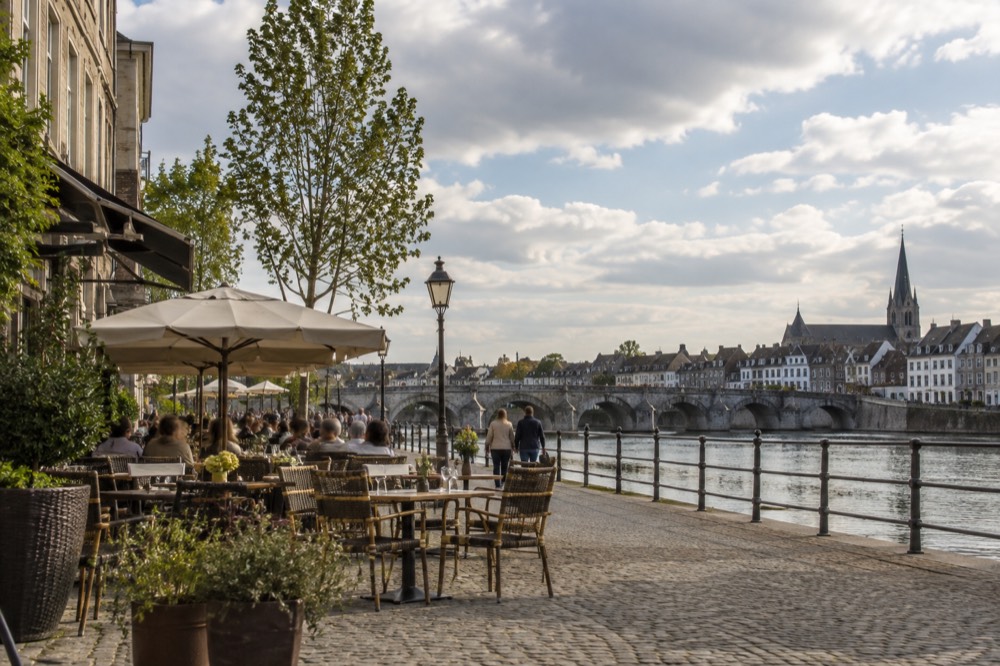
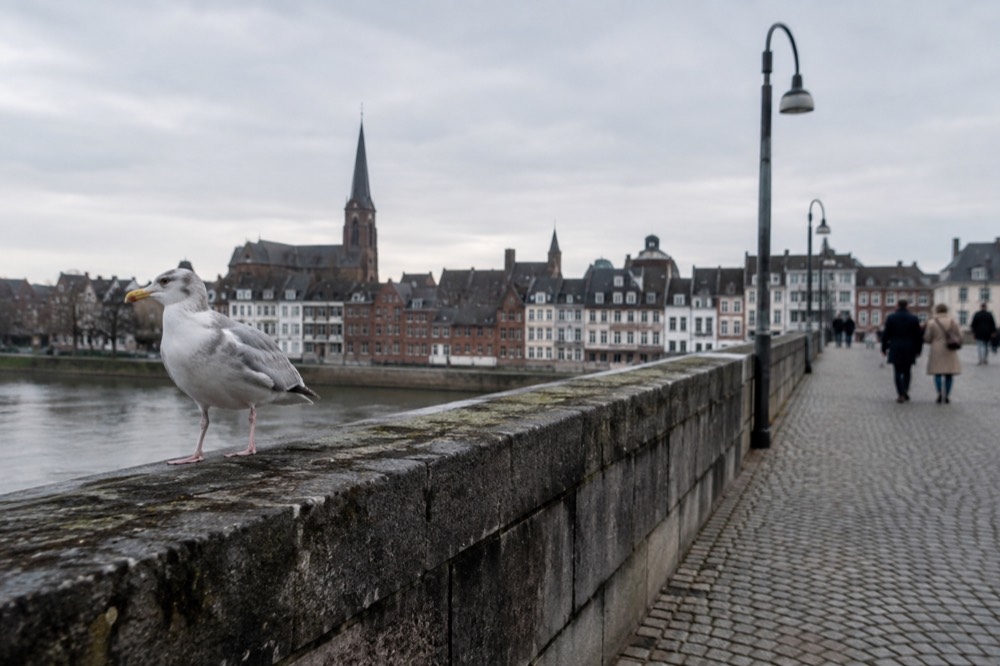
Cross the Maas on the Sint Servaasbrug before you head back to the station. From the far bank, or from the Wyck side streets with their independent shops, the skyline of towers and spires reads as a single composition, and it is the photograph most people take home. Finish with time to sit down; a day in Maastricht that ends in a rush to the platform has missed the point of the place.
| Time of day | Where | What you do |
|---|---|---|
| Morning arrival | Vrijthof and the two churches | Orientation, coffee on the square, the Sint Servaasbasiliek |
| Late morning | Boekhandel Dominicanen | The church bookshop and the shopping streets behind it |
| Lunch | Plankstraat or the Onze Lieve Vrouweplein | A long southern lunch; order the vlaai for later |
| Afternoon | Helpoort and the city walls | The gate, the wall walk, the casemates if a tour is running |
| Late afternoon | Sint Servaasbrug and Wyck | The river crossing, the view back, a final terrace stop |
Where Should You Eat in Maastricht?
Eat a proper sit-down lunch in the old centre, order something from Limburg's own tradition rather than the standard Dutch menu, and make the vlaai your dessert wherever you find it. The Onze Lieve Vrouweplein and the streets around the Vrijthof concentrate the best terraces, and the city rewards the long lunch far more than it rewards a rushed dinner before the train.
The dish to know is the vlaai, Limburg's fruit tart, thinner and broader than a pie, traditionally made with a yeast dough and filled with apricot, cherry or kruimel, a buttery crumb. Bakeries across the centre sell it by the slice and it is the region's edible signature; the local habit is an afternoon slice with coffee, not a breakfast item. Beyond vlaai, look for zoervleis, a sweet-and-sour braised meat stew with Limburg's distinctive sauce, and for the asparagus that the province grows in quantity in its spring season. The rest of the planning pages sit on Things to Do in Amsterdam.
The Onze Lieve Vrouweplein, the tree-shaded square by the Onze Lieve Vrouwe basilica, is the classic terrace setting, and the Plankstraat and Stokstraat quarter behind it hold the small kitchens worth booking. This is the part of the day that justifies the journey for many travellers: the southern lunch, unhurried, with the church towers in view, is something the north does not really offer.
If you are back in Amsterdam that evening, plan a light dinner rather than a second restaurant sprint. The canal-side options near the centre keep late hours, and a simple option is to fold the evening into an Amsterdam experience booked in advance; the Heineken Experience, rated 4.7 across 39,581 reviews on the live listing and priced from $23, closes the day with a drink included rather than another decision.
When Is the Best Time to Visit Maastricht?
Spring and early autumn are the best windows: the terrace season is in full swing, the walking circuit is comfortable, and the crowds are thinner than the summer peak. Winter is workable because the core is compact, but the long daylight of May to September gives you the return train journey in daylight, which matters when the ride is this long.
The terrace logic drives everything. Maastricht's appeal is heavily outdoor: squares, walls, river banks and cafe tables, and a grey wet day halves the city's charm. The Dutch spring, from late March through May, is the sweet spot, and it is also the tulip season in the north, which raises a genuine scheduling question for travellers in April. The honest answer is that the Keukenhof window, 19 March to 10 May only, is the one period when the northern sights should win, because the garden does not open outside it while Maastricht waits patiently all year.
Summer brings the festival calendar. The city's biggest event is Carnival in February or early March, when the whole of Limburg dresses up and the streets fill with brass bands; it is spectacular, loud, and completely unlike anything in Amsterdam, but hotel rooms in the region sell out far ahead. Autumn is the quiet connoisseur's pick: golden light on the Maas, university-term energy in the cafes, and the hills at their most photogenic.
Whatever the season, book the Amsterdam legs of the trip early. The Van Gogh Museum requires a pre-booked timed entry ticket for every visitor, with adult admission at €25 and under-18s free, per the museum's own visit page, and slots in high season go weeks ahead. The Van Gogh Museum ticket on the live listing, rated 4.7 across 57,096 reviews and priced from $31, is the single Amsterdam booking most likely to be sold out on the day you return from the south.
Should You Stay Overnight Instead of Day-Tripping?
An overnight stay is the better choice if you can spare the second day, because it converts the trip from a sprint into a proper visit and opens the hill country south of the city. The day trip works, but it spends a large share of its hours on rails; the overnight turns those hours into an evening on the Vrijthof and a morning in the hills, which is what the region is actually for.
The arithmetic is blunt. A day trip commits several hours of the day to the train in each direction, which leaves an afternoon and an early evening in the city. That is enough for the core circuit in the previous section, but it leaves nothing for the Heuvelland, the hill country that begins at the city's southern edge, or for Valkenburg, the cave-and-castle town a short regional train ride away. With a night in Maastricht, both become easy half-day additions.
The overnight also changes the character of the visit. The city in the evening, when the day visitors have gone and the terraces belong to locals and students, is a different and better place. And the cost comparison is not as steep as it looks: Amsterdam's hotel rates are among the highest in the country, and a night in the south is often cheaper than the night it replaces in the north, even before you account for the 12.5% tourist tax on the Amsterdam leg.
For travellers who cannot spare the night, the compromise is a disciplined early train out and a late one back, with lunch as the anchor of the day rather than an afterthought. The classic saloon boat cruise in Amsterdam, rated 4.8 across 33,435 reviews on the live listing and priced from $19.56, makes a better first-evening activity after a Maastricht day than a second museum, because it sits down and lets the legs recover.
What Should You Book Before You Go?
Book three things in advance: the Amsterdam museum tickets that need timed slots, any Maastricht casemates tour if you are travelling in high season, and nothing else. The train needs no reservation on the domestic network, the churches and the bookshop are free or pay-at-the-door, and the restaurants of the old centre can mostly be managed on arrival outside festival weekends.
The asymmetry between the two cities is the useful insight. Maastricht itself is a low-booking destination: you arrive, you walk, you sit down. Amsterdam is the opposite, and the mistake travellers make is treating the Maastricht day as the complicated part of the week when it is actually the simplest. The Van Gogh Museum, the Anne Frank House (official site only, no reseller) and the popular canal cruises are the items that punish spontaneity, and they punish it most in the very season when the southern day trip is most attractive.
The practical order is: fix the Maastricht day first, since it is the least flexible item, then book the Amsterdam timed entries around it, then fill the evenings. A good reference for the whole picture is how many days you need in Amsterdam, which sets the frame before you carve a day out of it.
| Booking | Book ahead? | Why |
|---|---|---|
| Amsterdam to Maastricht train | No | Domestic trains have no reservations; just tap in with a bank card |
| Van Gogh Museum | Yes, weeks ahead | Timed entry required for every visitor; slots sell out in season |
| Casemates tour, Maastricht | Yes, in summer | Guided tunnel tours run on set days and fill in July and August |
| Maastricht restaurants | Only on festival weekends | The old centre has enough kitchens to absorb walk-ins normally |
| Amsterdam canal cruise | Yes, for evening slots | Popular departures fill first, especially the small boats |

Common Questions About a Maastricht Day Trip from Amsterdam
Can you do Maastricht as a day trip from Amsterdam?
Yes. The direct intercity train from Amsterdam Centraal makes it possible without a car, and the old city is compact enough to see on foot in an afternoon. It is a long day, so take an early train and treat a proper sit-down lunch as the anchor of the plan rather than a break from it.
Is Maastricht worth visiting compared with more Amsterdam time?
It depends on your trip length. With two or three days in the Netherlands, stay in Amsterdam and the nearby classics. With a week or more, or on a second visit, Maastricht is the best contrast the country offers: hills, a continental old town, and a food culture that leans south rather than north.
Do you need to book the Amsterdam to Maastricht train in advance?
No. Domestic Dutch trains carry no reservations; you buy an e-ticket or tap in with a contactless bank card and take any train that fits. The only planning that matters is checking the NS planner the night before, because weekend engineering works can occasionally add a change to the route.
What is the single best thing to see in Maastricht?
The Vrijthof and the two churches that flank it, the Sint Servaasbasiliek and the Sint Janskerk, form the heart of the city and take the least effort to reach from the station. If you add one more stop, make it the Boekhandel Dominicanen, the bookshop inside a thirteenth-century church, which is free to enter and unforgettable.
Which Amsterdam tickets should you book before a Maastricht day?
The timed-entry museums, above all the Van Gogh Museum, where every visitor needs a pre-booked slot and adult admission is €25. The Anne Frank House is even stricter, selling only through its own official site, so nothing on this page or any booking platform can supply it. Book those first, then plan the southern day around them.
Is one day enough to see Maastricht properly?
One day covers the old city's core: the Vrijthof, the bookshop, the city walls at the Helpoort and the river crossing. It does not cover the hill country at the city's southern edge or nearby Valkenburg. If those appeal, stay overnight and give the region the second morning it deserves.