Amsterdam Hidden Gems: Secret Spots and Underrated Sights
Amsterdam is famous for its canals, museums, and vibrant nightlife, but the city holds a quieter side that most tourists never see. Tucked behind unassuming doors and down narrow alleys, a collection of hidden courtyards, secret gardens, under-the-radar museums, and local haunts awaits. This guide uncovers the real Amsterdam hidden gems that locals love, from a 14th-century beguinage to a street art warehouse, and shows you how to experience the city beyond the well-trodden path.
Short answer
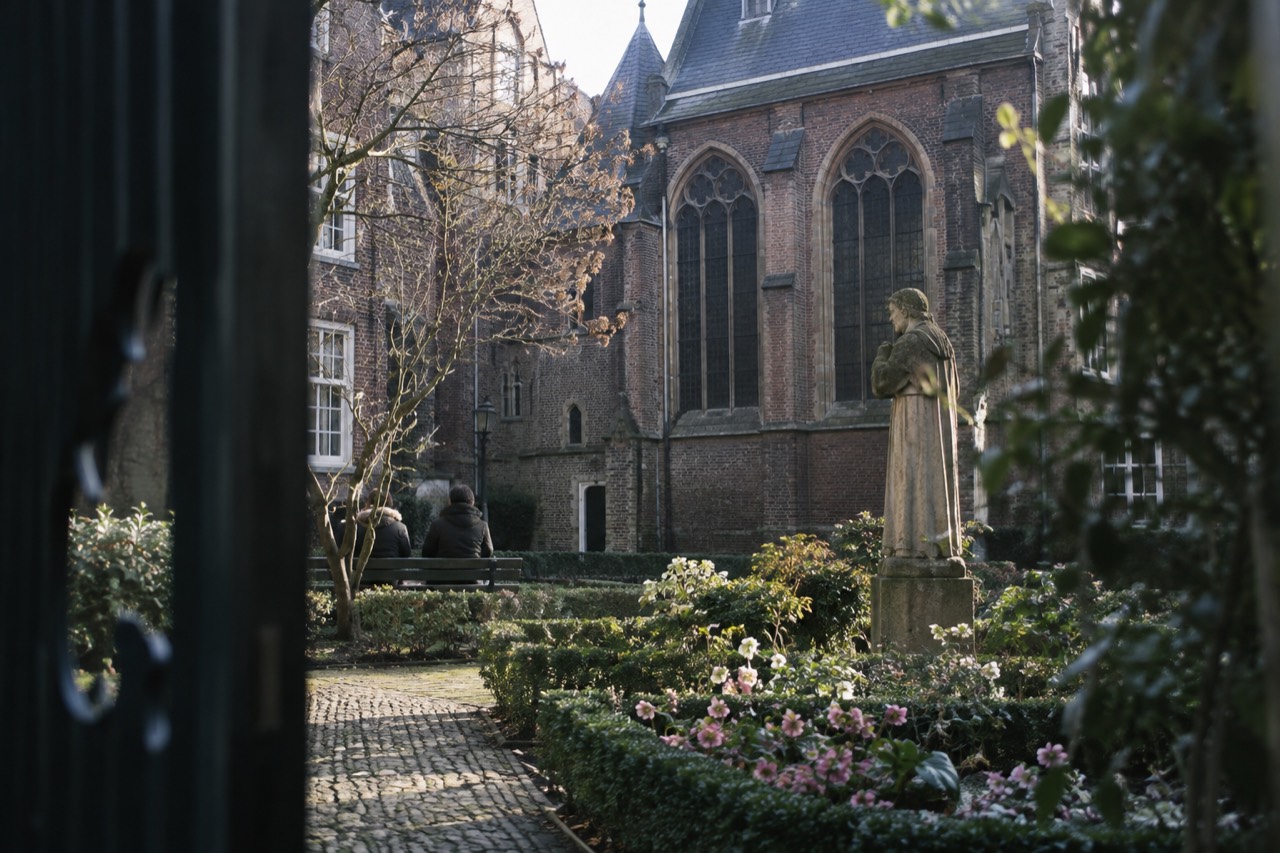
Amsterdam's hidden gems include the Begijnhof courtyard, the Hortus Botanicus gardens, the STRAAT street art museum, the Our Lord in the Attic clandestine church, and the quiet canals of the Eastern Docklands. These spots offer a break from the crowds, rich history, and a glimpse into local life, often without the queues and high ticket prices of the major attractions.
While millions flock to the major museums, the real Things to Do in Amsterdam often lie off the beaten path. The city’s compact centre hides dozens of tranquil courtyards, quirky museums, and local hangouts that most visitors walk straight past. These hidden gems are not secrets to Amsterdammers: they are the places where residents grab coffee, sit in a garden, or admire centuries-old architecture without a selfie stick in sight. Finding them turns a standard trip into something far more personal.
Hidden Courtyards and Secret Gardens in Amsterdam
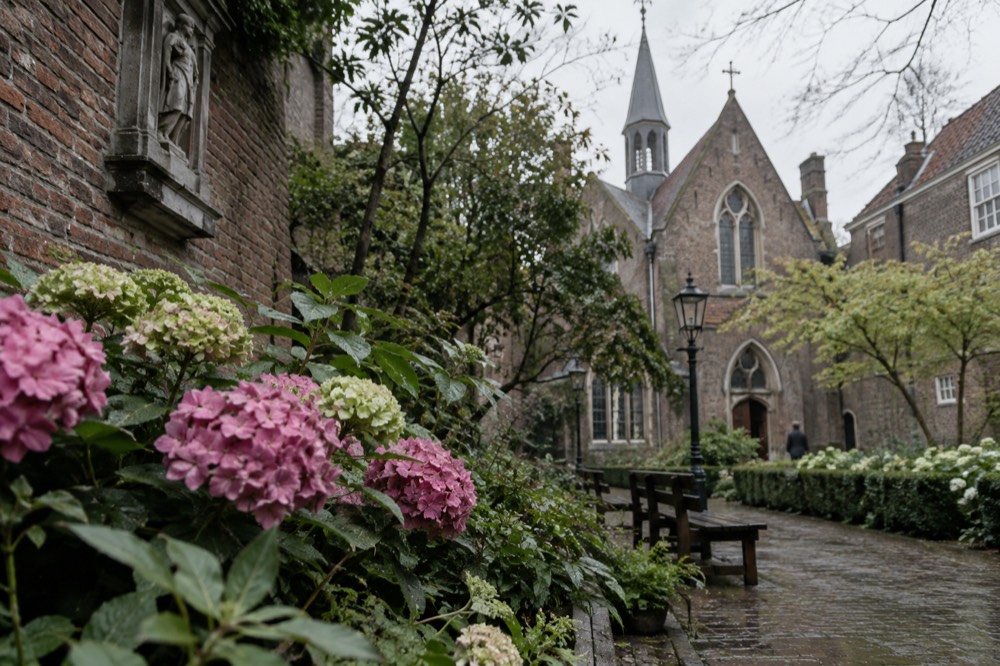
Amsterdam’s hidden courtyards, known as hofjes, were originally almshouses built around a central garden. The Begijnhof is the most famous, a 14th-century enclosed courtyard with a chapel and wooden houses, but several smaller hofjes like the Karthuizerhof and the Sint Andrieshof offer even quieter escapes. All are free to enter and demand only a respectful silence.
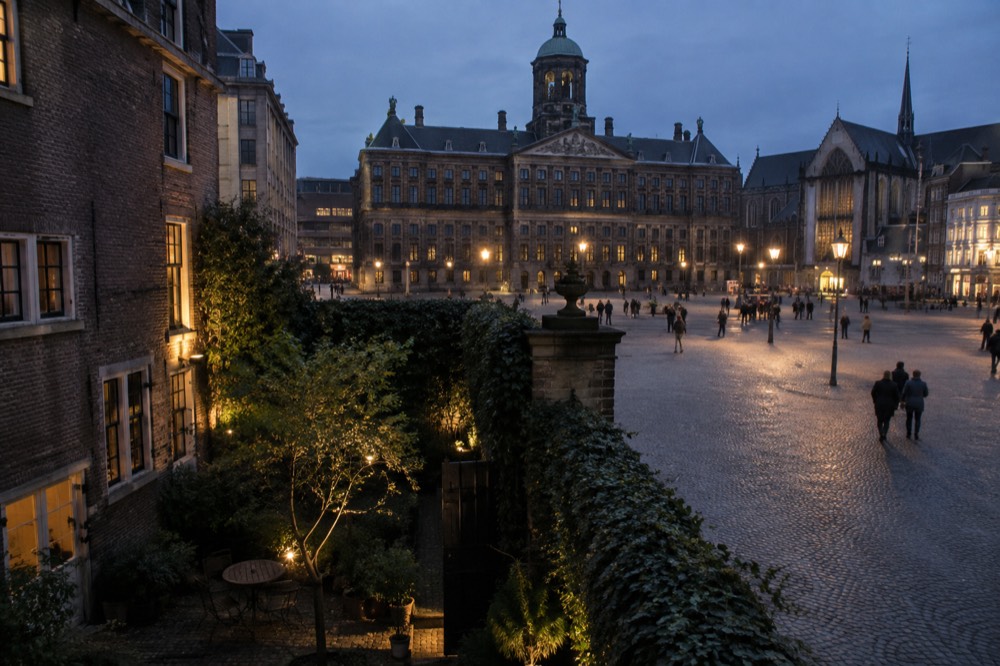
The Begijnhof sits just off the busy Kalverstraat shopping street, yet stepping through its gate feels like entering a different century. The English Reformed Church and the oldest wooden house in Amsterdam, dating from the 16th century, anchor the garden, which is still home to a small community of women. Early morning or late afternoon are the best times to visit, when the light falls softly on the gables and the only sound is birdsong. For a deeper dive, see our Begijnhof guide.
| Courtyard | Location | Why Visit |
|---|---|---|
| Begijnhof | Spui / Kalverstraat | Medieval enclosed garden, oldest wooden house, free entry |
| Karthuizerhof | Karthuizersstraat, Jordaan | 17th-century almshouse with a manicured garden, rarely busy |
| Sint Andrieshof | Egelantiersgracht, Jordaan | Two linked courtyards, hidden behind an unmarked door |
| Hortus Botanicus | Plantage Middenlaan | One of the oldest botanical gardens in the world, with a butterfly greenhouse and a centuries-old cycad |
The Hortus Botanicus is not a hofje but deserves a spot on any hidden-garden list. Founded in the 17th century as a herb garden for doctors and pharmacists, it now shelters a vast collection of plants from around the world across outdoor beds and steamy glasshouses. The three-climate greenhouse and the palm house, with a towering cycad that has been growing for centuries, are the highlights. Entry is modestly priced, and the garden is rarely crowded even on sunny afternoons. Check our Hortus Botanicus guide for seasonal highlights.
Underrated Museums and Galleries You Shouldn’t Miss
Amsterdam’s museum scene stretches far beyond the Rijksmuseum and the Van Gogh. The Our Lord in the Attic Museum hides a complete 17th-century Catholic church inside a canal-house attic, while the STRAAT Museum turns a former shipyard warehouse into the world’s largest street-art gallery. Both deliver world-class collections without the hour-long queues.
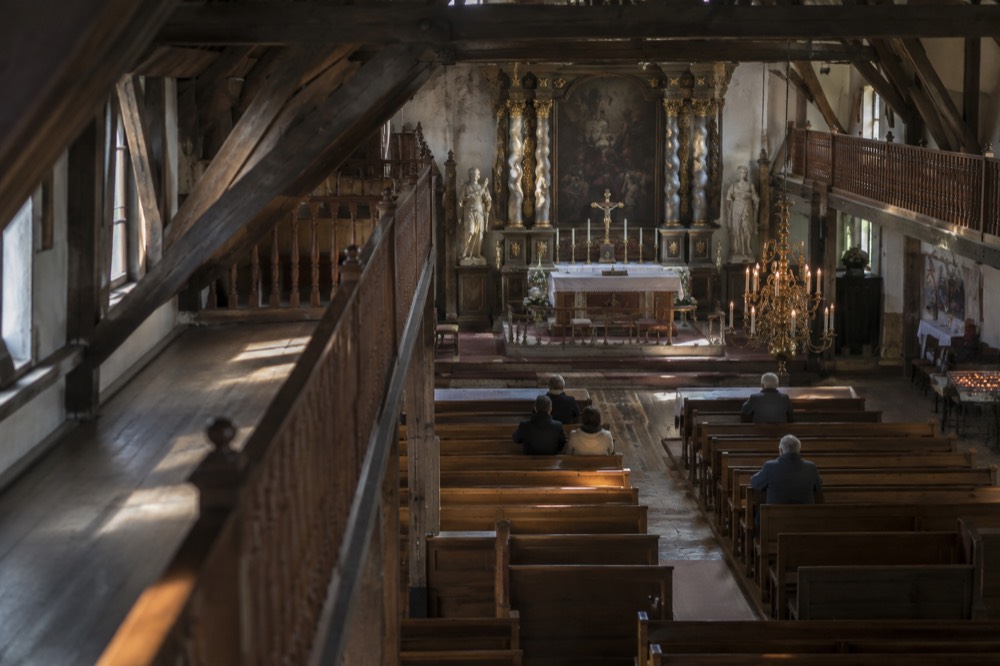
Our Lord in the Attic (Ons’ Lieve Heer op Solder) is the definition of a hidden gem. During the Reformation, Catholic worship was banned, so a wealthy merchant built a full church across the top three floors of his canal house. The result is a lavishly decorated, two-storey gallery church that seats 150 people, complete with a baroque altar, an organ, and confessional booths. The museum’s audio guide walks you through the merchant’s living quarters before you climb the steep stairs to the hidden sanctuary. Read our full Our Lord in the Attic guide for ticket tips and history.
| Museum | What Makes It Hidden | Adult Price |
|---|---|---|
| Our Lord in the Attic | Secret church inside a canal-house attic | Modest entry fee |
| STRAAT Museum | Warehouse-scale street art, 180+ works | from $24 on the operator's listing |
| Rembrandt House Museum | The master’s actual home and studio, often overlooked for the Rijksmuseum | from $23 on the operator's listing |
| The Museum of the Canals | Interactive exhibits inside a 17th-century canal house, explaining how the grachtengordel was built | Modest entry fee |
The STRAAT Museum on the NDSM Wharf is a 20-minute free ferry ride from Centraal Station, and the journey itself is part of the experience. Housed in a former welding hangar, the museum displays more than 180 large-scale street-art works by 170-plus artists, including a towering Anne Frank mural by Brazilian artist Eduardo Kobra. The sheer scale of the pieces is what sets STRAAT apart: a canvas that measures 10 metres across reads completely differently than one in a white-cube gallery. A ticket runs from $24 on the live listing, and you can easily spend two hours inside.
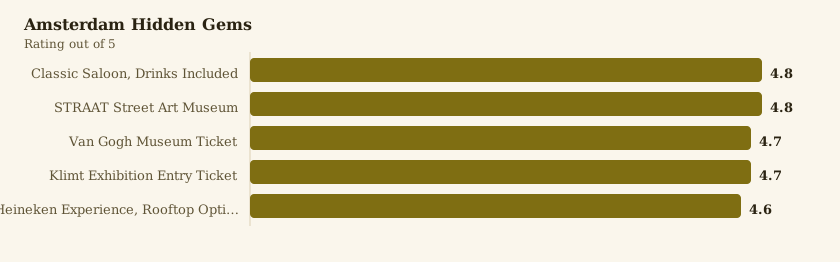
While you explore Amsterdam’s quieter side, a few classic experiences still deliver the energy the city is famous for. These three are the ones that locals recommend to friends who ask for a single day that mixes hidden corners with unmissable icons.
Quiet Canals and Local Neighbourhoods
The Eastern Docklands (Oostelijk Havengebied) and the islands of Java-eiland and KNSM-eiland offer a completely different Amsterdam: wide water, modern architecture, and almost no tourists. Meanwhile, the Plantage neighbourhood combines leafy streets, a zoo, and two of the city’s best-kept museum secrets in a compact, walkable area.
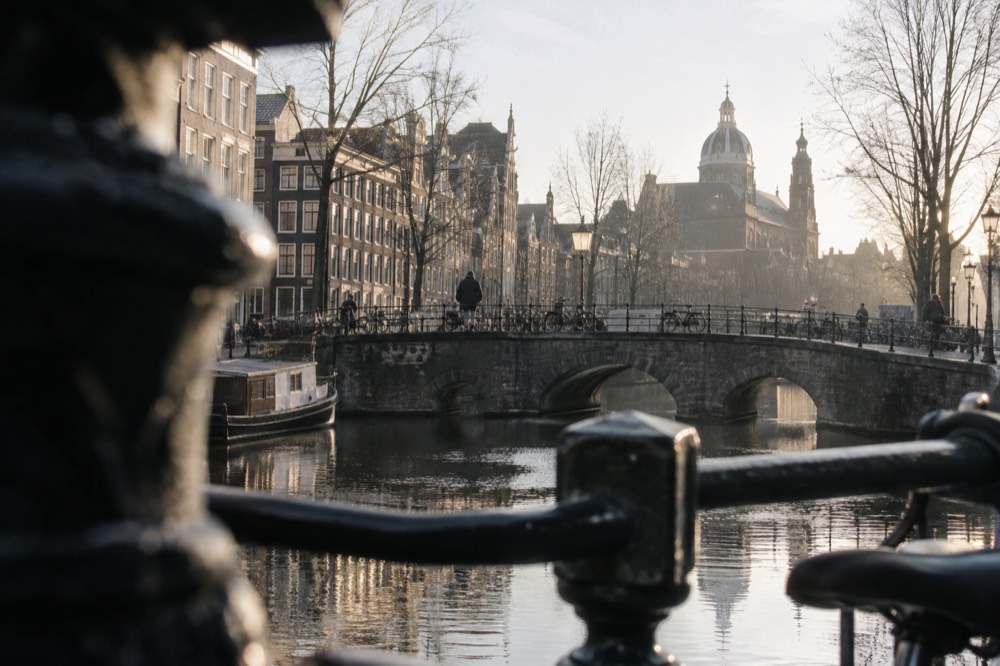
Most visitors never cross the railway tracks east of Centraal Station, which means the Eastern Docklands remain a local secret. Java-eiland and KNSM-eiland were once cargo docks; today they are residential islands lined with striking contemporary buildings, including the whale-shaped Barcelonaplein complex. A walk along the Java-eiland waterfront gives you long views across the IJ, with houseboats bobbing and ferries gliding by. There is a small beach at the eastern tip of Java-eiland, and a couple of cafés where you can sit with a coffee and watch the boat traffic.
The Plantage, just east of the centre, is the city’s garden district. The 19th-century neighbourhood was laid out as a green retreat, and it still feels calmer than the canal belt. The ARTIS Royal Zoo and the adjoining Micropia museum sit at its heart, but the real hidden gem is the Wertheimpark, Amsterdam’s oldest park, which opens onto a quiet stretch of the Nieuwe Herengracht canal. The park contains the Auschwitz Monument, a quiet place for reflection, and is flanked by the Hortus Botanicus on one side and the Resistance Museum on the other.
If you want to anchor your hidden-gem day with a world-class art collection, the Van Gogh Museum is the logical choice. It holds the largest Van Gogh collection on earth, and a timed ticket booked ahead means you can walk straight in while others queue.
Offbeat Attractions and Unique Experiences
From a clandestine church to a museum of microbes, Amsterdam’s offbeat attractions are the ones that make you rethink what a museum can be. Micropia, the world’s only museum dedicated to microbes, sits next to ARTIS Zoo and turns invisible life into a mesmerising, interactive display. The Amsterdam Tulip Museum, tucked inside a flower-shop basement, tells the story of tulip mania in a single, richly decorated room.
Micropia is the kind of place you visit on a whim and end up staying for two hours. Live microscopes let you watch bacteria multiply in real time, a body-scan station shows which microbes live on your skin, and a giant scale model of a virus sits in the centre of the room. The museum is included with a Museumkaart and is modestly priced otherwise. It is small enough to see in an hour but dense enough to reward a longer stay.
The Amsterdam Tulip Museum is even smaller: one room, below a flower shop on the Prinsengracht. It traces the tulip’s journey from the Ottoman Empire to the Dutch Golden Age, with a short film and cases of antique tulip-vases. Entry is €5 for adults, and it is the ideal rainy-day stop that takes 20 minutes and leaves you with a story to tell.
For a completely different perspective, the STRAAT Museum’s warehouse-scale street art is one of the city’s most under-the-radar cultural experiences. The free ferry ride from Centraal Station to the NDSM Wharf is part of the adventure, and the museum itself is a cathedral of colour. Learn more in our STRAAT Museum guide.
And if you want to balance the offbeat with a classic, the Van Gogh Museum is a short tram ride from the Plantage. Its collection of more than 200 paintings, including Sunflowers and The Bedroom, is world-famous for a reason. A pre-booked timed ticket is essential, as walk-up slots are rarely available.
Immersive Art and Digital Experiences
Fabrique des Lumières, inside the Westergas cultural complex, projects the works of Gustav Klimt onto 3,000 square metres of walls, floors, and ceilings. The result is a fully immersive art experience that surrounds you with gold leaf and swirling patterns. It is the kind of attraction that appeals equally to art lovers and to visitors who normally skip museums.
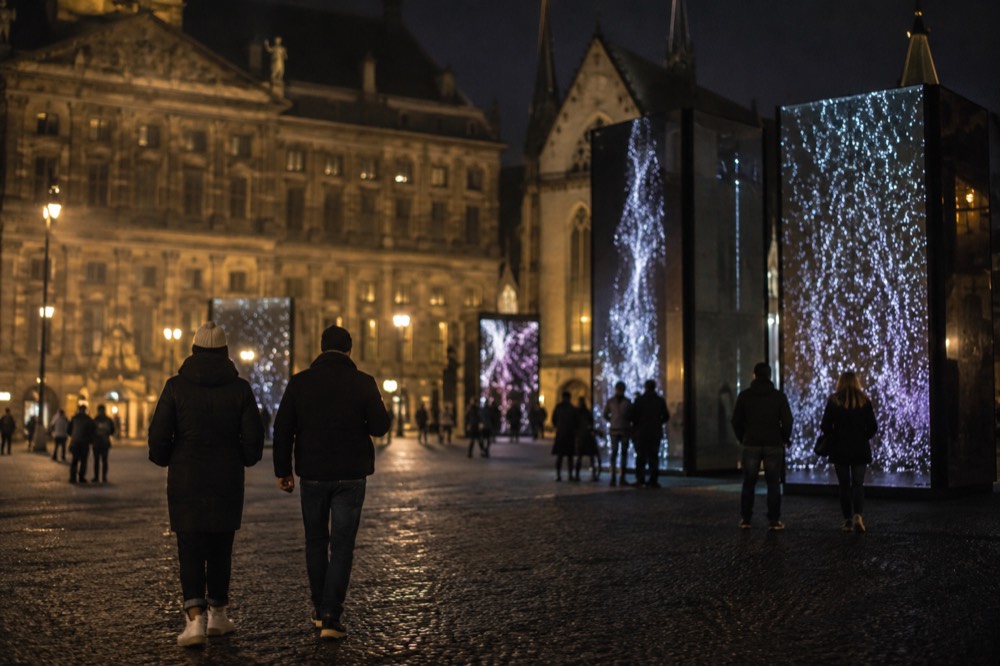
The former gasworks at Westergas have been transformed into a cultural park with restaurants, a cinema, and the Fabrique des Lumières digital art centre. The current Klimt exhibition runs in a continuous loop, with a soundtrack that matches the shifting imagery. You can stand, sit, or lie on the floor as the paintings animate around you. Tickets start from $20 on the operator’s listing, and a visit typically lasts about an hour.
The Westergas park itself is a hidden gem, especially on a sunny day. The old industrial buildings now house a bakery, a brewery, and a Sunday market, and the wide lawns fill with picnicking families. It is a 10-minute walk from the Haarlemmerbuurt, another under-visited neighbourhood with independent shops and some of the city’s best sandwich bars.
Hidden Food and Drink Spots
Amsterdam’s food scene goes far beyond stroopwafels and bitterballen. The city’s hidden food gems include a 17th-century tasting room for jenever, a Surinamese roti shop that queues out the door at lunchtime, and a bakery inside a former squat that makes the best sourdough in town. These are the places where you eat next to locals, not tourists.
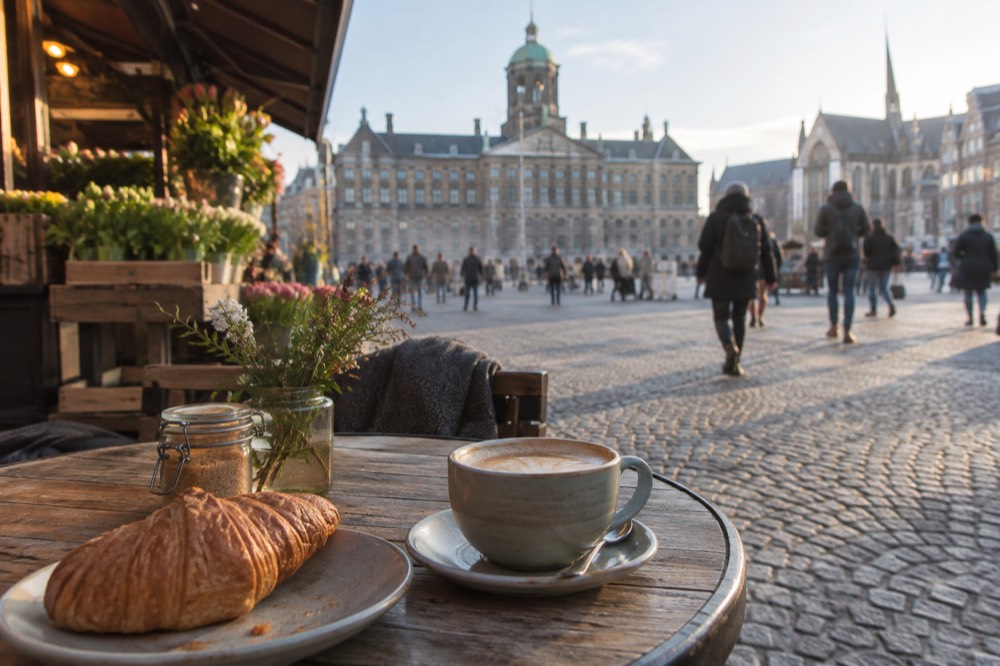
Proeflokaal A. van Wees, on the Herengracht, is the last remaining jenever distillery in central Amsterdam. The wood-panelled tasting room dates to the 1600s and serves more than 20 varieties of the Dutch spirit, including old-style jenever that is closer to whisky than to gin. A flight of three small glasses costs around €10, and the bartenders are happy to explain the difference between jonge and oude.
| Spot | Type | What to Order |
|---|---|---|
| Proeflokaal A. van Wees | Jenever tasting room | A flight of three jenevers |
| Warung Spang Makandra | Surinamese-Javanese | Roti kip kerrie or saoto soup |
| Fort Negen | Bakery | Sourdough loaf or a cardamom bun |
| Café de Ceuvel | Sustainable café | Seasonal vegetarian plate and a craft beer |
Café de Ceuvel, in Amsterdam-Noord, is a waterside hangout built on a former shipyard. The entire site runs on solar panels and a phyto-purification system, and the menu is plant-based and locally sourced. It is a 10-minute walk from the NDSM ferry stop, making it an easy add-on to a STRAAT Museum visit. In summer, the wooden terraces fill with people nursing beers and watching the boats go by.
How to Find Amsterdam's Hidden Gems on Your Own
To discover Amsterdam's hidden gems independently, ditch the map and wander on foot through neighbourhoods like the Jordaan and Plantage, peeking into unmarked doorways and alleyways. A Museumkaart (€75) unlocks dozens of lesser-visited museums, while the free GVB ferries to Noord lead to street art and waterfront cafés.
The Museumkaart, available at many museum ticket desks, grants unlimited entry to over 500 museums across the Netherlands for a full year. For visitors spending more than three days in Amsterdam and planning to visit several smaller museums, it is often cheaper than buying individual tickets. A temporary card, valid for 31 days and up to five visits, can be purchased at participating museums without a Dutch address, making it practical even for short-stay travellers.
The free GVB ferries behind Centraal Station run every few minutes and are a hidden gem in themselves. The NDSM route delivers you to the STRAAT Museum and a sprawling flea market, while the Buiksloterweg ferry lands you near the A'DAM Lookout and the Eye Filmmuseum. Both rides offer sweeping views of the IJ and cost nothing, and they run until late at night, so you can explore Noord well into the evening.
Common Questions About Amsterdam's Hidden Gems
What are the best hidden gems in Amsterdam that most tourists miss?
The Begijnhof courtyard, the Our Lord in the Attic clandestine church, the STRAAT street-art museum, the Hortus Botanicus gardens, and the quiet canals of the Eastern Docklands top the list. Each offers a completely different side of the city, away from the crowds, and several are free or low-cost.
Are Amsterdam's hidden courtyards free to visit?
Yes, almost all hofjes are free and open to the public during daylight hours. The Begijnhof, Karthuizerhof, and Sint Andrieshof ask only that visitors remain quiet and respect the residents. Some may close their gates in the evening.
Which neighbourhood is best for escaping the tourist crowds?
The Plantage and the Eastern Docklands are the quietest central districts. The Plantage offers museums and parks, while the Eastern Docklands has wide waterfront walks and modern architecture, with almost no tourist infrastructure.
Is the STRAAT Museum worth the ferry ride to Amsterdam-Noord?
Yes, the free ferry from Centraal Station to NDSM Wharf takes 15 minutes and drops you directly at the museum. The warehouse-scale street art is unlike anything in the city centre, and the surrounding wharf has cafés, a flea market, and views back across the IJ.
How can I visit the Anne Frank House if it is always sold out?
The Anne Frank House releases tickets only through its own website, every Tuesday at 10:00 CEST for visits six weeks later. They sell out within hours, so set a reminder. A walking tour of the Jewish Quarter is a good alternative if you cannot secure a ticket, though it does not include entry to the museum.