Amsterdam Pride: Canal Parade Dates, Parties and Planning
Amsterdam Pride turns the canal ring into a week-long festival that ends with one of the world's most distinctive parades: a floating one. Here is how it works, what it costs and what to book before you go.
Short answer
Amsterdam Pride is a week-long LGBTQ+ festival built around the Canal Parade, a floating procession of decorated boats through the UNESCO canal ring, usually on the first Saturday of August. It is free to watch from the banks. The 2027 dates have not yet been announced, so plan around the typical early-August window and book accommodation early.
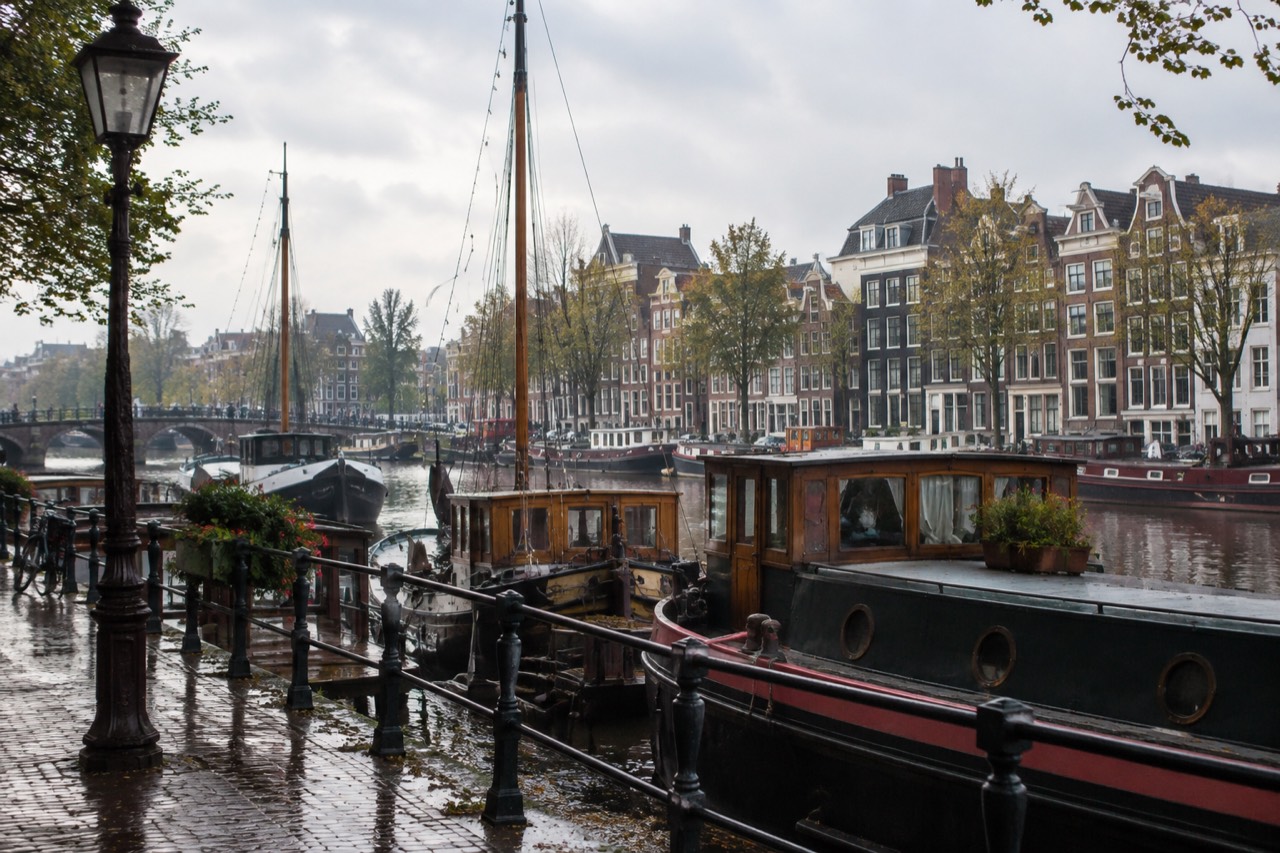
Amsterdam Pride is the one week a year when the city's most famous feature, its canals, becomes the stage for its biggest party. The centrepiece is the Canal Parade: a procession of decorated boats drifting through the seventeenth-century canal ring, watched by hundreds of thousands of people packed along the quays and bridges. Unlike almost every other large Pride event in the world, the parade floats, literally, past UNESCO-listed gabled houses.
The festival grew out of the mid-1990s, when organisers decided that a boat parade through the canals said more about Amsterdam than a march through traffic ever could, and the format has barely changed since, which is part of its charm. The city's own tourism calendar tracks the wider programme of street parties, club nights and cultural events that now wrap around the Saturday parade.
This guide covers the practical questions: when Pride happens and why the dates move, how to actually see the parade, what a Pride trip costs, where to stay, and what else is worth booking in a week when the city is at its most crowded. For the city's broader LGBTQ+ scene outside festival week, the gay Amsterdam neighbourhood and nightlife guide goes deeper.
When Is Amsterdam Pride and When Should You Plan For?
Amsterdam Pride runs for roughly a week in late July or early August, ending with the Canal Parade on the Saturday, historically the first Saturday of August. The 2027 dates have not yet been announced. Until the organisers publish them, plan around the early-August pattern, book refundable accommodation, and watch the official announcements rather than third-party pages that guess.
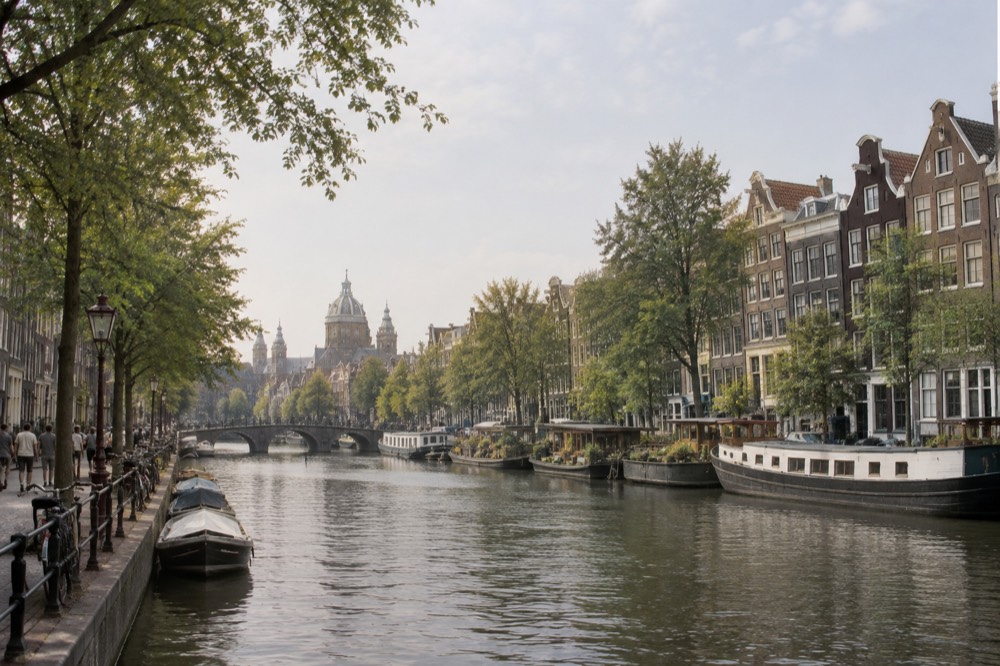
The parade is always on a Saturday, and the route through the canal ring is essentially fixed: boats gather in the Oosterdok near the city's eastern side, then pass along the Amstel river and through the Prinsengracht before finishing back near the Nieuwe Meer or the Westerdok, depending on the year's logistics. The whole float takes about six to eight hours from the first boat to the last, starting early in the afternoon.
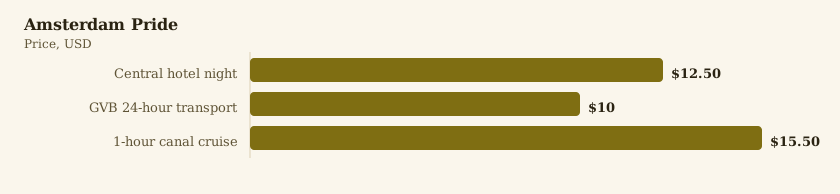
Because the dates are announced rather than fixed, accommodation pricing behaves unusually. Hotels price the presumed Pride weekend high before anything is confirmed, and the city's tourist tax adds 12.5 percent of the overnight price on top of every bill, a rate set by the municipal regulation that took effect 1 January 2026. Booking a refundable room early and rebooking if the dates shift is usually cheaper than waiting for confirmation.
A planning calendar helps more than a fixed date promise:
| Milestone | Typical timing | What to do |
|---|---|---|
| Official dates announced | Spring, several months ahead | Lock refundable hotel and trains |
| Canal Parade | Saturday, early afternoon to evening | Pick a viewing spot by mid-morning |
| Street parties | Thursday to Sunday across the centre | Check the programme per square |
| Club and venue nights | All week, late | Buy tickets in advance, they sell out |
If your dates are flexible, the best time to visit Amsterdam guide covers the trade-offs across the whole year, and the Amsterdam events calendar tracks what is confirmed for the season.
How Does the Canal Parade Actually Work?
The Canal parade is a floating procession, not a marching parade. Boats depart in a set order from the Oosterdok, cruise a route along the Amstel and through the Prinsengracht, and pass any given spot over several hours. It is free to watch from public quays and bridges, but the good spots fill by late morning, hours before the first boat arrives.
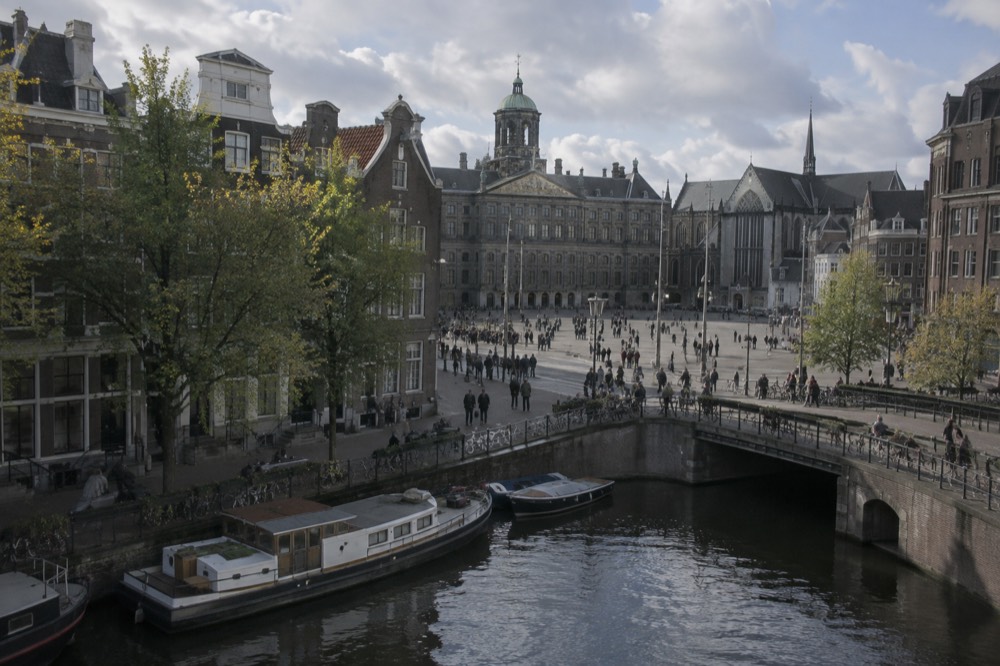
The route is the thing to understand. A spot near the start of the Prinsengracht sees the boats earlier and in a tighter cluster; a spot near the Magere Brug, the Skinny Bridge over the Amstel, sees them crossing open water with the river's width on display. Bridges give elevation but fill first. Quay edges along the Prinsengracht give a lower, closer view and turn over more as the afternoon goes on.
Crowd behaviour follows a pattern worth knowing. The first hours after the quays fill are festive and calm. As the afternoon peaks, the densest sections of the Prinsengracht can become uncomfortable for anyone who needs space, and the streets behind the quay are noticeably easier to move through. Families and anyone crowd-averse should aim for the Amstel stretch or the western end of the route, where the crowd thins and the boats are more spaced out.
The viewing spots differ enough that a comparison is worth setting out side by side:
| Viewing spot | Character | Best for |
|---|---|---|
| Prinsengracht quays | Dense, classic narrow-canal photos | Photographers, arrive by late morning |
| Bridges over the route | Elevated view, fills first | Short visits, arrive very early |
| Amstel riverbank near the Magere Brug | Open water, thinner crowds | Families, crowd-averse visitors |
| Western end of the route | Spaced-out boats, relaxed | Late arrivals, a quieter afternoon |
| On a booked boat | In the procession's wake | Anyone who books days ahead |
Watching from the water is the other option, and it is the one that needs booking. Private boats and small cruise operators run Pride-weekend departures that put you in the middle of the procession's wake rather than behind a barrier. The standard sightseeing fleet also runs, and the classic saloon boats, the restored late-nineteenth-century vessels some of which have sailed these canals since 1902, are the most photogenic way to do it.
Between the parade and the evening, most visitors want a few hours off their feet. Museums are the obvious shelter: they are air-conditioned, quiet and a short walk from the route. The Van Gogh Museum entry ticket, from $31, holds a 4.7 rating across 57,096 reviews, and the museum's own ticket page states the adult price is €25 with free entry for visitors under 18, and that every visitor must pre-book a timed entry slot. On a Pride Saturday those slots go early, so book days ahead rather than that morning.
Where Should You Stay During Pride Week?
Stay inside the canal ring if being walking distance from the parade matters more than price, stay in De Pijp or Oud-West for a cheaper base that is still 15 minutes on foot from the Amstel stretch, and avoid anything marketed as parade-view without checking which side of the water it is on. Prices in the centre peak sharply for the parade weekend.
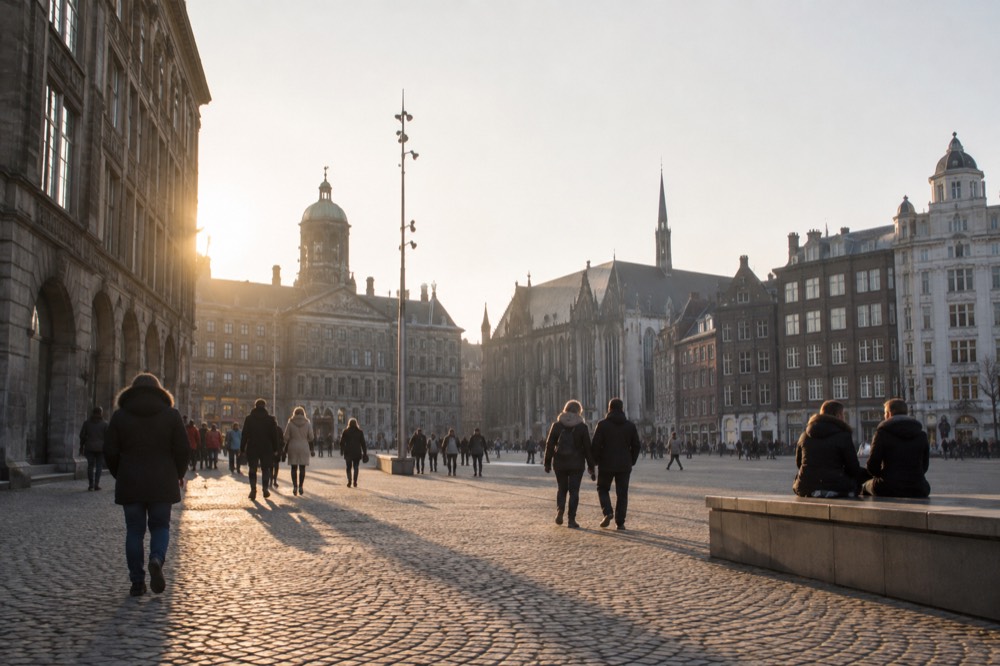
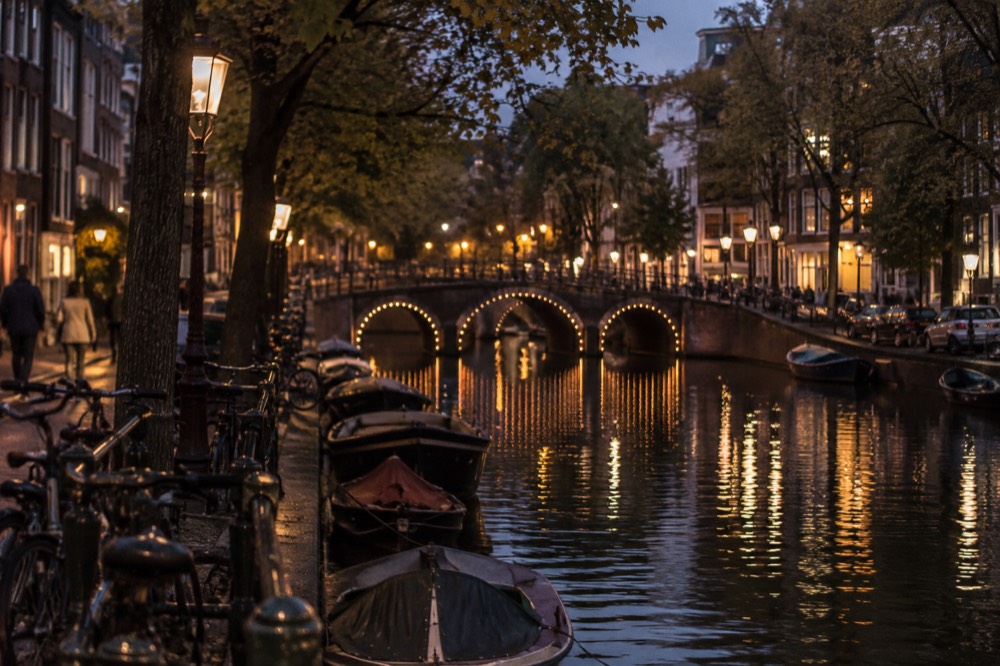
The geography is simple. The parade route touches the eastern canal ring, the Amstel riverbank and the Prinsengracht, so the Jordaan, the canal belt and the eastern edge of the centre are all within walking range. De Pijp sits directly south of the Amstel stretch and offers the best price-to-distance ratio. Amsterdam Noord, across the IJ, needs a free GVB ferry crossing but is often the cheapest option with the best skyline views back toward the centre.
One honest warning: rooms advertised as "Canal Parade view" are mostly ordinary canal-view rooms. The parade passes once a year, and any quay-side room on the route will show you the boats, but you are paying the year-round canal premium for a few hours of spectacle. Decide whether that premium is worth it, or whether a room one street back at two-thirds the price plus a free quay spot is the better trade.
Bookings carry a city-wide overhead worth knowing about. Amsterdam charges tourist tax at 12.5 percent of the overnight price excluding VAT, published on the municipal tax page at amsterdam.nl, and short-stay rentals are capped at 30 nights per calendar year city-wide, reduced to 15 nights in the busiest central neighbourhoods including the Jordaan and the Grachtengordel since April 2026. That cap has shrunk the cheap central rental supply, pushing Pride-weekend prices up further.
The neighbourhood-by-neighbourhood trade-offs, with price character and transport links for each area, are laid out in the Amsterdam neighbourhood guide, and the where to stay in Amsterdam guide covers the same question for a normal week when prices behave normally.
What Does a Trip During Amsterdam Pride Cost?
Expect Pride weekend to cost more than an average Amsterdam weekend: central hotel rates peak around the parade, tourist tax adds 12.5 percent to every night, and club events sell tickets in advance at prices that rise as they sell out. The parade itself is free, public transport is cheap, and the festival's street programme costs nothing to attend.
Transport is the smallest line. A GVB 24-hour ticket is €10.00, a 72-hour ticket is €21.50, and contactless OVpay works on every tram, bus and metro with a base fare of €1.16 plus €0.217 per kilometre, all published on the GVB price page. The free GVB ferries to Noord run all night, which matters when the parties run late.
Food and drink run at normal city-centre prices, and Pride weekend does not inflate them the way hotel rates inflate. What does inflate is ticketed nightlife: the big venue nights sell tiered tickets that step up in price as each tier sells through, so buying in the week before the trip rather than on the day can halve the cost of a single night out.
A rough budget frame:
| Line item | Typical Pride-weekend cost | Notes |
|---|---|---|
| Central hotel night | Peak pricing plus 12.5% tourist tax | Refundable rates are worth the premium |
| Canal Parade viewing | Free | Paid boat options exist for a spot on the water |
| Street parties | Free entry | Drinks bought at stalls |
| Club night ticket | Tiered, rises as tiers sell out | Buy early in the week |
| GVB 24-hour transport | €10.00 | Contactless OVpay also works |
| 1-hour canal cruise | From about €15.50 at a major operator | Booked cruises cost more, from $19.56 on the live listings |
The how much does a trip to Amsterdam cost guide gives the full breakdown for a normal week; add the Pride hotel premium on top of those figures rather than treating the weekend as typical.
What Else Happens During Pride Week Beyond the Parade?
Pride week is a full festival programme: street parties on central squares, a cultural programme across museums and venues, a dedicated pride walk earlier in the week, and club nights that run into Sunday morning. The parade is the climax, but the days before it carry the programme's most interesting and least crowded events.
The street programme is concentrated on a handful of squares, with stages, bars and community stalls, and it is free to wander in and out of. The cultural programme is the part most visitors miss: smaller venues, galleries and community spaces run talks, exhibitions and film nights through the week, and these are where the festival's political roots, it began as a statement, not just a party, stay most visible. Everything else covered here is indexed on Things to Do in Amsterdam.
For a structured introduction to the city during the quieter daytime hours, a walking tour works well. The free, pay-what-you-want model runs all week: the most-reviewed free city walk in the roster runs 2 hours 30 minutes and holds a 4.88 rating across 9,527 reviews, free to book with tips to the guide at the end. It covers the centre's highlights, which doubles as useful orientation before the parade crowds arrive.
The evening programme is where Amsterdam's normal nightlife gets amplified. The city's bar and brewery scene is strong year-round, and the Amsterdam nightlife guide maps the usual venues; during Pride week those same venues host the festival's ticketed nights, so a place that is normally a quiet tasting room on a Saturday becomes a headline venue.
Is Amsterdam Pride Family-Friendly and Safe?
Yes, with the right expectations. The daytime parade and street programme are family events in practice, with children on quays and parents on boats, and the city's low violent-crime profile holds during the festival. The late-night club programme is adult, and the densest crowd sections on the Prinsengracht in mid-afternoon are the one part to avoid with small children or anyone sensitive to crowds.
Pick your stretch of route accordingly. The Amstel riverbank and the western end of the route stay looser all afternoon. The Prinsengracht's narrowest quay sections pack tight and stay packed, and the bridges, the natural place a child wants to stand, fill first and hardest. Arrive early or choose the wider spots, and the day is straightforwardly manageable.
On safety generally, Amsterdam's profile is pickpocketing and bicycle collisions, not violent crime, and the is Amsterdam safe guide covers the everyday precautions. Pride weekend adds one specific factor: crowd density on the route means wallets and phones in back pockets are the day's main risk. Front pockets, cross-body bags and a meeting point agreed in advance solve most of it.
What Should You Book Ahead For Pride Week?
Book four things in advance: accommodation, timed museum tickets, any boat departure, and club-night tickets. Everything else, transport, street parties, the parade itself, can be decided on the day. Timed-entry museums are the item people forget: the Van Gogh Museum requires a pre-booked slot for every visitor, and Pride Saturday's slots sell out days before the weekend.
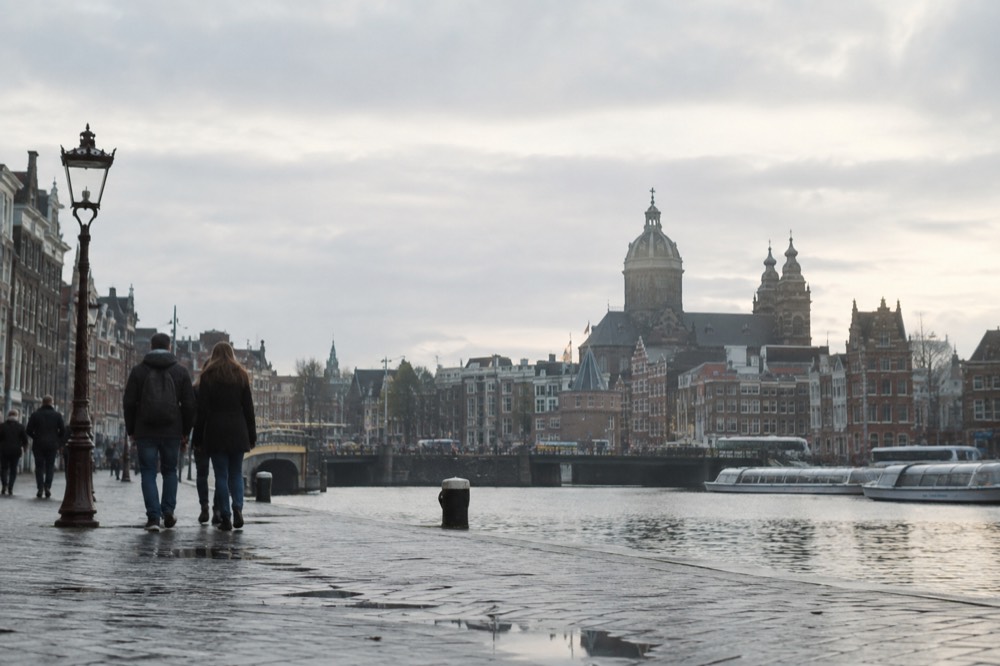
The museum point deserves its own emphasis because it fails quietly. The Van Gogh Museum states plainly that all visitors require a pre-booked timed entry ticket, and the same timed-entry rule applies at the Rijksmuseum, where a start time must be booked even by card holders. A Pride-weekend plan that says "we'll duck into a museum when the crowds get too much" fails if the tickets were never bought; check availability early in the week.
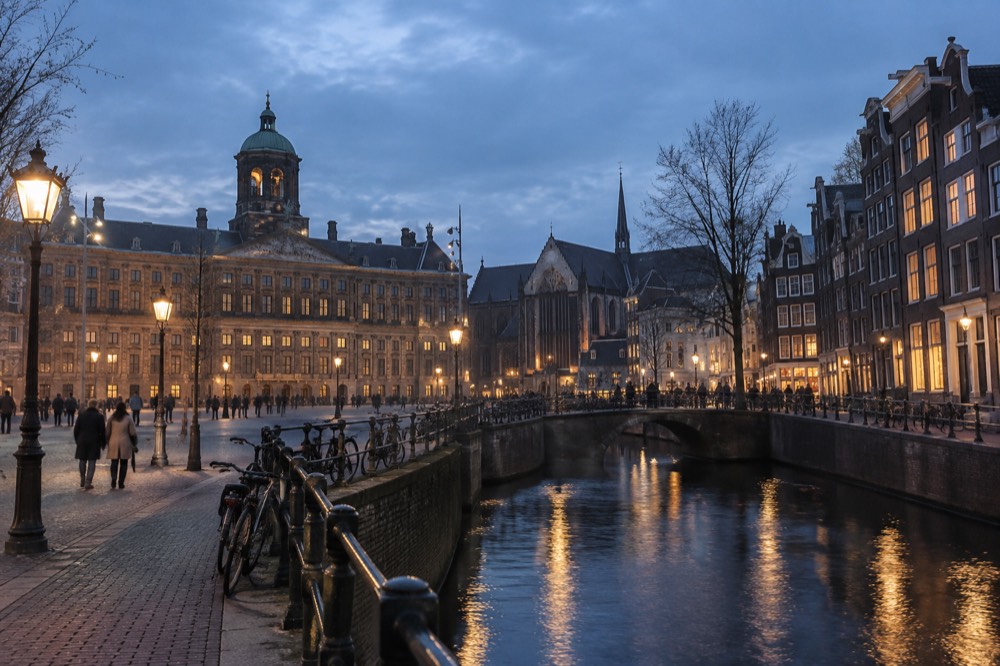
Evening plans deserve the same treatment. The sunset and city-lights cruises are the natural post-parade wind-down: the evening city-lights cruise runs 1 hour 30 minutes, from $21, rated 4.4 across 23,214 reviews, with a wine option on board. On the Saturday of the parade these departures fill with the same crowds the day produced, so a booked slot beats a walk-up.
For the rest of the week's fixed-date events, the Amsterdam events calendar is the page to check once dates are announced.
What Else Is On in Amsterdam That Week?
Late July and early August is Amsterdam's peak festival corridor: alongside Pride, the summer programme of open-air cinema, terrace culture and canal life runs at full tilt, and the tulip season is long gone, so the city's summer identity, water, terraces and long light evenings, is what you are booking into.
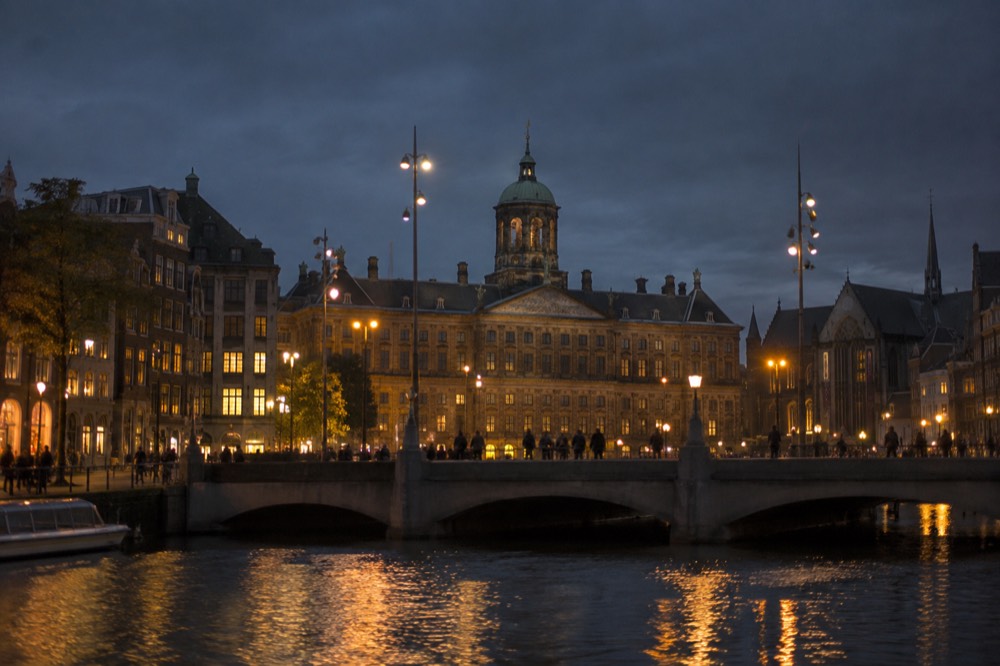
The tulip fields and Keukenhof are closed outside the spring window, Keukenhof runs only from mid-March to early May, so summer visitors should plan around the city itself rather than day-tripping toward flowers. The summer alternatives are the water and the neighbourhoods: the canal ring at its liveliest, the Vondelpark in full leaf, and the Noord wharf across the ferry.
Day trips still work if you want a break from the density. Zandvoort beach is a short train ride away, Haarlem and Utrecht are half-day cities, and the windmill villages of the Zaan region run all summer. The best day trips from Amsterdam guide ranks the options; during Pride week, the honest advice is to keep day trips to the Friday or Monday and give the weekend to the festival.
For the city's own summer character, Amsterdam in summer covers the terrace, park and water culture that Pride weekend borrows as its backdrop.
Before the final planning summary, here are the three bookings this guide keeps coming back to: a museum slot for the parade afternoon, a brewery or cruise for the evening, and the saloon-boat option if you want to see the parade from the water itself.
Common Questions About Amsterdam Pride
When is Amsterdam Pride?
Amsterdam Pride runs for roughly a week in late July or early August, ending with the Canal Parade on the Saturday. The 2027 dates have not yet been announced, so plan around the early-August pattern and watch the official announcements.
What is the Canal Parade?
It is a floating parade: decorated boats depart from the Oosterdok and cruise a route along the Amstel and through the Prinsengracht over six to eight hours. It is free to watch from public quays and bridges.
Is Amsterdam Pride free?
The parade and the street programme are free. What costs money is accommodation, which peaks for the weekend, ticketed club nights, and any booked boat departure or museum slot.
Where is the best place to watch the Canal Parade?
The Amstel stretch near the Magere Brug gives open water and thinner crowds; the Prinsengracht gives the classic narrow-canal photos but packs tight by early afternoon. Arrive by late morning for either.
Is Amsterdam Pride suitable for children?
The daytime parade and street parties are family events in practice. The densest Prinsengracht sections in mid-afternoon are the one part to avoid with small children; the Amstel riverbank is the easier option.
Do I need to book anything in advance?
Yes: accommodation, timed museum tickets, boat departures and club nights. The Van Gogh Museum requires a pre-booked timed slot for every visitor, and Pride Saturday's slots sell out days ahead.