Amsterdam Events Calendar: Festivals and Dates Worth Planning Around
Amsterdam's year is shaped by a handful of fixed dates: a citywide street party in April, eight weeks of tulips in spring, a dance music takeover in October and a canal-side light art trail in winter. Here is what is actually confirmed, when it happens, and what each event does to crowds, prices and tickets.
Short answer
The anchor dates are King's Day on 27 April 2027, Keukenhof from 18 March to 9 May 2027, Amsterdam Dance Event from 21 to 25 October 2026 and the Light Festival from 26 November 2026 to 17 January 2027. Museum entry costs around €25 at the Rijksmuseum and Van Gogh Museum, and timed tickets sell out first during event weekends.
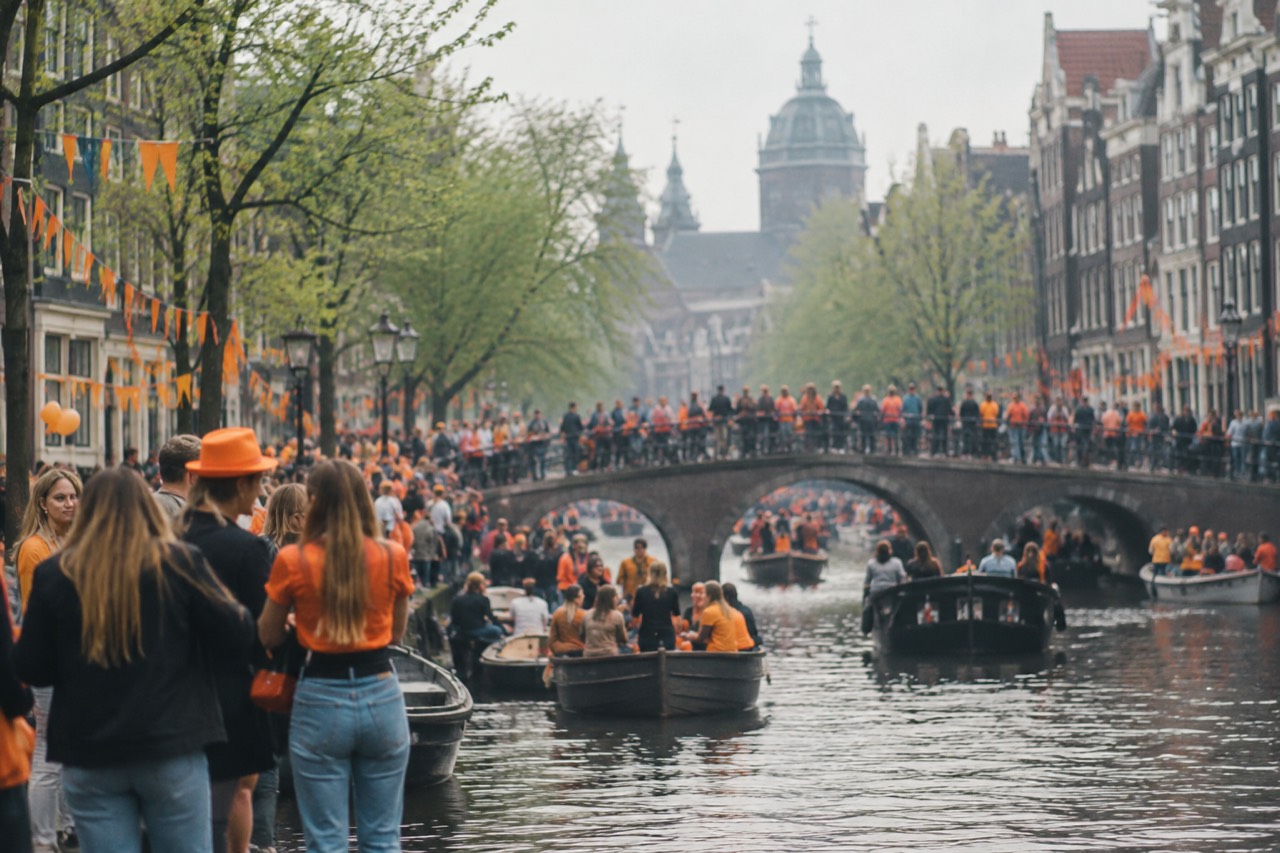
Amsterdam runs on a small number of fixed dates, and the whole city bends around them. On King's Day the centre becomes a single open-air party with no trams through the core. During Keukenhof season, day trips to the flower fields sell out weeks ahead. In late October, a quarter of a million dance music fans arrive for five nights of events, and hotel rates move accordingly.
This calendar pulls together the dates that are actually confirmed on official sources, the ones still to be announced, and the practical consequences of each: what closes, what sells out, and what it costs. Where a date is not yet official, it says so plainly rather than guessing.
What Are the Biggest Annual Events in Amsterdam?
The four events that genuinely reshape the city are King's Day in late April, the Keukenhof tulip season from mid-March to early May, Amsterdam Dance Event in late October and the Amsterdam Light Festival from late November to mid-January. Each is confirmed on official sources for its next edition, and each draws crowds large enough to change transport, museum queues and hotel prices for days around it.
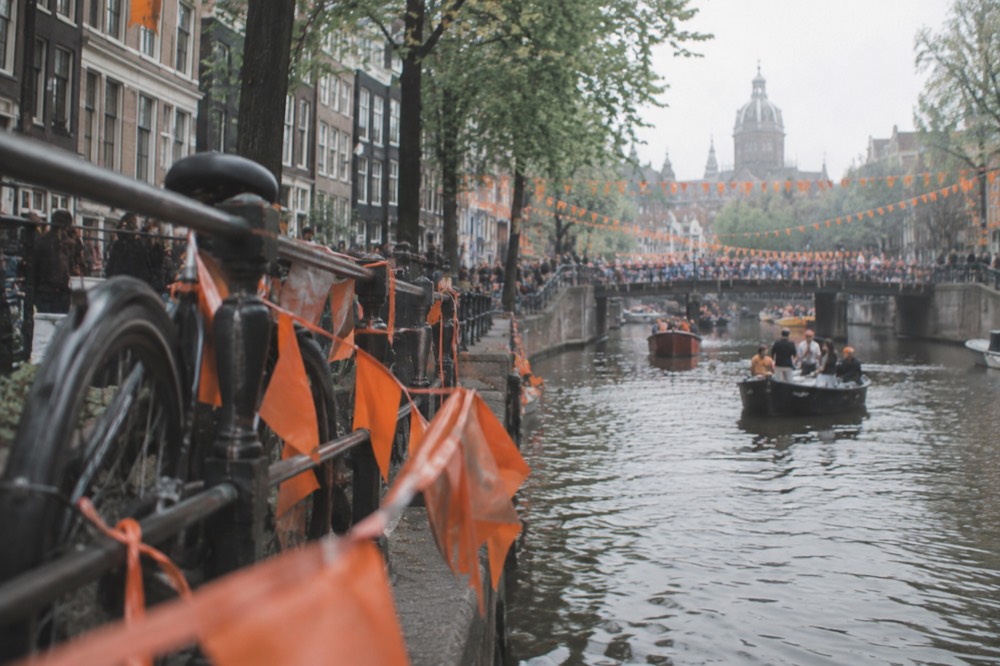
Everything else on the Amsterdam calendar, from Pride's Canal Parade in August to Museumnacht in the autumn, sits a tier below these four in practical impact. That does not make them lesser events; the Canal Parade is one of the most photographed afternoons of the year. It means a visitor planning around the big four will have accounted for most of the disruption and most of the demand on tickets.
The pattern worth knowing is seasonal. Spring belongs to flowers and the royal celebration, summer belongs to open-air festivals and canal life, autumn belongs to dance music and museum nights, and winter belongs to lights and ice. A trip built around one of these anchors is rarely a worse trip, but it is a different trip, and the difference is mostly in the booking.
For the wider context of when to come, the best time to visit Amsterdam guide breaks the year down month by month, and the free things to do in Amsterdam guide lists what costs nothing even during the busy weeks.
When Is King's Day and What Actually Happens?
King's Day falls on Tuesday 27 April 2027, with the King's Night celebrations the evening before, on Monday 26 April. It is the one day of the year when the entire city centre turns into a street market and open-air party, public transport in the core is restricted, and museum visits require more planning than usual. The royal family itself celebrates in Lelystad, not Amsterdam.
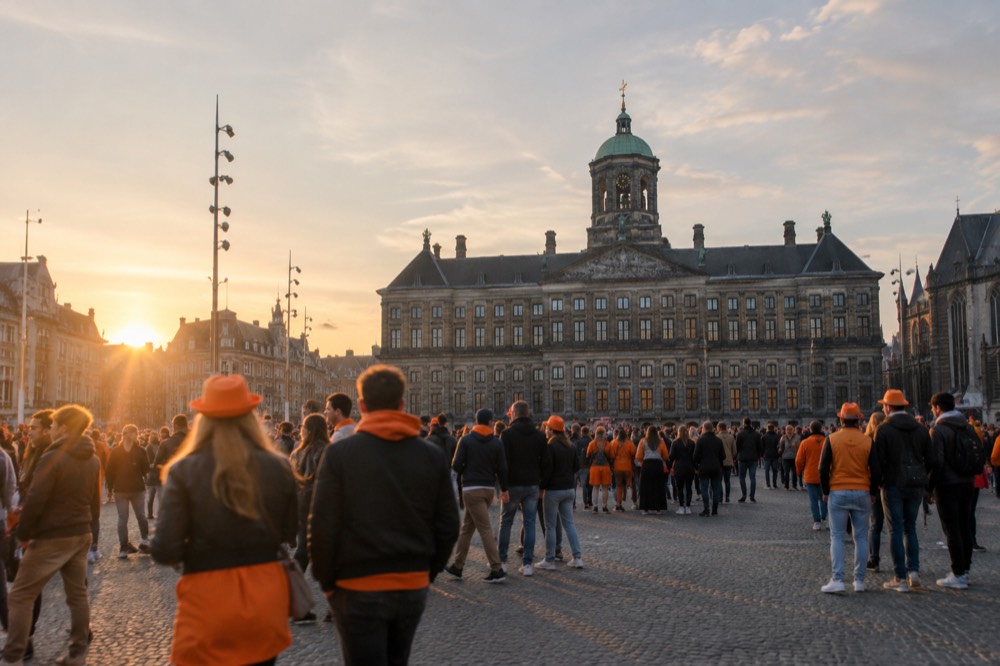
King's Day, or Koningsdag, is the Netherlands' national holiday, and Amsterdam's version is famously the largest street party of its kind. The date is fixed by the monarch's birthday: 27 April, and when it lands on a Sunday the celebration moves to the Saturday. The Royal House has confirmed that the 2027 national celebration takes place in Lelystad, which is worth knowing because Amsterdam's Koningsdag is not a royal visit, it is a citywide fiesta that happens regardless of where the King actually goes.
Practically, the city transforms. The vrijmarkt, the one day anyone may sell belongings on the street without a permit, fills whole neighbourhoods with stalls from early morning. Canals become dense with boats, many playing music, and the city applies its strict rules about alcohol and public space with more energy than usual on this day. Trams in the centre stop or reroute, so walking becomes the default way to move.
The date is confirmed on the official Royal House announcement of the Lelystad celebration, which also fixes the calendar for Amsterdam's own festivities. For the full picture of orange clothing, flea markets and boat rules, the dedicated King's Day in Amsterdam guide covers the day in detail.
One thing first-time visitors underestimate is how much of the city's normal commerce pauses. Museums mostly stay open, but the streets around them are impassable by car and slow on foot, and the queues for the major museums can be the longest of the year. Booking a timed ticket before you travel is not optional advice on this date; it is the difference between seeing the Rijksmuseum and standing outside it.
What Dates Does Keukenhof Open, and When Do Tulips Peak?
Keukenhof is confirmed open from Thursday 18 March 2027 to Sunday 9 May 2027, daily from 08:00 to 19:00, in Lisse, roughly 30 to 40 minutes from Amsterdam. The gardens run for eight weeks only and never open outside that window, and the tulip field peak bloom generally falls mid-April to early May, weather dependent.
Keukenhof is the single most misunderstood Amsterdam-area event, because it is frequently written about as though it were a year-round attraction. It is not. The official Keukenhof site confirms the 2027 season runs 18 March to 9 May, and outside those dates the park is simply closed. Any tour, guide or article suggesting a spring weekend visit outside that window is wrong, and a traveller who arrives in June for tulips will find fields of stubble.
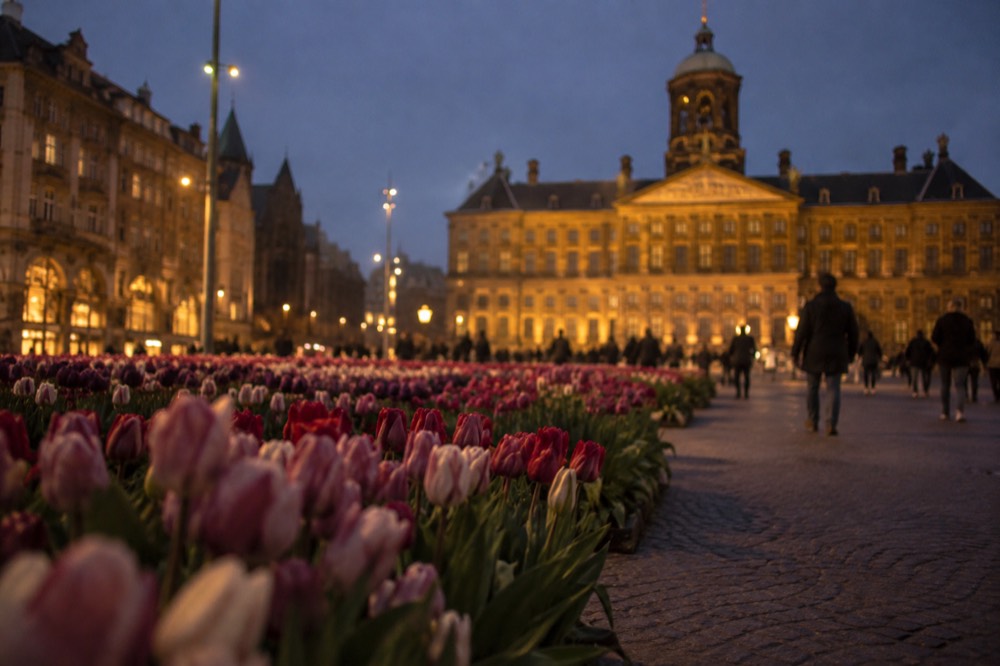
The timing subtlety is bloom. The Keukenhof season is fixed; the flowers are not. Mid-April to early May is the usual field peak, but it shifts with the winter, and the wider season runs mid-March to mid-May. The safe strategy is to treat late April as the target week, book transport and accommodation early, and accept that no source, official or otherwise, can promise a specific peak week in advance. 2027 ticket prices were not yet on sale at the time of research, so check the operator's own site rather than trusting a price copied from a blog.
The combined Keukenhof and windmill day tour is the format most visitors choose, because it solves both the transport and the timing in one booking, and its live listing carries free cancellation if the weather turns. The dedicated Keukenhof guide covers tickets, transport and the best arrival hours in full.
What's On in Amsterdam in Autumn and Winter?
The two confirmed anchors are Amsterdam Dance Event, running 21 to 25 October 2026 for its 30th edition, and the Amsterdam Light Festival, running 26 November 2026 to 17 January 2027. ADE turns the city into a five-night electronic music conference and club programme, while the Light Festival installs art along the canals and is best seen from the water.
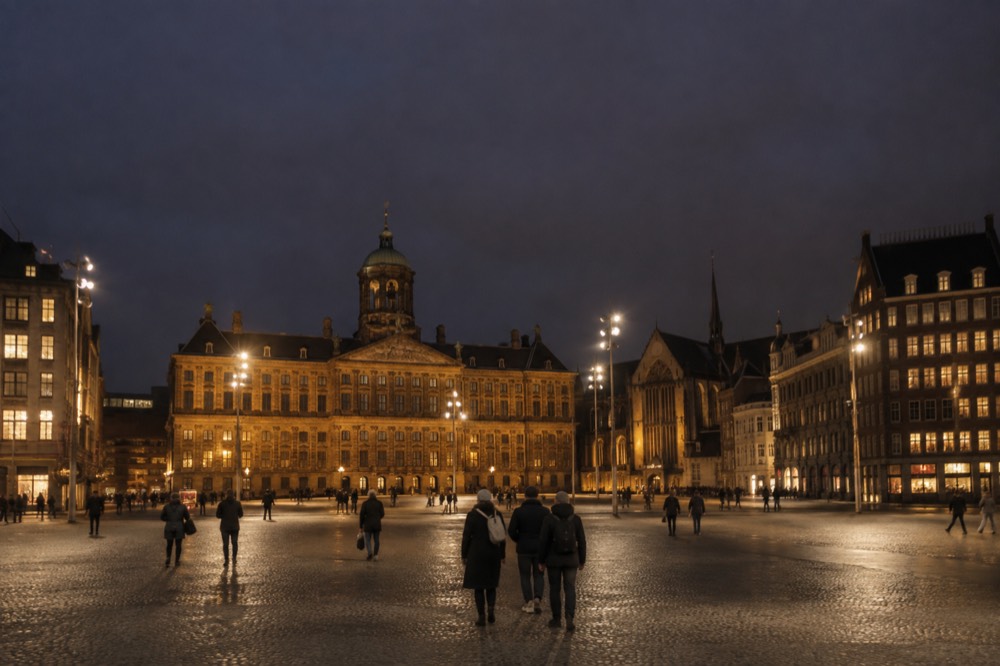
Amsterdam Dance Event has grown from a club festival into one of the largest electronic music gatherings in the world, with conference sessions by day and hundreds of club nights across the city. For a visitor not attending ADE, the practical effects are crowded late-night transport, high hotel rates and a city centre that feels a decade younger after dark. For a visitor attending, the programme and ticketing live on the event's own channels, and individual night tickets sell out on announcement.
The Light Festival is the gentler counterpart. Installations line the canals of the centre and east, and the standard way to see them is from a boat, since several works are oriented toward, or even placed in, the water. The dates for the 2026/27 edition, 26 November to 17 January, make it the anchor of a winter trip, and it pairs naturally with the city's brown cafes and the seasonal lights described in the Amsterdam in December guide. The dedicated Amsterdam Light Festival guide covers the routes and the boat options.
Winter also carries the events that are not yet announced: Museumnacht, Sinterklaas arrivals and the Christmas market details for the 2026 season were not confirmed on official sources at the time of research, so treat any specific date you see for those as provisional until the organisers publish it.
Which Festivals Fill the Amsterdam Summer?
Summer's confirmed fixtures are the canal-centred celebrations of Pride in early August, the open-air concert and festival season in the parks from June through August, and the everyday event that is the canal ring itself. The 2027 Pride and Canal Parade dates had not been announced at the time of research, so summer planning should anchor on the season rather than a fixed date.
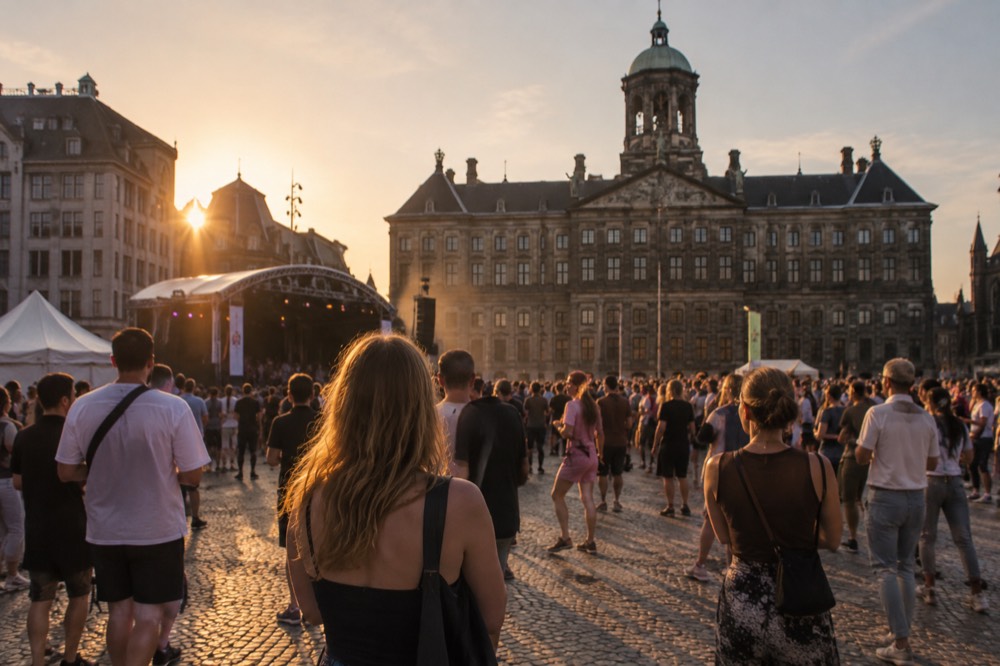
Pride is the headline act. The Canal Parade, a procession of decorated boats through the Grachtengordel, draws enormous banks-side crowds and is one of the defining Amsterdam experiences, documented in the Amsterdam Pride guide. Because the date shifts year to year and the 2027 edition was unannounced, check the organisers' own channels rather than a secondhand listing.
Around Pride sits a broader summer season. The city's parks, above all the Vondelpark, host free and ticketed open-air events through the warm months, and the canal ring operates as a continuous informal festival, with terraces, swimming spots and the evening cruise traffic described in the Amsterdam in summer guide. Summer is also when the resident-oriented side of the calendar shows: neighbourhood street festivals in De Pijp, the Jordaan and Noord that never make international lists but are often the best afternoon a visitor stumbles into.
The honest planning note for summer is that it is the peak season for the whole calendar, not for any one event. The city's own visitor research counted 21.9 million day visits in 2025, and a large share of those land in the summer months, so the crowd pressure is continuous rather than concentrated. Book the marquee items, the Van Gogh Museum, the canal cruise, the popular restaurants, well ahead, and leave the rest to chance.
How Do the Big Events Change Crowds and Prices?
Event weekends raise hotel demand sharply, add a 12.5% tourist tax on top of the nightly rate, and concentrate museum queues into the hours around the event itself. The city recorded 23.7 million tourist overnight stays in 2025 against a policy ceiling of 20 million, and event dates are where that overspill is felt most, so the countermeasures are timed tickets, early transport booking and off-peak museum hours.
The arithmetic is unforgiving. Amsterdam's hotel stock is roughly 41,000 to 42,000 rooms across about 544 hotels, and the city has a policy of not adding more, so every event weekend compresses a fixed supply against a surge in demand. The tourist tax, 12.5% of the overnight price excluding VAT, applies to hotels and holiday rentals alike, which means a high event-weekend rate is taxed as a high rate.
Museums respond with timed entry, and the visitor should too. The Rijksmuseum charges €25 for adults, is free for ages 18 and under, and requires every visitor, pass holders included, to book a start time online. The Van Gogh Museum likewise charges €25, admits under-18s free, and requires a pre-booked timed ticket for all visitors; its live listing is the straightforward way to secure a slot, and the Van Gogh Museum guide covers the alternatives. Anne Frank House tickets, at €16.50 for adults, are sold only through the museum's own site for a specific time slot, with no door sales, and are released six weeks ahead, a schedule detailed in the Anne Frank House guide.
| Event | Next confirmed dates | What sells out first | Best countermove |
|---|---|---|---|
| King's Day | Tue 27 April 2027 | Central hotels, museum timed slots | Book accommodation and museum slots weeks ahead |
| Keukenhof | 18 Mar to 9 May 2027 | Day tours in late April | Book a combined tour with free cancellation |
| Amsterdam Dance Event | 21 to 25 Oct 2026 | Club night tickets, late-night transport | Buy night tickets on announcement |
| Light Festival | 26 Nov 2026 to 17 Jan 2027 | Weekend boat slots | Choose a weekday evening cruise |
| Pride Canal Parade | Not yet announced | Canal-side terraces, boat positions | Confirm dates on organisers' channels first |
Transport is the other pressure point. A GVB day ticket costs €10.00 for 24 hours, and contactless bank card tap-in works across trams, buses and the metro, but on event days the core tram lines are rerouted or suspended entirely, King's Day being the extreme case. Walking distances grow, comfortable shoes matter more than any ticket product, and the ferry links to Noord keep running when the centre gridlocks.
What Should You Book Ahead During Event Weekends?
Book three things in advance for any event weekend: a timed museum slot, a canal cruise or tour with a fixed departure, and accommodation with free cancellation. The Van Gogh Museum's timed tickets are the most common miss, the Anne Frank House is the hardest to get because it sells only through its own site, and event-weekend hotel rates reward booking months rather than weeks ahead.
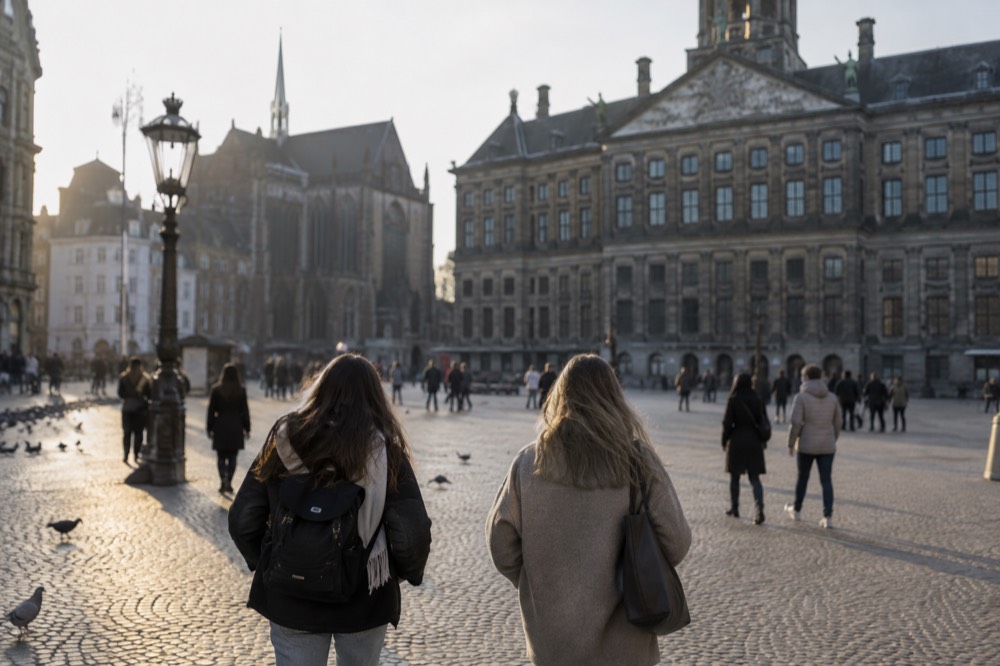
The museum question is the one most worth getting right, because the two most visited museums in the city both run strictly timed entry. The Van Gogh Museum ticket, from $31 on the live listing with a 4.7 rating across 57,096 reviews, is the single most booked product in the city's visitor economy, and event weekends strip its calendar of convenient slots first. Booking is quick, and free cancellation terms on the listing make an early booking a no-cost hold.
For Keukenhof season, the combined garden and windmill tour format is the one to lock in early, since late April dates across the whole sector tighten up as the bloom forecasts firm. The tour pairs the gardens with Zaanse Schans, and its listing carries a 4.6 rating across 1,337 reviews at from $107.
Accommodation during ADE and King's Day deserves a specific warning: these are the two weekends when the fixed hotel supply meets the steepest demand spikes of the year, and the 12.5% tourist tax compounds whatever the nightly rate does. Free-cancellation bookings made early, then re-shopped closer to the date, are the standard play. The where to stay in Amsterdam guide maps the neighbourhoods that stay calm when the centre does not.
Where Can You Find Smaller Local Events?
The reliable sources for small Amsterdam events are the city's own cultural calendars, individual venue and neighbourhood listings, and the free walking tours whose guides are usually the best-informed people in the square. Smaller events, neighbourhood festivals, market days and museum late nights, rarely appear on international listings, so local channels beat aggregator sites for anything below the top tier.
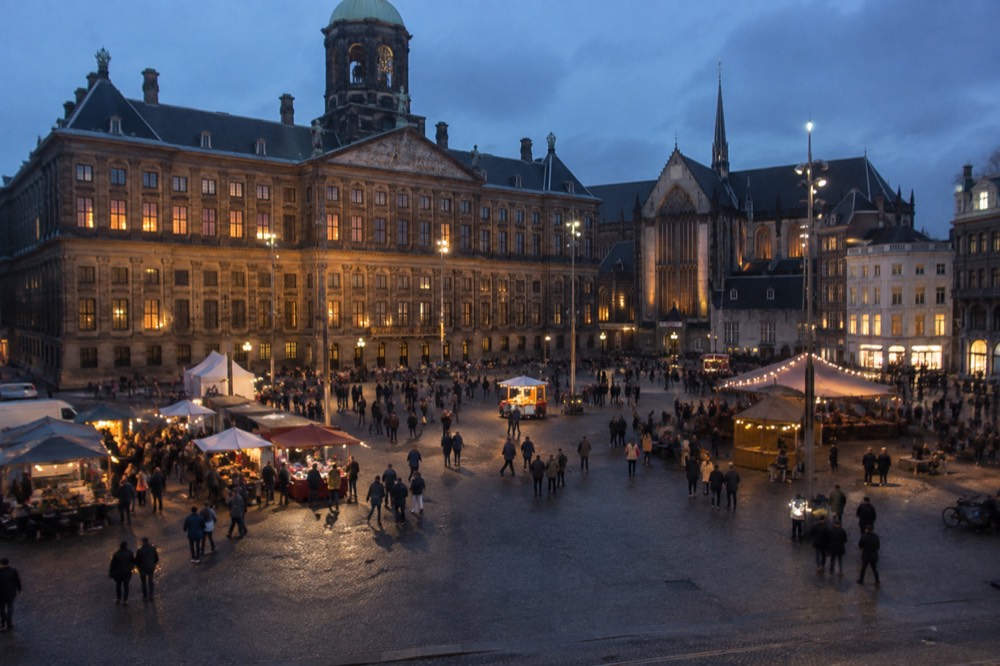
The pattern to trust is venue-first. The concert halls, the major museums and the festival organisers each publish their own season calendars, and for the marquee events those official pages are the only place a date is real before it is real anywhere else. The Keukenhof season dates, for example, come from Keukenhof's own site, and the King's Day calendar from the Royal House, and everything downstream of those sources is a copy of a copy.
For the street-level layer, the free walking tour is an underrated events source. The most-reviewed free city walk, free to book with a tip for the guide at the end, runs 2 hours 30 minutes and is rated 4.88 across 9,527 reviews, and its guides deal in current, local knowledge, which closures, which market is on this weekend, which neighbourhood festival is worth the detour.
| Season | Anchor events | Crowd level | Book ahead? |
|---|---|---|---|
| Spring (Mar to May) | Keukenhof, King's Day, tulip fields | High, peaking late April | Yes, weeks ahead |
| Summer (Jun to Aug) | Pride, park festivals, canal season | Continuously high | Yes, for museums and dining |
| Autumn (Sep to Nov) | ADE, Museumnacht, Light Festival opening | Spiked in late October | Yes, for ADE nights |
| Winter (Dec to Feb) | Light Festival, New Year, quieter museums | High at Christmas, low in January | Only around the holidays |
The neighbourhood guides on this site, from De Pijp to the Jordaan, each note the local markets and venues that generate the small events, and the Amsterdam markets guide lists the regular market days that function as the city's weekly street festivals.
How Much Does an Event Weekend Actually Cost?
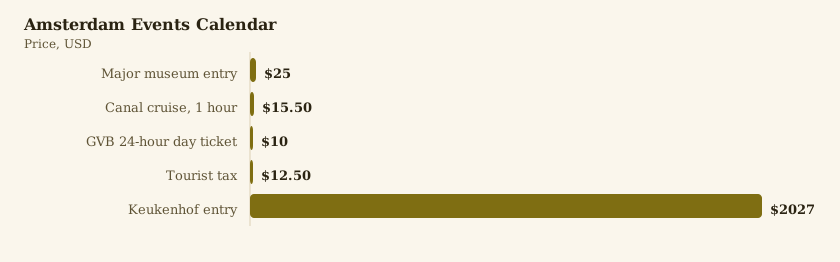
Budget roughly €25 per major museum visit, from €15.50 for a standard one-hour canal cruise, €10.00 for a 24-hour transport day ticket, and accommodation that rises sharply on event dates before the 12.5% tourist tax is added. A modest event weekend for two people, one museum each, a cruise, transport and meals, starts around €150 per person before lodging, and event dates push every line item upward.
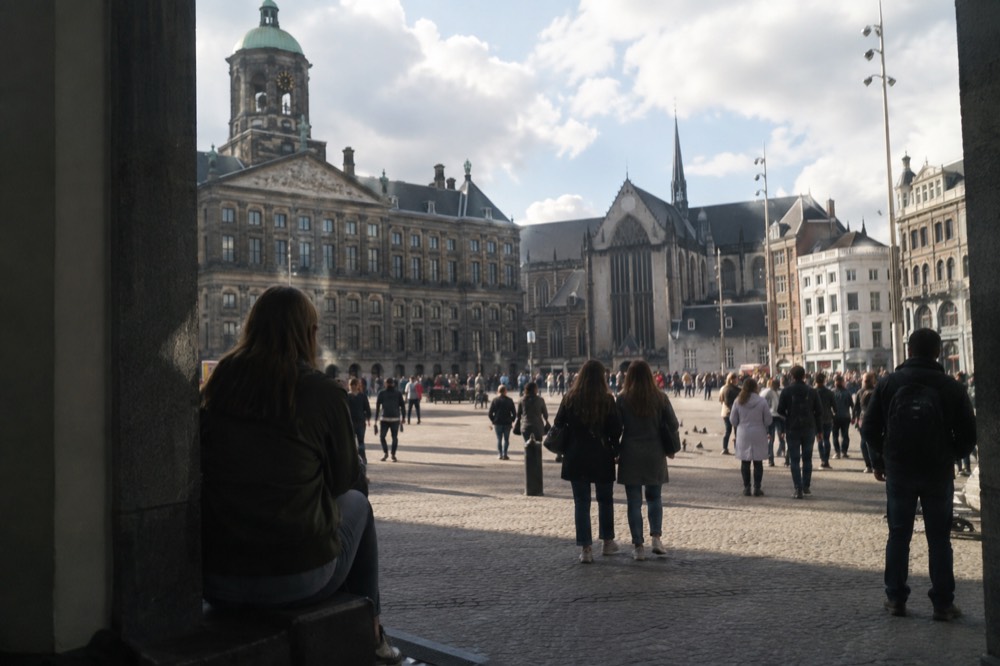
The fixed costs are easy to state because they are verified on official pages. The Rijksmuseum and the Van Gogh Museum both charge €25 for adults, with free entry for under-18s at both. Anne Frank House admission is €16.50 including the booking fee. A standard one-hour canal cruise from a major operator starts around €15.50. GVB's 24-hour day ticket is €10.00, with a child version at €5.00, and contactless tapping charges a base fare plus a per-kilometre rate with a daily cap.
| Item | Typical price | Event-weekend behaviour |
|---|---|---|
| Major museum entry | €25 adult, under-18s free | Slots tighten, book weeks ahead |
| Canal cruise, 1 hour | from about €15.50 | Weekend departures fill first |
| GVB 24-hour day ticket | €10.00 adult, €5.00 child | Core routes rerouted on event days |
| Tourist tax | 12.5% of the nightly rate | Applies year-round, scales with the rate |
| Keukenhof entry | 2027 prices not yet on sale | Buy from the official site when released |
The variable cost is lodging, and it is the line that event dates move most. The city's fixed hotel supply, its ban on new hotel construction and a tourist tax that scales with the nightly rate together mean that a King's Day or ADE weekend can multiply the accommodation share of a budget while everything else stays flat. The countermeasure is timing: book early with free cancellation, watch the rate, and remember that staying outside the centre, in Noord or the eastern districts, trades a short ferry or metro ride for a materially lower rate. The Amsterdam on a budget guide works through the full arithmetic.
Common Questions About Events in Amsterdam
What are the biggest events in Amsterdam?
King's Day on 27 April 2027, Keukenhof from 18 March to 9 May 2027, Amsterdam Dance Event from 21 to 25 October 2026 and the Amsterdam Light Festival from 26 November 2026 to 17 January 2027. These four reshape transport, museum queues and hotel prices, so plan around them rather than into them blind.
When is King's Day in Amsterdam?
King's Day is 27 April 2027, a Tuesday, with King's Night on the evening of 26 April. The date is fixed to the King's birthday and moves to the Saturday when it lands on a Sunday. The royal family celebrates in Lelystad in 2027, while Amsterdam holds its own citywide street party regardless.
What dates is Keukenhof open?
Keukenhof is open from Thursday 18 March 2027 to Sunday 9 May 2027, daily from 08:00 to 19:00. The gardens are closed entirely outside that eight-week window, and 2027 ticket prices were not yet on sale at the time of research, so buy from the official site when released.
When is the Amsterdam Light Festival?
The 2026/27 edition runs from 26 November 2026 to 17 January 2027. The light art installations line the canals and are best seen from the water, so weekend boat slots fill first; a weekday evening cruise is the quieter way to see them.
Do I need to book museums in advance during events?
Yes. The Rijksmuseum and the Van Gogh Museum both charge €25 for adults and require a pre-booked timed slot for every visitor, and event weekends strip the convenient slots first. Anne Frank House tickets, at €16.50, sell only through the museum's own site for a specific time, with no door sales.
What is there to do in Amsterdam in winter?
The Light Festival anchors the winter calendar from late November to mid-January, paired with brown cafes, the ice rink season and quieter museums in January. The Things to Do in Amsterdam homepage collects the year-round options that stay open regardless of the season.
Whether you build a trip around one of the big four or simply collide with one by accident, the same three rules hold: book the timed museums before you fly, hold accommodation with free cancellation, and check the official source for any date that matters, because the calendar moves and the copies lag behind it.