What Is The Coolest Shopping Street In Amsterdam?
The coolest shopping street in Amsterdam is the Nine Streets, and here is why, plus the other shopping streets worth your time and money.
What Is The Coolest Shopping Street In Amsterdam?
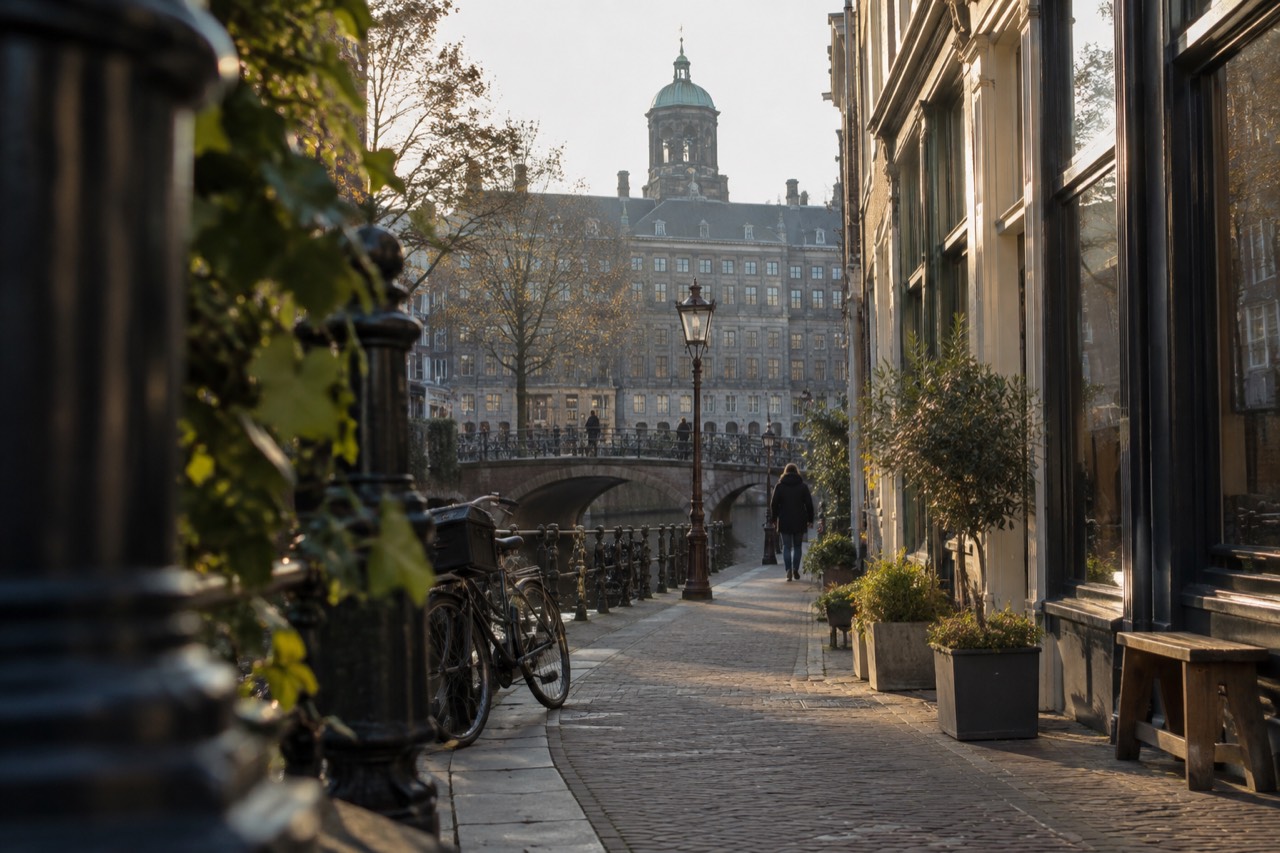
The coolest shopping street in Amsterdam is the Nine Streets (De Negen Straatjes), the nine short cross-streets that link the Prinsengracht, Keizersgracht and Herengracht canals in the centre. The area packs independent boutiques, vintage dealers, concept stores and jewellers into a compact, walkable grid that most visitors never leave, and its canal-side setting beats any high street in the city.
The Nine Streets earned their reputation by being the opposite of a shopping mall. The streets are narrow, the shopfronts are 17th-century canal houses, and almost every business inside them is independent. You will find Dutch designers next to second-hand record shops, speciality coffee between a sneaker boutique and a bookbinder. The district was formally branded and named in the 1990s, but the streets themselves are as old as the canal ring, which is a UNESCO World Heritage site. For the full background on the area, read the site's guide to the Nine Streets, De Negen Straatjes.
Why does "coolest" go here rather than to the famous Kalverstraat? Because the Kalverstraat is a standard high street with the same chain stores you find at home, while the Nine Streets sell things you cannot buy anywhere else. The shopping is slower, the setting is prettier, and the whole grid takes about half a day to explore properly, including coffee stops. If your trip is short, this is where to spend your shopping time.
The rest of this article covers the runners-up, what you can actually buy on each street, when to go, and how to fit a shopping day around the museums and canal cruises that fill most Amsterdam itineraries.
Which Other Streets Compete for the Title?
Haarlemmerstraat and Haarlemmerdijk are the strongest challengers, a long, lively pair of streets running northwest from Centraal Station with bookshops, delicatessens, vintage stores and independent fashion. Utrechtsestraat offers a similar mix on a grander canal-side scale, while the P.C. Hooftstraat serves luxury shoppers and the Albert Cuyp Market serves everyone else. Each street has a distinct personality, so the right one depends on what you are buying.
Haarlemmerbuurt is where locals actually shop, which is the highest compliment a shopping street can get in a city that received 23.7 million tourist overnight stays in 2025. The street is a 15-minute walk from the station, far enough out that day-trippers rarely reach it, and the mix is genuinely useful: a cheese shop, a children's bookshop, a menswear store, a plant shop, all within a few hundred metres. The site's guide to the Haarlemmerbuurt and Haarlemmerstraat covers the neighbourhood in detail.
Utrechtsestraat, running from Frederiksplein down to the Rembrandtplein, is the most underrated of the lot. It has the canal-house architecture of the Nine Streets with fewer crowds, and its shops lean toward design, homeware and food. The P.C. Hooftstraat, by contrast, is Amsterdam's answer to a luxury row: international fashion houses, flagship stores and price tags that need no explanation. It sits conveniently at the edge of the Museum Quarter, which is why this article pairs it with the Van Gogh Museum later on.
For a completely different register, the Albert Cuyp Market is a street market rather than a shopping street in the classic sense, but it is the busiest in the Netherlands and the cheapest place in the city to buy cheese, stroopwafels and fresh herring. The site's Albert Cuyp Market guide explains the stall-by-stall layout.
| Street | Vibe | Best for | Setting |
|---|---|---|---|
| The Nine Streets | Boutique and vintage | Independent fashion, design, jewellery | Narrow canal-house lanes |
| Haarlemmerstraat / -dijk | Local and lively | Books, food shops, everyday finds | Wide street off Centraal |
| Utrechtsestraat | Underrated and relaxed | Homeware, design, wine and cheese | Grand canal-side blocks |
| P.C. Hooftstraat | Luxury flagship row | International fashion brands | Edge of the Museum Quarter |
| Albert Cuyp Market | Market bustle | Street food, cheese, cheap souvenirs | Open-air stalls in De Pijp |
The city has also put rules around what new retail can even open: Amsterdam's municipal policy bans new tourist-oriented shops in the centre, a measure recorded on the gemeente's own news pages alongside the hotel-building freeze. The shops that exist in the canal ring are, in a real sense, a frozen stock, which is one more reason the independent streets feel distinct from any other European city's retail core.
What Can You Actually Buy on These Streets?
The Nine Streets specialise in independent Dutch fashion, vintage clothing, jewellery and design objects, while Haarlemmerstraat leans toward books, food and everyday goods, and the P.C. Hooftstraat carries the major international luxury brands. Typical Amsterdam purchases worth the luggage space include denim, vintage finds, ceramics, chocolate and cheese bought vacuum-packed for travel.
Shopping in Amsterdam rewards buyers who want things with a local accent. Dutch designers have a strong reputation in menswear and denim, and several of the boutiques in the Nine Streets stock labels you will not find outside the Netherlands. Vintage is the other pillar: the city has a deep second-hand culture, and the best dealers are concentrated in the centre rather than scattered in the suburbs.
Food shops deserve more attention than they usually get. Haarlemmerstraat and Utrechtsestraat both have cheesemongers who will vacuum-seal a wedge for the flight home, and tulip bulbs are sold across the city, though the rules on taking them out of the country matter more than the price: check what can legally be brought home before you buy, since only certified bulbs travel legally to some countries including the United States.
| What you want | Where to buy it | Notes for the trip home |
|---|---|---|
| Independent fashion and denim | The Nine Streets | Small boutiques, limited sizes, try before lunch |
| Vintage and second-hand | The Nine Streets, Haarlemmerdijk | Condition varies, inspect zips and seams |
| Cheese | Haarlemmerstraat, Albert Cuyp Market | Ask for vacuum packing for export |
| Tulip bulbs | Bulb shops and markets | Only certified bulbs may enter some countries |
| Design and ceramics | Utrechtsestraat | Wrap for the flight or ship from the shop |
| Luxury brands | P.C. Hooftstraat | Tax-free forms available in flagship stores |
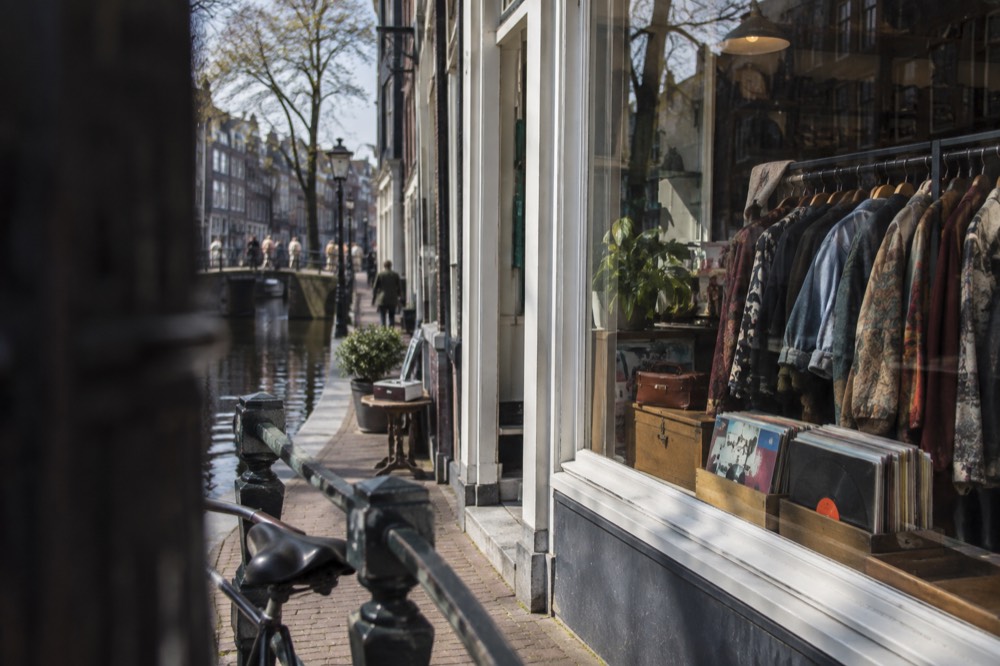
Souvenir hunters should be honest with themselves about what is worth carrying. The generic souvenir shops around Dam Square sell the same clogs, shot glasses and novelty items found in every tourist city on the continent, and the city's ban on new tourist shops exists precisely because there are already so many of them. The independent streets cost a little more but the objects last longer than the joke.
When Is the Best Time to Go Shopping?
Weekday mornings are the quietest time on every shopping street in Amsterdam, with the Nine Streets at their calmest before about noon, while Saturdays bring the biggest crowds and the Albert Cuyp Market at its busiest. Most independent shops open around 10:00 and close around 18:00, with late-night shopping on Thursdays in some parts of the centre and Sunday hours that vary shop by shop.
The rhythm matters more in Amsterdam than in most cities because the shopping streets are also residential streets. The Nine Streets are quiet canals in the morning, busy with tourists by early afternoon, and returned to residents by the evening. If you want photographs of the shopfronts without crowds, go before the shops even open: the window displays are lit and the streets are nearly empty.
Sundays are the wildcard. Opening hours vary significantly, with some boutiques closed entirely and others trading a full day, so a Sunday shopping plan should always have a fallback. The market streets are more reliable: the Albert Cuyp Market trades on weekdays and Saturdays but not Sundays, which shapes weekend plans for De Pijp.
Season matters too. The weeks around King's Day in late April turn the entire city into a street market, with the canals lined with locals selling second-hand goods, and that includes the shopping streets themselves. Winter brings the festive lights and markets described in the site's Amsterdam in December guide, and shopping streets are at their cosiest then.
How Do You Fit Shopping Around the Museums and Canals?
The most efficient plan pairs the P.C. Hooftstraat and the Museum Quarter with a pre-booked museum slot in the same afternoon, then moves the shopping to the Nine Streets or Haarlemmerstraat on a separate morning. The Van Gogh Museum, the Rijksmuseum and the shopping streets sit within a short walk of each other, and a one-hour canal cruise slots neatly between a morning of shops and an evening in the centre.
Geography does most of the work here. The P.C. Hooftstraat runs directly along the edge of the Museumplein, so a morning in the Van Gogh Museum and an afternoon in its boutiques require almost no transit time at all. The museum requires a pre-booked timed entry ticket for every visitor, a rule stated on the museum's own site, and tickets do sell out, so book the slot first and shape the shopping around it. A Van Gogh Museum entry ticket on the live listing costs from $31 and carries a 4.7 rating across 57,096 reviews. Check availability
The Rijksmuseum is even closer, on the same square, and its own ticket page confirms it is open every day of the year from 9am to 5pm with a required start time, and that it is free for visitors aged 18 and under. For a deeper comparison before you commit museum time, read the site's answer to Rijksmuseum or Van Gogh Museum.
The canal cruise is the natural bridge between shopping districts. The classic saloon boat cruise runs a full hour through the UNESCO canal ring on a restored wooden boat, with an optional Dutch cheese and drinks upgrade, and it departs from docks within walking distance of both the Nine Streets and the Museum Quarter. It is rated 4.8 across 33,435 reviews and costs from $19.56 on the live listing.
A workable full day: morning coffee and vintage in the Nine Streets, the saloon boat cruise at midday, lunch in the Haarlemmerbuurt, then the tram to the Museum Quarter for a late-afternoon museum slot and a walk down the P.C. Hooftstraat before dinner. That single day touches the coolest street, the most local street and the most luxurious street, and it is the sequence this site recommends most often.
How Do You Get Between the Shopping Streets?
The shopping streets of central Amsterdam are all within a 30-minute walk of each other, and trams connect them faster than taxis for most trips. A single GVB ticket costs €3,40 for one hour of travel, a 24-hour day pass costs €10,00, and contactless bank-card payment works on every tram, bus and metro in the city, so no special travel card is needed.
The fare structure is simple enough that planning around it barely matters. Tap a contactless card on boarding and tap out, or buy a day pass if you will make three or more journeys. The GVB network covers the trams that run along the major shopping axes, and the ferries across the IJ to Amsterdam Noord are part of the same system. The full fare table is published on the GVB's own prices page at gvb.nl.
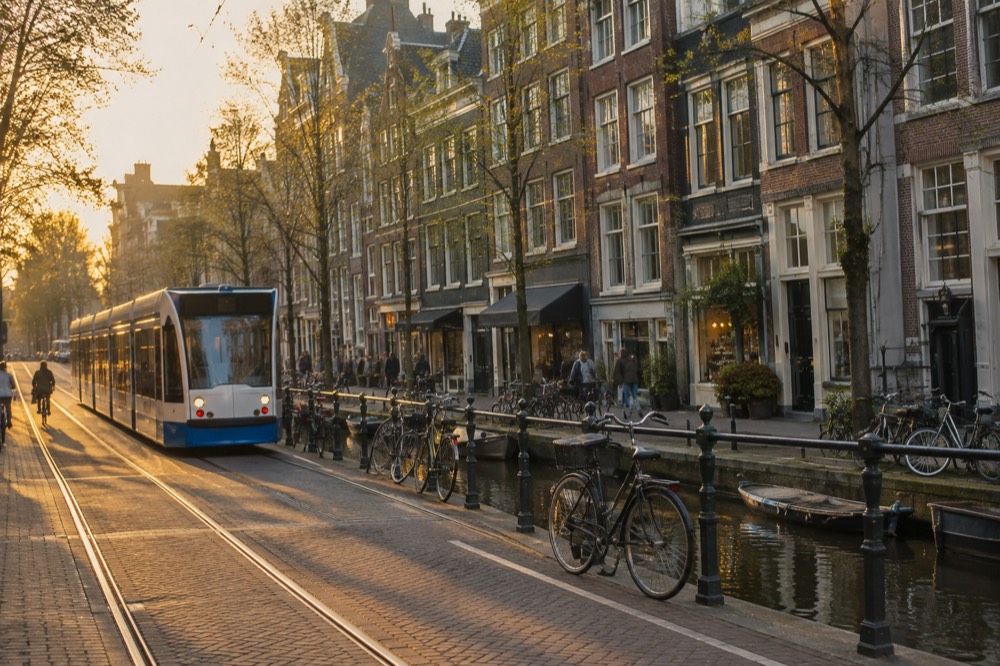
For the streets in this article, the practical anchors are these: the Nine Streets sit between the Dam and the Westerkerk, Haarlemmerstraat starts a few minutes' walk from Centraal Station, Utrechtsestraat begins at Rembrandtplein, and the P.C. Hooftstraat sits on the tram lines that stop at the Museumplein. Nothing on the list requires a metro ride or a transfer.
Cycling is the other option, and the site's cycling in Amsterdam guide covers rental and the rules of the bike lane, but a shopping day with bags is one of the few Amsterdam activities that genuinely works better on foot or by tram. The I amsterdam City Card bundles unlimited GVB transport with a canal cruise and a 24-hour bike rental, and the card's own terms, published on iamsterdam.com, confirm the transport covers GVB services within the city only. The site's full verdict on the card is in is the I amsterdam City Card worth it.
Which Street Should You Choose?
Choose the Nine Streets if you want the coolest overall experience, Haarlemmerstraat if you want to shop where locals shop, the P.C. Hooftstraat if budget is no object, Utrechtsestraat if you want calm, and the Albert Cuyp Market if you want food and bargains. The honest answer is that a two-day visit can cover the Nine Streets and one runner-up comfortably, and adding more streets starts to feel like work.
The decision usually comes down to time. A visitor with one free afternoon should walk the Nine Streets, full stop, because nowhere else in the city combines independent shops with canal-house architecture at that density. A visitor with a full day should add Haarlemmerstraat for the local contrast, and a visitor whose real interest is the museums should treat the P.C. Hooftstraat as the shopping extension of the Museum Quarter rather than as a separate trip.
Budget shapes it too. The Nine Streets are mid-priced to expensive, Haarlemmerbuurt is mid-priced, and the market is cheap. Anyone shopping on a tight daily budget, a question this site answers separately in is €100 a day enough in Amsterdam, should start at the market and treat the boutiques as browsing rather than buying.
Whatever you choose, book the museum tickets and any cruise before you leave the hotel, and leave the shopping to the mornings. The coolest street in Amsterdam is also one of the most photographed, and it is at its best before the crowds arrive. For the wider picture of retail across the city, from department stores to vintage warehouses, the site's Amsterdam shopping guide is the companion read, and the homepage's Things to Do in Amsterdam index ties every neighbourhood together.
Common Questions About Amsterdam Shopping Streets
What Is The Coolest Shopping Street In Amsterdam?
The Nine Streets, the nine cross-streets linking the Prinsengracht, Keizersgracht and Herengracht canals, are the coolest shopping street area in Amsterdam. Independent boutiques, vintage shops and jewellers sit inside 17th-century canal houses in a UNESCO-listed district.
Is the Kalverstraat worth visiting?
Only for completeness. The Kalverstraat is Amsterdam's main high street and it carries the same international chains found in most European cities. Visitors with limited time should prioritise the Nine Streets or Haarlemmerstraat and treat the Kalverstraat as a corridor between Dam Square and the Munttoren rather than as a destination.
Are shops in Amsterdam open on Sundays?
Many are, but hours vary shop by shop and some independent boutiques close entirely. The Albert Cuyp Market does not trade on Sundays. Weekday mornings are the most reliable window for a full shopping day, and Thursdays often run late in parts of the centre.
Where do locals shop in Amsterdam?
Locals shop on Haarlemmerstraat and Haarlemmerdijk, in the De Pijp streets around the Albert Cuyp Market, and along Utrechtsestraat. These areas carry food shops, bookshops and everyday goods rather than tourist stock, which is exactly why residents use them.
Can you bargain at Amsterdam markets?
Not really, and attempting it marks you as a visitor immediately. Prices at the Albert Cuyp Market and other street markets are fixed and already low by retail standards. Politeness, punctuality and paying by card are the local norms, as the site's guide to tipping and etiquette explains.
What should you buy in Amsterdam that you cannot buy elsewhere?
Dutch-designed fashion and denim from the Nine Streets boutiques, vintage from the centre's second-hand dealers, vacuum-packed cheese from a proper cheesemonger, and certified tulip bulbs where your home country's import rules allow them. Skip the generic souvenir shops around Dam Square.