Dutch Foods to Try in Amsterdam: Stroopwafel, Bitterballen and Haring
Amsterdam's food identity is compact, honest and mostly handheld: a warm stroopwafel, a plate of bitterballen with mustard, a raw haring with onions. This guide explains what each one is, where the good versions live and how to eat them the way locals do.
Short answer
The three Dutch foods most worth trying in Amsterdam are stroopwafels (best bought warm from a market stall), bitterballen (a borrel snack served with mustard, ideal in a brown café) and haring (raw soused herring with onions, sold from stalls in season). A Rijksmuseum ticket costs €25 and a GVB day travel card €10, so a food day pairs cheaply with sightseeing.
Amsterdam eats well, but it does not eat fancy. The foods the city is known for were built for workdays, markets and drinking hours: syrup-filled waffles pressed thin, fried balls of ragout meant to soak up beer, raw herring eaten standing at a stall with onions raining down your wrist. None of it was invented for tourists, and the best versions still sit where locals actually go, at the Albert Cuyp Market, in brown cafés and at harbour-side fish stalls.
This guide walks through the Dutch foods worth ordering by name, what they actually are, and how to build a day around them. Pair it with the fuller Amsterdam Dutch food guide when you want restaurant recommendations as well as snacks.
What Is Traditional Dutch Food in Amsterdam?
Traditional Dutch food is simple, filling and built around bread, dairy, fish and fried snacks rather than restaurant cuisine: thick pea soup, cheese sandwiches, mashed stamppot, and a family of fried borrelhapjes eaten with beer. Amsterdam's version leans harder on the sea, so raw haring, kibbeling and smoked eel sit at the centre of the local table. It is food designed for a cold, wet country and a working harbour.
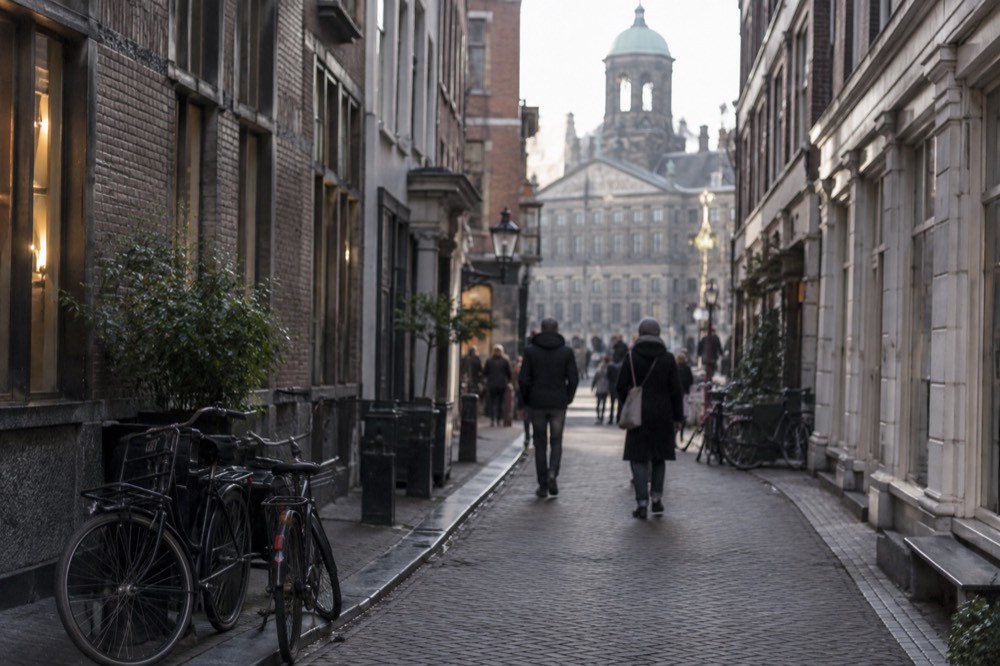
That plainness is not a weakness, it is the point. Dutch cooking grew out of trade and winters: spices arriving through the port, herring from the North Sea, potatoes and cabbage from polder fields, and cheese from towns like Gouda and Edam whose names travelled further than their recipes. When you order bitterballen in a brown café, you are eating the same snack dock workers and merchants ate with their jenever, just with better mustard.
The city's food scene has broadened enormously, and a full restaurant picture belongs in our Amsterdam restaurants guide. But the dishes below are the ones with a story attached, the ones you cannot really order properly anywhere else, and the ones locals will still judge you gently for skipping.
Where Do You Find the Best Stroopwafels in Amsterdam?
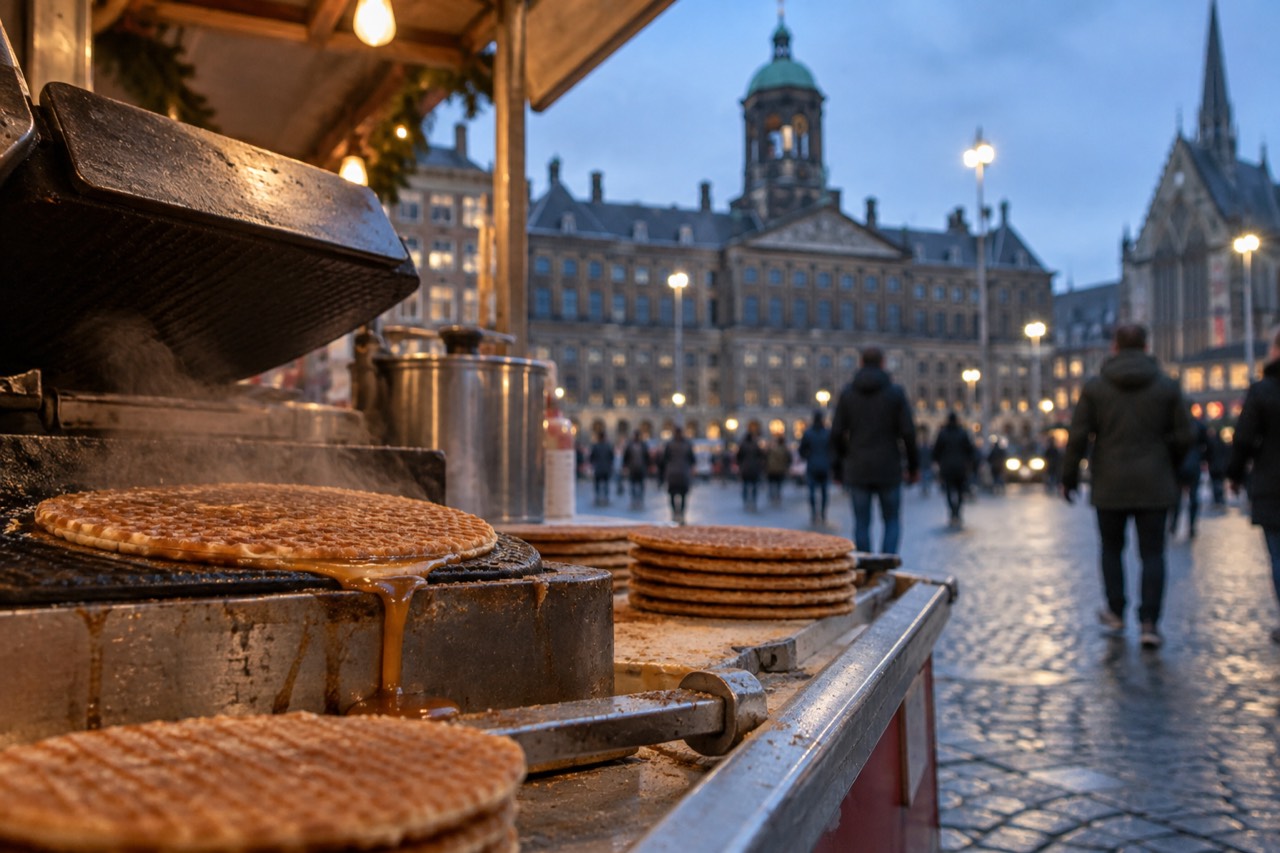
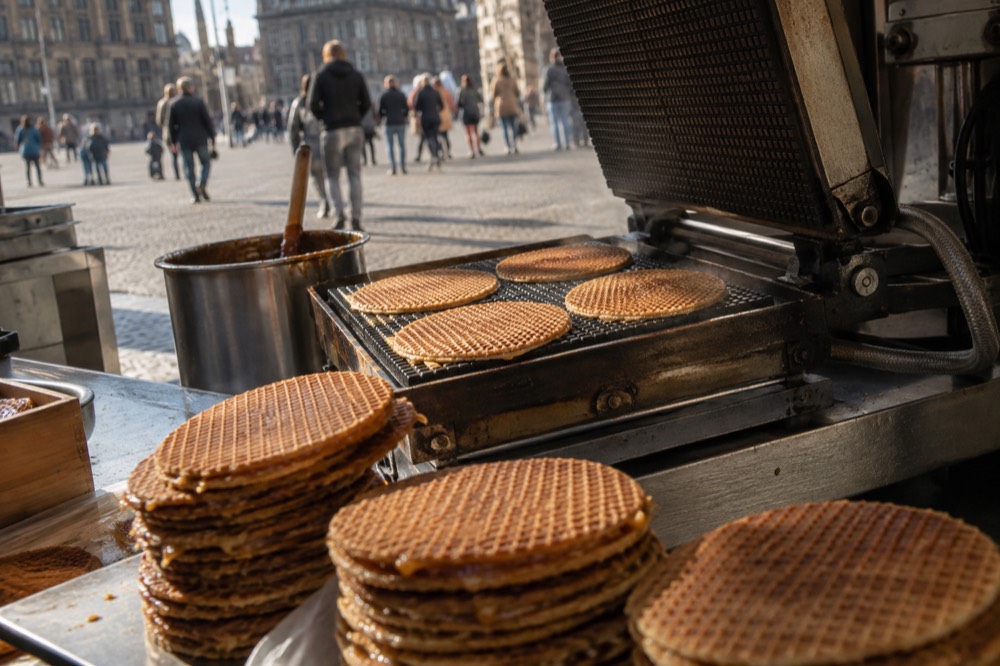
A stroopwafel is two thin, crisp waffles pressed around a layer of sticky caramel syrup, and the only version worth buying is a warm one made in front of you at a market stall, where the syrup is still molten. The classic way to eat it is resting on top of a hot cup of coffee or tea for a minute, softening the caramel before the first bite. Packaged supermarket versions are a different, sadder product.
The original came from Gouda in the late 18th century, made from bakery leftovers, and the fresh-pressed version still follows the same logic: cheap ingredients, transformed by heat and timing. In Amsterdam the reliable places to catch one warm are the market stalls rather than souvenir shops. The Albert Cuyp Market in De Pijp has vendors pressing them on hot irons all day, and the weekly markets around the city do the same on their operating days.
The coffee-lid trick matters more than people expect. A fresh stroopwafel straight off the iron has syrup that stretches and runs; after 20 minutes it sets into taffy. Letting the steam from your drink soften it restores the texture for about the cost of one minute of patience. For stall locations and market days, our Amsterdam markets guide lists the main ones with their schedules.
| Dutch Snack | What It Is | Best Setting | Classic Pairing |
|---|---|---|---|
| Stroopwafel | Two thin waffles with molten caramel syrup | Market stall, eaten warm | Coffee or tea |
| Bitterballen | Fried beef ragout balls with mustard | Brown café at borrel hour | Dutch beer, jenever |
| Haring | Soused herring with chopped onion | Fish stall, standing | Buttermilk |
| Poffertjes | Small puffy pancakes with butter and icing sugar | Winter market or pancake house | Hot chocolate |
| Kibbeling | Battered white fish chunks with garlic sauce | Harbour-side fish stall | Lemon, tartar sauce |
A food crawl is easier with a guide who knows which stall to stop at, and a guided tasting walk bundles stroopwafels with eight or nine other Dutch bites.
What Are Bitterballen and Why Do Locals Love Them?
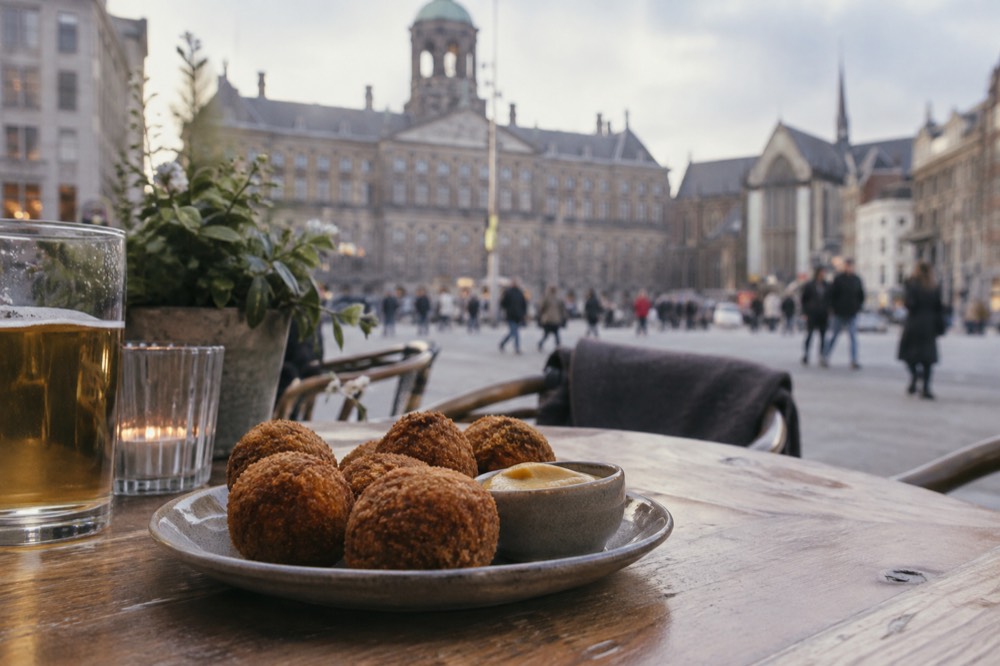
Bitterballen are round, breaded, deep-fried shells filled with a thick, savoury beef ragout, served in batches of three to six with a dish of sharp mustard for dipping. They are the standard borrelhapje, the snack that arrives with beer in a brown café, and their appeal is the contrast: a crunchy crust against a molten, peppery centre that stays dangerously hot for minutes. Order them by name anywhere.

The name is a slight historical accident. Bitterballen were originally eaten with bitters, the herbal jenever-style spirits served before dinner, and the snack kept the name even as beer took over the ritual. The filling is a roux-based ragout, cooled until set, rolled, crumbed and fried, which is why the inside holds its heat far longer than the crust suggests. Every Dutch person has burned a mouth on one and regards it as a rite of passage.
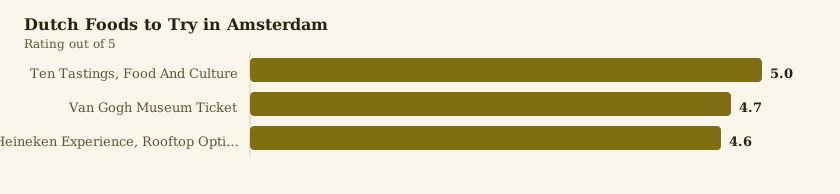
The right setting is a bruin café, one of the dark-woodened brown cafés where the beer is local and the floorboards creak. Bitterballen and Dutch beer are so intertwined that the snack is practically the national pairing, and Amsterdam's brewing story is worth tasting in person at the Heineken Experience, a 90-minute interactive visit in the original historic brewery that holds a 4.6 rating across 39,581 reviews, with tickets from $23. You can read more on the Heineken Experience page or Check availability.
If beer and snacks together sound like the right afternoon, the brewery visit slots neatly between a morning market run and an evening in a brown café, and the ticket includes the pour at the end of the tour.
Is Raw Haring Really Worth Trying?
Yes, haring is worth trying once, and the good version is nothing like the intimidating idea of raw fish. Dutch haring is soused, a light curing in brine and salt that firms the flesh and gives it a clean, mildly sweet flavour, served with chopped onions and sometimes pickles. The traditional method is to hold the fish by the tail, tip your head back and bite, but a stall will happily chop it into a bun.
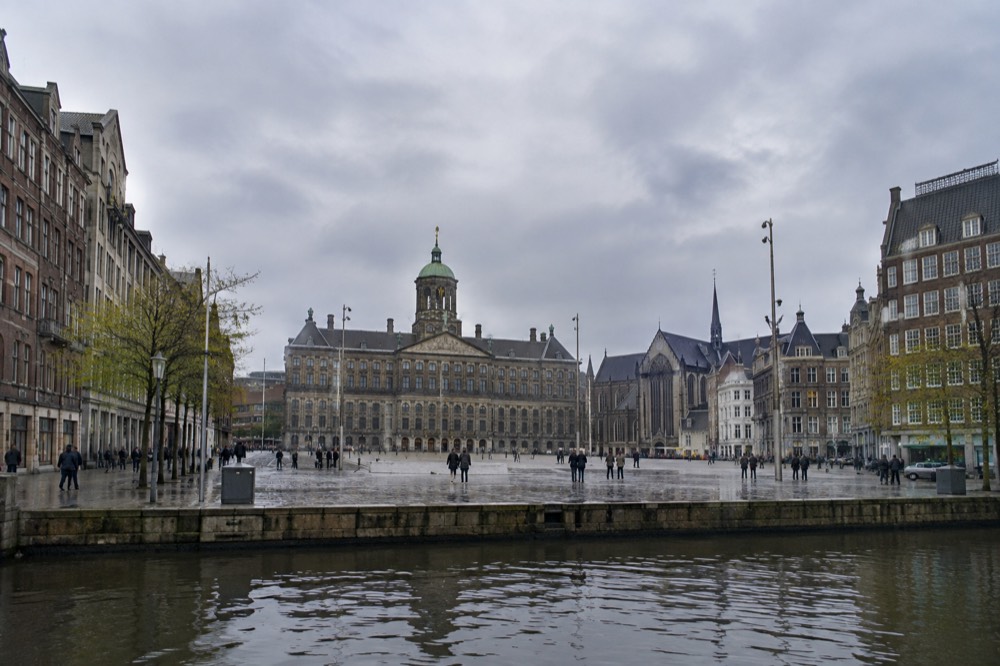
The herring fishery built the Netherlands, and the 14th-century invention of the gibbing and curing process, removing the innards but keeping the pancreas so its enzymes ripen the fish, is arguably the most consequential food technology in Dutch history. It let fishing fleets stay at sea for weeks and made Amsterdam rich before the Golden Age painters were born. Eating haring in Amsterdam is closer to eating history than eating street food.
Season matters. New herring, Hollandse Nieuwe, traditionally arrives around June, and stalls advertise its arrival the way other cities announce a festival. Stalls sell haring year round from freezers, and it is perfectly good, but the first catch of the season is the moment locals queue. Flag-bearing fish stalls appear around the centre and De Pijp; the Albert Cuyp Market is a dependable spot, and the Vlaamse frites vendors nearby make a good chaser if the haring needs backup.
What Dutch Cheeses Should You Actually Taste?
Gouda and Edam are the two Dutch cheeses worth seeking out, and the difference is real: Gouda is richer and nuttier with age, Edam is milder, firmer and lower in fat. The key local knowledge is that Gouda comes in ages, jonge at four weeks is bland and rubbery, while belegen and oude at 10 months plus develop crystals and a butterscotch depth. Ask to taste before buying at any cheese shop.
Amsterdam's cheese shops are generous with samples, and the tasting counter is the correct way to buy. Skip the pre-packed souvenir wedges near Dam Square and find a shop that cuts from the wheel. Aged Gouda with a stroopwafel sounds strange and works, and a young Gouda with beer is the standard café pairing that bitterballen also belong to.
| Cheese | Age Category | Texture and Flavour | Best Use |
|---|---|---|---|
| Gouda jonge | About 4 weeks | Soft, mild, elastic | Sandwiches, lunch |
| Gouda belegen | Several months | Firmer, fuller, nutty | Eating on its own |
| Gouda oude | 10 months and older | Crunchy crystals, butterscotch depth | With beer or on a cheese board |
| Edam | Semi-aged | Mild, firm, lower in fat | Slicing, picnics |
The day-trip version of this story is even better. Edam gives its name to the mild round cheese, and the villages of Edam, Volendam and Marken still have working cheese markets and farms in season; the Edam guide covers the town itself, and the Zaanse Schans, Volendam and Marken day tour runs 5 hours 30 minutes from $34 with a 4.5 rating across 20,839 reviews, including a cheese farm stop. Cheese tasting at the source, with the windmills outside the window, beats a vacuum-packed wedge every time.
What Other Dutch Snacks Belong on the List?
Beyond the big three, the essentials are poffertjes, small puffy pancakes served with butter and icing sugar; oliebollen, deep-fried dough balls sold mainly around New Year; kibbeling, chunks of battered white fish with garlic sauce; and frites, thick-cut fries eaten with mayonnaise rather than ketchup. Stamppot, mashed potato with vegetables and a sausage, is the home-cooked dish you will meet in traditional restaurants.
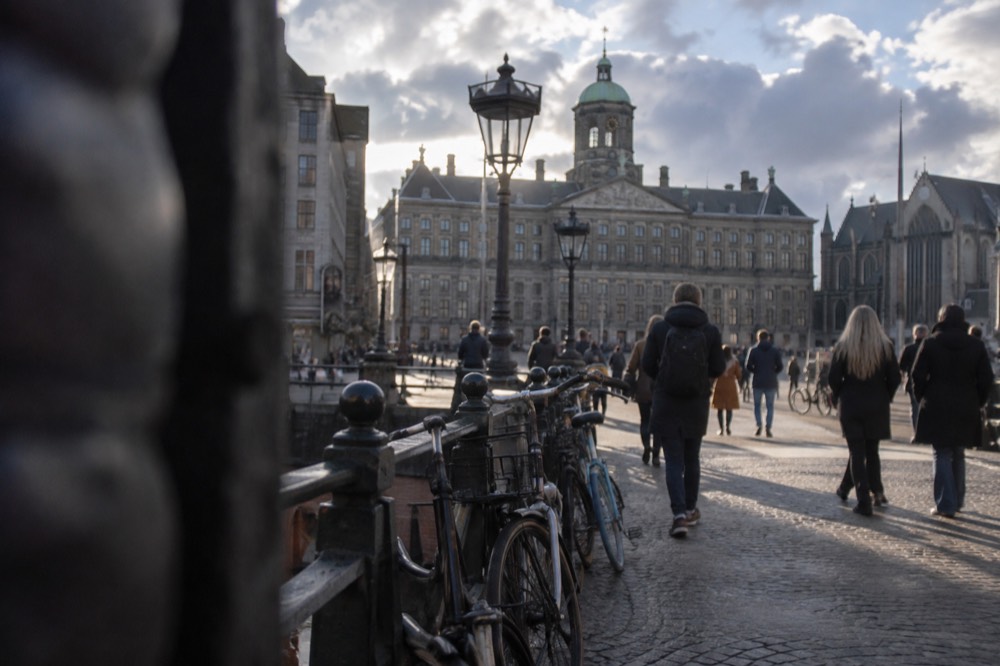
Each has its moment. Poffertjes belong to winter markets and pancake houses, cooked in cast-iron pans dimpled with batter, and children and adults order them with equal seriousness. Kibbeling is the harbour's answer to fish and chips, and the stalls near the centre sell it by the portion with a choice of sauces. Frites with mayo, or patatje oorlog with mayo, satay sauce and onions, is the late-night standard after the bars close.
The sit-down versions of Dutch food are worth one dinner of your trip. Pea soup with rye bread, stamppot in its winter variants, and meat croquettes in a grand café give you the full picture. Our guide to where locals eat in Amsterdam points at the neighbourhoods where those menus are cooked for residents rather than visitors.
A guided walk is the efficient way to cover this list, and the ten-tastings food and culture tour is the strongest option in the city: a 5.0 rating across 1,157 reviews, 3 hours 30 minutes, from $92, walking between Dutch foods with a local explaining each stop.
How Do You Build a Full Dutch Food Day in Amsterdam?
A realistic food day starts with coffee and a warm stroopwafel at a morning market, moves to haring or kibbeling from a fish stall at lunch, spends the afternoon at a museum or brewery, and ends with bitterballen and beer in a brown café before a proper dinner of stamppot or pea soup. Spread the stops across two neighbourhoods, De Pijp and the centre, and use a €10 GVB day card rather than walking it all.
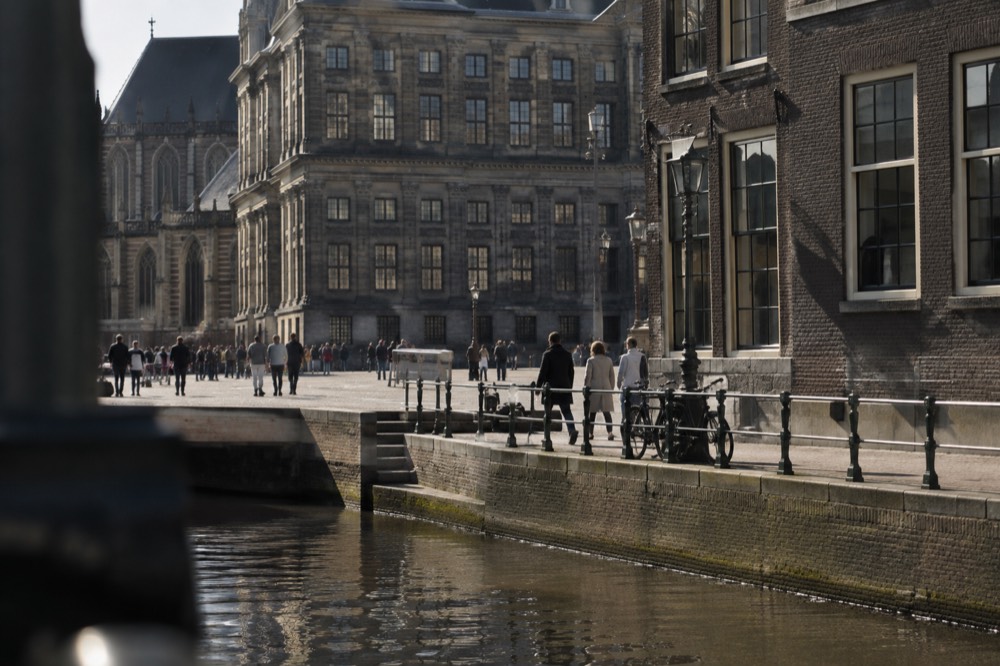
The order matters less than the pacing. Dutch portions are dense, and five fried snacks in three hours will end the experiment early. One sweet, one fish, one fried, one sit-down is a sustainable ratio. Markets are the morning anchor because the stroopwafel irons and herring stalls are at their best before the crowds thicken, and the brown cafés only hit their stride after five.
| Time | Stop | What to Order | Neighbourhood |
|---|---|---|---|
| Morning | Albert Cuyp Market | Warm stroopwafel, coffee | De Pijp |
| Lunch | Fish stall | Haring with onions, or kibbeling | De Pijp or centre |
| Afternoon | Museum or brewery | Rijksmuseum at €25, or a brewery visit | Museumplein or centre |
| Late afternoon | Brown café | Bitterballen, mustard, Dutch beer | Centre or Jordaan |
| Evening | Traditional restaurant | Stamppot or pea soup with rye bread | Anywhere |
The afternoon slot is where a food day meets a culture day, and Museumplein makes that easy. The Rijksmuseum costs €25, opens 9am to 5pm daily, and its café is a respectable place to rest between courses. The Van Gogh Museum next door requires a pre-booked timed ticket and is not included in the I amsterdam City Card; entry tickets from the operator's listing start at $31, and the museum holds a 4.7 rating across 57,096 reviews. Details are on the Van Gogh Museum page.
One rule of the centre worth knowing while you graze: street drinking is prohibited in the city centre, and the city's own visitor guidance asks people to keep eating and drinking to the cafés and stalls rather than the street. It is a minor point, but it is the difference between blending in and standing out.
What Should You Know Before Eating Like a Local?
Service is included in Dutch menu prices, so tipping is a rounding-up gesture rather than an obligation, and bills arrive only when you ask for them. Lunch is often a bread-based affair, dinner starts early by southern European standards, and reservations matter on weekends. The single biggest local habit to copy is slowing down: a table at a café is yours for as long as you want it.

The brown café culture is built on lingering. Nobody will bring a bill unasked, nobody will hurry you off a table, and the Dutch treat this as normal rather than as exceptional service. When you do pay, rounding up a few euros or leaving small change is the common practice; our tipping and etiquette guide covers the details, including how it works for tours and taxis.
| Everyday Cost in Amsterdam | Figure | What to Know |
|---|---|---|
| GVB single tram or bus ticket | €3.40 | Valid one hour; a 24-hour card at €10.00 pays off after four rides |
| Rijksmuseum adult entry | €25 | Free for ages 18 and under; a start time must be booked |
| [Tourist tax](https://www.amsterdam.nl/en/municipal-taxes/tourist-tax/) on hotels | 12.5% of the overnight price | Charged on accommodation, not on restaurant bills |
| Heineken Experience ticket | From $23 | 90-minute visit in the original historic brewery |
Two practical notes finish the picture. First, the tourist tax of 12.5% on accommodation is charged on your hotel bill, not your restaurant bill, so eating out carries no hidden surcharge. Second, tap water in the Netherlands is safe and routinely served on request, so there is no need to buy bottled water with your snacks. The city's official visitor guidance covers the local norms, including the centre's rules on street drinking and coffeeshops, on the municipality's How to Amsterdam page.
For the numbers behind the crowds you will be sharing the stalls with, the city's own statistics office publishes its visitor forecasts at Onderzoek en Statistiek Amsterdam, and the trend is upward, so the early-morning market advice is not a nicety, it is a strategy.
If this list has you hungry for the wider picture, from restaurant picks to market days, the rest of Things to Do in Amsterdam covers the city dish by dish and neighbourhood by neighbourhood.
Common Questions About Dutch Food in Amsterdam
What food is Amsterdam known for?
Amsterdam is known for stroopwafels, bitterballen, raw haring, aged Gouda cheese, thick-cut frites with mayonnaise, poffertjes and kibbeling. The classic sit-down dishes are pea soup and stamppot, and the classic setting for snacks is a brown café with Dutch beer.
Can you eat haring as a tourist?
Yes. Fish stalls sell haring to anyone, chopped into a bun if you prefer not to eat it by the tail. The fish is soused, not truly raw, so the texture is firm and the flavour mild and salty. New-season herring typically arrives around June.
Where can I get a fresh stroopwafel?
Market stalls are the reliable source, especially the Albert Cuyp Market in De Pijp, where vendors press them on hot irons through the day. Eat one warm, and rest it on your coffee cup for a minute to soften the caramel.
What do bitterballen taste like?
The outside is a crunchy fried crust and the inside is a thick, savoury beef ragout, peppery and soft, served with sharp mustard for dipping. The centre stays very hot for several minutes after serving, so the first bite deserves caution.
Is Dutch food expensive in Amsterdam?
The snack foods are cheap: haring, frites and stroopwafels cost a few euros each from market stalls, and a GVB day travel card at €10.00 covers moving between them. A sit-down dinner with beer and bitterballen in a brown café costs less than most restaurant mains in the centre.
What should I drink with Dutch snacks?
Dutch beer is the standard pairing for bitterballen and fried snacks, traditionally with a small glass of jenever alongside. Coffee or tea belongs with stroopwafels and poffertjes, and buttermilk is the old-fashioned partner for haring.