Is Amsterdam Safe? A Straight Answer
Amsterdam is one of Europe's most-visited cities, and the safety question deserves a better answer than a shrug. Here is what the rules, the numbers and the lived geography of the city actually say.
Short answer
Yes, Amsterdam is safe for tourists by any reasonable European standard. The real risks are pickpocketing in the centre, tram tracks and cyclists, and canal edges after a few drinks. Violent crime against visitors is rare. The city's own rules, from a 12.5 percent tourist tax to strict De Wallen tour regulations, are aimed at managing crowds, not at danger.
Amsterdam recorded 23.7 million tourist overnight stays in 2025, according to the city's own statistics office, and the forecast for 2026 runs as high as 25.1 million. A city carrying that many visitors, on top of its own residents, generates a lot of anxious search queries. Most of them start with the words "is it safe".
The short version: yes, and the risks that exist are boring and preventable. The longer version is what this page is for. We read the municipal rules, the official visitor guidance and the operator listings, and we will tell you plainly which worries are justified and which are leftover folklore from a bad-tourist-behaviour documentary you half remember.
Is Amsterdam Safe for Tourists Overall?
Yes. Amsterdam is safe for tourists by normal European city standards, and the risks worth planning for are petty theft, traffic and water rather than violence. The city's own visitor guidance focuses on respect and nuisance rules, not crime, and its regulatory energy goes into managing crowds. Millions of visits complete each year without incident.
That answer is not a platitude, it is what the municipal agenda shows. Look at what Amsterdam's government actually legislates about: a 12.5 percent tourist tax on overnight prices, a cap of 20 million overnight stays that the city treats as a policy ambition, a freeze on new hotels, and strict conduct rules for guided tours in De Wallen. A city preparing for danger writes different laws than a city preparing for crowds. Amsterdam writes crowd laws.
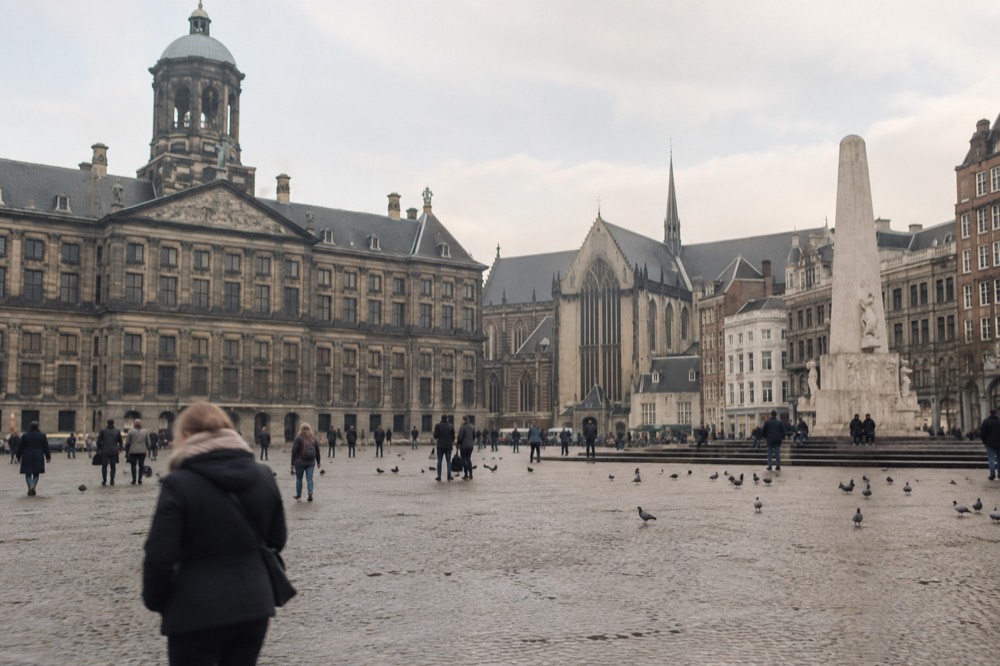
None of this means nothing happens to anyone. Pickpocketing is real, concentrated around Dam Square, the Kalverstraat, central tram stops and the queues outside major museums. Bicycles and trams injure more inattentive tourists than any criminal does. And the canals, beautiful and unfenced in the older quarters, deserve genuine respect after dark. For a wider look at the mistakes that catch visitors out, our first-timer mistakes to avoid guide covers the practical errors, safety-adjacent and otherwise.
The honest framing is this: Amsterdam's danger profile resembles Copenhagen's or Vienna's more than it resembles any city you would actually warn a friend about. Plan for your wallet and your footing, and you have planned for almost everything.
Which Parts of Amsterdam Demand the Most Caution?
The areas needing the most caution are the crowded centre, not any "dangerous district": Dam Square, the Red Light District, the Kalverstraat shopping strip and busy tram corridors are where pickpocketing and scams cluster. No Amsterdam neighbourhood is a no-go zone. The risk is density, not deprivation.
Amsterdam does not have the split geography some visitors expect, where one side of a street is fine and the other is not. What it has is a small, extremely dense historic core that absorbs an outsized share of the visitor load, and density is where petty crime lives. The crowded squares and shopping streets are where lifted phones and overcharged bills happen, because that is where the distracted and the hurried are.
Outside the centre the character changes faster than the risk does. The Jordaan, De Pijp, Oud-West and the Plantage are residential, calm at night and, if anything, safer feeling than the Damrak at 3pm on a Saturday. Amsterdam Noord, once written off by guidebooks, is now among the more relaxed parts of the city to wander. If you want the neighbourhood-by-neighbourhood logic, our Amsterdam neighbourhood guide walks through which area suits which traveller.
The practical rules for the centre are unglamorous. Front pocket for the phone, or a zipped bag worn to the front on the busiest strips. Do not leave a phone on a terrace table. Ignore anyone who approaches you with a story, a petition or a "found" gold ring, all of which are covered in detail in our tourist traps and scams guide. None of this is Amsterdam-specific, it is simply where the crowds are.
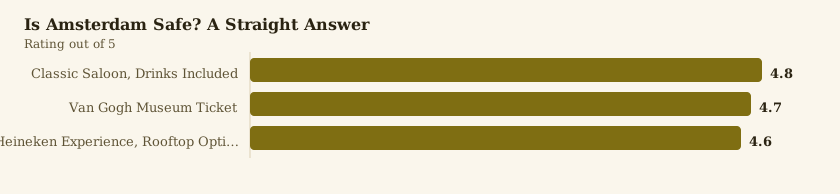
The big museums are also where a different kind of safety shows up: the safety of your schedule. The Van Gogh Museum requires every visitor to pre-book a timed entry ticket, and its live listing shows a 4.7 rating across 57,096 reviews at $31.00. The Heineken Experience, 4.6 across 39,581 reviews from $23.00, runs on timed slots too. Booking ahead does not protect you from crime, but it protects you from the most common bad Amsterdam experience, which is standing in a queue while your day evaporates.
Is the Red Light District Actually Safe to Walk Through?
Yes, De Wallen is safe to walk through, including at night, provided you follow the written and unwritten rules: no photographing the windows, no alcohol on the street, no cannabis smoked outdoors in the centre. Guided groups are capped at 15 and may only run between 08:00 and 22:00, and no tour may pass the windows.
The red light district has a reputation that outruns its reality. It is a small, heavily policed, heavily regulated neighbourhood where the main hazards to a respectful visitor are pickpockets and drunk stag groups, in roughly that order. The sex workers are legal operators working under municipal licensing, and the aggression visitors sometimes fear simply is not part of the ordinary experience.
The rules, though, are real and the city publishes them. Guided tours in De Wallen may not pass the sex workers' windows, groups are limited to 15 participants, tours are only permitted between 08:00 and 22:00, and guides who break the rules face a 190 euro fine while their companies face 950 euros. The city's own visitor guidance adds the social rules: no photos of the windows, no street drinking in the centre, no public urination. You can read the conduct framework on the city's official How to Amsterdam page, and the tour regulations on the municipal rules and permits page.
| De Wallen Rule | What It Means for You | Who It Binds |
|---|---|---|
| No tours past the windows | Guided walks use side routes; do not linger at windows even independently | All guided groups, any size |
| Maximum group size 15 | Booked tours stay small; an exemption is needed for groups over 4 | Tour operators and guides |
| Tours only 08:00 to 22:00 | Any guided walk you are offered outside those hours is operating illegally | Tour operators and guides |
| No photography of the windows | Staff will confront you; it is the city's stated respect norm | Everyone, guided or not |
| No outdoor cannabis smoking in the centre | Coffeeshop purchases are consumed inside, not on the street | Everyone in the city centre |
If you want a guided walk through the district, the paid small-group option is the well-reviewed route: the Red Light District small group tour holds a 4.9 rating across 9,142 reviews from $26.00 for 90 minutes. Our red light district rules and etiquette guide goes deeper on the social contract, and the free things to do in Amsterdam guide covers the pay-what-you-want walking tours if you would rather not commit to a ticket.
Are Cyclists, Trams and Canals the Real Danger?
Yes, and this is the part of the safety question people underestimate. Amsterdam's genuine injury risks to visitors are traffic and water: stepping into a bike lane without looking, misjudging trams, and canal edges that are unfenced, slippery and close to the pub. Treat bike lanes as live traffic lanes and the canals as what they are, deep cold water.
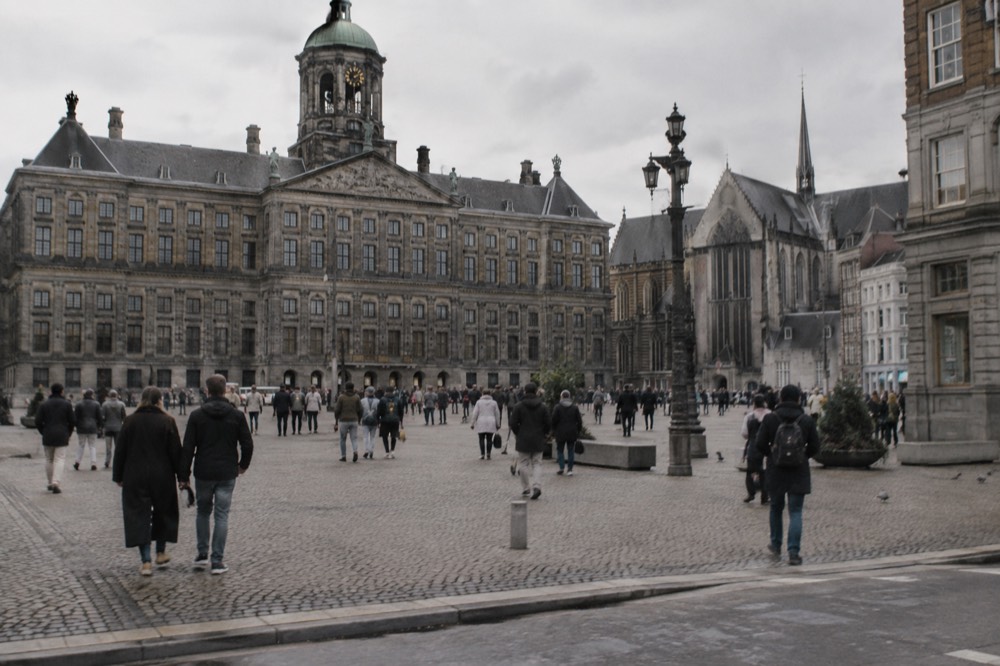
The cycling infrastructure that makes Amsterdam so livable is also its most efficient tourist-trap. Bike lanes in the centre sit between the pavement and the road, exactly where a visitor stepping backwards for a photo expects empty space to be. Cyclists ring a bell once and do not slow down, because in the local hierarchy they have right of way and they know it. Trams add rails that grab bicycle wheels and shoe soles alike, and the moral of all three is the same: look before you move, and look the way locals do, which means bikes first, then cars, then trams. Everything else covered here is indexed on Things to Do in Amsterdam.
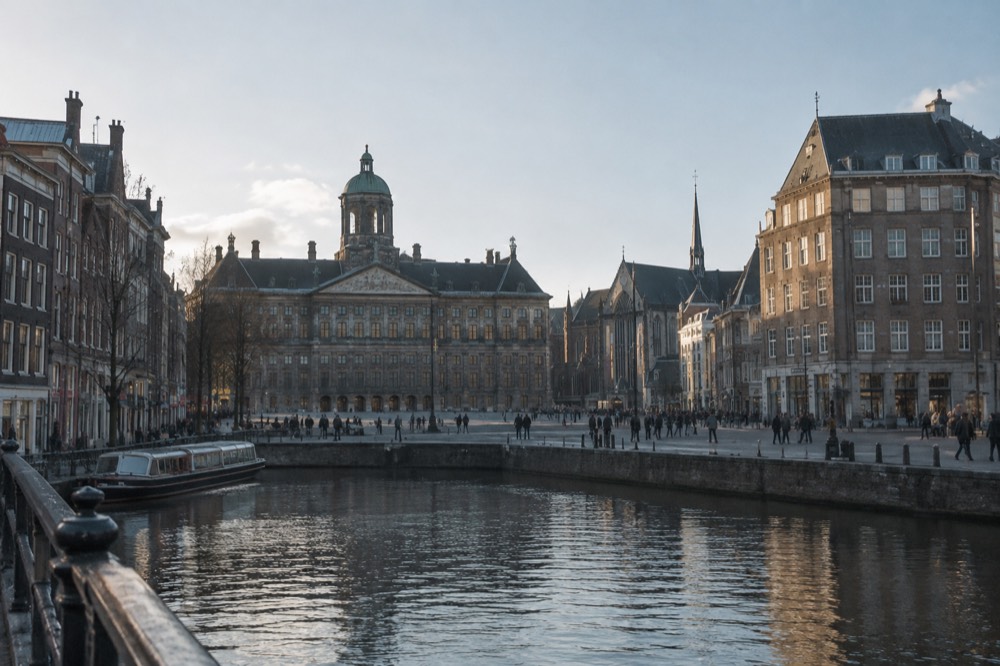
The canals are the quiet one. In the older quarters the water begins where the kerb ends, with no railing between, and the stone is slick in the rain. After dark, and after drinks, this combination catches people every year. It is not a reason to avoid the canals, it is a reason to walk the waterside sober-ish and to know that the edges are unfenced by design. Our cycling in Amsterdam guide covers the traffic code properly if you plan to ride.
| Everyday Hazard | Where It Bites | Simple Countermeasure |
|---|---|---|
| Bike lanes | Every central street; the red asphalt between pavement and road | Look both ways before stepping off any kerb, every time |
| Tram rails | Damrak, Rokin, Leidsestraat crossings | Cross rails at a right angle, mind the grooves when wet |
| Unfenced canal edges | Grachtengordel, De Wallen, the Jordaan after dark | Walk on the building side late at night |
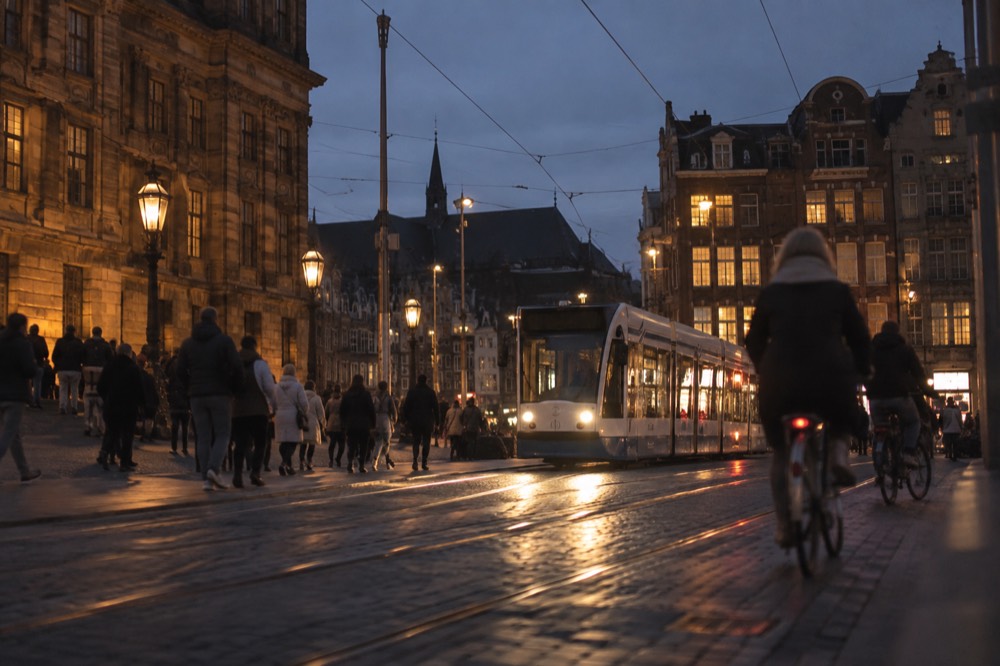
| Pickpocketing | Dam Square, Kalverstraat, tram line 2 and 12 crowds | Front pocket for the phone, zipped bag in front |
| Scam approaches | Busy squares and museum queues | Decline any street approach and keep walking |
A canal cruise, incidentally, is the one way to enjoy the water with the risk engineered out of it. The classic saloon boat cruise runs $19.56 per person for an hour, rated 4.8 across 33,435 reviews, on a covered boat with a live guide. You can also Check availability alongside the classic saloon cruise tour page if the evening slots are what fit your plans.
Is Amsterdam Safe at Night?
Yes, Amsterdam is safe at night in the main visitor areas, with the same caveats as any big city: stay where the streets are lit and populated, keep your wits in the nightlife districts, and mind the unfenced canal edges. Leidseplein, Rembrandtplein and De Wallen are busy and policed until late. Quiet residential streets are quiet, which cuts both ways.
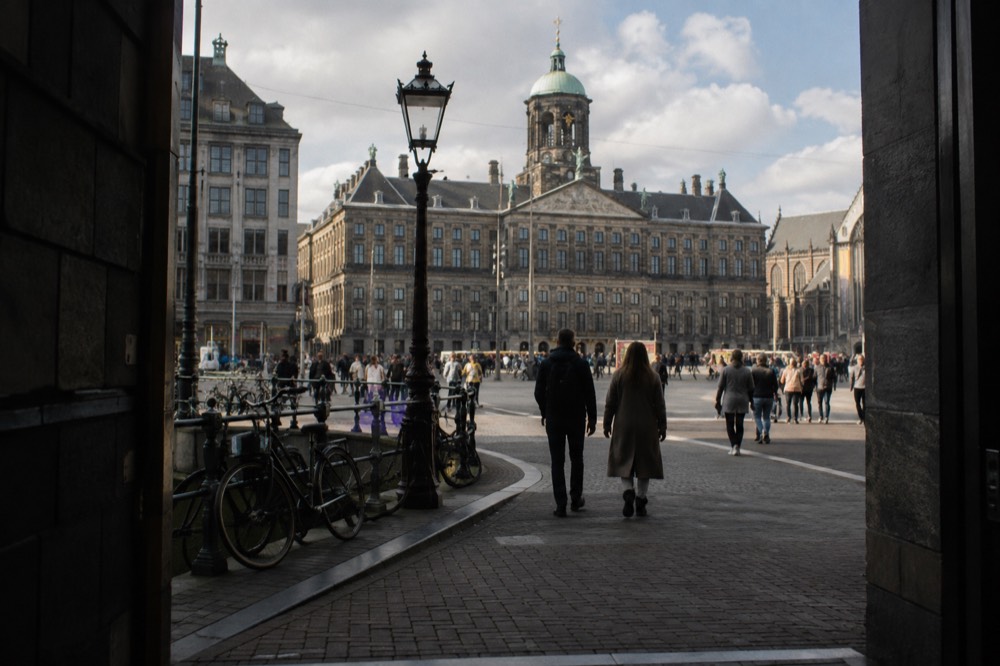
Night is when the two Amsterdams diverge. The entertainment squares and the central canal belt stay lively until the early hours, with a visible street presence of police and city hosts, and the ordinary risks are the ordinary ones: alcohol, crowds, and the phone in your back pocket. The closing-time rules in the core Wallen area are strict, with terraces closing at 01:00 and indoor hospitality at 02:00 on weekends, so the late-night geography is more contained than visitors expect.
The nightlife itself is regulated up to the eyebrows. Coffeeshops may sell no more than 5 grams of soft drugs per person per day under the national tolerance policy, and while a residents-only criterion exists in national law, Amsterdam does not apply it, so tourists are not turned away, but nor should anyone write that cannabis is "legal". It is tolerated, in limited quantities, from licensed premises. Smoking it outdoors in the centre is prohibited. The city's official guidance on all of this is plain enough on the How to Amsterdam page, and our Amsterdam nightlife guide covers where to actually go.
For a first night out, the practical advice is short. Decide your route home before the second drink, because the centre's geometry is confusing even sober. Keep enough for a tram or taxi separate from your night-out money. And if a canal-side walk is part of the plan, do it at the start of the evening rather than the end. The water is always colder than it looks and always closer than it looks.
Is Amsterdam Safe for Solo Travellers and Families?
Yes, on both counts. Amsterdam is among the easier European cities for solo travellers, with compact geography, reliable all-hours public transport and a strong café culture, and it is a genuinely family-friendly city, with car-free cores, the excellent ARTIS zoo and hands-on museums. The same centre-of-town cautions apply, scaled to whoever is in your party.
Solo travellers get a city that solves most of their problems by design. The centre is walkable, the tram and metro network runs with a 24-hour GVB day ticket at 10.00 euros, and contactless bank card tap-in works across GVB services, so there is no ticket machine anxiety at midnight. The social infrastructure is good too: brown cafés are welcoming to a lone drinker with a book, and the free pay-what-you-want walking tours are an easy way to spend an afternoon around other people. Our Amsterdam for solo travellers guide goes into the specifics.
Families get a city that is unusually kind to them. The museum offer is heavily tilted toward interactive and child-friendly institutions, NEMO's roof terrace is free to reach even without a museum ticket, and ARTIS is one of the five oldest zoos in the world. The risks are, again, logistical rather than criminal: the centre's bike lanes demand that children hold hands on busy streets, and the canal edges demand the same rule at night. The Amsterdam with kids guide has the full playbook.
| Traveller Type | Main Realistic Risk | Best Single Countermeasure |
|---|---|---|
| Solo traveller | Late-night disorientation in the centre | Plan the route home before going out |
| Family with young kids | Bike lanes and tram rails at street level | Hand-holding rule on every central street |
| Older visitors | Steep, narrow stairs in canal-house hotels | Check stair photos before booking a stay |
| Group of friends | Scam approaches around nightlife squares | One person handles money decisions |
One note that belongs here rather than anywhere else: the Anne Frank House is the one major Amsterdam ticket with no legitimate reseller. Tickets are sold only through the museum's own site for a specific time slot, released weeks ahead, and the official price is 16.50 euros for adults. Any street or third-party offer of Anne Frank House entry is, at best, a walking tour dressed up as something it is not. The official ticket page is the only place to buy.
What Should You Actually Worry About?
Three things, in order: pickpocketing in the crowded centre, traffic and tram rails, and canal edges at night. Everything else on the Amsterdam worry list, violent crime, terrorism fears, "no-go zones", is either rare, absent or folklore. The city's problems are nuisance and crowding, and its rules target those, not danger.
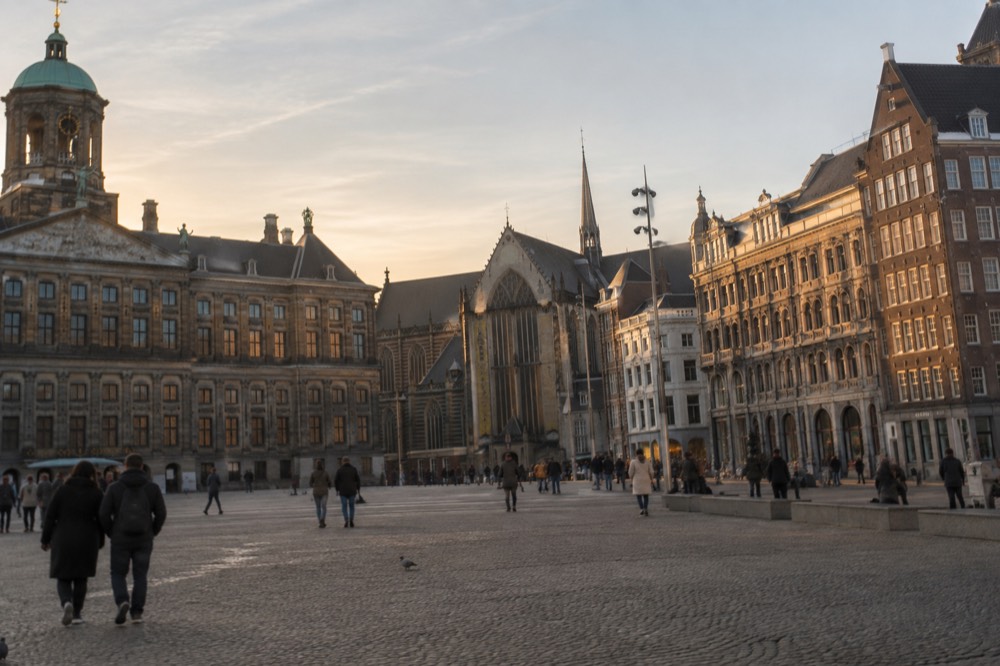
It is worth being blunt about what the fear is for, because the internet is not. Amsterdam has spent years in headlines about tourism overload, and visitors sometimes read "overtourism" as "unsafe". These are different things. The 20 million overnight-stay aspiration, the hotel freeze, the reduced holiday-rental nights in the central neighbourhoods, all of it is about the city's livability, not your personal security. A crowded Amsterdam is an annoying Amsterdam, not a dangerous one.
The pickpocketing risk deserves one paragraph of respect and no more. It is concentrated, it is opportunistic, and the countermeasures are the ones you already know. Keep the phone in a front pocket on the Kalverstraat, keep the bag closed on tram line 2 at peak time, and leave the passport in the hotel safe. That is the whole strategy. Anyone who tells you Amsterdam requires anti-theft underwear is selling anti-theft underwear.
The traffic risk deserves slightly more, because it is the one that sends people to hospital. Dutch cyclists are predictable, and that is the trap: they will be exactly where the bike lane says they will be, at speed, and they will expect you to know it. Look right, look left, then look for bikes again before crossing anything painted red. Do this for three days and it becomes automatic, which is precisely why locals stop thinking about it and precisely why you should not stop yet.
Beyond those three, the residual list is short. Drugs: tolerated, limited, and only from licensed coffeeshops, never from anyone on the street. Alcohol: legal in venues, prohibited on central streets. Water: cold, deep and unfenced. And everything else is the ordinary caution of any city of nearly a million residents hosting twenty-something million overnight visitors a year.
If there is one thing worth booking before you fly, it is the handful of timed-entry tickets that genuinely run out, and the trio below covers the three most popular formats: the museum, the brewery experience and the boat. Everything else on this page, from the tram etiquette to the De Wallen rules, you can handle on the ground with your eyes open.
Common Questions About Safety in Amsterdam
Is Amsterdam safe at night for tourists?
Yes, in the main visitor areas. Leidseplein, Rembrandtplein, the canal belt and De Wallen stay busy and policed until late. Keep to lit, populated streets, plan your route home in advance and mind the unfenced canal edges after dark.
Is the red light district dangerous?
No, not for a respectful visitor. It is small, licensed and heavily regulated. Follow the rules: no photos of the windows, no street drinking, no outdoor cannabis smoking in the centre. Guided tours are capped at 15 people and may only run between 08:00 and 22:00.
Is pickpocketing a big problem in Amsterdam?
It is the most common crime affecting tourists, concentrated in Dam Square, the Kalverstraat, busy trams and museum queues. Front pockets, zipped bags and a passport left at the hotel remove most of the risk.
Are Amsterdam's canals dangerous?
They can be, because the older quarters have unfenced edges and slick stone. The risk is real mainly late at night and after drinking. Walk on the building side of the street after dark and the canals are simply scenery.
Is Amsterdam safe for solo female travellers?
Yes, it ranks among the more comfortable European cities for solo travel, with reliable round-the-clock public transport, welcoming brown cafés and a compact centre. The standard centre-of-town cautions apply, particularly around the nightlife squares late at night.
Do tourists need to worry about the drug laws?
Coffeeshops may sell a maximum of 5 grams of soft drugs per person per day under the national tolerance policy, and Amsterdam does not apply the residents-only criterion that exists in national law. Cannabis is tolerated, not legal, and smoking it outdoors in the centre is prohibited. Never buy anything from anyone on the street.