Zandvoort Beach From Amsterdam: The Seaside Day Trip, Explained
Zandvoort aan Zee is the closest proper beach to Amsterdam, a direct train ride from the centre, which makes it the default seaside day trip for visitors who want sand and North Sea air without renting a car.
Short answer
Zandvoort is a direct train ride from Amsterdam Centraal and is the easiest beach day trip from the city. A day there costs little beyond transport and lunch: the beach itself is free, the season runs late spring to early September, and the pavilion-lined promenade works even when the weather turns.
Zandvoort aan Zee is the beach Amsterdamers mean when they say "the beach". The town sits on the Dutch North Sea coast directly west of the city, and a direct railway line connects it to Amsterdam Centraal, so the trip takes well under an hour each way without a car, a coach booking or any real planning. That combination, sand plus a simple train ride, is why it appears on almost every shortlist of day trips from the capital, and it is why this guide exists: the question is rarely whether to go, it is how to go well.
What you get at the other end is a wide sandy strand backed by beach pavilions, the seasonal restaurants and bars that line the Dutch coast, plus a small town centre, a circuit and a dune park. It is not a Mediterranean beach and it is not trying to be. The North Sea is cold even in August, the wind is part of the experience, and the Dutch approach to a beach day, cycling there, sitting behind a windbreak with a beer, walking the promenade when the clouds roll in, has its own logic. This page walks through the transport, the beach itself, the season, the food and the costs, in that order.
How Do You Get From Amsterdam to Zandvoort Beach?
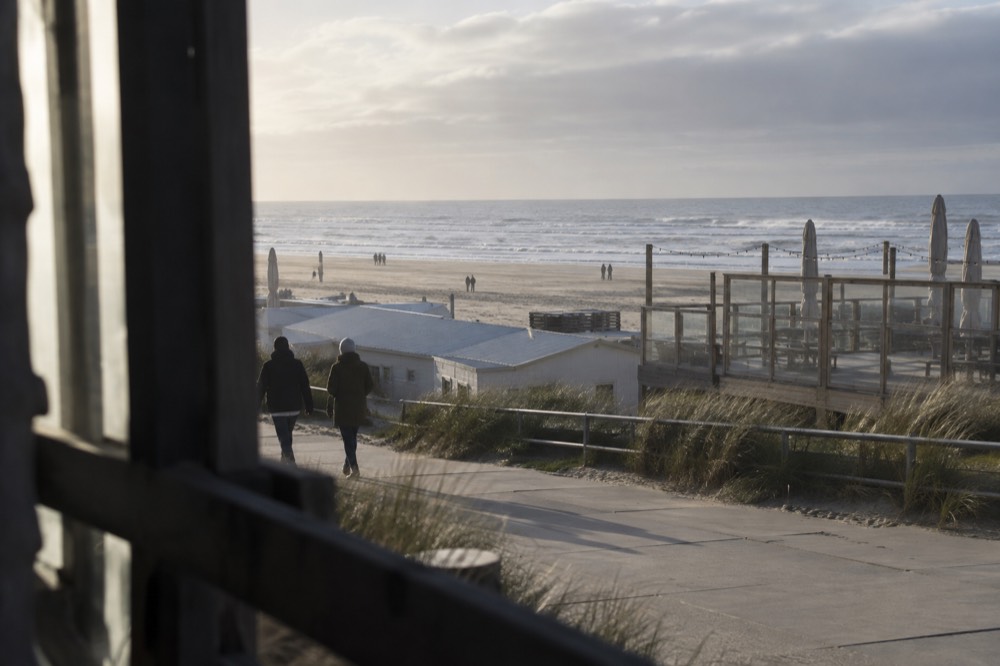
The direct NS train from Amsterdam Centraal to Zandvoort aan Zee is the standard way to make the trip, and it is the reason this beach works as a spontaneous day out. Trains run through the day, the station sits a short walk from the sand, and no transfer or bus connection is needed for the core journey. Buy on the day or in the NS app.
Check the live timetable on the NS site or app before you travel, because engineering works on the line do happen and weekend replacement buses appear a few times a year. The journey is simple enough that most visitors simply turn up at Centraal, tap in and board, but a two-minute timetable check the night before saves a surprise. If you are travelling in a group, NS group tickets bought online in advance are usually cheaper than walk-up fares, though the exact saving depends on the day and time.
For the tap-in part: contactless bank cards work on NS trains through the OVpay system, the same way they do on the GVB trams and metro in the city. You tap in at the platform gate or pole before boarding and tap out at Zandvoort, and the fare is calculated per distance. The GVB fare page explains how the same contactless system is priced on the city network, which is useful context if you are combining a tram to Centraal with the train out. If you have bought a GVB day ticket for sightseeing, note that it covers GVB services only, not the NS train, so the Zandvoort leg is a separate fare.
Cycling is the other route. Amsterdamers ride to Zandvoort in roughly two hours through the dunes, and it is a genuinely beautiful ride if you have the legs and a rental bike, but it is a commitment: it converts a beach afternoon into a full-day athletic event. Driving is possible and parking exists near the centre, but summer weekends fill the car parks early and the train beats the car for the door-to-sand time on most days. A taxi has no fixed fare to Zandvoort, the meter decides, and for a 30-kilometre seaside run that makes it the expensive option.
| Option | Best for | Watch out for |
|---|---|---|
| NS train from Centraal | Almost everyone; direct and frequent | Check for weekend engineering works |
| Contactless bank card (OVpay) | Tapping in without buying a ticket | Remember to tap out at Zandvoort |
| Bicycle through the dunes | Fit riders wanting the scenic route | About two hours each way; wind matters |
| Car | Beach gear, small children, off-peak days | Summer car parks fill early |
If you are weighing Zandvoort against other coastal or countryside options, the best day trips from Amsterdam guide compares the full spread, from windmill villages to Giethoorn. Zandvoort's edge is always the same: nothing else on that list puts you on a sandy beach within an hour of the city centre by rail.
What Is Zandvoort Beach Actually Like?
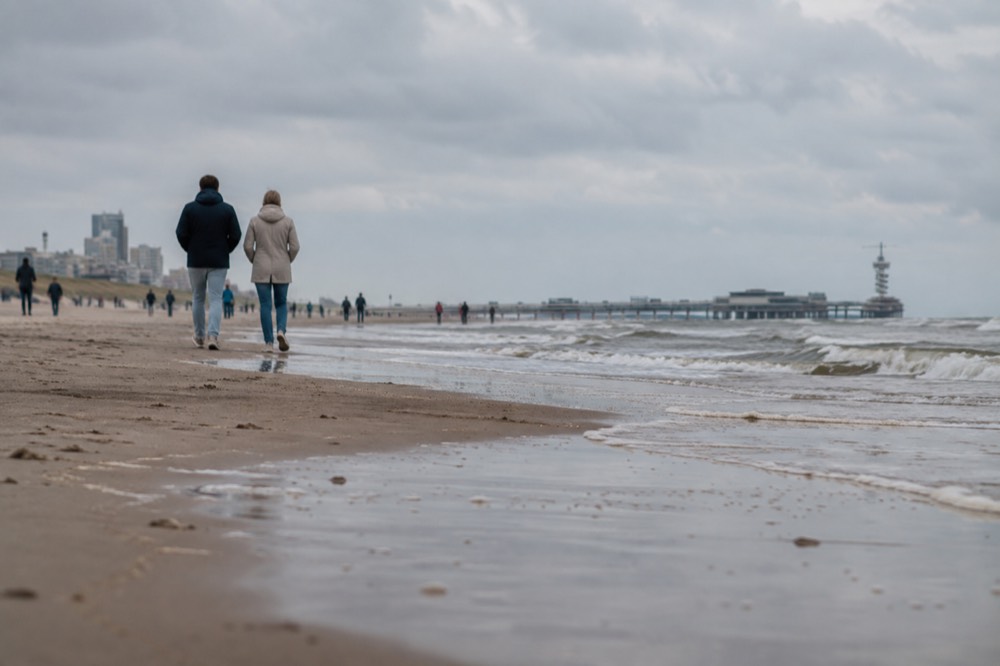
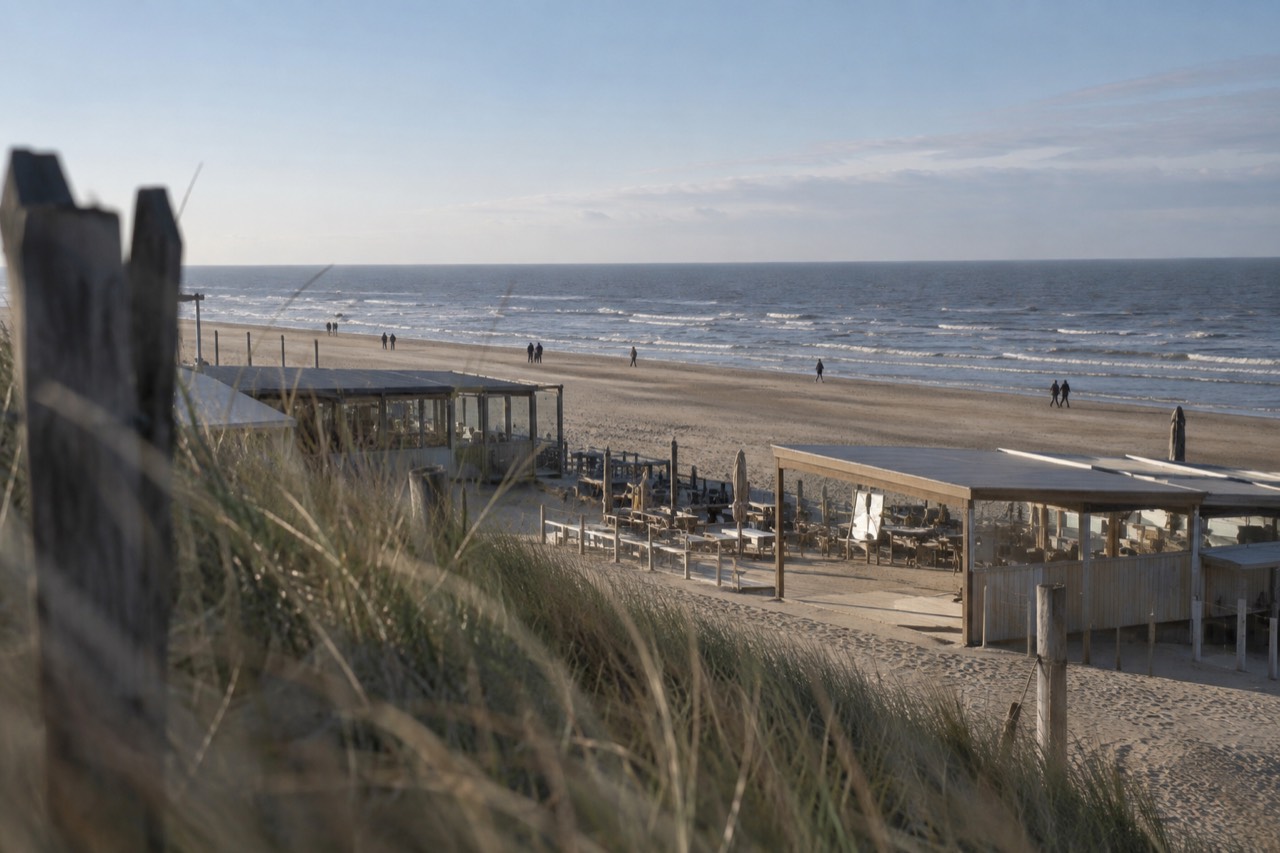
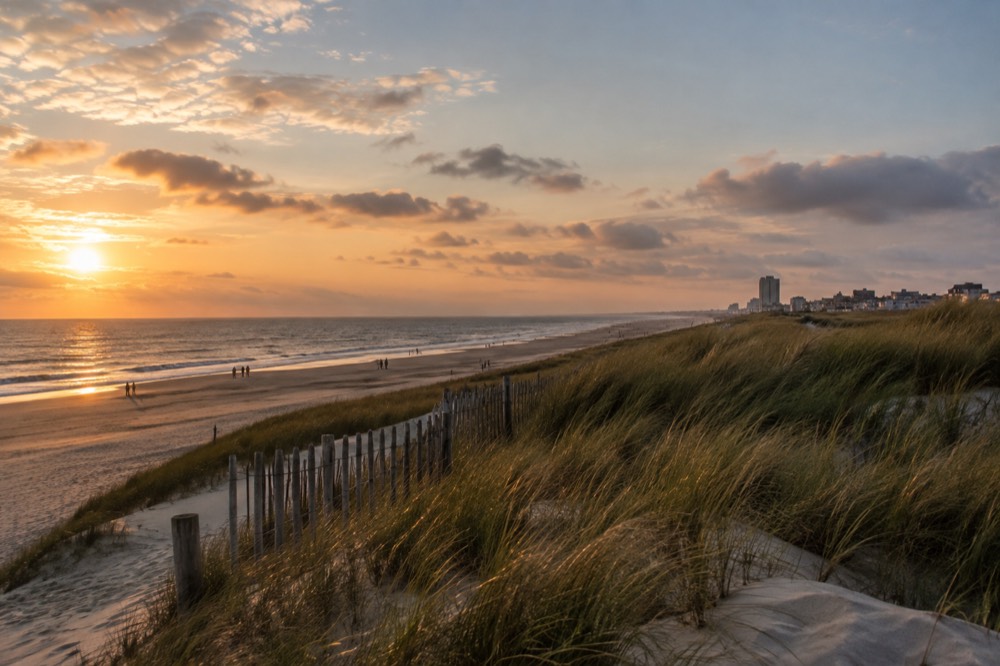
Zandvoort is a wide, sandy North Sea beach backed by a promenade and rows of seasonal beach pavilions, the wooden restaurants and loungers that define the Dutch coast. The water is cold year-round, the wind is a constant, and the atmosphere is relaxed rather than glamorous. It is a working seaside town, not a resort brochure.
The beach itself runs for kilometres, and the character changes along it. The section nearest the station and the town centre is the busiest, with the densest pavilions, families, and the main entrance flow from the train. Walk north or south and the crowd thins within ten minutes, and the northern stretches toward the dune reserve feel closer to wild coastline than resort. The sand is soft and fine, the strand is flat, and at low tide it opens up into a huge walking surface that locals use for everything from kite buggying to a plain long walk.
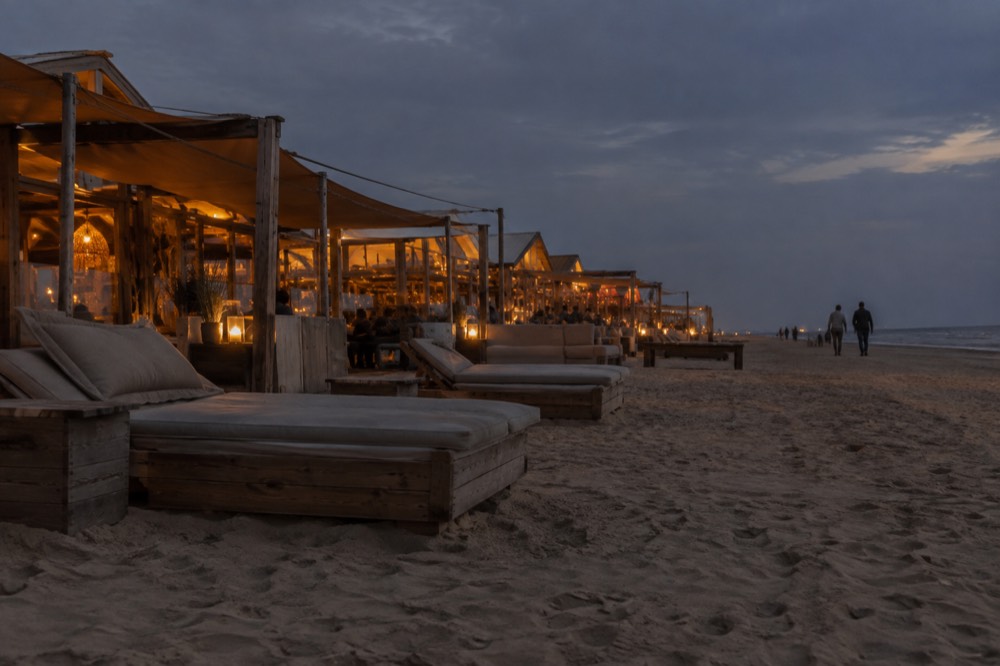
The pavilions are the infrastructure that makes a cold-sea beach work. These are seasonal venues, most open roughly April or May through September or October, that rent loungers and windbreaks, serve food and drink all day, and effectively function as your base camp. You can spend the whole day at one, ordering from your lounger, or bring a towel and use them only for lunch. Outside the season many close completely, which is the single biggest difference between a Zandvoort trip in July and one in November: the sand is always there, the hospitality is not.
Swimming is possible and popular in summer, but the North Sea is cold even at its warmest, and locals swim briefly rather than lounge in the water. Lifeguards patrol designated zones in the high season, and the flag system at the guarded posts tells you the daily conditions. Kitesurfing and windsurfing are the sports the coast is really built for, and several schools near the beach rent equipment and run beginner sessions when the wind is right.
The town behind the beach is small and pleasant without being a destination in itself: a shopping street, a casino, the circuit on the eastern edge, and residential streets full of brick holiday apartments. The circuit hosts the Dutch Grand Prix, and on race weekends the entire town books out and prices spike, a detail worth checking on any summer date before you commit. For a fuller picture of how the seasons change the whole region, the Amsterdam in summer guide covers the weather, the festivals and the water.
When Is the Best Time of Year for a Zandvoort Day Trip?
Late May to early September is the honest beach season, when the pavilions are open, lifeguards are on the posts and the water is at its warmest, which still means cold. September is the locals' favourite: warm sand, thin crowds and open pavilions. Winter beach walks are a real Dutch pleasure, but they are a walk, not a beach day.
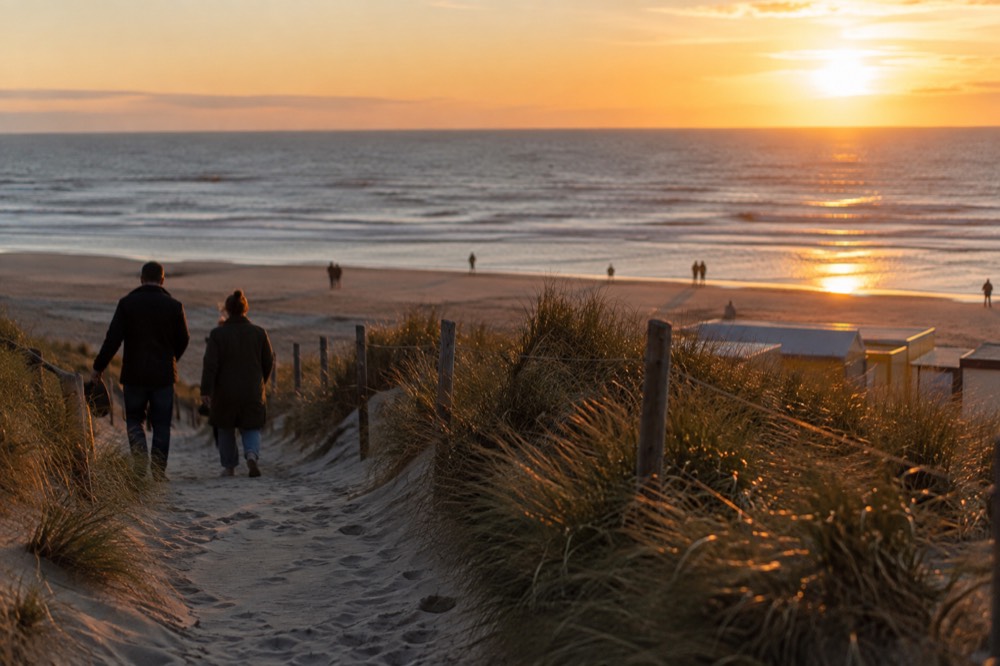
The Dutch summer is the obvious window, but it comes with the caveats of the North Sea coast: the weather can flip from 25-degree sunshine to horizontal rain inside an afternoon, and a "bad" summer day at Zandvoort is genuinely bleak. The pragmatic move is to keep the trip flexible, look at the forecast two or three days out, and go on the first good window rather than locking a beach date weeks in advance. This is exactly why the train matters: a flexible day trip is only possible when the journey costs little and needs no booking.
Shoulder season rewards the flexible too. June and early July before the school holidays, and September after them, offer the same open pavilions with a fraction of the crowd. Race weekend at the circuit, the Grand Prix dates shift year to year, is the exception to avoid unless you are going for it deliberately, because accommodation and even the beach itself get busy. If your trip falls in spring and you are chasing flowers rather than sun, the same flexible logic applies to the tulip fields, and the Keukenhof season page publishes the exact open dates each year.
| Period | What Zandvoort is like | Verdict |
|---|---|---|
| May to mid-June | Pavilions opening, thin crowds, unpredictable weather | Good bet on a forecast window |
| July to mid-August | Full season, warmest water, busiest sand, race weekend risk | Best beach, worst crowds |
| September | Open pavilions, warm sand, locals reclaiming the beach | The connoisseur's month |
| October to April | Most pavilions shut, wind and empty sand | Great walk, not a beach day |
What Can You Do at Zandvoort Besides Lie on the Sand?
The main extras are the dune reserve north of town for walking and cycling, kitesurf and windsurf schools along the waterline, the beach pavilion scene as an all-day base, and the town's circuit events on race weekends. None of them needs booking weeks ahead except the Grand Prix weekend itself, when everything needs booking.
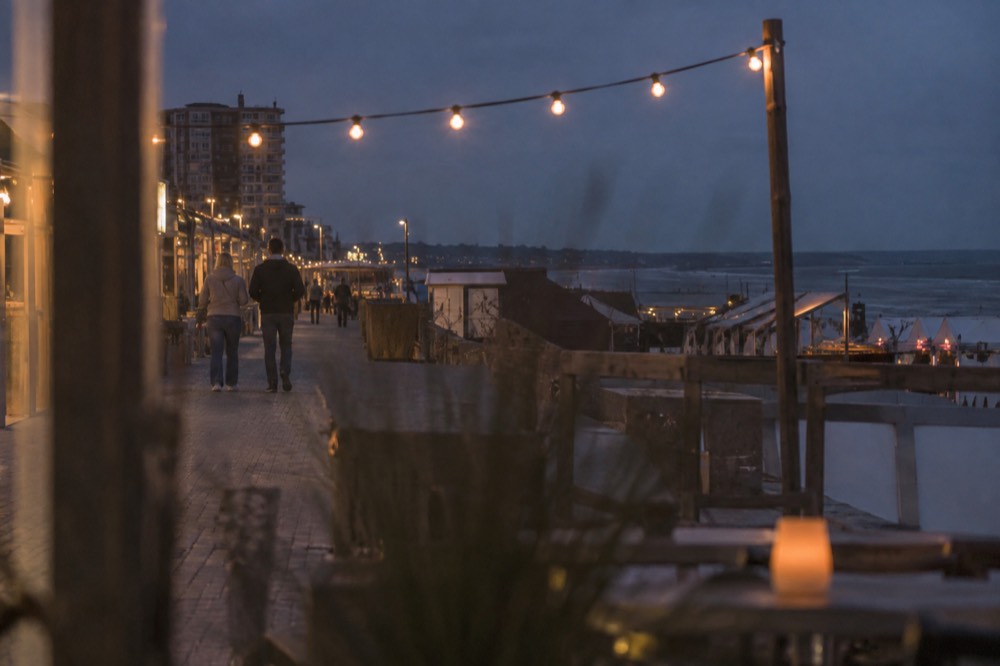
The dunes are the underrated half of a Zandvoort day. The coastal reserve north of the town is a managed landscape of sand hills, pine and walking and cycling paths, and it is where the Dutch side of the visit happens. A rental bike in Zandvoort itself, several shops near the station rent them, turns the afternoon into a loop: beach in the morning, dunes after lunch, promenade for a final drink. The paths are flat to gently rolling and signposted, and the wind that annoys you on the sand becomes a pleasure once you are moving through the trees.
The pavilion scene deserves more than a mention as catering. On a summer Saturday these venues run all day, brunch through sunset drinks, and several have live music or DJs on weekend evenings. The sunset itself is the closing act, and the west-facing coast does it properly, the sun dropping into the North Sea directly in front of you. Stay for it on any clear day and you get the best hour of the trip for the price of one more round.
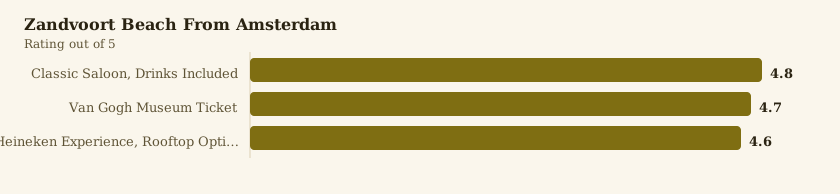
If the weather collapses, the trip is not lost, but it changes shape. The town has indoor options, cafés, shops and the casino, but the stronger play is usually to cut the beach day short and take the train back early, spending the afternoon in Amsterdam instead. Two products on this site suit that pivot well. The Heineken Experience is a 90-minute indoor attraction in the old brewery, rated 4.6 across 39,581 reviews, from $23 on the operator's listing. And the Van Gogh Museum is the classic rainy-afternoon move, rated 4.7 across 57,096 reviews, from $31, though it needs a pre-booked timeslot on the museum's own system.
Both of those work best when you decide before lunch rather than after a soggy afternoon on the promenade, and the train timetable makes the pivot painless. If the morning forecast is already hopeless when you wake up, skip the beach plan entirely and give the whole day to the city, because a wet Zandvoort is one of the least rewarding hours the Dutch coast offers. The reverse also holds: a forecast that clears after noon means a late start is fine, since the sand does not close and the pavilions serve until evening.
Where Should You Eat on a Zandvoort Beach Day?
Eat at the pavilions. That is the whole answer for most visitors: the beach restaurants serve the standard Dutch seaside menu, fried fish, bitterballen, burgers, beer and coffee, with your feet in the sand. The town centre adds cafés and a weekly market, and the fish stalls near the promenade are the cheap local option.
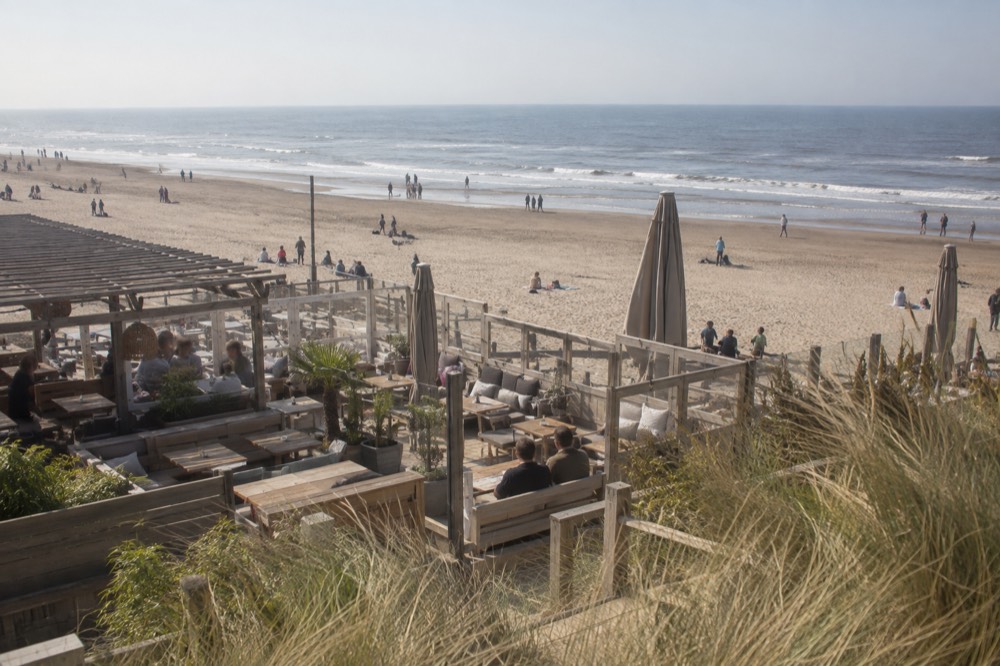
Kibbeling, battered and fried chunks of white fish, is the taste of the Dutch coast, and it is the thing to order at least once. The pavilions serve it alongside the broader menu, and the smaller fish stalls and kiosks near the main beach entrances sell it in paper cones at walk-away prices. Herring, the raw-onion-and-gherkin national snack, divides visitors but is worth a try at a proper fish stall. Beyond the fish, the pavilion kitchens are honest beach food rather than fine dining, and the price reflects the view: expect beach-restaurant prices, noticeably above what the same plate costs a kilometre inland.
The town centre, a five-minute walk from the station and the beach, is where the year-round restaurants live, and it is the better choice outside the pavilion season. For the wider food picture of the region, the Amsterdam food guide covers the dishes worth knowing before you order anything, and the same vocabulary applies on the coast. One planning note: on hot July weekends the popular pavilions near the main entrance fill by early afternoon, so if you want a lounger and a table together, arrive before noon or walk ten minutes north.
| Where | What you get | When it works |
|---|---|---|
| Beach pavilions | Full menu, loungers, drinks, sunset views | Late spring to early autumn |
| Fish stalls near the promenade | Kibbeling and herring in paper cones | Daytime, high season |
| Town centre restaurants | Year-round Dutch and international menus | Any season, any weather |
| Weekly market | Local produce, cheese, bread, snacks | Check the market day before you go |
How Much Does a Zandvoort Day Trip Cost?
Budget roughly the price of a return train fare plus lunch and whatever you rent. The beach itself is free, and the variables are the pavilion, a lounger, a windbreak and drinks. A modest day, train, a fish-stall lunch and a towel on the sand, is cheap; a pavilion day with loungers and a proper meal roughly doubles it.
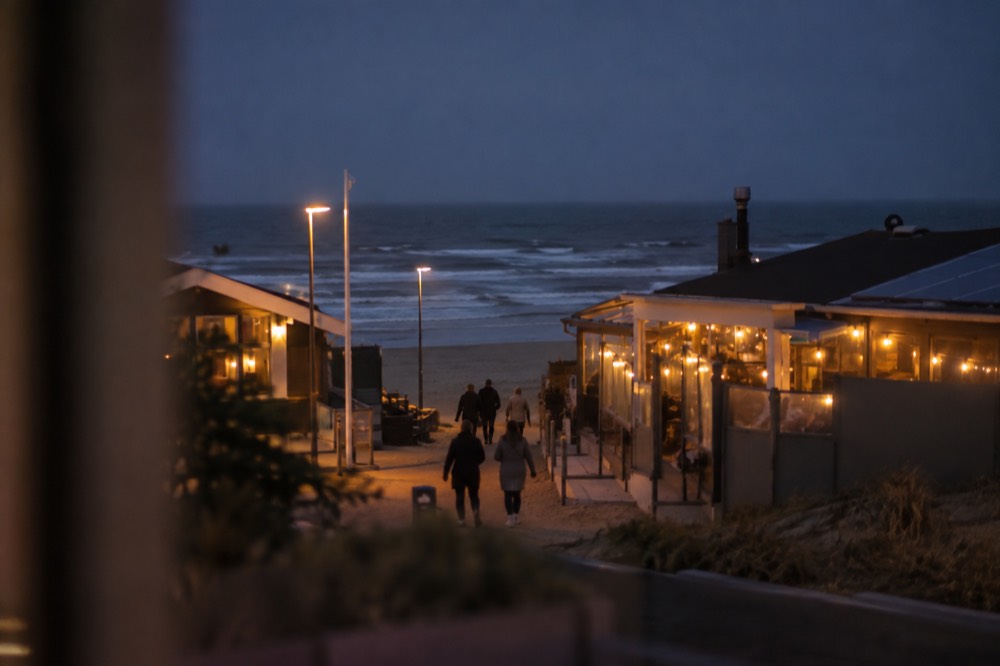
The train is the fixed cost, and the fares on this corridor are ordinary Dutch intercity prices, not a special tourist rate. Contactless tapping keeps it simple and you pay the same as everyone else. Once you are there, the spending is entirely a set of choices: a towel on the free sand costs nothing, a lounger and parasol at a pavilion costs a rental fee set by each venue, and the food runs from cone-of-kibbeling prices to full restaurant mains. None of the beach-venue prices are published centrally, so treat the pavilion's own board as the source of truth when you arrive.
For context on the city side of the trip, the Amsterdam on a budget guide breaks down what things cost across a whole visit, and the same logic applies here: the expensive version of a Dutch beach day is the one built on rented comfort, while the cheap version is almost identical minus the lounger. One cost that does not apply: the Amsterdam tourist tax, 12.5 percent of the overnight price, applies to accommodation in the city, not to a day trip, so a Zandvoort out-and-back day carries no tax at all.
Should You Combine Zandvoort With Anything Else?
The realistic combination is Zandvoort plus a slow evening back in Amsterdam: the train puts you in the centre in under an hour, which leaves time for a canal cruise or a museum timeslot if you planned one. Doing Zandvoort plus a second countryside destination in one day is a mistake, the distances and the relaxation do not mix.
The strongest pairing is beach plus water. A morning and afternoon on the sand, the train back in the early evening, and then an hour on the canals is a genuinely great Amsterdam day, and it uses the city's two defining experiences, sea and canal, in the right order. The classic saloon boat cruise, a one-hour trip on a restored wooden boat, is rated 4.8 across 33,435 reviews, from $19.56 on the operator's listing, and evening departures fit the beach return neatly. Check the departure times against your train before you commit.
The pairing to avoid is Zandvoort plus windmills or Zandvoort plus Giethoorn on the same day. The countryside day trips north and east of the city need most of a day in their own right, and stitching one onto a beach afternoon means you experience neither properly. If you want both, give the coast a full day and the villages a separate one, and start the village day from the Zaanse Schans guide instead.
That is the whole shape of a Zandvoort day: a train you barely have to think about, a beach that costs what you decide it costs, and a city waiting at the other end with its museums, its brewery and its canals for whatever the weather left you with. The three products below are the ones this site's readers book most around a coastal day out, and each of them slots into the evening half of the trip without any extra planning.
Common Questions About Zandvoort Beach
Is Zandvoort worth visiting from Amsterdam?
Yes, if what you want is a real sandy beach with minimal planning. The direct train makes it the easiest coastal escape from the city, and the pavilion scene means a day there is comfortable even without bringing anything. It is a North Sea beach, so go for the air, the walk and the beach-restaurant day rather than for warm water.
How do I get to Zandvoort beach from Amsterdam?
Take the direct NS train from Amsterdam Centraal to Zandvoort aan Zee. Tap a contactless bank card in at the platform and out at Zandvoort, or buy a ticket in the NS app. The station is a short walk from the main beach entrance. Check the NS timetable the night before in case of weekend engineering works.
Can you swim at Zandvoort beach?
Yes, in summer. The North Sea is cold even in August, so most swims are brief. Lifeguards patrol designated zones in the high season and the flag system at the guarded posts shows the daily conditions. Kitesurfing and windsurfing suit the coast better than long swims.
What is the best month to visit Zandvoort?
September is the local favourite, with open pavilions, warm sand and thin crowds. July and August give the fullest season but the busiest sand. Outside roughly May to September most pavilions close, so an off-season visit becomes a beach walk rather than a beach day.
Are there restaurants on Zandvoort beach?
Yes, the beach pavilions are restaurants. In season they serve full menus, rent loungers and stay open from late morning into the evening, with several running music on summer weekends. Fish stalls near the main entrances sell kibbeling and herring as the cheap option.
Is a day trip to Zandvoort expensive?
It can be very cheap. The fixed cost is the train fare, the beach is free, and a fish-stall lunch keeps the total low. The expensive version is a pavilion day with rented loungers, parasol and a proper restaurant meal, which each venue prices on its own board.
The short version of all of this: Things to Do in Amsterdam includes one genuine seaside option that needs no car, no booking and no real plan, and Zandvoort is it. Watch the forecast, pick a clear window, tap in at Centraal, and let the pavilion decide the rest.