Is Amsterdam Expensive? A Clear Answer With Real Prices
Amsterdam has a reputation for emptying wallets, and parts of it are earned. But the honest answer is that the city is expensive at the headline attractions and surprisingly cheap everywhere else, if you know which prices are fixed and which are negotiable habits.
Short answer
Yes, Amsterdam is expensive at the headline attractions: the Rijksmuseum and Van Gogh Museum both charge €25, and a 24-hour transport pass costs €10. But a canal cruise runs from about €15.50, a tram ride €3.40, and the city's free walks cost only a tip, so a careful day is far cheaper than the sticker prices suggest.
Amsterdam recorded 23.7 million tourist overnight stays in 2025, a record that pushed the city past its own 20 million policy ceiling, and every one of those visitors asked the same question before booking: is Amsterdam expensive? The city's own research office publishes the overnight figures, and the answer the numbers give is more nuanced than the reputation. Amsterdam is expensive the way a museum shop is expensive: the famous names charge famous-name prices, while the everyday machinery of the city, its trams, its markets, its brown cafés, remains closer to mid-range European norms.
This guide works through the real numbers, all of them read from official sources or live listings: what museums actually charge at the counter, what a tram ride costs, what dinner runs, and where the city quietly adds taxes that most visitors never notice until the hotel bill arrives. For a wider budget breakdown, the companion piece on what a trip to Amsterdam costs covers accommodation and flights, while this page sticks to the prices you pay on the ground.
Is Amsterdam Expensive Compared to Other European Cities?
Amsterdam sits firmly in the expensive tier of European city breaks, above Madrid and Prague but below Zurich and Copenhagen, and the gap is concentrated in three places: museums, accommodation and the tourist tax. A museum day in Amsterdam costs more than a museum day almost anywhere else on the continent, while a tram ride or a market lunch costs roughly the same as in Berlin or Brussels.
The comparison that matters is not with London or Paris, which most travellers already accept as pricey, but with the cities people choose between. A €25 museum ticket is normal in Amsterdam, and it would raise eyebrows in Lisbon or Vienna. Meanwhile the things that make those cheaper cities cheap, affordable taxis, cheap beer, inexpensive chain hotels, are weak spots in Amsterdam too, because the city has frozen new hotel construction under its hotelstop policy and adds a 12.5 percent tourist tax on top of every overnight price.
The other structural fact pushing prices up is simple demand. The municipal research office forecasts between 23.7 and 25.1 million overnight stays in 2026, and the city's response has been to cap and discourage rather than to build capacity. Fewer beds, more demand, and a city government openly trying to reduce visitor pressure is a recipe for high prices at everything a visitor touches. The counterweight, and it is a real one, is that the city's core experience, walking the canal ring, is free, and the second tier of experiences, canal cruises and walking tours, is priced far below the headline attractions.
What Do Amsterdam's Museums and Attractions Cost?
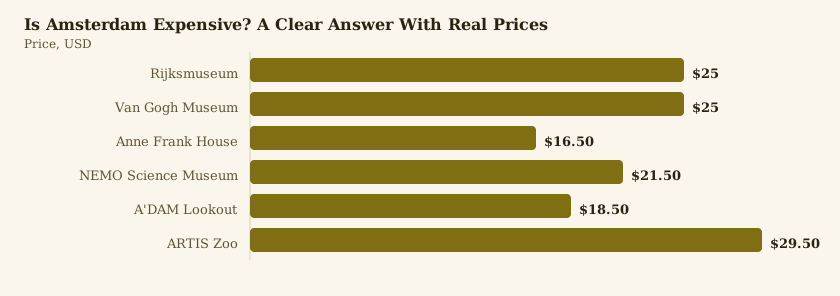
The four flagship museums charge between €16.50 and €25, with the Rijksmuseum and Van Gogh Museum both at €25 and the Anne Frank House at €16.50 including its booking fee. Under-18s go free at the Rijksmuseum and Van Gogh Museum, which quietly makes Amsterdam one of Europe's cheaper museum cities for families.
Those are official box-office prices, not estimates. The Rijksmuseum's own pricing page states €25 for adults, free entry for ages 18 and under, and requires every visitor, pass holders included, to book a start time online. The Van Gogh Museum charges the same €25, also free for under-18s, and also requires a pre-booked timed ticket. The Anne Frank House charges €16.50 for adults, €7 for ages 10 to 17 and €1 for ages 0 to 9, and sells tickets only through its own website, with no door sales and no legitimate reseller; anyone claiming to sell you Anne Frank House entry is selling something else.
| Attraction | Adult price | Children | Booking rule |
|---|---|---|---|
| Rijksmuseum | €25 | Free 18 and under | Timed entry, book a start time |
| Van Gogh Museum | €25 | Free under 18 | Timed entry, pre-booked ticket required |
| Anne Frank House | €16.50 | €7 ages 10 to 17, €1 ages 0 to 9 | Online only, no door sales |
| NEMO Science Museum | €21.50 | €21.50 ages 4 and over, free 0 to 3 | Start time on ticket |
| A'DAM Lookout | €18.50 counter, €16.50 online | Family tickets available | €2 cheaper per ticket online |
| ARTIS Zoo | from €29.50 online, €32.50 counter | from €25.50 ages 3 to 12 | Dynamic pricing, cheaper online |
Two patterns in that table save real money. First, booking online rather than at the counter is a genuine discount at the commercial attractions, not a marketing gimmick: A'DAM Lookout is €2 cheaper per ticket online and ARTIS prices its tickets dynamically, always lower online, varying by day. Second, the family pricing is unusually generous at the state museums, because the free-under-18 rule at the Rijksmuseum and Van Gogh Museum can remove €50 from a family's museum day before any other saving.
The Van Gogh Museum is the one most worth locking in early. It is among the most visited museums in the country, its timed tickets sell out on peak days, and a pre-booked ticket from the live listing costs from $31 with free cancellation, so reserving ahead costs nothing if plans change. Check availability, and see the full Van Gogh Museum guide for how the timed-entry system works in practice.
Beyond the big four, the second tier is noticeably cheaper and often better value. The Moco Museum, the Fabrique des Lumières immersive art centre and the STRAAT street art museum all sit in the €20 to €25 range on their live listings, and several of them rarely need advance booking at all. The museum tickets and queue-skipping guide walks through which ones genuinely sell out and which ones you can buy on the day.
How Much Does Transport in Amsterdam Cost?
A single tram, bus or metro ride costs €3.40 for a one-hour ticket, a 24-hour day pass costs €10, and tapping a contactless bank card works everywhere with a base fare of €1.16 plus €0.217 per kilometre. Two people moving around all day can share the maths: the day pass wins after roughly three rides.
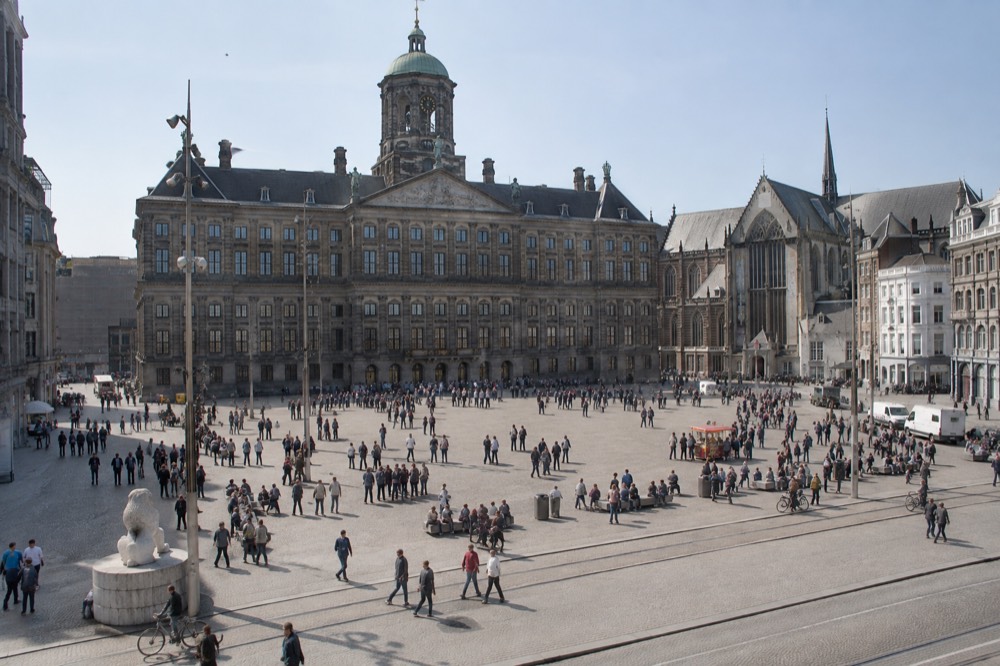
The GVB network of trams, buses, metros and ferries covers the whole city, and its fare structure is published on the operator's own price page. The one-hour ticket is €3.40. Day passes step up in clean increments: €16 for 48 hours, €21.50 for 72 hours, €27.50 for 96 hours, €34 for 120 hours. Children pay €5 for a 24-hour pass. For most visitors doing a standard city break, the honest calculation is simple: if you are staying in the centre and walking the canal ring, you may not need a pass at all, and contactless tapping with its daily cap will cost less.
| Ticket | Price | Best for |
|---|---|---|
| GVB 1-hour single | €3.40 | One-off trips |
| GVB 24-hour day pass | €10.00 | Three or more rides in a day |
| GVB 72-hour pass | €21.50 | Three full days of sightseeing |
| OVpay contactless | €1.16 base plus €0.217 per km | Occasional trips, no ticket needed |
| NS train from Schiphol | from €5.50 | Airport transfer, about 17 minutes |
| Airport Express bus 397 | from €6.50 | Hotel stops along the south corridor |
The airport transfer is where arriving visitors get their first price shock, and it is smaller than the taxi rank suggests. The NS train from Schiphol to Amsterdam Centraal starts at €5.50 and takes just over 17 minutes, which makes it one of the cheapest major-airport transfers in Europe. Schiphol publishes no fixed taxi fare, only that you pay what the meter shows, so any flat price a driver quotes at the rank deserves a polite decline. The full comparison lives in the Schiphol to central Amsterdam guide.
One transport cost is genuinely free: the GVB ferries across the IJ to Amsterdam Noord cost nothing at all, foot passengers and cyclists included, and they run day and night. A return ferry ride with a walk around the NDSM wharf is one of the better free afternoons the city offers, and it is described properly in the free things to do guide.
What Do Food, Drink and Nightlife Cost?
A canal-side dinner for two with wine typically runs €60 to €90, a market lunch costs under €10, and a beer in a brown café costs €3 to €4.50, while the same beer on a Damrak terrace can cost double. The spread between tourist-frontage and neighbourhood prices is wider in Amsterdam than in most European cities.
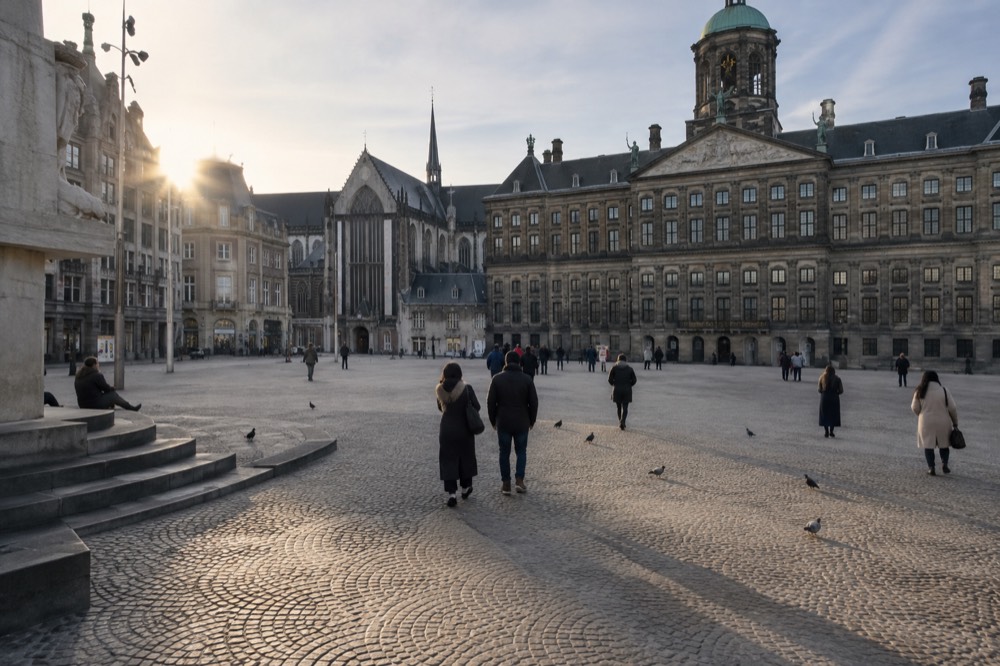
The single most useful food rule in Amsterdam is to walk two streets back from the water. The canal ring's front-row cafés price for the view; the Jordaan and De Pijp, ten minutes on foot, price for neighbours. A broodje haring from a market stall or a plate of bitterballen in a brown café will cost less than a sandwich on the Damrak. The what to eat in Amsterdam guide maps the dishes worth the money, and the Amsterdam on a budget guide builds a full cheap-eats day around them.
The Heineken Experience sits in the middle of the food-and-drink budget as the city's flagship paid brewery visit. A ticket from the live listing starts at $23 for a 90-minute self-paced experience in the original brewery, and it rates 4.6 across more than 39,000 reviews, which makes it one of the most-reviewed paid attractions in the city. It is a museum of beer more than a working brewery, so calibrate expectations accordingly, but for a group whose museum tolerance is limited, it is the attraction that gets everyone through the door. Other pages covering the same trip are gathered on Things to Do in Amsterdam.
Nightlife pricing follows the same frontage rule. A standard beer in an ordinary neighbourhood café costs €3 to €4.50, cocktail bars in the centre run €12 to €15 a drink, and club entry on big weekends can reach €25 or more. The Amsterdam nightlife guide covers the club scene; the budget story is that the brown café, the city's traditional wood-panelled pub, remains one of the cheapest nights out in any major European capital, and the brown cafés guide lists the good ones.
Where Does Amsterdam Quietly Cost You More?
The hidden costs are the 12.5 percent tourist tax added to every hotel night and holiday rental, the €15 per-passenger day tax charged to cruise visitors, and the city's frozen hotel supply, which keeps room rates high year-round. None of these appear in the advertised price of anything, and all of them land on the final bill.
The tourist tax is published on the municipality's own page: 12.5 percent of the overnight price, excluding VAT, applied to hotels, holiday rentals, campsites and bed-and-breakfasts alike. On a €150 room that is €18.75 per night, added after the price you compared online. Cruise passengers pay a separate day-tripper tax of €15 each. There is no way around either, but there is a way to plan for them: budget the tax as part of the room rate from the start, because the comparison sites do not do it for you.
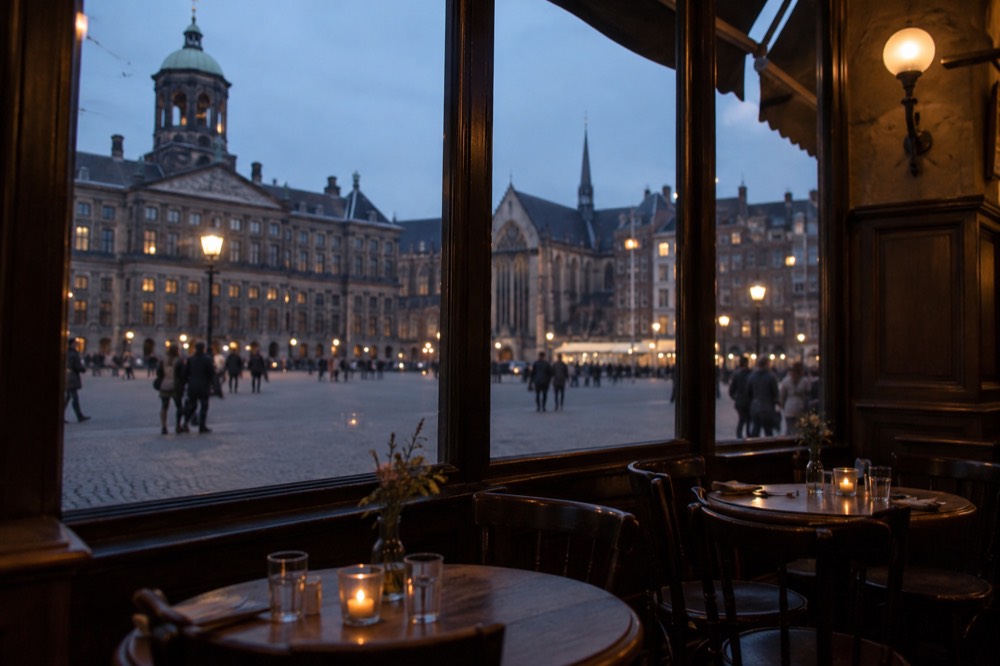
Accommodation is where the expensive reputation is truly earned, and the rental rule change matters more than most guides notice: since 1 April 2026, holiday rentals in the Jordaan, the canal belt, Haarlemmerbuurt and five other central neighbourhoods are limited to 15 rental nights per year instead of 30, with a maximum of four guests and a mandatory registration number. Fewer legal rental nights means fewer cheap apartments in exactly the neighbourhoods visitors want, which pushes demand back into hotels that cannot expand. The where to stay guide works through which areas still offer value.
The last quiet cost is timing. Amsterdam has no cheap season in the way southern cities do, because the event calendar fills the gaps: the Amsterdam Dance Event in late October packs the city in what would otherwise be shoulder season. The best time to visit guide identifies the weeks when demand genuinely dips.
How Can You Keep Amsterdam Affordable?
The four reliable savings are the free-under-18 museum rule, the €15.50 canal cruise instead of premium boats, the free GuruWalk walking tours that cost only your tip, and the Museumkaart at €75, which pays for itself after three major museums if you can use its temporary 31-day, five-visit version.
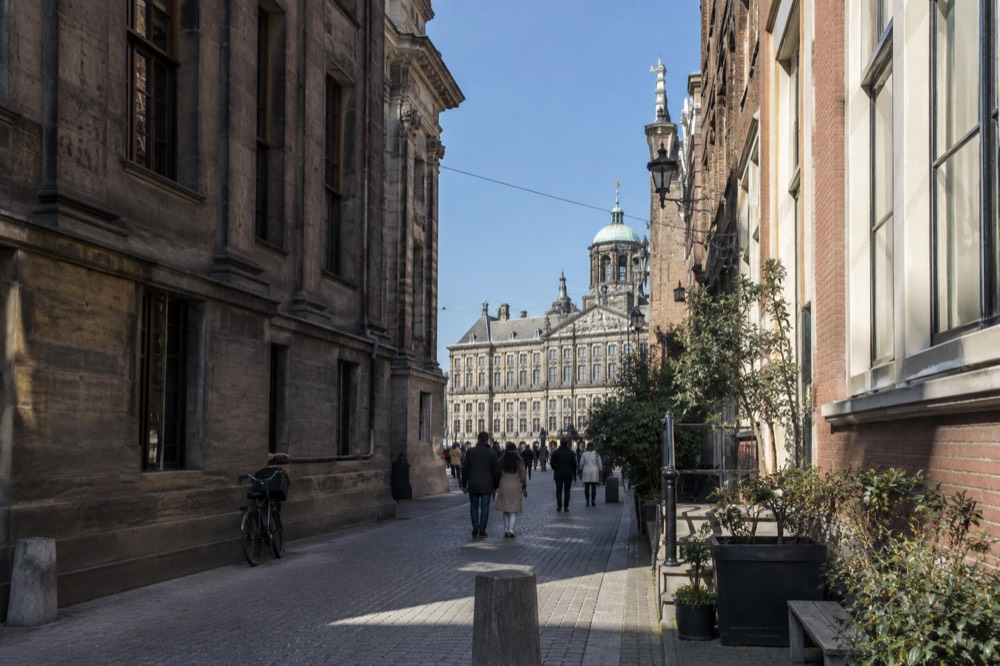
The canal cruise market is the clearest example of Amsterdam's two-tier pricing. Rederij Kooij, one of the established operators, sells its original one-hour cruise with audio guide at €15.50 with departures every 30 minutes and no time slots. Premium operators charge two and three times that for drinks, smaller boats or dinner service. The one-hour basic cruise from the live listing starts at $15 with an audio guide in 19 languages and three departure docks, which is the floor of the market and a perfectly good first cruise.
The Museumkaart deserves a paragraph because almost no international guide explains it correctly. The full card costs €75 per adult, covers more than 500 museums across the Netherlands, and visitors without a Dutch address can buy a temporary version at participating museums valid 31 days for a maximum of five visits, with a €4.95 registration fee on top for the youth card. The catch is real: the card does not cover the Anne Frank House beyond a €1 booking fee, and it does not cover ARTIS Zoo, though it does cover the Groote Museum and Micropia there. Three €25 museums in five visits and the card has paid for itself.
The free walking tours are the last piece of the affordable puzzle. The most-reviewed free city walk on GuruWalk runs 2 hours 30 minutes, is free to book, and you tip the guide what the walk turned out to be worth. The same operator network runs free walks focused on the Jewish Quarter and the city's history. For a family or a solo traveller, a tip-based walk plus a €15.50 cruise plus an afternoon of free ferries and canal-side walking makes a genuinely full day for under €30 per person before food.
| Sample day | Budget approach | Premium approach |
|---|---|---|
| One flagship museum | €25 Rijksmuseum, booked direct | €25 plus €31 pre-booked Van Gogh ticket |
| Canal cruise | €15.50 one-hour cruise | €40 pizza dinner cruise with drinks |
| Getting around | €10 day pass or free walking | Taxis between every stop |
| Evening | €3 to €4.50 per beer in a brown café | €12 to €15 cocktails on a canal terrace |
| Walking tour | Free GuruWalk, tip what it was worth | €33 small-group guided walk |
The pattern across every row of that table is the same: Amsterdam rarely forces the expensive version on you, it just makes the expensive version the easiest one to find. The premium options are real and often worth it, a dinner cruise at from $40 with unlimited drinks rates 4.5 across more than 3,000 reviews, but they sit on top of a functioning budget tier that most visitors never see because nobody puts it in front of them. For the full breakdown by travel style, the city card worth-it analysis runs the arithmetic on the €67 24-hour pass against pay-as-you-go.
Common Questions About Amsterdam Prices
Is Amsterdam expensive compared to other European cities?
Yes, it sits in the expensive tier, above Madrid and Prague but below Zurich and Copenhagen. The gap is concentrated in museums, accommodation and the 12.5 percent tourist tax, while trams, market food and brown cafés cost roughly the same as in Berlin or Brussels.
How much does a museum ticket cost in Amsterdam?
The Rijksmuseum and Van Gogh Museum both charge €25 for adults, the Anne Frank House charges €16.50 including its booking fee, and NEMO charges a flat €21.50. Under-18s go free at the Rijksmuseum and Van Gogh Museum, which makes the city unusually cheap for families.
Is the Anne Frank House included in any pass?
No. The Anne Frank House sells tickets only through its own website with no door sales and no legitimate reseller, and its own price table states the I amsterdam City Card gives no discount. A Museumkaart gets you in for only a €1 booking fee, but you still need a timed ticket.
What is the cheapest way to get around Amsterdam?
Contactless bank-card tapping costs €1.16 base plus €0.217 per kilometre with a daily cap, and a 24-hour GVB pass costs €10. The IJ ferries to Amsterdam Noord are free for foot passengers and cyclists. If you are staying central and walking the canal ring, you may need no transport ticket at all.
How much is a canal cruise in Amsterdam?
The verified floor of the market is €15.50 for a one-hour cruise with audio guide at Rederij Kooij, and equivalent one-hour cruises on live listings start at $15. Premium boats with drinks, dinner or small groups cost from $19.56 to $40.
What hidden costs should I budget for in Amsterdam?
Budget for the 12.5 percent tourist tax added to every hotel night and holiday rental, the €15 per-passenger cruise day tax if arriving by ship, and dynamic pricing at commercial attractions where counter tickets cost more than online ones, €2 more per ticket at A'DAM Lookout.